Alejandra Mendez, President of Childhood Cancer International, shared on LinkedIn:
“Over the past decades, our childhood cancer community has worked tirelessly to improve survival. But…What happens after treatment ends?
Survival is only the first step. We also need to ensure that children and adolescents have the opportunity not only to survive, but to live well and to thrive.
CANCER DOESN’T ENDS WHEN TREATMENT ENDS
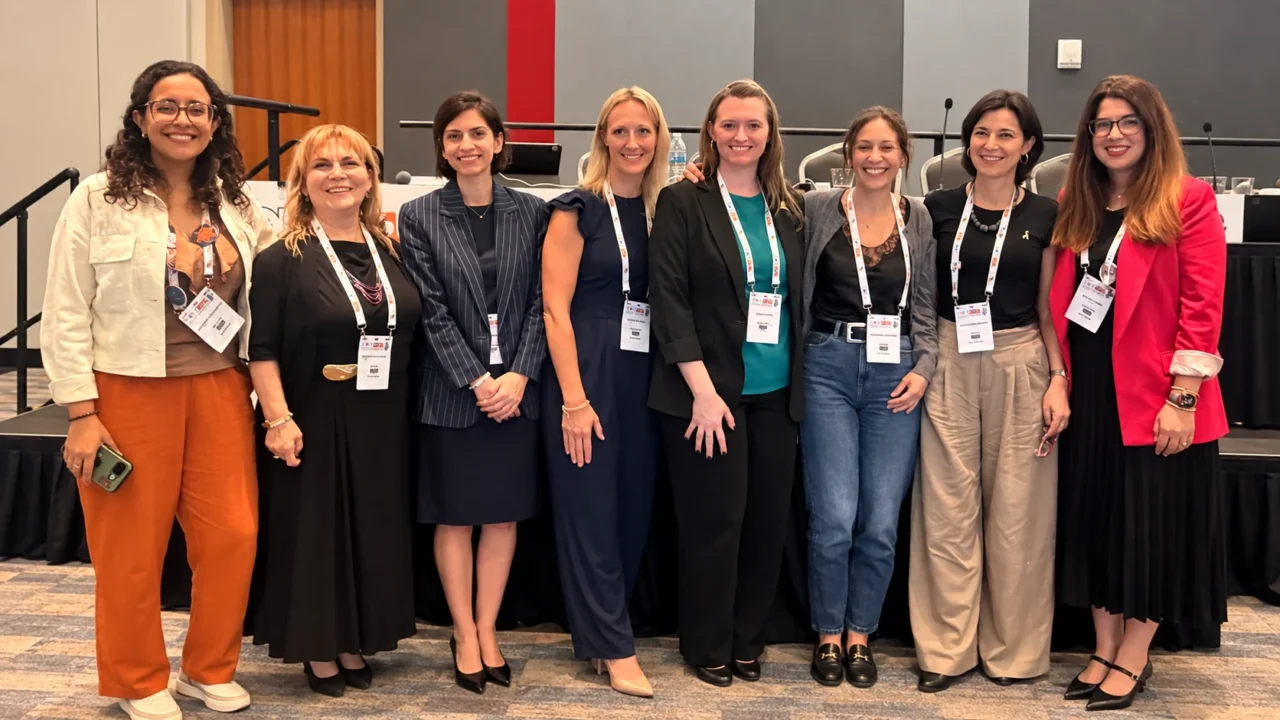
During the Childhood Cancer International Annual Conference in San Antonio, I had the privilege of moderating the CCI–SIOP panel, ‘Life After Childhood Cancer: Challenges Faced by AYA (adolescents and young adults) Survivors.’
The conversation brought together perspectives from lived experience, paediatric and AYA oncology, research, psycho-oncology, physical rehabilitation and survivor advocacy. Each perspective revealed a different dimension of survivorship.
For AYAs , this can be particularly complex. They are navigating a stage of life when identity is being formed, education and careers are beginning, relationships are developing, and decisions about the future are being made.
We discussed how physical and cognitive late effects can shape daily life long after treatment ends; how anxiety, isolation and fear of recurrence can affect emotional well-being; and how cancer may interrupt education, employment, relationships, identity, fertility and plans for the future.
We were also reminded that physical rehabilitation and mental-health support cannot be treated as optional additions. They must be integrated into long-term follow-up, together with fertility counselling, peer support and assistance with education, employment and social reintegration.
One of the strongest messages was that the transition from paediatric to adult care cannot be reduced to transferring a medical record.
Above all, survivors must be involved in designing these services. Their voices, knowledge and lived experience are essential if we want to build care that responds to real lives – not only to medical outcomes.
My heartfelt thanks to Gabriela Villanueva , Elysia Alvarez , Joan Hanania, PhD, Anne Gonzales , Erzsebet Szecsenyi , Nurdan Tacyildiz and Sarah Klein for sharing their knowledge and perspectives so generously.
I am also grateful to the Childhood Cancer International – Europe Survivorship Committee for their video contribution (Carina Schneider and Ian Murphy)
As I begin my term as President of Childhood Cancer International , I want to make a clear commitment: survivors, the challenges they face, and the ways we can work together to address them will be an important part of my presidency.
Because our responsibility is not only to help children survive cancer. It is also to ensure that they have the support, opportunities, and freedom to thrive and build full and meaningful lives.”
You can also read: ARCCS Helps Shape the Future of Cancer Survivorship Research