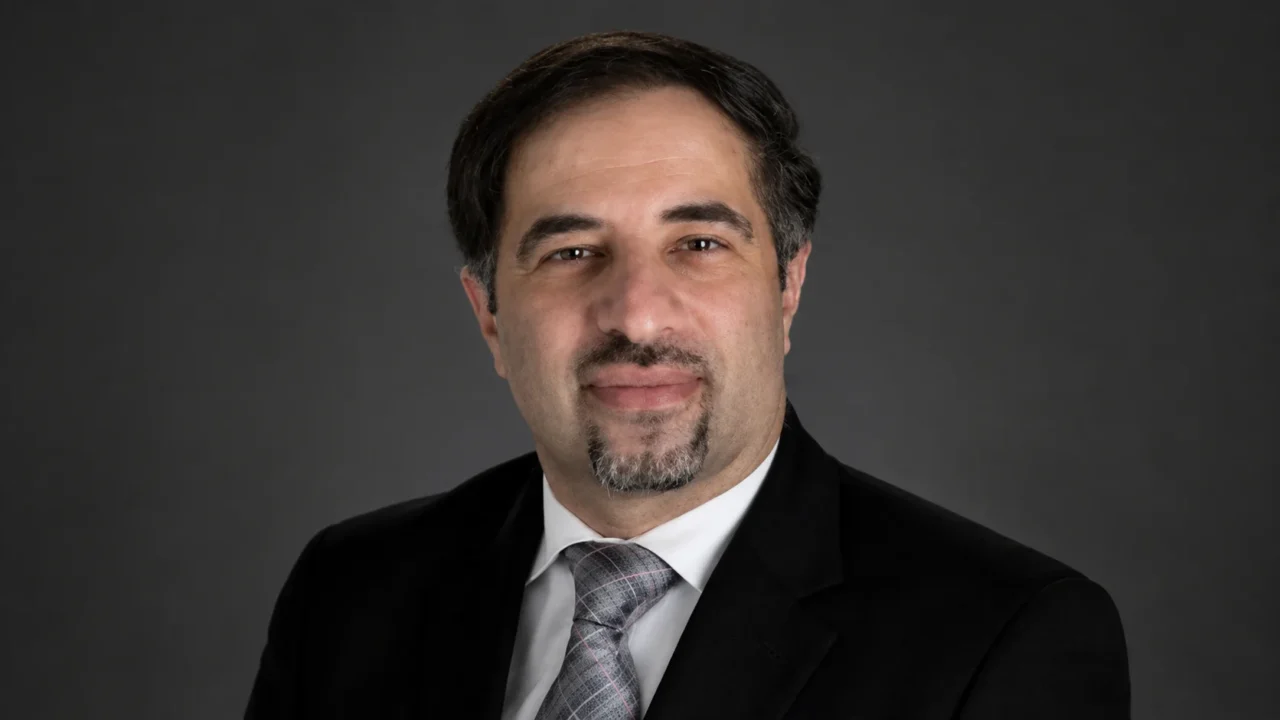
Al-Ola A Abdallah, Director of Plasma Cell Disorders Care at The University of Kansas Health System and Chair of USMIRC, shared on LinkedIn:
“I am not, and I will never be, just a writer. I aspire to be a builder!
I have never measured academic success by the number of papers published, guidelines written, or five-minute presentations delivered at conferences.
For me, these are tools, not the ultimate goal.
If they do not contribute to a larger vision, they become nothing more than additional lines on a CV.
Throughout my career, I have had the privilege of working alongside giants who taught me that physicians should not only advance science but also build institutions, establish programs, and create systems that transform patient care for generations.
Two remarkable leaders have profoundly shaped this belief.
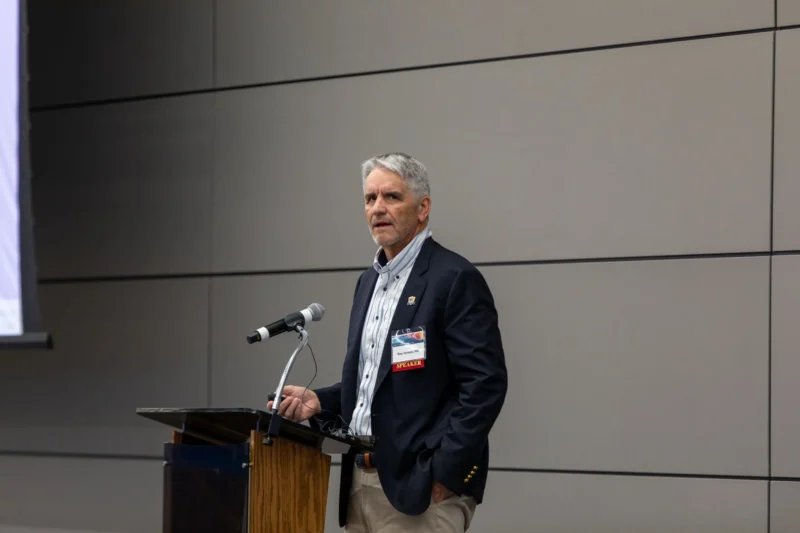
Dr. Roy Jensen, Director of The University of Kansas Cancer Center, helped transform our institution into an NCI-designated Comprehensive Cancer Center, established an exceptional research enterprise, and created a lasting legacy for Kansas. With the new cancer center building on the horizon, we are approaching another major transformation in cancer care across the Midwest.
Dr. Joseph McGuirk built an extraordinary transplant and cellular therapy program KUcancercenter, helping position our cancer center among the nation’s leading institutions in the treatment of myeloma, lymphoma, and leukemia.
What inspires me most about these leaders is not simply their individual accomplishments, but what they have built for others and for future generations.
My dream is to build a truly unique, comprehensive, multidisciplinary Plasma Cell Disorders Program within The University of Kansas Cancer Center.
A program that integrates clinical excellence, research, innovation, education, and collaboration across specialties to advance the care of patients with multiple myeloma, amyloidosis, and other plasma cell disorders.
A program that brings specialists together around a shared mission: delivering the best possible care to our plasma cell disorder patients.
A program that becomes bigger than any one individual and continues to grow long after its founders have moved on.
- Is it ambitious? Absolutely.
- Is it difficult? Without question.
- Is it possible? I believe it is.
I have tremendous respect for academic research and those who dedicate their careers to advancing knowledge. However, I have always believed that the greatest legacy of a physician is defined not only by what they publish, but also by what they build and leave behind.
And I constantly remind myself of one thing:
- I am not, and I will never be, just a writer. I aspire to be a builder.
- Because one day, when I look back on my career, I hope to see more than a long list of publications.
- I hope to see a program, a team, and a system that continue to transform patients’ lives long after I am gone.
- That, to me, is the true meaning of academic leadership.”
Other articles about Al-Ola A Abdallah on OncoDaily.