


Aharon Tsaturyan, Research Fellow at Immune Oncology Research Institute, shared on LinkedIn:
“Today, I had the honor of speaking on this fascinating topic during the Internal Medicine Session at COP17 Armenia.
Can Nature Cause Cancer – and Cure It? 5 Surprising Facts About Biodiversity
As an oncologist, I wanted to explore the two very different sides of nature and its relationship with cancer.
Nature can be a source of risk. Certain parasites, fungi, and naturally occurring compounds can contribute to carcinogenesis. Even substances we consider natural and harmless may carry serious health risks when exposure occurs under the wrong conditions.
But nature can also be a source of hope. Some of the most important anticancer drugs we use in everyday oncology practice were discovered thanks to nature. A single plant, organism, or natural compound can inspire a treatment that changes the lives of millions of patients.
I also had the opportunity to recommend two of my own articles, which explore the relationship between nature, environmental health, and cancer from different perspectives:
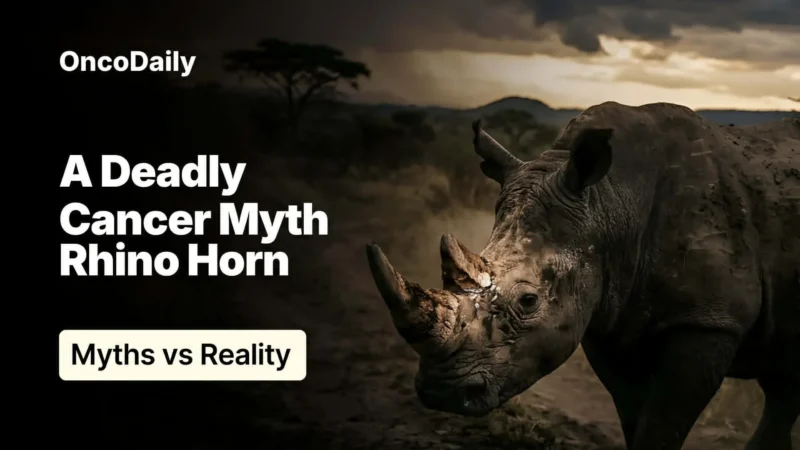
- ‘Rhino Horn and Cancer: A Dangerous Myth With Deadly Consequences’ – My article published in OncoDaily.
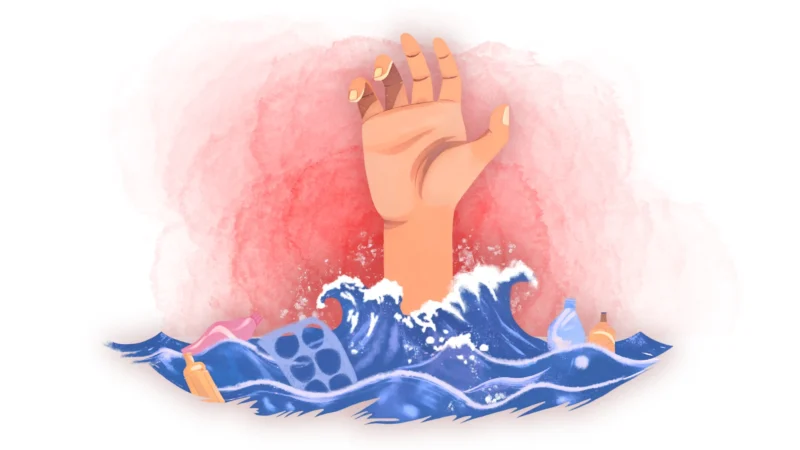
- ‘From Oceans to Organs: The Alarming Cancer Risks of Microplastics’ – My article published in CancerWorld Magazine.
For me, biodiversity conservation is not only about protecting our planet’s beauty. It is about protecting human health, preventing harmful environmental exposures, and preserving opportunities for future medical discoveries.
Every species of flora and fauna has its place in nature, and some may hold scientific potential we have not yet discovered. The same nature that contains carcinogenic hazards may also hold the key to tomorrow’s cancer treatments. Protecting biodiversity also means protecting possibilities for the future of cancer care.”