





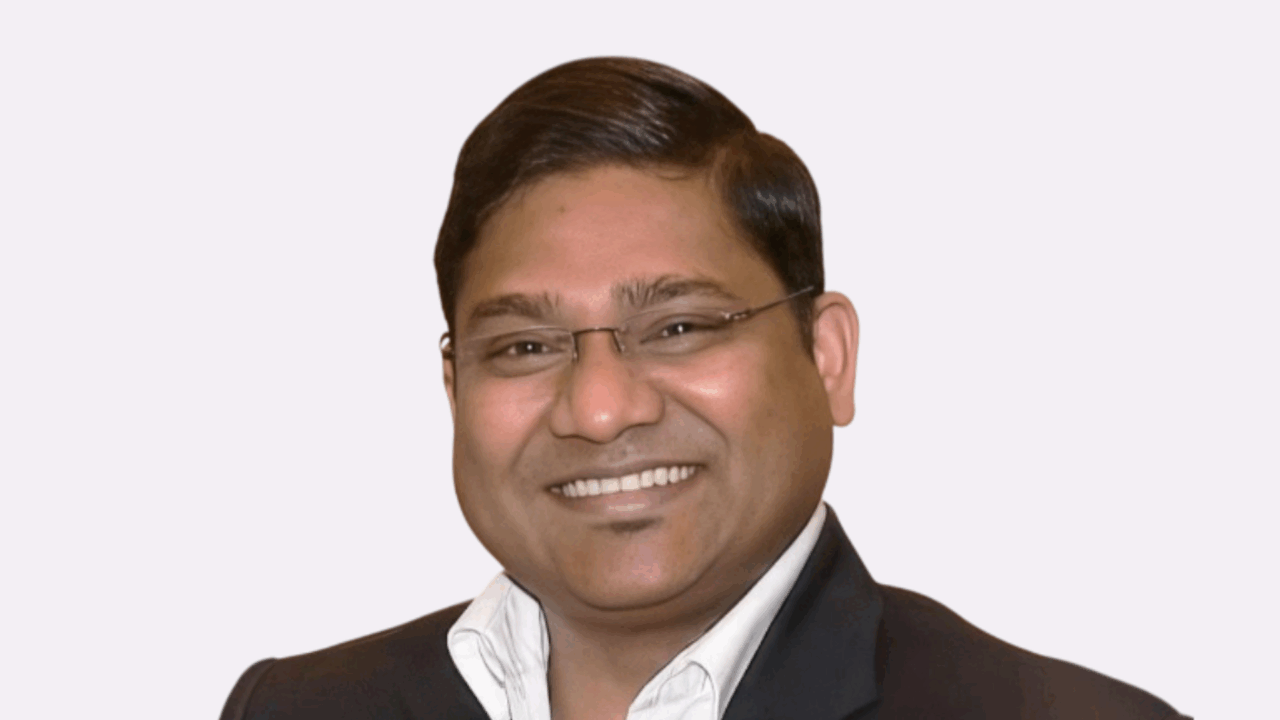
Achyut Saroj, Founder, Consultant, and Author at AwareOnc, KOL Engagement and Medical Affairs Liaison at Tatva Health, shared a post on LinkedIn:
“Why Helio Liver Meets the New Standard for HCC Surveillance?
The recently published AGA Clinical Practice Update has sent a clear message to the GI and hepatology community: legacy biomarkers like GALAD, while promising in retrospective cohorts, currently lack the prospective validation against high-quality imaging required for routine clinicaluse.
Clinicians are caught between a standard of care (ultrasound) that hits a diagnostic wall in our growing MASLD/MASH population and biomarkers that often see their performance drop when moved from the lab to the longitudinal clinic.
HelioLiver is the alternative built for this era of evidence-based precision.
Unlike GALAD, HelioLiver has been validated through the CLiMB trial, a fully prospective, multicenter, blinded study (n=1,968) that sets a new bar for clinicalrigor.
Why CLiMB changes the conversation?
- While earlier biomarker studies relied on mixed clinical truths, 100% of CLiMB participants underwent multiphasic contrast-enhanced MRI to establish the definitive presence or absence of cancer.
- In the CLiMB study, ultrasound demonstrated 0% sensitivity for HCClesions smaller than 2 cm. HelioLiver effectively identified these curative-stage tumors, showing 4X higher sensitivity for very early-stage (T1) lesions than ultrasound (40% vs. 10%).
- While legacy markers saw sensitivity drop by nearly 25% in non-viral populations, HelioLiver’s AIdriven multiomics (investigating ~500,000 bp of cfDNA) maintains stable, robust performance regardless of diseaseetiology or patient BMI.
The Bottom Line for GI and Hepatology Specialists.
HCC Surveillance is no longer about watchful waiting for a physical mass to become visible on a scan. It’s about leveraging proactive molecular detection that has been rigorously proven against the best imaging available.
It is time to move beyond insufficient evidence and start catching liver cancer when it counts the most.”
Other articles featuring Achyut Saroj on OncoDaily.