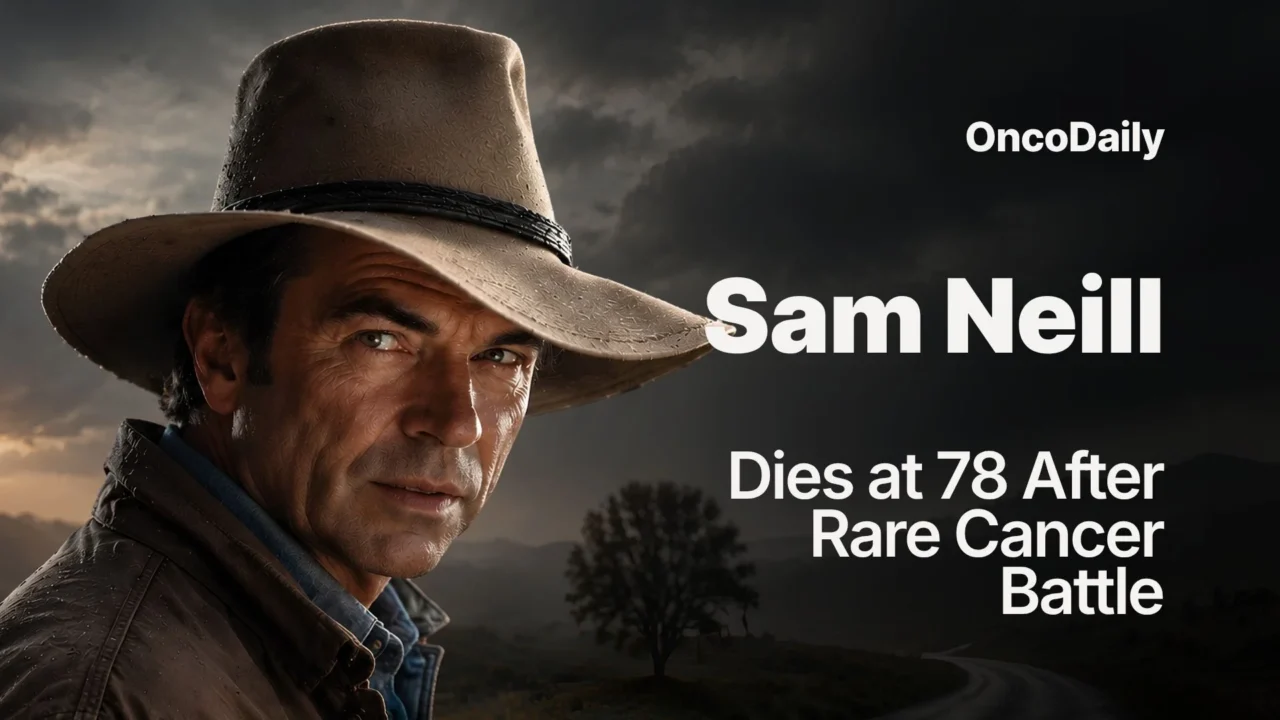
Sam Neill, the celebrated New Zealand actor whose career spanned more than five decades, has died at the age of 78. The Jurassic Park star died in Sydney, Australia, on Monday, July 13, surrounded by family and loved ones.
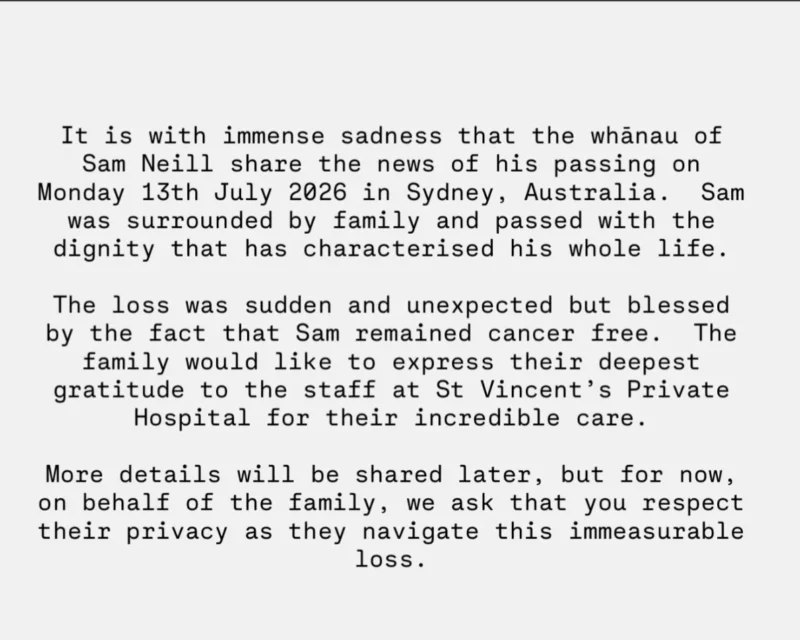
His family announced the news through a statement shared on his Instagram page, describing his death as sudden and unexpected.
“It is with immense sadness that the whānau of Sam Neill share the news of his passing on Monday 13th July, in Sydney Australia,” the statement read, using the Māori word for extended family.
The family said Neill “passed with the dignity that has characterised his whole life” and expressed gratitude to the staff of St Vincent’s Private Hospital for the care he received.
Although Neill had previously been diagnosed with a rare form of blood cancer, his family emphasized that he was cancer-free at the time of his death. A cause of death has not been disclosed.
A Private Battle Revealed Through His Memoir
Sam Neill publicly disclosed his diagnosis in his 2023 memoir, Did I Ever Tell You This?
He had been diagnosed in early 2022 with stage III angioimmunoblastic T-cell lymphoma, a rare and aggressive form of non-Hodgkin lymphoma. The diagnosis came after he experienced swollen glands while promoting Jurassic World Dominion.
Faced with an uncertain future, Neill began writing his memoir as a way to document his life and remain occupied during treatment.
“The thing is, I’m crook. Possibly dying. I may have to speed this up,” he wrote.
Neill received chemotherapy and later responded to another anti-cancer medication, entering remission in 2022. He subsequently continued receiving regular infusion therapy to maintain his response.
Earlier in 2026, the actor announced that he was cancer-free.
Cancer Treatment With Characteristic Honesty
Neill spoke openly about the physical and emotional burden of treatment. He described chemotherapy as a difficult and deeply unpleasant experience, while acknowledging that treatment had kept him alive.
Despite the seriousness of his diagnosis, he approached conversations about mortality with the understated humor that had become central to his public persona.
“I’m not afraid to die, but it would annoy me,” he said in an interview with The Guardian.
In the months before his death, Neill had also advocated for access to newer cancer therapies. His public discussion of lymphoma brought attention to a rare disease that remains unfamiliar to many people outside the hematology community.
His willingness to speak candidly about treatment, remission, uncertainty, and life after diagnosis resonated with patients and families experiencing similar circumstances.
Understanding Angioimmunoblastic T-Cell Lymphoma
Angioimmunoblastic T-cell lymphoma is an uncommon subtype of peripheral T-cell lymphoma. It affects the immune system and is generally considered an aggressive blood cancer.
The disease may present with enlarged lymph nodes, fever, fatigue, weight loss, skin changes, or other systemic symptoms. Because these signs can resemble infections or autoimmune conditions, diagnosis may be challenging.
Treatment commonly involves systemic chemotherapy, although responses and treatment strategies vary according to a patient’s health, disease characteristics, and previous therapies. Some patients may receive targeted agents, stem cell transplantation, or treatment through clinical trials.
Neill’s family stated that he remained cancer-free at the time of his death, and no evidence has been presented connecting his passing to lymphoma.
From New Zealand Cinema to Global Stardom
Born Nigel John Dermot Neill in Omagh, Northern Ireland, Neill moved to New Zealand with his family at the age of seven. He adopted the name Sam during childhood and discovered acting through school productions.
His breakthrough came with the 1977 New Zealand film Sleeping Dogs. The role opened the door to further opportunities in Australia and established him as one of the emerging figures of Australasian cinema.
International audiences took greater notice of Neill following his performance in the 1979 drama My Brilliant Career. He later appeared in films including Omen III: The Final Conflict, Dead Calm, A Cry in the Dark, The Piano, Event Horizon, and Bicentennial Man.
Neill also screen-tested for the role of James Bond during the 1980s, although he later admitted that he had felt uncomfortable during the audition and did not believe the role suited him.
The Role That Defined a Generation
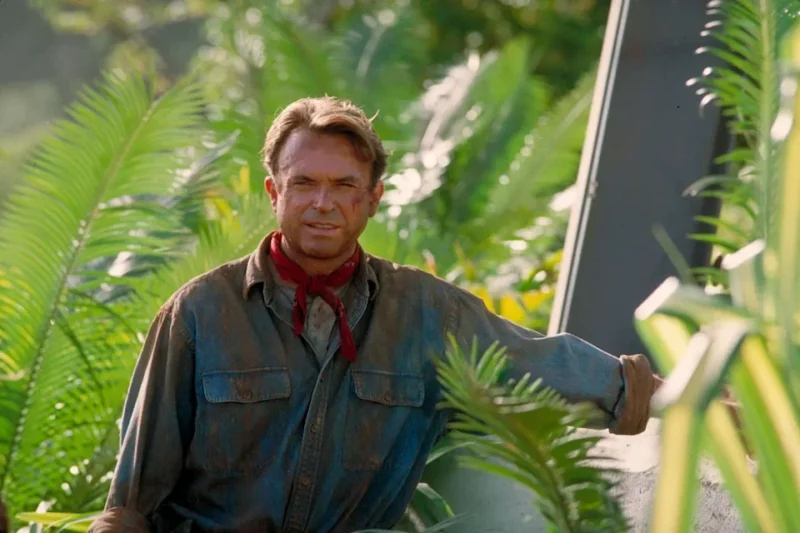
Neill achieved worldwide recognition in 1993 when he portrayed paleontologist Dr. Alan Grant in Steven Spielberg’s Jurassic Park.
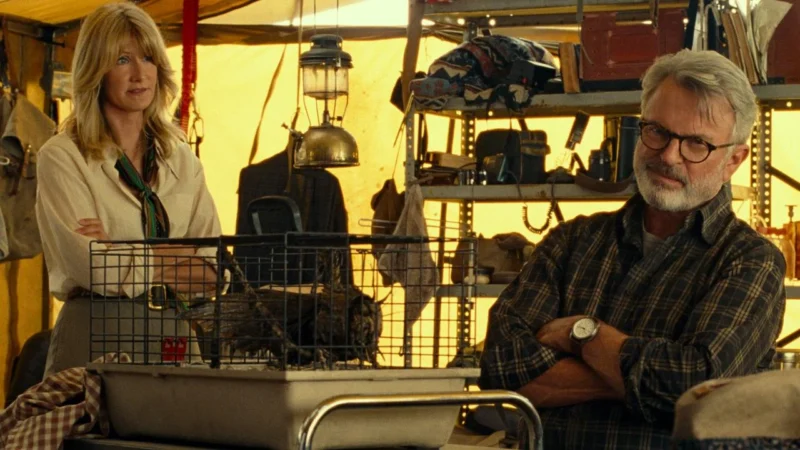
The performance became one of the defining roles of his career. He later returned to the franchise in Jurassic Park III and Jurassic World Dominion, introducing the character to new generations of viewers.
His television career was equally varied. Younger audiences recognized him as Chief Inspector Chester Campbell in Peaky Blinders, while his other television appearances included The Tudors, Doctor Zhivago, and Apples Never Fall.
Across more than 50 films, Neill moved easily between major Hollywood productions, independent cinema, historical drama, horror, science fiction, and television.
Tributes to “One of the Greats”
Tributes followed the announcement of his death from actors, filmmakers, public figures, and political leaders.
Australian Prime Minister Anthony Albanese remembered Neill as “wry and dry, thoughtful and laconic,” saying that he had earned a special place in Australian hearts.
New Zealand Prime Minister Christopher Luxon described him as “one of the greats” and praised his contribution to the development of New Zealand’s film industry.
Director Colin Trevorrow, who worked with Neill on Jurassic World Dominion, remembered him as a deeply soulful and beautiful person whose strength had supported those around him.
Friends and colleagues also described Neill as generous, kind, humorous, intelligent, and self-deprecating.
A Life Beyond the Screen
In 2022, Neill accepted a knighthood in recognition of his outstanding contribution to film, having previously declined the honor.
Away from acting, he divided his time between Australia and his vineyard in New Zealand’s Central Otago region, where he produced Pinot Noir under the Two Paddocks label.
His final completed film was the 2025 Australian black comedy fantasy The Fox. Two additional productions, Godzilla x Kong: Supernova and The Last Resort, were reported to be in post-production and expected to be released posthumously.
Neill was married twice and is survived by his two sons and two daughters.
His family has requested privacy as they mourn what they described as an “immeasurable loss.” His legacy remains visible not only through an extensive body of work, but also through the dignity, candor, and humor with which he spoke about cancer, treatment, remission, and mortality.
Written by Nare Hovhannisyan, MD
You can read more in-depth oncology stories on OncoDaily.