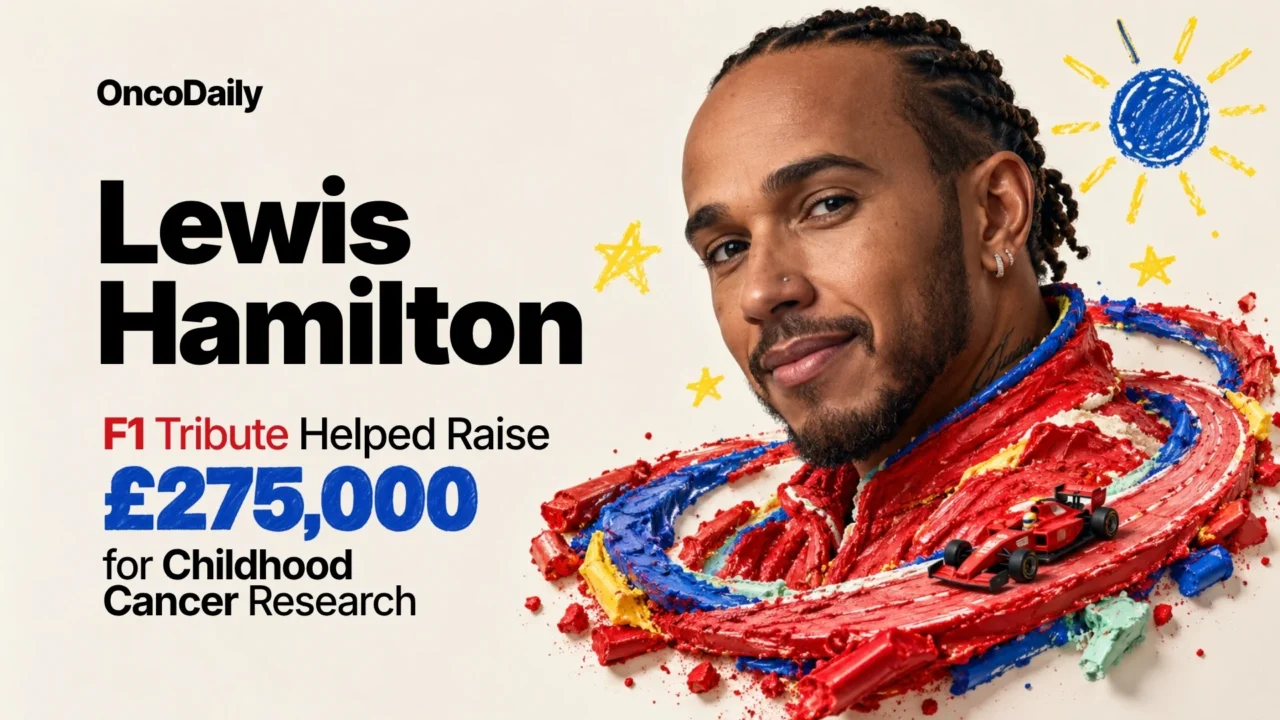
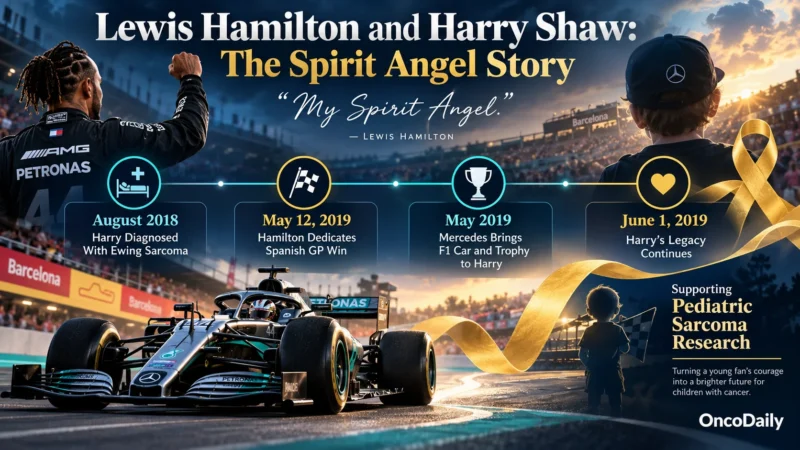
In May 2019, Formula 1 champion Lewis Hamilton dedicated his Spanish Grand Prix victory to five-year-old Harry Shaw, a young fan battling terminal Ewing sarcoma. What began as a touching exchange between a child and his sporting hero became an international story of compassion, childhood cancer awareness, and research fundraising. Hamilton’s tribute helped bring widespread attention to Harry’s Giant Pledge, a campaign established by Harry’s parents, James and Charlotte Shaw, to support The Royal Marsden Cancer Charity.
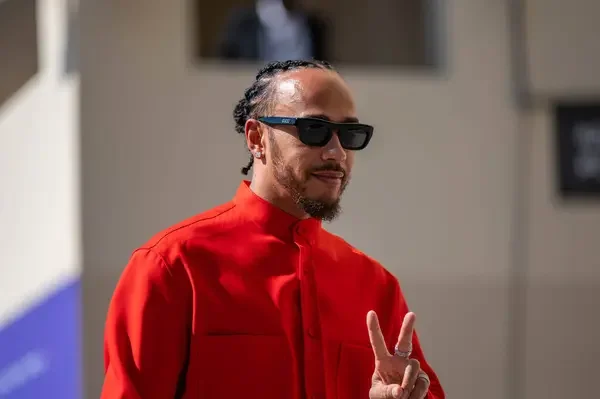
Photo: Depositphotos
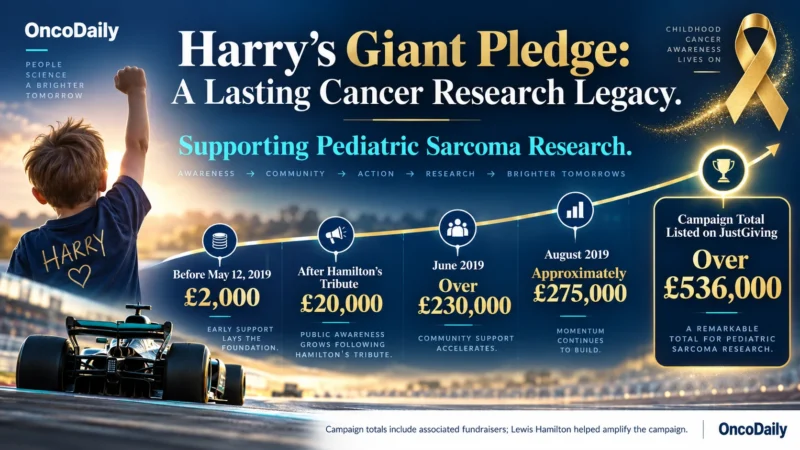
The initiative raised more than £230,000 by early June 2019 and continued to grow. By August, the fundraising story was associated with approximately £275,000 in donations. Years later, the dedicated JustGiving campaign records more than £536,000 raised through its network of fundraisers. Behind these figures is the story of a five-year-old boy whose love of Formula 1 helped create a lasting contribution to research into rare childhood cancers.
Who Was Harry Shaw?
Harry Shaw was a five-year-old boy from Surrey, England, who loved Formula 1 and was particularly devoted to Lewis Hamilton. On August 2, 2018, when Harry was four years old, doctors discovered a large tumor in his chest during an examination of a small lump. He was diagnosed with Ewing sarcoma, a rare and aggressive cancer that most commonly affects bones but can also develop in soft tissues. Harry began chemotherapy at University College London Hospital on August 17, 2018. According to his family’s account, he underwent four months of intensive treatment, continuing to attend school whenever possible and spending time with his friends.
In January 2019, he underwent surgery at the Royal Brompton Hospital to remove the tumor. Initially, the family remained hopeful about his recovery. However, the disease subsequently progressed, and by April 2019, doctors had informed his parents that Harry was approaching the end of his life. Despite this devastating prognosis, James and Charlotte Shaw decided to create something meaningful from their son’s experience. They launched Harry’s Giant Pledge, a fundraising initiative dedicated to advancing research into Ewing sarcoma and other childhood cancers.
How Did Harry Shaw Inspire Lewis Hamilton?
On May 12, 2019, the morning of the Spanish Grand Prix at the Circuit de Barcelona-Catalunya, Harry sent Hamilton a short video wishing him luck in the race. The message reached the Mercedes team before the Grand Prix. Hamilton, who was preparing for another important race in the Formula 1 championship, was deeply moved by the five-year-old’s encouragement. He went on to win the Spanish Grand Prix and dedicated his victory to Harry. Speaking after the race, Hamilton described the young fan as his “spirit angel”, explaining that Harry’s message had provided the motivation he needed that morning. The moment quickly attracted international attention.
For Harry and his parents, the significance was deeply personal. A child facing a terminal illness had reached one of the world’s most recognizable athletes, and that athlete had responded by making him part of a major sporting achievement. Hamilton also shared Harry’s story on social media, introducing millions of followers to the family’s experience. The attention brought renewed visibility to Harry’s Giant Pledge and its mission to support childhood cancer research.
What Did Lewis Hamilton and Mercedes Do for Harry Shaw?
Hamilton’s support extended beyond the dedication of his race victory. On May 13, 2019, Mercedes arranged for a Formula 1 car to be brought to Harry’s family home in Surrey. The team also presented Harry with Hamilton’s Spanish Grand Prix winner’s trophy. The visit allowed Harry, who had been unable to go outside for several weeks, to see a Formula 1 car up close. His father, James Shaw, described the experience as an important emotional boost during an extremely difficult period. For a child who loved Formula 1, the opportunity to experience a Mercedes racing car and hold the trophy from Hamilton’s victory was extraordinary.
Images of Harry with the vehicle and trophy circulated widely, further drawing attention to his family’s fundraising campaign. The gestures were personal expressions of support and awareness. Hamilton did not establish the charity campaign, and the money raised should not be represented as a donation made entirely by the driver. His contribution was the extraordinary visibility he brought to a family-led effort.
How Much Money Did Harry’s Giant Pledge Raise?
The campaign’s fundraising growth demonstrated the impact that a widely shared sporting moment can have on public engagement. Before Hamilton’s Spanish Grand Prix tribute, the family’s fundraising effort had collected approximately £2,000. By the following day, media reports indicated that donations had risen to around £20,000. The campaign continued attracting contributions in the weeks that followed. By early June 2019, when Harry’s death was announced, fundraising had exceeded £230,000. The campaign was subsequently associated with approximately £275,000 raised by August 2019.
However, that milestone was not the end of the story. The dedicated Harry’s Giant Pledge campaign page on JustGiving subsequently recorded more than £536,000 in total fundraising contributions across its associated fundraising activities. Harry Shaw’s individual fundraising page was listed at approximately £407,004 from 7,539 supporters, demonstrating how support continued long after the original campaign attracted national attention. These totals reflect separate measurements within the fundraising campaign and should not be combined or confused with the fundraising totals of The Royal Marsden Cancer Charity as a whole. The continuing support represents a significant legacy for a rare childhood cancer that requires sustained scientific research.
What Is Ewing Sarcoma?
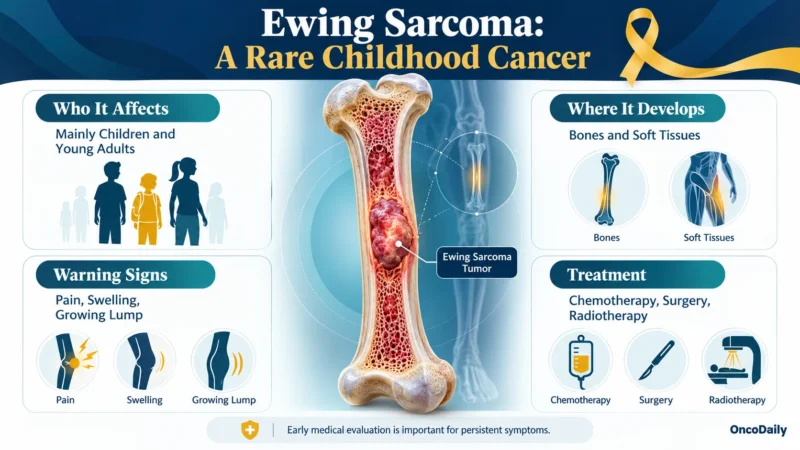
Ewing sarcoma is a rare malignant tumor that predominantly affects children, adolescents, and young adults. It most frequently develops in bones, including the pelvis, legs, chest wall, and ribs, although it can also originate in soft tissues. The disease is characterized by abnormal genetic changes, most commonly involving a fusion between the EWSR1 and FLI1 genes. This fusion produces a protein that disrupts normal gene regulation and contributes to uncontrolled tumor growth. According to the US National Cancer Institute, the incidence of Ewing sarcoma and related bone sarcomas was approximately 3 cases per million children and adolescents younger than 20 years in the United States between 2016 and 2020.
The disease is therefore considerably less common than many adult malignancies. Despite its rarity, Ewing sarcoma can be aggressive and may spread to the lungs, other bones, or bone marrow. Approximately one-quarter of patients have metastatic disease at the time of diagnosis.
What Are the Symptoms of Ewing Sarcoma?
Symptoms vary depending on where the tumor develops. Possible signs include persistent bone pain, swelling or a lump near the affected area, reduced mobility, and unexplained fractures. Tumors involving the chest wall may cause chest discomfort, coughing, or breathing difficulties. Because these symptoms can resemble more common childhood injuries or other conditions, diagnosis may be delayed. Persistent or progressive symptoms require appropriate medical evaluation, particularly when pain or swelling cannot be explained by an injury.
How Is Ewing Sarcoma Treated?
Ewing sarcoma usually requires multimodal treatment, combining systemic chemotherapy with surgery and/or radiation therapy. Treatment often begins with chemotherapy intended to shrink the primary tumor and target cancer cells that may have spread beyond the visible disease. A commonly used chemotherapy approach alternates vincristine, doxorubicin, and cyclophosphamide with ifosfamide and etoposide, known as VDC/IE. Surgery or radiation therapy is then used to control the primary tumor, followed by additional systemic treatment when appropriate. The treatment strategy depends on tumor location, disease extent, treatment response, and the patient’s overall condition.
Harry’s family reported that he received intensive chemotherapy followed by surgery to remove the tumor in his chest. Unfortunately, his disease later progressed. His experience reflects one of the major challenges in pediatric oncology: although outcomes have improved substantially for some children with localized Ewing sarcoma, metastatic and recurrent disease remain difficult to treat successfully.
What Are the Survival Rates for Ewing Sarcoma?
Survival depends strongly on whether the cancer is localized or has spread at diagnosis. According to the American Cancer Society, five-year relative survival rates for patients diagnosed between 2015 and 2021 were approximately 81% for localized Ewing sarcoma, meaning the cancer had not spread beyond its original site. For patients with regional disease, the five-year relative survival rate was approximately 77%, while for patients whose cancer had spread to distant parts of the body, it was approximately 41%.
Across all stages combined, the five-year relative survival rate was approximately 65%. These figures describe outcomes across large groups of patients, not the expected survival of an individual child. Age, tumor size, location, metastatic involvement, response to chemotherapy, and other clinical factors all influence prognosis. Importantly, these population-level survival estimates cannot be used to reconstruct Harry’s individual medical prognosis.
Why Is Research Funding Important for Childhood Sarcoma?
Childhood cancers differ biologically and clinically from many cancers diagnosed in adults. Ewing sarcoma is particularly challenging because of its rarity, aggressive behavior, and limited treatment options for patients whose disease progresses or returns. Rare cancers also present practical challenges for research. Fewer patients are available for clinical trials, requiring international collaboration and specialized research networks to study new treatments effectively. Charitable funding can help support early-stage research, develop new therapeutic strategies, and create opportunities for studies that might otherwise struggle to secure sufficient resources.
This was central to the purpose of Harry’s Giant Pledge. According to the campaign’s official fundraising page, the money was intended to fund pioneering research into new approaches for children with sarcoma. The proposed work included exploring cancer medicines previously studied in adults and investigating their use alongside radiation therapy in pediatric cancers. The objective was to identify treatment strategies that might ultimately improve outcomes for children facing diseases like Harry’s. Although research funding does not guarantee an effective new treatment, it creates opportunities to investigate scientific questions and develop therapies for future patients.
When Did Harry Shaw Die?
Harry Shaw died on June 1, 2019, at the age of five, following approximately 10 months of treatment for Ewing sarcoma. His parents announced the news publicly several days later. In their statement, they described Harry’s determination throughout his illness and the profound loss experienced by their family.
His death occurred less than three weeks after Hamilton dedicated the Spanish Grand Prix victory to him. By then, Harry’s story had already reached audiences far beyond the family’s local community. In the aftermath of his death, donations continued, with supporters contributing to the campaign in his memory. Harry’s parents emphasized their desire to help prevent other families from experiencing the suffering they had witnessed. That purpose became the foundation of Harry’s enduring legacy.
How Did Lewis Hamilton Help Raise Awareness of Childhood Cancer?
Lewis Hamilton’s involvement demonstrated how public figures can help amplify medical causes without being directly involved in scientific research or clinical treatment. The Formula 1 champion used his platform to bring attention to a rare childhood cancer, connecting a sporting achievement with a broader humanitarian message. His tribute also inspired other public figures and sports personalities to acknowledge Harry’s story.
Among those who expressed support were cricketer Jos Buttler, former England footballer Gary Lineker, and tennis champion Novak Djokovic. As more people learned about Harry’s experience, awareness of Ewing sarcoma grew alongside financial contributions to the fundraising campaign. The story became an example of how celebrity engagement can help turn public sympathy into support for biomedical research. But it is important to recognize that the lasting effort was driven by Harry’s family and supported by the many individuals who contributed afterward.
What Is Harry Shaw’s Legacy Today?
Seven years after Harry’s death, the central message behind Harry’s Giant Pledge remains relevant. His parents created a campaign to support research into a rare disease that had devastated their family. Lewis Hamilton helped bring that campaign to international attention, and thousands of supporters contributed to its growth. The resulting fundraising was directed toward developing research opportunities for pediatric sarcoma, with the goal of improving treatment options for children in the future.
Harry’s story remains a reminder that childhood cancer research is not simply about discovering new medicines. It is also about understanding the experiences of children and families, addressing unmet medical needs, and improving both survival and quality of life. Hamilton’s Spanish Grand Prix victory is remembered as one of the most emotional moments of the 2019 Formula 1 season. For Harry’s family and the people who supported his campaign, however, the more enduring achievement was the research-focused legacy that followed. Harry Shaw did not live to see the results of the campaign he inspired, but his story helped create opportunities for research intended to benefit future children with rare cancers.
You Can Also Read Sir David Beckham: Cancer Charity Initiatives Through the Years by OncoDaily

Written by Aharon Tsaturyan, MD, Editor at OncoDaily Intelligence Unit
FAQ
Who Was Harry Shaw, the Boy Who Inspired Lewis Hamilton?
Harry Shaw was a five-year-old Formula 1 fan from Surrey, England, who was diagnosed with Ewing sarcoma in August 2018. His video message inspired Lewis Hamilton to dedicate his victory at the 2019 Spanish Grand Prix to him.
What Type of Cancer Did Harry Shaw Have?
Harry was diagnosed with Ewing sarcoma, a rare cancer that commonly develops in bones but can also affect soft tissues. His family reported that doctors found a large tumor in his chest when he was four years old.
Why Did Lewis Hamilton Call Harry Shaw His “Spirit Angel”?
After watching Harry's message before the Spanish Grand Prix on May 12, 2019, Hamilton described the young fan as his “spirit angel.” The driver said Harry had inspired him before the race, which Hamilton went on to win.
How Much Money Did Lewis Hamilton Help Harry Shaw Raise?
Hamilton's tribute helped publicize Harry's Giant Pledge, which grew from approximately £2,000 before the race to around £20,000 shortly afterward. The dedicated JustGiving campaign now lists more than £536,000 across its associated fundraisers. Hamilton amplified the family-led campaign; he did not personally donate that entire amount.
What Did Lewis Hamilton Give Harry Shaw?
Following his Spanish Grand Prix victory, Hamilton and Mercedes arranged for a Formula 1 car and the race winner's trophy to be delivered to Harry's family home in Surrey.
When and How Did Harry Shaw Die?
Harry Shaw died on June 1, 2019, aged five, following a ten-month battle with Ewing sarcoma. His family subsequently announced his death and continued fundraising to support childhood cancer research.
What Are the First Symptoms of Ewing Sarcoma in Children?
Common symptoms include persistent bone pain, swelling or a growing lump, reduced mobility, and sometimes unexplained fractures. Symptoms depend on the tumor's location, and persistent or worsening symptoms require medical assessment.
What Is the Survival Rate for Ewing Sarcoma?
American Cancer Society data for patients diagnosed between 2015 and 2021 indicate five-year relative survival of approximately 81% for localized disease and 41% for distant metastatic disease. These are population estimates and cannot predict an individual patient's outcome.
9. Can Ewing Sarcoma Be Cured With Chemotherapy?
Some patients with Ewing sarcoma can be cured using combination chemotherapy together with surgery and/or radiation therapy. Outcomes are generally more favorable in localized disease than in metastatic or recurrent disease.
10. What Is Harry's Giant Pledge, and Where Does the Money Go?
Harry's Giant Pledge is a fundraising campaign established by Harry's parents to support The Royal Marsden Cancer Charity. The campaign focuses on research into new treatments for children with sarcoma, including approaches combining anticancer medicines with radiotherapy.
Are Lewis Hamilton and Kim Kardashian Dating?
Yes. Formula 1 champion Lewis Hamilton and Kim Kardashian have been romantically linked since early 2026. After years of friendship, their relationship became public through appearances together, including the 2026 Super Bowl. They subsequently shared photos together on social media.
Are Lewis Hamilton and Kim Kardashian Married?
No. As of October 2026, Lewis Hamilton and Kim Kardashian are not publicly known to be married or engaged. Although their relationship has attracted considerable attention, online claims suggesting a secret marriage have not been supported by credible evidence.