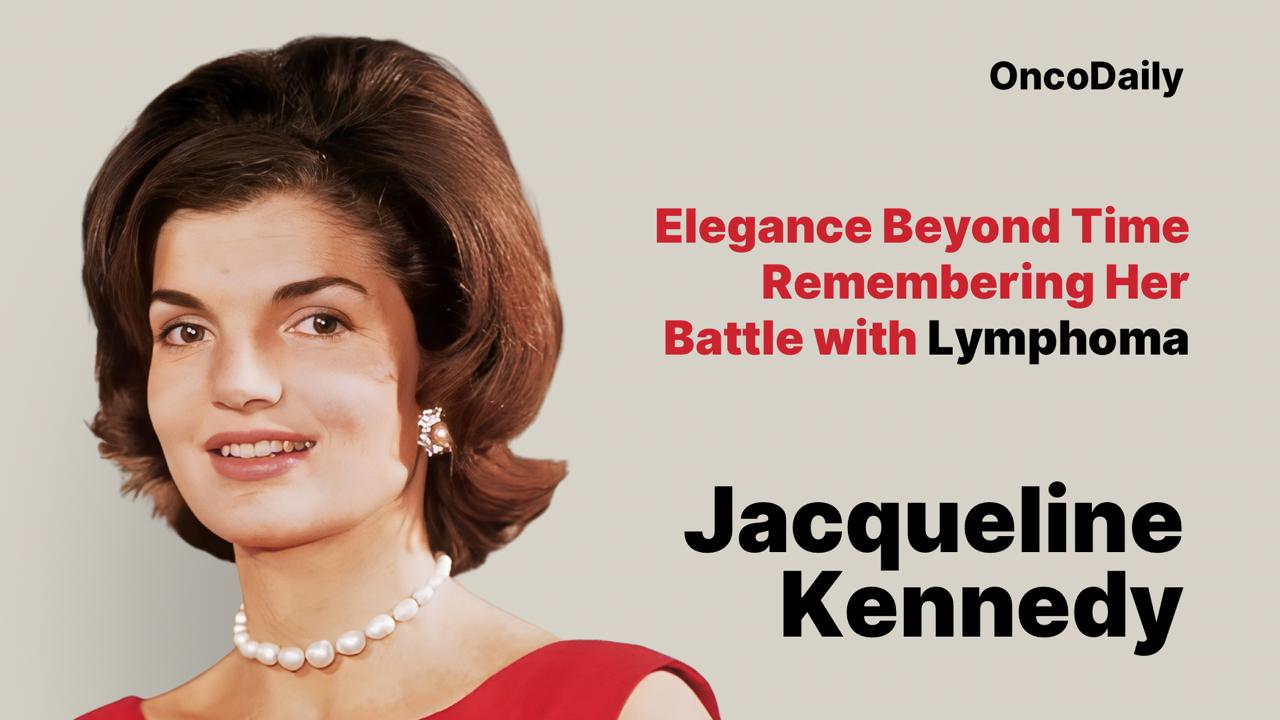
Jacqueline Kennedy Onassis, the iconic former First Lady (1929-1994), exemplified grace and resilience amid profound personal tragedies, including the assassinations of her husband President John F. Kennedy and brother-in-law Robert Kennedy. In late 1993, at age 64, she experienced flu-like symptoms including a stomach ache and swollen lymph nodes in her neck, leading to a diagnosis of non-Hodgkin’s lymphoma in December 1993.
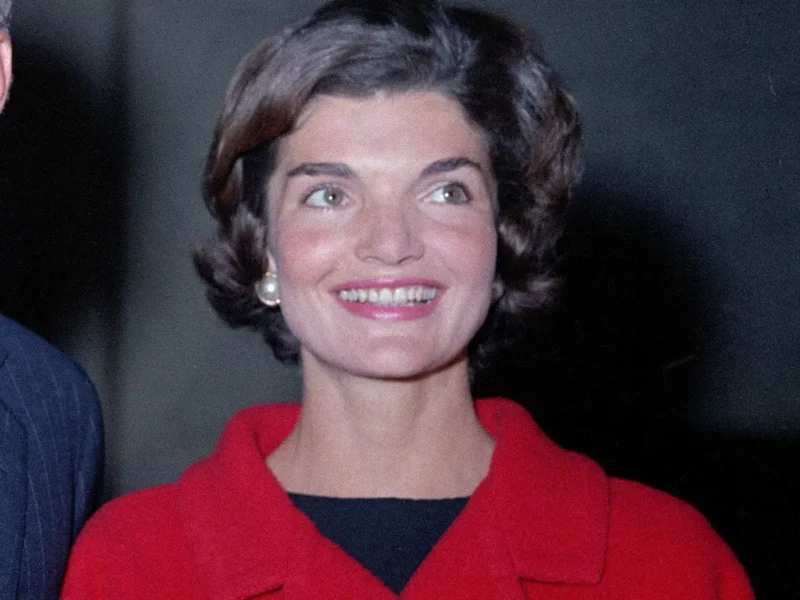
On January 21, 1994, she publicly announced her condition through a statement from her daughter Caroline Kennedy, revealing an early-stage cancer with an excellent prognosis from aggressive chemotherapy. Remarkably, Onassis continued her role as a senior editor at Doubleday, maintaining her professional routine without interruption during initial treatments, showcasing her characteristic poise and determination. This period highlighted her private strength, as she preferred minimal public updates while facing the disease head-on.
Diagnosis and Early Treatment
In late 1993, Jacqueline Kennedy Onassis first noticed troubling symptoms, including a persistent stomach ache and noticeable swelling in the lymph nodes of her neck, initially mistaken for flu-like illness. These signs prompted medical evaluation, leading to a confirmed diagnosis of early-stage non-Hodgkin’s lymphoma in December 1993 or early January 1994. This lymphatic system cancer, characterized by malignant lymphocyte growth, was considered highly treatable at that stage with aggressive intervention, offering an optimistic outlook.
Chemotherapy began promptly, with her physicians reporting an “excellent prognosis” due to the cancer’s limited spread and her overall health. Onassis demonstrated remarkable resolve by continuing her daily routine uninterrupted, including her work as a senior editor at Doubleday, where she reviewed manuscripts and attended meetings. True to her preference for privacy, she limited public disclosures after the initial January 21, 1994, statement via daughter Caroline Kennedy, requesting no further updates and shielding her family from media scrutiny during this vulnerable period. This approach underscored her dignity amid treatment’s rigors.
Disease Progression and Advanced Care
Despite an initial positive response to chemotherapy, Jacqueline Kennedy Onassis’s non-Hodgkin’s lymphoma escalated rapidly by March 1994, spreading to critical areas including her spinal cord, brain, and liver. This aggressive progression overwhelmed early treatments, leading to severe complications such as critically low white blood cell counts and recurrent infections, which necessitated frequent hospitalizations at New York Hospital.
In response, her medical team administered radiation therapy targeted at brain metastases to manage symptoms and slow advancement, alongside aggressive supportive care including blood transfusions and antibiotics. By early May 1994, physicians delivered the terminal prognosis, informing her that no further curative options remained viable.
On May 19, 1994, treatment was halted at her request, allowing Onassis to return home to her Fifth Avenue apartment for comfort care. Surrounded by her children Caroline Kennedy and John F. Kennedy Jr., along with close family, she passed away peacefully that same evening at age 64, maintaining composure and privacy until the end. Her final days exemplified quiet dignity amid unrelenting disease.
Legacy and Oncology Context
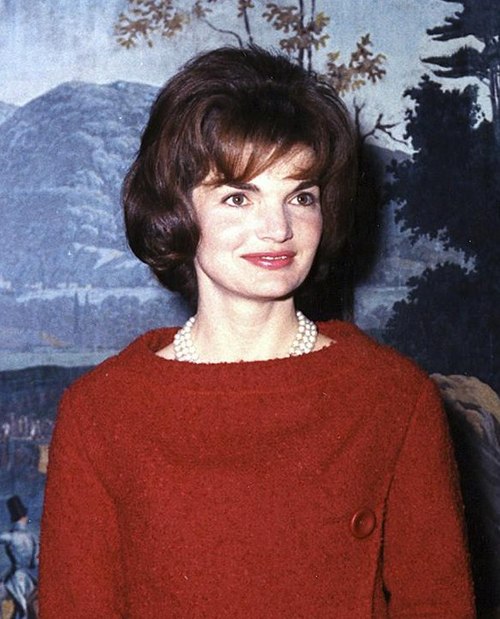
Jacqueline Kennedy Onassis’s dignified battle with non-Hodgkin’s lymphoma in 1994 elevated public awareness of the disease during an era when 5-year survival rates hovered around 52% for non-Hodgkin’s lymphoma, compared to over 85% for Hodgkin’s lymphoma, reflecting limited treatment options like chemotherapy and radiation. Her story humanized lymphatic cancers, prompting discussions on early detection and resilience amid a time of evolving oncology care.
Today, advances such as immunotherapy including CAR T-cell therapy have transformed prognoses, achieving remission rates above 80% in relapsed/refractory cases, a stark contrast to 1990s standards and underscoring progress in targeted B-cell therapies.
Why Jacqueline Kennedy Onassis Continues to Touch Hearts With Her Strength
Jacqueline Kennedy Onassis’s life wove threads of elegance, intellect, and resilience that continue to resonate, marked by transformative achievements and poignant moments amid profound loss.
- As First Lady (1961-1963), she meticulously restored 18 White House rooms with authentic furnishings from U.S. history, partnering with the Smithsonian; her 1962 CBS televised tour, narrated live, captivated 80 million viewers—two-thirds of Americans—igniting a preservation movement.
- Pioneered cultural diplomacy by securing the Mona Lisa’s 1963 U.S. tour (attended by 2 million) and advocating for the National Endowment for the Arts; first First Lady awarded France’s Legion d’Honneur for bridging arts across nations.
- Post-JFK assassination, her refusal to change from the blood-stained pink Chanel suit during Lyndon Johnson’s swearing-in symbolized raw national grief; coined “Camelot” in a Life interview, immortalizing the Kennedy era.
- Preservation crusader: testified in 1975 to save Grand Central Terminal from demolition, establishing landmark laws; earlier protected Lafayette Square’s historic buildings in D.C.
- Career woman par excellence: pre-marriage photojournalist at Washington Times-Herald; post-White House, 20-year Doubleday editor launching bestsellers by authors like Louis Auchincloss and Philip Roth, while raising Caroline and John Jr. amid relentless media pursuit.
- Multilingual (French, Spanish, Italian) equestrienne whose 1993 foxhunting fall preceded lymphoma symptoms; amassed 10,000-book library, bequeathing her estate to the Kennedy Library.
How Lymphoma Survival Has Transformed: From ~48% in the Early 1990s to Over 73% Today
In the era when Jacqueline Kennedy Onassis was diagnosed with non-Hodgkin lymphoma (1994), the U.S. 5-year survival rate for NHL was approximately 48–52% (SEER data, early 1990s). With advances such as rituximab, targeted therapy, and improved diagnostics, the modern 5-year survival rate has risen to 73% (2020 SEER statistics). This dramatic improvement underscores how far lymphoma treatment has progressed in just three decades.
You Can Also Read In Memory of Jimmy Carter and His Battle with Melanoma by OncoDaily

What Causes Lymphoma?
Lymphoma begins when lymphocytes—B cells or T cells—accumulate genetic mutations that allow them to grow uncontrollably. These mutations alter pathways such as BCL2, MYC, NF-κB, or JAK/STAT, disrupting normal immune-cell death and promoting unchecked survival. While no single cause explains all cases, large population studies show several measurable risk factors that increase the likelihood of these mutations developing.
Globally, lymphoma incidence has risen; non-Hodgkin lymphoma (NHL) cases increased by 145% between 1990 and 2020, reaching more than 544,000 new cases per year (Global Burden of Disease, 2020). In the United States, the lifetime risk of developing NHL is about 2.1%, while for Hodgkin lymphoma it is 0.2% (SEER, 2023).
Several well-documented causes and contributors include:
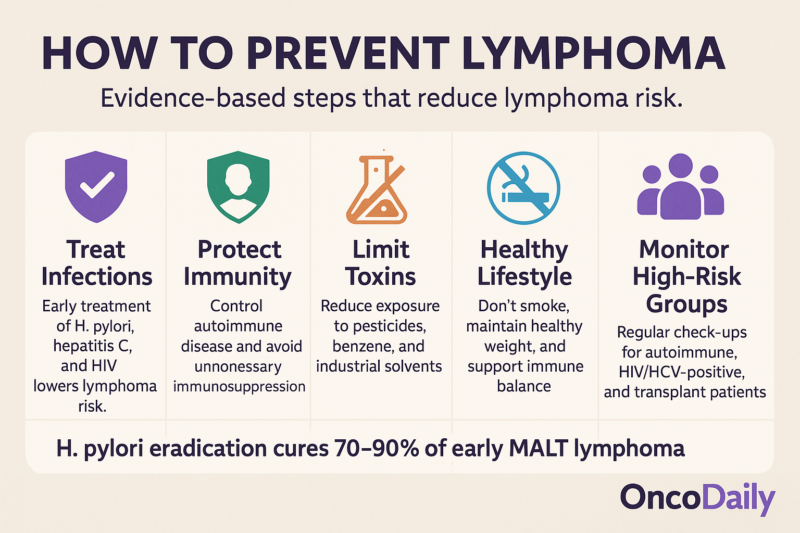
Lymphoma develops when lymphocytes accumulate genetic mutations that allow them to grow uncontrollably, and several well-established factors increase this risk. Immune suppression is one of the strongest contributors: organ-transplant recipients have a 20–30× higher risk of non-Hodgkin lymphoma (NHL) due to long-term immunosuppressive therapy, and HIV infection raises the risk of certain aggressive lymphomas by up to 60×. Chronic infections also play a major role. EBV is linked to Hodgkin lymphoma, Burkitt lymphoma, and NK/T-cell lymphoma, appearing in 40–50% of Hodgkin lymphoma tumors worldwide.
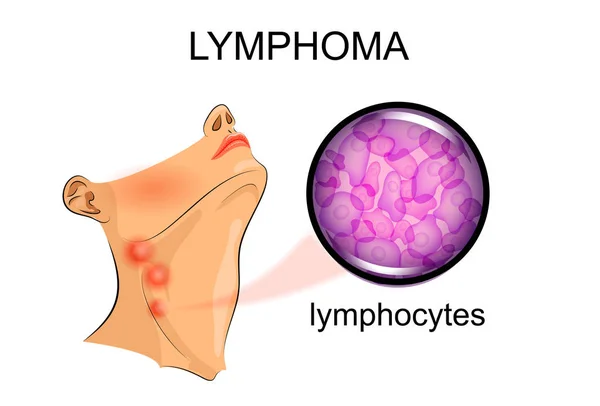
H. pylori infection can lead to gastric MALT lymphoma and is notable because early disease often regresses with antibiotic therapy in 70–90% of cases. Hepatitis C increases the risk of B-cell NHL by 2–3×. Autoimmune diseases like rheumatoid arthritis, lupus, celiac disease, and especially Sjögren’s syndrome force immune cells into chronic activation, raising NHL risk by 5–15×, particularly for MALT and diffuse large B-cell lymphoma.
Environmental exposures contribute as well: long-term contact with pesticides, benzene, and industrial solvents increases NHL risk by 20–40%, according to IARC and WHO cohort data. Age and genetic susceptibility add another dimension; the median age at diagnosis is 67, reflecting the decline in DNA repair efficiency with aging. A family history of lymphoma roughly doubles an individual’s risk, though hereditary factors account for only a small minority of cases.
Despite these identified contributors, most lymphoma cases still do not have a single clear cause. Instead, lymphoma typically arises from the gradual accumulation of genetic damage over years shaped by immune stress, chronic inflammation, infections, environmental exposures, and the natural aging process.
Written by Aharon Tsaturyan, MD, Editor at OncoDaily Intelligence Unit
FAQ
What type of cancer did Jacqueline Kennedy Onassis have?
Jacqueline Kennedy Onassis was diagnosed with non-Hodgkin's lymphoma in December 1993, a lymphatic cancer affecting lymphocytes.
When was Jackie Kennedy diagnosed with lymphoma and how did she die?
Diagnosed in late 1993 at age 64, she passed away on May 19, 1994, after the cancer spread to her brain, spinal cord, and liver despite treatment.
Did Jackie Kennedy work during her cancer treatment?
Yes, she continued as a Doubleday editor, reviewing manuscripts without interruption during early chemotherapy in 1994.
What were Jackie Kennedy's lymphoma symptoms?
Symptoms began with flu-like illness, stomach ache, and swollen neck lymph nodes in late 1993, following a foxhunting fall.
How did non-Hodgkin's lymphoma survival rates change since Jackie Kennedy's time?
In the 1990s, U.S. 5-year survival was ~48-52%; today it's over 73% due to rituximab, immunotherapy, and better diagnostics.
What were Jackie Kennedy's achievements as First Lady?
Restored White House rooms, hosted 1962 TV tour (80M viewers), brought Mona Lisa to U.S., and advanced historic preservation.
How did Jackie Kennedy show strength after JFK's assassination?
Wore blood-stained pink Chanel suit during LBJ swearing-in; coined "Camelot" in Life interview, symbolizing national grief.
What modern treatments weren't available for Jackie Kennedy's lymphoma?
CAR T-cell therapy and rituximab; these now achieve >80% remission in relapsed cases vs. 1990s chemo/radiation.
Why is Jackie Kennedy remembered in cancer awareness?
Her dignified 1994 battle raised lymphoma visibility, inspiring resilience in OncoDaily's Champions series amid evolving oncology.