The World Cancer Congress (WCC) 2026 is bringing together leaders from across the global cancer community from September 24–26, 2026, in Hong Kong, with the aim of advancing collaboration, sharing evidence-based strategies, and strengthening cancer control worldwide. Organized by the Union for International Cancer Control (UICC) in collaboration with the Hong Kong Anti-Cancer Society, the Congress will take place at the Hong Kong Convention and Exhibition Centre.
Held every two years, the World Cancer Congress serves as an international platform connecting researchers, clinicians, policymakers, patient advocates, public health experts, and cancer organizations to address challenges across prevention, early detection, treatment, survivorship, and equitable access to care. Previous editions have brought together thousands of participants from more than 130 countries, reflecting the Congress’s global role in shaping cancer control priorities.
Evidence to Investment: Financing Cancer Control with Economic Proof and Global Platforms
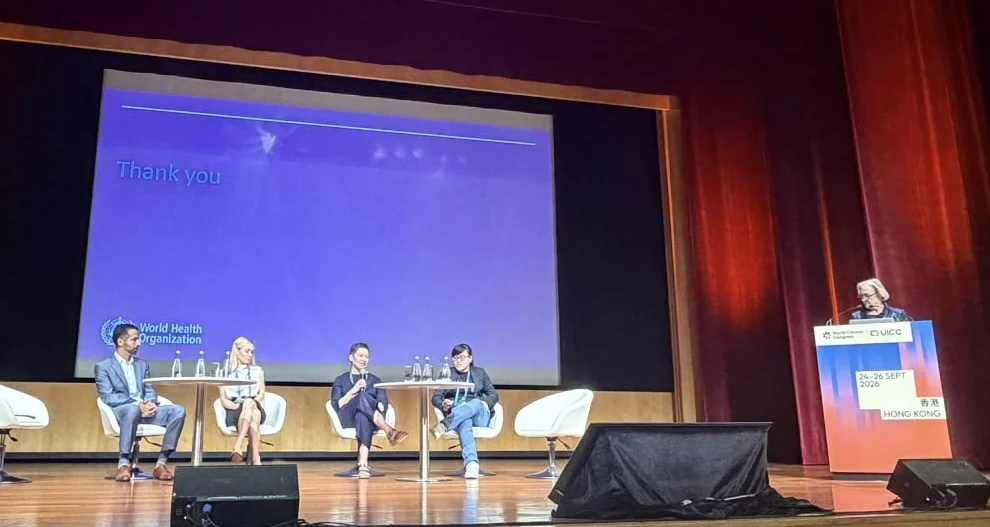
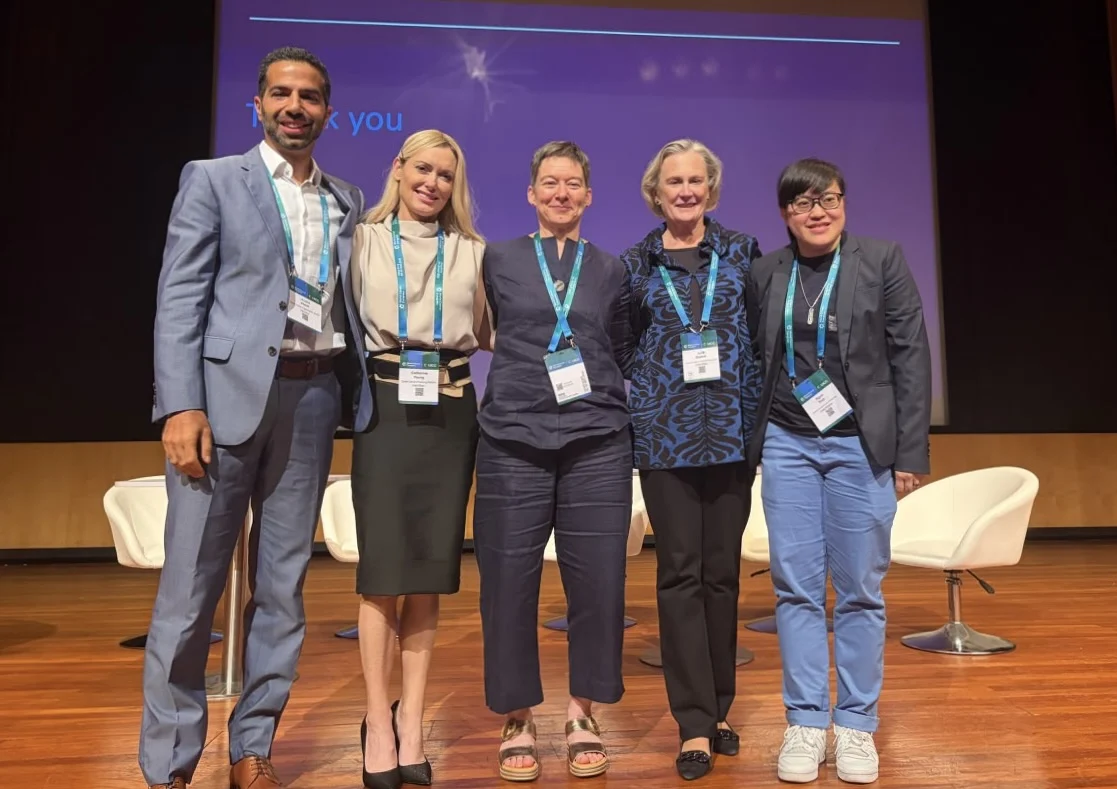
Among the sessions focused on healthcare systems and policy, “Evidence to Investment: Financing Cancer Control with Economic Proof and Global Platforms” explored how economic evidence can strengthen the case for investment in cancer prevention, screening, treatment, and support services.
Organized by the American Society of Clinical Oncology (ASCO), Cancer Council Victoria, and Deakin University, the session was chaired by Julie Gralow of ASCO, United States.
The discussion brought together perspectives from the United Kingdom, Australia, the United States, and the World Health Organization on how data, economic analysis, and coordinated financing approaches can support more equitable cancer control.
Building the Case for Cancer Screening Investment
Ngan T. Tran from Queen’s University Belfast, United Kingdom, presented “Budgeting for impact – planning home-based colorectal cancer screening in Malaysia.”
The presentation examined how budget planning and economic evidence can support the implementation of home-based colorectal cancer screening, particularly when policymakers must evaluate the resources required to introduce and sustain population-level programs.
Demonstrating the Value of Cancer Services
Nikki McCaffrey from Deakin University, Australia, discussed “Investing in support – demonstrating the economic and social value of cancer services in Australia.”
The presentation highlighted the importance of demonstrating both the economic and social value generated by cancer services when making decisions about healthcare investment.
Using Economic Evidence to Strengthen Cancer Investment
Catharine Young from Harvard T.H. Chan School of Public Health, United States, discussed how economic evidence can help address difficult resource allocation decisions in global cancer control.
Her presentation highlighted tools including budget impact analysis and social return on investment as approaches that can help build credible investment cases and demonstrate the broader value of cancer control interventions.
The discussion also emphasized the persistent underinvestment in cancer control, particularly across low- and middle-income countries, and the potential for global financing platforms to help direct resources toward areas of greatest need.
Aligning National Priorities With Global Financing
The global policy perspective was presented by Andre Ilbawi from the World Health Organization, Switzerland, through “A Global Policy Perspective: Aligning National Priorities with a Unified Financing Framework.”
The presentation explored the importance of aligning national cancer priorities with broader financing strategies to help translate evidence into sustainable investment and strengthen cancer control across health systems.
From Evidence to Action
The WCC 2026 session highlighted the role of economic evidence in moving cancer control discussions from identifying needs to demonstrating why investment is necessary.
By combining budget impact analysis, social return on investment, policy alignment, and global financing approaches, the discussion explored how data and economic evidence can support decisions aimed at expanding cancer control and improving equity.
The session underscored that strengthening cancer control requires not only effective interventions but also sustainable financing mechanisms capable of supporting their implementation across different healthcare settings.
Read more on OncoDaily: WCC 2026 Highlights the Role of Patient Organizations in Advancing People-Centred Cancer Care