


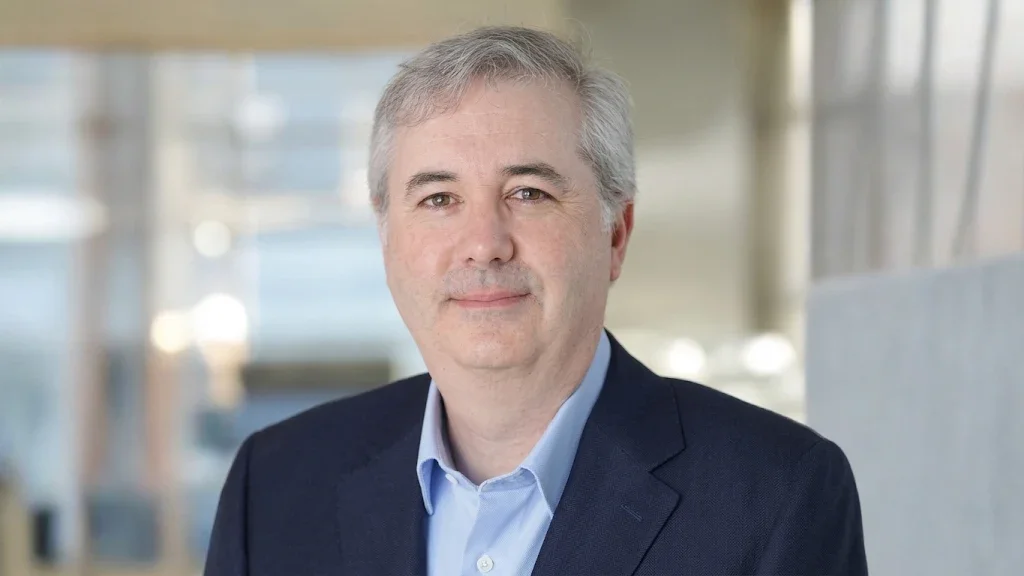
Ryan Schoenfeld, Chief Executive Officer of The Mark Foundation for Cancer Research, shared on LinkedIn:
“Last week, The New York Times reported on what the sudden cuts to federal research grants actually look like on the ground for American labs.
These funding freezes have hit at an especially frustrating time for cancer research. We’re seeing computational tools unlock real biological answers that simply weren’t reachable a few years ago. Pulling back grant money now, when U.S. cancer diagnoses just crossed two million a year and cases among younger adults are climbing, risks stopping that momentum.
Philanthropy won’t match the sheer scale of the NIH, but agile funding can keep labs running so early-stage scientists don’t have to abandon their work.
I sent a short letter to the editor about this, specifically thinking about the tech community.
The founders and engineers riding this AI wave know firsthand that meaningful breakthroughs take patience, messy datasets, and a high tolerance for dead ends. That’s the same attitude needed to advance the frontiers of cancer research. With public support wavering, there’s a real opening for tech capital to take on the hardest biological problem we have.
The piece is up in the Times.”
The Mark Foundation for Cancer Research shared Ryan Schoenfeld’s post, adding:
“In a letter to The New York Times, Mark Foundation CEO Ryan Schoenfeld weighs in on recent federal grant cuts – and why the leaders of the AI boom are uniquely suited to back high-risk frontier oncology.”
Other articles from Ryan Schoenfeld on OncoDaily.