





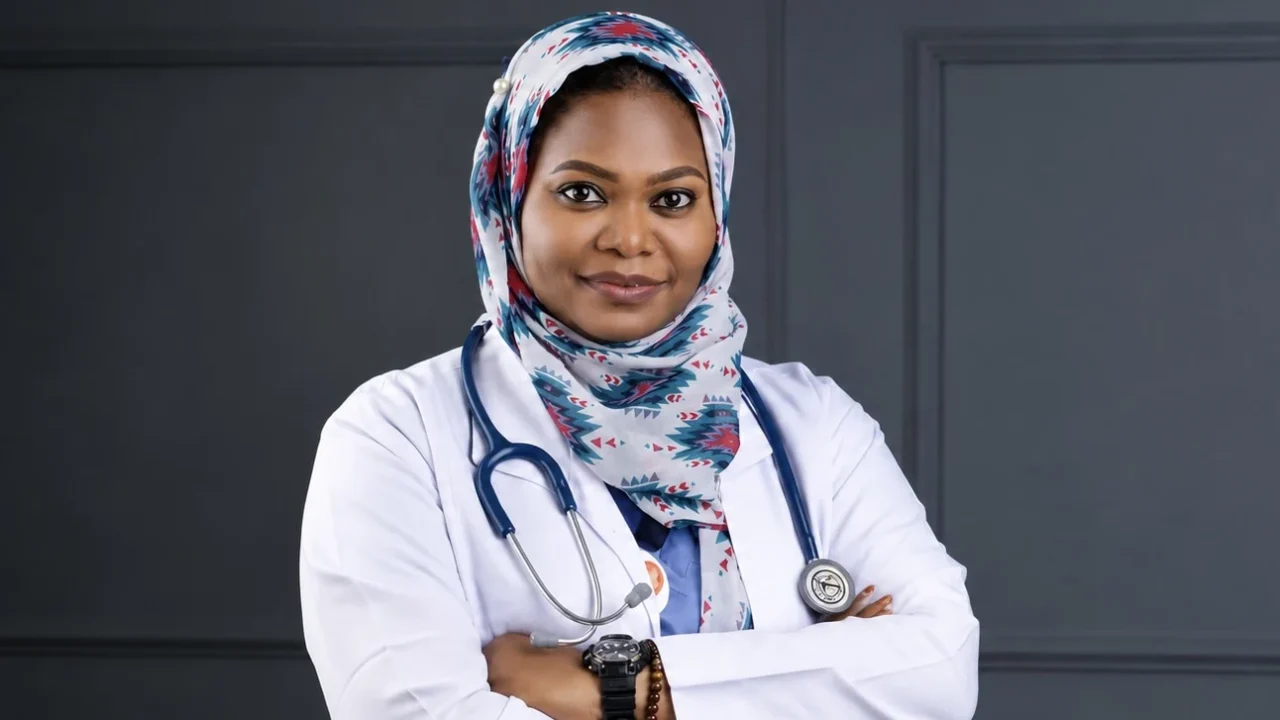
Hannatu Ayuba, Consultant Radiation and Clinical Oncologist at National Hospital Abuja, shared on LinkedIn:
“It was truly heartwarming to bring the Nigerian and African perspective to the global oncology conversation on ‘Teleoncology and Virtual Collaboration.’
Teleoncology is much more than virtual consultations. It has the potential to connect patients, clinicians, specialists, patient navigators and multidisciplinary teams across geographical and health-system barriers.
I had the opportunity to share our practical experience of building and implementing the Cancer Consciousness initiative (CCI) Teleoncology Hub, and our subsequent extension into the Community Patient Navigation model.
Our experience demonstrates how technology can support the cancer care continuum – from the community and primary healthcare level, through referral and diagnostics, to multidisciplinary team (MDT) review, treatment and follow-up.
The realities of cancer care in resource-constrained settings
Across many low- and middle-income countries LMICs, cancer patients continue to face significant barriers, including:
- Long geographical distances to cancer centres
- Unequal distribution and shortages of oncology specialists
- Delays in diagnostics and pathology services
- Financial barriers and transportation costs
- Fragmentation between community-level and tertiary cancer services
We explored how virtual MDT collaboration can bring together surgeons, oncologists, pathologists, radiologists, nurses and patient navigators, enabling multidisciplinary expertise to be shared beyond institutional and geographical boundaries.
However, technology should strengthen multidisciplinary cancer care – not replace essential face-to-face clinical services.
And in our LMIC settings, patient navigation remains a critical human connection.
Technology connects healthcare professionals, but patient navigation connects the patient to the health system.
Learning, collaboration and new possibilities. The conference also provided an opportunity to learn from colleagues from Egypt and other parts of the international oncology community.
We gained new perspectives on cancer service delivery, explored opportunities for collaboration, and reflected on the importance of adapting digital oncology solutions to the realities of local health systems.
Perhaps most importantly, the meeting demonstrated the value of collaboration beyond borders – creating opportunities to connect oncology professionals across Africa, the Middle East and the wider international community.
There are exciting possibilities for:
- Knowledge exchange
- Capacity building
- Virtual MDTs
- Research collaboration
- Implementation partnerships
My participation reinforced a conviction that:
‘The future of cancer care is not simply digital – it is connected, collaborative and patient-centred.’
My sincere appreciation to Shefaa AlOrman International Cancer Hospital, Luxor, the Oncology Connect Conference organizers, fellow speakers and all participants for creating such an engaging platform.”
Other articles about Teleoncology on OncoDaily.