





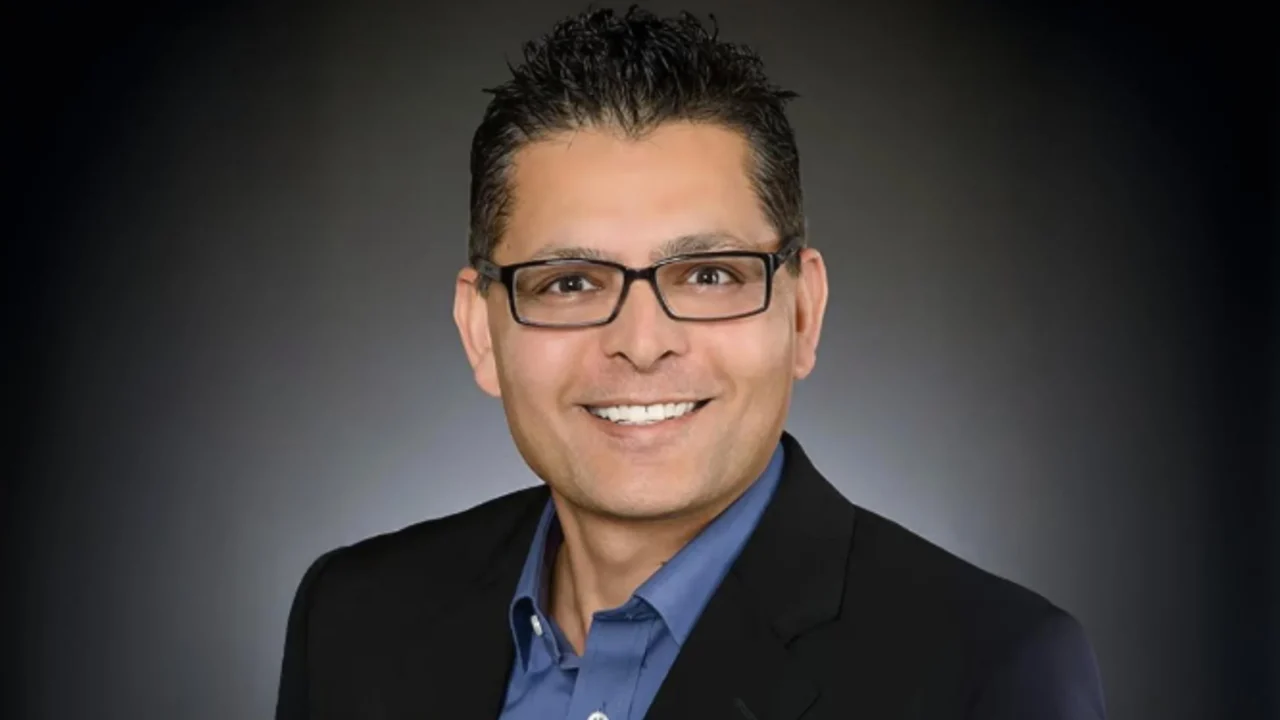
Sucharu Prakash, Director of Quality Services at Texas Oncology, shared a post on LinkedIn:
“Has ASCO’s first ctDNA guideline already become outdated?
That may sound provocative, but it’s a question worth asking.
Recently, ASCO published its first guideline on ctDNA testing in solid tumors and lymphoma. The effort is commendable, and having evidence-based guidance is important. However, in my opinion, these recommendations are already behind the pace of scientific discovery and real-world clinical practice.
Precision oncology is evolving at a breathtaking speed. Guidelines, by their very nature, are based on mature evidence and therefore often lag behind innovation. That is understandable– but when technology is advancing this quickly, we must be careful not to let conservative recommendations slow progress for patients who stand to benefit.
Take metastatic breast cancer as one example.
Liquid biopsy is no longer simply a convenient alternative when tissue is unavailable. It has become an essential tool for identifying newly acquired actionable mutations, monitoring clonal evolution, detecting resistance mechanisms, and guiding the selection of targeted therapies throughout the course of treatment. These are not theoretical advantages, they influence real clinical decisions every day.
Then consider minimal residual disease (MRD).
For years, many viewed MRD as an exciting prognostic biomarker. Today, the field is changing rapidly. The results of the IMvigor011 trial in bladder cancer provide evidence that ctDNA-guided treatment can improve patient outcomes, representing an important shift toward MRD as a predictive biomarker that informs therapeutic decisions.
This is only the beginning.
Billions of dollars are being invested globally in liquid biopsy technologies. Assays are becoming increasingly sensitive. Artificial intelligence is enhancing interpretation. What seemed futuristic only a few years ago is becoming routine clinical practice.
The future of oncology will not be tissue OR liquid biopsy.
It will be tissue AND liquid biopsy, complemented by MRD testing, comprehensive genomic profiling, and longitudinal molecular monitoring across the entire continuum of cancer care.
History has repeatedly shown that transformative technologies are often adopted in clinical practice before guidelines fully catch up. Precision oncology is no exception.
As oncologists, our responsibility is not only to follow the evidence, but also to help generate it, challenge existing paradigms, and thoughtfully embrace innovation when it has the potential to improve patient outcomes.
The conversation around ctDNA is just getting started, and I suspect these guidelines will evolve significantly over the next few years.
What do you think? Are the current recommendations appropriately cautious, or are they already behind where the science is heading?”
Other articles about Sucharu Prakash on OncoDaily.