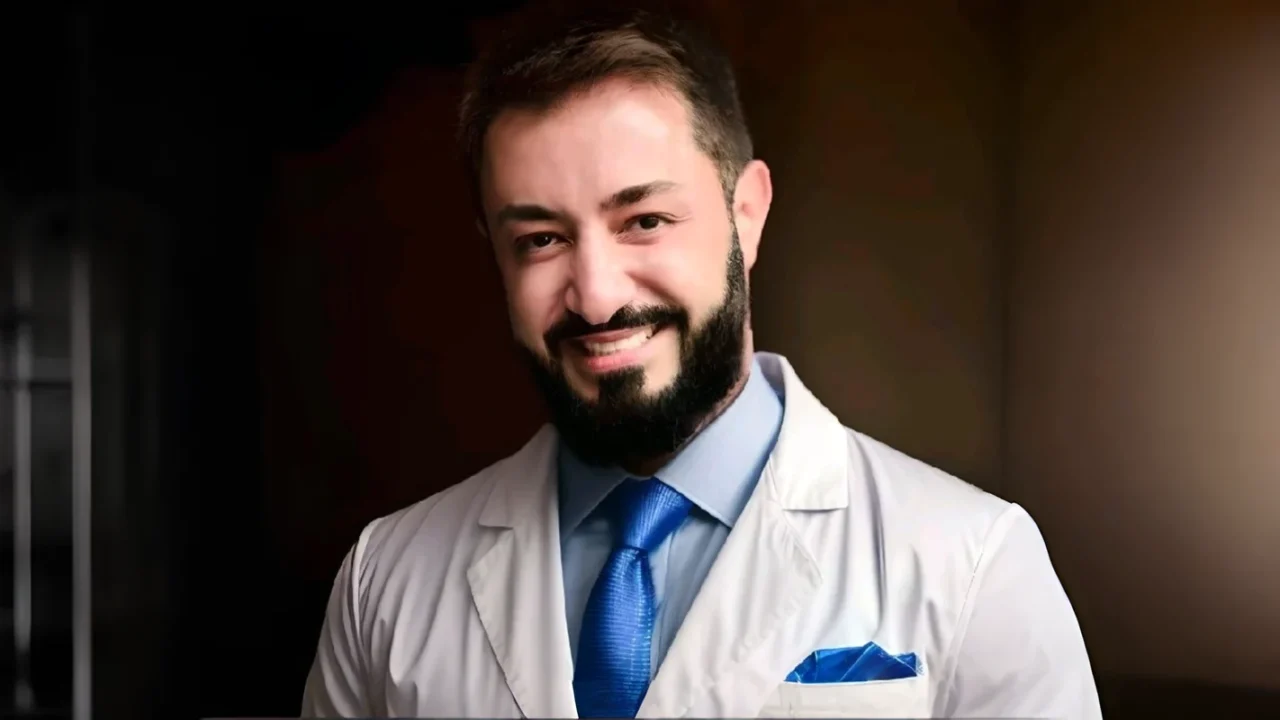
Simon Blanc, Director of the Cancer Center and Hematology-Oncology at Broward Health Medical Center, shared on LinkedIn:
“CAR-T was designed as a transplant-center therapy. Most of the patients who need it don’t live near a transplant center.
At the recent Community Oncology Alliance Payer Exchange summit, payer, practice and network leaders laid out what it takes to move cell therapy closer to home.
Four points every oncology service-line leader should take seriously:
- Measure ‘brain-to-vein’ time. An estimated 20–25% of patients lose eligibility during delays in the CAR-T process. Speed is a quality metric, not a convenience.
- Own the whole episode. Payers want vein-to-vein accountability, not an infusion followed by a hand-off. The program that manages the toxicity window and the follow-up earns the trust.
- Accreditation matters to payers. They give third-party accreditation such as FACT more weight than manufacturer certification. Yet an ASCO 2026 analysis in large B-cell lymphoma found no meaningful outcome difference between FACT and non-FACT centers. The difference was in access.
- Start with bispecifics. The programs already managing outpatient step-up dosing for T-cell engagers are the ones ready to build CAR-T.
The operating lesson: bringing advanced therapies to a community health system is not a drug decision. It is a pathways, staffing, payer and referral decision, and it needs time, money and labor all at once.
What has been the hardest piece to build for cell therapy in your system?”
You can also read:
CAR-T Therapy in Aggressive B-Cell Lymphoma and the Future of Cellular Therapy – MedNews Week