


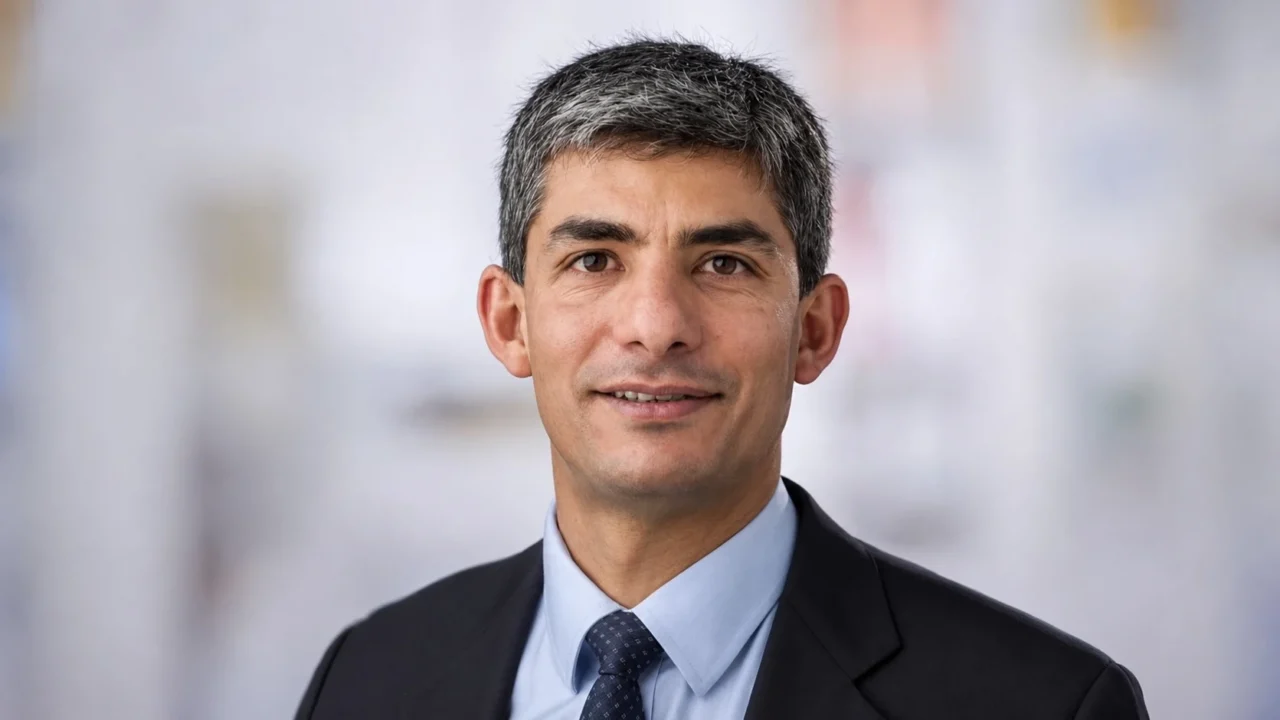
Shailender Bhatia, Professor of Medical Oncology at University of Washington, shared on LinkedIn:
“Extremely gratifying to be a part of the amazing progress in treatment of advanced MCC through ICIs! From a dismal historical survival of <1 year for stage 4 MCC patients, we have come a long way! The 10-year survival of 70% in ICI responders is a remarkable improvement!
This is a tribute to our patients and families and all those who choose to invest their time/effort/resources in rare cancers. We still need to find reliable salvage therapies for initial non-responders and those with acquired resistance after an initial response.”
Title: Ten-year outcomes after initial response to immune checkpoint inhibitors in patients with advanced Merkel cell carcinoma
Authors: Hemant Khandelia, Daniel S. Hippe, Paul Nghiem, Shailender Bhatia
Key Takeaways:
- Patients with advanced Merkel cell carcinoma can experience long-lasting responses to immune checkpoint inhibitors (ICIs).
- Half of those who initially respond to treatment remain progression-free even after 10 years.
- However, some patients eventually develop resistance, making long-term monitoring important.
- For patients whose disease progresses, further treatment can still provide lasting benefits in some cases.
- Among patients who initially responded to ICIs, the estimated 10-year MCC-specific survival rate was 70%.
Read the full article.
About Shailender Bhatia
Shailender Bhatia is a Professor of Medical Oncology at the University of Washington and a medical oncologist at Fred Hutchinson Cancer Center. His clinical and research interests include melanoma, Merkel cell carcinoma (MCC) and cancer immunotherapy.
He has been involved in the development and leadership of clinical trials exploring immune checkpoint inhibitors for advanced MCC. His work on pembrolizumab has contributed to establishing immunotherapy as an important treatment option for patients with this disease. He also studies ways to improve long-term outcomes and develop new treatment approaches for patients who do not respond to immunotherapy or whose disease becomes resistant to it.
Read more articles about Immune Oncology on OncoDaily.