





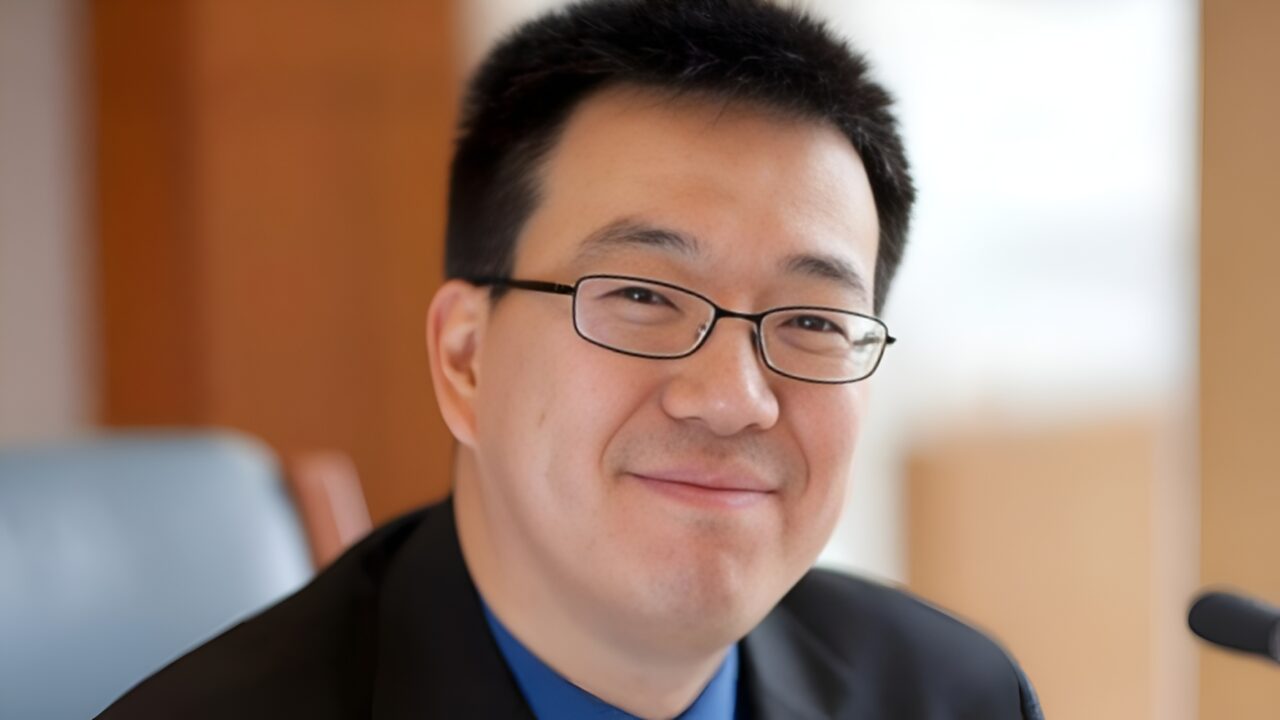
Ronald Chen, Professor and Chair of the Department of Radiation Oncology at the University of Kansas Medical Center, shared a post on LinkedIn:
“CAR T-cell therapy has shown remarkable potential in fighting cancer. It’s become an option for children and adults whose cancer no longer responds to standard-of-care treatments.
Chimeric antigen receptor (CAR) T-cell therapy is an immunotherapy treatment that uses reengineered versions of a patient’s own cells to find and fight cancer cells.
T cells are the backbone of the immune system and lead the charge in this treatment, killing cancer and other harmful cells.
Here’s how it works:
T cells are separated from the patient’s blood
The T cells are sent to a lab, where scientists genetically engineer them to include synthetic receptors that actively search out cancer cells
While the CAR-T cells multiply, the patient receives preparatory chemotherapy
The altered CAR-T cells are returned to the patient’s bloodstream to seek and destroy cancer cells
The University of Kansas Cancer Center is among the world’s first providers of CAR T-cell therapy and one of only a few centers to offer all FDA-approved CAR T-cell treatments and multiple clinical trials.
This therapy offers us a new potential to cure cancer and save lives.”