


National Foundation for Cancer Research (NFCR) shared on LinkedIn:
“How do we turn scientific promise into progress for patients?
That question ran through the 2026 NFCR Global Summit for Cancer Research and Entrepreneurship, held October 9 at the National Press Club in Washington, D.C.
A few highlights from the day:
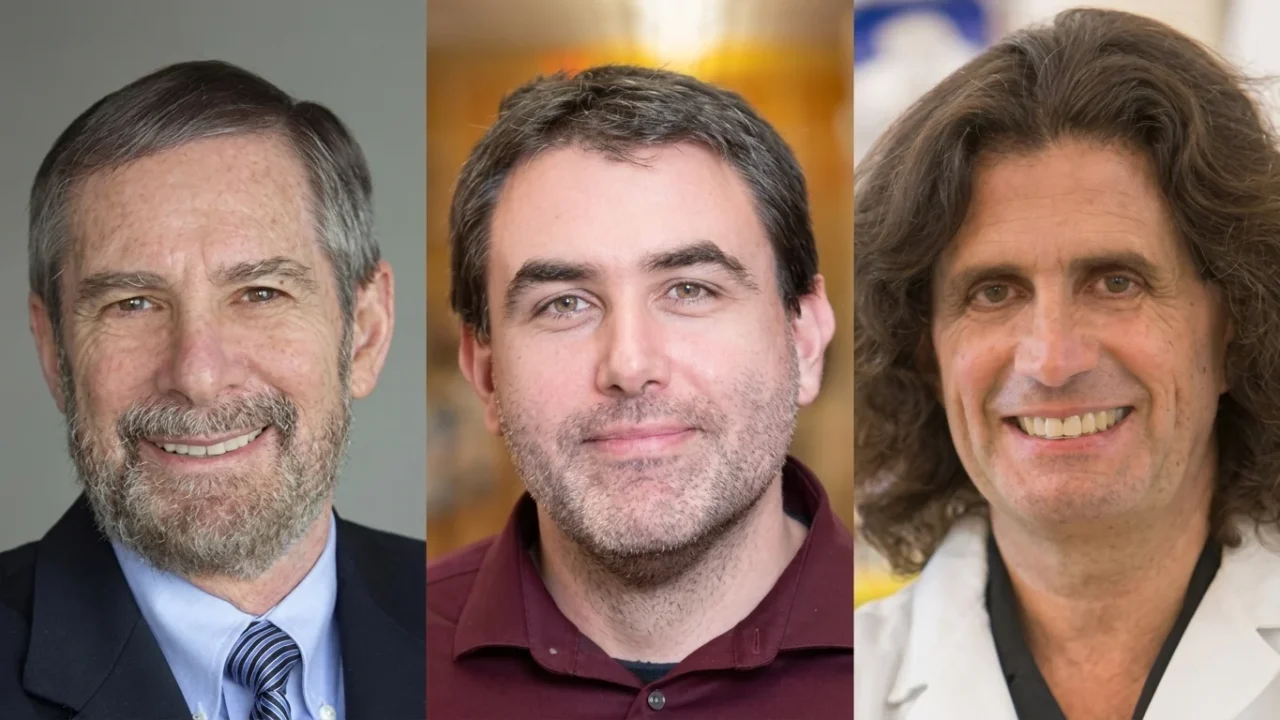
- Dr. Douglas Lowy (NCI) shared trial results showing a single dose of the HPV vaccine was not inferior to two doses, with more than 97% protection. More than 90 countries have now moved to single-dose schedules.
- Dr. Ludmil Alexandrov (UC San Diego) reported that a mutational signature linked to colibactin, a toxin produced by certain gut bacteria, appears in about half of colorectal cancer patients under 40, compared with fewer than 15% of those over 70.
Two panels examined AI in cancer detection and real-world oncology care, including where it helps today and why it is only as fair as its data.
- Dr. Michele Carbone (University of Hawaii Cancer Center) received the 2026 Szent-Györgyi Prize for work that traced inherited mesothelioma risk to mutations in the BAP1 gene.
About AI in Oncology
Panel I: AI and Cancer Detection
The panel debated whether AI is ‘hype or reality,’ placing it somewhere in the middle since FDA-cleared tools are already helping radiologists read mammograms. They emphasized that AI tools must be co-designed with clinicians and patients from the start, and that a risk score is only useful if it drives clear clinical action.
Panelists noted that data bias is a major hurdle (often tracing back to the dataset itself), that mammograms could eventually flag heart disease risks alongside breast cancer, and that AI’s primary goal should be to augment clinicians and reduce medical error rather than replace human doctors.
Panel II: AI in Real-World Oncology Care
The session explored how to transition technological innovation into daily patient practices.
Discussions highlighted practical examples, such as utilizing automated agents to handle data analysis tasks and deploying deep-learning models capable of predicting immunotherapy response markers directly from pathology slides.
Panelists also introduced the concept of ‘molecular twins’ for precise patient-matching. A critical real-world shortfall was discussed where trial-matching tools identified thousands of eligible patients but resulted in very few actual enrollments, proving that technology alone is insufficient without proper implementation.
Additionally, the panel strongly emphasized trust and data equity, noting that models trained primarily on lighter skin tones can fail to detect melanoma in Black patients, and warned against impersonal care by stressing that AI should ultimately free clinicians to spend more direct, meaningful time interacting with patients.
Other articles about NFCR on OncoDaily.