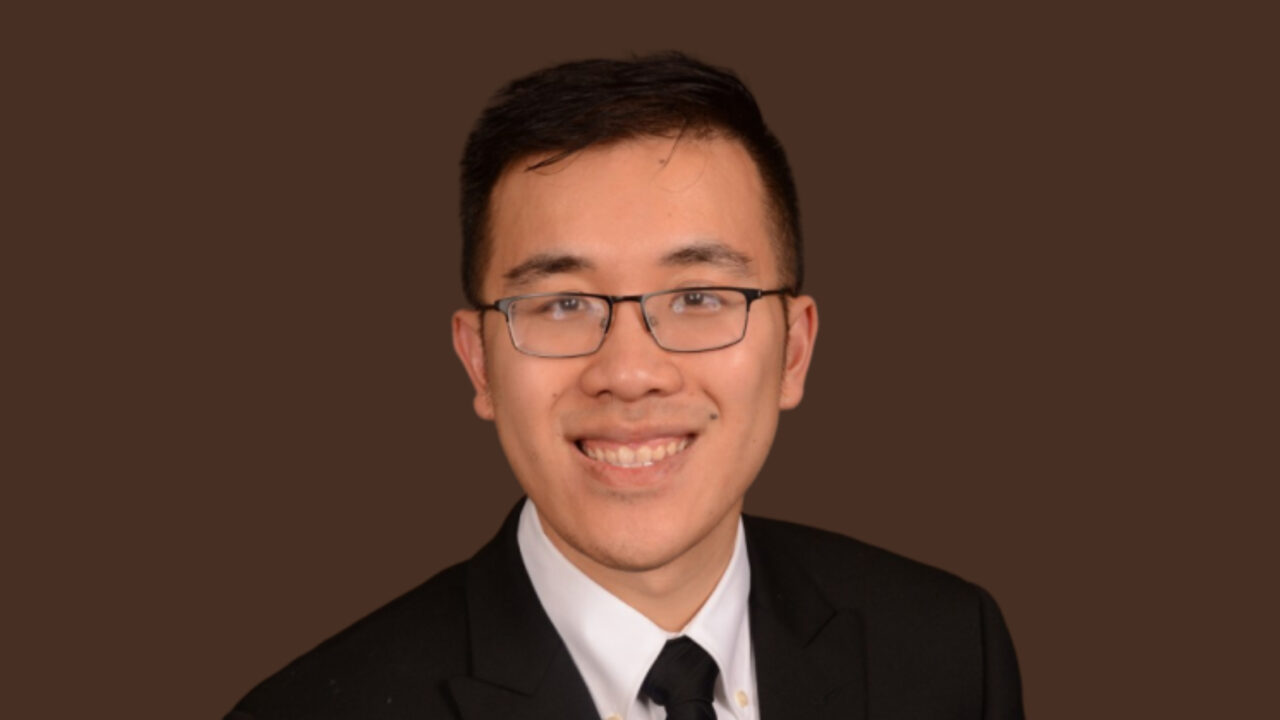
Ming-Hei Tai, Outpatient Oncology/Infusion Specialist at Corewell Health, shared on LinkedIn:
“I have to admit, I was shocked on Friday when I read that the FDA effectively forced Merck and Daiichi Sankyo to withdraw their application for I-DXd. The FDA has historically been very permissive in accelerated approvals for extensive stage small cell lung cancer (ES-SCLC).
ES-SCLC meets all the criteria for an unmet need. There are few options in relapsed disease, and patients will die in weeks with no treatment. Even with 4.4% of patients dying from treatment related adverse events, I thought I-DXd would be approved.
The only explanation is not the rate of interstitial lung disease, but trial representativeness. I’ve gotten used to the FDA hand-waving away trials with almost no North American representation. In I-DXd’s phase II trial, the 31 North American patients who enrolled had poorer responses (32.3%) when compared to European (55%) or Asian (51.5%) patients. That, combined with the number of treatment-related deaths, may have caused the FDA to refuse to approve.
The FDA has always complained about the lack of North American patients before handing over approvals, so they have seemed like a paper tiger. Is the FDA finally turning the screws on trial representativeness?”
You might be interested in: