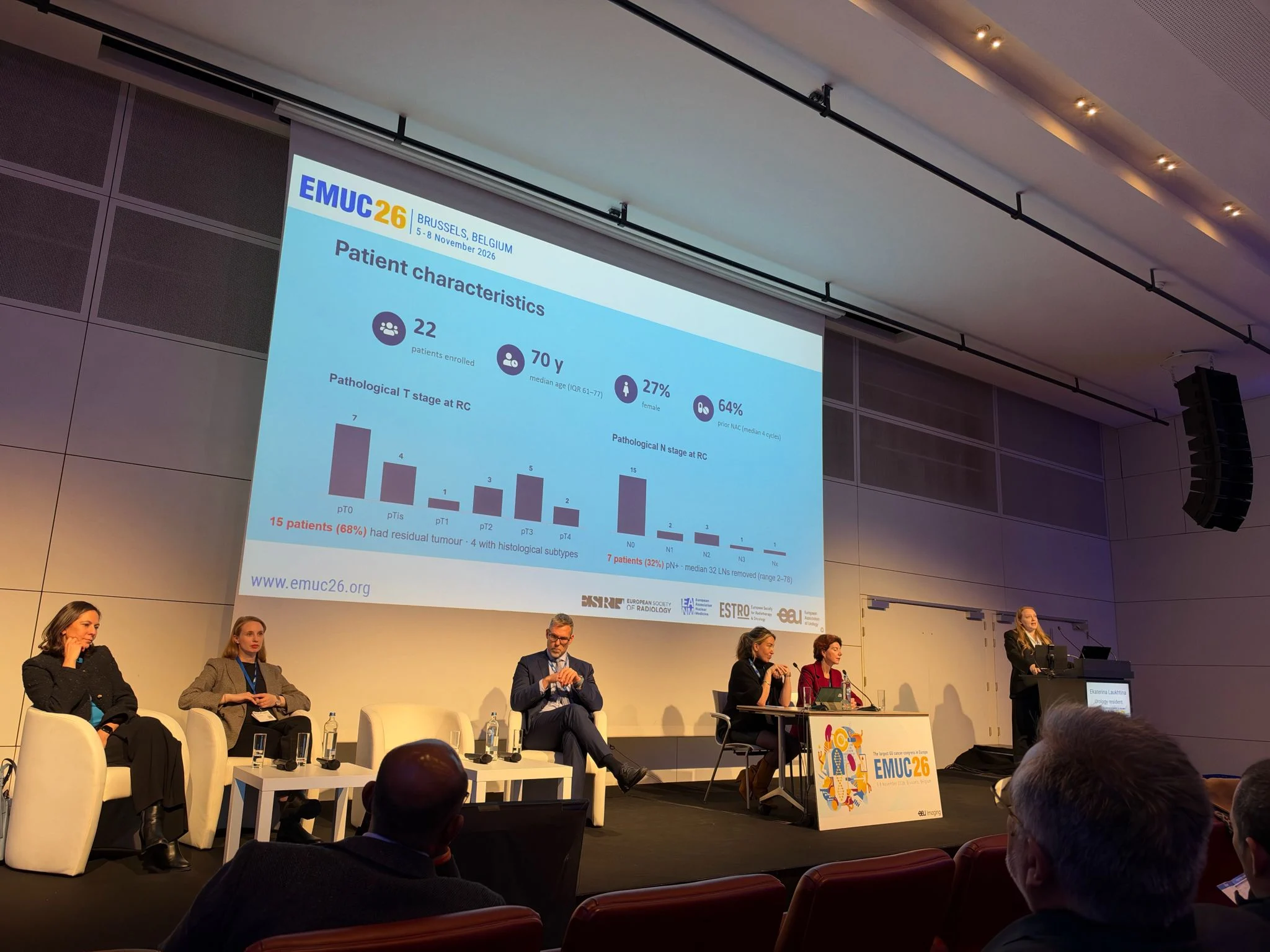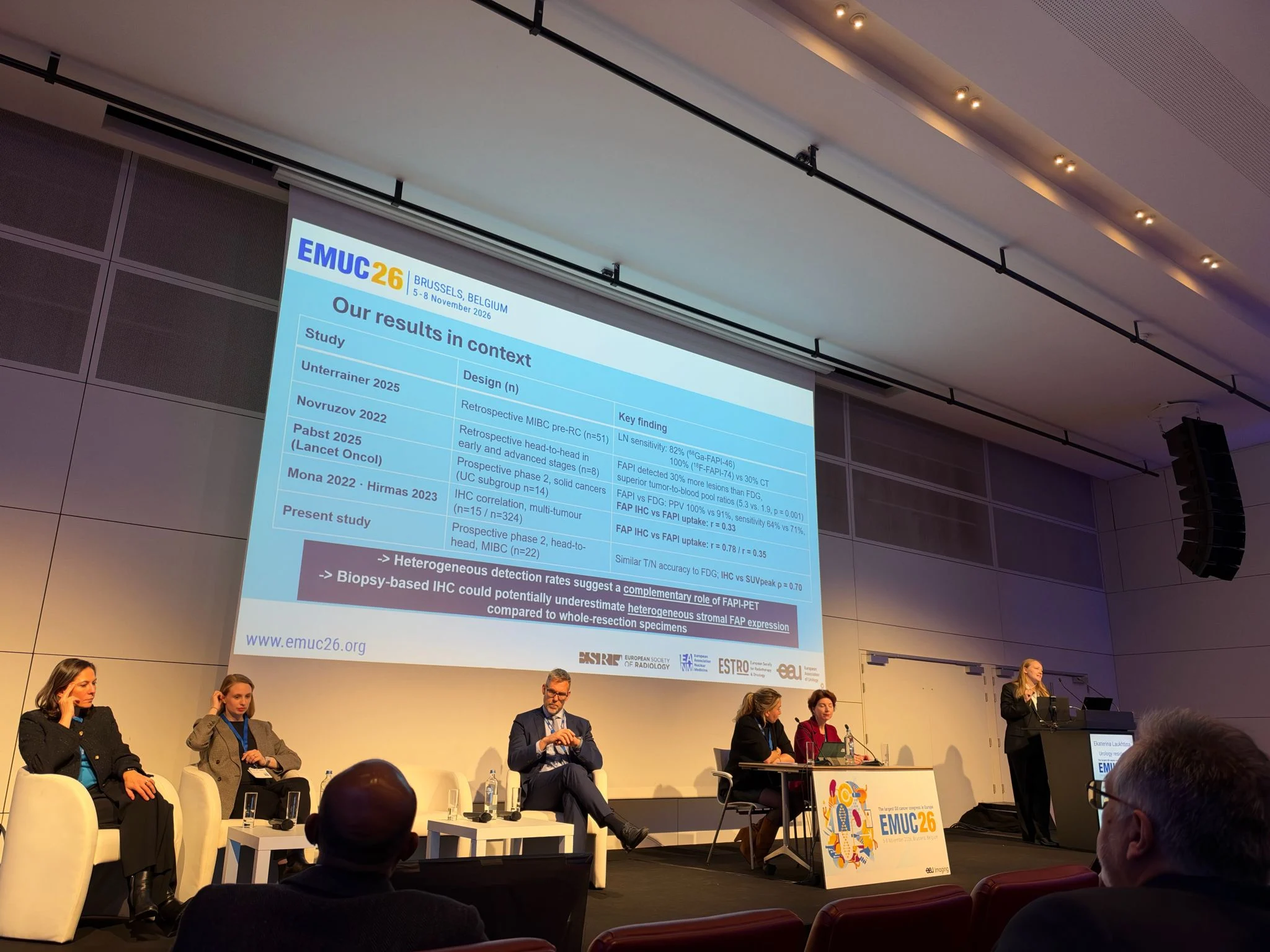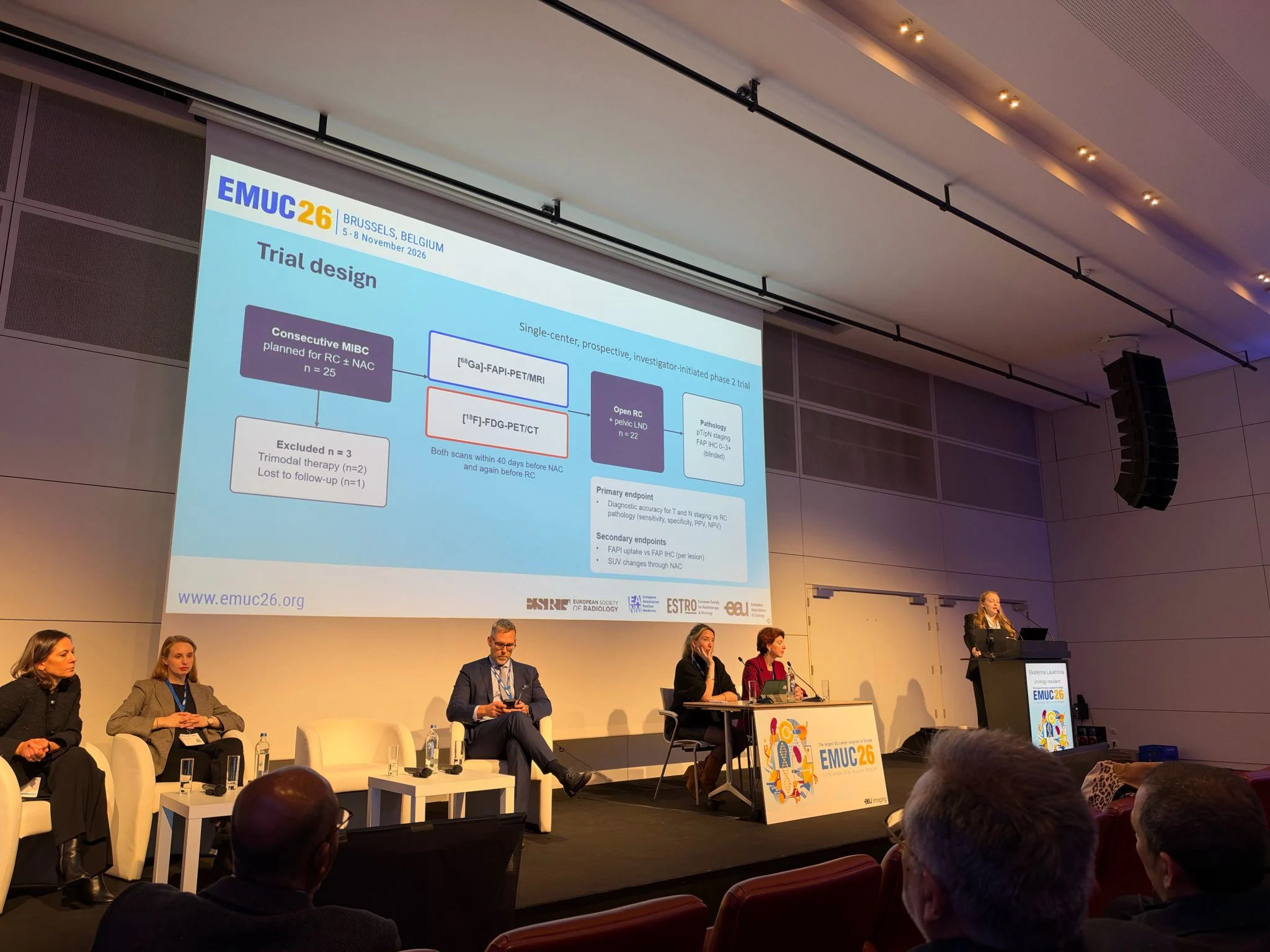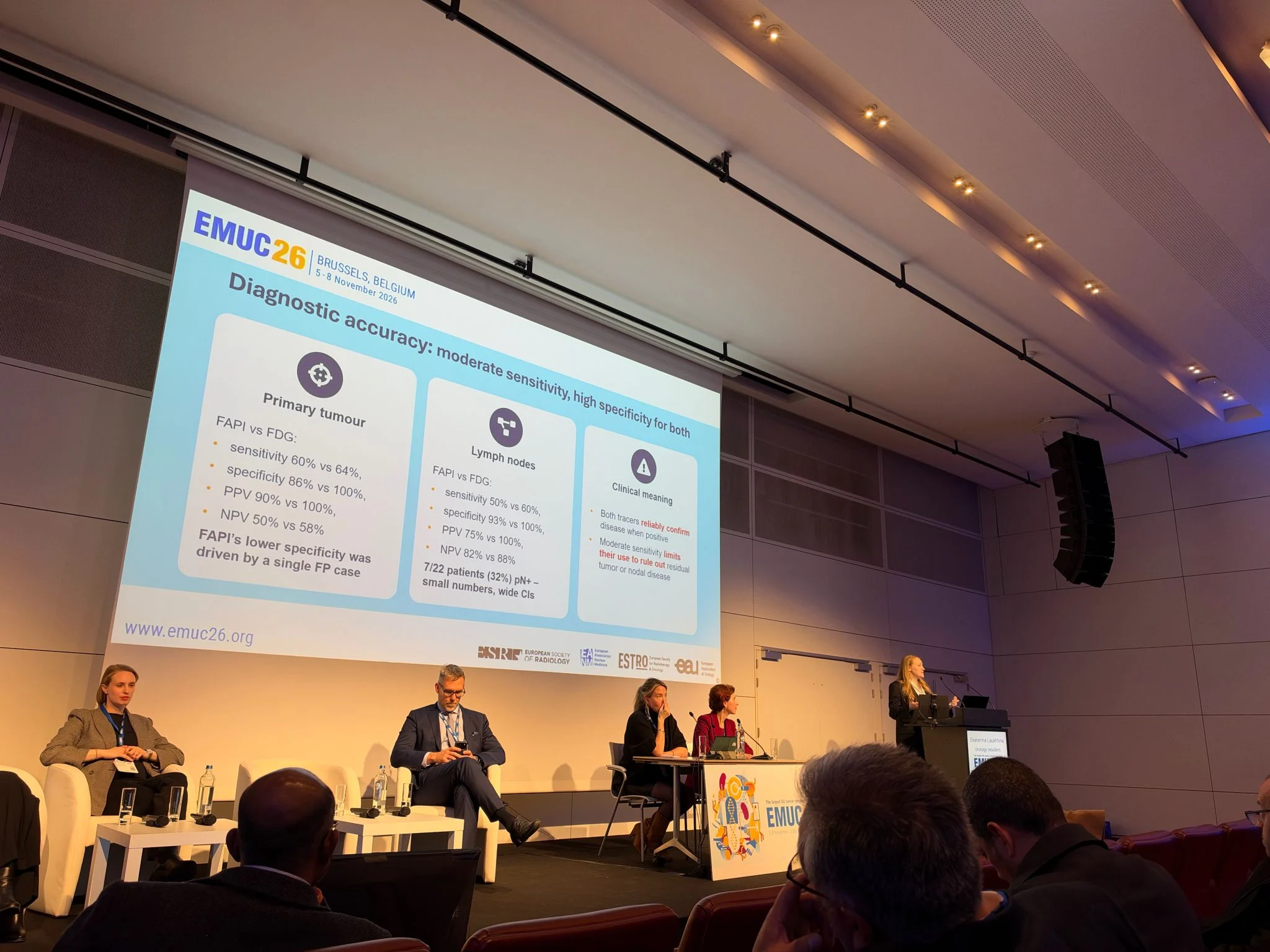
The 18th European Multidisciplinary Congress on Urological Cancers (EMUC26) took place on November 5–8, 2026, in Brussels, Belgium. Organized through a collaboration between the European Association of Urology (EAU), European Society for Radiotherapy and Oncology (ESTRO), European Association of Nuclear Medicine (EANM), and European Society of Radiology (ESR), the congress brought together leading international experts in genitourinary oncology.
The scientific programme covered the latest advances in the prevention, diagnosis, and treatment of prostate, bladder, renal, and other urological cancers, with a particular focus on multidisciplinary care, innovative treatment strategies, molecular diagnostics, artificial intelligence, and emerging clinical evidence.
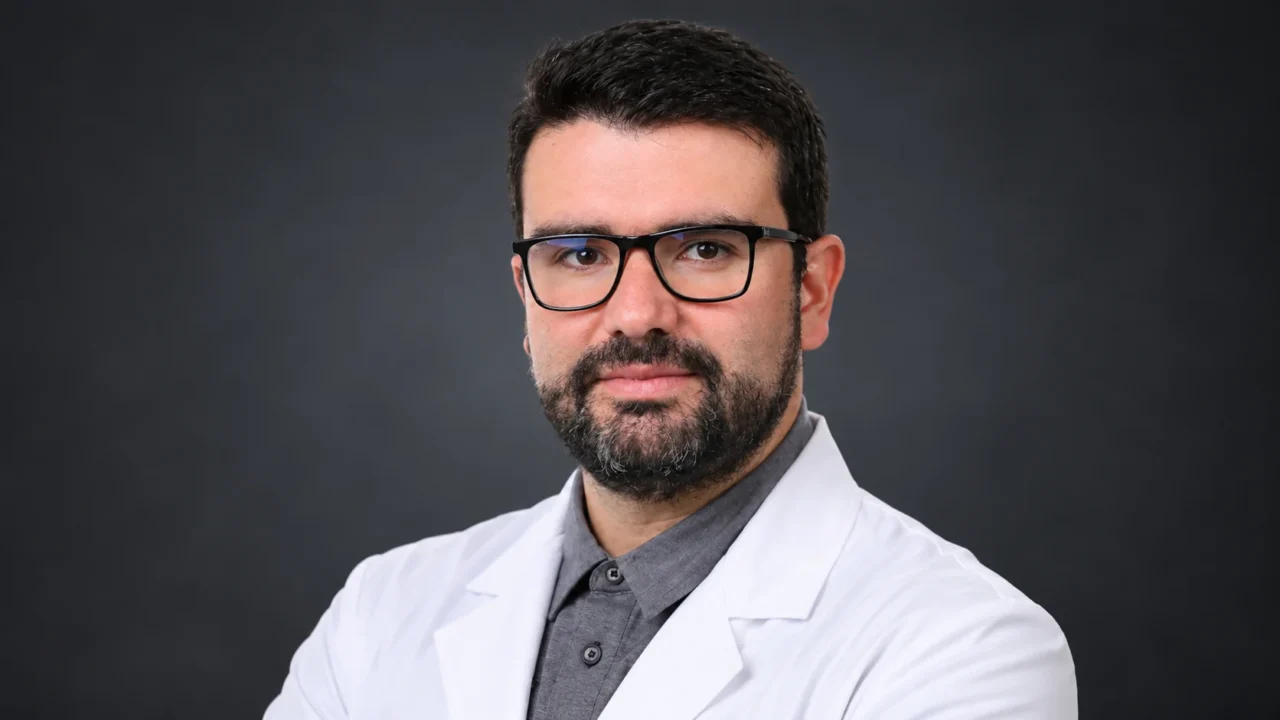
Martin Ignacio Zapata Laguado, Medical oncologist and internal medicine physician at National Cancer Institute, Bogota, D.C., Colombia, shared key highlights and clinical takeaways from EMUC26.
“Highlights from EMUC26 – Brussels (Part 1)
Europe’s largest GU cancer congress brought urologists, oncologists, radiologists and nuclear medicine physicians together. My take-home messages on bladder cancer imaging:
Nectin-4 PET – Prof. Lena Unterrainer (Augsburg)
- Nectin-4 is expressed in ~87% of urothelial carcinomas and linked to poor prognosis.
- EV plus pembrolizumab brings toxicity (rash, neuropathy) and high cost (~US$560k/year vs ~US$3k for chemo, as presented): selection matters.
- CT remains the recommended staging modality; FDG PET/CT is an adjunct.
- Nectin-4 PET could map the target across all lesions, reveal heterogeneity a single biopsy misses and open the door to radioligand therapy.
- Still feasibility data. Withholding EV solely because of a negative PET is NOT evidence-based.
First-in-human ⁸⁹Zr-enfortumab vedotin PET (F. Grawe; ESMO 2026)
- Higher lesion detection than CT (84.1% vs 67.9%) and FDG PET (89.1% vs 78.5%).
- Early signal: high baseline uptake → PR on CT, CR on PET after 3 cycles of EV+P; low/heterogeneous uptake → progression. Hypothesis-generating.
Bladder preservation: how much tumour is too much? – Martina Pecoraro (Radiology)
- Validated predictors of OS after TMT (31 studies, 9,416 pts): ECOG ≥2 (HR 2.47), N+ (1.90), CIS (1.81), hydronephrosis (1.65), cT3–4 (1.47), GFR ≤60 (1.47); complete TURBT protective (0.77). Size was not among them.
- Diameter: no proven threshold (overlapping CIs). MRI volume never tested against TMT outcomes.
- MRI: VI-RADS validated; volume promising. MRI does not see CIS.
- AI segmentation is feasible but fails in residuals <0.5 cm³ – precisely our good responders.
- nacVI-RADS: AUC 0.93 for ypT0 after gem-cis; once in the model, size lost significance.
Real-world gap – Paramananthan Mariappan (Urology)
NHS England 2013–2019: a substantial share of MIBC patients fell into ‘Other’, outside the defined treatment combinations.
The most beautiful lesson: none of this works in silos. The best opportunities for our patients will always come from multidisciplinary care: urology, medical and radiation oncology, radiology, nuclear medicine and pathology at the same table, with the patient at the centre.”
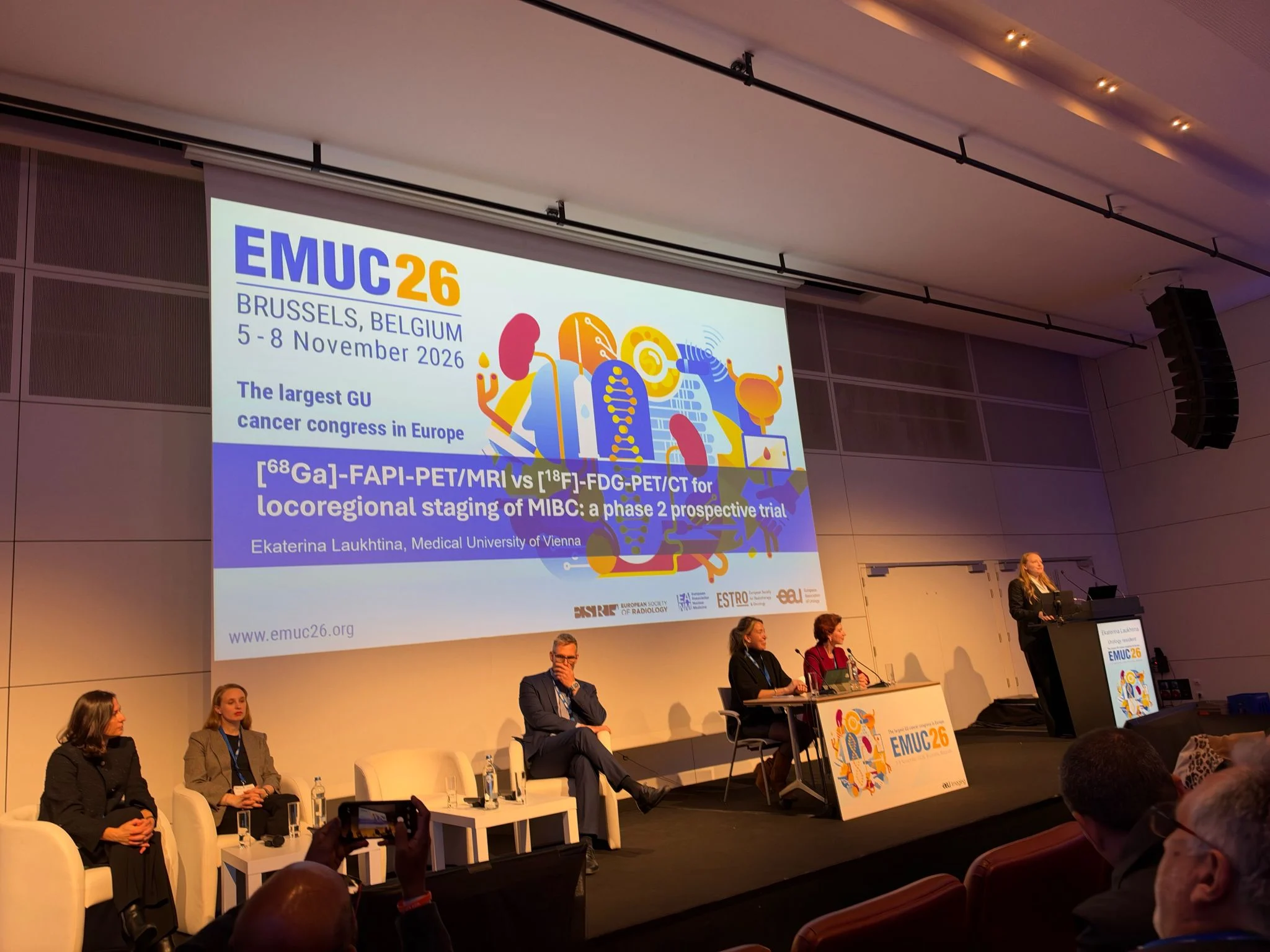
Highlights from EMUC26 – Brussels (Part 2): advanced prostate cancer, one patient, many decisions
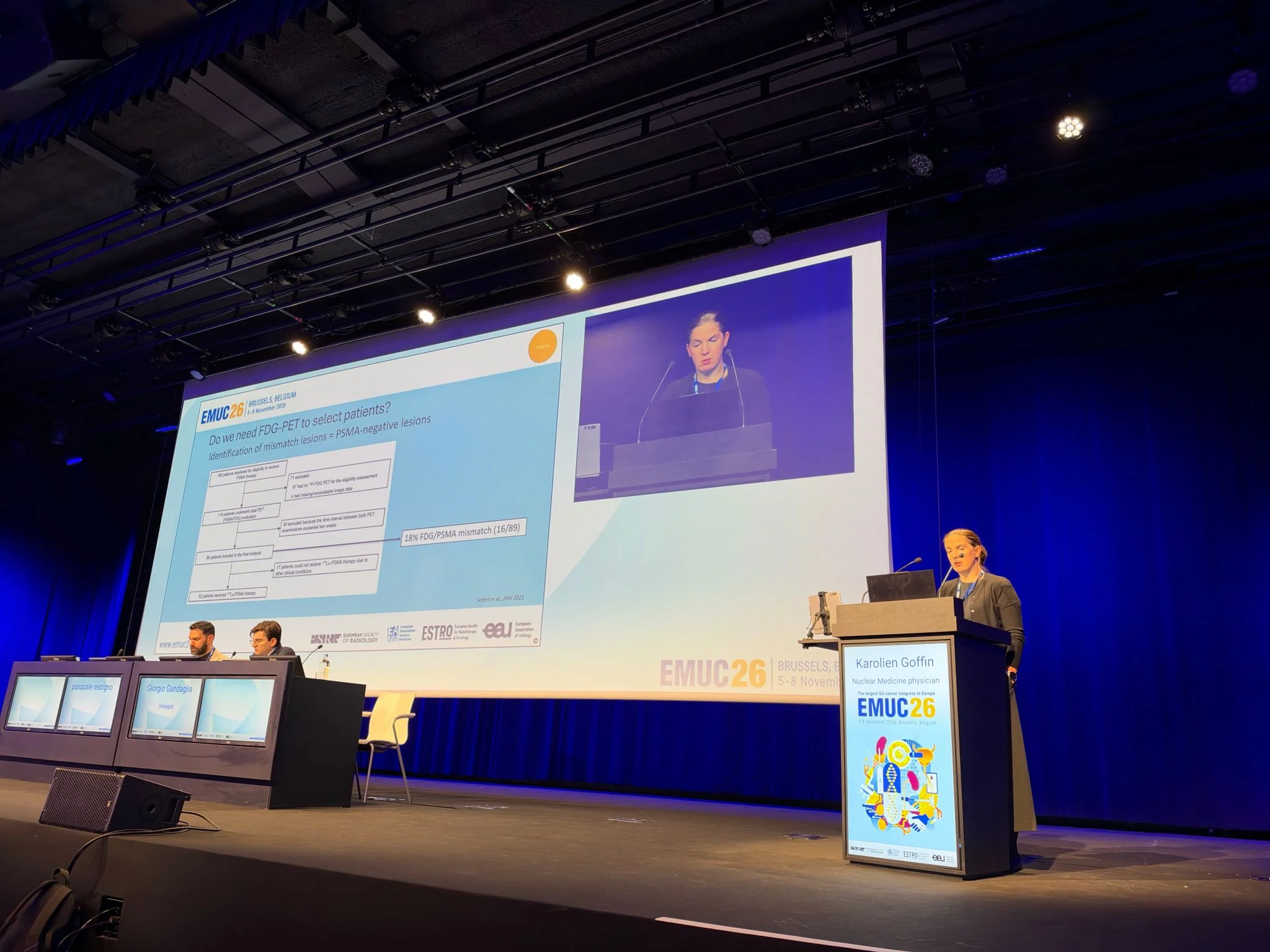
Selecting for ¹⁷⁷Lu-PSMA – Karolien Goffin (Nuclear Medicine)
- FDG PET found PSMA-negative ‘mismatch’ lesions in 18% of candidates; high FDG volume (MTV ≥200 mL) predicted worse outcomes regardless of treatment (TheraP).
- Selection = clinical indication + PSMA PET without mismatch + ECOG 0–2, life expectancy >6 months, adequate organ function.
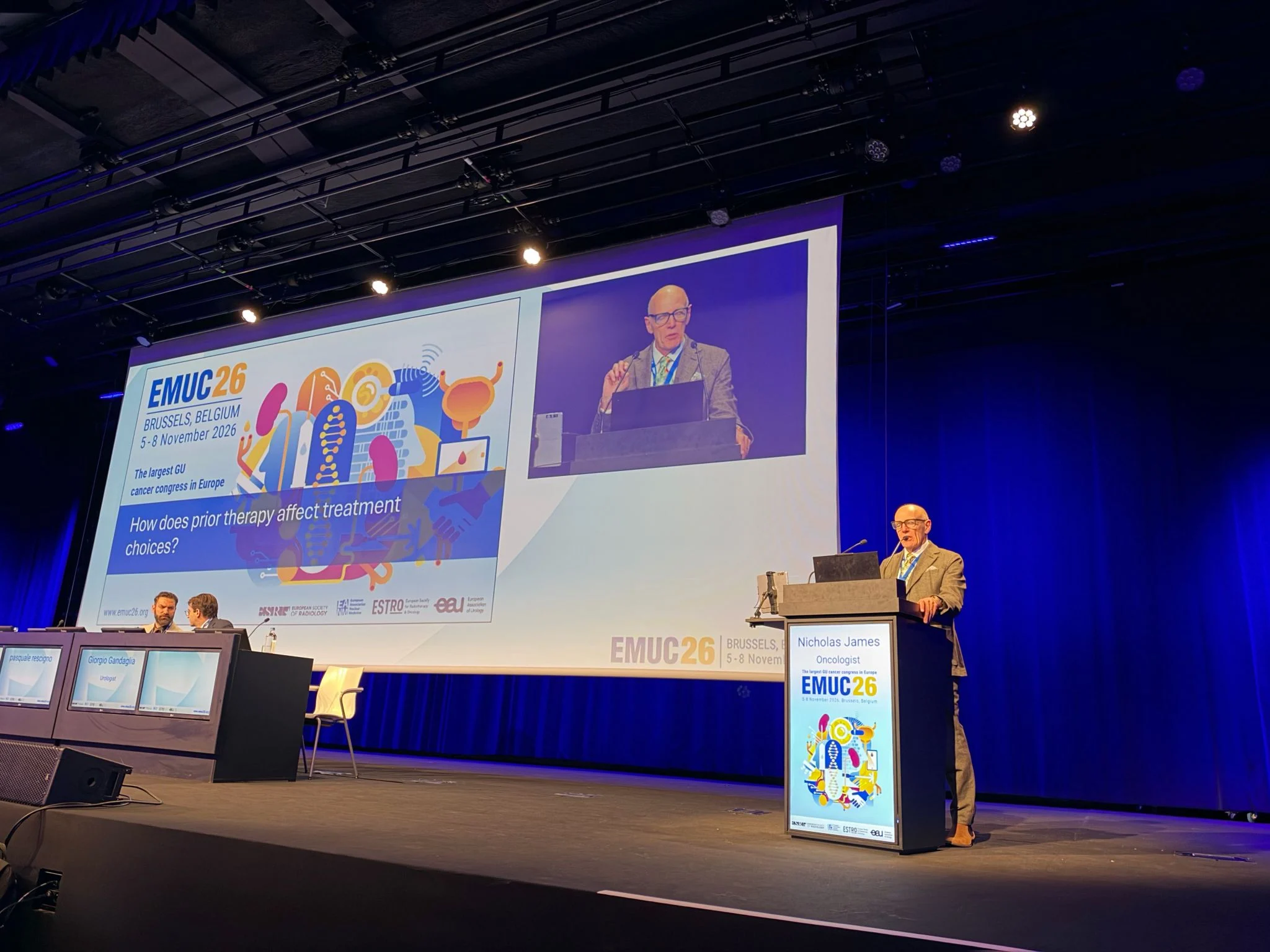
Prior therapy shapes the next choice – Nicholas James (Oncology)
- After ADT alone: adding ¹⁷⁷Lu-PSMA-617 to enzalutamide improved OS (ENZA-p, HR 0.55).
- Oligoprogression on ARPI: SBRT to ≤2 lesions while continuing ARPI (TRAP).
- After ADT+ARPI: docetaxel, cabazitaxel, radium-223, PARPi if HRR+ (especially BRCA). ARPI switch offers little benefit.
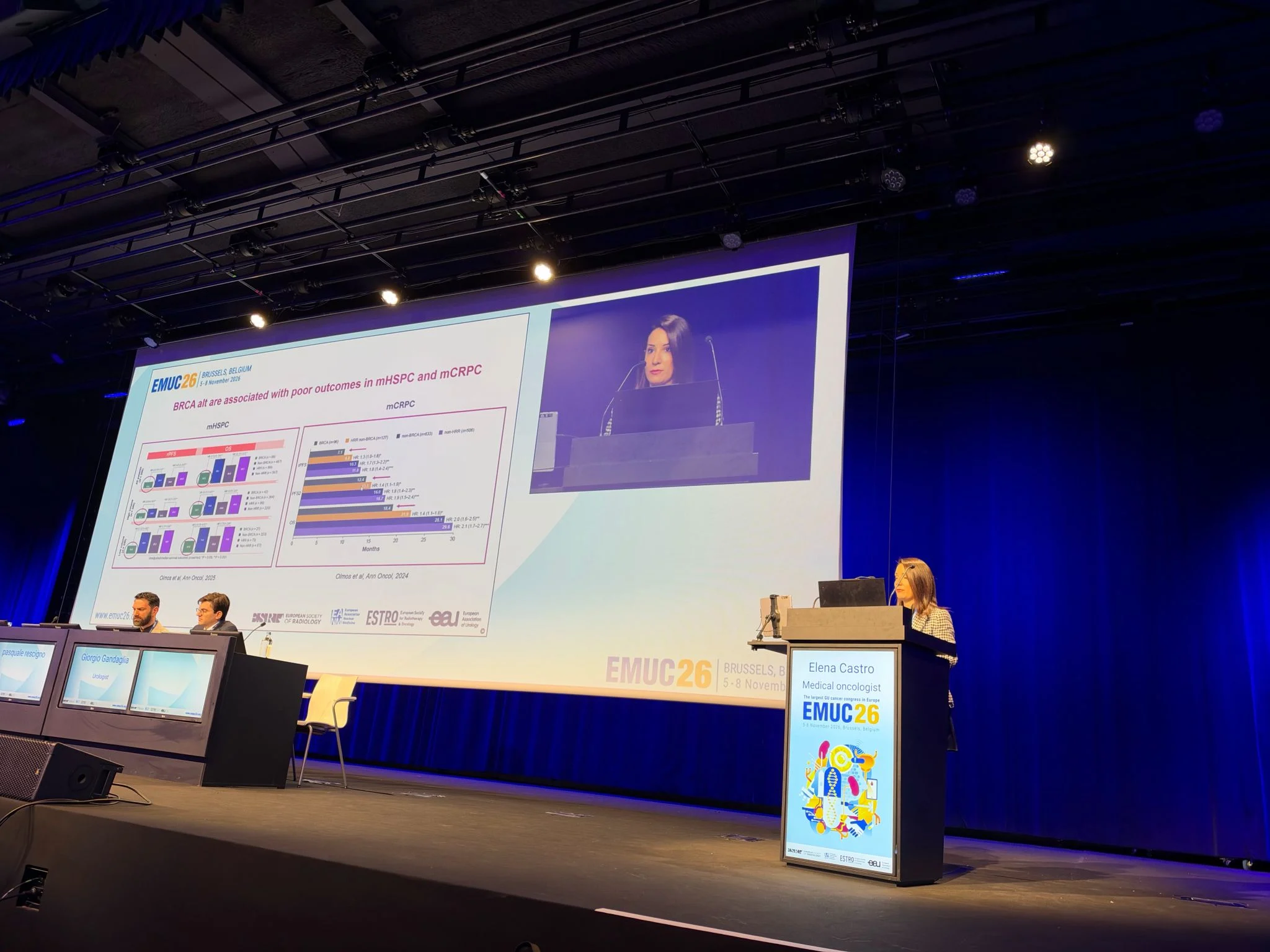
Genomics – Elena Castro (Medical Oncology)
- BRCA alterations carry poor prognosis in mHSPC and mCRPC; only PARPi (±ARPI) has improved OS, and earlier use may be preferable.
- PARPi benefit varies across non-BRCA HRR genes. PALB2 likely behaves like BRCA; for CDK12 and ATM, PARPi + ARPI can be considered.
- Also actionable: dMMR/MSI-H (anti-PD-1) and PTEN loss (AKT inhibitor in mHSPC).
- Case-based (Niven Mehra): de novo high-volume mHSPC with BRCA2 → ADT + abiraterone + niraparib, with germline testing after a tumour-detected variant.
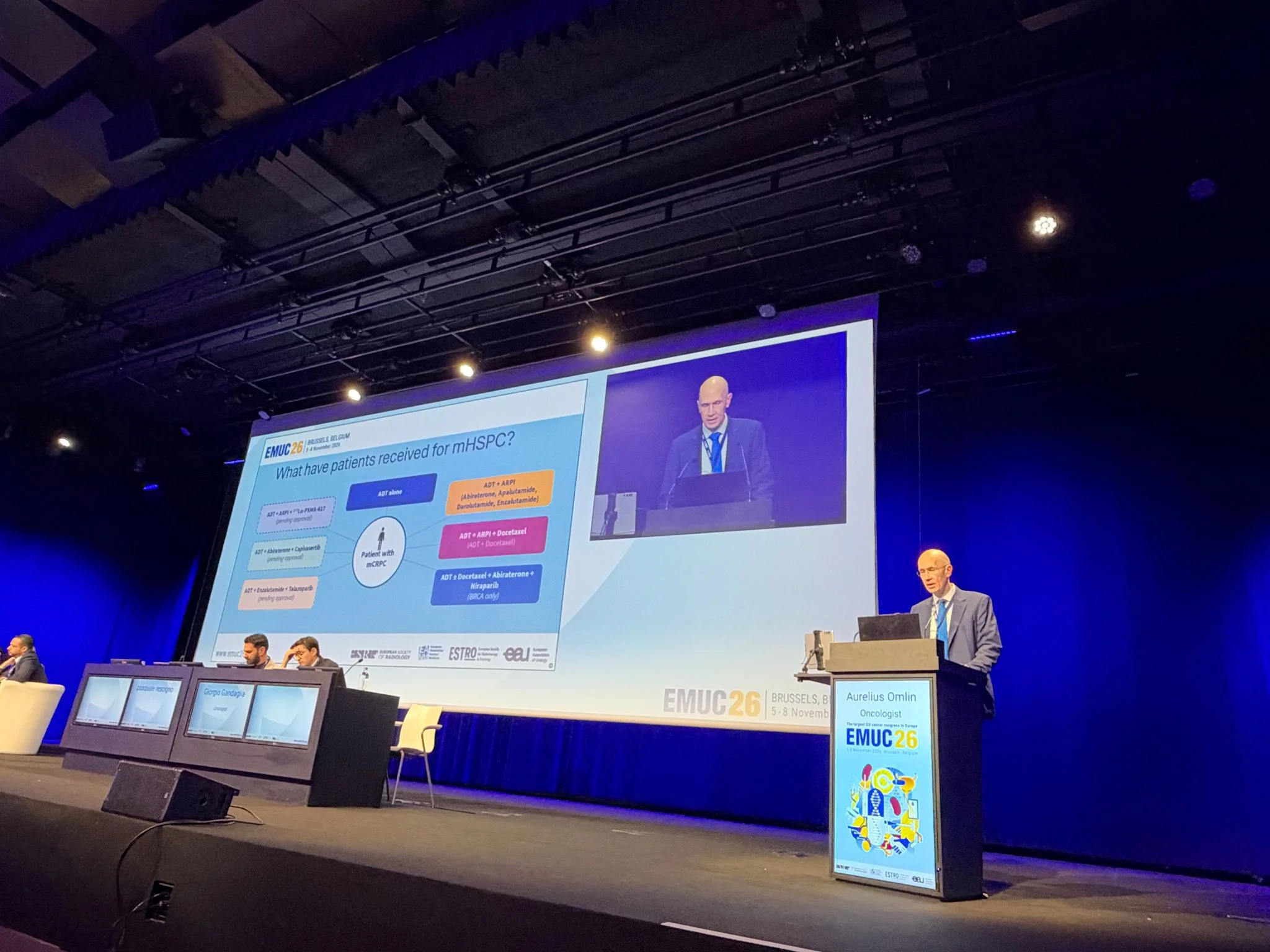
mCRPC today – Aurelius Omlin (Oncology)
- mHSPC is no longer “ADT alone”: doublets, triplets, PARPi combinations, and more pending approval.
- EAU guidelines: choose by PS, comorbidities, genomic profile, patient preference and prior therapy; avoid sequencing AR-targeted agents.
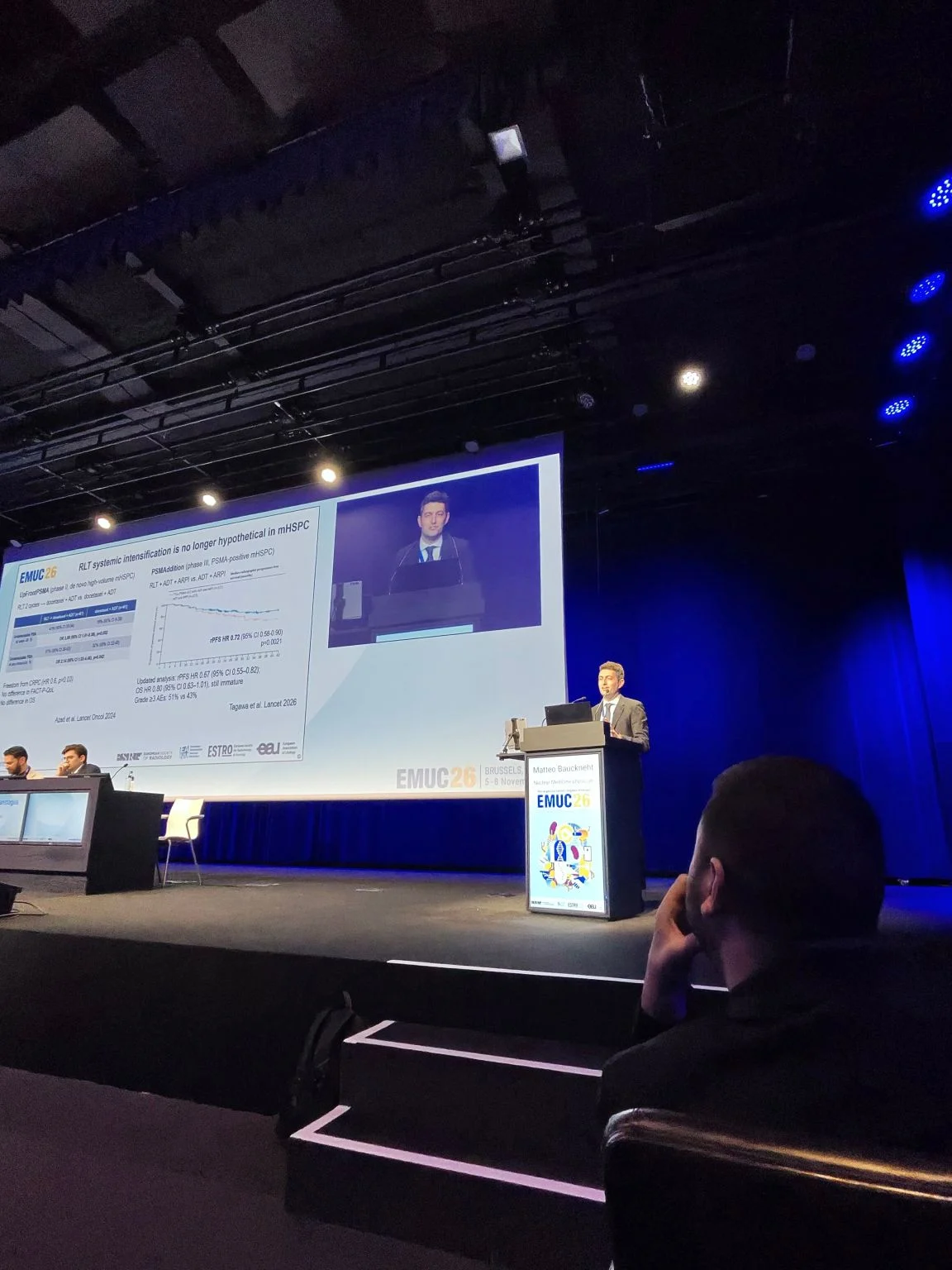
Moving RLT earlier – Matteo Bauckneht (Nuclear Medicine)
- PSMAddition: ¹⁷⁷Lu-PSMA + ADT + ARPI in PSMA-positive mHSPC improved rPFS (updated HR 0.67); OS HR 0.80, still immature; grade ≥3 AEs 51% vs 43%.
- PSMA expression: >95% in primary PCa vs 32% in NEPC.
- Key message: PSMA PET tells us who can receive RLT, not who benefits most from adding it.
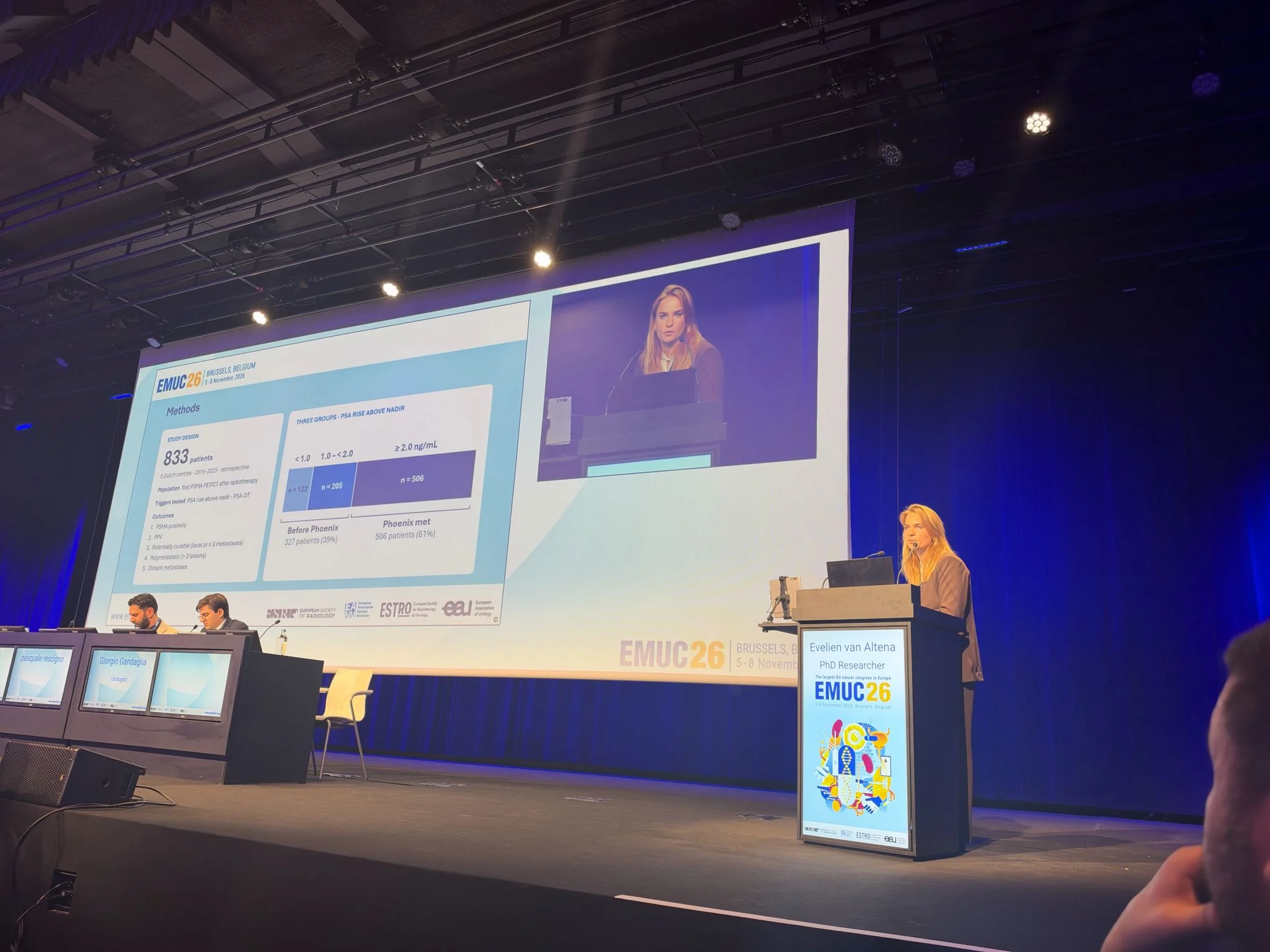
Restaging after radiotherapy – Evelien van Altena (n=833)
- Phoenix criteria were never designed as a restaging trigger.
- At PSA rise 1.0–<2.0 ng/mL above nadir, PSMA PET was positive in 84% with 91% PPV: disease found while potentially still curable.
Imaging, genomics, sequencing, radioligands and radiotherapy: none of these decisions belongs to a single specialty. Nuclear medicine, pathology, radiation oncology, urology and medical oncology deciding together, with the patient. The best opportunities for our patients will always come from multidisciplinary care.”
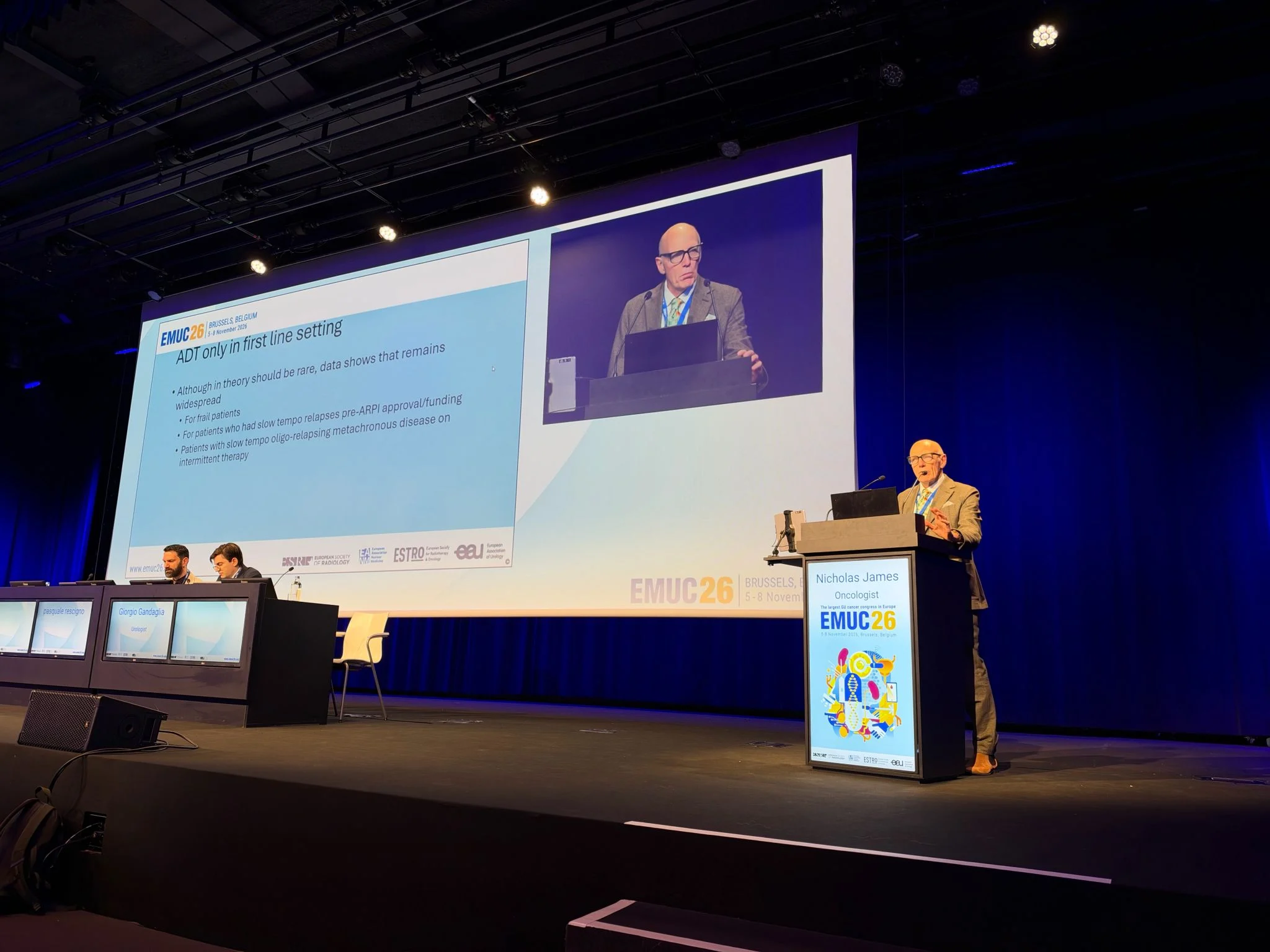
Highlights from EMUC26 – Brussels (Part 4): game-changing data in prostate and testicular cancer
PROTEUS substudy – Alberto Briganti (Urology)
- High-risk localised/locally advanced PCa (n=408; >96% Gleason ≥8): perioperative apalutamide + ADT vs RP + PLND alone.
- EFS HR 0.38 (95% CI 0.26–0.55); median 19.1 months with surgery alone vs not reached.
- MFS by BICR HR 0.49; time to first subsequent therapy HR 0.29 (median 46.0 vs 12.3 months).
- Testosterone recovered (≥200 ng/dL) at a median of ~9 months after end of treatment.
PEACE-3 (EORTC-1333) – presented by Bertrand Tombal (Urology)
- mCRPC: enzalutamide + radium-223 vs enzalutamide alone. 4-year OS 39.4% vs 29.0%: +10.4% absolute, +35.8% relative gain.
POSEIDON – Federica Ferrario (Radiation Oncology)
- IPD meta-analysis of 6 phase 3 trials (5,026 patients, 9-year median follow-up) on adding hormone therapy to postoperative RT.
- No significant OS benefit overall (HR 0.87, p=0.06); MFS improved (HR 0.79), but not expected to translate into OS.
- Pre-RT PSA modifies benefit: ≤0.5 ng/mL no OS benefit (possible harm); 0.5–1.0 NNT ≈22; >1.0 NNT ≈12.
24 vs 6 months: long-term HT not clearly better for OS. - Key message: early salvage at PSA <0.5 ng/mL, where RT alone is highly effective. Subgroups are hypothesis-generating, and in the PSMA PET era many patients with PSA >0.5 would show macroscopic disease.
Testicular cancer – Yue Che (Urology, Cologne)
- SWENOTECA: primary RPLND followed by 1 cycle of BEP for high-risk pathology: 100% RFS (n=18, median follow-up 24 months); 86% RFS with follow-up alone for low-risk pathology.
The right combination, at the right time, for the right patient: a decision no specialty should make alone. Urology, radiation oncology, medical oncology, nuclear medicine and pathology at the same table, with the patient at the centre. The best opportunities for our patients will always come from multidisciplinary care.
Highlights from EMUC26 – Brussels (Part 5): kidney, bladder and the next wave in prostate cancer
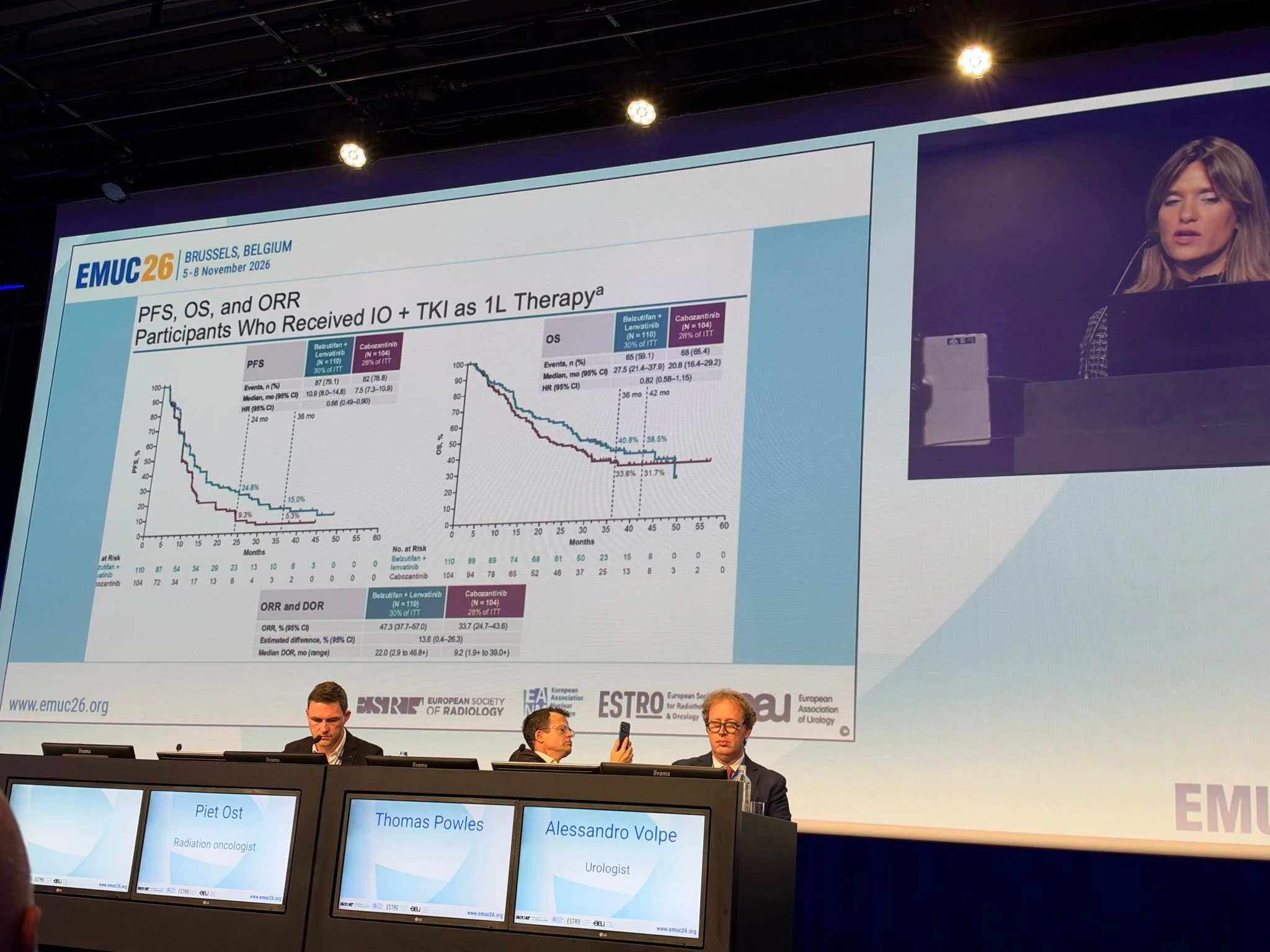
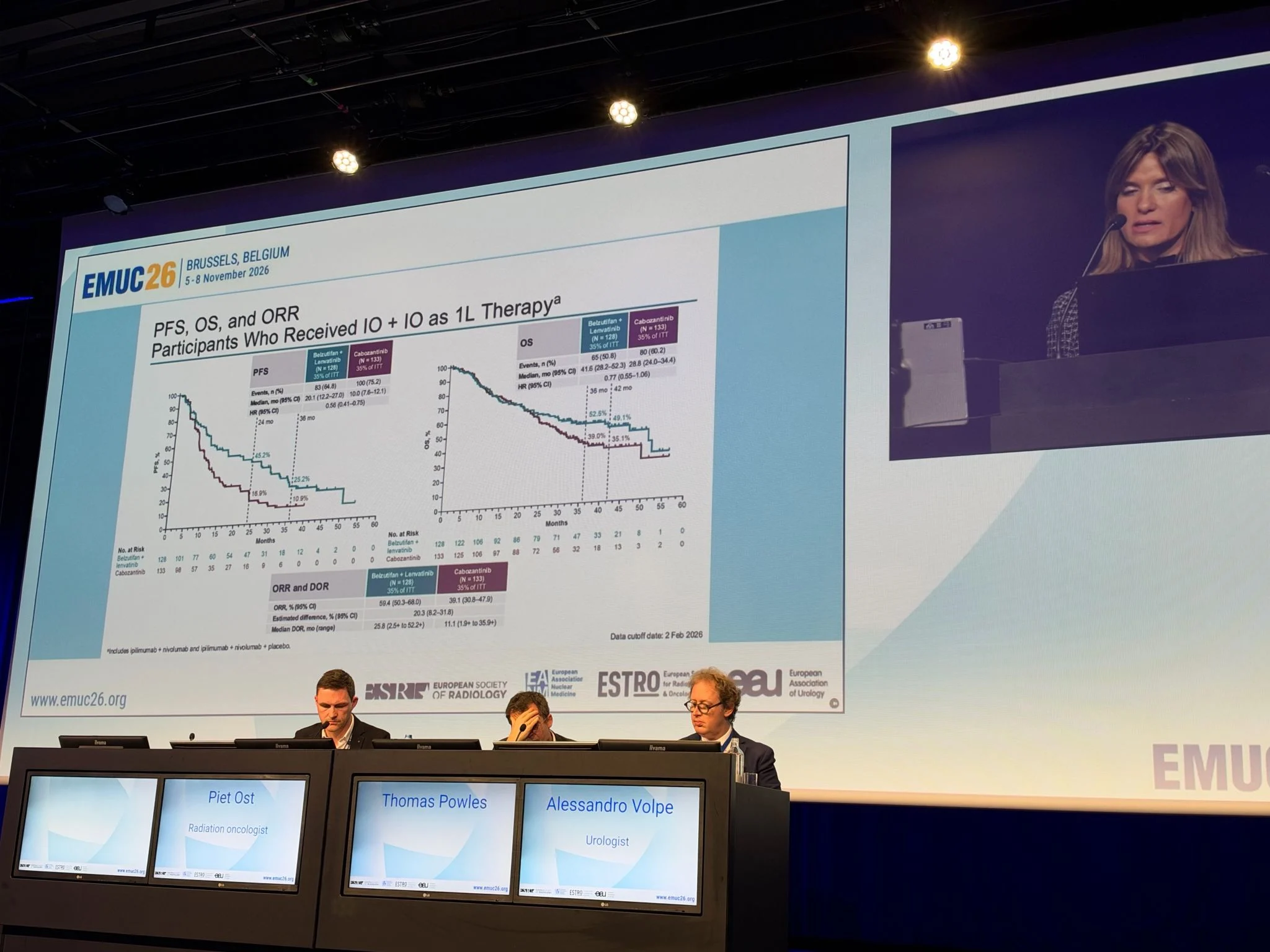
LITESPARK-011 final analysis – Cristina Suárez (Oncology)
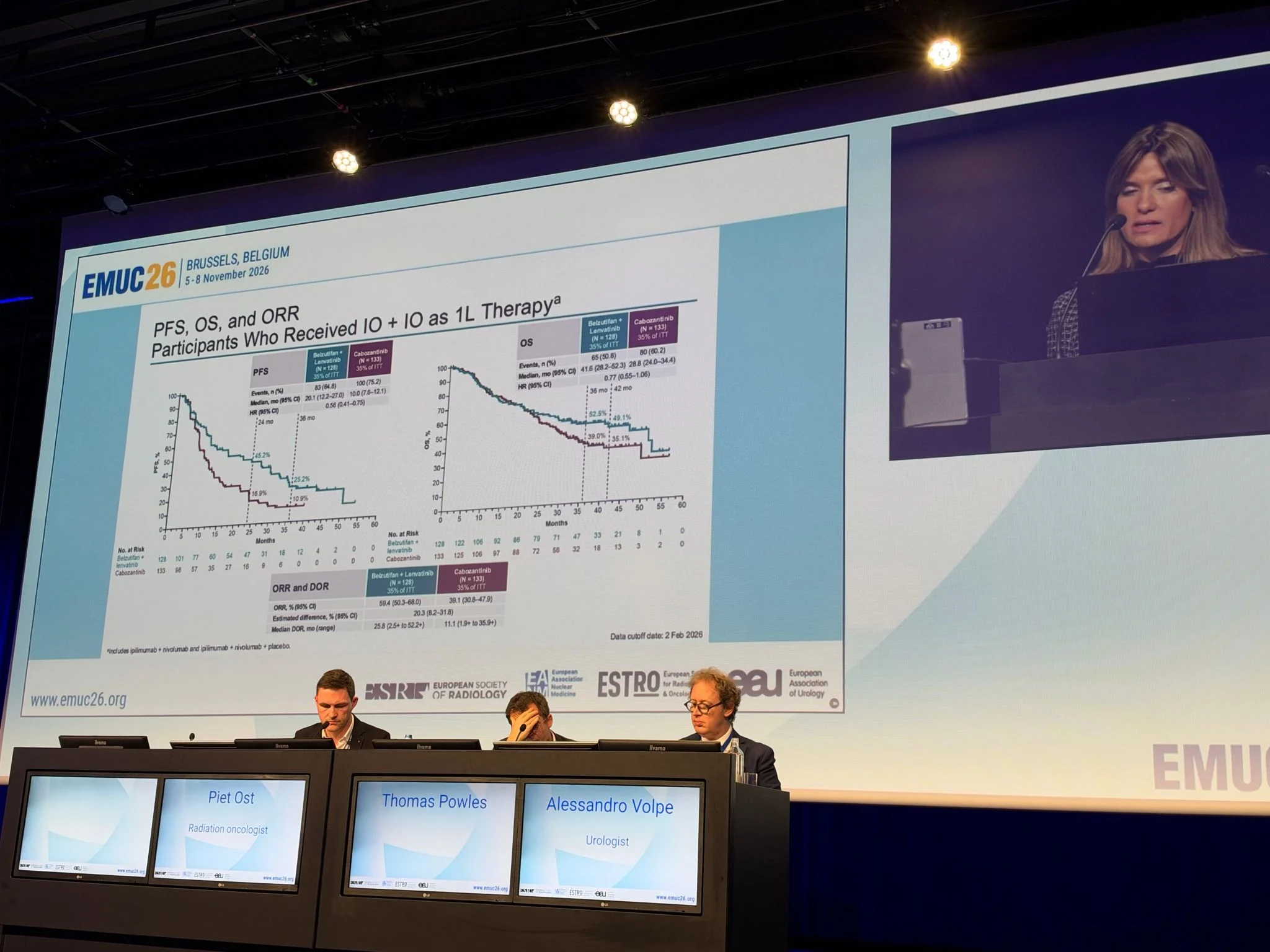
- Belzutifan plus lenvatinib vs cabozantinib after anti-PD-(L)1 in advanced clear cell RCC: continued PFS and ORR benefit; PFS2 HR 0.80 (28.7 vs 23.4 months).
- OS numerically favoured the combination but was not statistically significant.
- Benefit seen after prior IO+IO (PFS HR 0.56; ORR 59.4% vs 39.1%) and IO+TKI (PFS HR 0.66; ORR 47.3% vs 33.7%) in exploratory analyses.
Bladder – Thomas Powles
- pCR 58.8% with EV + pembrolizumab vs 25.3% with pembrolizumab vs 10.3% with cystectomy alone (descriptive comparison).
- VOLGA (n=695) tests perioperative durvalumab + EV ± tremelimumab vs cystectomy in cisplatin-ineligible or -refusing MIBC; EFS is the dual primary endpoint.
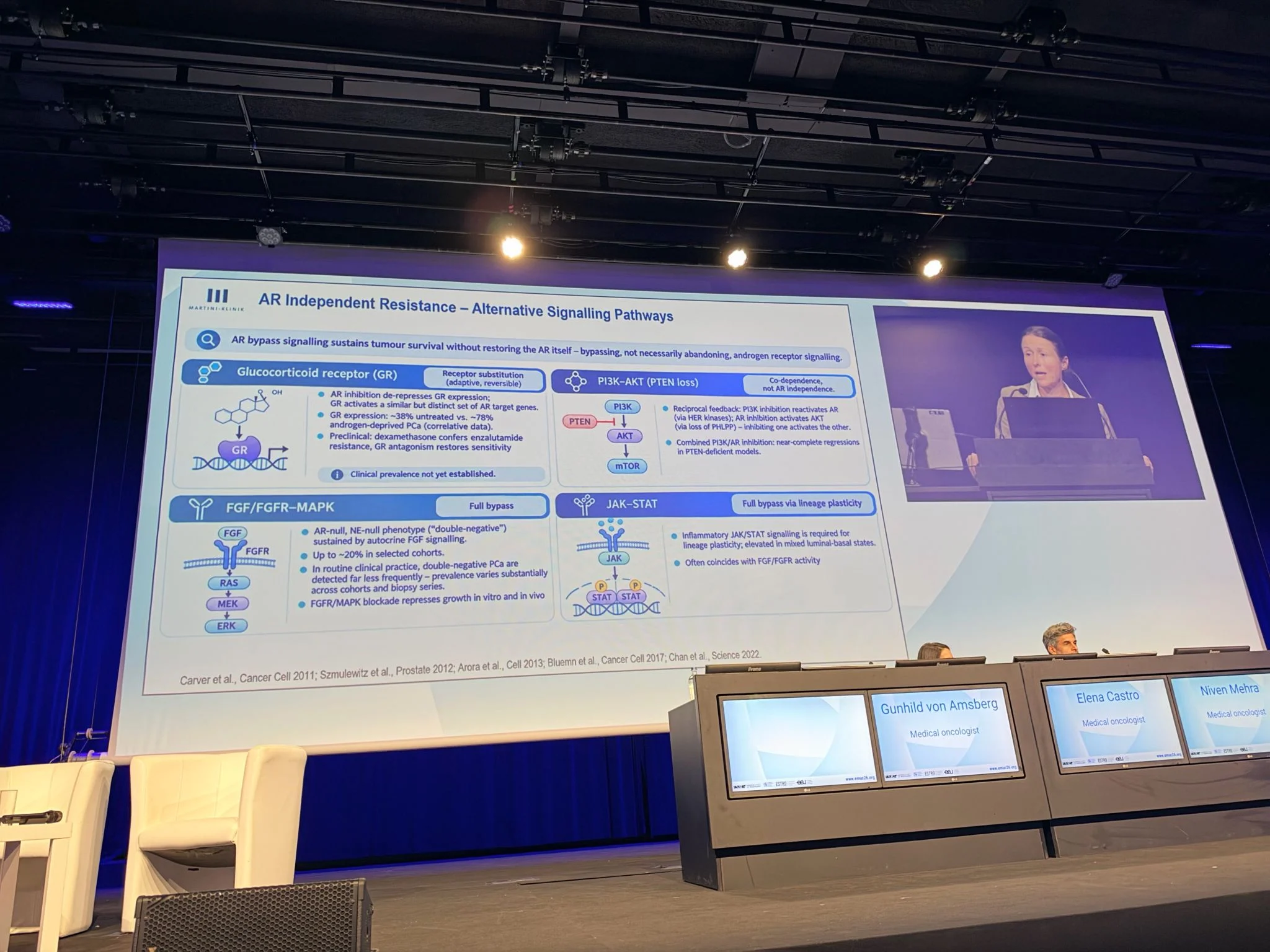
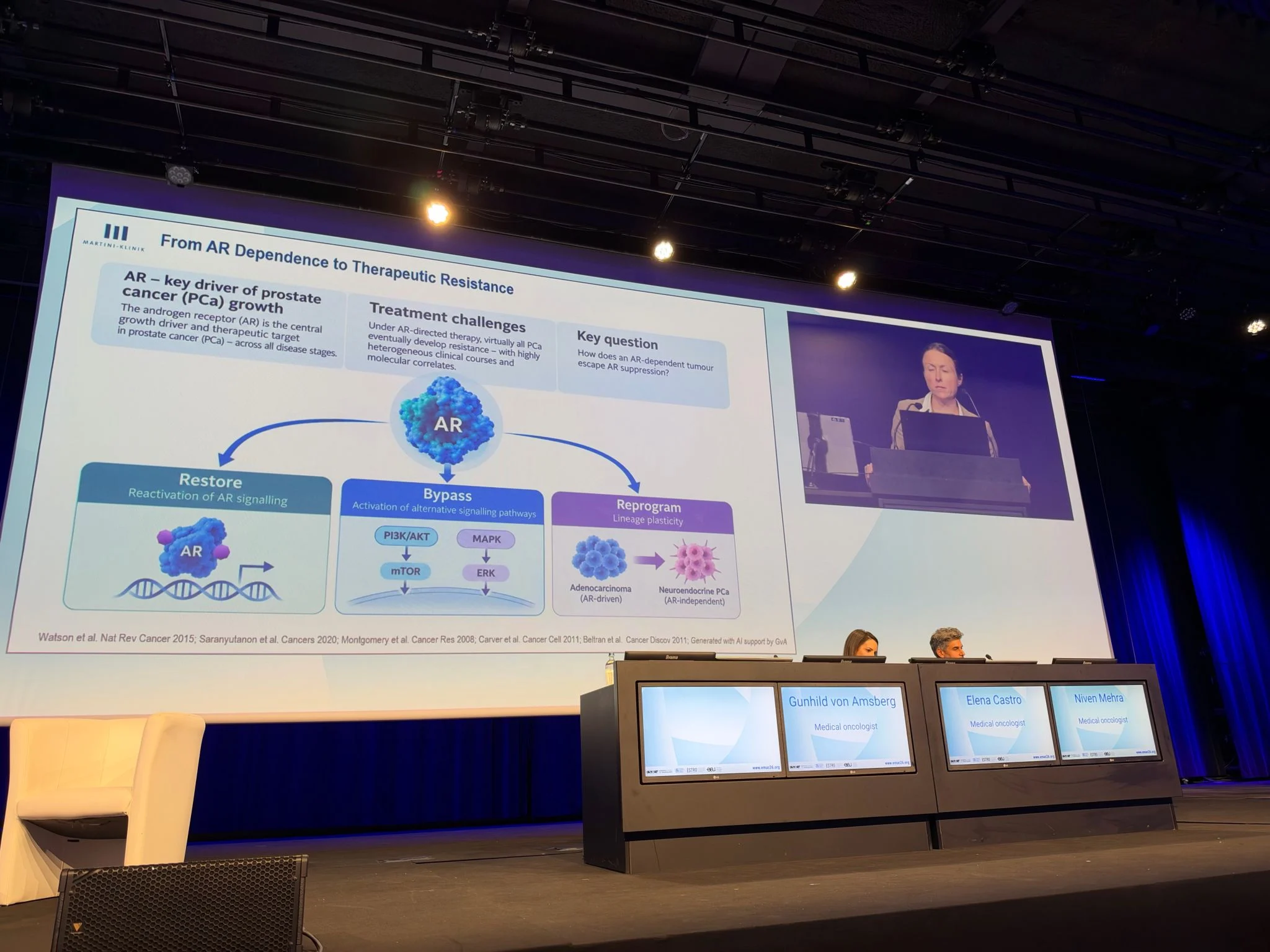
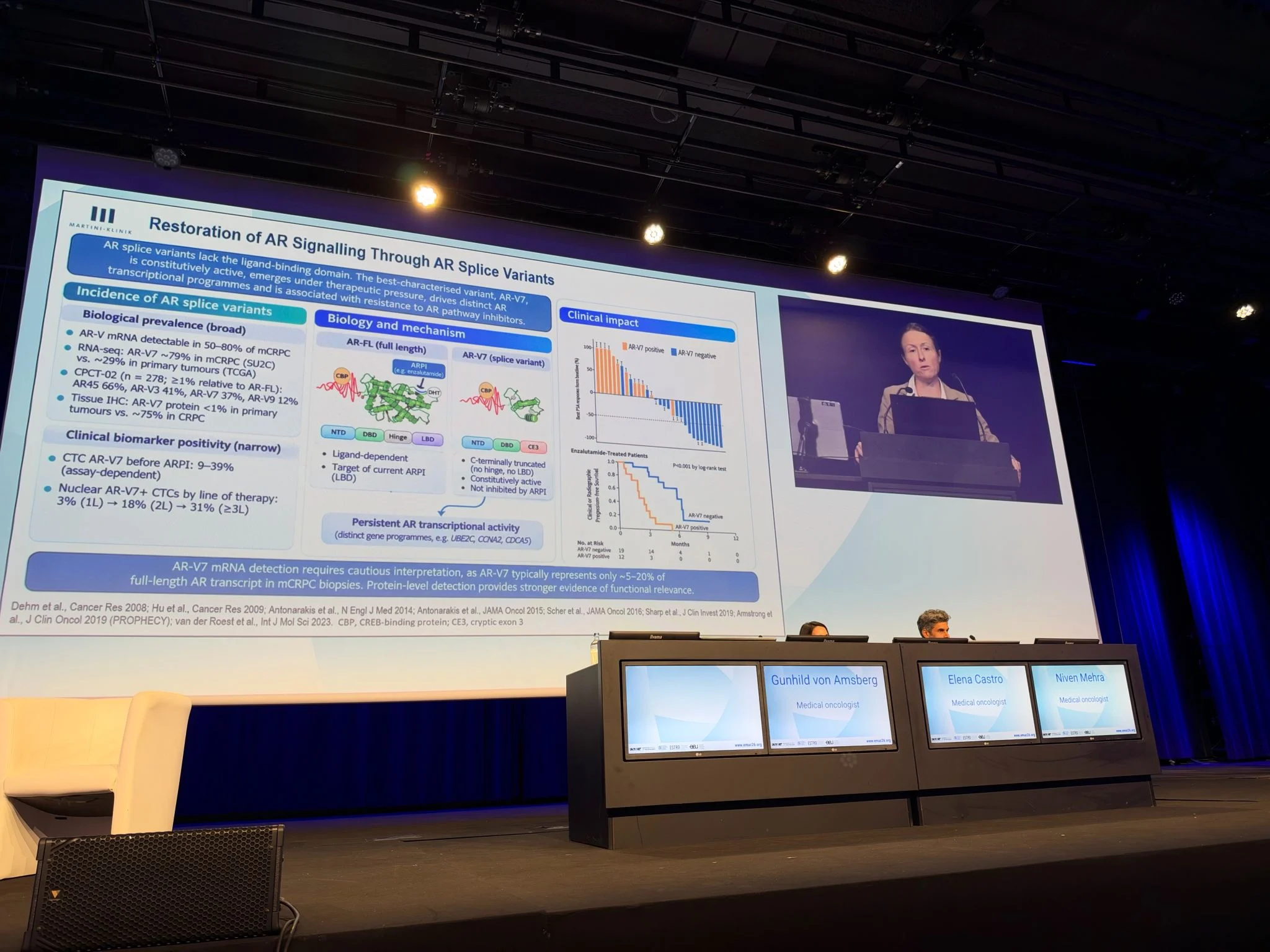
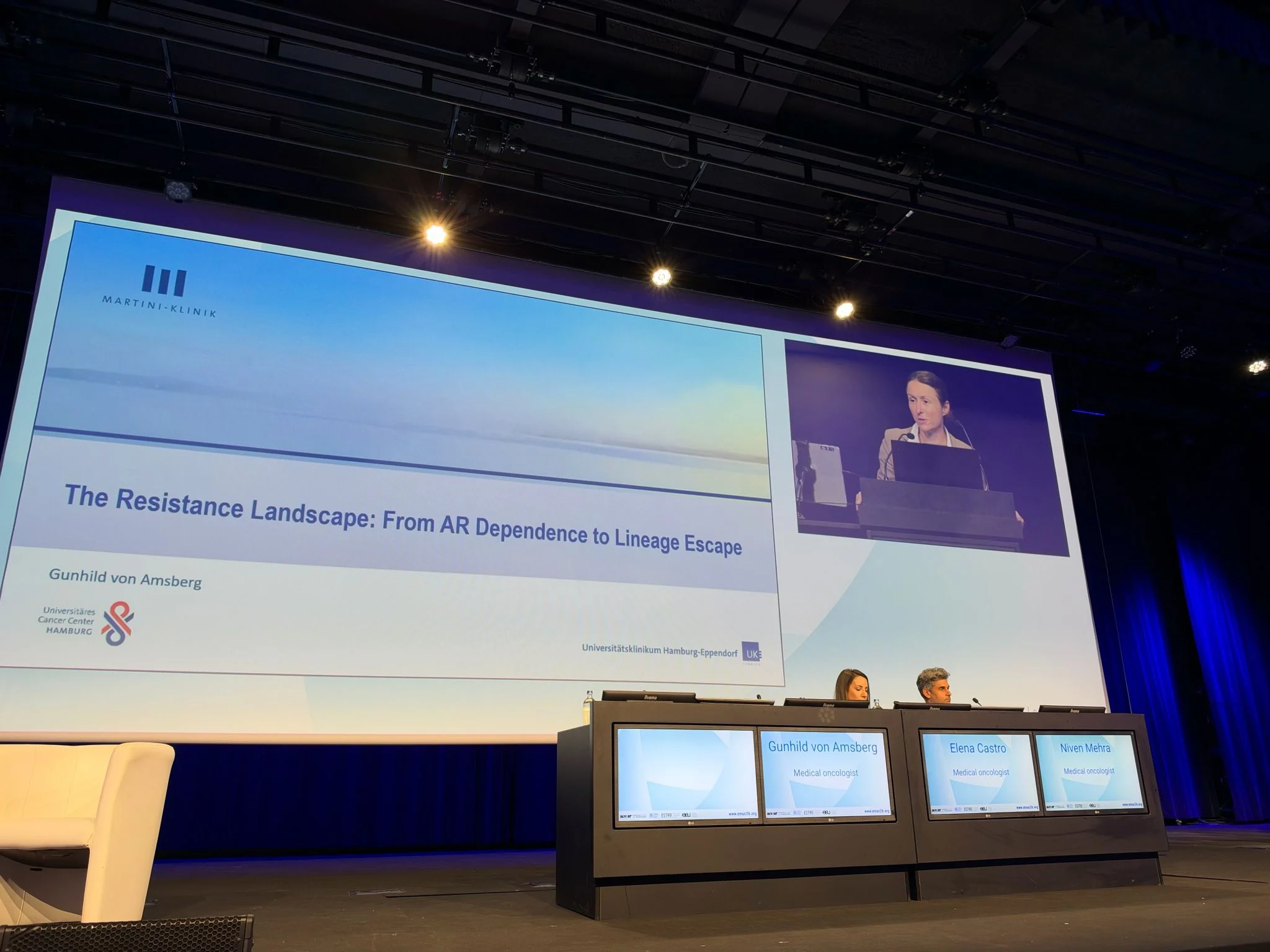
The resistance landscape – Gunhild von Amsberg (Medical Oncology, Hamburg)
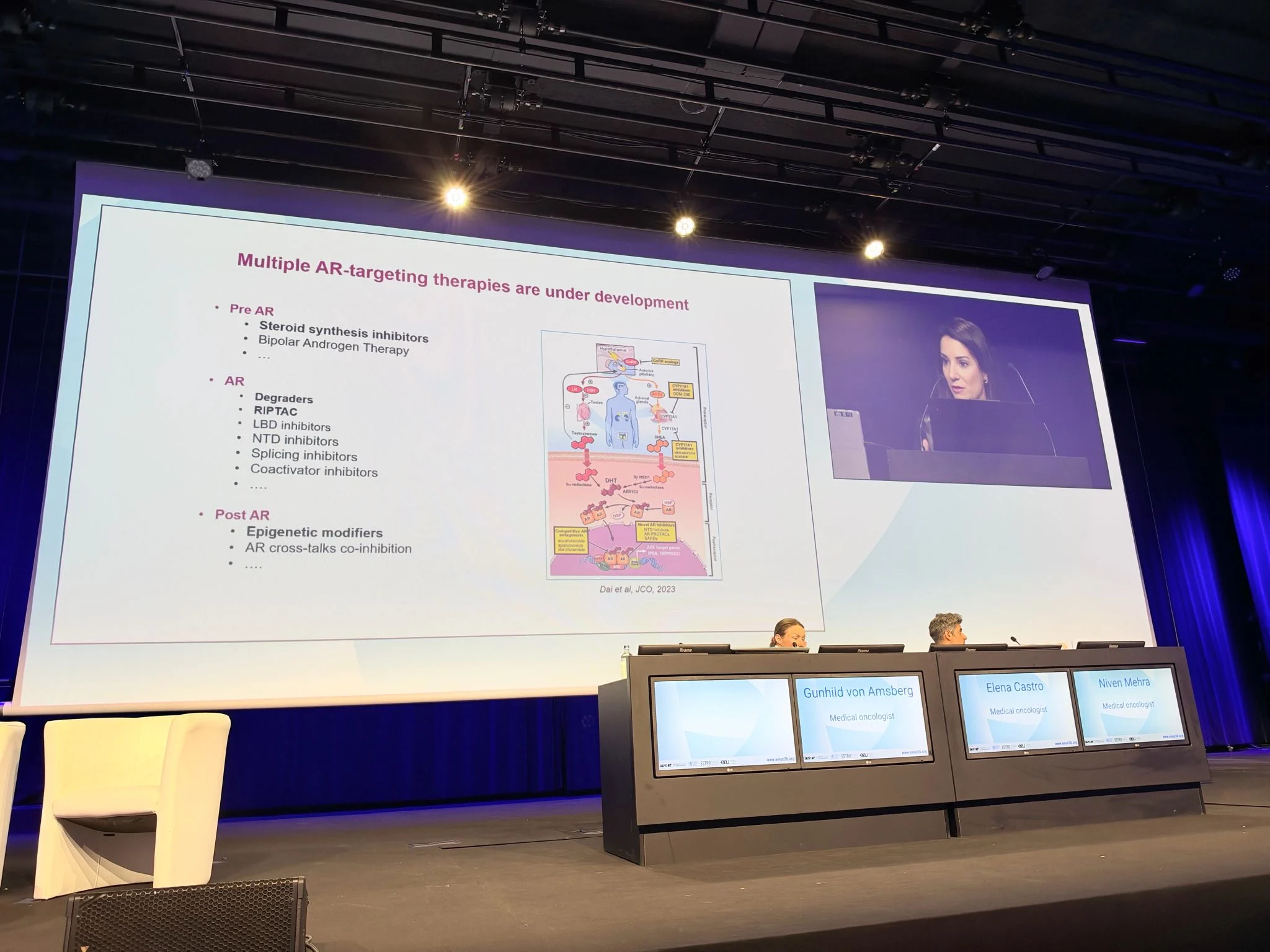
- Prostate tumours escape AR suppression by restoring AR signalling, bypassing it (PI3K/AKT/mTOR, MAPK) or reprogramming their lineage (neuroendocrine).
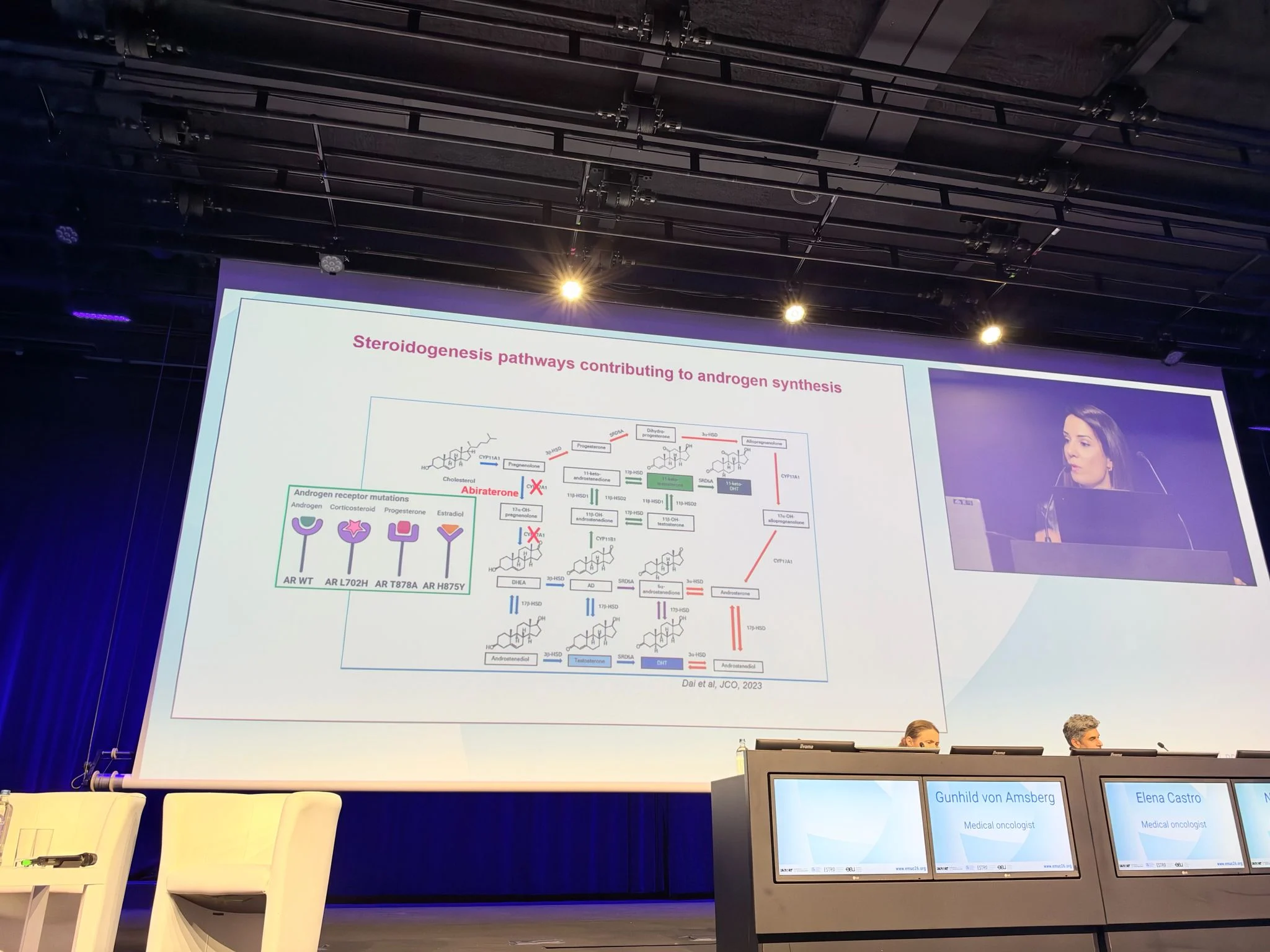
- AR point mutations occur in 10–20% of CRPC, mostly in the ligand-binding domain, and rise with each ARPI line (15% → 22% → 24%); some, like F877L, turn enzalutamide and apalutamide into agonists.
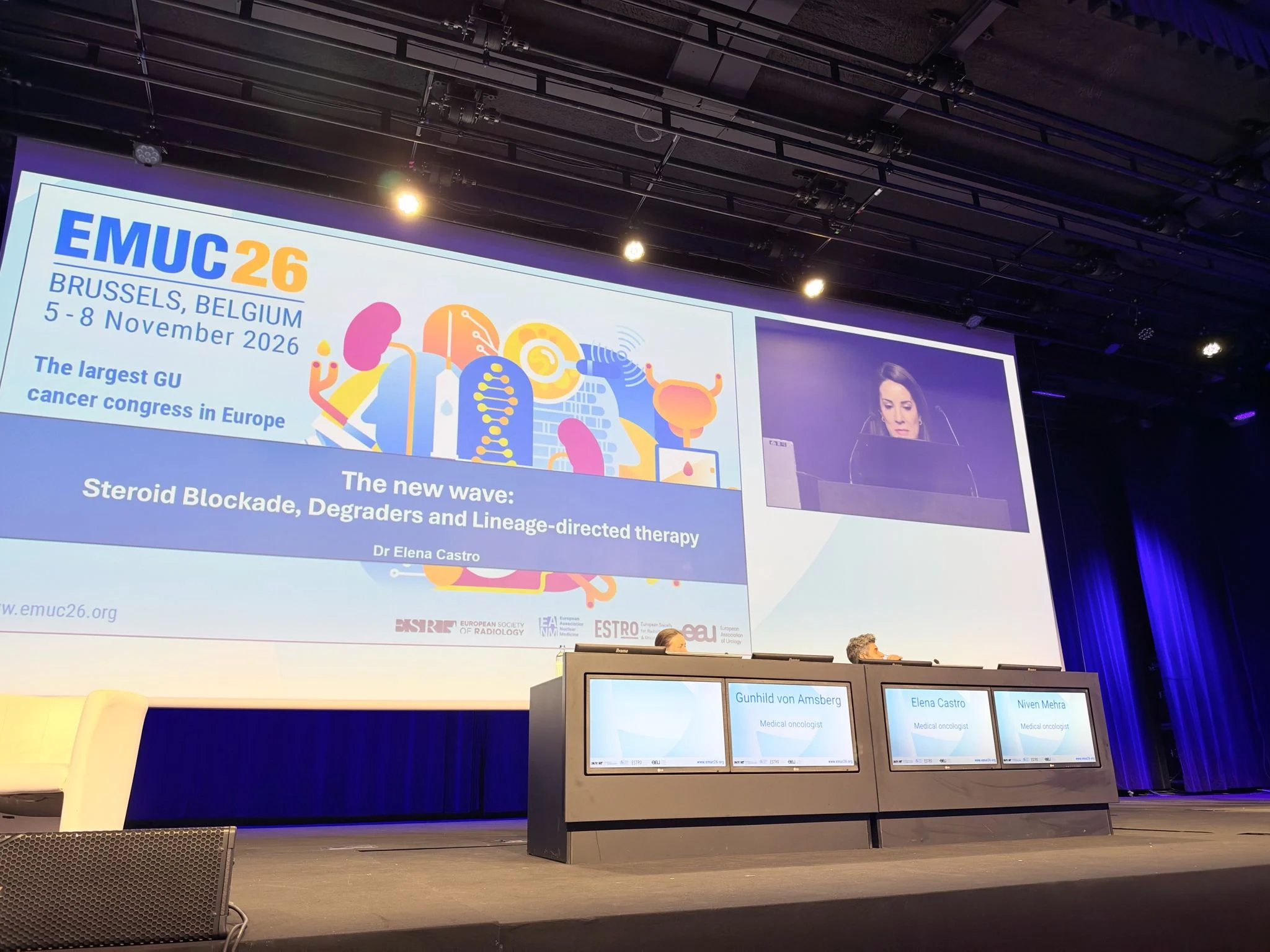
The new wave – Elena Castro (Medical Oncology)
- Opevesostat (CYP11A1 inhibitor, with dexamethasone + fludrocortisone): PSA50 53.0% with AR-LBD activating mutations vs 14.7% in wild-type (phase II); grade ≥3 AEs 69%. Phase III OMAHA-003/004 ongoing.
- Luxdegalutamide (AR degrader): active in AR-LBD mutants including L702H; unconfirmed ORR 30% (n=20).
- JNJ-6143, a first-in-class RIPTAC (AR–BRD4): early PSA responses regardless of high-risk genomics; PSA50 in 5/6 ARv7+ patients.
The more biology we understand, the more we need each other: pathology, liquid biopsy, imaging and every treating specialty reading the same patient together. The best opportunities for our patients will always come from multidisciplinary care.
Highlights from EMUC26 – Brussels (Part 6): last but not least
After five posts full of trials, hazard ratios and new targets, the most important lesson of EMUC26 was not on any slide. It was around a table.
A Belgian stew between sessions, long dinners with colleagues who became friends, a walk through Brussels’ comic-strip heritage (Captain Haddock included) and endless conversations about our patients, from the conference hall to the restaurant.
That is where multidisciplinary care really begins: when the urologist, the medical oncologist, the radiation oncologist, the radiologist, the nuclear medicine physician and the pathologist know each other, trust each other and are just one call away from saying “let’s look at this patient together”.
Science moves fast. Friendship and teamwork are what turn it into better outcomes for the people we care for.
Thank you, Brussels. Thank you, EMUC26. Until next time!”
Other posts about EMUC26 on OncoDaily.