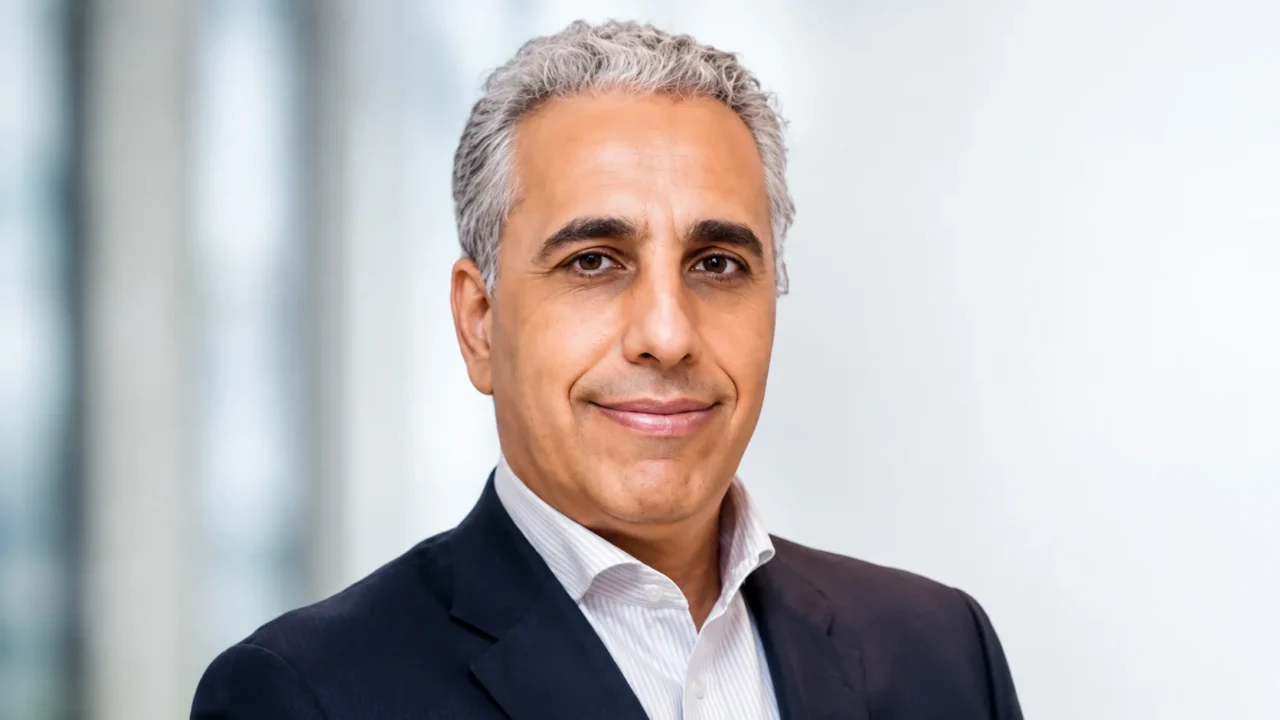
Kefah Mokbel, Professor of Medicine at Cardiff University School of Medicine, shared on LinkedIn:
“Why are women willing to take statins to prevent cardiovascular disease, yet often reluctant to take endocrine therapy to reduce breast cancer risk?
A fascinating new JAMA Network Open study, accompanied by an insightful commentary from Maryam Lustberg, offers some important answers.
Title: Perceptions of Chemoprevention Among Women at High Risk for Breast Cancer
Authors: Romi Eli, Harry West, Alissa M. Michel, John P. Allegrante, Jarvis J. Tse, Ian M. Kronish, Katherine D. Crew, Rita Kukafka
Women at increased breast cancer risk described statins as routine, measurable and clinician-guided, while chemoprevention was more often perceived as higher-burden, uncertain and complex. The study identified three key themes: risk framing, treatment trade-offs and pathway complexity.
There is an important difference: with statins, patients can see cholesterol levels fall. With breast cancer risk-reducing therapy, success is largely invisible-the hoped-for outcome is a cancer that never develops.
And endocrine therapy carries another dimension. Concerns about menopause, fertility, sexuality and quality of life can make the decision deeply personal, rather than simply another preventive prescription.
Perhaps we should therefore stop asking:
‘Why don’t more women take chemoprevention?’
and ask:
‘How can we make breast cancer risk reduction a clearer, more personalised and better-supported choice?’
Better risk prediction-including AI and emerging imaging biomarkers-will undoubtedly help. But, as Lustberg perceptively observes, greater precision does not necessarily mean greater persuasion.
The future of breast cancer prevention requires not only better risk models and better-tolerated therapies, but also better communication, shared decision-making and more integrated clinical pathways.”
You may also find this interesting: