Hossam Abdulkhalek, Divisional Clinical Director of Cancer and Clinical services at Western Health and Social Care Trust, shared on LinkedIn:
“A thought-provoking presentation from ESMO 2026: RASolute 302
One of the most discussed studies at ESMO this year was RASolute 302, evaluating Daraxonrasib against investigator’s choice chemotherapy in previously treated metastatic pancreatic cancer with RAS alterations.
What makes this study important?
For decades, pancreatic cancer has remained one of the most challenging malignancies to treat, despite KRAS mutations being present in the vast majority of tumours.
RASolute 302 is among the first large randomised studies to demonstrate meaningful anti-tumour activity from a direct RAS-targeted approach across multiple RAS genotypes.
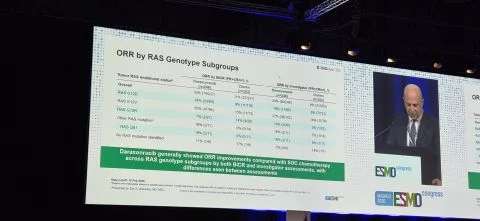
The reported objective response rates were consistently higher with Daraxonrasib than with chemotherapy, particularly in the common KRAS G12D and G12V subgroups.
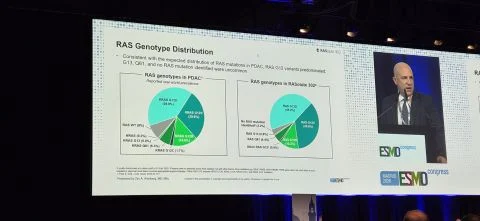
Just as importantly, the enrolled population appeared representative of the real-world molecular landscape of pancreatic cancer, increasing confidence that the findings could be broadly relevant in clinical practice.
But there are also legitimate questions:
The control arm was heterogeneous, allowing several different chemotherapy regimens, which complicates interpretation. The trial also enrolled a biologically diverse population across multiple RAS variants, and the magnitude of benefit appeared to differ between subgroups.
As always in pancreatic cancer, improved response rates are encouraging, but as a clinician I ultimately want to see whether tumour shrinkage translates into durable improvements in progression-free survival, overall survival, and quality of life.
The key debate, therefore, is not whether Daraxonrasib is active. The data strongly suggest that it is. The real question is whether RASolute 302 represents a true practice-changing advance (likely is) or an important step in the continuing evolution of precision medicine for pancreatic cancer.
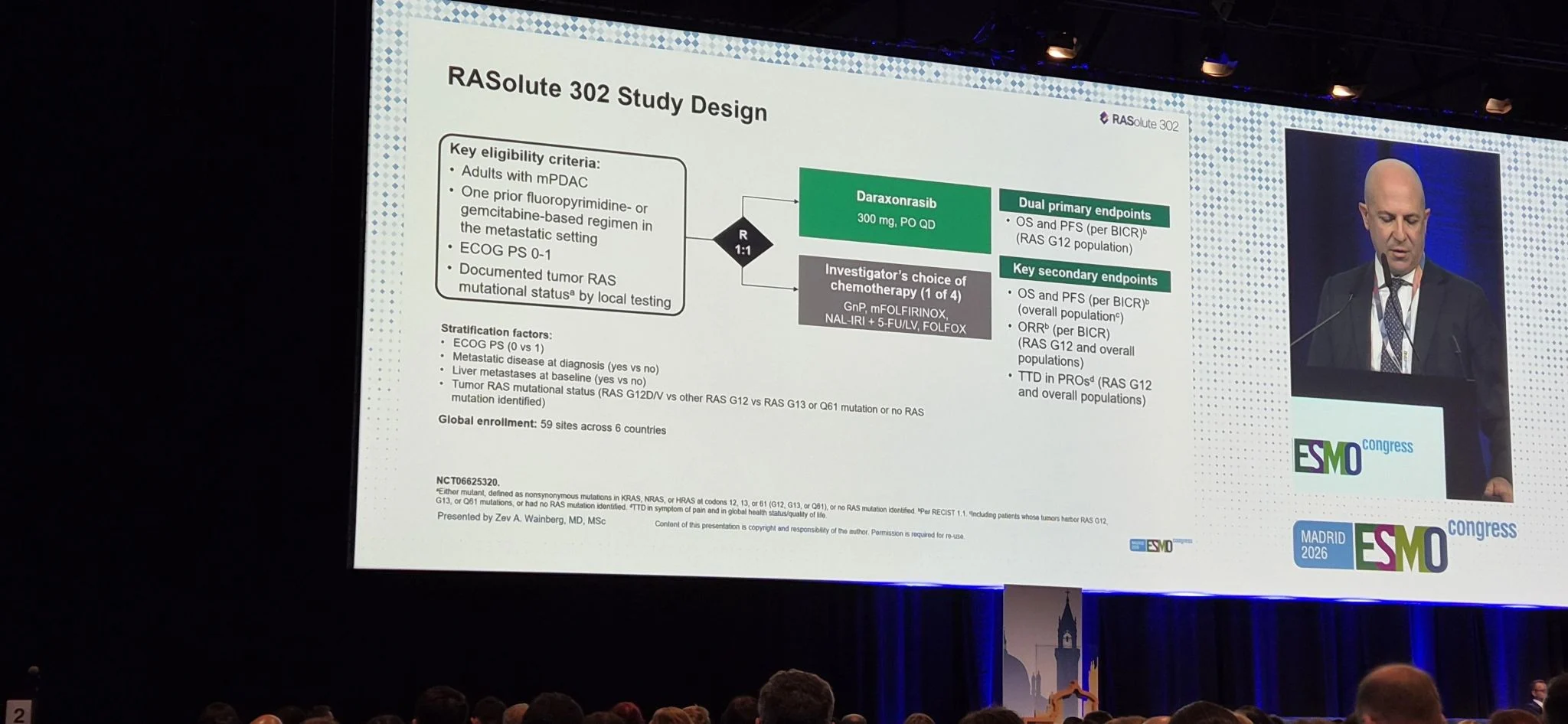
Moreover, Eligibility for RASolute required ECOG 0-1 and only one prior metastatic regimen. Many real-world pancreatic cancer patients are frailer and would not meet these criteria. Therefore outcomes may be better than expected in routine practice.
Either way, seeing a randomised phase III study successfully target RAS-driven pancreatic cancer feels like a milestone that many in the field have been waiting years to witness.”
You can also read: