
Enrique Grande, One Oncology Madrid Program Director at Quironsalud, shared on LinkedIn:
“Prostate cancer in GU oncology: are we losing focus on kidney and bladder?
Genitourinary oncology has never been more active. New agents, new combinations, new approvals – across prostate, kidney and bladder cancer simultaneously. It is an extraordinary moment for the field.
But if I am honest, there is a question I find myself returning to more often lately:
- Is the extraordinary momentum in prostate cancer research starting to crowd out kidney and bladder in our scientific conversations?
This is not a criticism. The progress in prostate cancer has been remarkable – and the clinical impact for patients is real and meaningful.
But bladder cancer remains one of the most lethal urological malignancies. And despite meaningful recent advances in perioperative treatment and intravesical therapy, it still receives a fraction of the research investment and congress airtime that prostate cancer does.
Kidney cancer sits somewhere in between. Important questions remain open around sequencing, adjuvant strategies and biomarker-driven selection. But the pipeline feels thinner – and the conversations feel less central at major meetings.
A few things worth reflecting on:
- Trial design complexity. Bladder and kidney cancer trials are harder to run – smaller patient populations, more histological heterogeneity, more complex treatment sequences. That is partly why the evidence base is thinner. But it also means we need smarter trial design, not just more willingness.
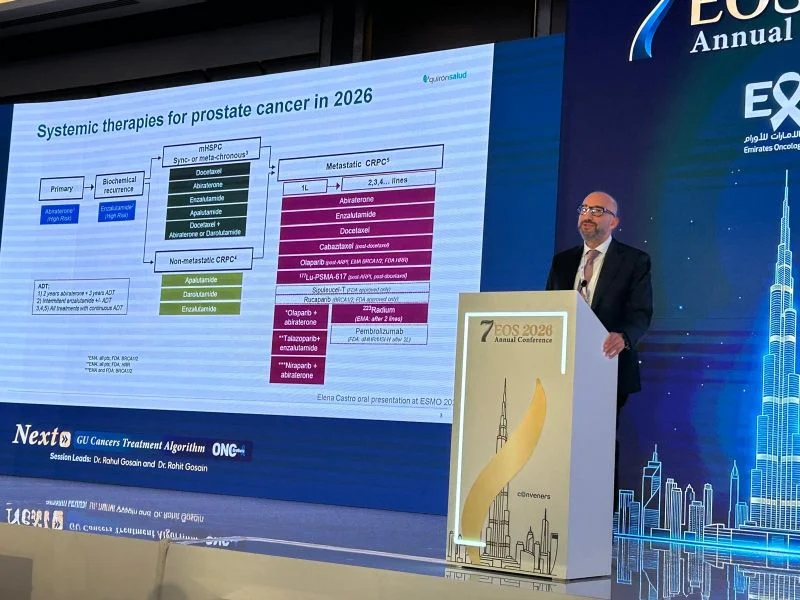
- Congress representation. At major meetings, the GU programme often feels weighted toward prostate. That is partly a reflection of where the data is – and data drives sessions. But it is also a self-reinforcing cycle.
- Patient advocacy. Prostate cancer has a strong and well-organised patient advocacy community. Bladder and kidney cancer advocacy is growing – but the gap in awareness, funding and public attention remains visible.
None of this diminishes the importance of prostate cancer research. But bladder cancer patients – often older, frequently diagnosed late, underrepresented in trials – deserve the same level of urgency.”
You can also read:
10 Must-Read Posts In GU Oncology This Week