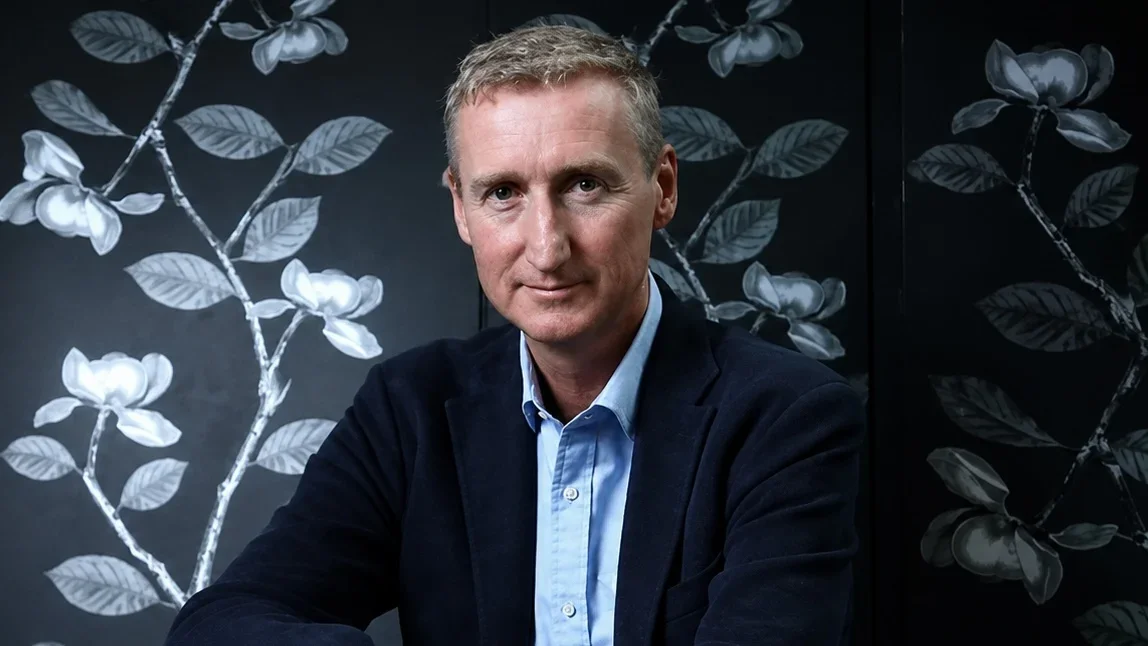
Christopher Steer, Associate Professor at UNSW, shared on LinkedIn:
“SIOG26 key geriatric oncology learnings 2
New ideas/concepts/learnings for me personally.
1. Caregiver burden can be measured eg using the Zarit Burden Interview (1980)
Title: Relatives of the impaired elderly: correlates of feelings of burden
Authors: S. H. Zarit, K. E. Reever, J. Bach-Peterson
2. Ways to improve my use of language when asking questions in the clinic, eg:
- Asking about elder abuse using the word ‘safe’ eg ‘How safe do you feel?’ (Open) vs the more dichotomous ‘Do you feel safe?’ Dickson Lui
- Heidi Klepin used the term ‘Goal alignment’ when there is disagreement about plans/expectations/goals/priorities.
- When asking about social supports ‘Do you have someone you can rely on?’
3. Thoughts around implementation models
eg in the pre surgical domain – Do we need to move to an ‘optimate out approach’ at a system level rather than an ‘opt in’ to improve uptake of geriatric assessment (GA) and GA-guided management (GAM)?
4. Again in the pre surgical space (but could be applied more widely of course) a definition of success:
‘Success is recovery that matters to the patient’.
5. Implementation science.
Excellent insights from Kelly McConnell regarding the use of language- If we call GA and GAM ‘The Thing’ then implementation STRATEGIES are the stuff we do to try to help people/places do THE THING.
Supriya Mohile ‘Implementation science studies are hard and expensive’.
The COACH+ study designed to look at efficacy in real world settings was unable to measure efficacy.. and instead could only study uptake of the process. Data collection outside clinical trials is very difficult.’
6. Grace Lu-Yao – In an intriguing analysis of big data (Immunotherapy in -150,000 patients over 15 years).
IrAE’s increased with frailty not age. Pneumonitis more common in frail patients. (vs endocrine in non frail).”
Title: Should frailty, not age, guide ICI toxicity risk assessment in solid tumors?
Authors: N. Nikita, A. Shaver, K. Shaverdashvili, R. Seedor, S. Sharma, K.-Y. Wen, S. Gordon, A. Chapman, G. Lu-Yao
You can also read:
SIOG 2026: 15 Posts Not to Miss from the Annual Conference in Valencia