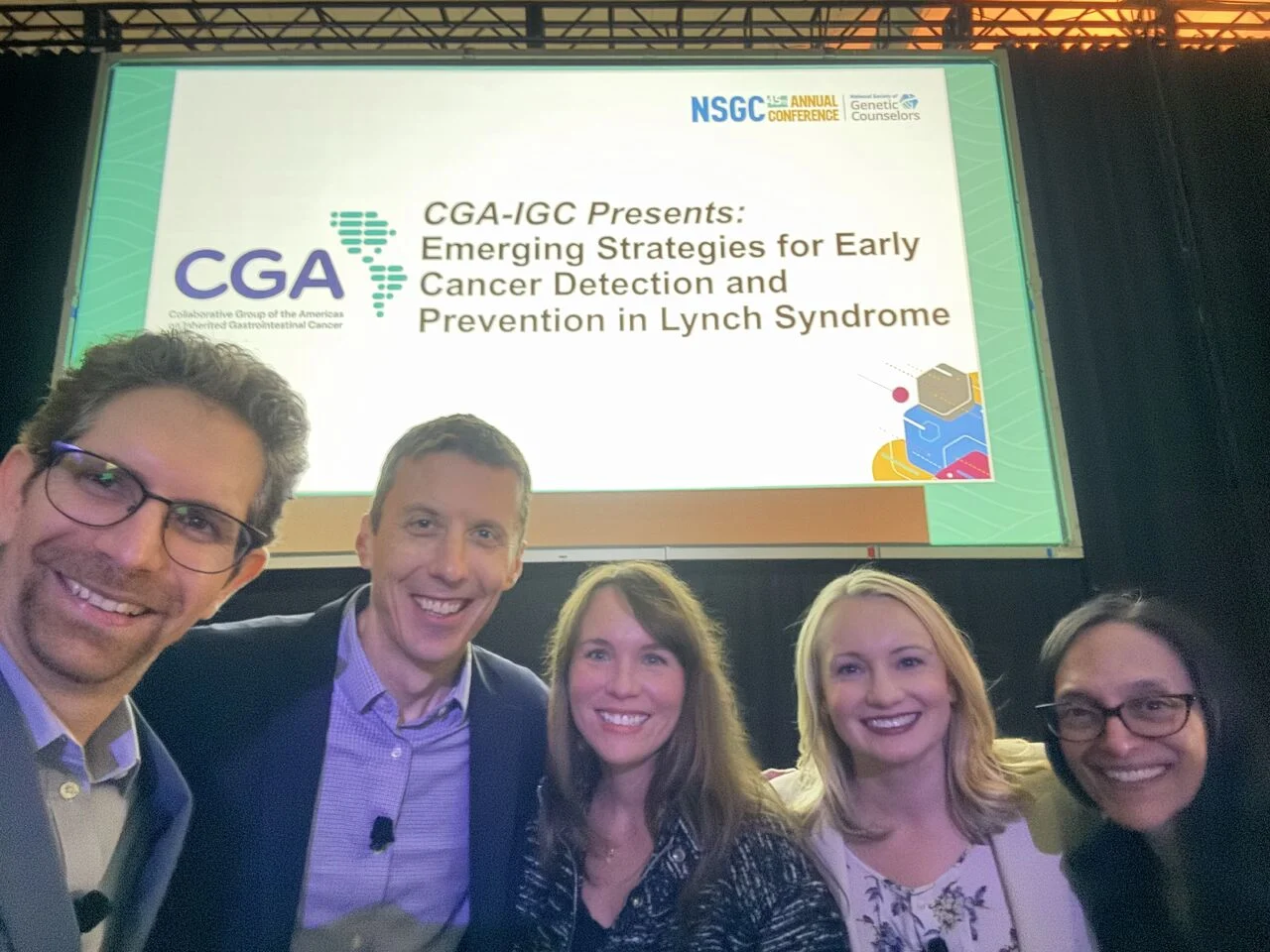
Bryson Katona, Jeffery and Cynthia King Associate Professor of Lynch Syndrome Research at University of Pennsylvania, shared on LinkedIn:
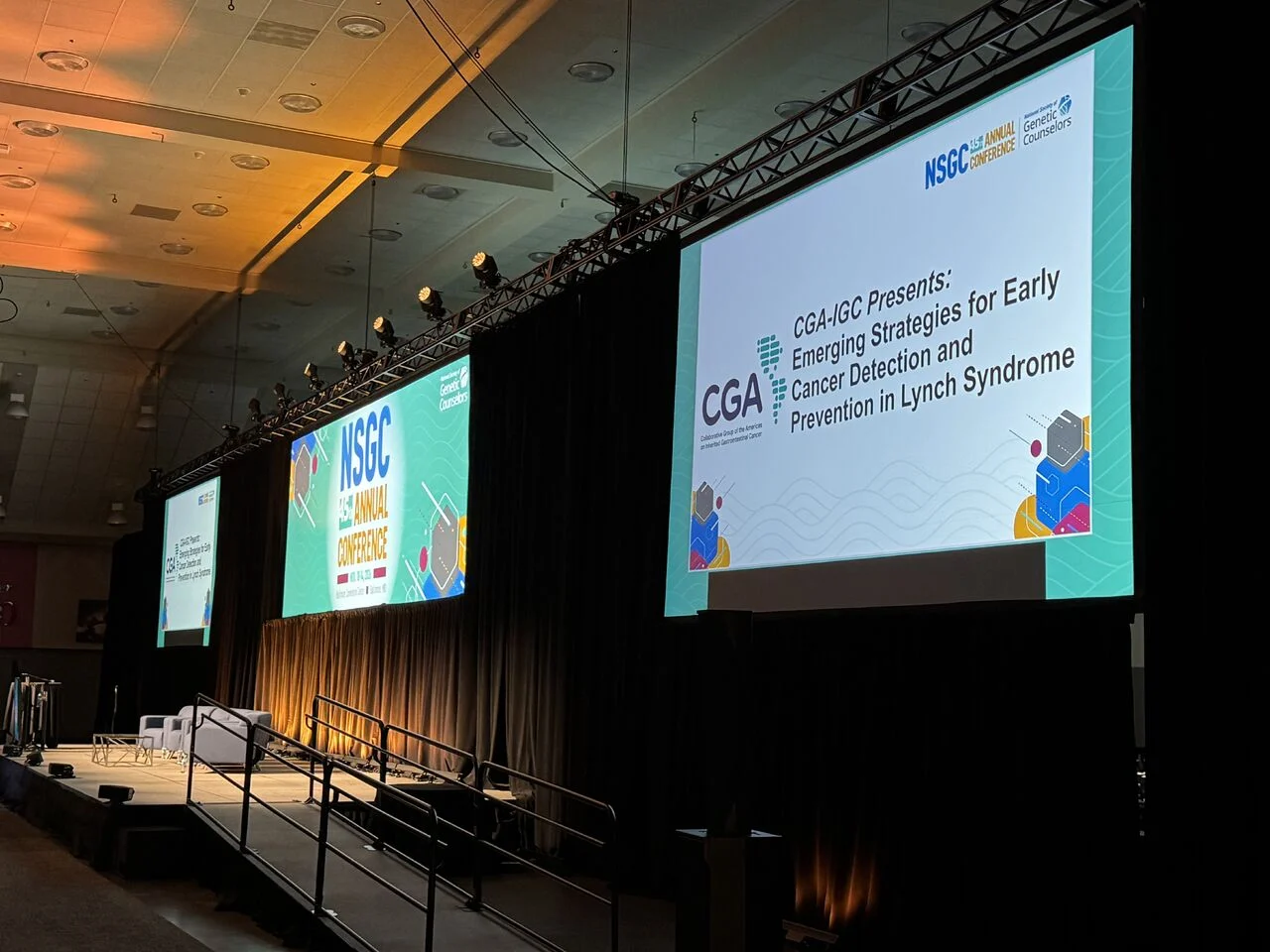
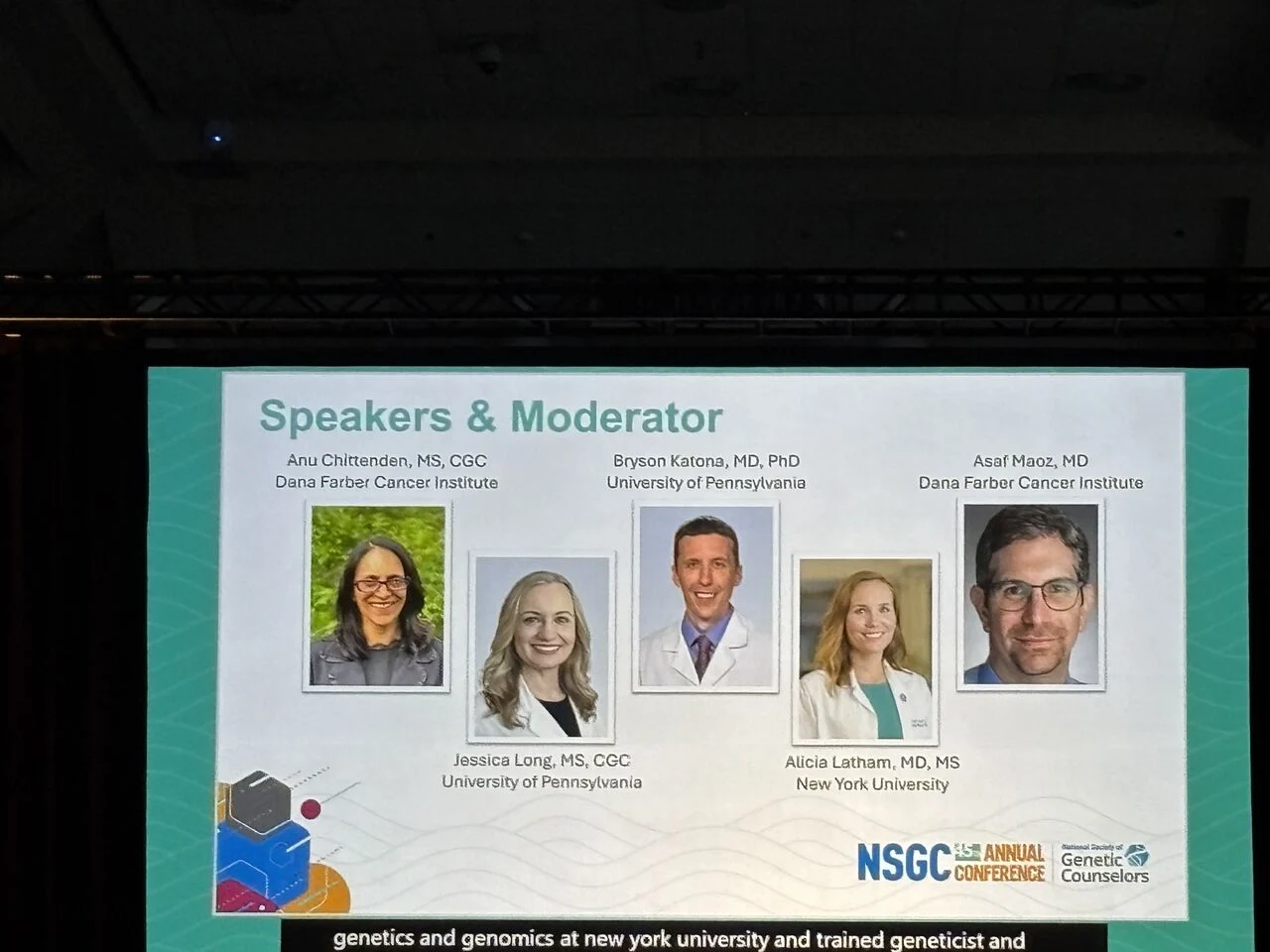
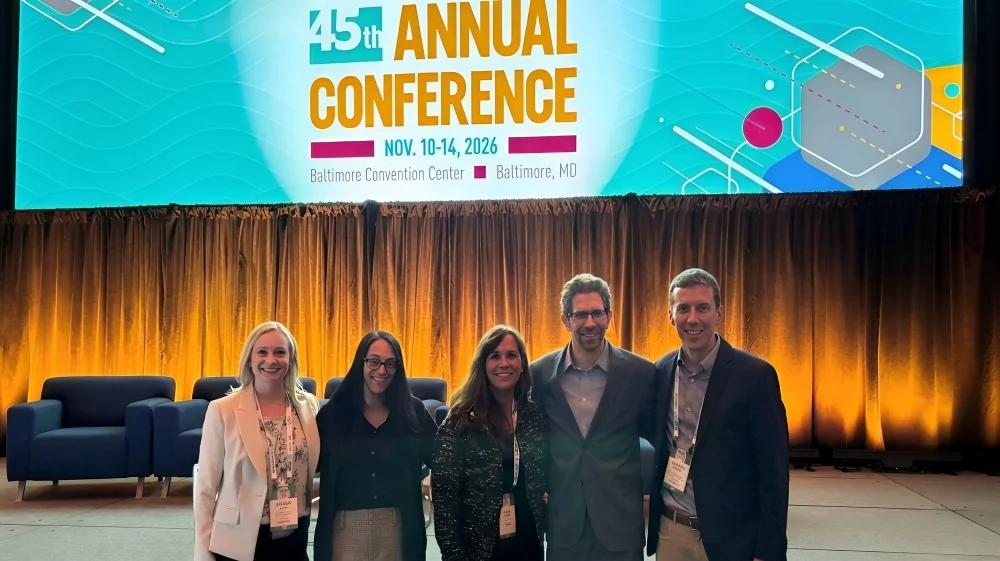
“On behalf of the CGA-IGC, it was such a pleasure to be able to present at the National Society of Genetic Counselors Annual Conference in Baltimore on ‘CGA-IGC Presents: Emerging Strategies for Early Cancer Detection and Prevention in Lynch Syndrome‘ along with Jessica Long, Asaf Maoz, Alicia Latham, and Anu Chittenden.
The session was a great opportunity to highlight Lynch syndrome for the entire genetic counseling community, including those who are not in the cancer genetics field.
I had the opportunity to present on emerging screening modalities for upper GI, pancreatic, and colorectal cancer in Lynch syndrome. Some of my take home points on upper GI cancer screening in Lynch syndrome were:
- Opportunistic (along with a colonoscopy) upper endoscopy should be performed for LS genotypes (including PMS2 in my opinion).
- Shorter interval upper GI surveillance should be considered if upper GI neoplasia is detected or if there is family history of upper GI cancer.
- Push enteroscopy can be considered if there is a history of duodenal neoplasia.
- Gastric biopsies, at least of the antrum, should be performed on every upper endoscopy.
In addition to Jessica and Anu, thanks to Elana Levinson, Beth Yurkovich, and Christine Drogan, for their help planning this fantastic session!”
To which, Asaf Maoz, Medical Oncologist at Dana-Farber Cancer Institute, added:
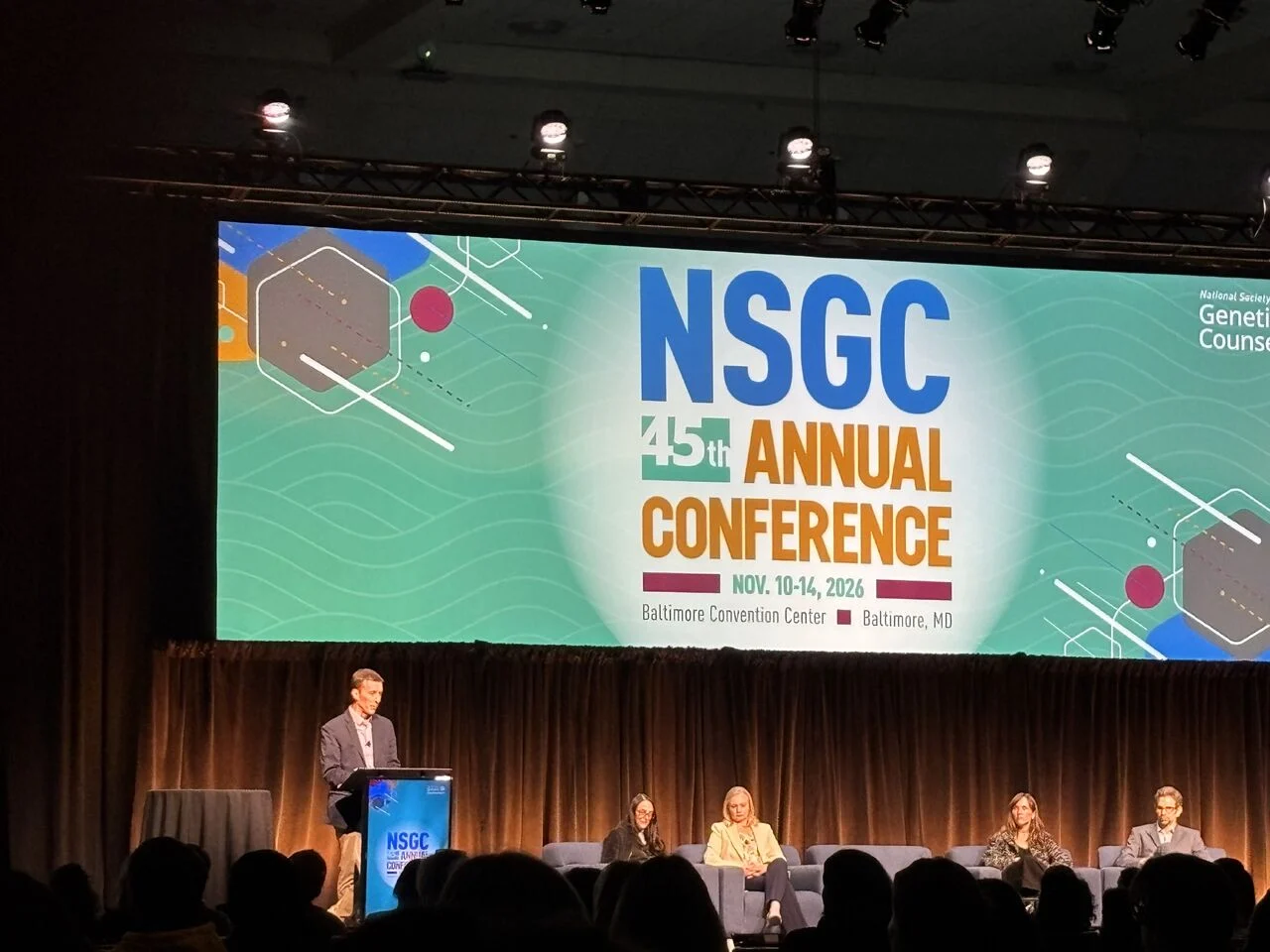
“I want to echo Bryson’s words. Thanks so much for the opportunity to present at National Society of Genetic Counselors on behalf of CGA-IGC!
I discussed urinary tract surveillance among individuals with Lynch Syndrome. Our study at Dana-Farber Cancer Institute looking at detection of microsatellite instability in urine cfDNA in collaboration with Newcastle University is active and enrolling!
I also reviewed immuno- and chemo prevention in Lynch Syndrome. There have been several exciting developments in the space of prevention immunotherapy (vaccines) for Lynch Syndrome in recent years.”
About NSGC 2026
The National Society of Genetic Counselors (NSGC) 45th Annual Conference took place from November 10 to 14, 2026, at the Baltimore Convention Center in Baltimore, Maryland. Designed by genetic counselors for genetic counselors, the event serves as the premier annual gathering for the profession to share emerging clinical research, explore new diagnostic tools, and connect with peers and leaders across medical genetics.
As part of the scientific agenda on November 13, 2026, the Collaborative Group of the Americas on Inherited Gastrointestinal Cancer (CGA-IGC) hosted a session on Lynch Syndrome, highlighting the core advancements covered under this topic:
- Updated Testing and Risk Stratification: Recent 2026 NCCN guidelines, highlighted by CGA-IGC, expanded universal Lynch syndrome assessment to all colorectal, endometrial, and gastric cancer patients using germline multigene panel testing. Risk stratification has also been refined, separating EPCAM 3′ deletions by MSH2 involvement and clarifying the lower gastric cancer risk in PMS2 carriers.
- Advances in Surveillance and Early Detection: Alongside traditional colonoscopies, emerging strategies include AI-assisted colonoscopy to improve subtle lesion detection and multi-center biobanking efforts like the LINEAGE Consortium to personalize surveillance intervals based on genetic and lifestyle modifiers.
- Chemoprevention and Immunoprevention: Beyond risk-reducing surgeries, prevention is shifting toward medical and immune-based options, notably optimizing aspirin protocols and developing neoantigen-based cancer vaccines (such as the TRIAD5 trial) to eliminate precancerous cells early.
The conference also features a wide variety of sessions covering other specialties, clinical practices, and policy topics. Several notable sessions include:
- In Living Color: Perspectives of Being Black and Disabled, followed by Carrie Blout Zawatsky,
- From Genes to Population Health: Progress, Challenges and Promise, by Muin J. Khoury,
- Guidelines and Gray Areas: Hot Topics in Endocrine Tumor Genetics, led by Catherine M. Skefos and Samantha Greenberg,
- From Diagnosis to Intervention: Navigating the Fetal Therapy Landscape, a prenatal panel led by Carol Nowlen,
- From Clinic to the Capitol: Turning Patient Barriers Into Policy Change, led by Katie Rock Forster, Frank R. Swann IV.
You can also read: GI Cancers Alliance: Could Cancer Vaccines Change the Future of Lynch Syndrome and GI Cancers?