Angela Mastronuzzi, Head of Neuro-Oncology Unit at Bambino Gesù Children’s Hospital, President of AIEOP, shared on LinkedIn:
“The posterior fossa is a densely packed region at the base of the skull, containing critical structures, including the cerebellum, brainstem, and fourth ventricle.
Around 50% of brain tumours arise in the posterior fossa. Resection of a tumour in the posterior fossa may be followed by an array of neurobehavioural, motor, and linguistic symptoms, collectively referred to as Posterior Fossa Syndrome (PFS).
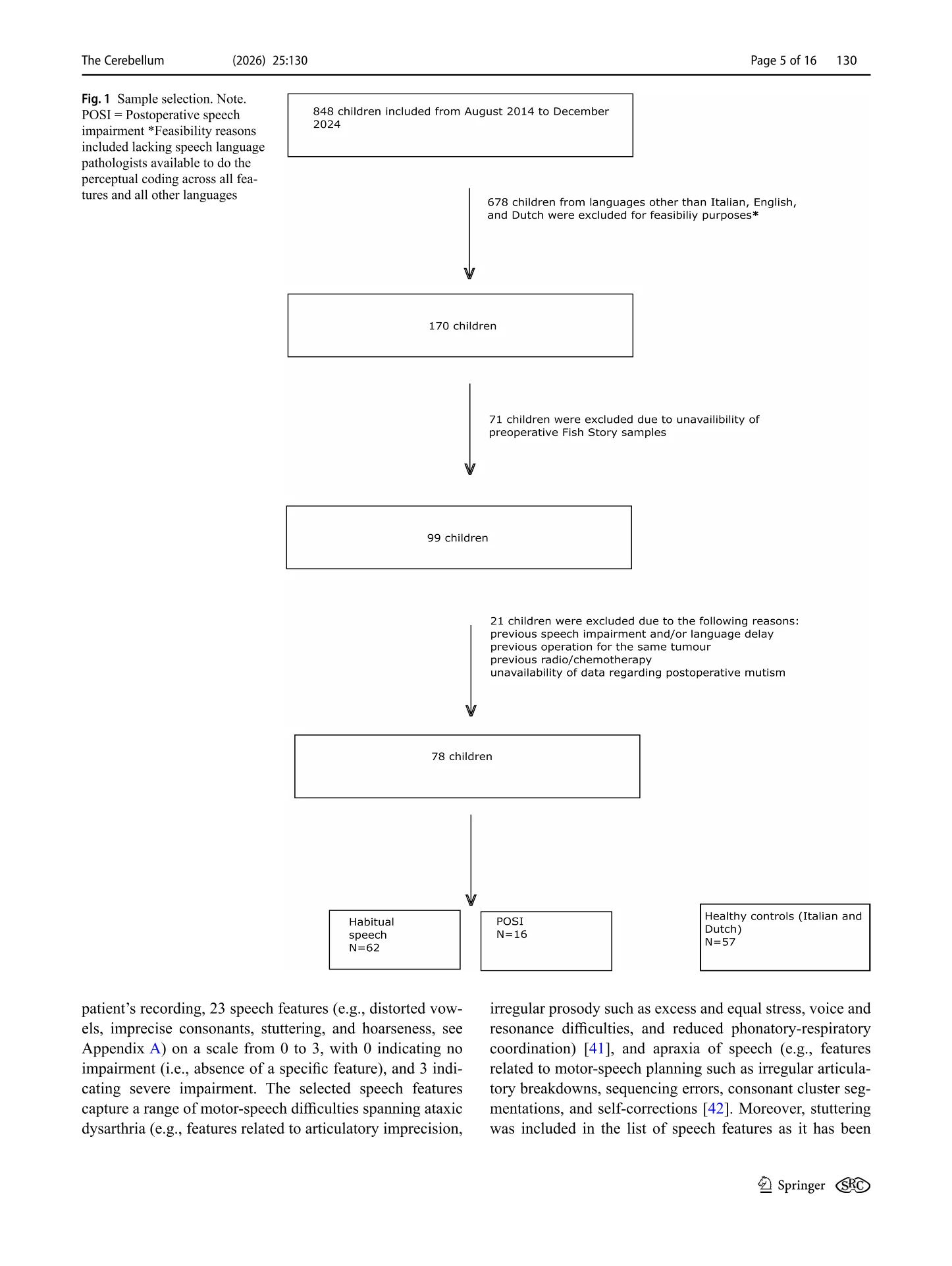
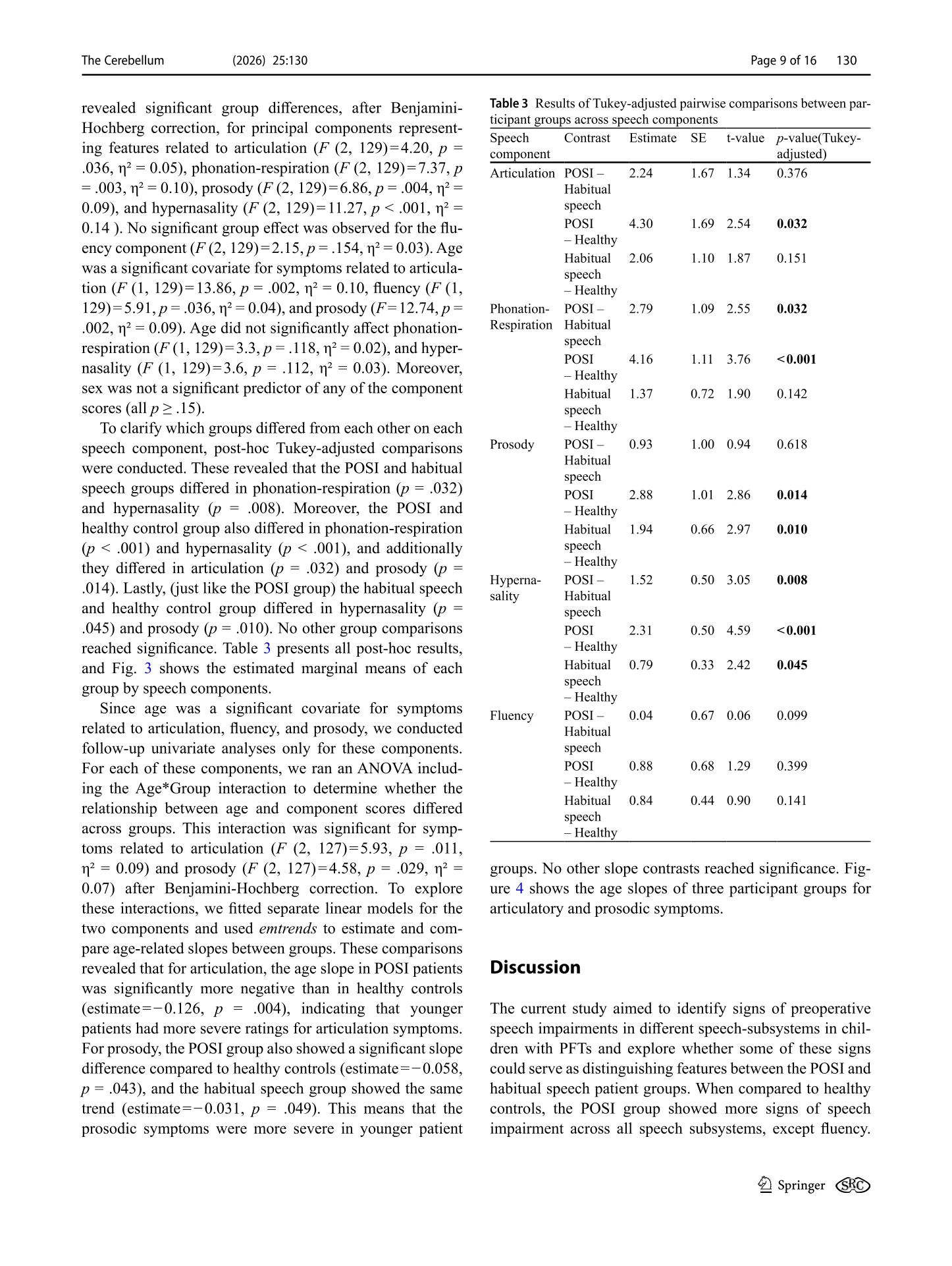
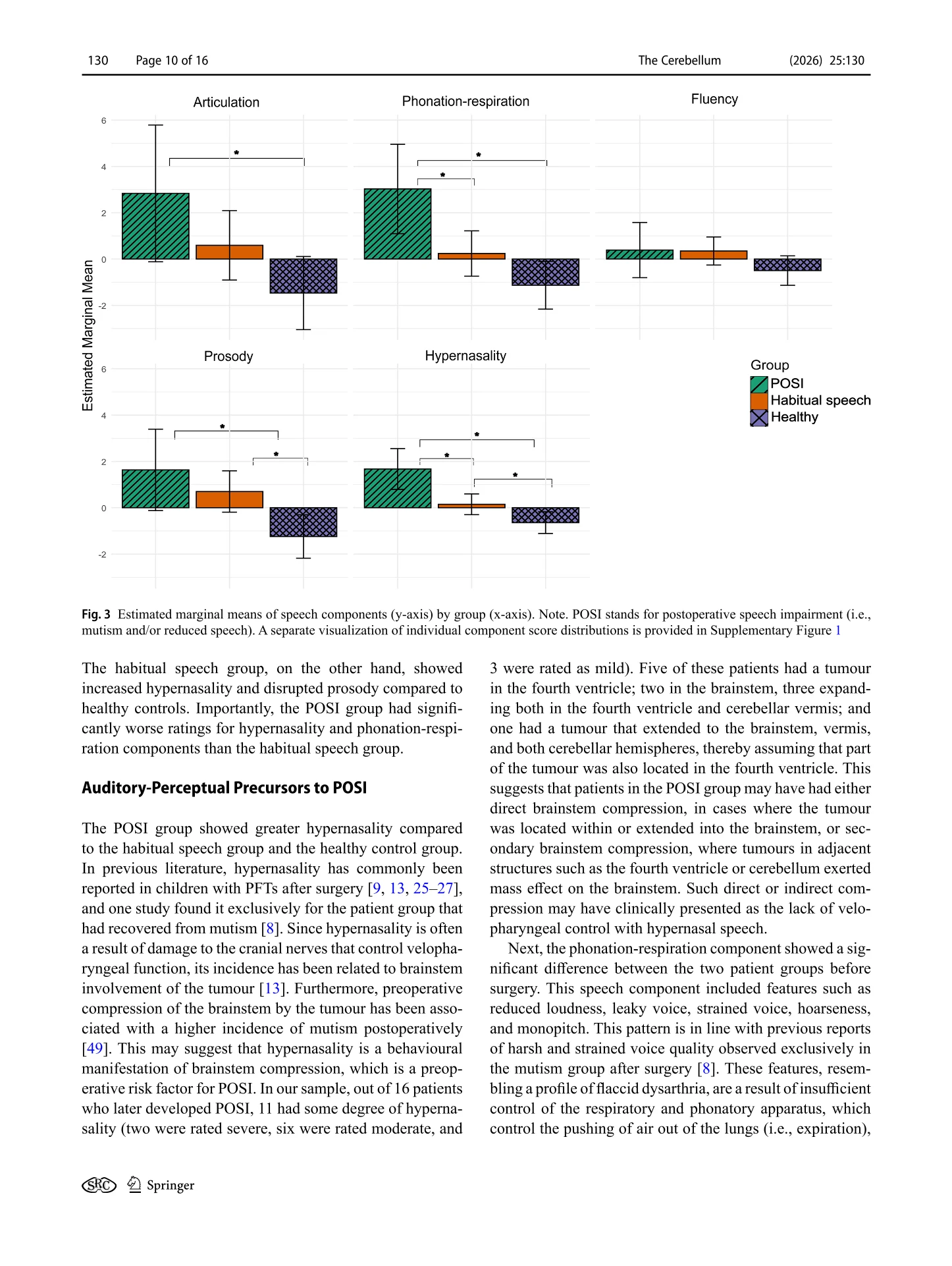
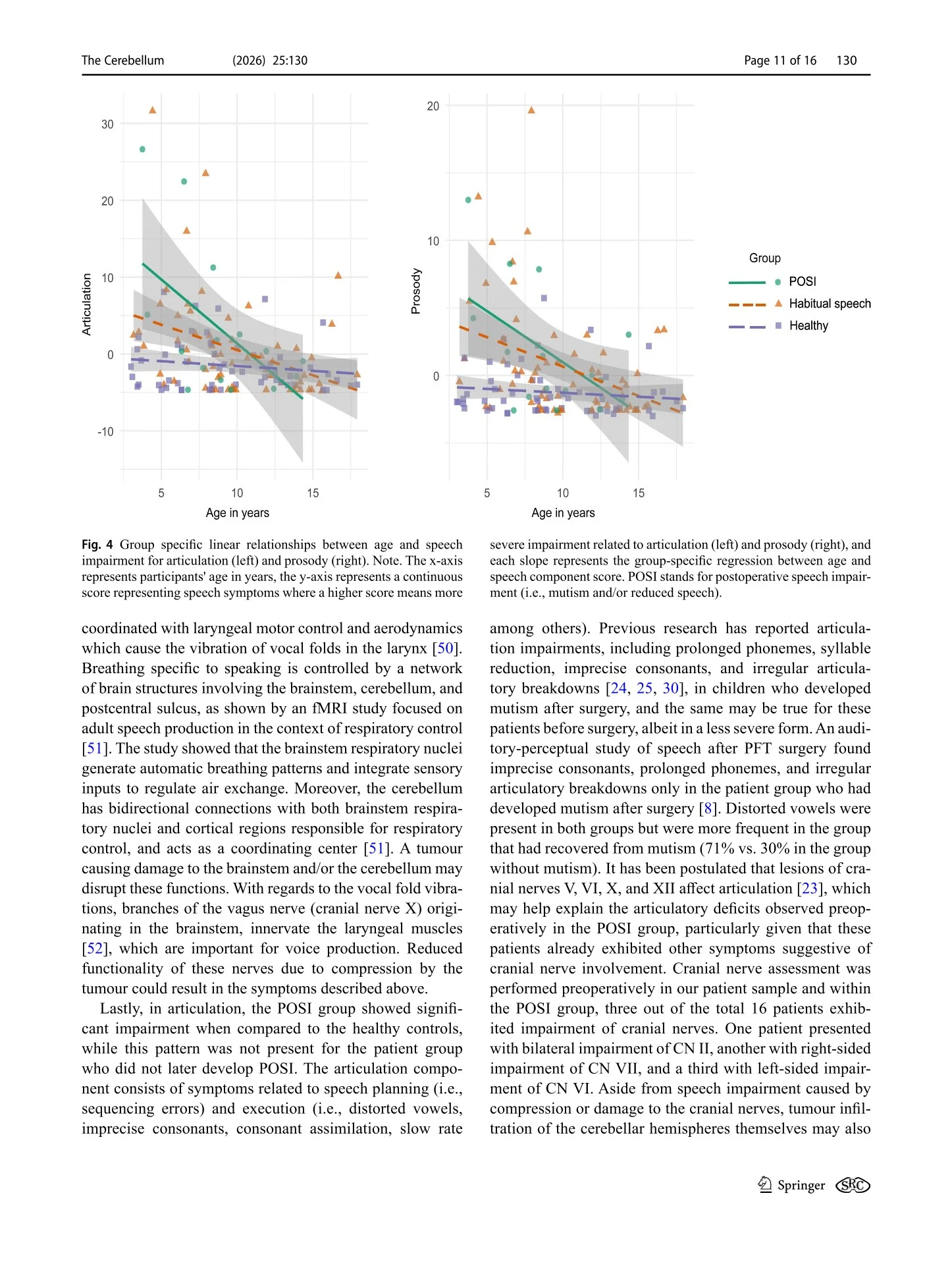
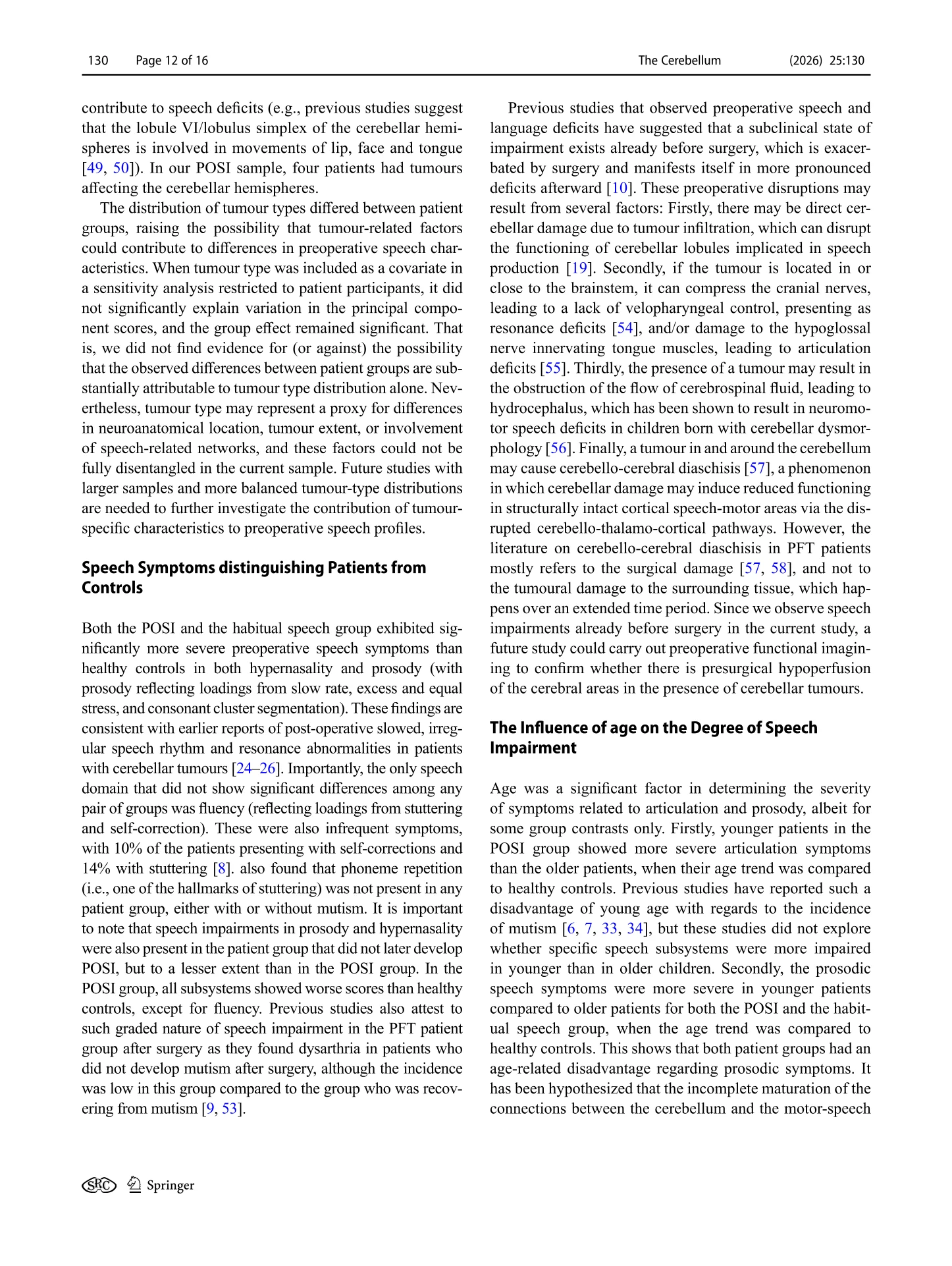
Our study aimed to identify which speech features are precursors to postoperative mutism and reduced speech.
Conclusions:
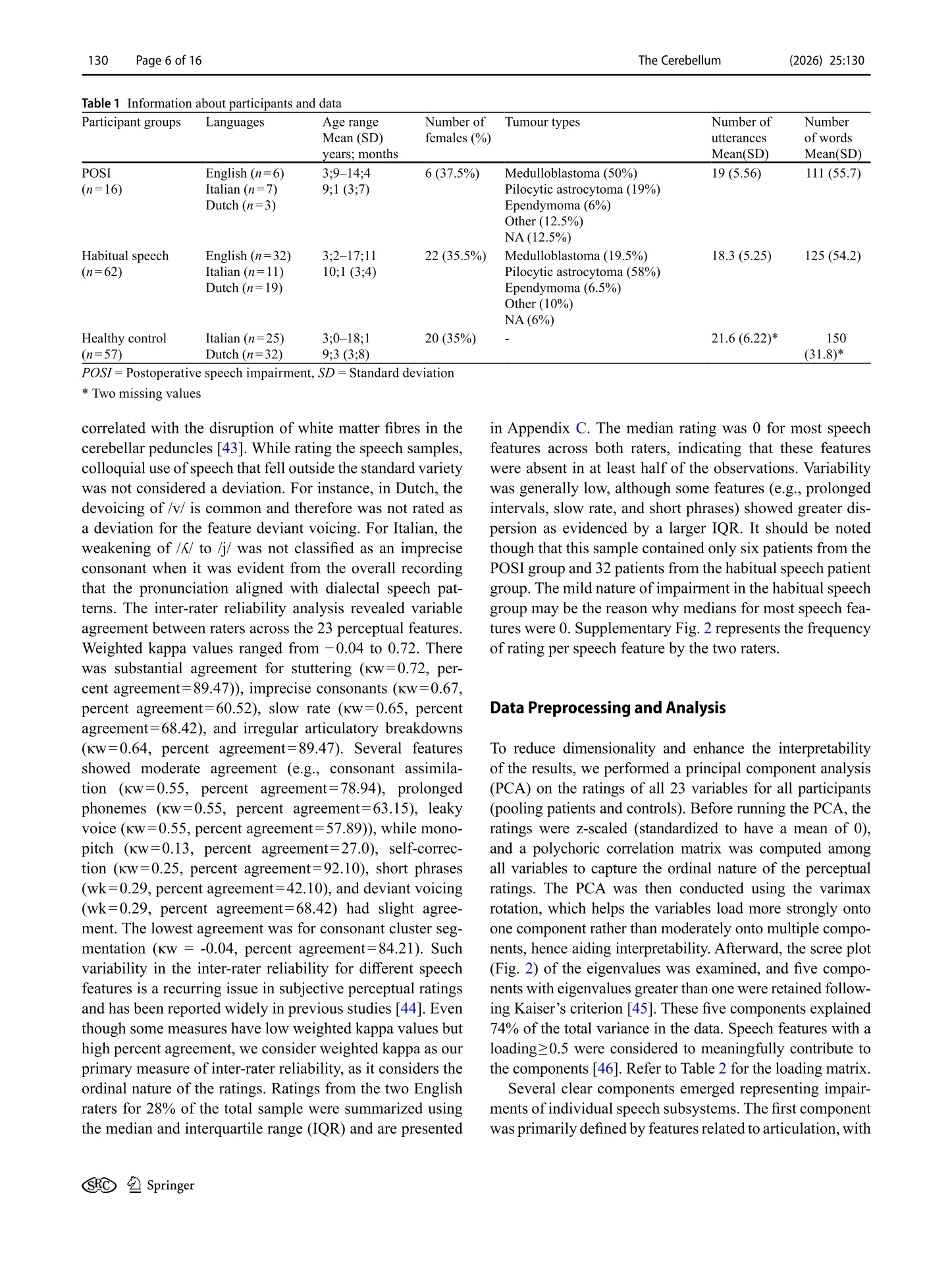
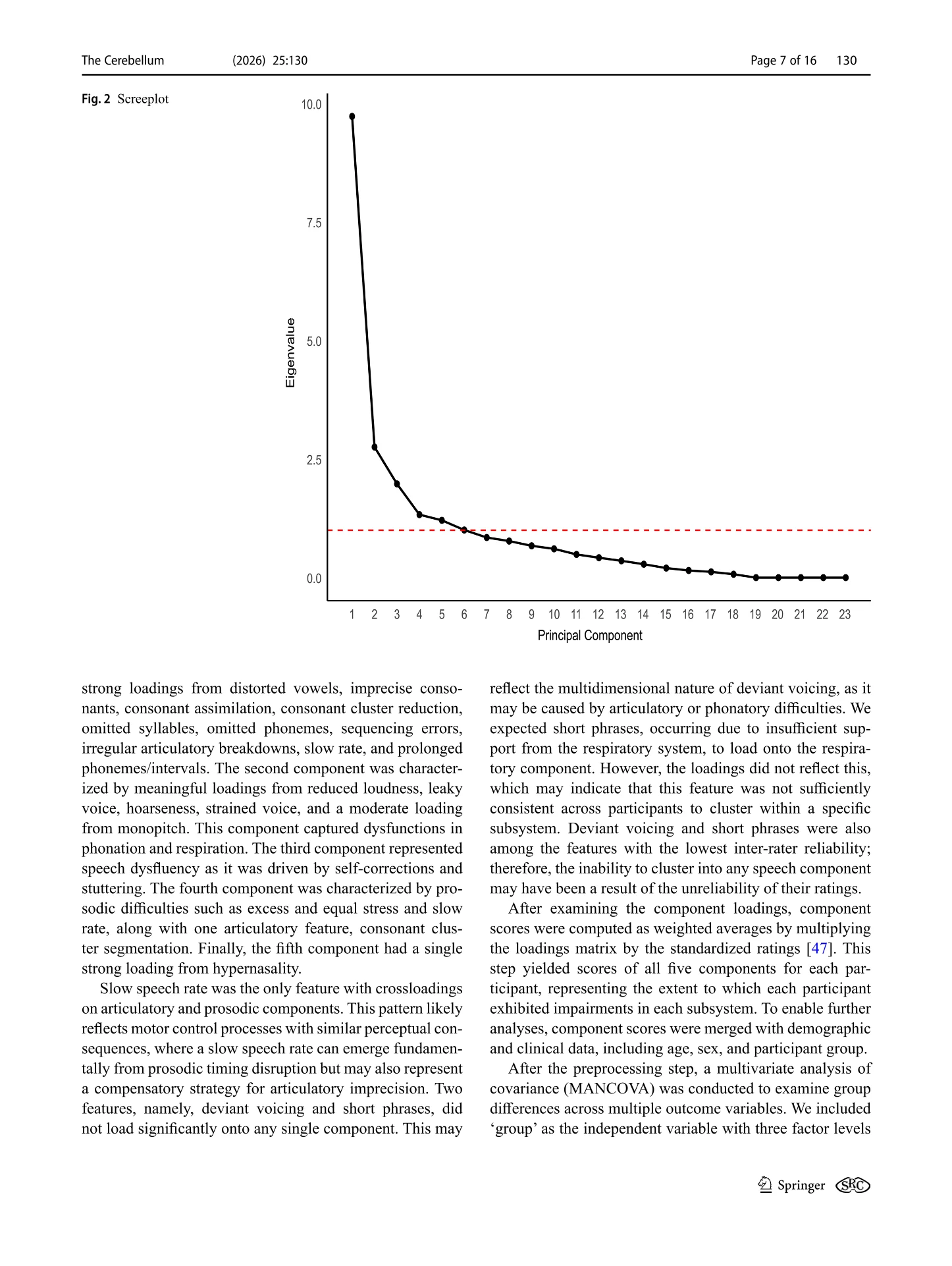
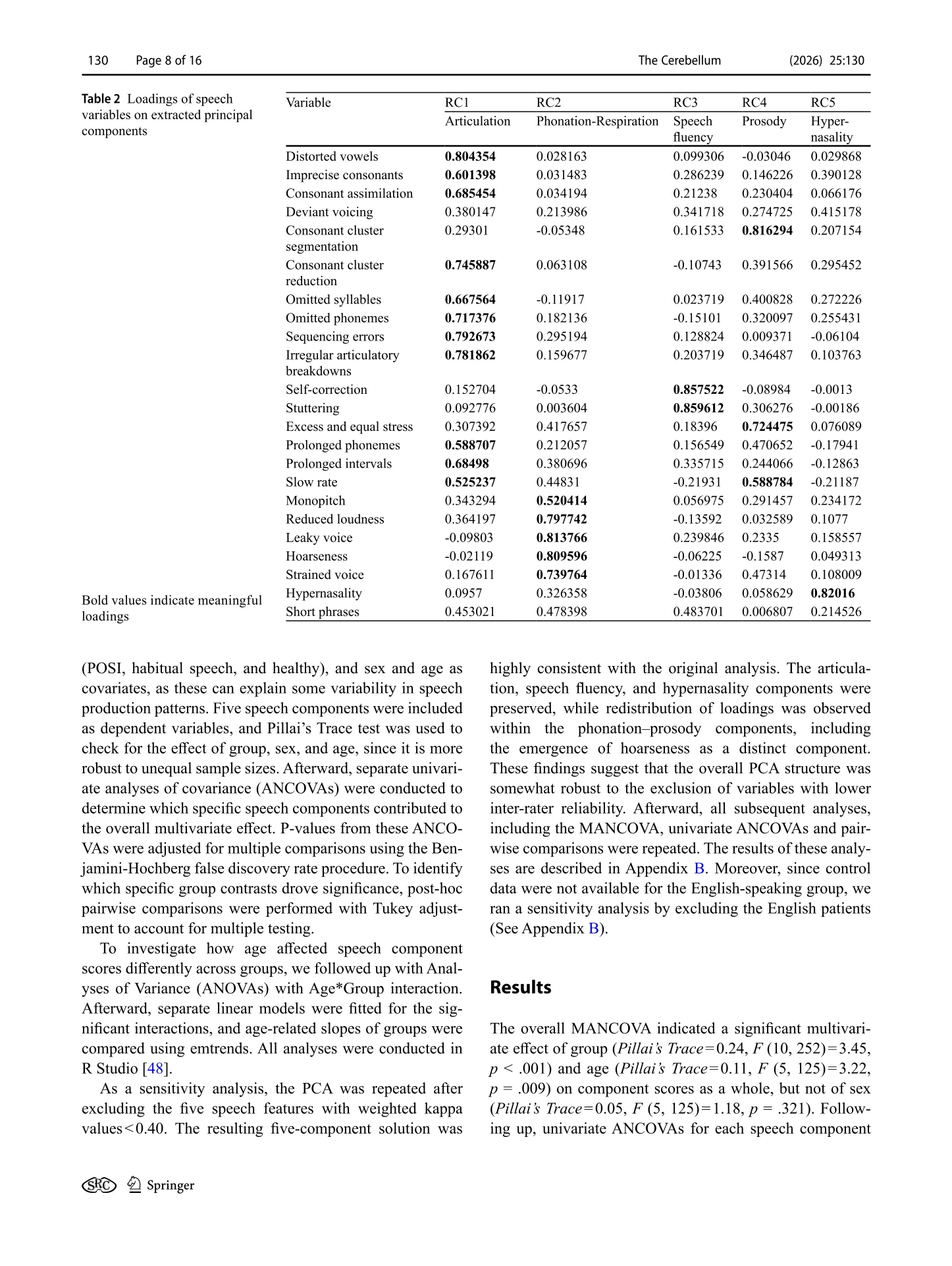
- Speech-subsystem level impairments are already perceivable in children with posterior fossa tumours (PFT) before surgery.
- Study attests to the graded nature of speech impairment in patients with a PFT, showing that a marked impairment profile before surgery may be an early sign that there is preoperative compression/damage to the anatomical substrates, especially to those of phonatory and velopharyngeal control for patients who develop postoperative speech impairment (POSI).
- Confirmed that older age at diagnosis has a preventive role, specifically against articulatory and prosodic impairments.
The hope that these findings guide speech-language pathologists to target the affected speech subsystems in a child, potentially enabling interventions that improve multiple speech features associated with a given subsystem, thereby supporting more generalizable treatment outcomes.”
Title: Preoperative Speech Impairments as Precursors of Posterior Fossa Syndrome in Children with Brain Tumours
Authors: Rida Ahmed, Natalie Boll-Avetisyan, Jonathan Kjaer Grønbaek, Ditte Boeg Thomsen, Annet Kingma, Karin Persson, René Mathiasen, Christine Dahl, Andrea Carai, Bianca Andreozzi, Angela Mastronuzzi, Barry Pizer, Colin Thorbinson, Kristian Aquilina, Eelco Hoving, Marianne Juhler, Roel Jonkers, Vânia de Aguiar.
Read the full article.
You might be interested in: Archie Goodburn: Defying Oligodendroglioma While Racing for the Future of Brain Cancer Care