Al-Ola A Abdallah, Director of Plasma Cell Disorders Care at The University of Kansas Health System and Chair of USMIRC, shared on X:
“Here are the top 11 abstracts and (all were scored fairly) at ASH 2026 that I believe will show main impact :
1. AQUILA
Does treating high-risk smoldering myeloma help patients live longer? My number 1 ASH26 abstract is AQUILA (N112), daratumumab vs active monitoring in high-risk SMM. My score: 9.8/10.
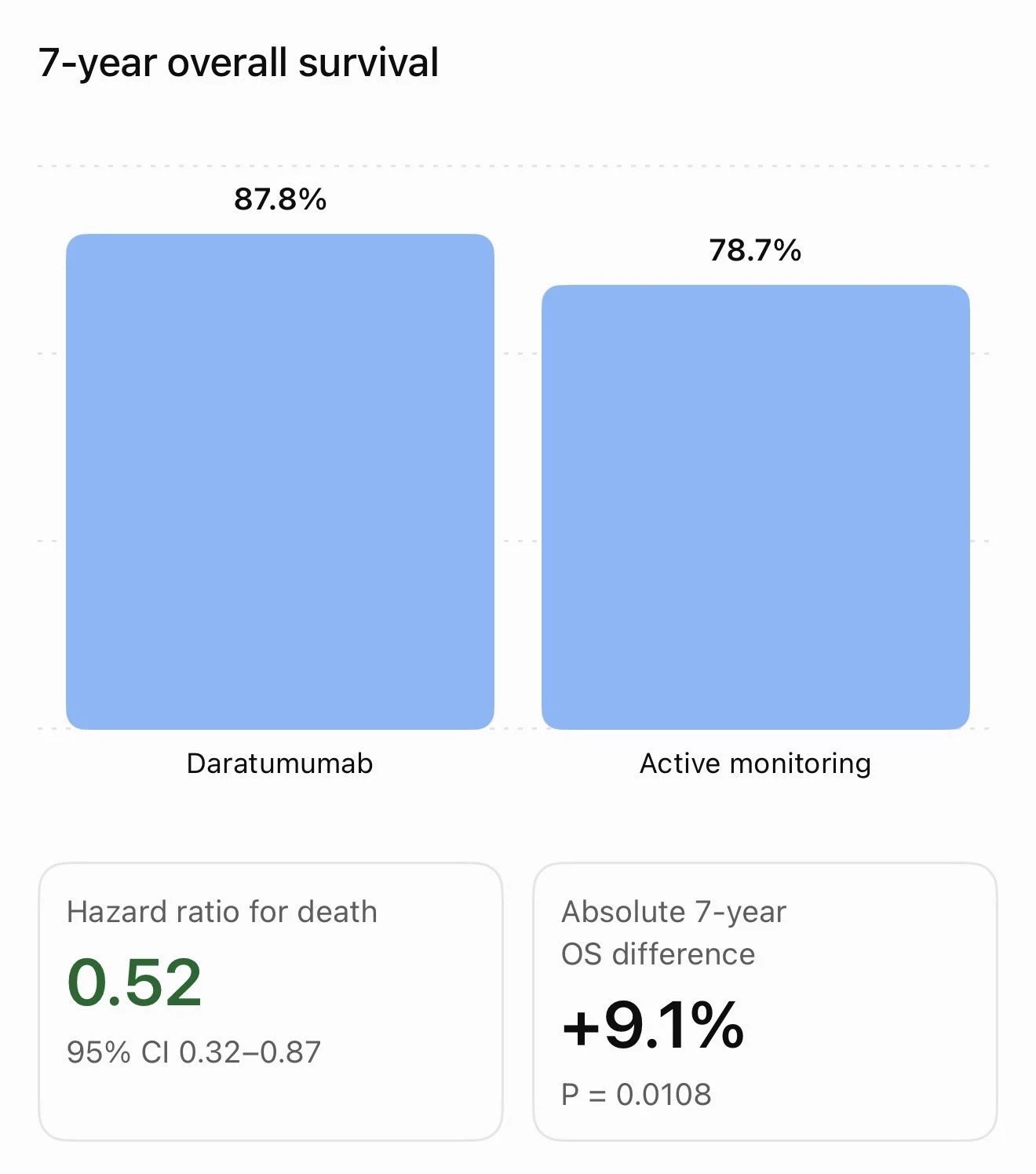
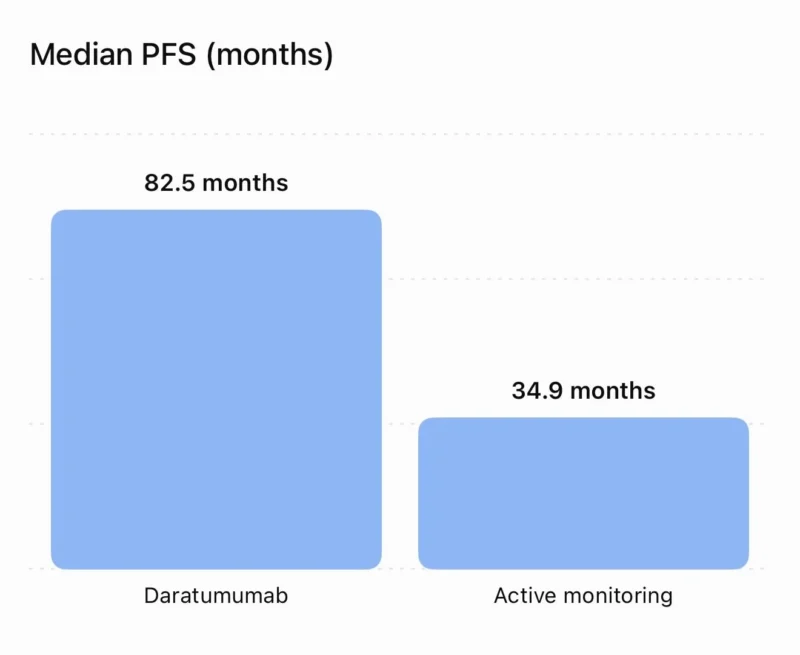
Among 390 randomized patients, 7-year overall survival was 87.8% with daratumumab vs 78.7% with monitoring. That’s a 9.1-point absolute difference. Median PFS was 82.5 vs 34.9 months.
This changes my conversation with an asymptomatic patient. Once we confirm high-risk SMM and exclude active myeloma, we can weigh up to 3 years of treatment against a measurable survival benefit.
2. PERSEUS
When can we stop daratumumab maintenance after transplant? My number 2 ASH26 abstract is the long-term PERSEUS analysis of MRD-guided daratumumab discontinuation in newly diagnosed myeloma (N111). My score: 9.7/10.
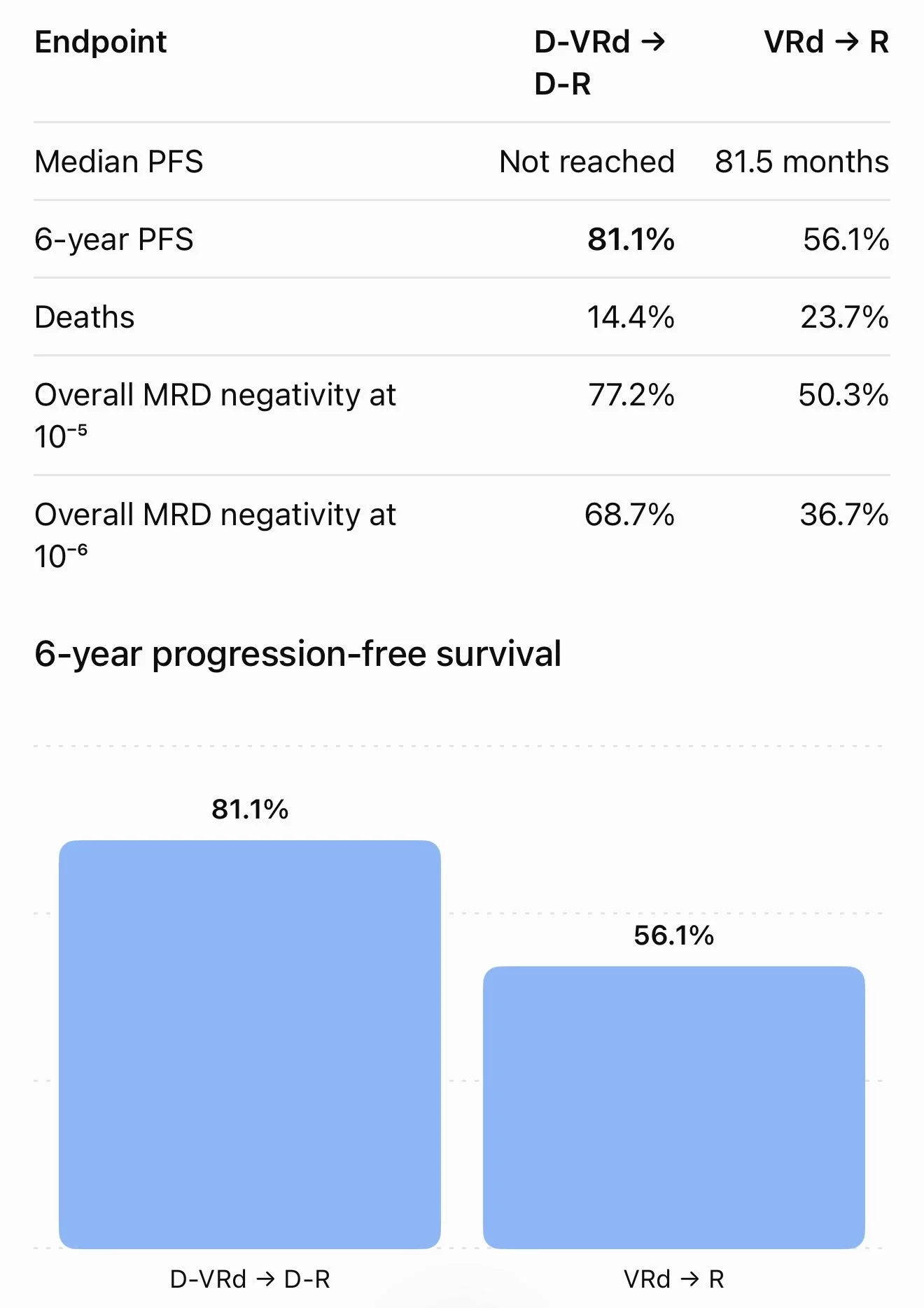
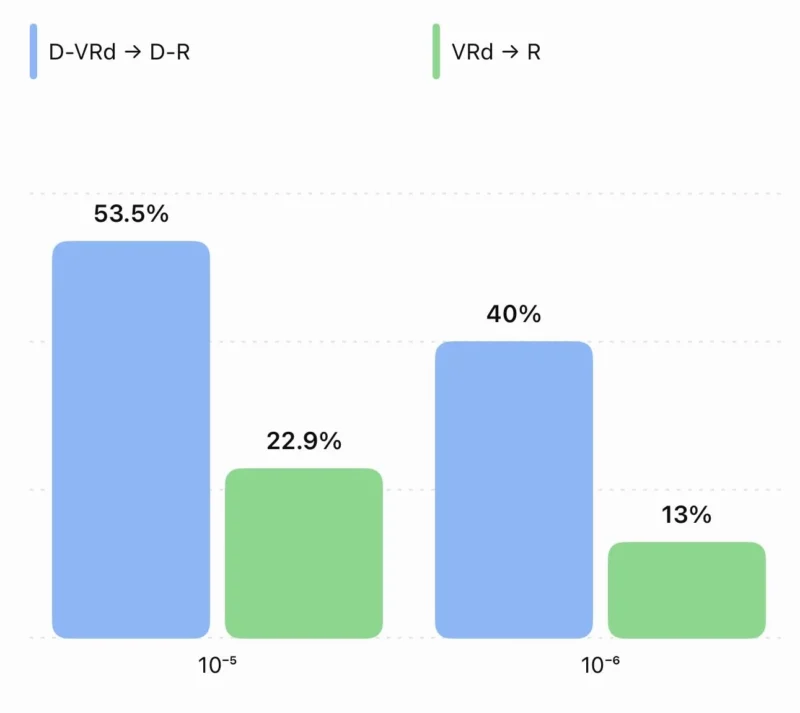
At 6 years, 81.1% were progression-free with D-VRd, transplant and D-R maintenance vs 56.1% with VRd, transplant and lenalidomide maintenance. Overall survival also favored the daratumumab strategy (HR 0.57).
Of 322 starting D-R maintenance, 236 stopped dara per protocol after ≥24 months of maintenance, CR or better and ≥12 months of sustained MRD negativity. Lenalidomide continued. Stopping vs continuing dara remains an unanswered randomized question.
3. MonumenTAL-6
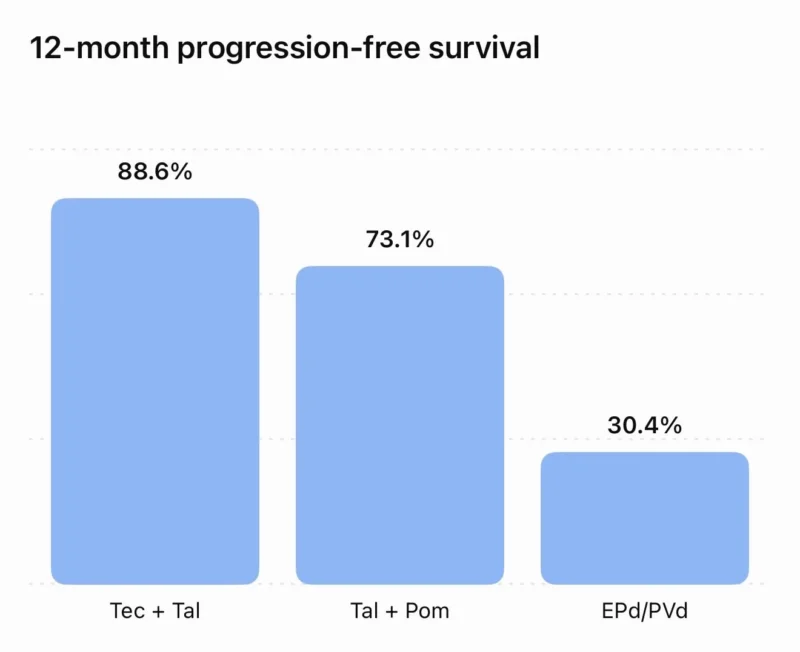
My top relapse abstract at ASH26 is MonumenTAL-6 (N426): teclistamab + talquetamab or talquetamab + pomalidomide vs EPd/PVd. Why it ranks 3 overall: 80% of patients were already anti-CD38 refractory. My score: 9.5/10.
In 838 randomized patients, 12-month PFS was 88.6% with Tec–Tal, 73.1% with Tal–Pom and 30.4% with EPd/PVd. Both combinations also improved overall survival vs control. Median follow-up was 13.4 months.
For a patient considering Tec–Tal, I’d discuss three numbers alongside efficacy: 31.7% grade 3/4 infections, 76% taste changes and 40.6% weight loss. The next question in clinic is where dual bispecific therapy fits relative to CAR-T.
4. MagnetisMM-5
My number 4 ASH26 abstract is MagnetisMM-5 (N424), elranatamab vs daratumumab, pomalidomide and dexamethasone in relapsed myeloma. One baseline characteristic matters enormously here: prior anti-CD38 exposure. My score: 9.1/10.
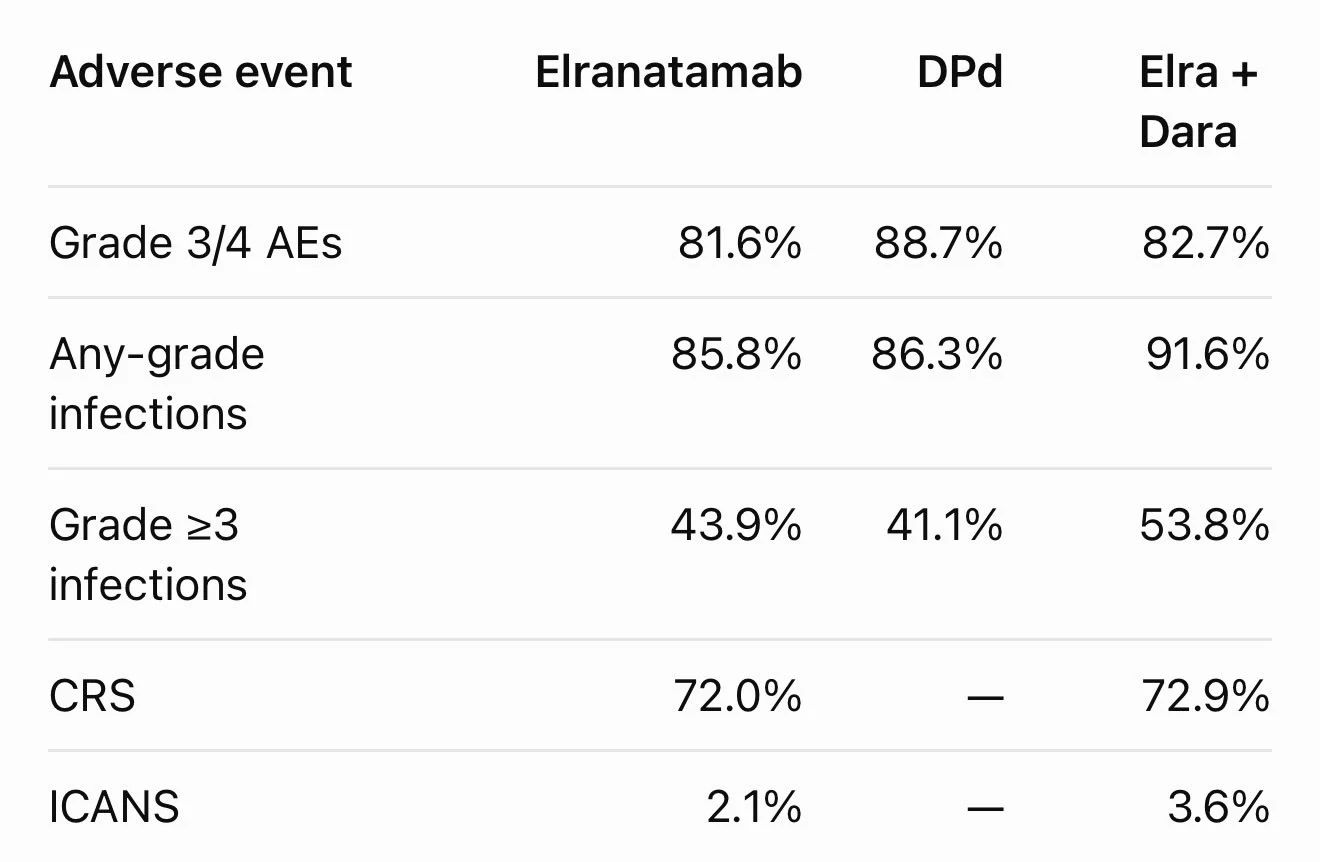
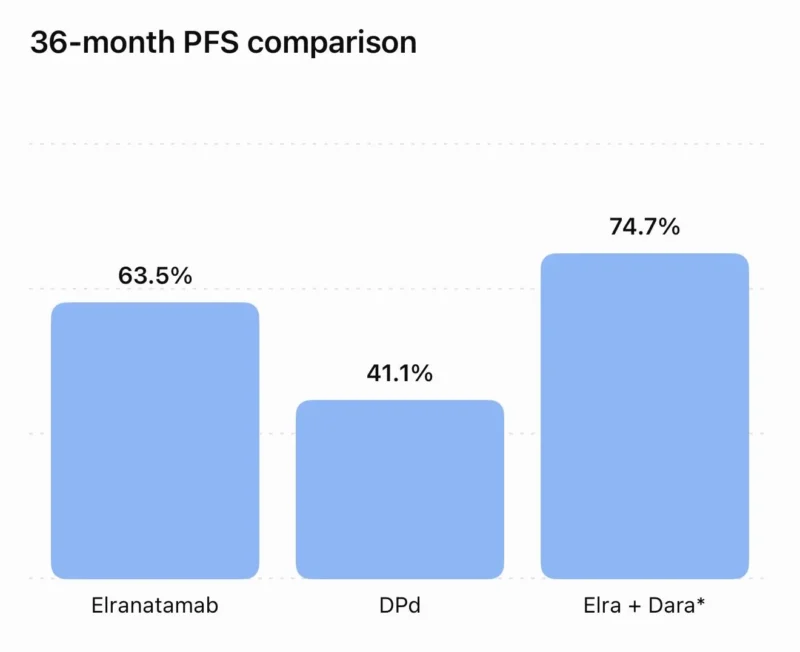
In the 497-patient randomized comparison, 3-year PFS was 63.5% with elranatamab vs 41.1% with DPd (HR 0.56). Grade ≥3 infections occurred in 43.9% vs 41.1%. Overall survival was immature.
Only 5.9% had received prior anti-CD38 therapy. This is persuasive evidence when DPd is a reasonable option. For the patient progressing on frontline daratumumab maintenance, the magnitude of benefit is harder to estimate.
5. EXCALIBER-RRMM
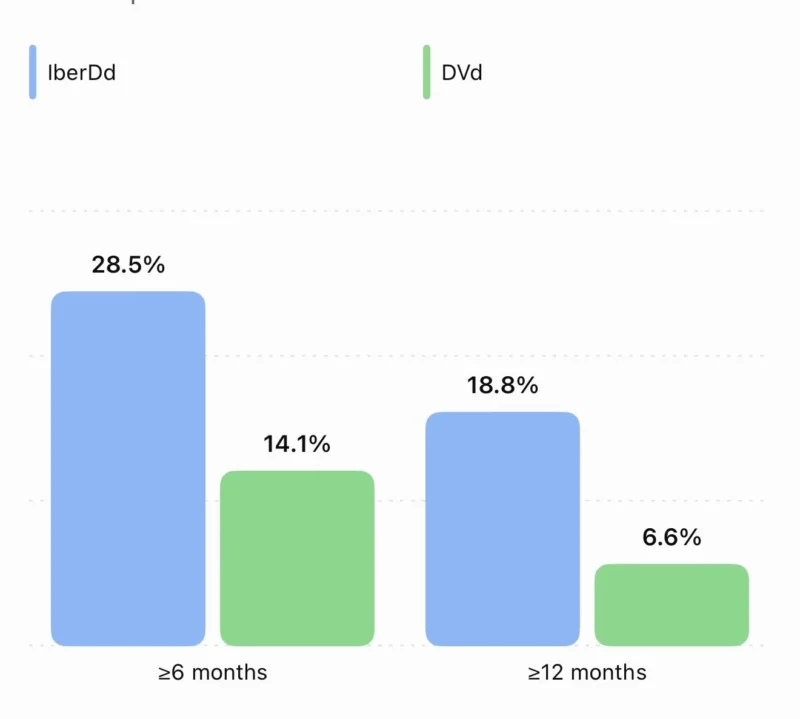
My number 5 ASH26 abstract is EXCALIBER-RRMM (N114), iberdomide–daratumumab–dex vs daratumumab–bortezomib–dex at early relapse. How much additional toxicity comes with a deeper response? My score: 8.8/10.
MRD-negative CR at 10⁻⁵ was 41.1% with IberDd vs 20.7% with DVd. Grade 3/4 neutropenia was 84.3% vs 11.3%, and grade 3/4 infections were 39.2% vs 21.6%. Confirmatory PFS results were pending in the posted abstract.
I’d discuss IberDd when daratumumab remains a good option, particularly if neuropathy makes bortezomib difficult. Marrow reserve and infection history weigh heavily here. The trial excluded anti-CD38-refractory and bortezomib-refractory disease.
6. CARTITUDE-4
A question I hear at referral: ‘Can cilta-cel still give me a durable remission after daratumumab stops working?’ My number 6 ASH26 abstract is the CARTITUDE-4 analysis of cilta-cel in daratumumab-refractory myeloma (N276). My score: 8.3/10.
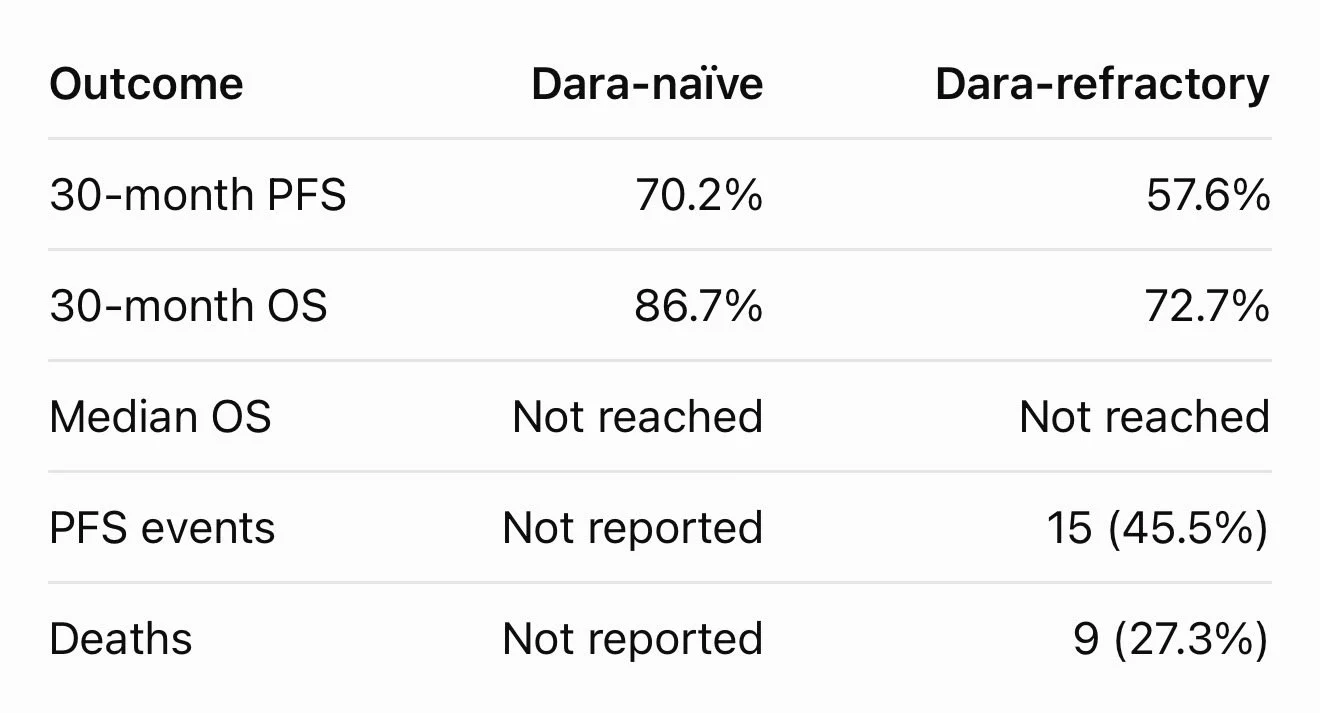
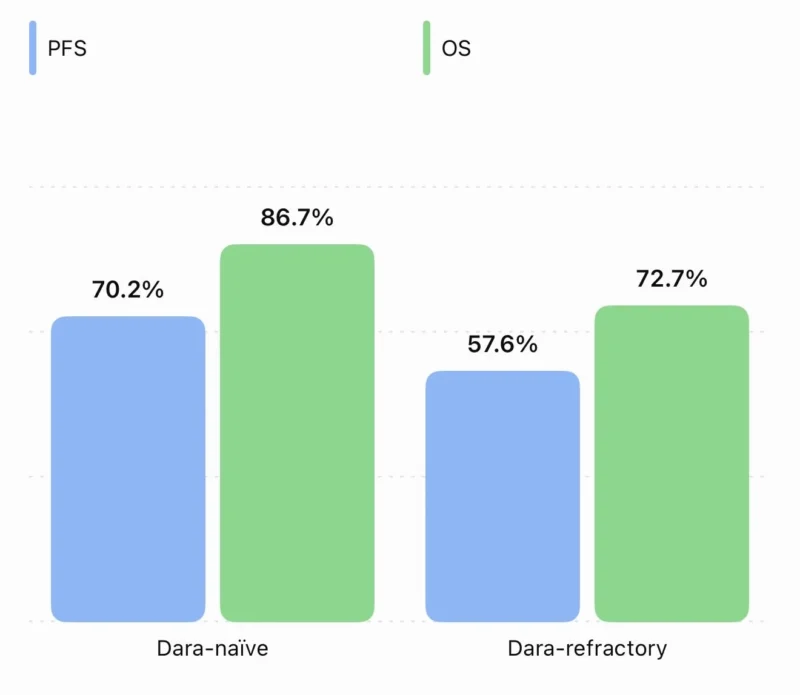
Among 33 daratumumab-refractory patients who received cilta-cel, estimated 30-month PFS was 57.6% and overall survival was 72.7%. These patients were also lenalidomide refractory.
This supports timely CAR-T referral after dara and len failure. When I quote the 30-month numbers, I’d add one detail: the clock started at infusion. Patients who progressed or became too ill to reach infusion are outside that estimate.
7. IsKia
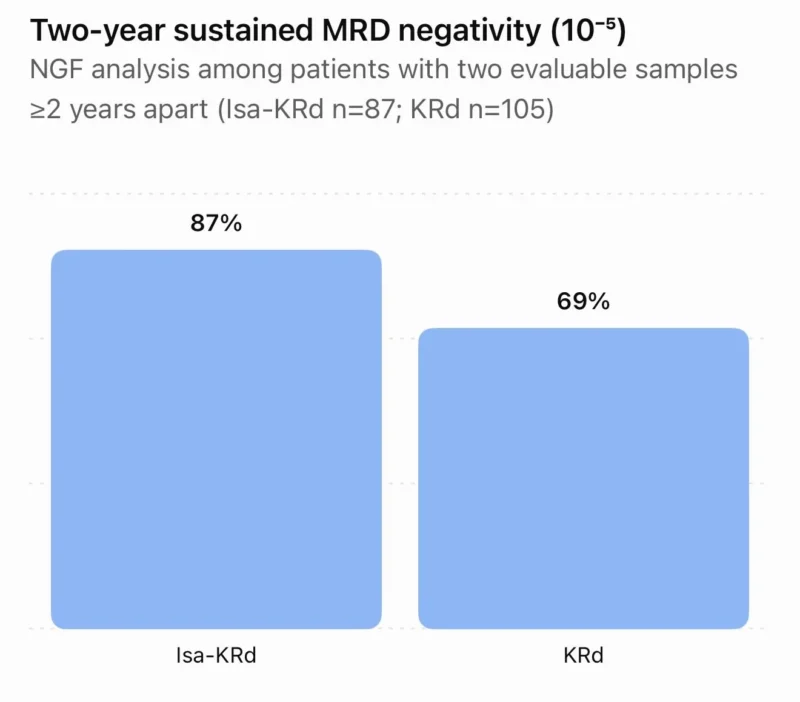
My number 7 ASH26 abstract is IsKia (N627), two-year sustained MRD negativity with Isa-KRd vs KRd in transplant-eligible newly diagnosed myeloma. The most interesting part of this result is who contributed to it. My score: 8.1/10.
Among patients with two evaluable marrow samples ≥2 years apart, sustained MRD negativity at 10⁻⁵ was 87% with Isa-KRd vs 69% with KRd. The analysis included 87/151 and 105/151 randomized patients, respectively.
Isa-KRd can produce durable deep responses. Before using the 87% figure to counsel someone starting induction, I’d explain how the paired-sample group was selected. The choice between Isa-KRd and D-VRd still lacks a direct comparison.
8. IsKia blood MRD analysis
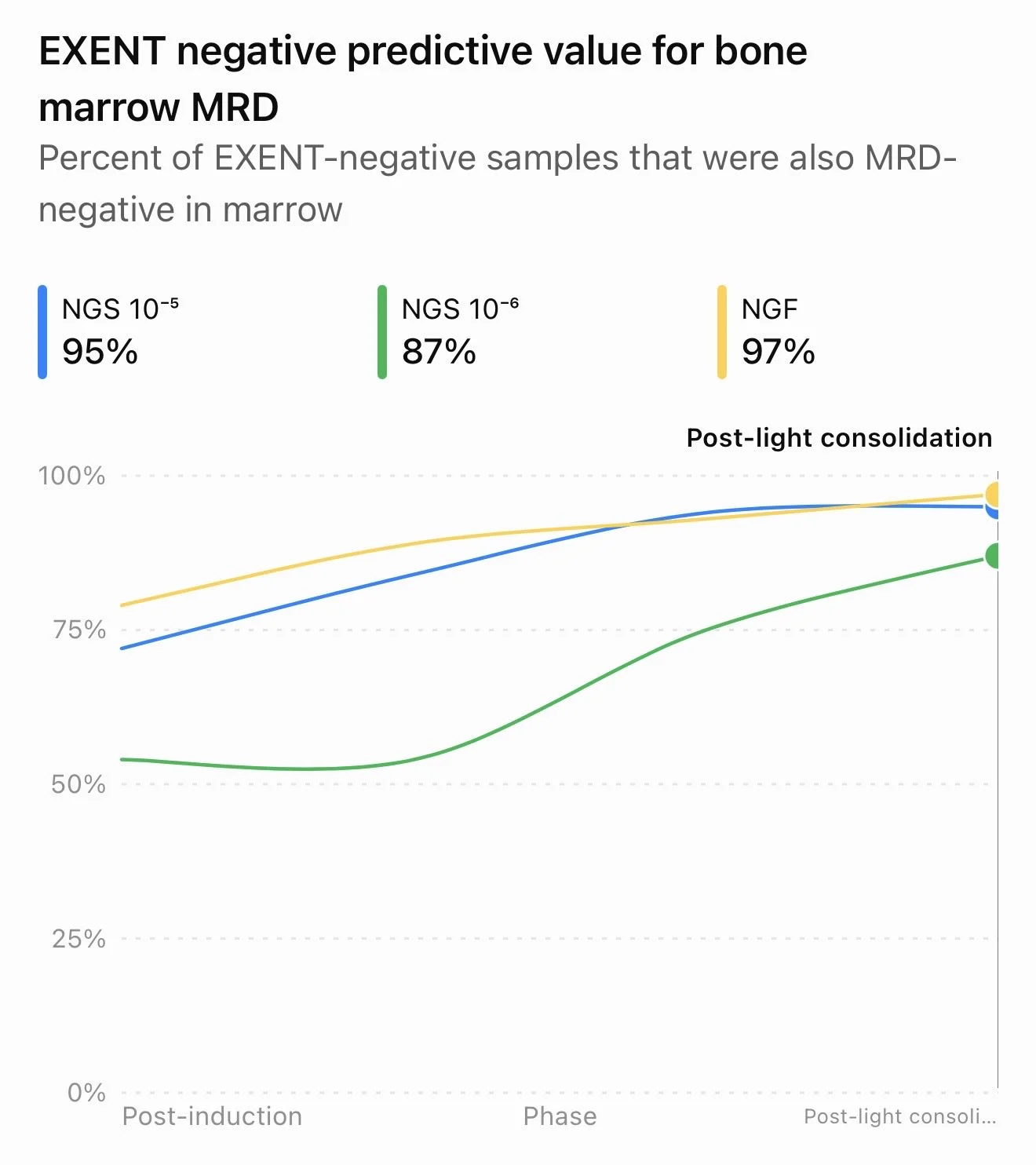
Can we spare a patient the next marrow biopsy? My number 8 ASH26 abstract is the IsKia study of blood mass spectrometry to predict marrow MRD after consolidation (N629). The patient’s previous MRD results change the answer. My score: 7.9/10.
After light consolidation, a negative EXENT blood test predicted negative marrow NGS at 10⁻⁶ in 87% of assessments. When blood AND marrow had previously tested negative, the negative predictive value rose to 97%.
I see a role for serial blood testing when deciding when to repeat a marrow in a patient already negative by both methods. If the decision is whether to stop treatment, I’d still confirm MRD in marrow.
9. Dara-VenD
Can t(11;14) guide our first treatment choice in AL amyloidosis? My number 9 ASH26 abstract is frontline daratumumab, venetoclax and dexamethasone for t(11;14) AL (N825). My score: 7.7/10.
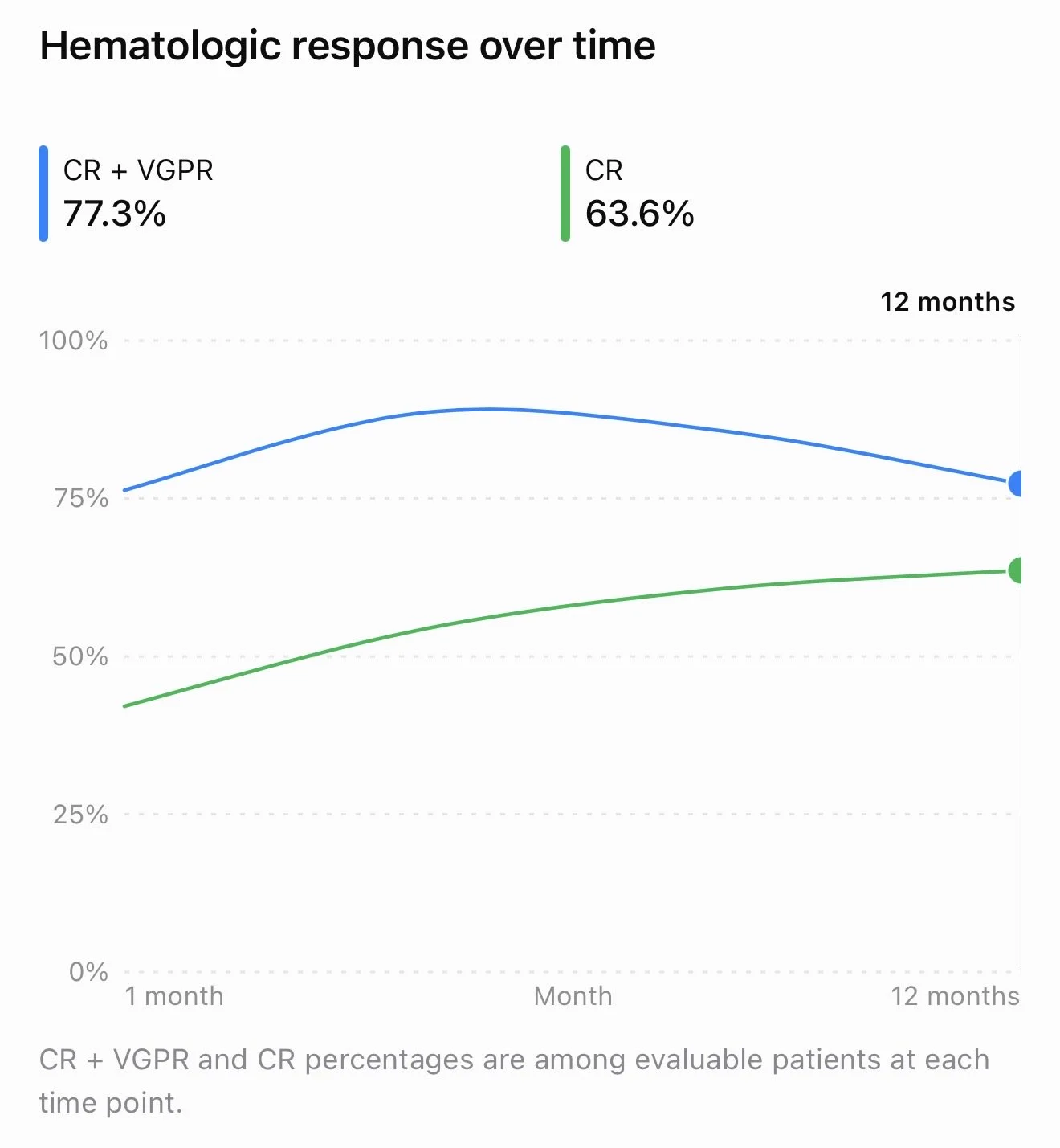
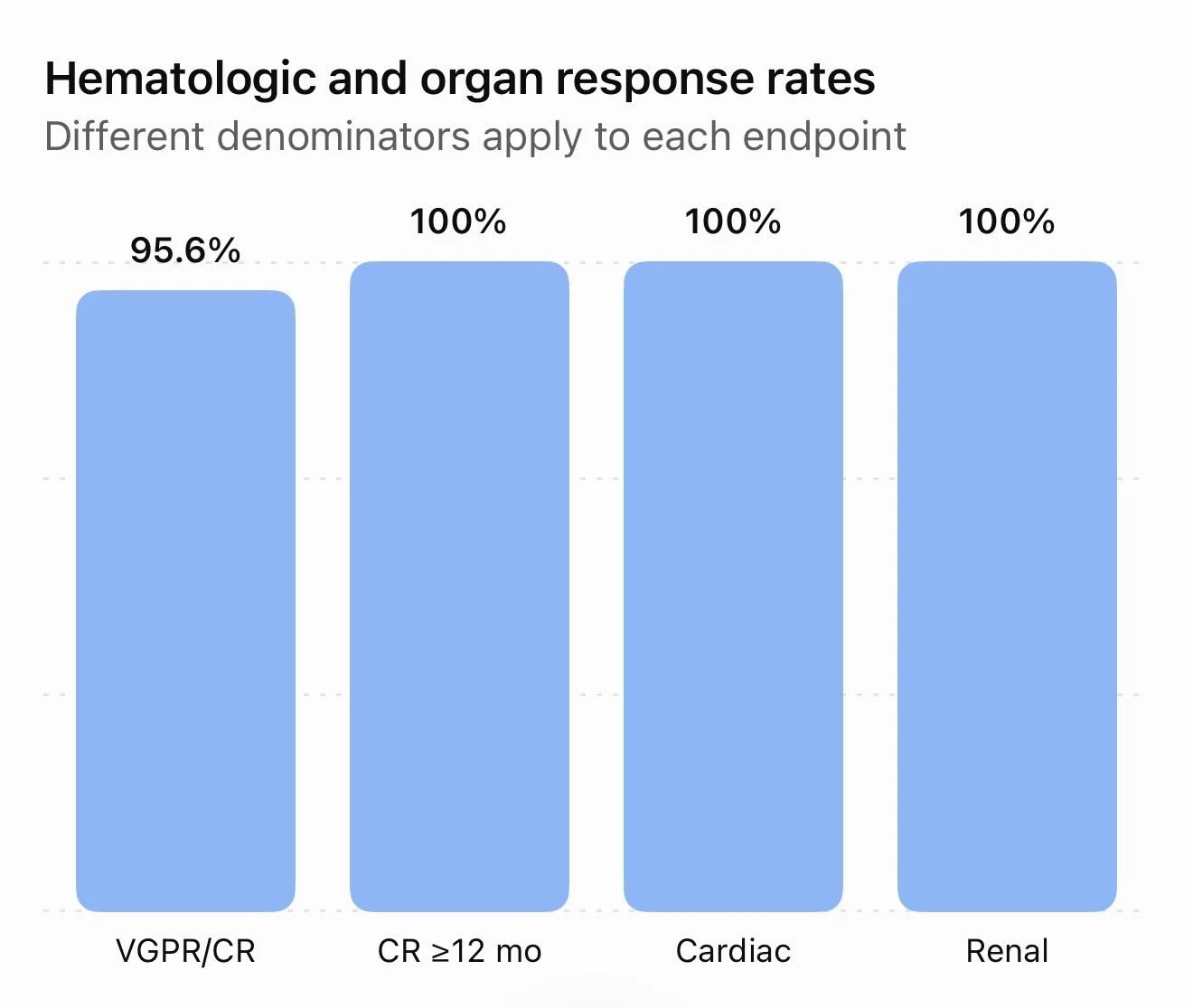
In this 38-patient phase 2 study, 88.6% of evaluable patients achieved ≥VGPR at 3 months, including 54.3% in CR. At 6 months, 14/24 cardiac-evaluable and 10/19 renal-evaluable patients had an organ response.
This is a frontline trial approach I’d discuss with a patient who has t(11;14) AL. Three early cardiac deaths remind us why organ outcomes and early survival matter alongside hematologic response. A comparison with dara-CyBorD is needed.
10. TeclistAMY
In relapsed AL amyloidosis, how quickly can we suppress the light chains driving organ injury? My N10 ASH26 abstract is TeclistAMY (N827), phase 2 teclistamab after prior daratumumab and bortezomib exposure. My score: 7.5/10.
By day 15, 25/29 evaluable patients had achieved ≥VGPR. By the end of cycle 3, 27/29 met the ≥VGPR or low-dFLC response endpoint, including 13 complete responses. The speed of response is what I’d highlight.
Infection occurred in 72.5% despite immunoglobulin replacement in every patient. I’d discuss trial referral for relapsed AL and watch for organ-response durability. Patients with stage IIIB cardiac disease were excluded.
11. NEXICART-2
Can BCMA CAR-T produce organ responses in relapsed AL amyloidosis? My number 11 ASH26 abstract is NEXICART-2 (N826), the 45-patient study of NXC-201. This is the AL cellular therapy abstract I’d highlight. My score: 7.4/10.
After NXC-201, 43/45 patients achieved VGPR or CR. Cardiac responses occurred in 9/9 evaluable patients and renal responses in 11/11. Median follow-up was 277 days. The denominators matter when discussing the chance of organ recovery.
I’d discuss early cellular therapy trial referral for selected patients with relapsed AL. No grade ≥3 CRS or neurotoxicity was reported, while 37/45 developed grade 3/4 neutropenia. Longer follow-up will clarify how durable the responses are.”
You may also be interested in:
- Luciano Costa Shares His Top 10 Multiple Myeloma Abstracts at ASH 2026
- Al-Ola A Abdallah: A Remarkable Outcome in Penta-Refractory Myeloma After Just One Dose of Belantamab