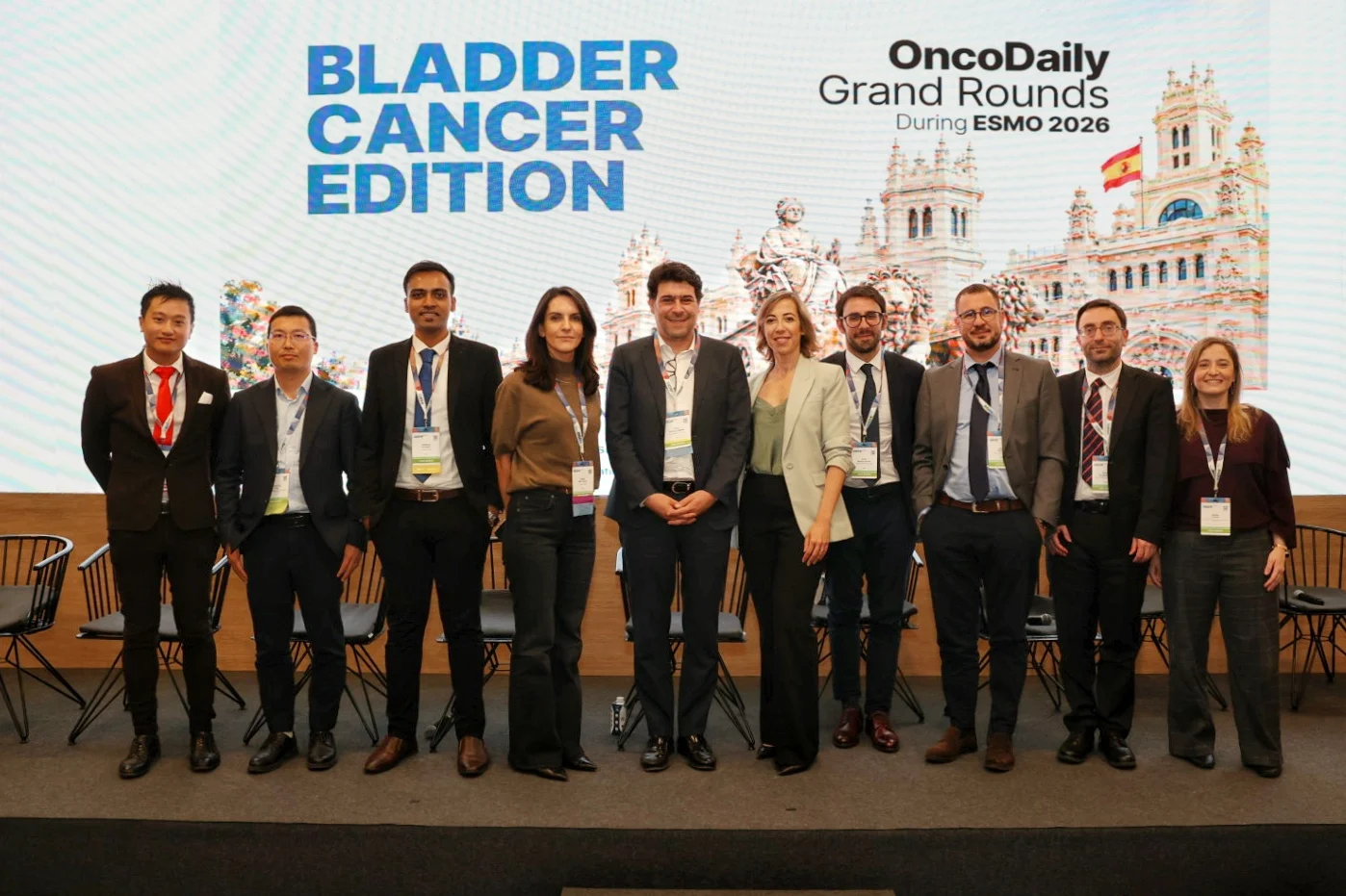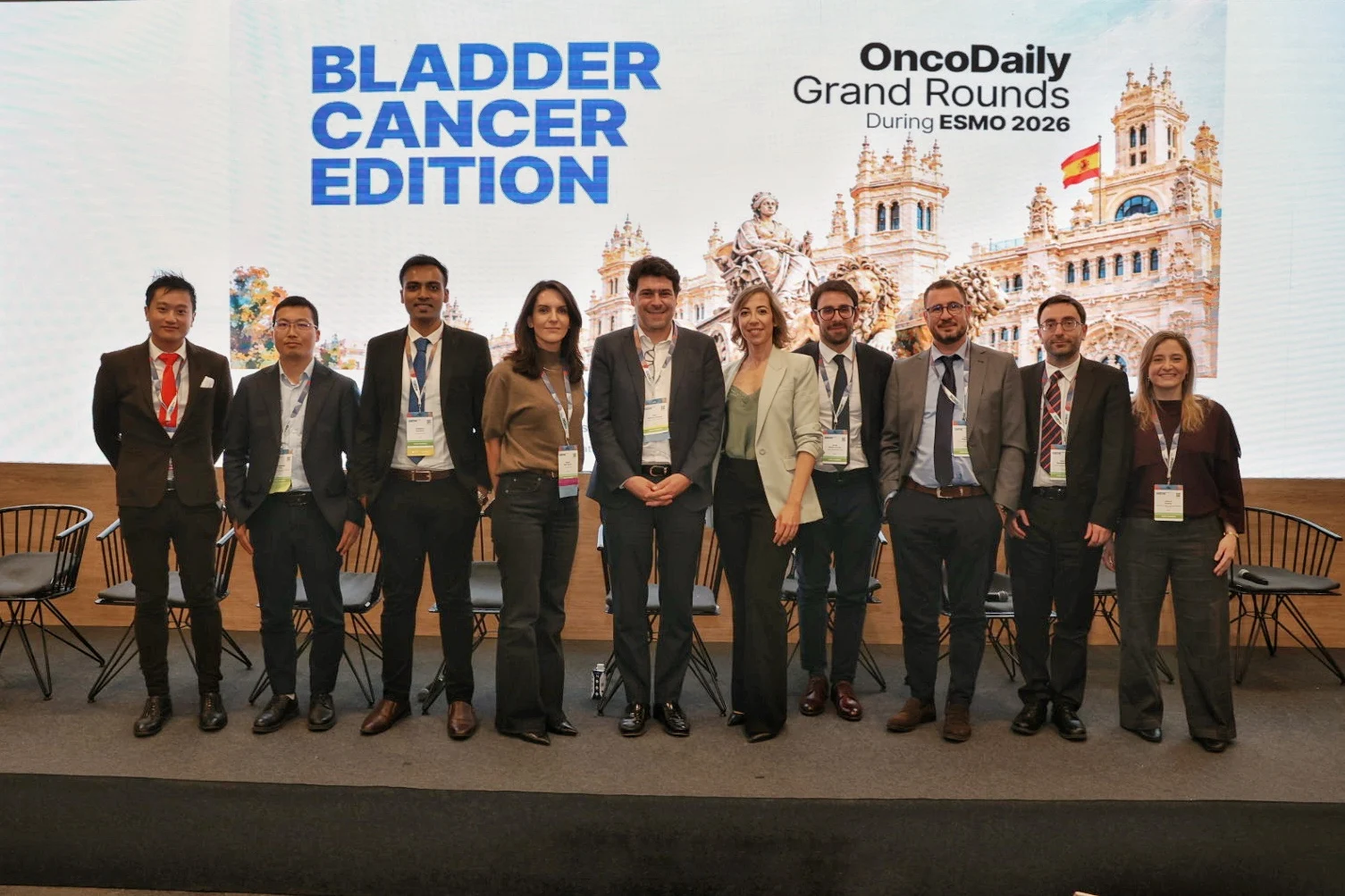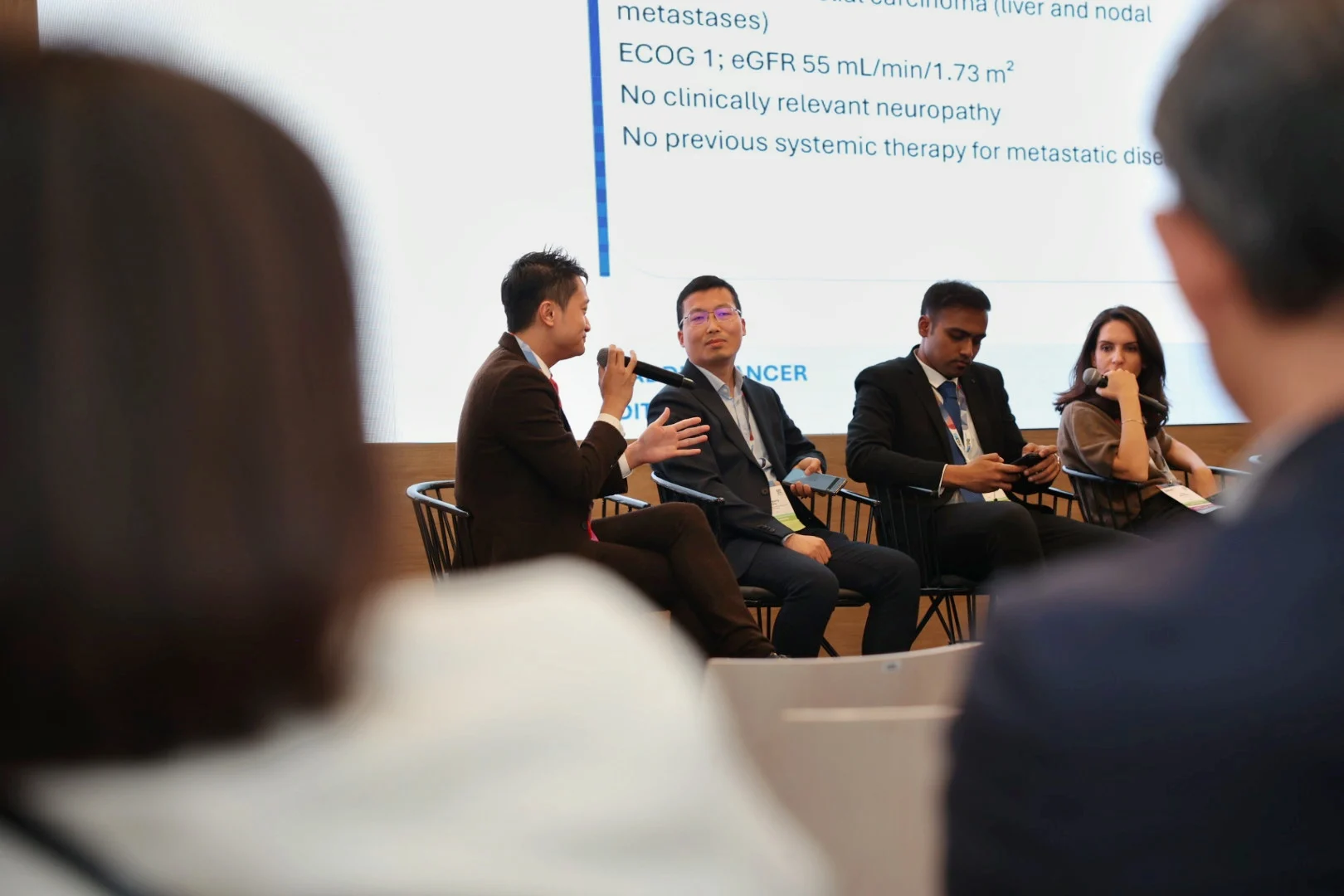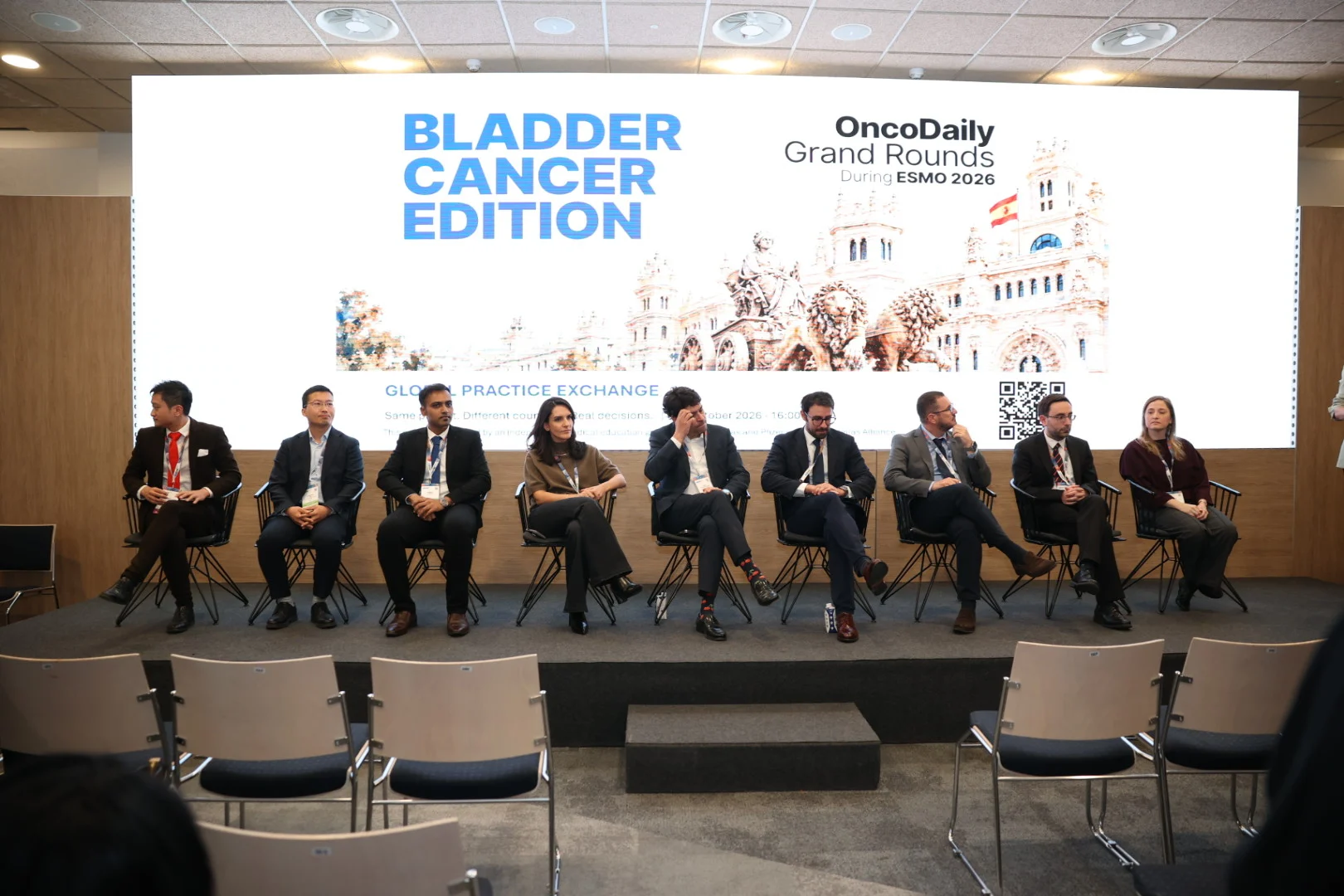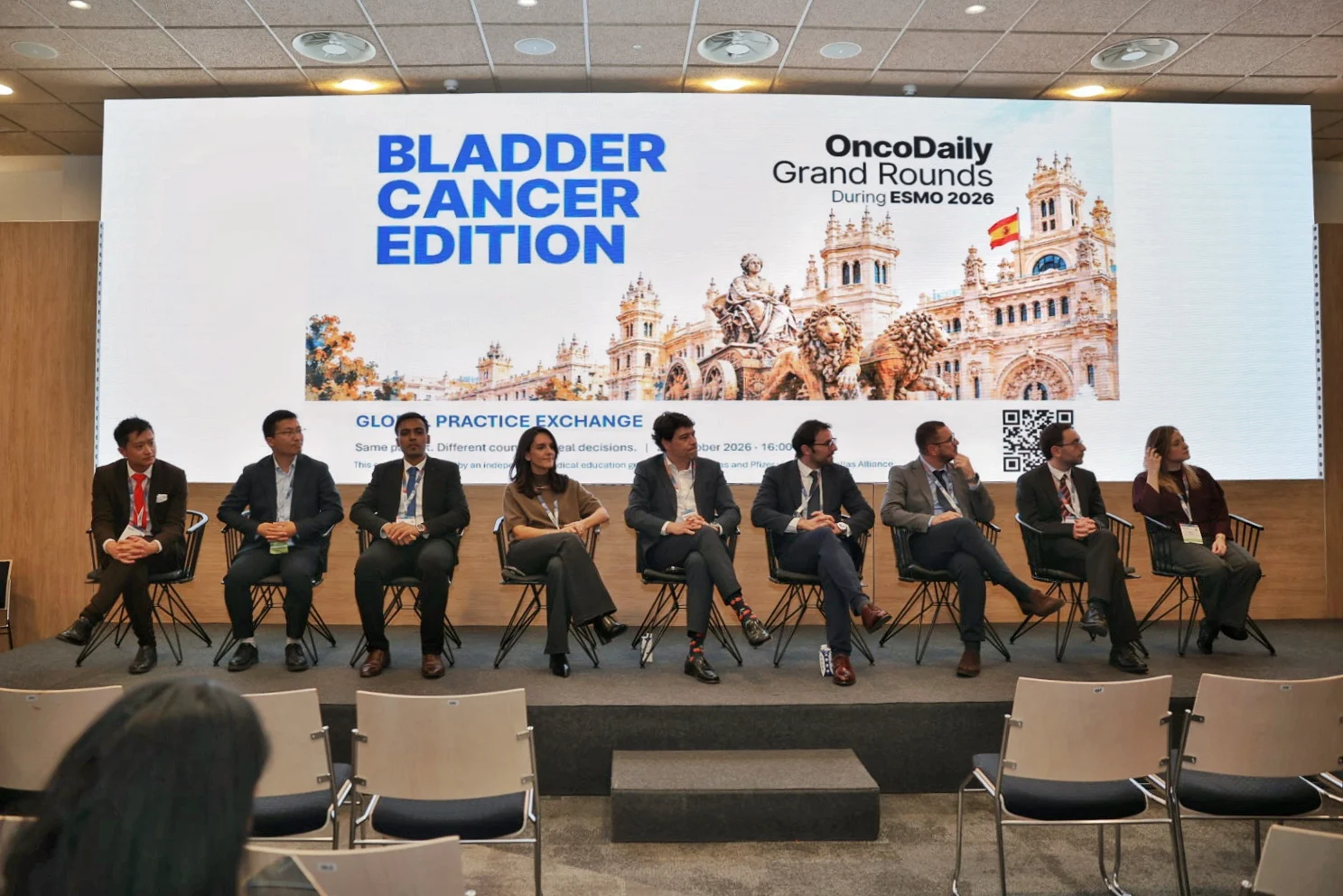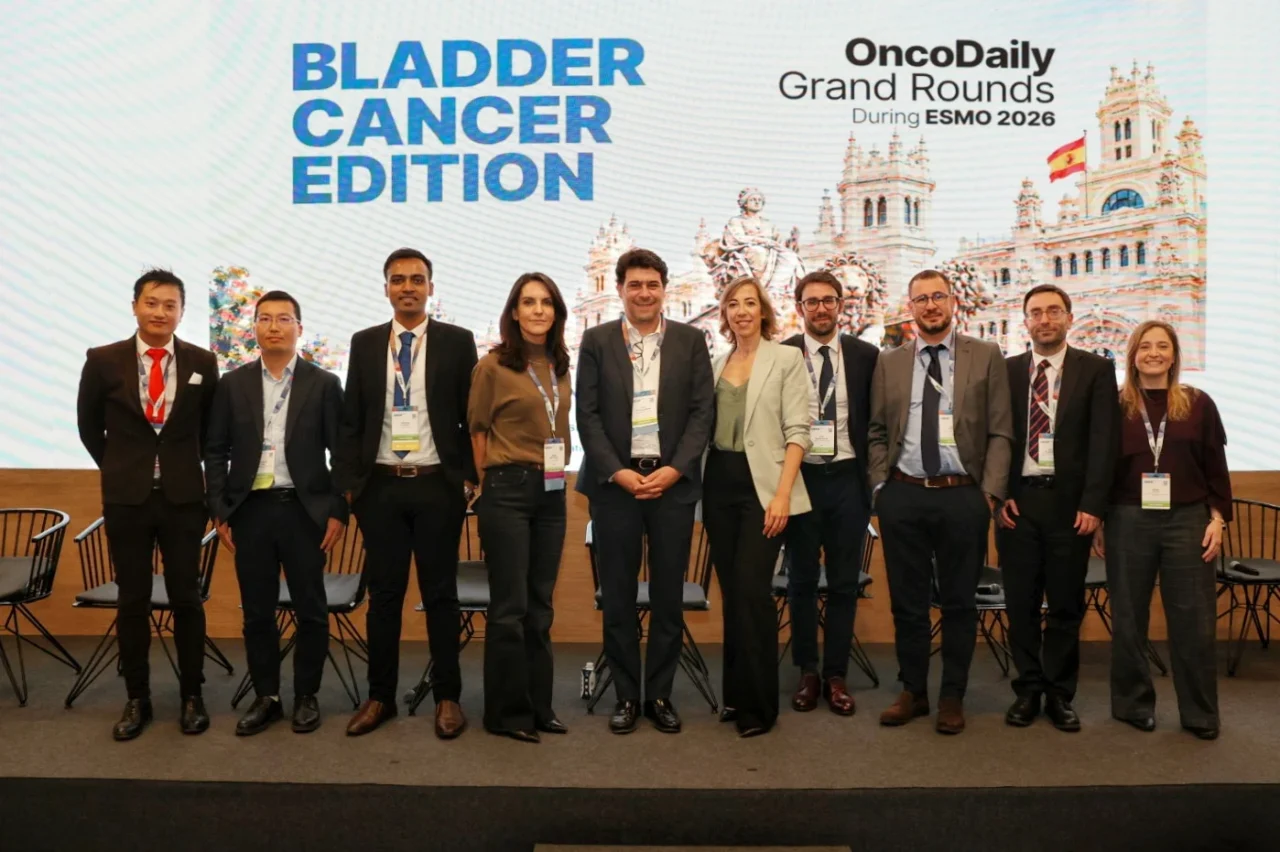
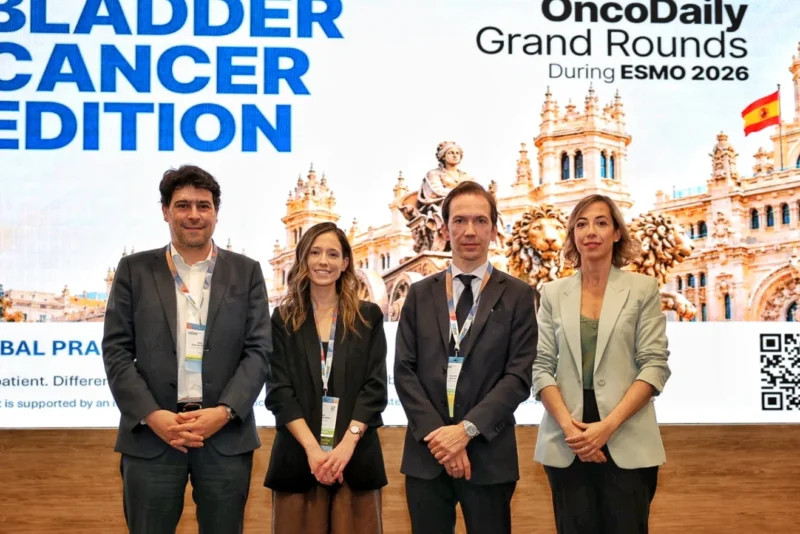
On October 25, 2026, OncoDaily Grand Rounds at ESMO 2026: Bladder Cancer Edition continued in Madrid with detailed discussions on the management of localized and advanced urothelial carcinoma, the clinical implications of emerging research, and the challenges of delivering modern treatments across different healthcare systems.
Chaired by Prof. Andrea Necchi, the meeting brought together medical oncologists, urologists, and international experts to examine questions that remain unresolved despite recent therapeutic advances.
The discussions focused on three central issues: how to identify patients who may benefit from less intensive treatment, how to optimize the use of new systemic therapies, and how differences in healthcare access influence treatment decisions.
Beyond Radical Cystectomy: Can Treatment Become More Individualized?
One of the principal topics was the evolving management of muscle-invasive bladder cancer (MIBC), particularly the potential to reduce treatment intensity without compromising oncological outcomes.
Prof. Andrea Necchi discussed the growing importance of pathological complete response (pCR) as an endpoint in clinical trials and its relationship with long-term outcomes.
Recent studies of perioperative treatment have demonstrated the potential to improve outcomes through systemic therapy. However, the question of whether patients achieving a complete response can safely avoid radical cystectomy remains unresolved.
Particular attention was given to circulating tumor DNA (ctDNA) and molecular residual disease (MRD) assessment. These tools may help identify patients at increased risk of recurrence following surgery and provide additional information about treatment response.

The discussion referenced emerging evidence from MRD-guided treatment studies, including IMvigor011, as well as ongoing investigations into ctDNA clearance following neoadjuvant therapy.
Although these findings support the prognostic relevance of ctDNA, its use as a standalone criterion for treatment selection or omission of surgery requires further validation.
Another important consideration was the definition of clinical complete response. Imaging, cystoscopy, biopsy, and urine cytology remain essential components of response assessment, while molecular biomarkers may provide complementary information.
The discussion emphasized that bladder-preserving strategies must be supported by reliable response assessment, structured surveillance, and appropriate management of recurrence.
What Comes After Enfortumab Vedotin and Pembrolizumab?
Dr. Sara Coca Membribes examined the rapidly changing treatment landscape for advanced urothelial carcinoma, focusing on the clinical impact of enfortumab vedotin plus pembrolizumab (EV+pembrolizumab).
The EV-302/KEYNOTE-A39 trial established this combination as an important first-line treatment option for patients with previously untreated locally advanced or metastatic urothelial carcinoma. Longer follow-up continues to support its clinical benefit.
However, several questions remain concerning treatment duration, patient selection, and subsequent therapy after progression.
One area of discussion was whether treatment exposure could be reduced in selected patients without compromising efficacy. The presentation considered emerging perioperative data alongside observations from advanced disease, where some patients achieve deeper responses over time.

The session also addressed the development of additional antibody–drug conjugates (ADCs), including agents targeting HER2 and TROP2, and the investigation of combinations with immunotherapy and other targeted treatments.
These approaches may expand treatment options, but their clinical value will depend on randomized evidence and a clearer understanding of toxicity.
Treatment after progression on EV+pembrolizumab remains a particularly important challenge.
Available options may include platinum-based chemotherapy, FGFR-directed therapy in patients with susceptible FGFR alterations, and participation in clinical trials investigating novel ADCs.
The discussion also distinguished between primary and acquired resistance, raising the possibility that future treatment selection could depend on the biological mechanisms underlying progression.
For now, the optimal sequencing of available therapies remains uncertain, reinforcing the need for prospective studies.

Managing Toxicity Without Compromising Treatment
As more effective combination therapies enter clinical practice, adverse-event management has become an increasingly important component of bladder cancer care.
Dr. María José Juan Fita addressed this issue through a clinical case involving an older patient with advanced urothelial carcinoma and impaired renal function.
The case illustrated the importance of evaluating treatment suitability according to functional status, comorbidities, and individual risk factors rather than chronological age alone.
A substantial part of the presentation focused on toxicities associated with enfortumab vedotin, particularly skin reactions, peripheral neuropathy, and hyperglycemia.

Skin toxicity requires early assessment and appropriate management, including treatment interruption when clinically indicated. Delayed recognition may result in more severe reactions and affect the patient’s ability to continue treatment.
Peripheral neuropathy presents another challenge, particularly because symptoms may initially appear mild while progressively affecting daily activities.
The discussion emphasized the value of functional assessment, including questions about dressing, walking, balance, and other routine activities, when evaluating neuropathy severity.
Hyperglycemia was also discussed as an adverse event requiring careful monitoring, especially in patients with pre-existing diabetes or additional metabolic risk factors.
The central clinical consideration was how to maintain treatment efficacy while preventing avoidable toxicity through timely assessment, supportive care, and appropriate dose modifications.
Radical Cystectomy and Bladder Preservation
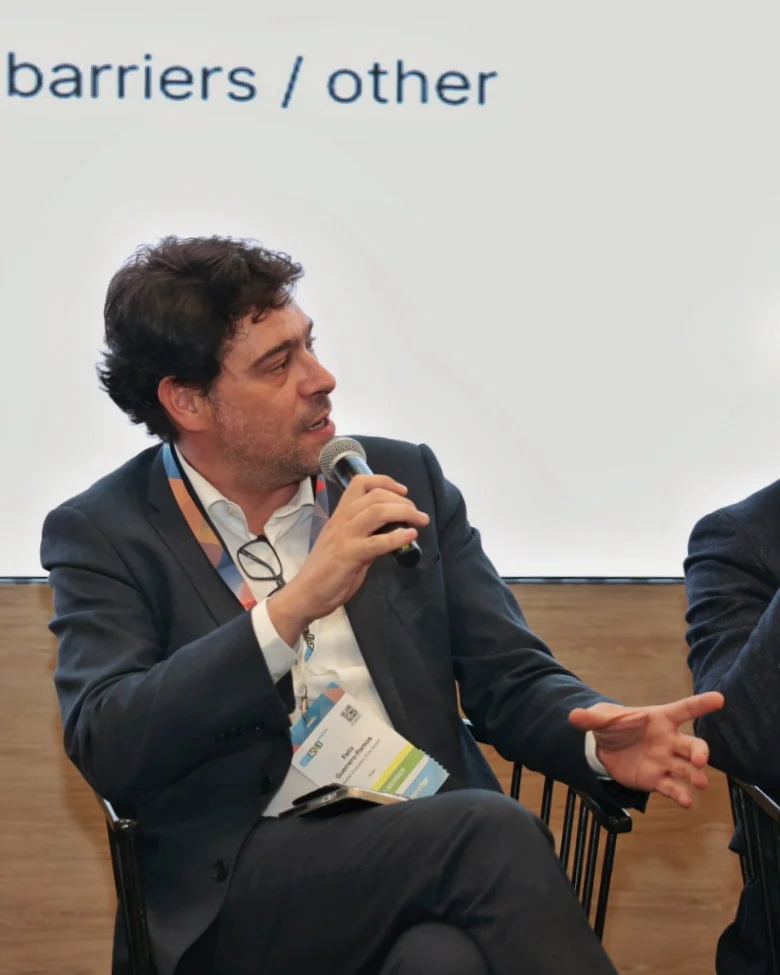
Dr. Félix Guerrero-Ramos examined the role of radical cystectomy in muscle-invasive bladder cancer and the circumstances in which bladder-preserving treatment may be appropriate.
Radical cystectomy remains a cornerstone of treatment for localized MIBC. Nevertheless, its potential complications and long-term effects on urinary function and quality of life make treatment selection particularly important.
The presentation addressed the limitations of clinical staging, noting that patients considered to have organ-confined disease before surgery may be found to have more advanced pathological disease following cystectomy.
This uncertainty complicates decisions about omitting surgery, even when an apparently favorable response to systemic treatment has been achieved.

Trimodality therapy, consisting of maximal transurethral resection followed by concurrent chemoradiotherapy, was discussed as an established bladder-preserving option for appropriately selected patients.
However, patient selection remains critical. Tumor size, hydronephrosis, extensive carcinoma in situ, and other disease characteristics may influence suitability for bladder preservation.
The session also considered the growing interest in response-adapted treatment strategies following neoadjuvant systemic therapy.
Although promising responses have increased interest in avoiding radical cystectomy, clinical complete response does not necessarily exclude residual disease.
The discussion therefore emphasized the importance of multidisciplinary tumor boards, thorough restaging, informed patient decisions, and intensive follow-up when bladder-preserving approaches are considered.
One Clinical Scenario, Different Countries
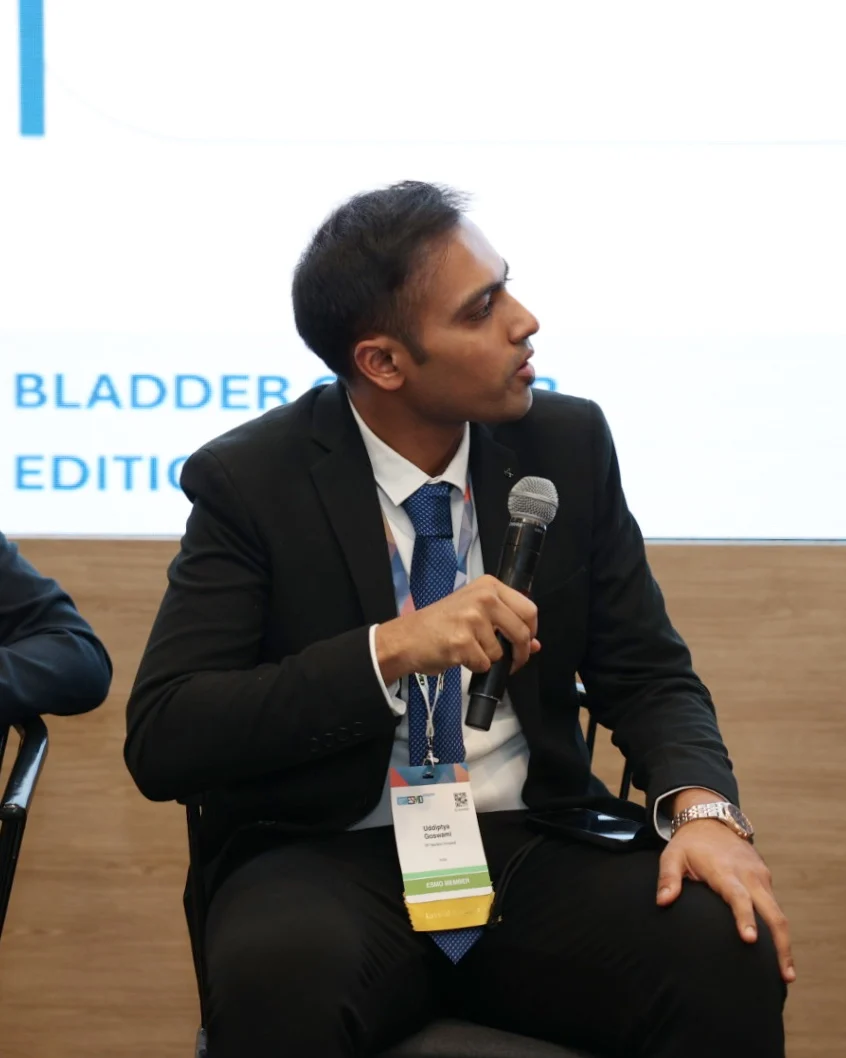
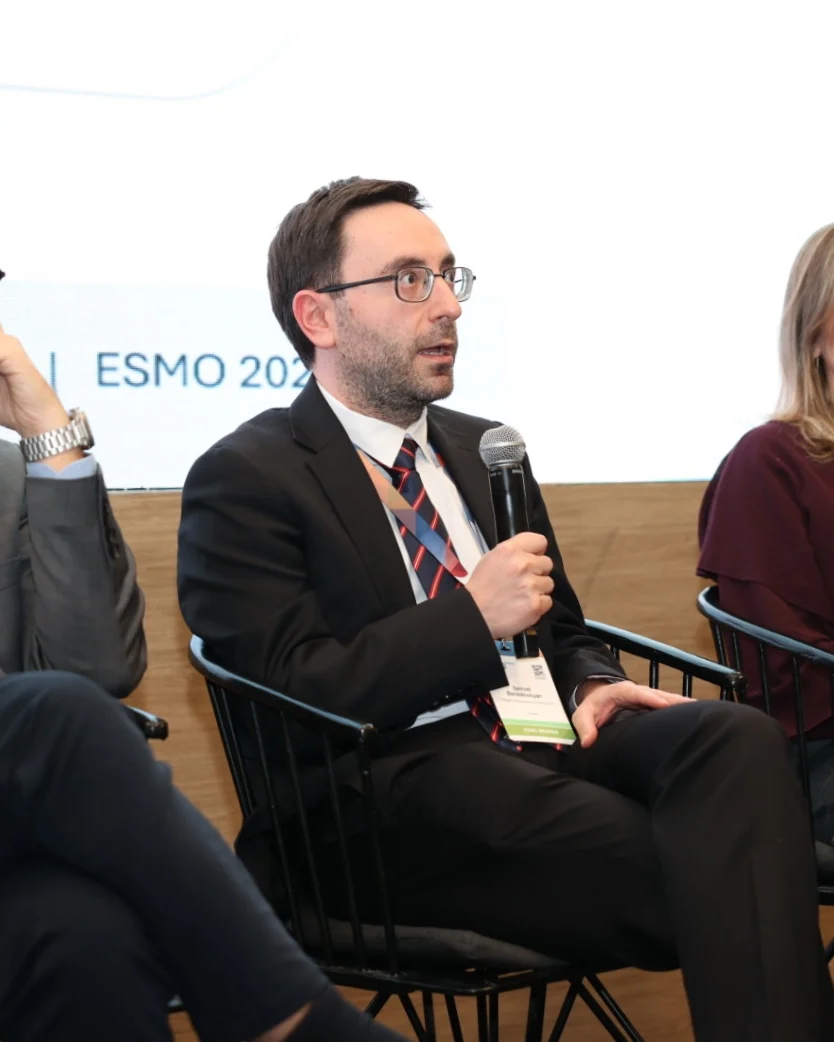
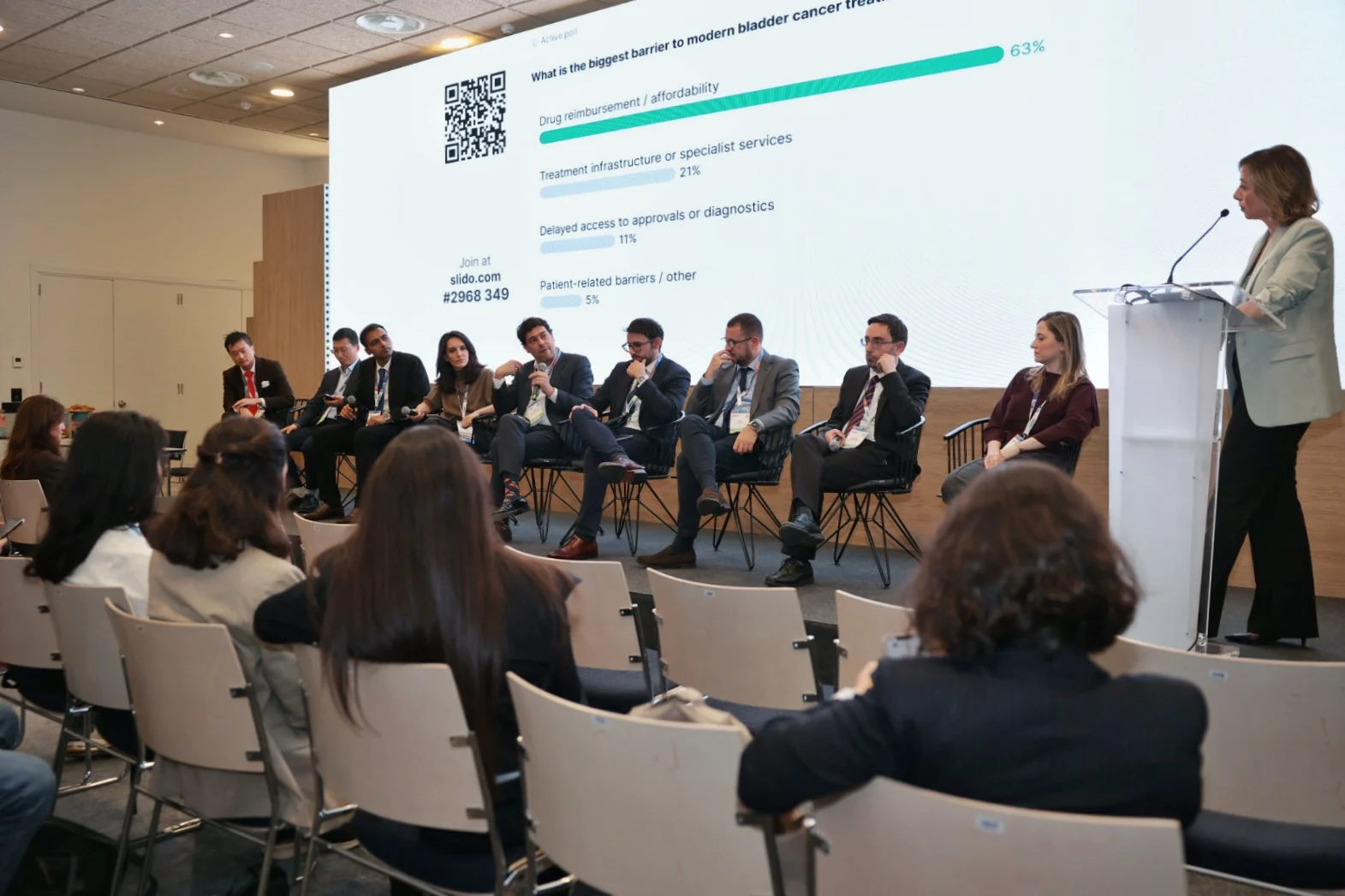
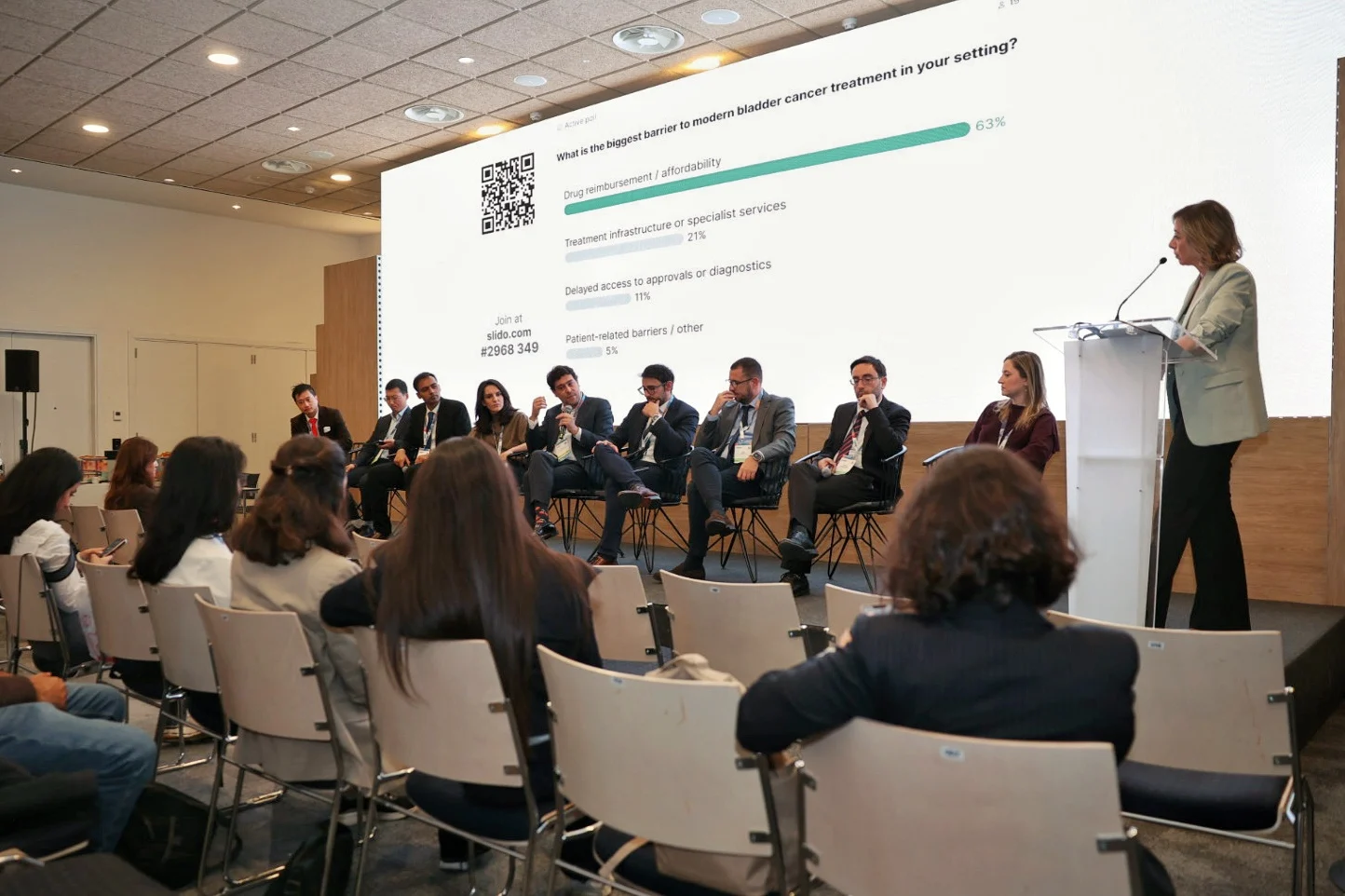
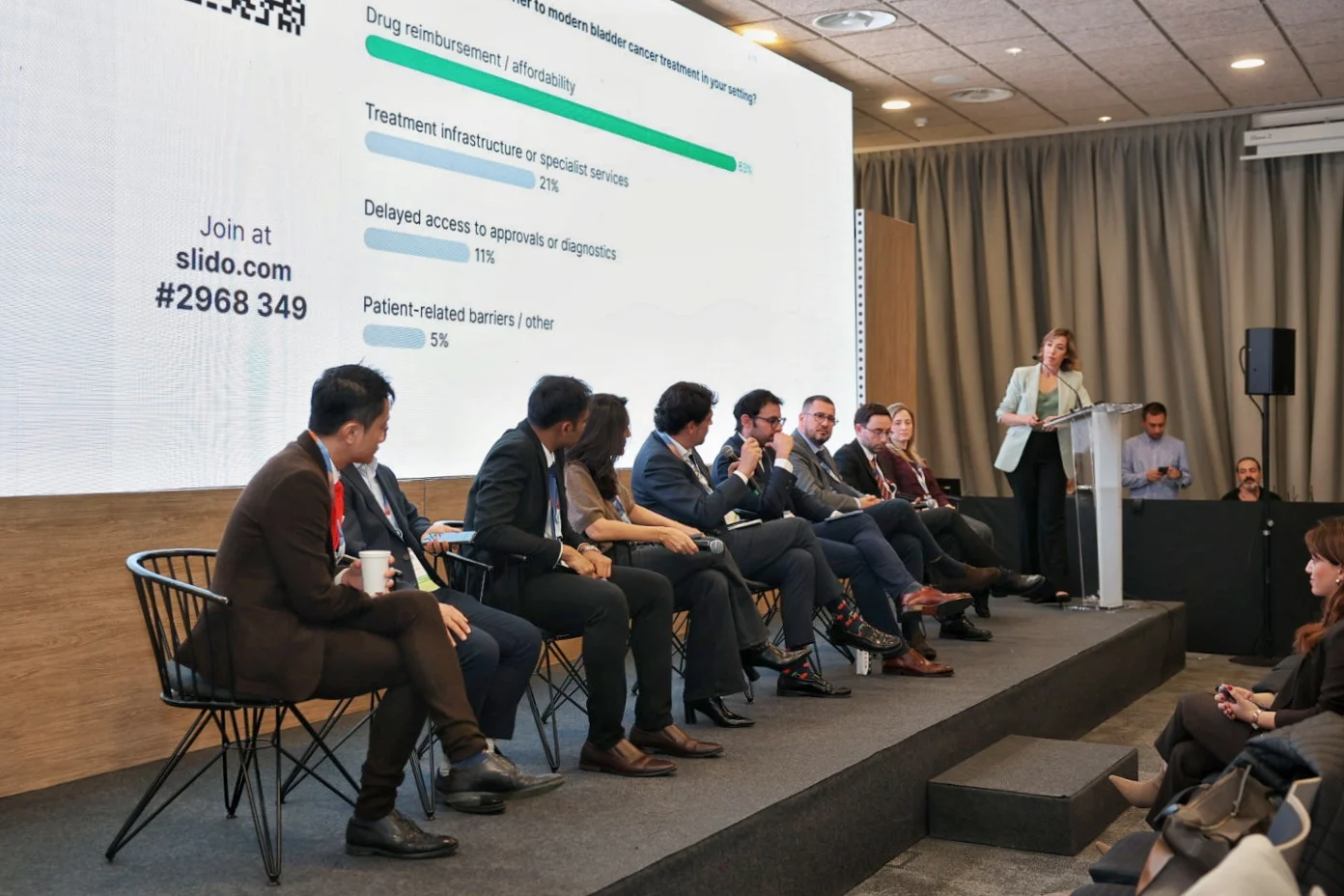
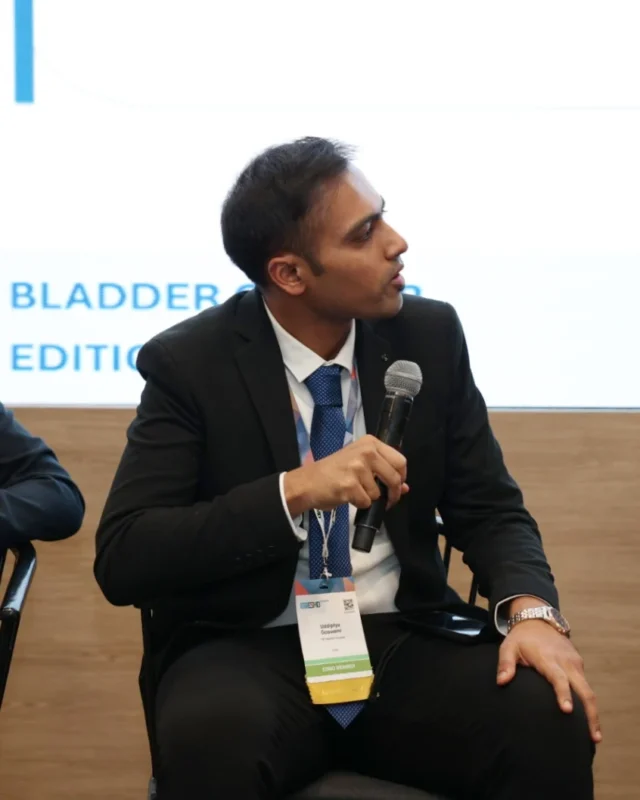
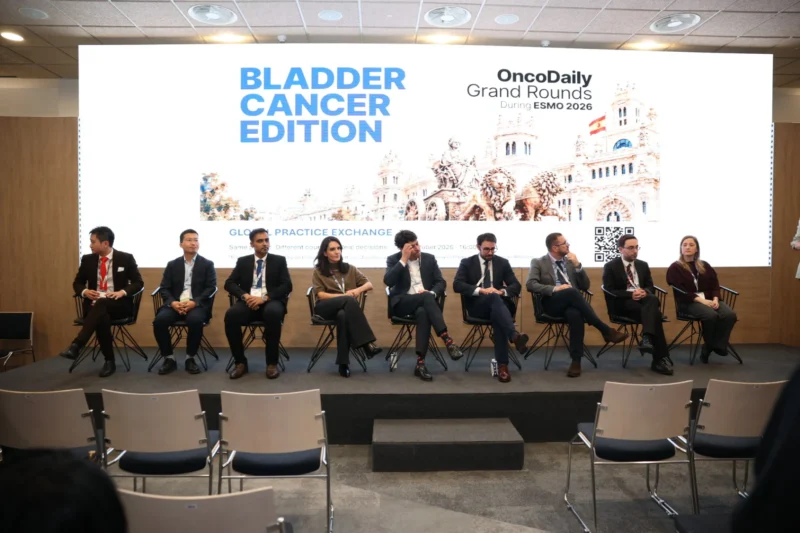
The international discussion, “One Clinical Scenario, Different Countries,” examined how treatment decisions change when clinical evidence is considered alongside national reimbursement policies, drug availability, and healthcare infrastructure.
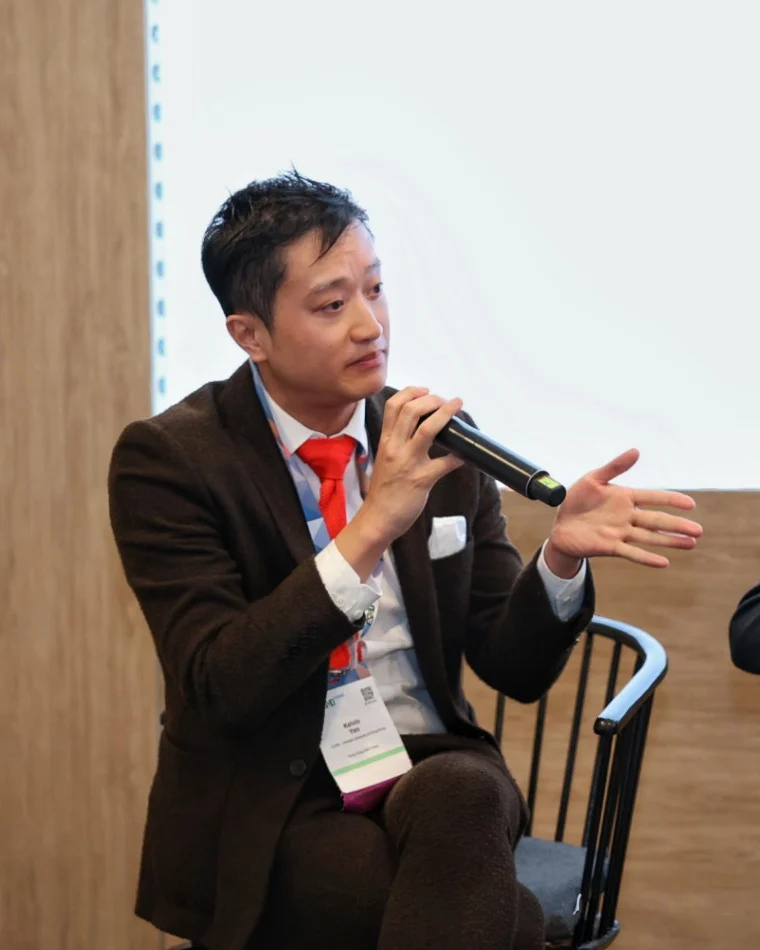
Participants from Brazil, Armenia, Albania, Serbia, China, India, Hong Kong, and other healthcare settings described significant differences in access to innovative bladder cancer therapies.
An audience poll identified reimbursement and affordability as major barriers to modern treatment.
In Brazil, the discussion highlighted differences between public and private healthcare. Regulatory approval does not necessarily result in treatment availability within the public system, creating substantial differences in access between patient populations.
The representative from Armenia explained that government coverage is largely limited to conventional chemotherapy, while immunotherapy and newer targeted treatments generally require out-of-pocket payment. Even when medications are available, the cost may prevent patients from receiving a complete treatment course.
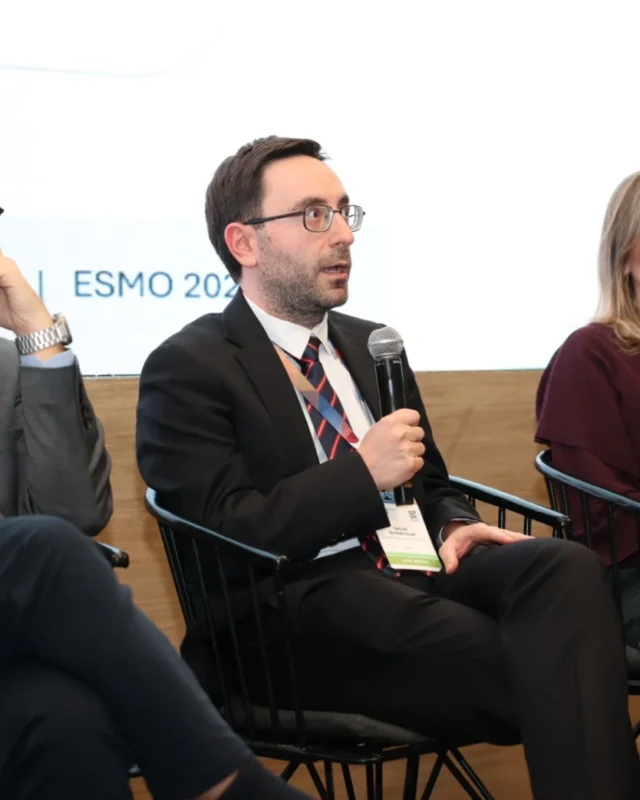
In Albania, access to newer therapies was also described as limited, with platinum-based chemotherapy and avelumab maintenance among the available approaches discussed.
The representative from Serbia raised concerns extending beyond reimbursement, including difficulties related to drug registration and distribution.
Participants from China and Hong Kong described additional differences in access between regions and healthcare sectors, including delays in approval, formulary inclusion, and reimbursement.
The discussion also highlighted the situation in India, where some innovative therapies may be commercially available but remain unaffordable for many patients because of substantial out-of-pocket costs.
These examples demonstrated that drug availability, regulatory approval, and financial accessibility are separate considerations, each capable of influencing clinical practice.
When the Recommended Treatment Is Not Available
The international panel also examined treatment decisions in situations where the preferred regimen is unavailable or cannot be reimbursed.
Questions addressed the sequencing of antibody–drug conjugates and targeted therapies, the management of patients with FGFR alterations, and the potential role of alternative treatment strategies when access is restricted.
The discussion highlighted that treatment selection may be influenced not only by clinical evidence but also by the availability of clinical trials and the financial resources of individual patients.
Participants also considered whether shorter treatment courses or modified strategies could be reasonable in selected circumstances.
However, the meeting underscored the importance of distinguishing approaches supported by established evidence from those considered because of local resource limitations.
The absence of reimbursement should not be confused with a lack of clinical benefit, and treatment modifications require careful assessment of their potential consequences.

Multidisciplinary Decisions and Patient Preferences
A recurring theme throughout the meeting was the importance of involving patients in treatment decisions, particularly when discussing radical cystectomy and bladder preservation.
Experts described clinical situations in which patients declined surgery after responding to neoadjuvant treatment, despite radical cystectomy remaining part of the recommended treatment plan.
Such cases create difficult decisions for multidisciplinary teams, especially when evidence supporting the omission of surgery remains limited.
The discussions emphasized the need for transparent communication about the potential benefits, risks, and uncertainties associated with each treatment approach.
They also reinforced the importance of multidisciplinary assessment involving medical oncologists, urologists, radiation oncologists, and other specialists.
As systemic therapies and bladder-preserving approaches continue to develop, coordinated decision-making will be essential to ensuring that patients receive appropriate treatment and follow-up.

From New Evidence to Better Patient Care
The second part of OncoDaily Grand Rounds at ESMO 2026: Bladder Cancer Edition demonstrated that recent progress in bladder cancer treatment has created important opportunities alongside new clinical challenges.
Emerging biomarkers, more effective systemic therapies, and evolving bladder-preserving approaches are changing discussions about treatment selection. At the same time, questions about optimal sequencing, toxicity management, and the safe omission of surgery remain unanswered.
The international perspectives added another dimension: even when effective treatments are supported by strong clinical evidence, patients may not have equal opportunities to receive them.
The meeting concluded with a clear emphasis on the need for further clinical research, multidisciplinary collaboration, careful patient selection, and improved access to evidence-based treatment.
OncoDaily Grand Rounds at ESMO 2026: Bladder Cancer Edition was independently organized by OncoDaily and supported by independent medical education grants from Astellas and Pfizer through the Pfizer–Astellas Alliance. The event was not affiliated with ESMO.