


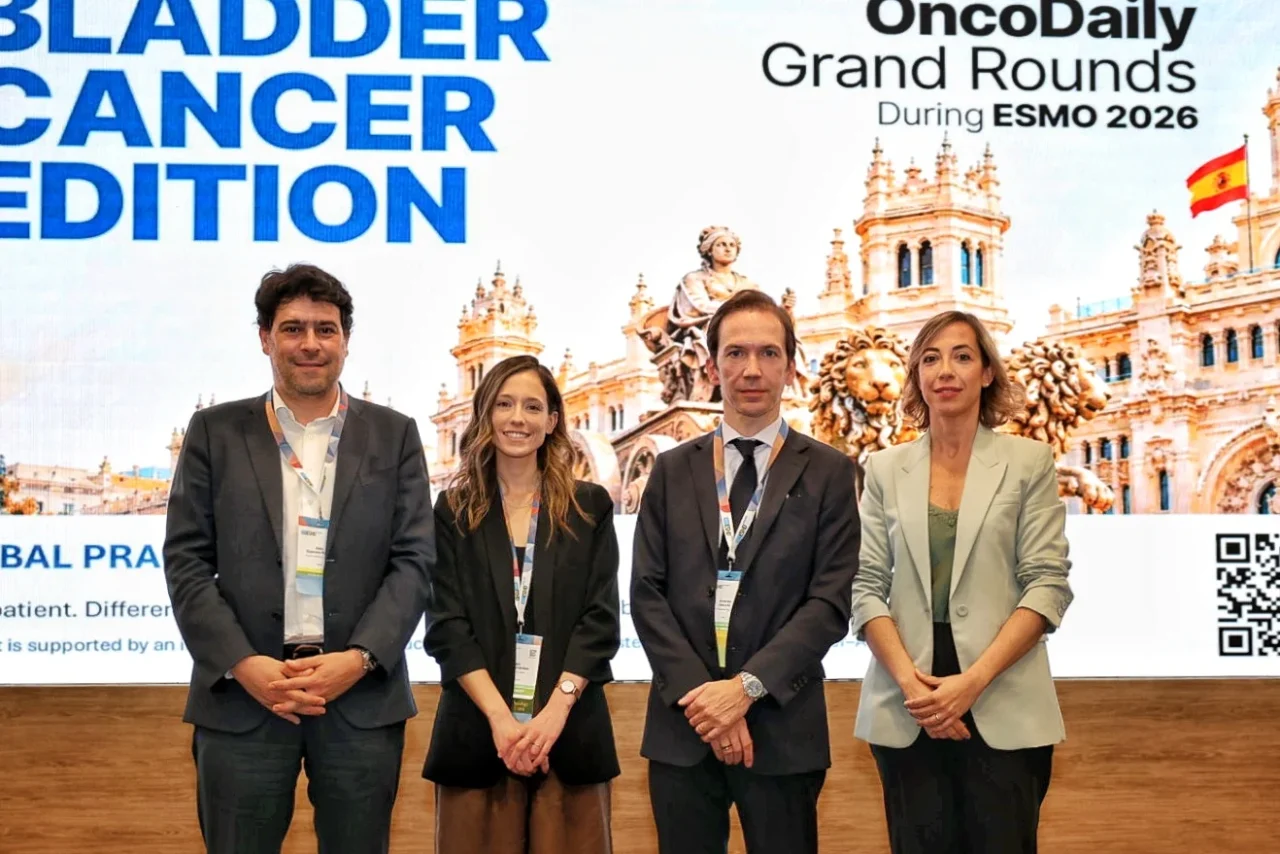
On October 25, 2026, OncoDaily Grand Rounds at ESMO 2026: Bladder Cancer Edition brought together leading oncology experts and healthcare professionals in Madrid, Spain, for an in-depth discussion of current developments and ongoing challenges in bladder cancer management.
Held at Novotel Madrid Feria and Airport and chaired by Prof. Andrea Necchi, the meeting addressed evolving treatment strategies for localized and advanced urothelial carcinoma, with particular attention to perioperative therapy, bladder preservation, emerging biomarkers, and the practical implementation of new treatment options.
The program combined expert presentations, interactive clinical discussions, and international perspectives, providing an opportunity to examine how scientific advances are influencing clinical decision-making across different healthcare settings.
Expert Perspectives: Evolving Strategies in Bladder Cancer Management
The first scientific session, “Expert Perspectives: What Would You Do?”, examined key questions in contemporary bladder cancer treatment, emphasizing areas where clinical evidence continues to evolve.
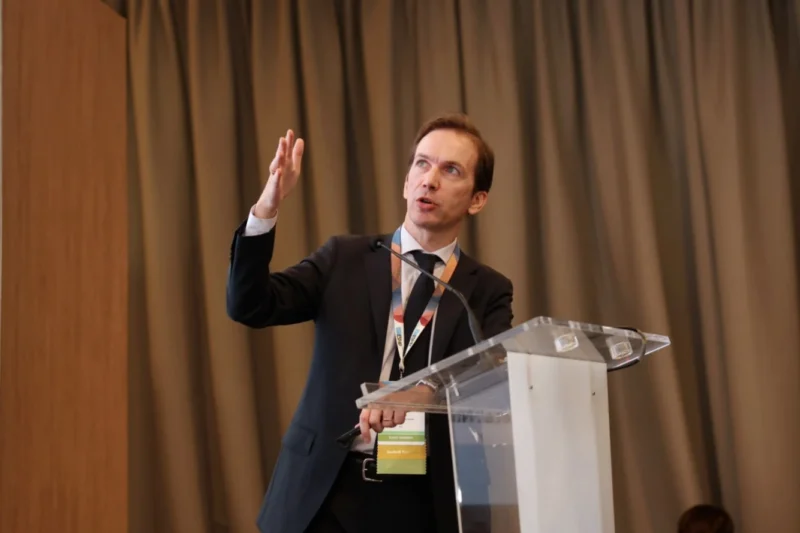
Prof. Andrea Necchi addressed recent developments in the management of localized bladder cancer, including the expanding role of perioperative systemic therapy and the potential application of circulating tumor DNA (ctDNA) and molecular residual disease (MRD) assessment.
The discussion explored how biomarkers and treatment response may contribute to more individualized therapeutic approaches. Particular attention was given to the challenges of identifying patients who could benefit from treatment intensification or alternative management strategies while avoiding unnecessary toxicity.
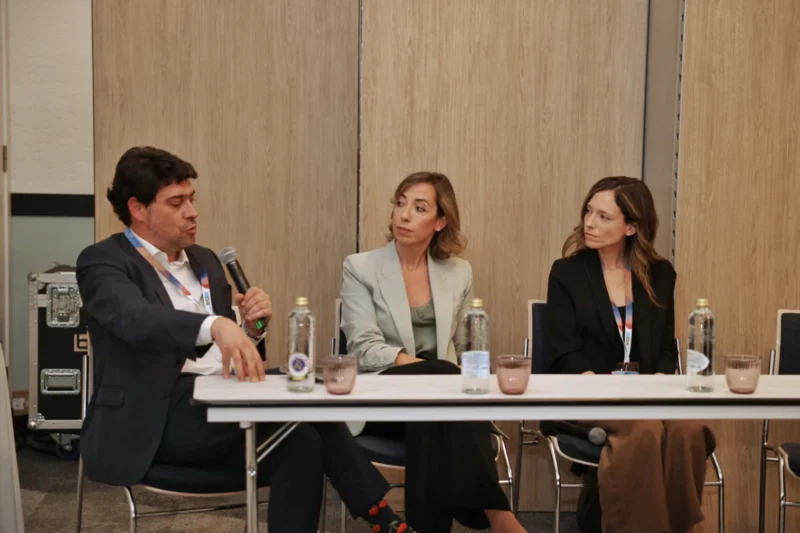
Bladder preservation was another important topic. Although response-adapted approaches are being investigated, the discussion emphasized the need for careful patient selection and reliable assessment of treatment response before considering alternatives to established curative treatment.
Dr. Sara Coca Membribes focused on advanced urothelial carcinoma, reviewing the changing treatment landscape following the introduction of enfortumab vedotin plus pembrolizumab and the growing role of antibody–drug conjugates.
The presentation addressed important questions surrounding treatment sequencing, duration of therapy, resistance, and the selection of subsequent treatment options. As new therapies become available, determining how best to integrate them into clinical practice remains a significant consideration.
Managing Toxicity and Optimizing Treatment
Alongside therapeutic efficacy, the meeting highlighted the importance of managing treatment-related adverse events.
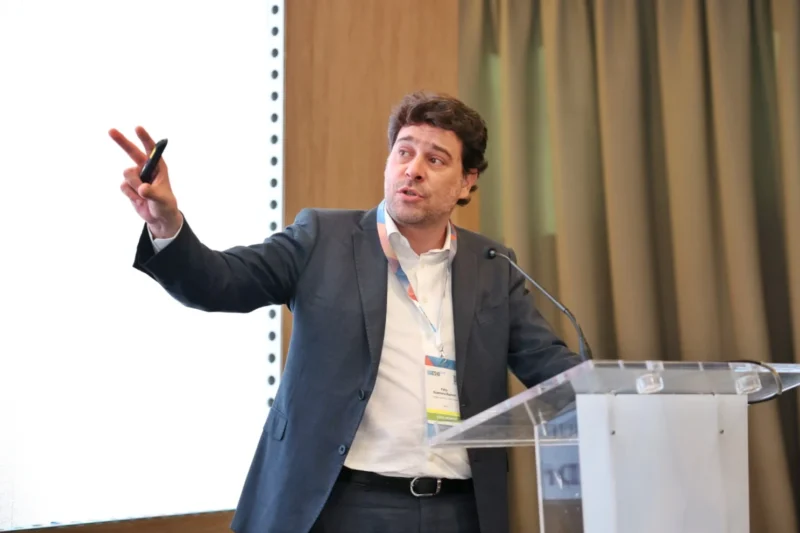
Dr. María José Juan Fita discussed practical approaches to toxicity management, particularly in patients receiving newer systemic treatments.
The presentation addressed adverse events such as skin reactions, peripheral neuropathy, and hyperglycemia, emphasizing the importance of early identification, appropriate intervention, and individualized treatment adjustments.
These considerations are increasingly relevant as combination regimens become more widely incorporated into clinical practice. Effective toxicity management is essential for maintaining treatment safety, supporting adherence, and preserving patients’ quality of life.
The discussion also reinforced the importance of patient education and coordination among oncology teams when monitoring and managing adverse events.
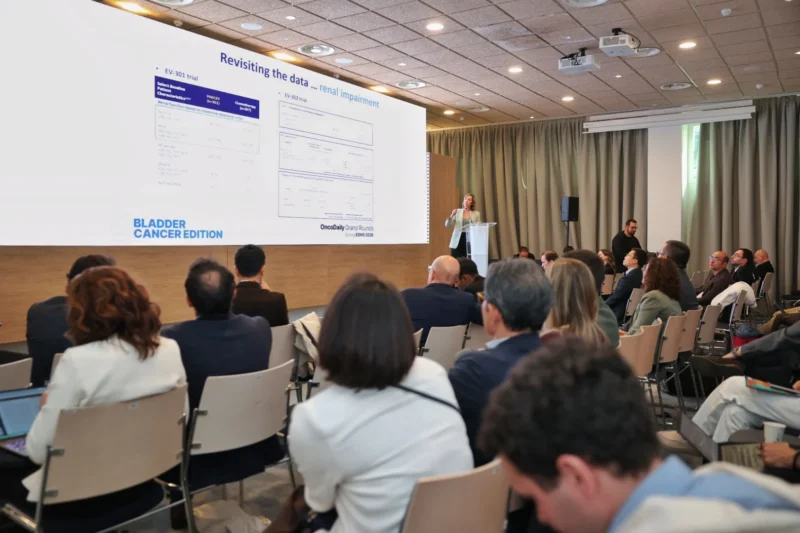
Radical Cystectomy or Bladder Preservation?
The role of bladder-preserving treatment was explored further in a presentation by Dr. Félix Guerrero-Ramos, who discussed the clinical considerations involved in choosing between radical cystectomy and trimodality therapy.
Radical cystectomy remains an established treatment for muscle-invasive bladder cancer. However, bladder-preserving approaches offer an alternative for appropriately selected patients and require close multidisciplinary coordination.
The discussion examined the importance of tumor characteristics, patient preferences, functional outcomes, and the availability of experienced treatment teams.
Experts also considered the limitations of clinical response assessment and the challenges of determining which patients may safely avoid radical surgery.
A recurring message was that bladder preservation should be evaluated through multidisciplinary decision-making rather than considered a universal alternative to cystectomy.
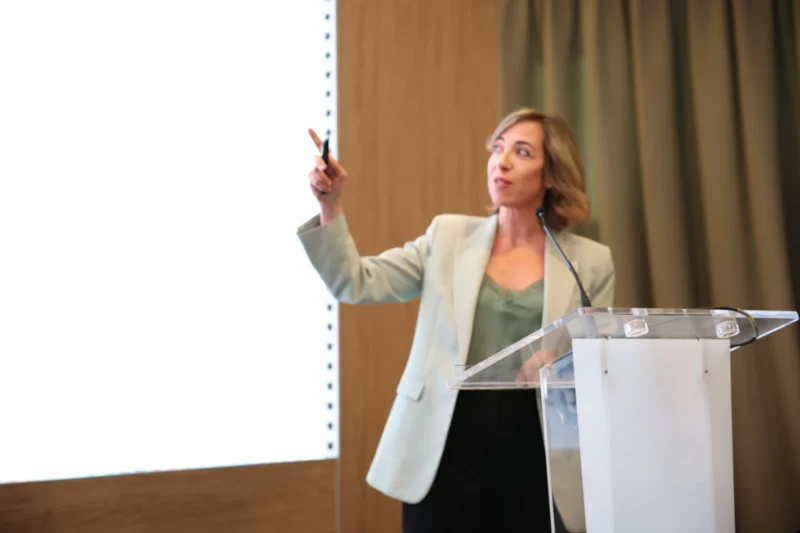
One Clinical Scenario, Different Countries: Global Perspectives
The second part of the program, “One Clinical Scenario, Different Countries,” shifted the discussion from clinical evidence to its application in different healthcare systems.
International experts examined common clinical scenarios and compared treatment decisions based on local resources, access to therapies, reimbursement policies, and healthcare infrastructure.
Panelists representing countries including Armenia, Brazil, China, India, Serbia, Spain, and Albania, alongside additional international perspectives, discussed how the same patient presentation may lead to different treatment pathways depending on the healthcare setting.
Interactive polling and case-based discussions highlighted the challenges clinicians face when recommended treatments are not consistently available.
Access to newer systemic therapies, including enfortumab vedotin plus pembrolizumab, was among the topics discussed. Participants considered how financial constraints, reimbursement limitations, and differences in drug availability influence treatment selection.
The panel also addressed access to multidisciplinary care, appropriate referrals for radical cystectomy or bladder-preserving treatment, and the difficulties of implementing biomarker-guided strategies in settings with limited diagnostic resources.
These discussions illustrated an important distinction between the availability of clinical evidence and the ability to translate that evidence into routine patient care.
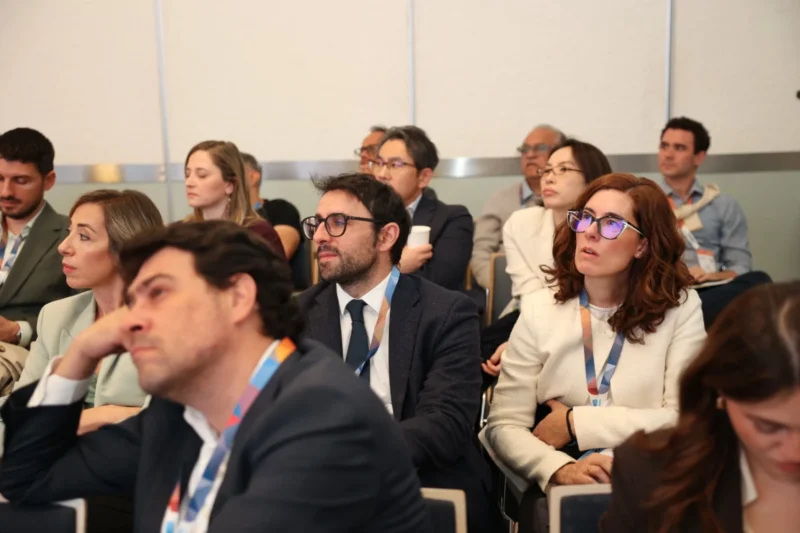
Translating Clinical Evidence into Practice
Throughout the meeting, several unresolved questions emerged regarding the future management of bladder cancer.
In localized disease, the integration of perioperative systemic therapy, ctDNA assessment, and response-adapted approaches continues to generate interest. However, further evidence is needed to establish how these strategies should guide routine treatment decisions.
In advanced disease, newer combination therapies have changed the therapeutic landscape, while questions regarding optimal sequencing, treatment duration, and management after progression remain clinically relevant.
The discussions also emphasized that treatment selection cannot be based on efficacy alone. Toxicity profiles, comorbidities, patient preferences, access to specialized services, and financial considerations all influence clinical decisions.
Importantly, the international panel demonstrated that improving outcomes requires attention to both scientific progress and the practical barriers affecting its implementation.

Key Takeaways from the Bladder Cancer Grand Rounds
The meeting highlighted several priorities for contemporary bladder cancer care:
- Personalized treatment: Emerging biomarkers, including ctDNA and MRD, may help refine treatment decisions, although their routine clinical application requires further validation.
- Perioperative therapy: The evolving evidence for systemic treatment around surgery is reshaping discussions about treatment selection and sequencing.
- Bladder preservation: Multidisciplinary assessment and careful patient selection remain essential when considering alternatives to radical cystectomy.
- Advanced urothelial carcinoma: New combination regimens and antibody–drug conjugates have expanded treatment options while introducing new questions about sequencing and toxicity.
- Supportive care: Early recognition and management of adverse events are critical to delivering effective and safe systemic treatment.
- Global access: Differences in reimbursement, infrastructure, and treatment availability continue to affect the implementation of evidence-based care.
Looking Ahead
OncoDaily Grand Rounds at ESMO 2026: Bladder Cancer Edition highlighted the complexity of treatment decision-making in an increasingly dynamic therapeutic landscape.
By combining scientific updates with case-based discussions and international perspectives, the meeting addressed both the opportunities created by recent advances and the challenges that remain in everyday clinical practice.
The discussions reinforced the importance of multidisciplinary collaboration, appropriate patient selection, effective toxicity management, and equitable access to innovative treatments.
As research continues to refine treatment strategies for localized and advanced urothelial carcinoma, translating new evidence into accessible, individualized care will remain a central priority for the international oncology community.
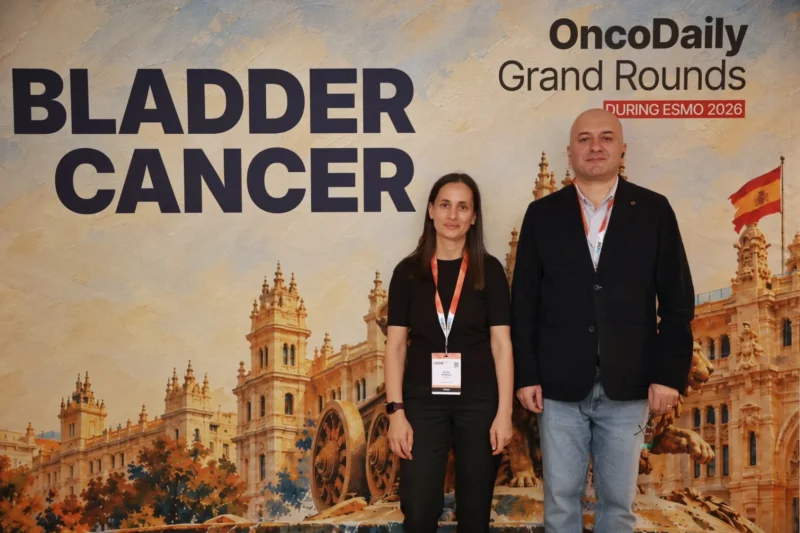
The event was independently organized by OncoDaily and supported by independent medical education grants from Astellas and Pfizer through the Pfizer–Astellas Alliance. It was not affiliated with ESMO.