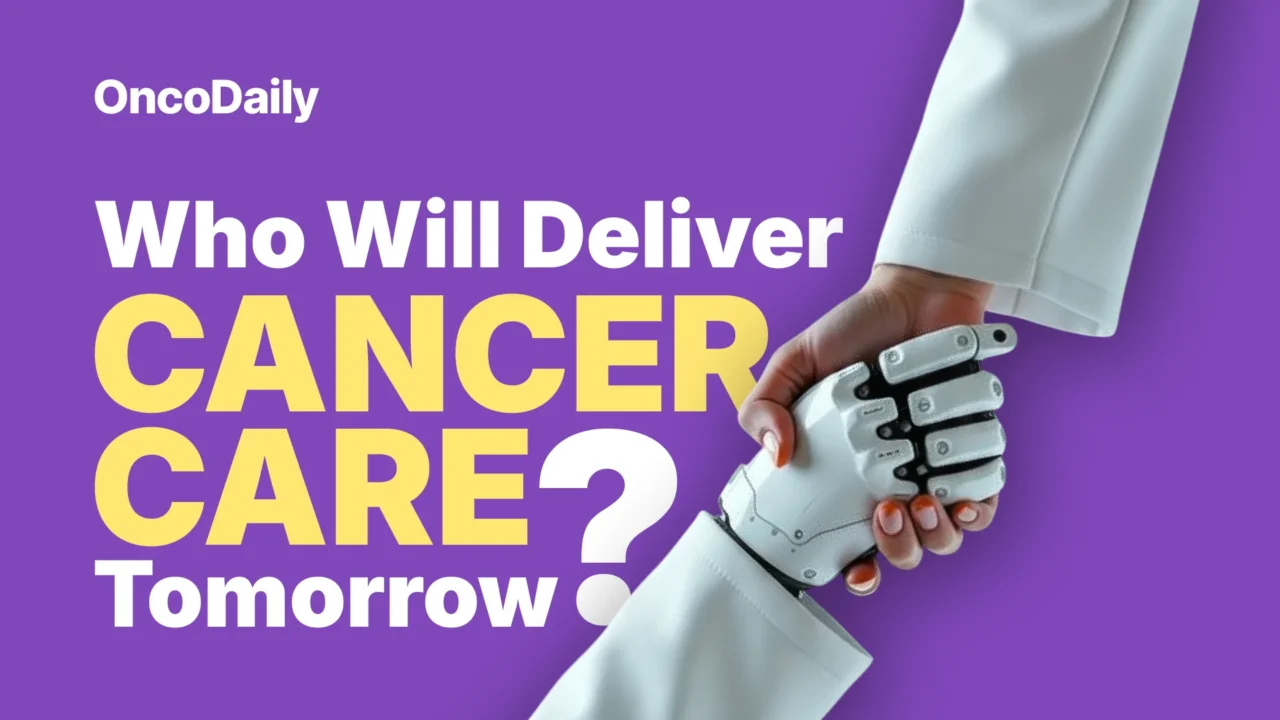
The continued advancement of cancer research and care in the United States relies heavily on a highly skilled and diverse workforce. From prevention and early detection to treatment, survivorship, and end-of-life care, cancer professionals play a central role in translating scientific progress into meaningful patient outcomes. The nation’s long-standing leadership in oncology has been built on the expertise, dedication, and collaboration of this workforce across clinical and research settings.
A recent report from the President’s Cancer Panel examines emerging risks to this foundation and outlines strategic priorities aimed at strengthening the cancer workforce to meet future demands.
Rising Demand and Workforce Strain
The cancer workforce is confronting a convergence of pressures that threaten its capacity and sustainability. Demand for cancer services is increasing as the U.S. population ages and as individuals live longer following cancer diagnoses. Advances in precision medicine and multimodal therapies have improved outcomes but have also increased the complexity of care delivery. At the same time, incidence rates for certain cancers are rising among younger populations, adding further strain to already stretched systems.
Geographic disparities in access to oncology specialists persist, with many regions experiencing shortages of oncologists and other essential members of the cancer care team. Administrative burdens, inefficient workflows, and underperforming digital infrastructure further limit workforce productivity. In research environments, shifts in funding models and research settings pose additional challenges to workforce stability and career sustainability.
Collectively, these factors risk delays in care, reduced access to clinical trials, and potential impacts on patient outcomes.
A Framework for Strengthening the Cancer Workforce
In this report, Panel members Dr. Mitchel Berger and Dr. Carol Brown present a strategic framework centered on three priority areas. These recommendations aim to reinforce the capacity of the cancer workforce, improve efficiency in care delivery, and support continued innovation in cancer research.
The report emphasizes that addressing workforce challenges will require coordinated engagement across healthcare systems, academic institutions, government agencies, and the private sector.
Priority Area One: Advancing Cross-Sector Partnerships
The Panel identifies collaboration as a critical driver of workforce resilience. Partnerships among healthcare organizations, research institutions, policymakers, and industry stakeholders can facilitate shared problem-solving and more efficient use of resources. By integrating perspectives across sectors, these collaborations can help address workforce shortages, support innovation, and promote equitable access to cancer care nationwide.
Priority Area Two: Strengthening Education and Training Pathways
Cancer care depends on multidisciplinary teams that include physicians, advanced practice providers, nurses, allied health professionals, and research staff. The report highlights the need for intentional investment in education and training pathways to support these roles. Expanding and modernizing training opportunities, particularly for advanced practice providers and allied health professionals, is identified as essential to maintaining workforce capacity and encouraging long-term retention in oncology careers.
Priority Area Three: Enhancing Workforce Productivity
Productivity within the cancer care team is increasingly challenged by administrative complexity. Poorly integrated electronic health record systems and inefficient prior authorization processes consume time that could otherwise be devoted to patient care and research. The Panel underscores the importance of improving health information technology and streamlining administrative requirements to support a more efficient and sustainable workforce.
Implications for the Oncology Community
The President’s Cancer Panel report highlights workforce sustainability as a critical component of maintaining high-quality cancer care and research in the United States. Addressing workforce challenges will require sustained commitment and coordinated action across the oncology ecosystem. Strengthening workforce capacity, supporting training and retention, and reducing systemic inefficiencies are central to ensuring that cancer care keeps pace with growing and evolving patient needs.
More posts about public health on OncoDaily
Written by Nare Hovhannisyan, MD