






Runcie C.W. Chidebe, Oncology Researcher at Miami University, shared a post on LinkedIn:
“In 2014, I noticed a devastating pattern: women who found a breast lump were left to navigate a fragmented, confusing healthcare system alone. Financial barriers, medical jargon, fear, and distrust meant many never made it from diagnosis to treatment. Those who did abandon the care.
As a psychologist, I began sitting with patients and caregivers, offering guidance, connections, and access to the doctors and resources they couldn’t reach on their own. But I knew individual support wasn’t enough. We needed a system.
So we built one – the first Patient Navigation in Nigeria in 2015. What we at Project PINK BLUE began as a simple telephone-based navigation network run through breast cancer survivors grew into the Breast Cancer Navigation and Palliative Programme (BCNPP), training retired nurses and survivors to become the pioneer patient navigators in Nigeria- funded by a grant from the Union for International Cancer Control (UICC) and Pfizer Oncology.
We trained hundreds of patient navigators, connected facilities, and published our results in journals. I’m proud of what our team has built and more convinced than ever that local innovation can transform cancer care.
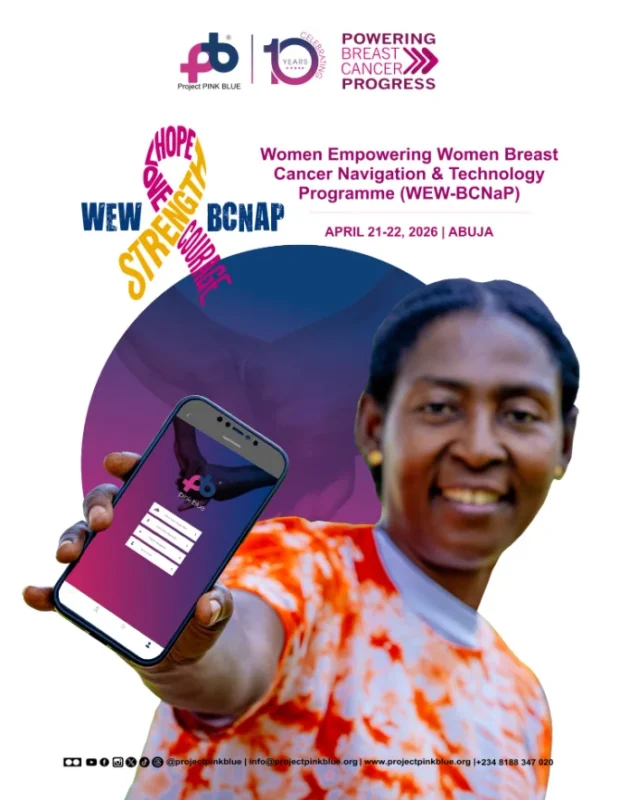
A few weeks ago, we took Patient Navigation to another level through a grant from AstraZeneca’s Powering Breast Cancer Progress. Thanks to the scientists, patients, and advocates who are on the steering committees and led this Women Empowering Women: Breast Cancer Navigation and Technology Programme.
Please click the document to learn more about the patient navigation program and how Project PINK BLUE is supporting the institutionalization of Patient Navigation in Nigeria. Please use the comment section to share your feedback.”
Other articles about Nigeria on OncoDaily.