Key takeaways
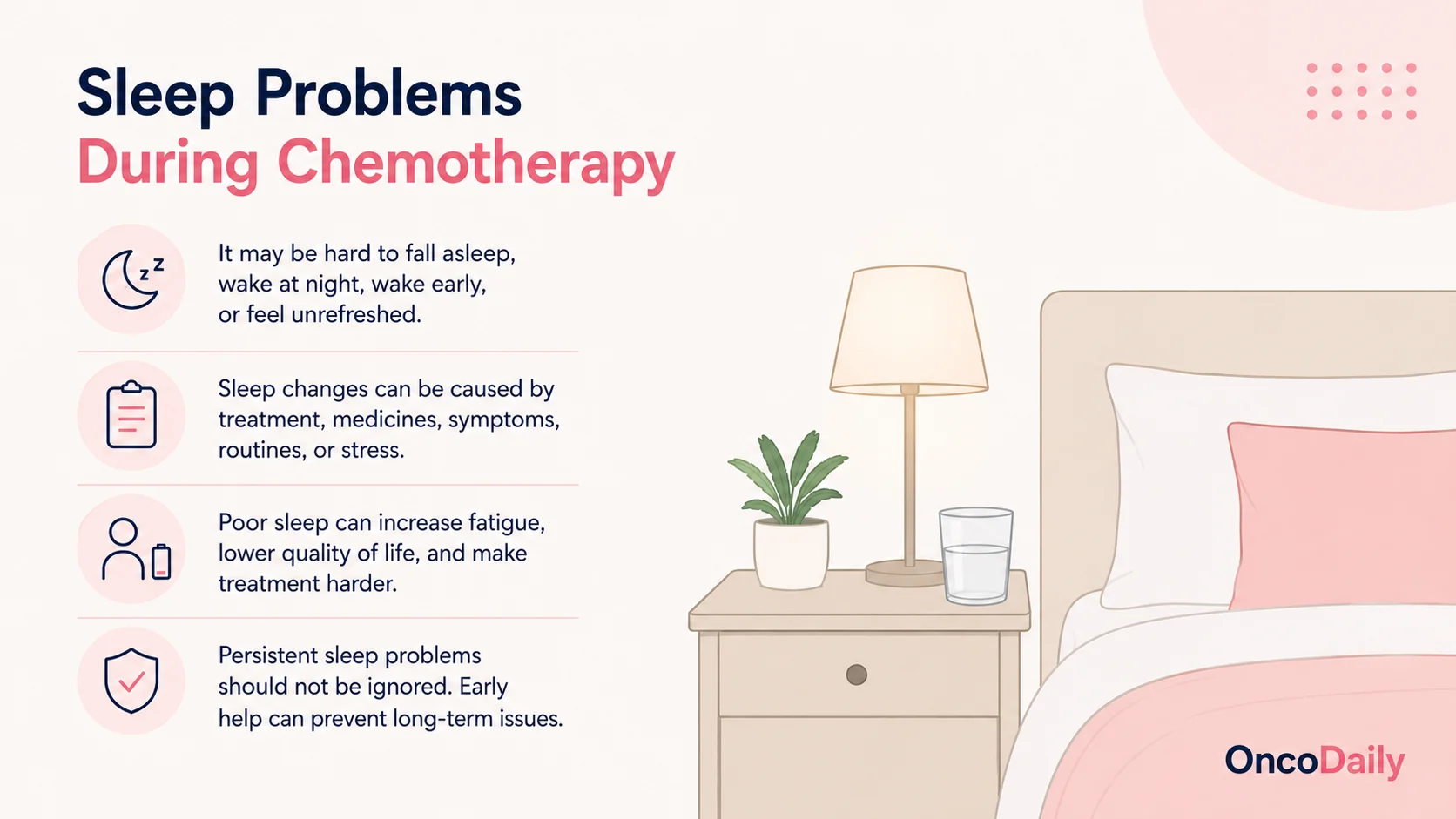
- Sleep problems are common during chemotherapy and may include difficulty falling asleep, repeated waking, early waking, or feeling unrefreshed.
- Several factors can disrupt sleep, including nausea, pain, neuropathy, hot flashes, mouth sores, emotional stress, and changes in daily routines.
- Corticosteroids such as dexamethasone can affect sleep, particularly by causing alertness, restlessness, racing thoughts, or difficulty relaxing.
- Poor sleep can worsen other treatment-related problems, including fatigue, anxiety, low mood, concentration difficulties, pain sensitivity, and reduced quality of life.
- Persistent or worsening sleep problems should be discussed with the oncology team. Patients should not start sleep medicines, melatonin, antihistamines, or herbal products without medical advice.
Sleep problems are common during chemotherapy and can affect patients in different ways. Some may struggle to fall asleep, wake frequently during the night, wake earlier than intended, or feel tired and unrefreshed in the morning despite spending enough time in bed.
These changes may be caused by chemotherapy itself, medicines given alongside treatment, physical symptoms, disrupted daily routines, or emotional stress. Poor sleep can intensify fatigue, affect mood and concentration, reduce quality of life, and make the overall treatment experience more difficult.
Although sleep disturbance is not usually dangerous on its own, persistent or worsening sleep problems should not be overlooked. Identifying the cause early can help the healthcare team manage contributing symptoms and reduce the risk of temporary sleep difficulties developing into long-term insomnia.
Why Sleep Changes Happen
Chemotherapy can affect sleep in several ways. Treatment-related symptoms such as nausea, pain, hot flashes, mouth sores, itching, diarrhea, constipation, or general discomfort may make it difficult to relax or remain asleep.
Medicines given before, during, or after chemotherapy may also contribute. Corticosteroids such as dexamethasone are commonly used to prevent nausea or allergic reactions, but they can increase alertness, restlessness, or energy. These effects may be particularly noticeable when steroids are taken later in the day, and sleep disturbance has been described as a possible concern associated with corticosteroid use during cancer treatment (NCI, 2015; Cancer Research and Treatment, 2020).
Emotional factors can interfere with sleep as well. Worry about treatment, test results, side effects, work, family responsibilities, or the future may cause the mind to remain active at bedtime.
Sleep disturbance in people with cancer is usually caused by several overlapping factors, including physical symptoms, treatment effects, inflammation, emotional distress, and changes in the body’s stress response (Otte et al., 2012).
Chemotherapy may also affect the circadian rhythm, the body’s internal clock that regulates sleep and wakefulness. Disruption of this rhythm may help explain why some patients feel exhausted during the day but remain unable to sleep well at night (Otte et al., 2012).
You can also read Why Lung Cancer Patients Feel Worse at Night: Sleep, Anxiety and Breathing Explained by OncoDaily.
When Sleep Problems May Begin
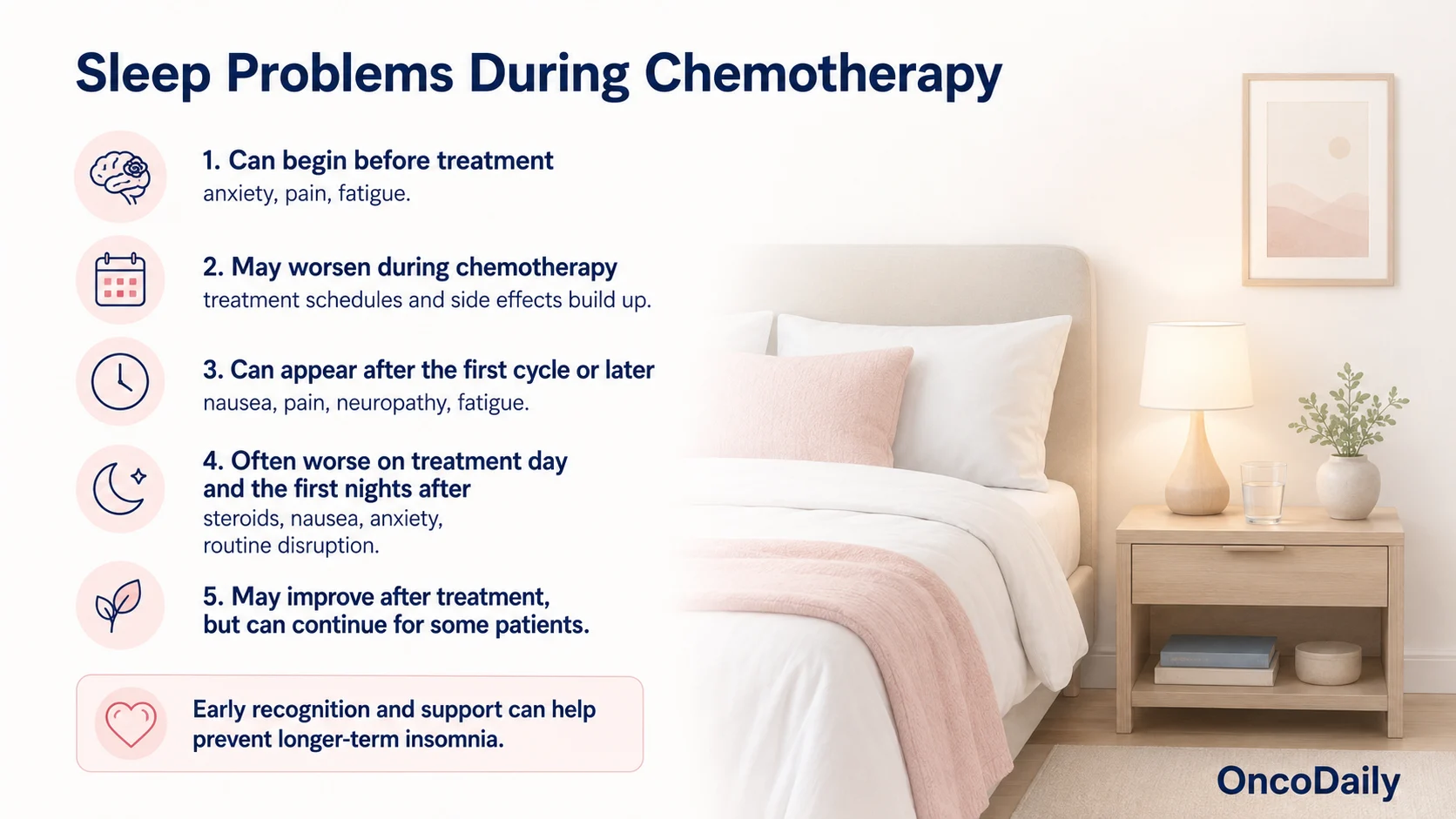
Sleep difficulties can begin even before chemotherapy starts. Anxiety following a cancer diagnosis, uncertainty about treatment, pain, and pre-existing fatigue may already interfere with rest (NCI, 2015).
Sleep may become more disturbed during chemotherapy as treatment schedules become more demanding and side effects accumulate. A longitudinal study of women receiving adjuvant chemotherapy for breast cancer found that poor sleep quality was present before, during, and after treatment. This suggests that sleep disturbance may continue throughout the treatment course rather than occurring at only one stage.
Some patients notice sleep changes after their first chemotherapy cycle, while others develop problems after several cycles as fatigue, nausea, hot flashes, pain, or peripheral neuropathy become more noticeable. Cancer treatment and the accumulation of treatment-related symptoms may contribute to worsening insomnia over time (Wang et al., 2015).
Sleep may be particularly difficult on the day of chemotherapy and during the first few nights afterward. Steroid medicines, nausea, pain, anxiety, and disruption of the usual daily routine may all contribute to poorer sleep during this period.
For some patients, sleep gradually improves after treatment. For others, insomnia may continue into survivorship, particularly when it is not identified and managed early. Research has shown that sleep difficulties can remain present even after chemotherapy has ended (Sanford et al., 2013).
How Common Are Sleep Problems?
Sleep disturbance is very common among people receiving cancer treatment. The National Cancer Institute (2015) reported that as many as half of people with cancer may experience sleep-related problems during treatment.
In a study of women receiving adjuvant chemotherapy for breast cancer, Sanford et al., (2013) found poor sleep quality in approximately 48.5% to 65.8% of participants at different stages of treatment.
It was found that cancer treatment and treatment-related side effects were associated with worsening insomnia symptoms over time. (Wang et al., 2015)
More recent research suggests that insomnia may be even more frequent in certain chemotherapy populations. It was reported insomnia in 74.8% of patients undergoing chemotherapy. This does not mean that every patient will develop insomnia, but it highlights the importance of routinely asking patients about their sleep. (Vishwajith et al., 2026)
What Sleep Problems May Look Like
Chemotherapy-related sleep disturbance can take several forms. Some patients have difficulty falling asleep, known as sleep-onset insomnia, while others fall asleep normally but wake frequently during the night.
Patients may also wake earlier than intended and be unable to return to sleep. Others may feel sleepy during the day but continue to experience poor-quality sleep at night.
Sleep may become fragmented, restless, or unrefreshing, and several patterns can occur at the same time. A patient may struggle to fall asleep, wake repeatedly, rise too early, and still feel tired the following morning.
Poor sleep is also closely linked to fatigue and reduced energy. As a result, patients may spend more time resting without feeling fully refreshed or restored (NCI, 2015).
Symptoms That May Disrupt Sleep
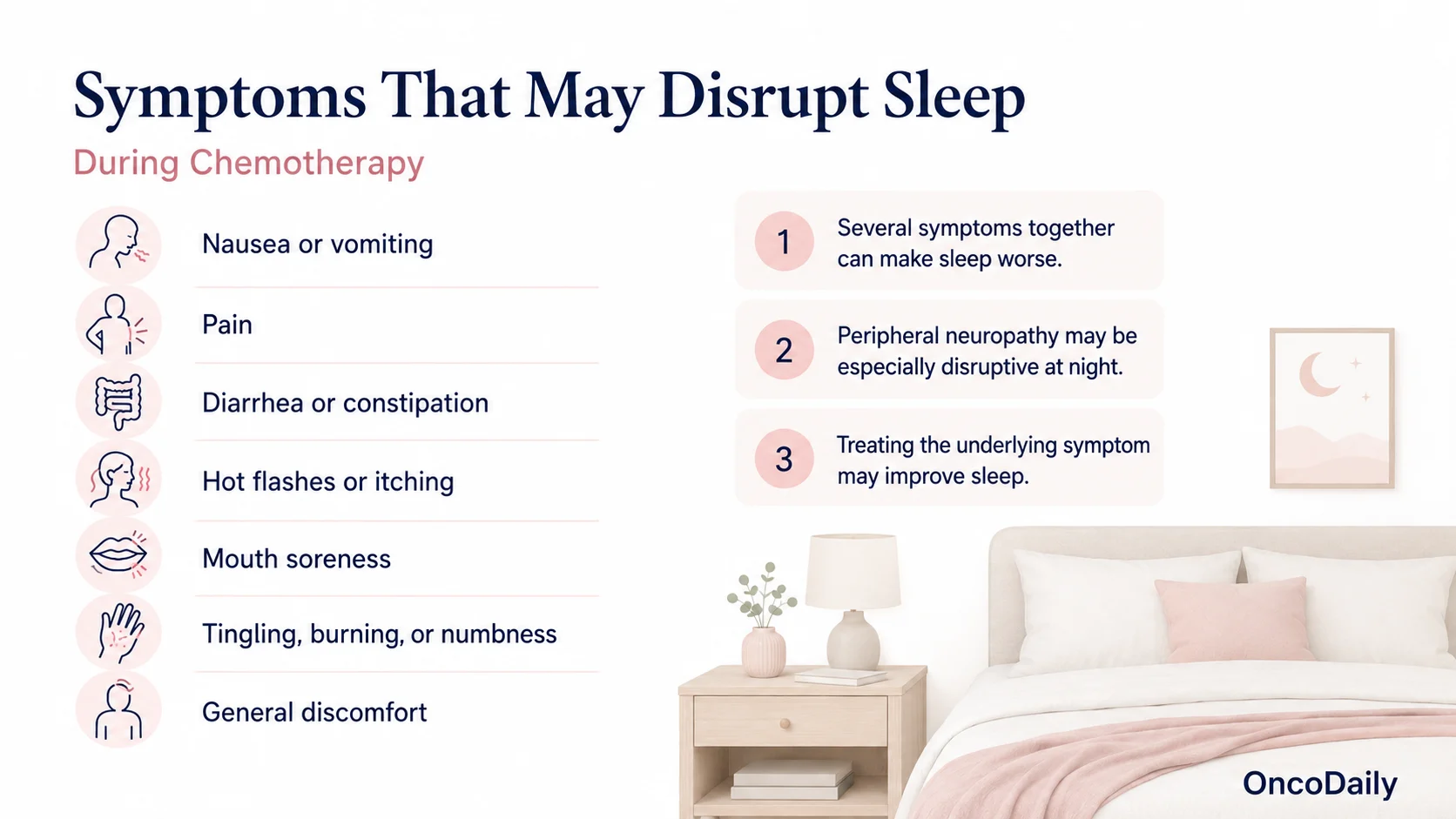
Sleep problems during chemotherapy are often linked to other treatment-related symptoms, including nausea, vomiting, pain, diarrhea, constipation, hot flashes, itching, mouth soreness, peripheral neuropathy, and general physical discomfort. When several symptoms occur at the same time, their combined effect can make it much harder to fall asleep or remain asleep throughout the night (Wang et al., 2015).
Peripheral neuropathy may be especially disruptive at night. Burning, tingling, numbness, shooting or electric-like pain, and increased discomfort when lying still can interfere with rest. More severe neuropathy has also been associated with poorer sleep quality in patients receiving chemotherapy (Sleep Dysfunction Study, 2023).
Factors That Can Make Sleep Problems Worse
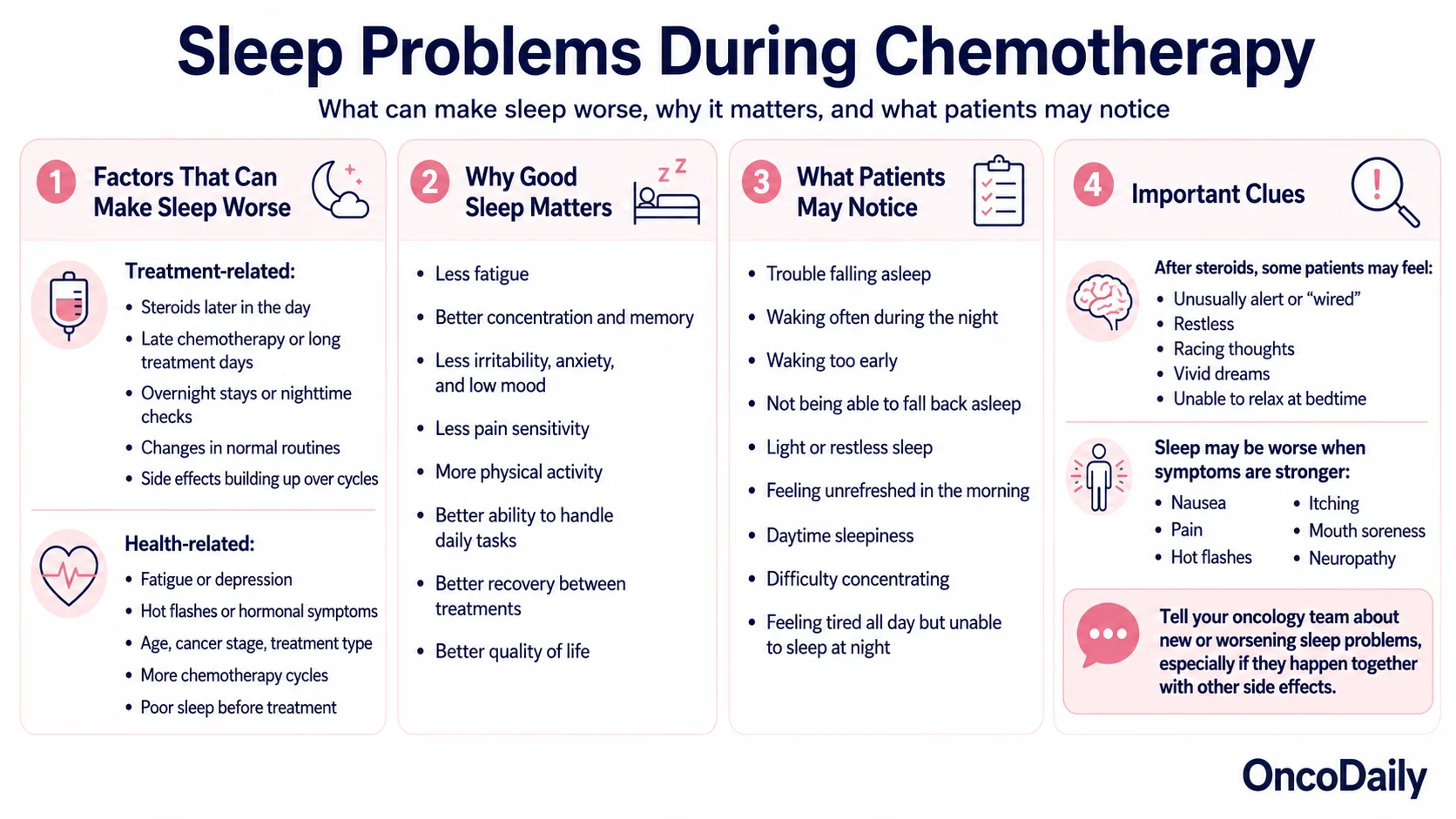
Several treatment-related and personal factors can increase the risk of poor sleep during chemotherapy. Corticosteroids such as dexamethasone may cause alertness or restlessness, particularly when taken later in the day. Late chemotherapy appointments, long treatment days, overnight hospital stays, nighttime medical checks, and changes in normal eating, activity, or sleep routines can also disrupt rest. Sleep may become more difficult as side effects accumulate over several chemotherapy cycles. Patients should discuss the timing of steroid medicines with their healthcare team rather than changing the schedule on their own (NCI, 2015).
Health-related factors
Poor sleep during chemotherapy can be influenced by a range of physical and emotional factors. Severe fatigue, depression, hot flashes, and hormonal or endocrine symptoms may all make it harder to fall asleep, remain asleep, or feel refreshed the next morning (Sanford et al., 2013).
The risk of insomnia may also vary according to age, cancer stage, treatment type, number of chemotherapy cycles, and sleep patterns that were present before treatment began. These findings suggest that sleep disturbance is shaped not only by chemotherapy itself but also by the patient’s overall health, emotional well-being, and baseline sleep habits (Vishwajith et al., 2026).
Why Good Sleep Matters During Chemotherapy
Sleep is not only a matter of comfort. It can influence how a patient feels, functions, and copes throughout cancer treatment. Poor sleep may worsen fatigue, reduce concentration, affect memory, increase irritability or low mood, heighten anxiety, and make pain feel more intense. It can also reduce physical activity, make daily responsibilities more difficult, and lower overall quality of life. Research has shown a close relationship between sleep disturbance, emotional distress, concentration problems, pain sensitivity, fatigue, and reduced well-being (Otte et al., 2012; Sanford et al., 2013).
Inadequate sleep may also make it harder for patients to recover between treatment sessions and manage the physical and emotional demands of cancer care (NCI, 2015).
When a patient reports poor sleep, the healthcare team may review possible contributing factors such as pain, nausea, hot flashes, neuropathy, anxiety, depression, steroid use, daytime sleeping, physical activity, and bedtime habits. Sleep problems and related treatment symptoms should be monitored throughout cancer care so that their underlying causes can be identified and managed early.
What Patients May Notice
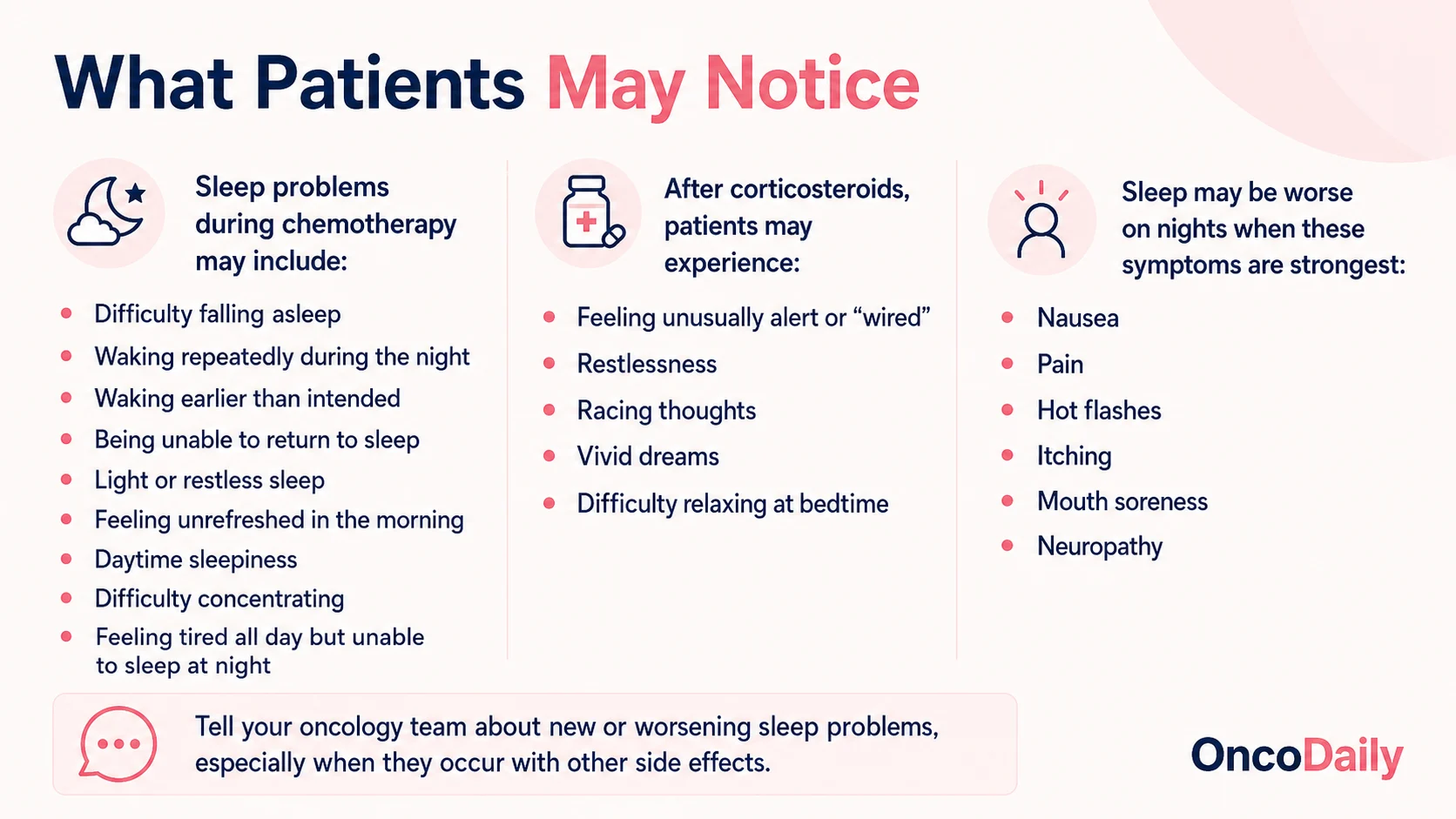
Chemotherapy-related sleep problems can appear in different ways. Some patients have difficulty falling asleep, while others wake repeatedly during the night, wake earlier than intended, or struggle to return to sleep. Sleep may feel light, restless, or unrefreshing, leaving patients tired in the morning even after spending several hours in bed. Daytime sleepiness, difficulty concentrating, and feeling exhausted throughout the day but unable to sleep at night are also common signs of sleep disturbance during cancer treatment (NCI, 2015).
You can also read Chemotherapy and Side Effects: What to Expect and How to Manage Them on OncoDaily.
Corticosteroids given before, during, or after chemotherapy can also affect sleep. Some patients may feel unusually alert or “wired,” restless, or unable to relax at bedtime. Racing thoughts, vivid dreams, and increased energy may be particularly noticeable on treatment days or during the nights immediately afterward. Steroid-related effects should be considered when sleep suddenly worsens around chemotherapy sessions (Cancer Research and Treatment, 2020).
Sleep may also become more disturbed when other treatment-related symptoms are severe. Nausea, pain, hot flashes, itching, mouth soreness, and peripheral neuropathy can make it difficult to become comfortable or remain asleep. Physical discomfort may keep the nervous system alert and prevent patients from entering or maintaining deeper, more restorative stages of sleep (Otte et al., 2012).
Patients should mention new, persistent, or worsening sleep problems during oncology appointments, especially when sleep changes occur together with pain, nausea, neuropathy, mood changes, or other treatment-related side effects. Identifying and managing the underlying cause may help improve both sleep and overall well-being during chemotherapy.
When to Speak With the Healthcare Team
Patients should contact their healthcare team if sleep problems continue for several nights, become progressively worse, cause severe daytime sleepiness, or make it difficult to function normally. Medical advice is also important when sleep disturbance worsens fatigue, anxiety, depression, or pain; begins after starting a new medicine; interferes with eating or taking medications; makes it difficult to attend treatment appointments; or affects work, self-care, and daily responsibilities.
Prompt medical attention is needed if sleep disturbance is accompanied by breathing difficulty, confusion, severe agitation, unusual behavior, extreme restlessness, or sudden changes in awareness.
Patients should not begin sleeping pills, antihistamines, herbal remedies, melatonin, or other supplements without first discussing them with the oncology team. These products may interact with cancer medicines or may not be safe for every patient.
Written by Marine Marachlian, MD
FAQ
Are sleep problems common during chemotherapy?
Yes. Many patients have trouble falling asleep, staying asleep, or feeling refreshed in the morning.
Can sleep problems begin before chemotherapy?
Yes. Anxiety, pain, fatigue, and uncertainty after a cancer diagnosis may disturb sleep before treatment starts.
Why can chemotherapy make sleep worse?
Treatment schedules, side effects, emotional stress, hospital stays, and changes in daily routines may all affect sleep.
Can corticosteroids cause insomnia?
Yes. Steroids such as dexamethasone may cause alertness, restlessness, racing thoughts, or difficulty relaxing.
Which side effects commonly disrupt sleep?
Pain, nausea, hot flashes, itching, mouth soreness, digestive problems, and peripheral neuropathy may interfere with rest.
Why is neuropathy often worse at night?
Burning, tingling, numbness, or shooting pain may become more noticeable when the patient lies still.
Can poor sleep make chemotherapy fatigue worse?
Yes. Poor sleep may increase fatigue, reduce concentration, affect mood, and make daily activities more difficult.
What signs of sleep disturbance should patients notice?
Common signs include waking repeatedly, waking too early, restless sleep, daytime sleepiness, and feeling tired but unable to sleep.
Can treating other side effects improve sleep?
Yes. Managing pain, nausea, hot flashes, anxiety, or neuropathy may improve sleep without requiring separate sleep medication.
When should sleep problems be reported?
Patients should tell their oncology team when sleep problems are persistent, worsening, or occurring together with other side effects.