
Breast radiotherapy can be an emotionally and physically difficult experience for many women, yet they often hesitate to speak about how hard it feels. Not because it isn’t challenging, but because they believe they shouldn’t complain. Sitting in waiting rooms, they compare their stories with others and tell themselves they should be grateful. Slowly, guilt settles in — and silence follows.
“Others Have It Worse”
This sentence appears early. It may come from others or from within.
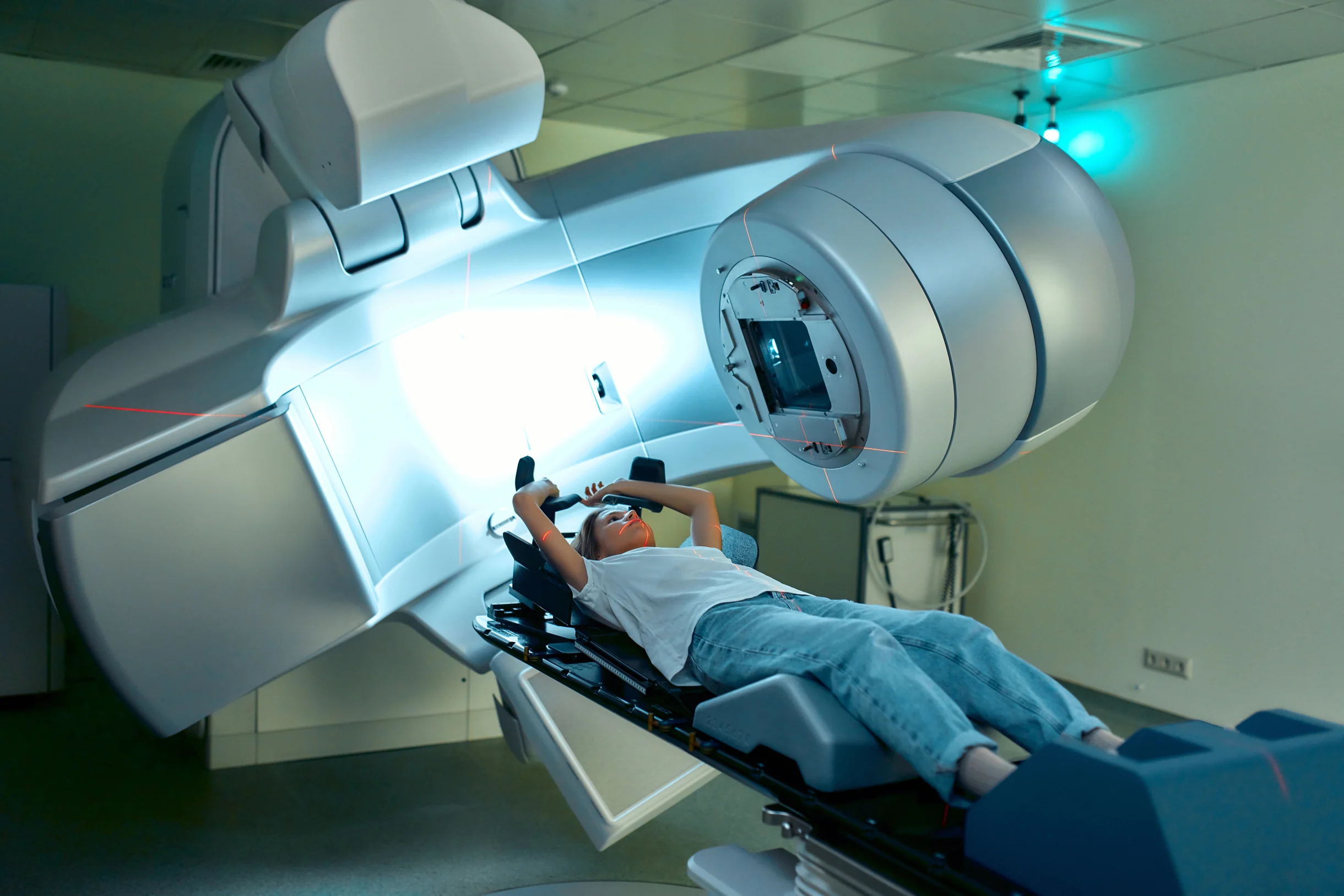
Breast radiotherapy is often framed as the “easier” part of cancer treatment.
- No hair loss.
- No nausea
- Short daily sessions.
Against that backdrop, discomfort can feel illegitimate. Women minimise what they feel before anyone else has the chance to.
When Gratitude Becomes Silence
Many patients feel deep gratitude for access to treatment. For modern techniques. For care teams. For outcomes, but gratitude can quietly turn into self-censorship.
- Women stop mentioning fatigue.
- They dismiss sleep disruption.
- They downplay emotional strain.
They worry that acknowledging difficulty sounds ungrateful. It doesn’t.
The Invisible Weight of Daily Treatment
Breast radiotherapy rarely overwhelms in dramatic ways. Its impact is cumulative. The daily routine. The constant awareness of the treated side. The mental preparation required each morning. Because none of this looks severe, patients often assume it shouldn’t feel heavy. But quiet strain is still strain.
Comparing Experiences Creates Distance
Comparison is common — and rarely helpful. Some women finish radiotherapy feeling relieved. Others feel drained. Some feel both at once. Hearing that someone else “had no issues” can increase self-doubt.
“Why am I struggling?”
The answer is simple: experiences are individual. Treatment is standardized. Response is not.
When Complaints Feel “Too Small” to Mention
Many women wonder where the line is.
- What is worth mentioning?
- What is too minor?
- What sounds excessive?
This uncertainty leads to silence. But care teams cannot respond to what remains unspoken. Discomfort does not need to be dramatic to deserve attention.
Emotional Effort Is Still Effort
Breast radiotherapy asks patients to show up every day — emotionally present, cooperative, and resilient. That effort is invisible. Patients may look composed while feeling exhausted inside. Feeling worn down does not mean treatment is failing. It means the person is human.
The Cost of Carrying It Alone
When guilt prevents expression, strain accumulates. Patients feel isolated in experiences they assume they are supposed to tolerate easily. They may question their resilience. They may blame themselves for struggling. None of this helps recovery.
A Reassurance Many Women Need
Acknowledging difficulty does not diminish gratitude. Complaining does not cancel strength. Speaking honestly about the experience does not make treatment heavier — it makes it more manageable. Radiotherapy does not require silence to be successful.
A Final Thought
Breast radiotherapy is often described as “well tolerated.” That description leaves little room for nuance. Some days feel light. Others don’t. Both can exist at the same time. Allowing space for discomfort does not mean losing perspective. It means giving the experience the honesty it deserves.
Written By Eftychia Tataridou, MD