Can a century-old medical compound offer new possibilities in cancer treatment? As methylene blue gains attention online, researchers are examining its biological effects, potential applications in oncology, and the questions that remain unanswered. Methylene blue has become an increasingly discussed substance in health and wellness communities, attracting attention for its possible effects on cellular energy, brain function, aging, and cancer. Once primarily associated with laboratory staining and established medical procedures, the compound is now being promoted through social media, podcasts, and discussions about experimental treatments.
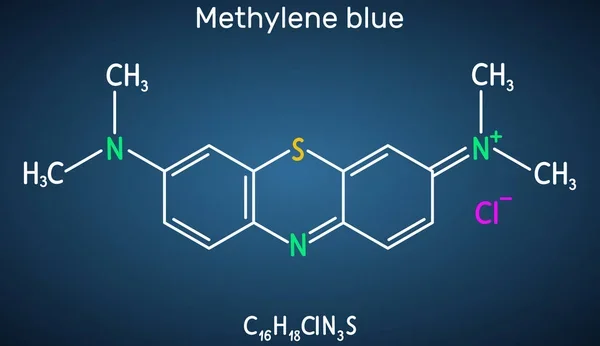
Photo: Depositphotos
Interest in methylene blue is not entirely new. Scientists have investigated its chemical and biological properties for decades, including its interactions with mitochondria, oxidative processes, and light-sensitive cellular mechanisms. More recently, research into photodynamic therapy has brought renewed attention to its potential applications in oncology.
For patients and families navigating a cancer diagnosis, however, the growing discussion raises important questions. What does methylene blue actually do inside the body? Why are scientists studying it in relation to cancer? How much of the available evidence comes from laboratory experiments, and what has been tested in humans? Understanding these distinctions is essential when evaluating emerging medical research, particularly when experimental findings begin circulating beyond the scientific community.
What Is Methylene Blue and How Does It Work?
Methylene blue, also known as methylthioninium chloride, is a synthetic chemical compound belonging to the phenothiazine family. First developed in the nineteenth century as a textile dye, it later became an important tool in laboratory research and clinical medicine because of its distinctive staining properties and ability to participate in oxidation-reduction reactions. Unlike ordinary dyes, methylene blue is pharmacologically active. Its effects depend on the administered dose, route of exposure, chemical formulation, and biological environment.
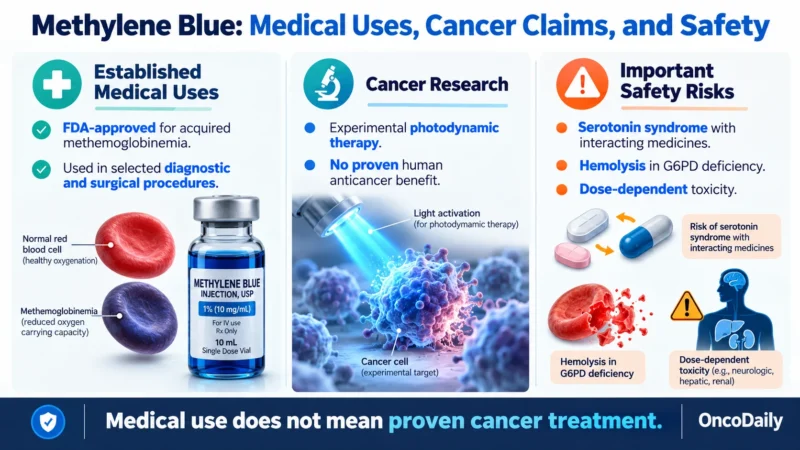
One of its established medical applications is the treatment of acquired methemoglobinemia, a condition in which hemoglobin becomes less effective at carrying oxygen through the bloodstream. Under normal circumstances, the iron within hemoglobin is predominantly maintained in its ferrous state (Fe²⁺), allowing oxygen to bind and be transported to tissues. In methemoglobinemia, excessive amounts of hemoglobin contain oxidized ferric iron (Fe³⁺), reducing the blood’s ability to deliver oxygen effectively. In appropriately selected patients, methylene blue helps convert methemoglobin back into functional hemoglobin through an NADPH-dependent biochemical reduction pathway.
The compound also has applications in selected diagnostic and surgical procedures, including tissue staining, lymphatic mapping, and visualization of anatomical structures. Beyond these established uses, methylene blue has attracted research interest because of its effects on mitochondrial electron transport and cellular redox processes. Depending on the conditions, it can participate in reactions that influence oxidative stress and energy metabolism. These properties have prompted investigations into neurological disorders, cellular aging, and cancer biology. However, the clinical significance of these effects depends on the disease being studied and the evidence available from properly conducted human research (Bužga et al., 2022).
Why Is Methylene Blue Being Investigated for Cancer Treatment?
The scientific interest in methylene blue as a potential anticancer compound is largely associated with photodynamic therapy (PDT), a treatment approach that combines a photosensitizing agent, light of an appropriate wavelength, and oxygen within the target tissue. Methylene blue can absorb light in the red region of the visible spectrum. Following activation, it may transfer energy to surrounding molecules and generate reactive oxygen species (ROS), including singlet oxygen.
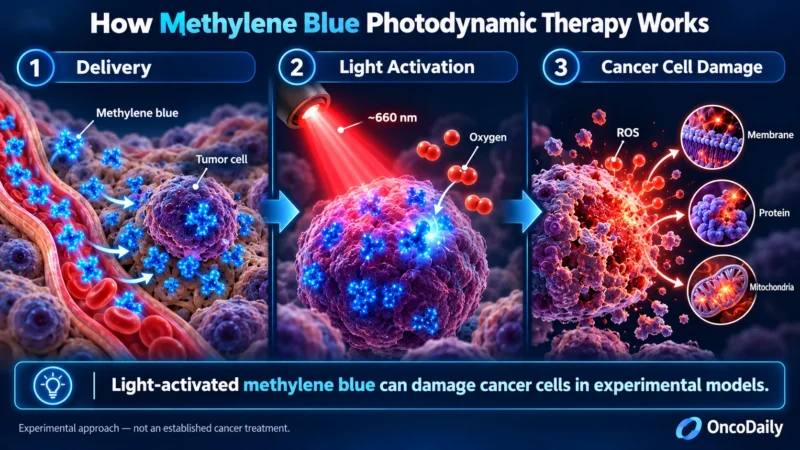
These reactive molecules can damage cellular membranes, proteins, mitochondria, and other structures essential for cell survival. Depending on the extent of damage and the biological environment, exposed cells may undergo apoptosis, necrosis, or other forms of cell death. This mechanism has attracted attention because researchers can potentially control where the light is delivered, allowing the photosensitizer to become activated within a selected treatment area.
However, several factors influence the effectiveness of photodynamic therapy. The compound must reach the targeted tissue at an appropriate concentration, the light must penetrate to the necessary depth, and sufficient oxygen must be present to support the photochemical reactions.
These requirements can be particularly challenging in solid tumors, where abnormal blood vessels, uneven drug distribution, and areas of hypoxia may affect treatment response. Methylene blue-mediated photodynamic therapy has therefore been studied in experimental tumor models, including melanoma, colorectal cancer, and other malignancies. The findings have encouraged further investigation into improved formulations and drug-delivery systems, particularly approaches designed to increase the accumulation of photosensitizers within tumors (Taldaev et al., 2023).
Myth 1: Methylene Blue Can Cure Cancer
Scientific reality: Methylene blue has not been proven to cure cancer in humans. Some online discussions describe methylene blue as a cancer treatment based on experimental studies showing its ability to damage malignant cells under specific conditions. However, the evidence supporting these claims comes predominantly from preclinical research rather than large, controlled trials involving patients with cancer. A 2023 systematic review published in Frontiers in Pharmacology investigated methylene blue-mediated photodynamic therapy across experimental cancer models. Several included studies reported reductions in tumor size after treatment, suggesting that the compound may have meaningful biological activity when used with controlled light activation.
Nevertheless, these findings did not establish that methylene blue could produce durable tumor responses, prevent recurrence, or improve survival in patients. The distinction between experimental anticancer activity and clinically demonstrated effectiveness is important. A compound may successfully damage malignant cells under experimental conditions yet fail to achieve meaningful results in the human body because of limitations involving drug delivery, toxicity, tumor biology, or treatment resistance.
The American Cancer Society has also addressed public claims surrounding methylene blue, noting that the compound has not been proven to prevent, treat, or cure cancer and is not approved as a standard anticancer treatment. There is currently no convincing human clinical evidence that taking methylene blue alone can eliminate tumors or replace evidence-based oncologic therapies (Taldaev et al., 2023; American Cancer Society, 2026).
Myth 2: If Methylene Blue Kills Cancer Cells, It Must Work in Patients
Scientific reality: Cancer-cell death under experimental conditions does not automatically translate into effective treatment in humans. Under controlled laboratory conditions, methylene blue can produce significant cellular damage, particularly when combined with appropriately delivered light. Researchers can expose cultured cancer cells to specific concentrations of a photosensitizer and determine how those cells respond to treatment. However, an isolated cancer-cell culture cannot reproduce the complexity of a tumor developing inside the human body.
Human tumors contain malignant cells interacting with immune cells, fibroblasts, blood vessels, extracellular matrix components, and surrounding healthy tissues. These interactions influence tumor growth, resistance to therapy, and the distribution of drugs.
The tumor microenvironment may also contain poorly oxygenated regions, which can limit therapies dependent on oxygen-mediated reactions. Another important consideration is the balance between anticancer activity and toxicity. A concentration that damages malignant cells experimentally may also harm normal tissues when administered to a patient. For a compound to become an established cancer treatment, clinical trials must demonstrate an acceptable safety profile and meaningful benefits, such as improved disease control, symptom relief, quality of life, or survival. These outcomes cannot be inferred solely from laboratory experiments.
Myth 3: Methylene Blue Prevents Cancer
Scientific reality: There is no reliable clinical evidence that taking methylene blue reduces the risk of developing cancer. Some claims about cancer prevention are based on methylene blue’s effects on mitochondrial function and oxidative processes. Mitochondria play important roles in cellular energy production, metabolism, and signaling. Alterations in mitochondrial function are also involved in cancer biology, making them an important subject of research.
However, influencing mitochondrial activity does not necessarily prevent malignant transformation. Cancer development is a complex, multistage process involving accumulated genetic and epigenetic alterations, disrupted growth regulation, environmental exposures, interactions with the immune system, and changes in surrounding tissues. The relationship between oxidative stress and cancer is particularly complicated. Excessive oxidative damage can contribute to DNA mutations and carcinogenesis, but reactive oxygen species can also participate in mechanisms that destroy cancer cells. Consequently, the assumption that a substance capable of modifying oxidative pathways must prevent cancer is scientifically unsupported.
Established cancer-prevention strategies include avoiding tobacco, limiting alcohol consumption, maintaining physical activity, receiving recommended vaccinations, and participating in appropriate screening programs. Methylene blue has not been shown to provide comparable preventive benefits and is not recommended as a cancer-prevention supplement (American Cancer Society, 2026).
Myth 4: Methylene Blue Is Used in Cancer Surgery, So It Must Treat Tumors
Scientific reality: A compound’s use during cancer surgery does not mean that it directly destroys malignant cells. Methylene blue has legitimate applications in selected surgical and diagnostic procedures because of its ability to stain tissues and help clinicians identify anatomical structures. In selected surgical settings, methylene blue or related blue dyes may be used for tissue visualization or lymphatic mapping, including sentinel lymph-node procedures.
Sentinel lymph-node biopsy helps identify the first lymph nodes likely to receive drainage from a tumor. These nodes may then be removed and examined for evidence of cancer spread. Methylene blue may also be used to identify tissue planes, visualize particular structures, or assist in detecting leaks during surgical procedures. However, its primary purpose in these settings is visualization or diagnosis rather than direct anticancer activity.
A dye that helps a surgeon locate a lymph node is not equivalent to a systemic treatment designed to kill malignant cells throughout the body. This distinction is essential when interpreting statements suggesting that methylene blue is already used in oncology. Its established procedural applications should not be confused with evidence that it treats cancer (Bužga et al., 2022; American Cancer Society, 2026).
What Does Recent Scientific Research Show About Methylene Blue and Cancer?
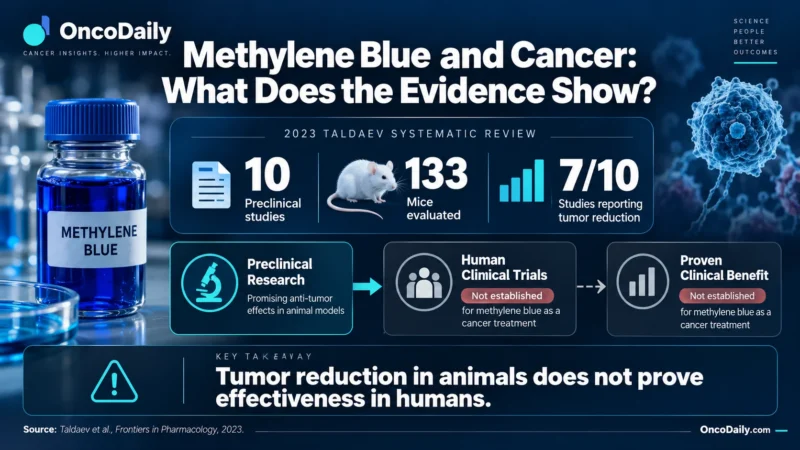
]One of the most comprehensive evaluations of methylene blue’s experimental anticancer effects was published by Taldaev and colleagues in Frontiers in Pharmacology in September 2023. The researchers conducted a systematic review of studies investigating methylene blue-mediated photodynamic therapy in preclinical cancer models. Following PRISMA methodology, they initially identified 189 publications and ultimately included 10 studies that met the eligibility criteria.
Across these studies, a total of 133 mice were evaluated. The investigated methylene blue doses ranged from 0.04 to 24.12 mg/kg, reflecting substantial variation in experimental approaches. Seven of the 10 studies reported reductions in tumor size following photodynamic treatment. The models included colorectal tumors, melanoma, and other carcinomas. Some studies also investigated nanoparticle-based formulations designed to improve drug delivery and increase the compound’s accumulation within malignant tissue.
The researchers observed that these formulations could enhance treatment effectiveness under certain experimental conditions. However, the findings were limited by relatively small study populations, differences in tumor models, and considerable variation in methylene blue formulations, dosing strategies, and light-delivery protocols. Importantly, the systematic review examined preclinical evidence, not randomized trials involving cancer patients. The findings did not demonstrate that methylene blue improves overall survival, prevents recurrence, or produces durable clinical responses in humans. The authors concluded that further research was required before methylene blue-mediated photodynamic therapy could be translated into established clinical practice (Taldaev et al., 2023).
Methylene Blue and Photodynamic Therapy for Oral Lesions
Photodynamic therapy has also been investigated for oral potentially malignant disorders, including leukoplakia, erythroleukoplakia, and oral lichen planus. These conditions are of particular interest because many oral lesions are relatively accessible to externally delivered light, making localized photodynamic approaches technically feasible. A 2025 systematic review by Abdul evaluated photodynamic therapy for oral potentially malignant disorders and early oral cancers.
The review reported encouraging responses for selected oral lesions and noted improvement in oral lichen planus with methylene blue-mediated photodynamic therapy. However, oral lichen planus is not equivalent to oral cancer, and improvement in an inflammatory or potentially malignant oral condition does not establish that methylene blue effectively treats invasive malignancies.
Furthermore, studies of photodynamic therapy may use different photosensitizing agents, which have distinct pharmacological properties, tissue distributions, and light-activation requirements. Their findings cannot automatically be considered interchangeable. Although these results support continued investigation into photosensitizer-based treatments, the evidence base remains limited. Larger controlled trials with standardized protocols are needed to clarify the clinical role of methylene blue in oral oncology (Abdul, 2025).
Can Methylene Blue Help Manage Side Effects of Cancer Treatment?
An additional area of investigation involves the management of complications associated with cancer therapy. One example is oral mucositis, a painful inflammatory condition that can develop following chemotherapy, radiation therapy, or hematopoietic stem-cell transplantation. Patients with severe oral mucositis may experience extensive inflammation, ulceration, difficulty swallowing, impaired nutritional intake, and persistent pain.
These symptoms can significantly affect quality of life and may complicate cancer treatment. In 2022, Roldan and colleagues published a single-blind, randomized phase II clinical trial in BMC Medicine investigating methylene blue oral rinses for pain associated with cancer-treatment-related oral mucositis.
Of 112 patients screened, 69 were enrolled and 60 completed the study. Participants were assigned to conventional therapy alone or conventional therapy combined with one of three methylene blue oral-rinse concentrations: 0.025%, 0.05%, or 0.1%. The investigators reported improvements in pain and oral functioning among patients receiving methylene blue compared with conventional treatment alone.
No serious adverse events were reported during the short-term trial, although some participants experienced transient oral burning or discomfort. These adverse effects were generally mild and self-resolving. However, these findings should not be interpreted as evidence that methylene blue is generally safe when taken systemically or used without medical supervision.
The trial evaluated a specific topical application in a controlled clinical setting. Its relatively small sample size and limited duration also mean that further research is needed to establish optimal dosing, comparative effectiveness, and long-term safety. Most importantly, reducing pain caused by cancer treatment is not the same as treating the cancer itself. An intervention may improve symptoms or quality of life without changing tumor growth, recurrence risk, or cancer-related survival (Roldan et al., 2022).
Why Laboratory Results Do Not Always Translate Into Cancer Treatments
The development of effective cancer therapies involves several stages of investigation. Early laboratory studies help researchers identify biological mechanisms and determine whether a compound has potentially useful effects on malignant cells. Animal studies allow further investigation of drug distribution, toxicity, treatment response, and interactions within living organisms. However, neither laboratory nor animal studies can establish that a treatment will be effective in humans.
Human tumors are biologically heterogeneous. Even cancers arising from the same organ can differ substantially in their genetic alterations, metabolic characteristics, immune environments, and sensitivity to treatment. Drug delivery presents another challenge. A compound that reaches malignant cells easily in a laboratory culture may not penetrate a solid tumor effectively in a patient.
Photodynamic therapy introduces additional requirements, particularly adequate delivery of light and oxygen to the treatment area. Deeply located tumors and poorly oxygenated tissues may be difficult to treat using approaches that depend on these conditions. Clinical trials are therefore necessary to establish whether a treatment can produce meaningful benefits without unacceptable adverse effects. Early-phase trials generally investigate safety, tolerability, and appropriate dosing. Later trials assess clinical effectiveness, often comparing an investigational treatment with established standards of care.
These studies may measure objective tumor response, progression-free survival, overall survival, symptoms, and quality of life. For methylene blue, the critical unanswered question is whether its experimental biological effects can be translated into a safe, effective, and reproducible treatment for patients. Until that evidence becomes available, laboratory findings should be interpreted as a foundation for further research rather than proof of clinical benefit.
Is Methylene Blue Safe? Side Effects, Risks, and Drug Interactions
One of the most concerning aspects of the growing online interest in methylene blue is the assumption that a compound with a long history of medical use must be safe for unsupervised consumption. Methylene blue is a pharmacologically active medicine. Its safety depends on the dose, formulation, route of administration, other medications, and the patient’s underlying medical conditions.
Serotonin Syndrome
Methylene blue can inhibit monoamine oxidase A (MAO-A), an enzyme involved in the breakdown of serotonin. When combined with certain serotonergic medications, this effect can increase the risk of serotonin syndrome, a potentially life-threatening condition caused by excessive serotonergic activity. Symptoms may include agitation, confusion, sweating, fever, tremor, diarrhea, muscle rigidity, hyperreflexia, and changes in heart rate or blood pressure.
Severe cases may progress to seizures, dangerous hyperthermia, or other serious complications. This interaction is especially relevant for people taking antidepressants, including selective serotonin reuptake inhibitors (SSRIs) and serotonin-norepinephrine reuptake inhibitors (SNRIs), as well as certain other serotonergic medicines. The FDA-approved prescribing information for methylene blue injection includes a boxed warning concerning serotonin syndrome. Because patients with cancer may receive antidepressants, pain medications, and other supportive-care drugs, potential interactions require particular attention.
Hemolysis in Patients With G6PD Deficiency
Methylene blue is contraindicated in patients with glucose-6-phosphate dehydrogenase (G6PD) deficiency. G6PD is an enzyme that helps red blood cells protect themselves against oxidative stress. People with this enzyme deficiency may develop hemolytic anemia following exposure to certain medicines or oxidative substances, including methylene blue. Hemolysis can lead to weakness, jaundice, dark urine, and potentially serious complications.
Other Adverse Effects
Depending on the dose and route of administration, methylene blue can cause nausea, vomiting, headache, dizziness, skin irritation, and changes in blood pressure. Temporary discoloration of urine, skin, or other bodily fluids may also occur. At excessive concentrations, the compound can cause additional toxicity, including oxidative injury to red blood cells and worsening methemoglobinemia. Methylene blue also presents risks during pregnancy because of possible fetal harm.
An additional concern is the quality of products available through online marketplaces. Aquarium-grade, laboratory-grade, and other nonpharmaceutical formulations may contain impurities and are not intended for human consumption. The American Cancer Society notes that methylene blue has not been proven to prevent, treat, or cure cancer and advises caution regarding products promoted for unsupported health benefits. Its established medical uses should not be interpreted as evidence that unregulated or unsupervised consumption is safe (American Cancer Society, 2026; Bužga et al., 2022).
Methylene Blue and Cancer: Understanding the Most Common Claims
Several recurring claims about methylene blue have contributed to confusion about its role in cancer care. The first is that methylene blue can cure cancer. Although researchers have demonstrated experimental anticancer activity, there is no convincing human clinical evidence that methylene blue alone eliminates malignancies or improves cancer survival.
Another common claim is that the compound prevents cancer because it influences mitochondria and oxidative stress. However, these biochemical effects have not been shown to reduce cancer incidence in clinical studies. A third claim suggests that methylene blue must be effective against tumors because doctors sometimes use it during cancer surgery. In reality, its established surgical applications generally involve staining, lymphatic mapping, and anatomical visualization rather than direct tumor destruction. Some online discussions also describe methylene blue as a safe supplement because it has been used in medicine for decades. This overlooks its dose-dependent toxicity, contraindications, and potentially serious drug interactions.
Finally, experimental methylene blue-mediated photodynamic therapy is sometimes presented as though it were already a standard cancer treatment. While photodynamic therapy has established applications using particular approved photosensitizers, methylene blue-specific anticancer approaches remain investigational. The central problem with these claims is not necessarily that the underlying scientific observations are fabricated. Rather, experimental findings or legitimate medical uses are being presented as evidence for clinical benefits that have not been demonstrated.
Why Cancer Misinformation About Methylene Blue Matters
Cancer misinformation frequently develops when a legitimate scientific finding is removed from its original context. A laboratory experiment demonstrating cancer-cell death may be described online as proof that a substance cures tumors. A preliminary animal study may be presented as a breakthrough treatment. A medication used in a hospital for one indication may be promoted for an entirely different disease. These claims can appear persuasive because they often contain elements of genuine medical science. However, the clinical implications may be substantially overstated.
For patients undergoing cancer treatment, the consequences can be significant. Delaying or abandoning established therapies in favor of unproven alternatives may reduce the opportunity for effective disease control. This is particularly important for cancers where the timing of surgery, radiation therapy, or systemic treatment can influence long-term outcomes. The problem extends beyond direct replacement of treatment. Patients may also introduce unregulated compounds alongside prescribed medications without informing their healthcare team, increasing the risk of interactions and adverse effects.
At the same time, scientific skepticism should not be confused with dismissing innovative research. Many established cancer treatments originated from experimental observations that initially appeared uncertain. Progress depends on investigating new approaches, revisiting older compounds, and testing promising mechanisms. The critical distinction is whether an intervention has undergone the clinical evaluation necessary to demonstrate meaningful benefits for patients.
What Should Cancer Patients Know Before Considering Methylene Blue?
Patients interested in methylene blue should first distinguish between its established medical indications, experimental applications, and unsupported commercial claims. A substance may have legitimate medical uses without being appropriate for self-administration. Before considering methylene blue, patients should discuss the compound with their treating oncologist or pharmacist, particularly if they are receiving chemotherapy, immunotherapy, radiation therapy, antidepressants, or other medications.
A clinician can assess potential drug interactions, contraindications, and the relevance of available evidence to the patient’s individual circumstances. Patients should also be cautious about online formulations marketed for cognitive enhancement, anti-aging, or cancer prevention. These products may not meet pharmaceutical manufacturing standards and may contain concentrations or impurities that introduce additional risks.
For people seeking additional cancer-treatment options, properly conducted clinical trials offer a scientifically appropriate route for investigating experimental therapies. Patients can discuss clinical trial eligibility with their oncology team rather than substituting unproven interventions for established treatment.
Conclusion: Where Does Methylene Blue Stand in Cancer Research?
Methylene blue has remained relevant to medicine for more than a century because of its distinctive chemical properties and practical clinical applications. Its ability to participate in oxidation-reduction reactions and act as a photosensitizer has also made it an interesting subject of cancer research. Preclinical studies have demonstrated that methylene blue-mediated photodynamic therapy can produce antitumor effects under controlled experimental conditions. Separate clinical investigations suggest that the compound may have applications in supportive cancer care, including the management of oral mucositis pain. However, these findings address different clinical questions and should not be considered evidence of the same therapeutic benefit.
Research showing tumor reduction in animals does not establish effectiveness in patients. Likewise, a treatment that relieves complications associated with cancer therapy does not necessarily have an effect on the underlying malignancy.
The available scientific evidence does not support the use of methylene blue as a substitute for established cancer treatments or as a method of cancer prevention. Its potential applications deserve continued investigation, particularly in photodynamic therapy and carefully defined supportive-care settings. But those applications must be evaluated through rigorous clinical research that establishes safety, effectiveness, and meaningful patient outcomes. At present, methylene blue should not be used outside medical supervision as a cancer treatment or prevention strategy. Methylene blue is a legitimate subject of oncology research, but it is not a proven cancer cure.
You Can Also Read Ivermectin and Cancer: Hope, Hype, and What the Evidence Really Shows by OncoDaily
Written by Aharon Tsaturyan, MD, Editor at OncoDaily Intelligence Unit
FAQ
Can methylene blue cure cancer?
No. There is currently no convincing clinical evidence that methylene blue can cure cancer in humans. Although laboratory and animal studies have shown experimental anticancer activity, methylene blue is not an approved cancer treatment.
Does methylene blue kill cancer cells?
Methylene blue can damage cancer cells under experimental conditions, particularly when activated by light during photodynamic therapy. However, these laboratory findings do not prove that it can safely or effectively kill tumors in patients.
Is methylene blue FDA-approved for cancer treatment?
No. Methylene blue injection is FDA-approved for acquired methemoglobinemia, a blood disorder affecting oxygen transport. It has not been approved by the FDA to treat or prevent cancer.
What does the American Cancer Society say about methylene blue?
The American Cancer Society states that methylene blue has not been proven to prevent, treat, or cure cancer. It recognizes legitimate medical applications but advises caution regarding unsupported health claims and unsupervised use.
Can methylene blue prevent cancer?
No reliable human studies have demonstrated that taking methylene blue reduces cancer risk. Its effects on mitochondria and oxidative stress do not establish that it prevents tumors.
Is it safe to take methylene blue every day?
The safety of daily methylene blue use for general wellness or cancer prevention has not been established. It can cause side effects, interact with antidepressants and certain pain medications, and trigger hemolytic anemia in people with G6PD deficiency.
Why is methylene blue used in cancer surgery?
Methylene blue is used in selected cancer procedures to help visualize tissues and identify lymph nodes during surgery. It may assist with sentinel lymph-node mapping, but these diagnostic uses do not mean that methylene blue directly destroys cancer cells.
Can methylene blue be taken during chemotherapy?
Cancer patients should not take methylene blue during chemotherapy without medical approval. It may interact with medications used during cancer treatment, and there is insufficient evidence to support routine use alongside chemotherapy.
What is methylene blue photodynamic therapy for cancer?
Methylene blue-mediated photodynamic therapy is an experimental approach that uses controlled light exposure to activate methylene blue and generate reactive oxygen species capable of damaging cancer cells. Its effectiveness as a cancer treatment in humans remains unproven.
What are the side effects of methylene blue?
Possible side effects include nausea, vomiting, headache, dizziness, and temporary blue-green discoloration of urine. More serious risks include serotonin syndrome with interacting medicines and hemolytic anemia in patients with G6PD deficiency.