Adding the anti-TIGIT antibody tiragolumab to atezolizumab did not improve outcomes over durvalumab consolidation in patients with locally advanced, unresectable stage III non–small cell lung cancer who had completed concurrent platinum-based chemoradiotherapy without disease progression.
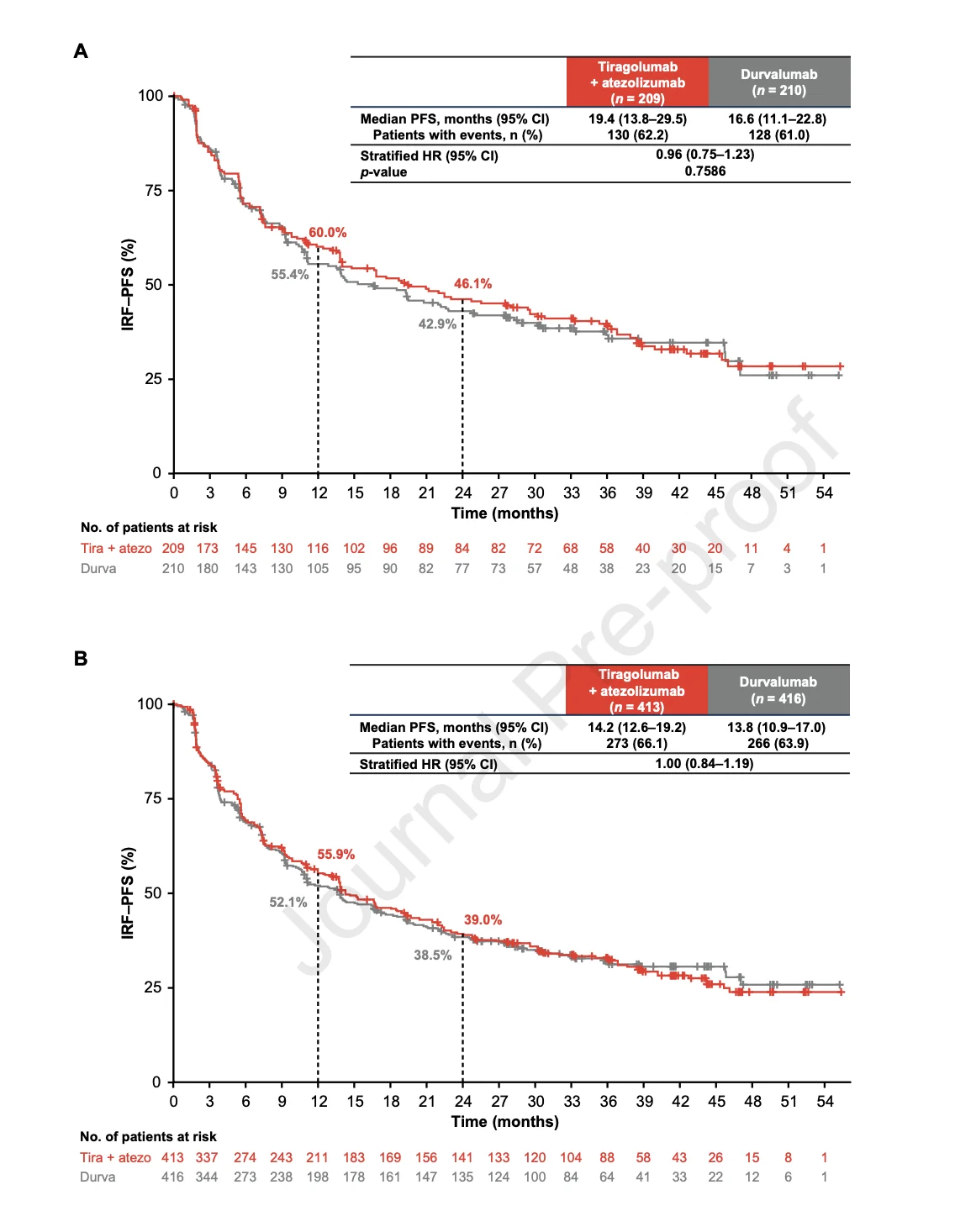
In the phase III SKYSCRAPER-03 trial, median independent-review progression-free survival among patients with PD-L1-positive tumors was 19.4 months with tiragolumab plus atezolizumab and 16.6 months with durvalumab. Despite the numerical difference, the hazard ratio was 0.96, and the result was not statistically significant.
The same pattern was seen across the overall population. Median progression-free survival was 14.2 versus 13.8 months, while median overall survival was 45.6 versus 45.8 months.
The study therefore failed to meet its primary endpoint and provides no evidence that dual TIGIT/PD-L1 checkpoint blockade improves on the established durvalumab consolidation strategy after concurrent chemoradiotherapy (Wakelee et al., 2026).
Why Was SKYSCRAPER-03 Conducted?
Durvalumab after concurrent platinum-based chemoradiotherapy changed the management of unresectable stage III NSCLC after the phase III PACIFIC trial demonstrated improvements in progression-free and overall survival.
Long-term outcomes, however, leave considerable room for improvement. The SKYSCRAPER-03 authors note that at five years in PACIFIC, 42.9% of patients receiving durvalumab were alive and 33.1% remained alive and progression free.
This created interest in adding another checkpoint target to PD-L1 inhibition.
TIGIT is an inhibitory immune receptor expressed on several immune-cell populations, including natural killer cells, CD4-positive and CD8-positive T cells, and regulatory T cells. Tiragolumab is an Fc-active monoclonal antibody designed to block TIGIT-mediated immune suppression.
The strategy had previously generated encouraging evidence in metastatic NSCLC. In the randomized phase II CITYSCAPE study, tiragolumab plus atezolizumab produced an objective response rate of 31.3% versus 16.2% with atezolizumab alone and improved progression-free survival, with an HR of 0.57.
Those findings provided the rationale for testing dual TIGIT and PD-L1 inhibition in the post-chemoradiotherapy setting (Wakelee et al., 2026).
How Was SKYSCRAPER-03 Designed?
SKYSCRAPER-03, registered as NCT04513925, was a phase III, open-label, randomized, multicentre trial conducted at 177 locations across North America, South America, Australia, New Zealand, Europe, and Asia between August 2020 and July 2025.
Patients had newly diagnosed, locally advanced, unresectable stage IIIA, IIIB, or IIIC NSCLC and had completed at least two cycles of concurrent platinum-based chemoradiotherapy without disease progression.
All patients had an ECOG performance status of 0 or 1 and known PD-L1 status determined centrally using the VENTANA SP263 assay.
Patients with known EGFR mutations or ALK rearrangements were excluded, as were patients who had previously received immune checkpoint inhibitors.
A total of 829 patients were randomized: 413 to tiragolumab plus atezolizumab and 416 to durvalumab.
The PD-L1-positive population, defined as tumor-cell expression of at least 1%, included 419 patients, with 209 assigned to tiragolumab plus atezolizumab and 210 to durvalumab (Wakelee et al., 2026).
What Treatments Did Patients Receive?
Patients in the experimental group received tiragolumab at 840 mg intravenously every four weeks combined with atezolizumab at 1680 mg every four weeks.
The control group received durvalumab at 10 mg/kg every two weeks, or 1500 mg every four weeks for patients weighing at least 30 kg.
Treatment continued for a maximum of 13 28-day cycles in both groups.
Randomization was stratified by ECOG performance status, PD-L1 expression, disease stage, and squamous versus nonsquamous histology.
The primary endpoint was independent review facility-assessed progression-free survival in the PD-L1-positive population. Overall survival and safety were key secondary endpoints.
Did Tiragolumab Plus Atezolizumab Improve PFS?
No.
At the May 27, 2025 data cutoff, median follow-up was 33.0 months in the PD-L1-positive population.
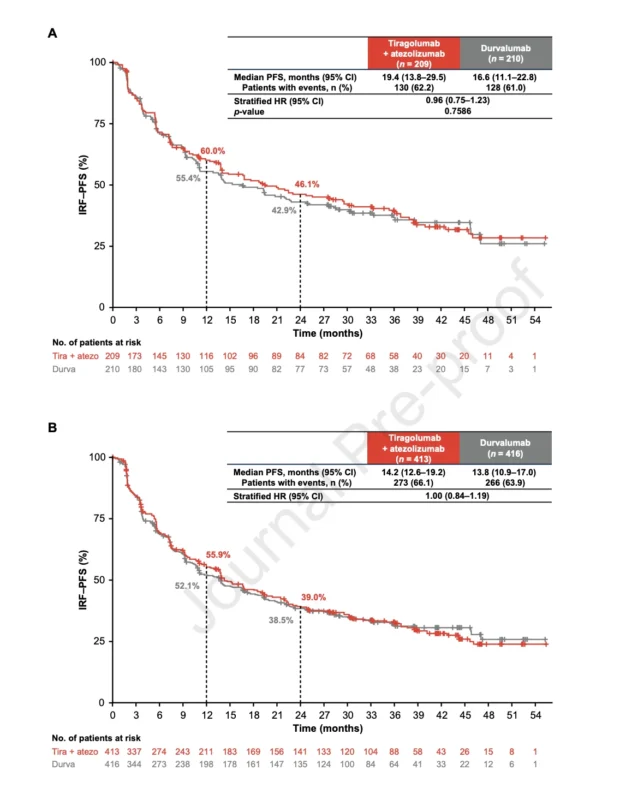
Median independent-review progression-free survival was:
19.4 months with tiragolumab plus atezolizumab versus 16.6 months with durvalumab.
The stratified hazard ratio was:
- HR 0.96; 95% CI, 0.75–1.23; p=0.76
At 12 months, progression-free survival was 60.0% with the combination and 55.4% with durvalumab. At 24 months, the rates were 46.1% and 42.9%, respectively.
Although these percentages numerically favored the combination, the survival curves did not demonstrate a significant treatment advantage.
The Kaplan–Meier curves shown in Figure 1A on page 35 illustrate the substantial overlap between the two treatment arms over follow-up.
Because the primary hierarchical endpoint was negative, subsequent efficacy analyses were considered descriptive rather than formally confirmatory.
What Happened in the Overall Population?
The results were even more closely aligned when all patients were included regardless of PD-L1 expression.
Median progression-free survival was:
14.2 months with tiragolumab plus atezolizumab versus 13.8 months with durvalumab.
The hazard ratio was:
- HR 1.00; 95% CI, 0.84–1.19
Twelve-month progression-free survival was 55.9% and 52.1%, while 24-month progression-free survival was 39.0% and 38.5%.
The corresponding curves in Figure 1B on page 35 are nearly superimposable, reinforcing the absence of additional disease-control benefit from adding tiragolumab.
Did Overall Survival Improve?
Overall survival also showed no evidence of benefit.
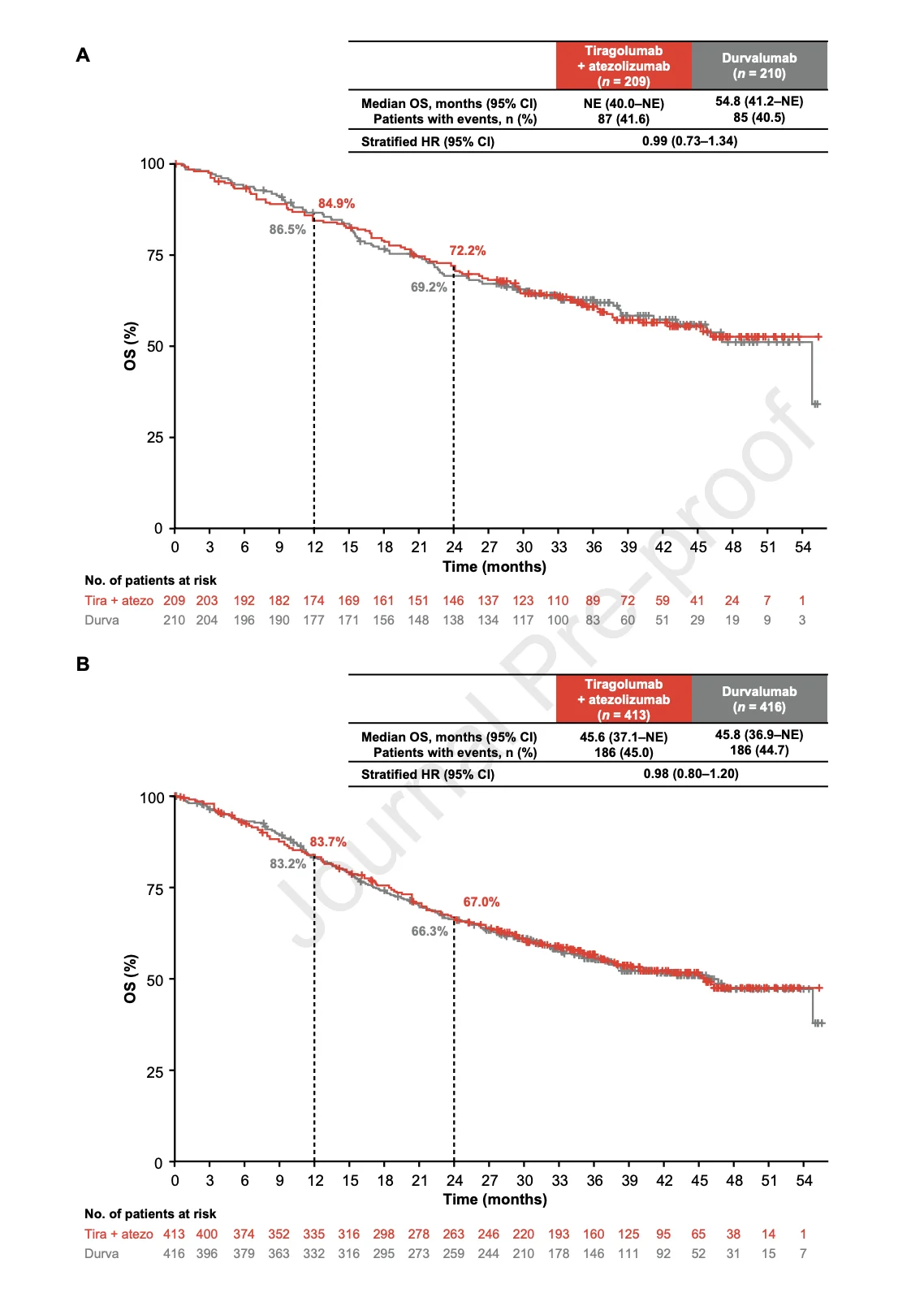
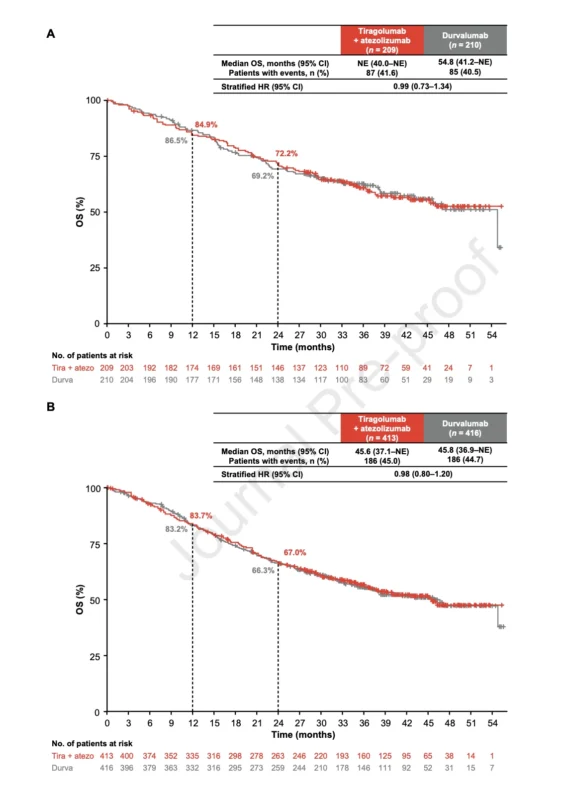
Among patients with PD-L1-positive disease, median overall survival had not yet been reached with tiragolumab plus atezolizumab and was 54.8 months with durvalumab.
The hazard ratio was:
- HR 0.99; 95% CI, 0.73–1.34
At 12 months, overall survival was 84.9% with the combination and 86.5% with durvalumab. At 24 months, the rates were 72.2% and 69.2%, respectively.
Among all randomized patients, median overall survival was essentially identical:
- 45.6 months with tiragolumab plus atezolizumab versus 45.8 months with durvalumab
- HR of 0.98; 95% CI, 0.80–1.20.
The overall survival curves presented in Figure 2 on page 36 remain closely aligned throughout follow-up in both the PD-L1-positive and all-comer populations.
Did Any Clinical Subgroup Appear to Benefit?
The investigators reported that progression-free survival and overall survival findings were generally consistent across the predefined clinical subgroups in the PD-L1-positive population.
This is important because a negative overall trial can sometimes conceal a clinically distinct population with greater sensitivity to the investigational strategy.
SKYSCRAPER-03 did not identify a clear subgroup in which tiragolumab plus atezolizumab produced a convincing advantage over durvalumab.
The results therefore do not support selecting patients for the combination using the routinely assessed clinical characteristics evaluated in the study.
Could TIGIT Expression Identify Responsive Patients?
The investigators also explored whether the level of TIGIT expression in tumor-infiltrating immune cells could identify patients more likely to benefit from dual checkpoint blockade.
It did not.
Independent-review progression-free survival was generally consistent regardless of TIGIT expression.
This finding addresses one of the major challenges facing anti-TIGIT development: the absence of a validated predictive biomarker that can distinguish tumors likely to depend on the TIGIT pathway.
The authors note that future success with TIGIT-directed therapy could require a more precise understanding of both predictive biomarkers and the way chemoradiotherapy alters the immune microenvironment (Wakelee et al., 2026).
Was the Combination More Toxic?
Overall rates of adverse events were nearly identical, but immune-mediated and treatment-related toxicities were more frequent with the dual-checkpoint combination.
Among 820 safety-evaluable patients, any-grade adverse events occurred in 97.5% with tiragolumab plus atezolizumab and 97.3% with durvalumab.
Grade 3 or 4 adverse events occurred in 26.5% and 25.7%, respectively.
Treatment-related adverse events, however, were more frequent with the combination at 80.3% versus 67.1%.
Grade 3 or 4 treatment-related adverse events occurred in 13.8% versus 10.7%.
The detailed safety table on page 33 also shows similar serious adverse-event rates of 32.9% and 32.2%, respectively.
Which Adverse Events Were Most Common?
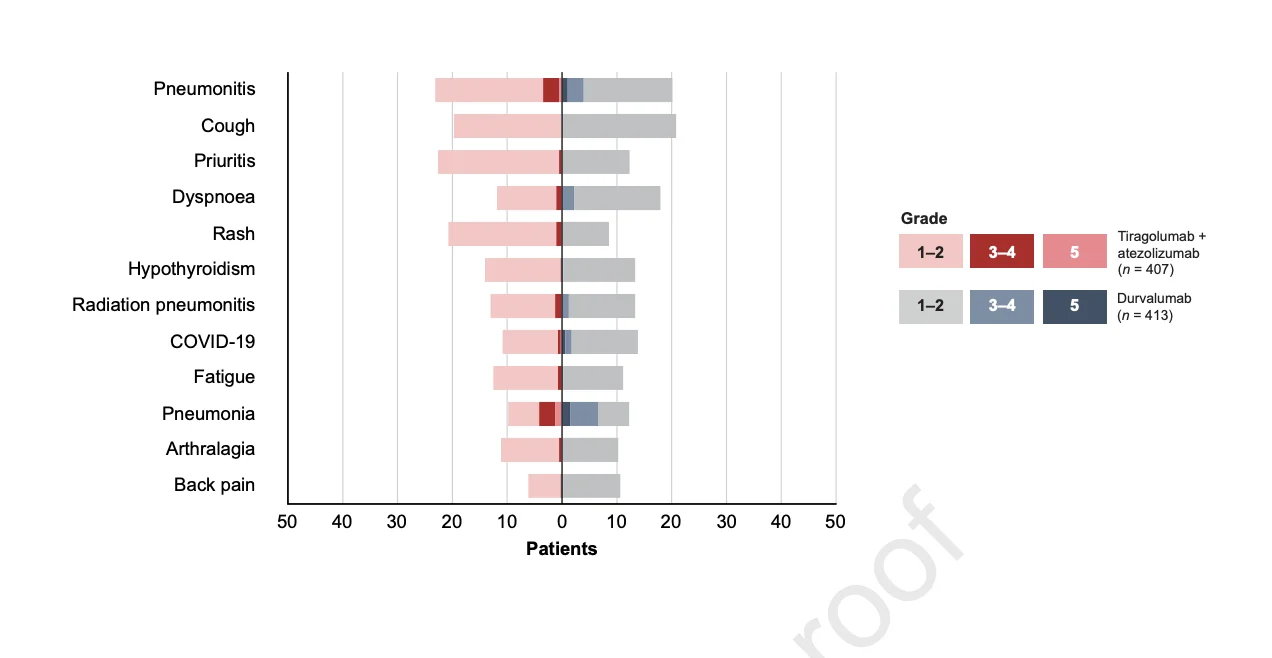
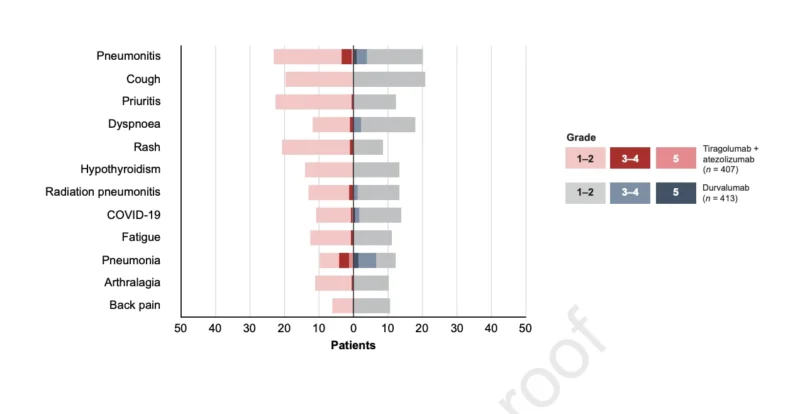
The most frequently reported adverse events with tiragolumab plus atezolizumab were pneumonitis at 23.1%, pruritus at 22.6%, rash at 20.6%, and cough at 19.7%.
With durvalumab, the most common events were cough at 20.8%, pneumonitis at 20.1%, and dyspnoea at 17.9%.
The adverse-event distribution is illustrated in Figure 3 on page 37, which shows broadly similar overall toxicity profiles but greater dermatologic toxicity in the combination group.
Pneumonitis remained particularly important because all participants had previously received definitive thoracic chemoradiotherapy.
Were Immune-Mediated Adverse Events Increased?
Yes.
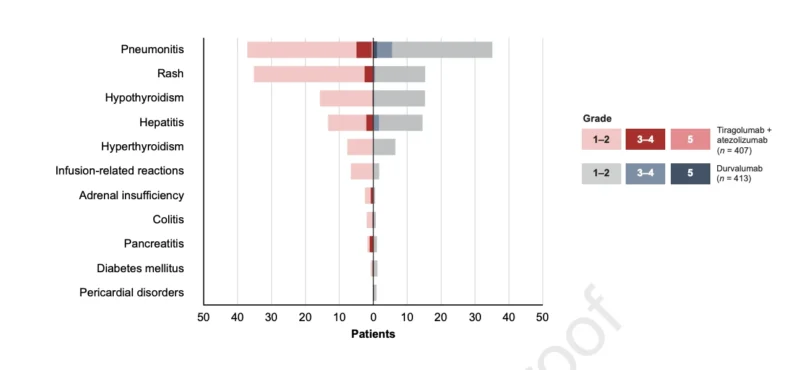
Immune-mediated adverse events occurred in 76.4% of patients receiving tiragolumab plus atezolizumab versus 62.2% receiving durvalumab.
Most were grade 1 or 2, but the difference indicates a greater immune-toxicity burden with dual-checkpoint inhibition.
Systemic corticosteroids were required to manage immune-mediated adverse events in:
33.7% with tiragolumab plus atezolizumab versus 23.5% with durvalumab.
Systemic immunosuppressive treatment beyond corticosteroids was used in 2.7% and 1.0%, respectively.
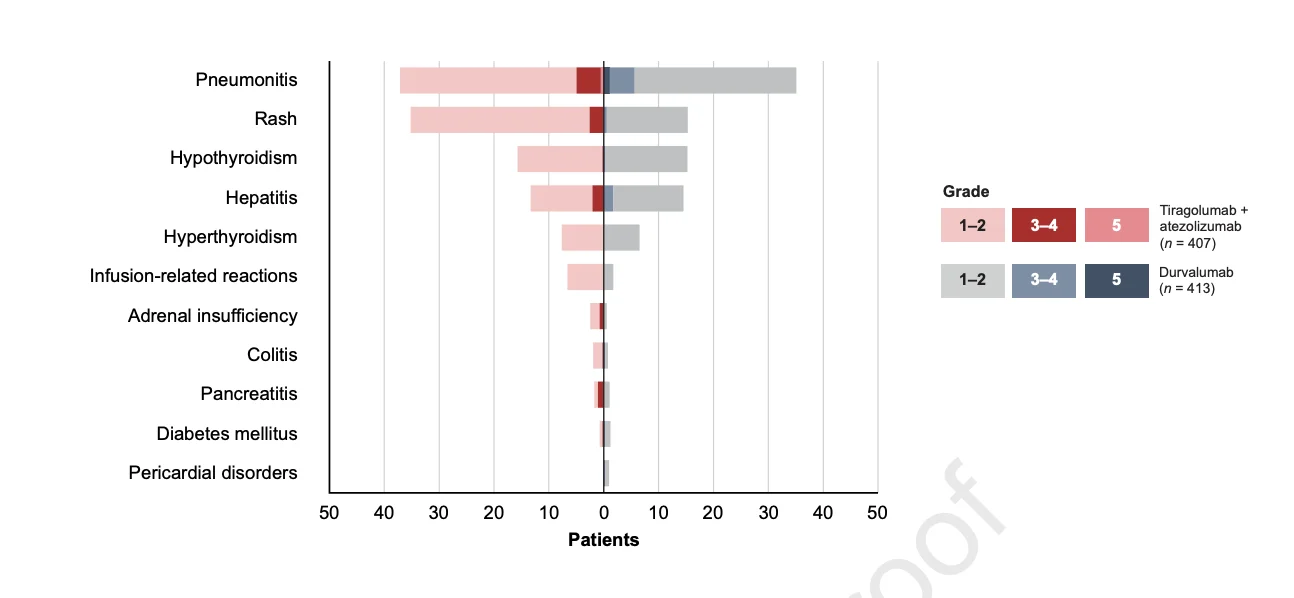
Pneumonitis, rash, hepatitis, and hypothyroidism were among the most common immune-mediated events. Figure 4 on page 38 visualizes these toxicity patterns and shows particularly greater rates of rash and several other immune-mediated events with the combination.
Did More Patients Stop Treatment Because of Toxicity?
Treatment withdrawal because of adverse events was more frequent with tiragolumab plus atezolizumab.
Adverse events led to treatment discontinuation in:
- 15.5% with tiragolumab plus atezolizumab versus 9.0% with durvalumab.
Pneumonitis was the most common cause, leading to withdrawal in 5.9% and 3.6%, respectively.
Dermatologic adverse events resulted in treatment withdrawal in five patients receiving the combination and no patients receiving durvalumab.
Colitis was also reported more often with the combination.
These findings are relevant because the experimental strategy added toxicity and treatment discontinuations without providing measurable improvement in PFS or OS.
What About Fatal Adverse Events?
Grade 5 adverse events from any cause occurred in 6.6% of patients receiving tiragolumab plus atezolizumab and 7.5% receiving durvalumab.
Treatment-related grade 5 events were less frequent:
- 0.5% with tiragolumab plus atezolizumab versus 1.7% with durvalumab.
Two treatment-related deaths in the combination arm were attributed to pneumonia and pneumonitis.
Seven treatment-related deaths occurred in the durvalumab group: four from pneumonia and three from pneumonitis.
The authors concluded that these findings did not suggest increased treatment-related mortality with tiragolumab plus atezolizumab despite the higher rate of immune-mediated toxicity and treatment withdrawal (Wakelee et al., 2026).
Why Is This Result Important for Anti-TIGIT Therapy?
SKYSCRAPER-03 adds to a growing series of negative trials evaluating intensified immunotherapy strategies in unresectable stage III NSCLC.
The authors discuss several studies that have attempted to improve on post-chemoradiotherapy durvalumab, including PACIFIC-02, CheckMate-73L, KEYVIBE-006, and other concurrent or sequential immunotherapy strategies.
Thus far, none of these approaches has established a survival advantage over the PACIFIC strategy in this setting.
SKYSCRAPER-03 is particularly important because it directly tested dual TIGIT and PD-L1 inhibition against durvalumab rather than against placebo.
The failure to demonstrate added efficacy, together with negative findings from other TIGIT programs, further challenges the strategy of broadly adding TIGIT inhibition without a validated predictive biomarker.
The paper also notes that the clinical development program for tiragolumab was discontinued in July 2025 following multiple SKYSCRAPER studies that failed to meet their primary endpoints (Wakelee et al., 2026).
Does Durvalumab Remain the Standard After Concurrent Chemoradiotherapy?
The SKYSCRAPER-03 results reinforce rather than displace the established role of durvalumab.
The experimental combination failed to improve progression-free survival in the prespecified PD-L1-positive population and did not improve outcomes in the broader all-comer population.
Overall survival was also essentially identical between treatment strategies.
At the same time, immune-mediated adverse events, corticosteroid use, and treatment discontinuation were more frequent with tiragolumab plus atezolizumab.
Within the population studied, the trial therefore provides no evidence that adding TIGIT blockade improves the benefit-risk profile of consolidation immunotherapy after concurrent chemoradiotherapy.
Which Strategies Are Still Being Investigated?
The negative result does not end attempts to improve outcomes after definitive chemoradiotherapy.
The authors highlight several ongoing approaches.
PACIFIC-08 is investigating the anti-TIGIT antibody domvanalimab combined with durvalumab. PACIFIC-09 is evaluating durvalumab with either the anti-CD73 antibody oleclumab or the NKG2A-directed antibody monalizumab.
KEYLYNK-012 is studying pembrolizumab with concurrent chemoradiotherapy followed by pembrolizumab with or without the PARP inhibitor olaparib.
The broader lesson from SKYSCRAPER-03 is that adding another immune checkpoint does not automatically translate into greater clinical benefit. Patient selection, treatment timing, and biomarker development remain central challenges.
What Are the Main Limitations?
SKYSCRAPER-03 was open label because the treatment regimens had different dosing and administration requirements, making blinding impractical.
The investigators also identify the absence of an early futility analysis as a limitation. Such an analysis could potentially have identified the lack of benefit earlier during study conduct.
Another important issue is biological rather than methodological. The study lacked a validated biomarker capable of identifying patients in whom TIGIT blockade was likely to be therapeutically relevant.
Although TIGIT expression was explored, it did not discriminate treatment benefit.
The results therefore apply to an unselected TIGIT-targeted approach rather than excluding the possibility that a biologically defined subgroup could benefit from future TIGIT-directed strategies.
The Bottom Line
The phase III SKYSCRAPER-03 study did not demonstrate an advantage for tiragolumab plus atezolizumab over durvalumab after concurrent platinum-based chemoradiotherapy in unresectable stage III NSCLC.
In the primary PD-L1-positive population, median progression-free survival was 19.4 versus 16.6 months, with an HR of 0.96 and p=0.76.
Among all patients, median progression-free survival was 14.2 versus 13.8 months, while median overall survival was almost identical at 45.6 versus 45.8 months.
TIGIT expression did not identify a population with improved progression-free survival from the combination.
Although no new safety signals emerged, immune-mediated adverse events occurred more frequently with tiragolumab plus atezolizumab, at 76.4% versus 62.2%, and treatment withdrawal due to adverse events occurred in 15.5% versus 9.0%.
The findings reinforce durvalumab as the benchmark consolidation strategy following concurrent chemoradiotherapy and highlight the continuing difficulty of improving outcomes through broader immune-checkpoint combinations alone.
References
- Wakelee HA, Ahn MJ, Bradley J, Popat S, Kelly K, Baird AM, Ozyilkan O, Yu J, Lee SY, Yanagitani N, Johnson M, Sánchez-Hernández A, Szczesna A, Cuppens K, Yao E, Parsons C, Matheny C, Zhang Z, White MN, Hsu JJ, Patil NS, Dziadziuszko R. SKYSCRAPER-03: a phase III study of tiragolumab plus atezolizumab versus durvalumab in locally advanced, unresectable, stage III NSCLC after platinum-based concurrent chemoradiation. Annals of Oncology. 2026. doi:10.1016/j.annonc.2026.07.414.
- Antonia SJ, Villegas A, Daniel D, et al. Durvalumab after chemoradiotherapy in stage III non-small-cell lung cancer. New England Journal of Medicine. 2017;377:1919–1929.
- Spigel DR, Faivre-Finn C, Gray JE, et al. Five-year survival outcomes from the PACIFIC trial: durvalumab after chemoradiotherapy in stage III non-small-cell lung cancer. Journal of Clinical Oncology. 2022;40:1301–1311.
- Cho BC, Abreu DR, Hussein M, et al. Tiragolumab plus atezolizumab versus placebo plus atezolizumab as first-line treatment for PD-L1-selected NSCLC: CITYSCAPE. Lancet Oncology. 2022;23:781–792.