





This week in OncoDaily Immuno-Oncology, clinical advances and future-facing strategies underscore a rapidly evolving IO landscape — from perioperative enfortumab vedotin plus pembrolizumab reshaping muscle-invasive bladder cancer care, to next-generation T-cell engineering, therapeutic cancer vaccines, and emerging T-cell engagers in AML. Highlights also include data-first approaches to immunotherapy, renewed focus on TIL biology, and growing momentum across global IO collaborations, signaling continued progress toward more precise, durable, and accessible cancer immunotherapies.
Sara Coca Membribes (Clinical Research Fellow to Prof Powles at Barts Health NHS Trust):
“KEYNOTE-B15/EV-304 shows a statistically significant benefit in EFS, OS and pCR rates for perioperative EV + Pembrolizumab vs neoadjuvant chemo for cis-eligible patients with MIBC.
The paradigm is shifting away from a “one-size-fits-all” approach toward ctDNA-guided and perioperative ICI strategies, but does adjuvant immune checkpoint inhibition have a future in MIBC?
Read our article here.”
Javier Molina Cerrillo (Attending Physician in Medical Oncology at Ramón y Cajal Hospital):
“New press release just published! The EV 304 study, combining enfortumab vedotin with pembrolizumab in patients with MIBC eligible for cisplatin, significantly increases event-free survival, OS, and CR rates vs. standard treatment. New options are coming for our patients!”
Alicia Zhou (CEO at Cancer Research Institute):
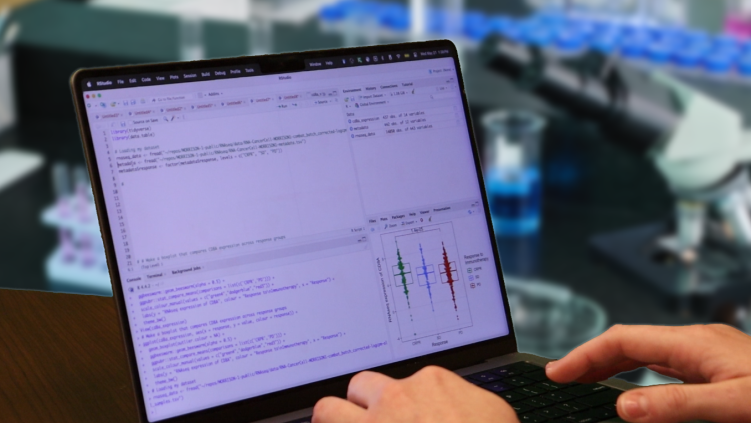
“The next era of immunotherapy will be data-first.
At Cancer Research Institute (CRI), we’ve been preparing for this moment – investing in talent, training, and shared data resources to help the field unlock deeper insight and better outcomes.
What comes next will raise the collective batting average for discovery. More to come!”
John Hickey (Assistant Professor at Duke University):
“Thrilled to share that I’ve been named a V Foundation Scholar Award recipient!
This multi-year award from the V Foundation for Cancer Research will support our lab’s efforts at Duke BME to tackle a major challenge in cancer immunotherapy:
How can we better engineer T cells to overcome the barriers that solid tumors create?
While T cell therapies have transformed outcomes for some blood cancers, solid tumors like pancreatic, colorectal, and lung cancers remain incredibly difficult to treat.
Our lab is working to change that – using advanced multiplex imaging and quantitative tools to understand how T cells move, interact, and function within real tumor environments, and how we can guide them to be more effective cancer killers.
I’m deeply grateful to my fantastic team, collaborators, mentors, and the Duke community for making this work possible – and to the V Foundation for investing in early-career researchers working to push the boundaries of cancer science.
Excited to dive into this next chapter and to share what we learn as we work toward more effective immunotherapies for patients.
Duke Engineering recently wrote a wonderful feature on the project and why this work could matter for T cell cancer therapies – check it out.”
Niti Raizada (Principal Director, Medical Oncology & HematoOncology at Fortis Hospitals):
“Cancer Therapeutic Vaccines: Training the immune system to recognize and attack cancer cells.
From personalized neoantigen vaccines to dendritic cell–based strategies, therapeutic vaccines represent an exciting shift from treating cancer to educating immunity for durable control.”
See video attached to the post.
Asha Pillai (Vice President of Global Development at Regeneron):
“Getting closer…though perhaps for some of us the interim emphasis on T-driven immunotherapy appeared an impediment early on given that the original CAR developed by @dario campana was designed to target NK cells to solid tumors, I have landed at the acceptance that the interim biotech development will allow us to move multiple off-the-shelf cellular therapies much more effectively to clinical patient benefit.”
Jeff Jones (Chief Medical Officer at Cullinan Therapeutics):
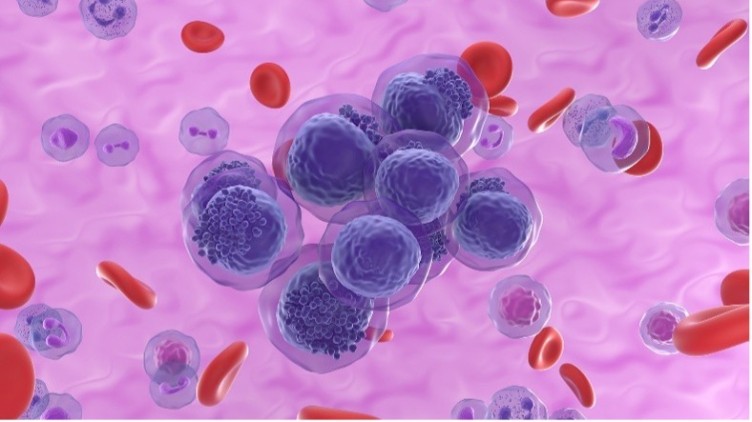
“In my years treating people with acute myeloid leukemia (AML), I witnessed far too many patients exhaust their options, facing relapse with nowhere left to turn. While immunotherapies have transformed progress across other blood cancers, AML has remained stubbornly out of reach. That needs to change.
At Cullinan Therapeutics, we’re seeing early signs that it can. Compelling data shared during ASH25 indicates our investigational T cell engager, CLN-049, could harness the immune system against AML and offer a potent, flexible, and differentiated therapeutic strategy for a broad population.
While there’s still much work ahead, these promising early signals motivate our efforts to advance science with purpose and finally reach patients who need new treatment options.”
Ricky Frazer (Consultant Medical Oncologist at Velindre Cancer Centre):
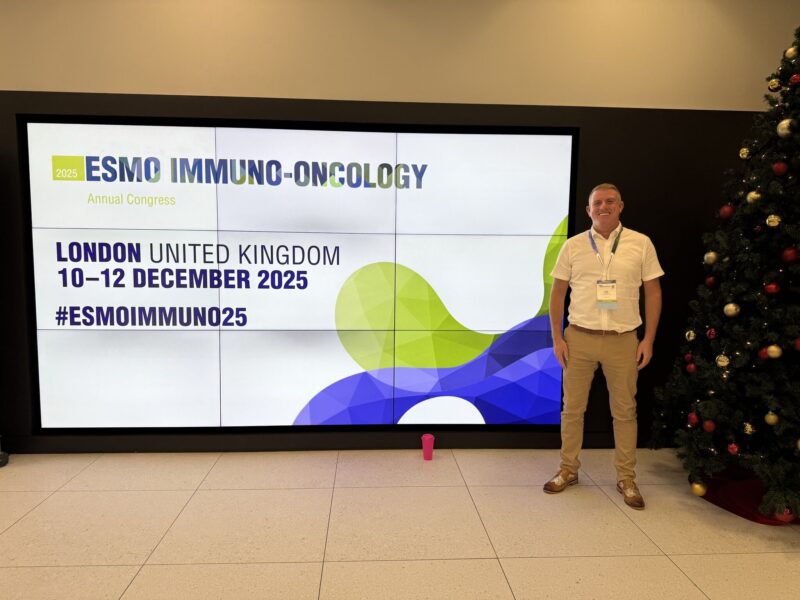
“Thrilled to be at ESMO Immuno-Oncology Congress in London this week – always one of the most energising meetings of the year. Honoured to be presenting our poster on behalf of many international collaborators.
Fantastic science, world-class speakers, and a real sense of momentum across immunotherapy, translational oncology, and next-generation combinations. From practice-changing clinical data to deep dives into tumour biology and resistance, the sessions have been outstanding.
What stands out most is the collective drive to push boundaries — to refine how we select patients, personalise therapy, and bring genuinely meaningful advances to the clinic. The conversations with colleagues, collaborators, and new connections have been equally inspiring.
Exciting times ahead for the field, and great to see London hosting such a dynamic IO community. Looking forward to taking these insights back to practice and into research discussions. Come visit us.”
Marco Donia (Professor at University of Copenhagen):
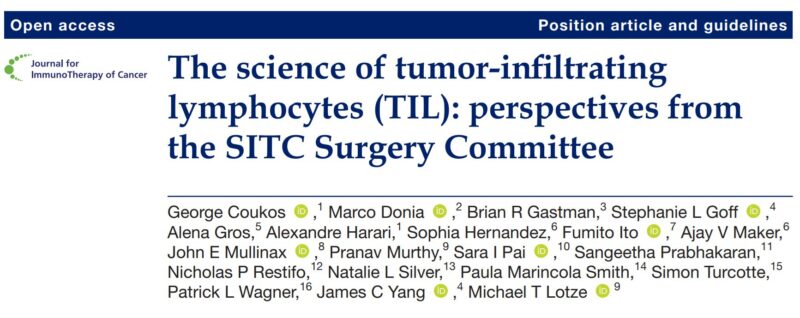
“The science of tumor-infiltrating lymphocytes (TIL)
Pleasure to contribute to this collaborative effort, disentangling the complexity of the only polyclonal, Cell Therapy approved for the treatment of Cancer
Thanks to all contributors, in particular to George Coukos and Michael Lotze for leading this work!”
Buisseret Laurence (Director of the Medical Oncology Department at Institut Jules Bordet):
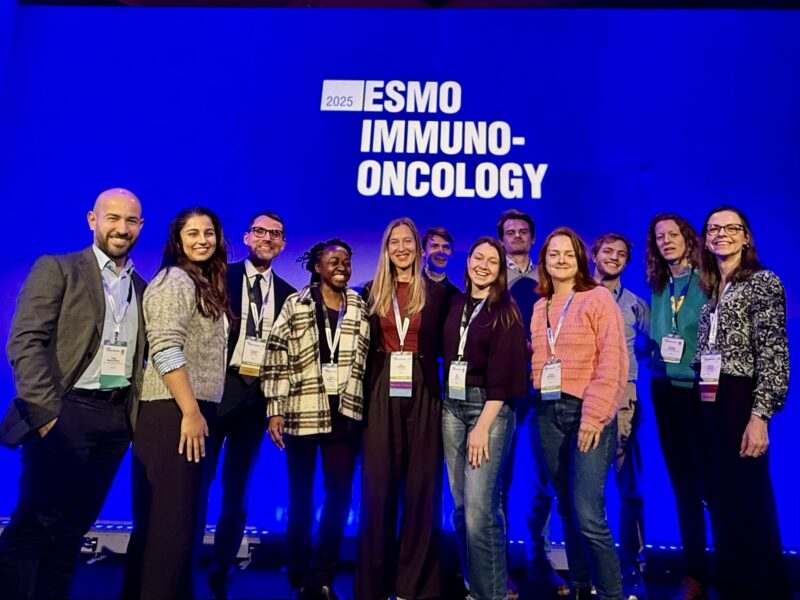
“Institut Jules Bordet Instituut well represented at ESMOImmuno25 immunotherapy has changed the landscape of oncology – now we are stepping into the next generation of immunomodulation to go further for our patients. Thanks to ESMO for this meeting that brings together the IO community.”
Written by Rima Grigoryan, MDc, Assistant Editor of OncoDaily IO.