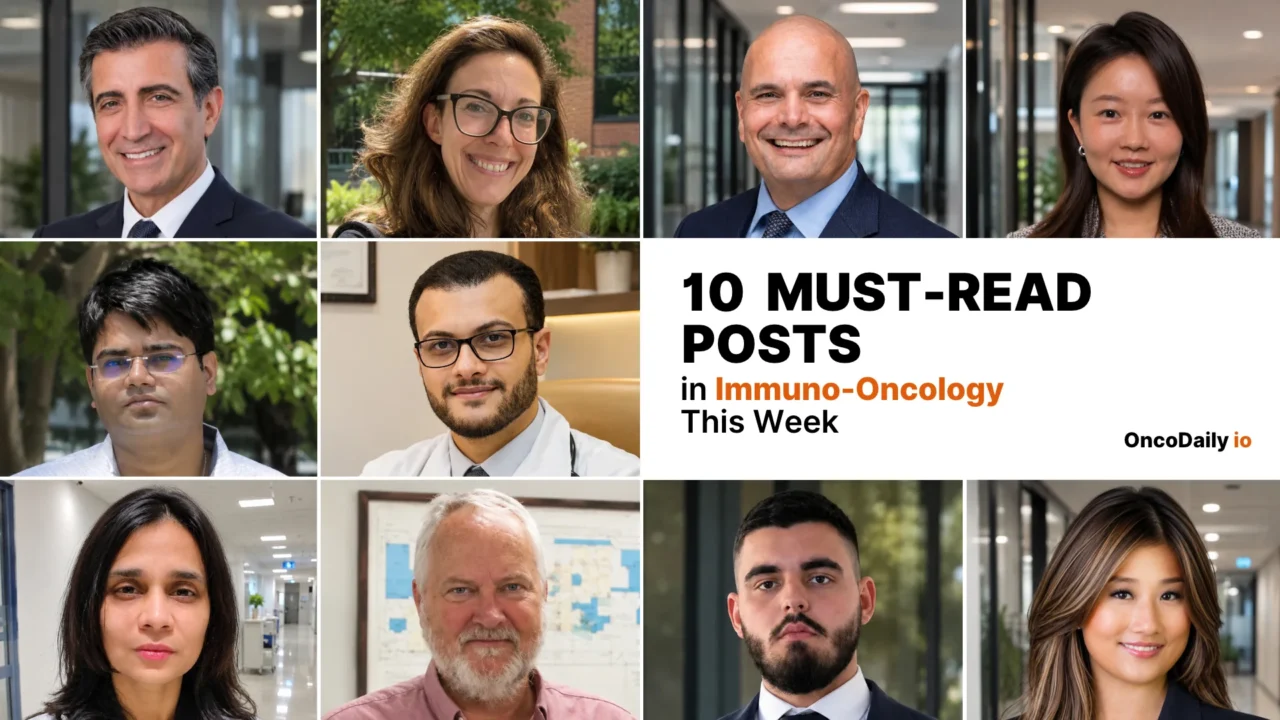
The first week of November brings together updates across immuno-oncology, with posts covering personalized cancer vaccines, AI-assisted toxicity detection, organ preservation, lung cancer treatment, and emerging mechanisms of antitumor immunity.
This week’s selection includes discussions of individualized mRNA vaccines, AI agents for identifying immunotherapy side effects, VOCERYQ for recurrent respiratory papillomatosis, dostarlimab and organ preservation in rectal cancer, and the OptiTROP-Lung06 trial in advanced NSCLC.
Other posts highlight immunotherapy research in oral cancer, NK cell and neutrophil biology, hnRNPA2B1-mediated regulation of T-cell immunity, multidisciplinary debate around local treatment in stage III NSCLC, and a potential window for improving immunotherapy response in prostate cancer.
Together, these posts reflect the continued evolution of immunotherapy across clinical research, treatment selection, safety monitoring, and translational science.
This Week’s Highlights from the Immuno-Oncology Community
Deon Bajrami, Pre-Med Student, Researcher, and Volunteer.
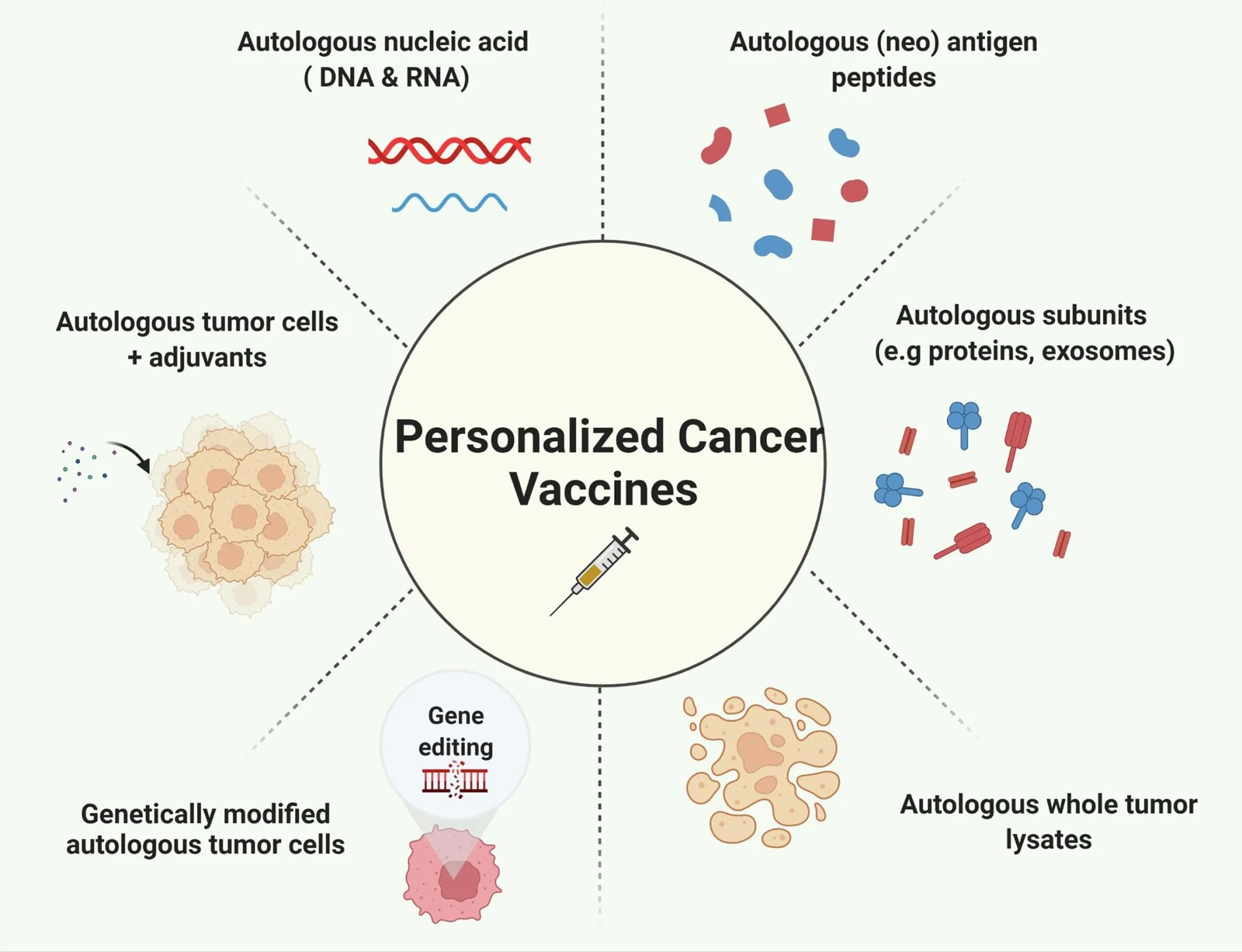
“For decades, systemic cancer therapies relied on generalized cytotoxic approaches that treated tumors as homogenous masses, often leaving patients vulnerable to post-surgical recurrence driven by heterogeneous micrometastases.
The Breakthrough Science
Recent late-stage clinical data (highlighted at recent oncology congresses like ESMO) underscore the promise of individualized mRNA vaccine platforms combined with immune checkpoint inhibitors:Neoantigen Customization: Sequencing individual tumor exomes to design patient-specific mRNA transcripts that train the host immune system to recognize and target unique tumor neoantigens.
Clinical Impact: Trial data demonstrate significantly reduced recurrence risks and enhanced durable T-cell responses when mRNA vaccines are paired with checkpoint blockade (such as pembrolizumab) to overcome immunosuppression in the tumor microenvironment.
My Perspective and Reaction
From a pre-med and clinical research perspective, moving toward individualized neoantigen targeting represents a profound paradigm shift in translational medicine.Bridging surgical resection with precision immunotherapy offers a powerful multi-modal framework—aiming not only to excise the primary tumor mass, but to actively train the immune system to prevent micro-metastatic escape and long-term recurrence.“
Grace S. Lee, CEO of Health Enovation, Inc.
“Traceable reasoning that a safety reviewer can audit and sign off on is what makes AI regulatory-grade.
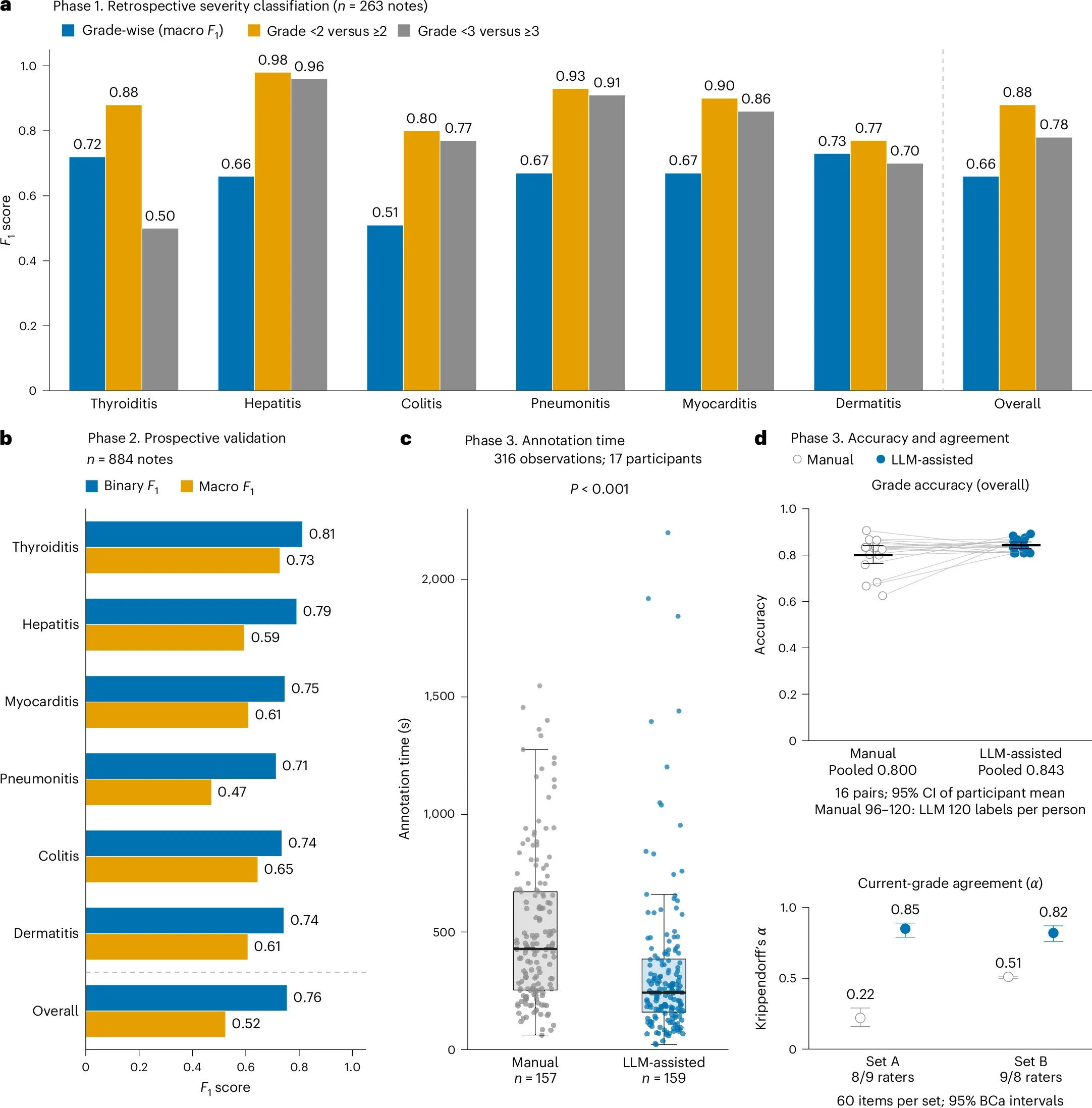
In a new Nature Cancer study from Mass General Brigham and Dana-Farber, an AI agent found immunotherapy side effects in clinical notes and showed the exact text behind every answer.
Review time per note fell 43.5%, and agreement between reviewers jumped from as low as 0.22 to above 0.8.
It’s one health system so far, but this is the right design: AI does the reading, people make the call.”
Aditi Sinha, ENT and Head & Neck Specialist and Cochlear Implant Surgeon.
“VOCERYQ™: DNA-Based Immunotherapy for Recurrent Respiratory Papillomatosis
The US FDA has approved INOVIO Pharmaceuticals’ INO-3107, branded as VOCERYQ™, for recurrent respiratory papillomatosis (RRP), a rare airway disease with no cure. This marks the company’s first approved product.
Shares of Inovio (NASDAQ: INO) rose 257% in extended trading following the announcement.About the Disease
RRP is usually caused by human papillomavirus (HPV) types 6 and 11. It causes growths called papillomas, which can lead to hoarseness, chronic cough, and voice changes. In severe cases, the growths can spread to other parts of the respiratory tract and cause difficulty breathing.
Surgery can remove the growths, but the virus persists in the tissue. Patients therefore often need repeated procedures over many years, with each operation carrying a risk of permanent vocal cord damage. In some cases, RRP can progress to cancer.How VOCERYQ™ Works
VOCERYQ™ (doruxapapogene ralaplasmid and lalikinogene sifuplasmid-gxfd) is a recombinant plasmid DNA-based immunotherapy designed to stimulate an immune response against cells infected with HPV types 6 and 11.
The treatment delivers two plasmids—small pieces of DNA originally derived from bacteria—into the body’s cells:
One contains genetic instructions for specific HPV proteins.
The other contains instructions for IL-12, a molecule that enhances the immune response.
VOCERYQ™ is administered by intramuscular injection using the CELLECTRA 5PSP Device. The device facilitates electroporation, which uses brief electrical pulses to temporarily and reversibly create pores in cell membranes, allowing the DNA to enter the cells.
Supporting Study and Availability
The application was supported by an early- to mid-stage study involving adults who had undergone at least two surgeries in the previous year.Inovio expects VOCERYQ™ to be available for order and shipment within 60 days, with a full commercial launch planned for Q1 2027.
How It Differs from PAPZIMEOS™
Precigen’s PAPZIMEOS™ (zopapogene imadenovec-drba) became the first medicine approved in the US for adults with RRP on August 14, 2025.
Both therapies aim to generate immune responses against HPV types 6 and 11, but they use different approaches. PAPZIMEOS™ uses a modified virus, while VOCERYQ™ uses a plasmid DNA-based platform.
VOCERYQ™ received accelerated approval, and Inovio is required to conduct a confirmatory study.”
Ahmed Mahmoud, Clinical Oncology Resident.
“A Major Step Toward Organ Preservation in Rectal Cancer
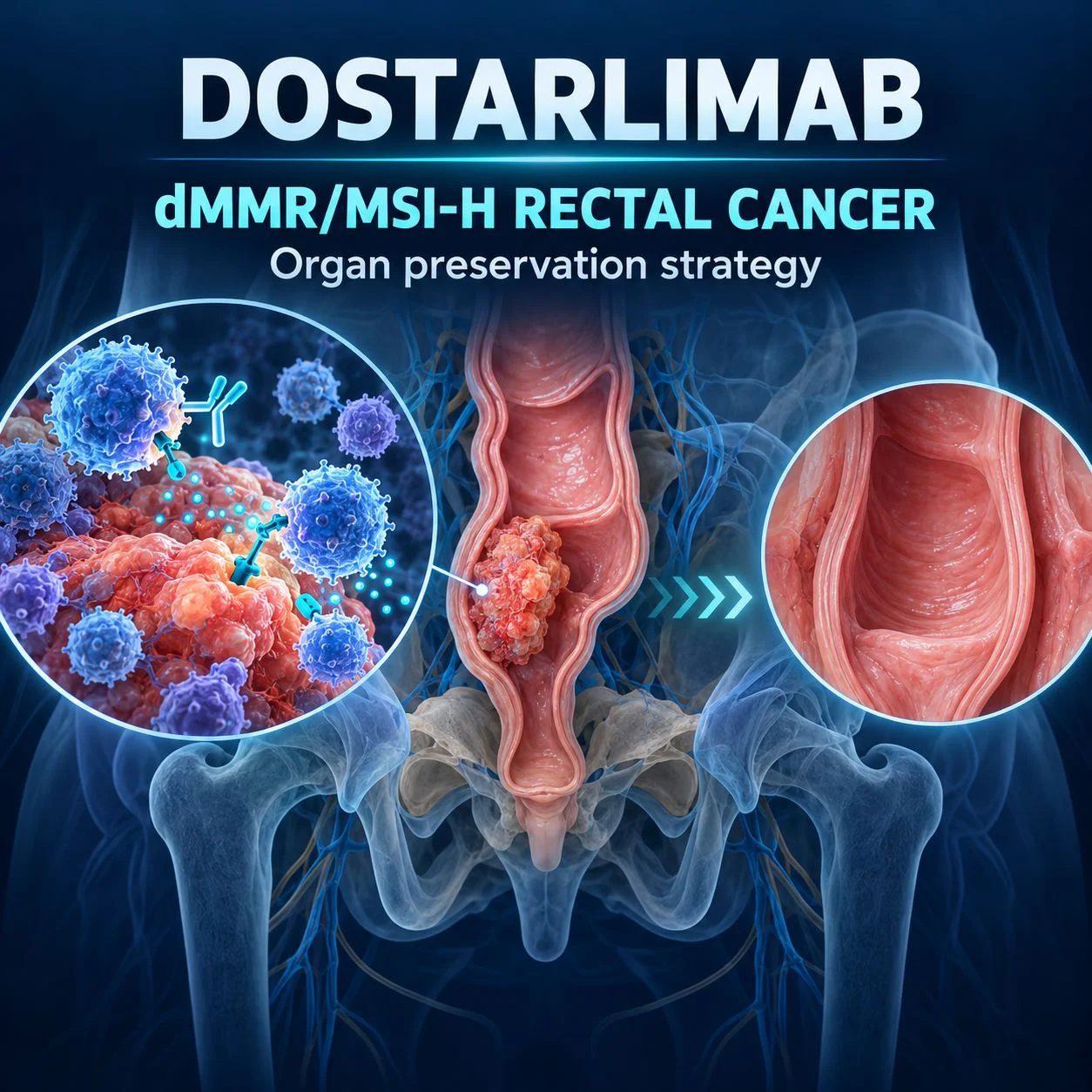
On October 19, 2026, the FDA granted accelerated approval to dostarlimab for adults with previously untreated stage II or III locally advanced rectal cancer that is dMMR or MSI-H.
In the phase II AZUR-1 study, 154 patients received dostarlimab 500 mg every three weeks for up to nine cycles.
Key Findings
110 patients (71%) received dostarlimab alone, required no additional treatment and had no disease progression at the data cutoff.
47% achieved a sustained clinical complete response for at least 12 months, assessed by independent central review.
The objective response rate was 79%.
No patient with a complete or near-complete clinical response experienced progression after a median follow-up of 26.3 months.
Why This Matters
Selected patients may avoid chemoradiotherapy and rectal surgery, including their potential effects on bowel, urinary and sexual function.
However, this is not a simple immunotherapy-only approach. Non-operative management requires strict surveillancewith clinical examination, endoscopy, rectal MRI and CT.
Interestingly, 12 of 15 patients who underwent surgery because imaging suggested an incomplete response had a pathological complete response. MRI should therefore never be interpreted in isolation.
Important Limitations
The study had a single-arm design, survival data remain immature, and long-term organ preservation requires confirmation.
This is an accelerated FDA approval and does not automatically represent current European or Polish practice.”
Debodipta Das, PhD, Assistant Professor at the Centre for Integrative Omics Data Science (CIODS).
”I am delighted to share that our recent research, published in Molecular Medicine (Springer Nature), has been featured in a news article on Nature India.
The news feature, “Immunotherapy May Benefit Oral Cancer Patients,” written by Biplab Das, highlights our original research and is also featured among the highlights on the Nature India homepage.
It is encouraging to see our work receiving this recognition and reaching a wider scientific audience.
Read the Nature India feature”
Yu Wang, PhD, Postdoctoral Researcher at Fred Hutch Cancer Center.
“2026 has been a year of exciting milestones, new beginnings, and growth!
As October comes to an end, I wanted to reflect on a few highlights from my scientific journey this year.
May 2026 | PhD Graduation
Officially graduated from the University of Illinois Urbana-Champaign (UIUC) with my PhD under the mentorship of Dr. Erik Nelson.June 2026 | New Chapter at Fred Hutch
Joined Fred Hutchinson Cancer Center as a Postdoctoral Fellow in Dr. Kevin C. Barry’s lab, continuing my research in tumor immunology. My current work focuses on the NK cell–cDC1 axis and enhancing NK cell-based strategies to improve anti-PD-1 immunotherapy.September 2026 | Supporting Cancer Research
Participated in the Space Needle Climb for cancer research and the American Cancer Society’s 30-mile dog walk, supporting the fight against cancer beyond the lab.October 2026 | Publication Milestone
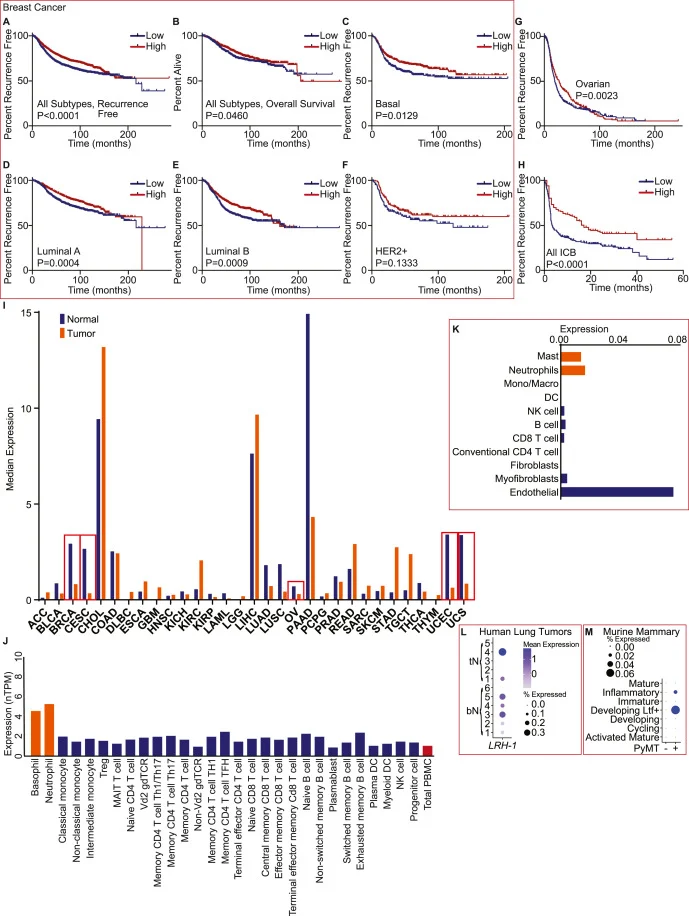
Thrilled that my PhD research, “LRH-1 is a novel regulator of neutrophil-driven immune responses within the tumor microenvironment,” was accepted for publication in Cancer Letters!
Read our paperI am incredibly grateful to all my mentors, colleagues, collaborators, mentees, and friends who have been part of this journey. Thank you for your guidance, collaboration, dedication, and friendship. I’ve learned so much from each of you, and I’m grateful for everything we’ve accomplished together.
Here’s to the next chapter!”
Alex Ehsan, MD, PhD, Hematology and Oncology Physician and Cancer Educator.
“A NEW FRONTIER IN LUNG CANCER TREATMENT!
For patients diagnosed with advanced non-small cell lung cancer, particularly those whose tumors do not express PD-L1, treatment options remain challenging!
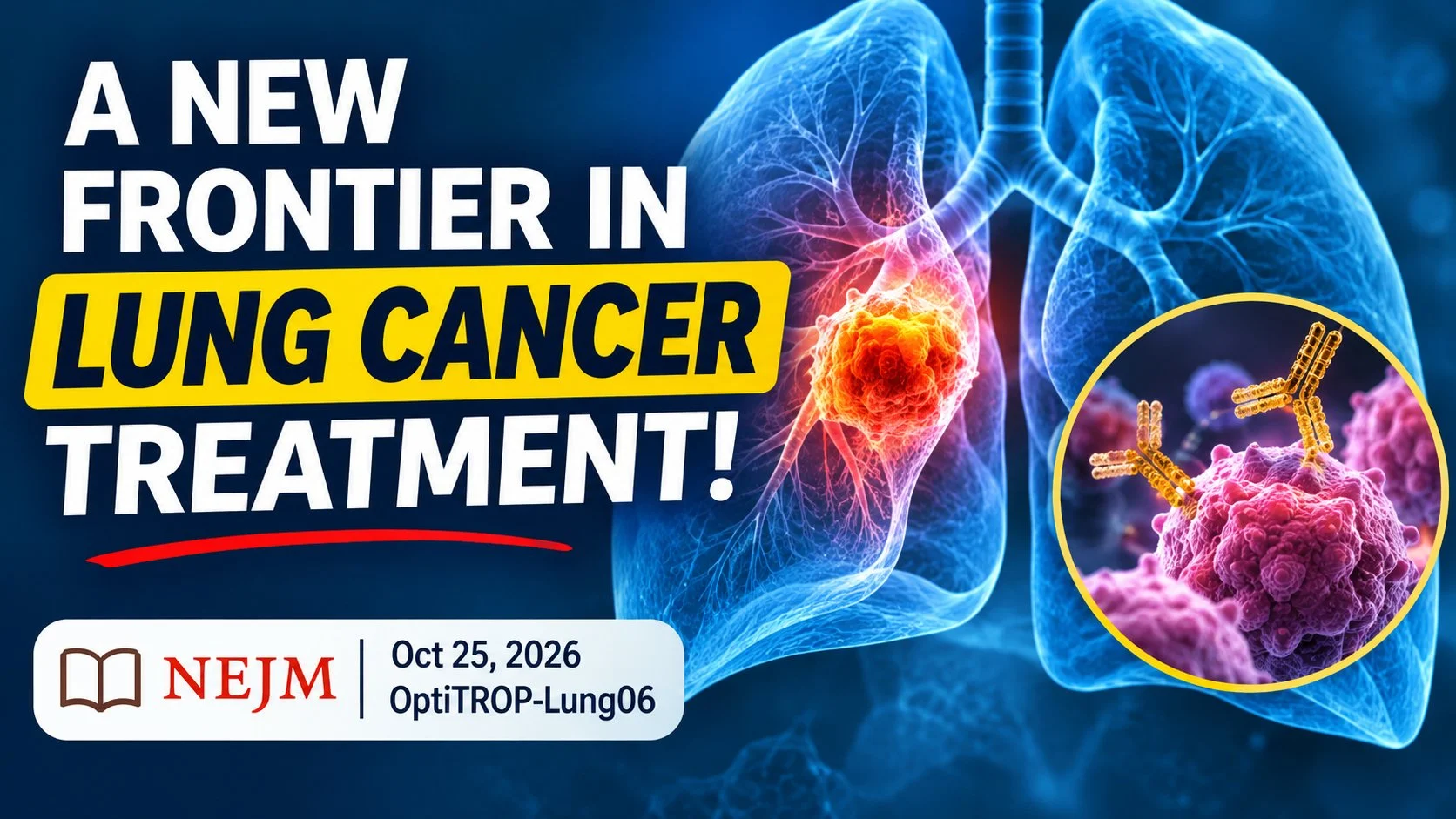
A major Phase III clinical trial, OptiTROP-Lung06, published in the New England Journal of Medicine on October 25, 2026, offers encouraging evidence that we may be moving toward a new generation of cancer treatment!
The investigators evaluated sacituzumab tirumotecan combined with pembrolizumab against platinum-based chemotherapy combined with pembrolizumab!
Why does this matter?
For decades, conventional chemotherapy has been a cornerstone of treatment for advanced lung cancer! Immunotherapy transformed this landscape, but not every patient responds, particularly those with PD-L1-negative tumors!
Now, antibody-drug conjugates, or ADCs, are opening another therapeutic pathway!
Sacituzumab tirumotecan targets TROP2, a protein expressed by many cancer cells, and delivers a potent cytotoxic payload directly to the tumor! Think of it as a targeted delivery system designed to concentrate cancer-killing treatment where it is needed!
The trial demonstrated a statistically significant improvement in progression-free survival with the investigational combination!
This is an important finding, but we must distinguish between delaying cancer progression and demonstrating that patients live longer! Overall survival, long-term toxicity, quality of life, and patient selection remain critical questions!
What excites me most is the possibility of moving antibody-drug conjugates earlier in the treatment of advanced cancers! Rather than waiting until multiple therapies have failed, we may eventually be able to use these sophisticated treatments when patients have a better opportunity to benefit!
However, promising clinical trial results do not automatically establish a new standard of care!
As a practicing hematologist-oncologist, I believe every therapeutic advance must ultimately answer three questions!
Does it help patients live longer?
Does it preserve or improve their quality of life?
Can we deliver it safely and equitably?
Our responsibility is not simply to treat cancer more aggressively, but to treat it more intelligently!
My congratulations to the investigators, research teams, and especially the patients whose participation makes progress possible!
Science advances one discovery at a time, and every meaningful discovery brings us closer to better outcomes for our patients! “
Elizabeth McKenna, Executive Editor of Cancer Discovery at the American Association for Cancer Research (AACR).
“Now online in Cancer Discovery
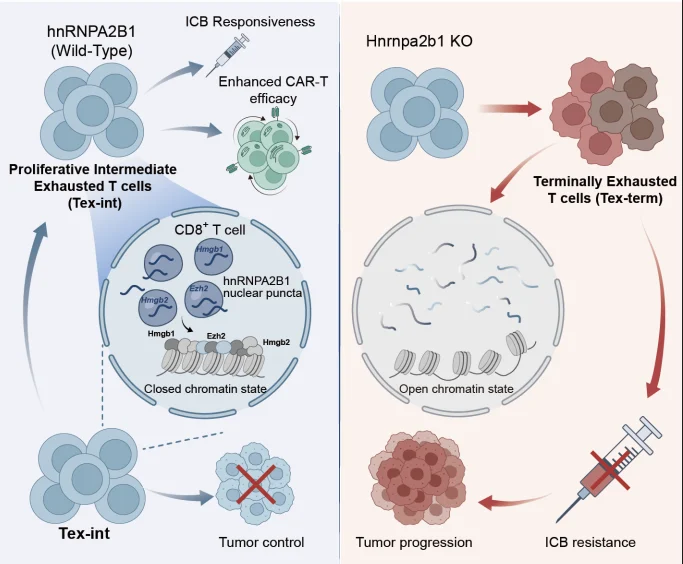
hnRNPA2B1 Sustains Antitumor T cell Immunity and Enhances Cancer Immunotherapy through IDR-dependent Stabilization of Chromatin-Regulatory Transcripts
By Shi Liu, Yun Zhang, Xuetao Cao, Zhihua Liu, and colleagues.”
Drew Moghanaki, Chief of Thoracic Oncology and Professor of Radiation Oncology at UCLA.
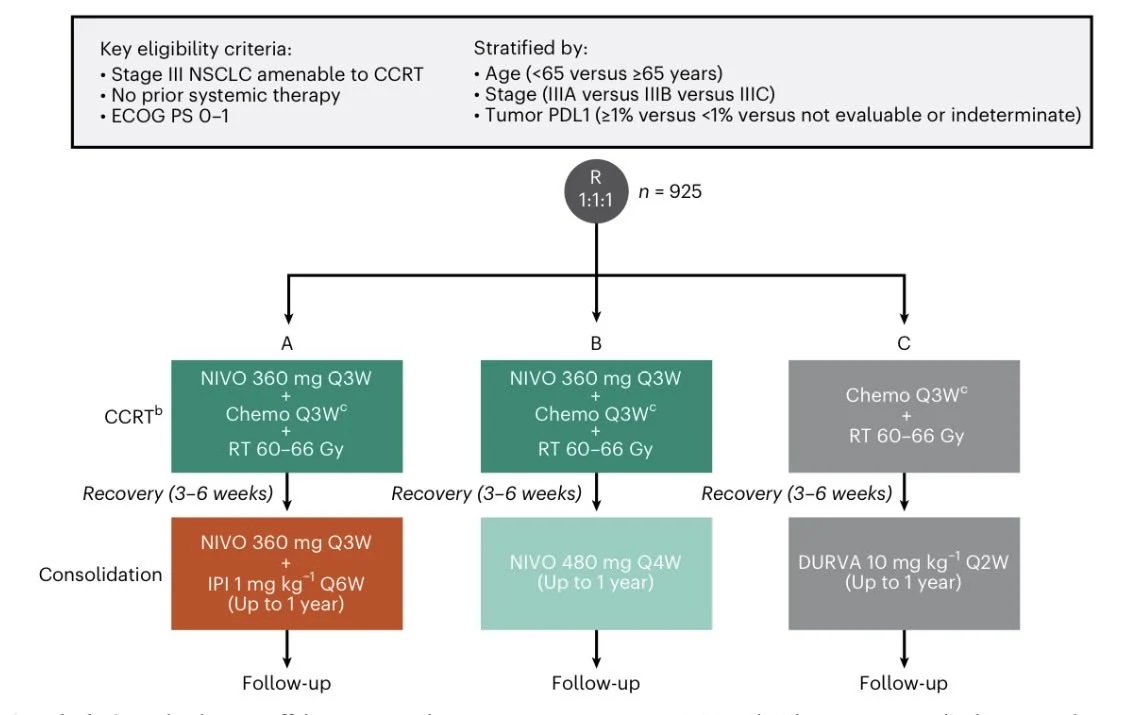
” I don’t think this will fly in the radonc community, which is a field that has scientifically studied neoadjuvant therapy’s impact since the 1950s, beginning with rectal cancer.
Updating this issue for stage III NSCLC in the immunotherapy era, and with today’s image-guided RT techniques, which are broadly available in 1st world nations, it’s fair to say that at least 95% of the healthy MDT-BRIDGE borderline resectable cohort (n=50) would have completed all 30 fractions of CRT.
This estimate is derived from the CM 73L study, which enrolled less healthy pts with bulkier tumors treated on all sorts of devices with unclear credentialing or QA across 26 countries, which still delivered all CRT to 92% (292/317).
How much does an 84% vs 95% local therapy completion matter? I bet more than none.”
Ken Gusler, Scientist, Writer, and Educator.
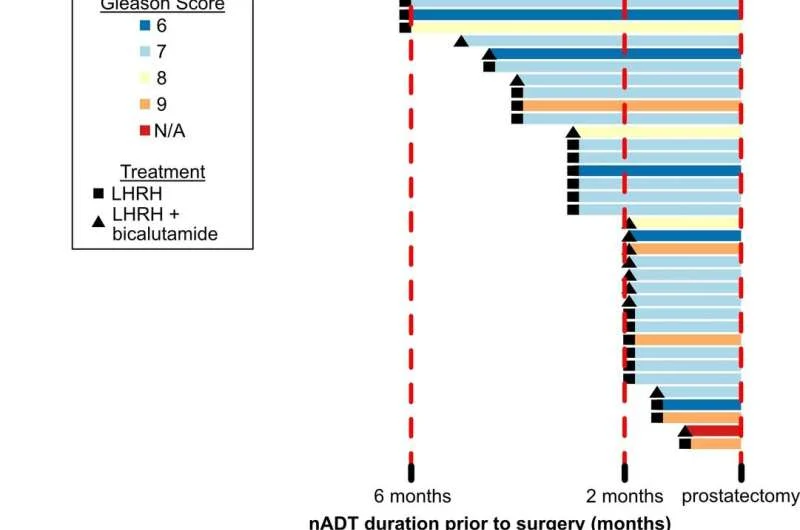
“Researchers Identify Critical Window for Boosting Immunotherapy Response in Prostate Cancer”