Key takeaways
- Chemotherapy is generally avoided during the first trimester because this is when the baby’s major organs are forming and the risk of miscarriage or congenital abnormalities is highest.
- Certain established chemotherapy regimens, including anthracyclines, cyclophosphamide, paclitaxel, and selected platinum-based treatments, may be considered during the second and third trimesters when treatment cannot safely be delayed.
- The choice of treatment depends on gestational age, cancer type, disease urgency, and the available pregnancy-specific evidence for the complete regimen.
- Chemotherapy is usually stopped two to four weeks before delivery to allow the mother’s and baby’s blood counts to recover and reduce the risk of infection or bleeding.
- Cancer treatment during pregnancy requires close coordination between oncology, maternal–fetal medicine, obstetrics, neonatology, and other specialists, with regular monitoring of both the mother and baby.
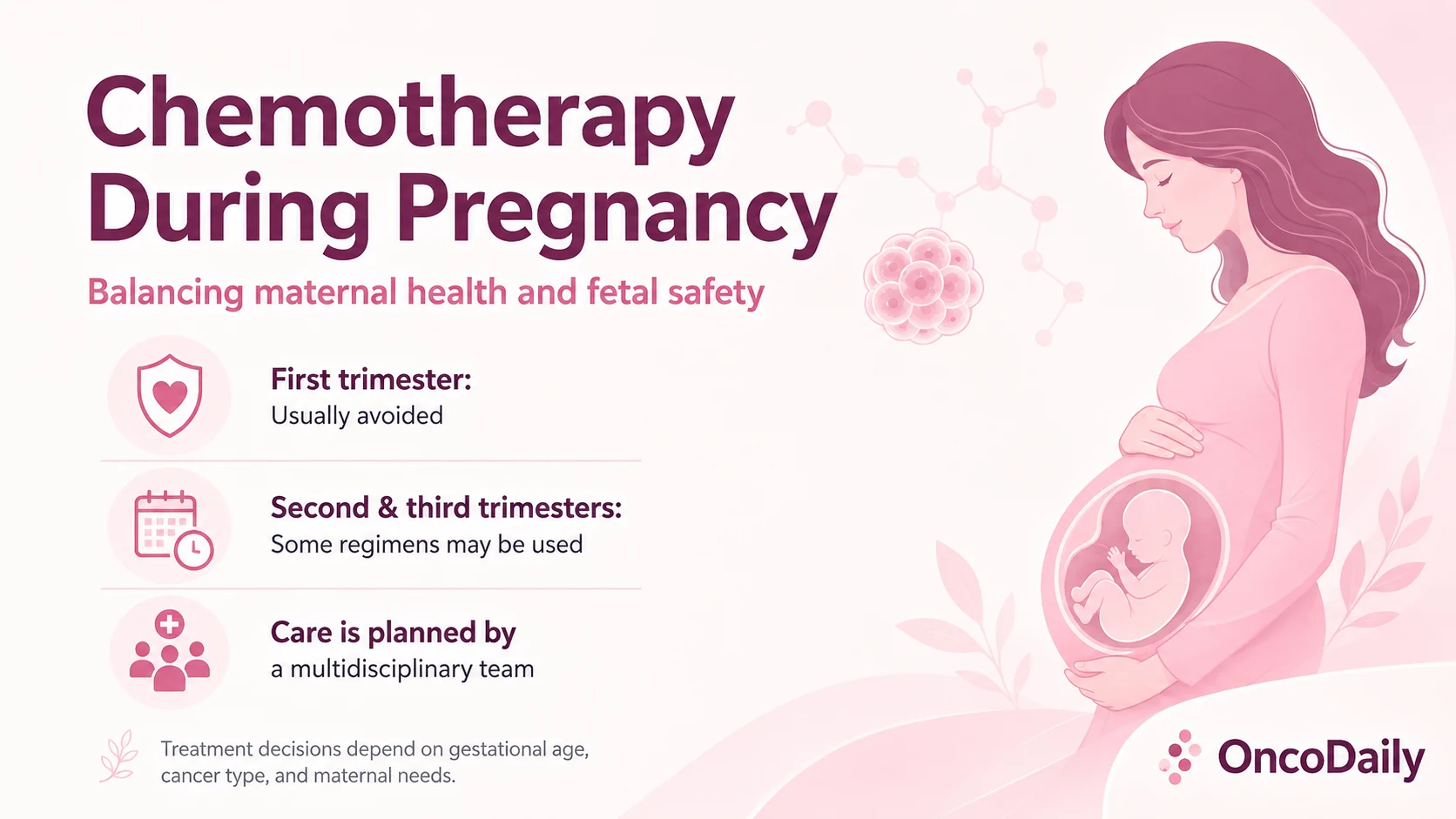
Chemotherapy during pregnancy requires careful treatment planning to balance the mother’s health with the safety of the developing baby. The effects of chemotherapy depend strongly on gestational age (how far the pregnancy has progressed), the type of cancer, and the drugs being considered.
Chemotherapy is generally avoided during the first trimester because organogenesis (the period when the baby’s major organs are forming) is taking place. Certain regimens may be considered during the second and third trimesters, when the risk of congenital abnormalities (birth defects) is lower. Treatment is usually paused before delivery to reduce the risk of myelosuppression (low blood cell counts) in both the mother and newborn.
All decisions should be individualised and made by a multidisciplinary team involving oncology and pregnancy specialists.
Why the Timing of Chemotherapy Matters During Pregnancy
The timing of chemotherapy is especially important during pregnancy because fetal sensitivity to treatment changes with gestational age. Exposure during the first trimester carries the greatest concern because organogenesis is still taking place. Chemotherapy during this stage has been associated with a higher risk of miscarriage and congenital malformations.
After the first trimester, once organ formation is largely complete, certain chemotherapy regimens may be considered when delaying treatment could place the mother’s health at risk. However, treatment must still be carefully selected and closely monitored. Cancer treatment during pregnancy requires a careful balance between controlling the mother’s disease and protecting the developing baby. (Sorouri et al., 2023)
Similarly, it was found that the gestational age at which chemotherapy was started was associated with the risk of congenital malformations. (Hollenbach et al., 2021)
Chemotherapy in the First Trimester: Why It Is Usually Avoided
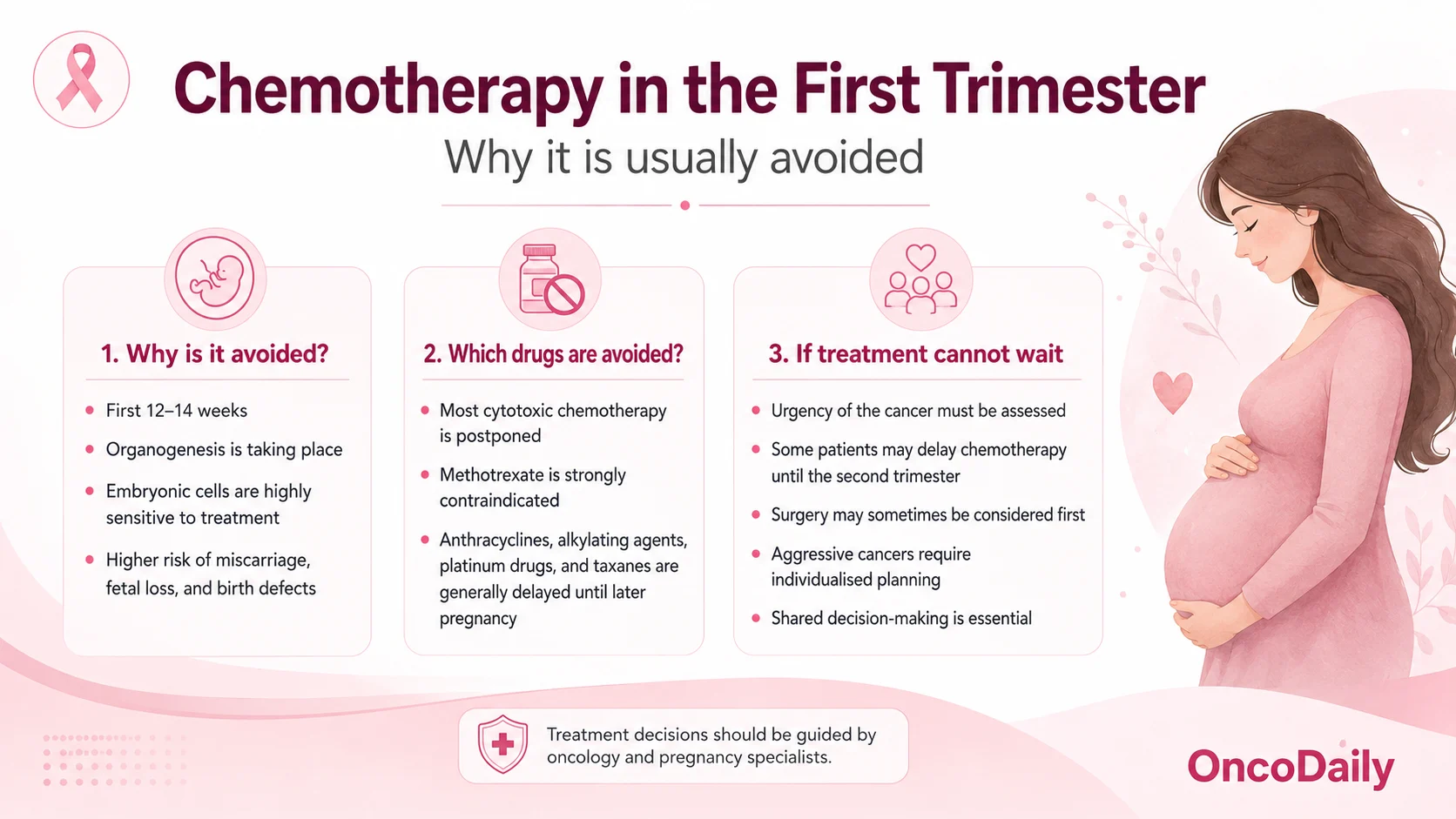
Chemotherapy is generally avoided during the first trimester, particularly during the first 12–14 weeks of pregnancy. This is the period of organogenesis, when the baby’s major organs are forming, making the developing embryo especially sensitive to medicines that interfere with cell growth and division.
Chemotherapy drugs are designed to damage rapidly dividing cancer cells. However, embryonic cells also divide rapidly during early pregnancy. Exposure at this stage may therefore increase the risk of miscarriage, fetal death, congenital malformations, or impaired fetal development. ESMO guidance associates chemotherapy administered during the first trimester with a particularly high risk of fetal malformations (Peccatori et al., 2013).
Which Types of Chemotherapy Are Avoided?
Most cytotoxic chemotherapy medicines that destroy rapidly dividing cells is avoided during the first trimester rather than considering any individual regimen completely safe. The exact risk depends on the drug, dose, combination, and timing of exposure.
Antimetabolites, which interfere with substances that cells need to produce DNA, can be particularly harmful during early pregnancy. Methotrexate is strongly contraindicated because it blocks folate metabolism and may cause pregnancy loss or severe fetal abnormalities.
Other chemotherapy classes, including anthracyclines, alkylating agents, platinum compounds, and taxanes, are also generally postponed until after the first trimester. Some of these medicines may be considered during the second or third trimester, but their possible use later in pregnancy does not make them appropriate during early fetal development (Peccatori et al., 2013).
You can also read Cancer During Pregnancy: Overcoming Diagnostic Challenges, Treatment Strategies, and Patient Support by OncoDaily.

What Happens When Treatment Cannot Be Delayed?
When cancer is diagnosed during the first trimester, the medical team must assess the cancer type, tumour biology, stage, maternal prognosis, and urgency of treatment. The team should also consider how delaying or modifying the standard treatment plan to continue the pregnancy could affect cancer control and the mother’s overall prognosis.
In selected cases, treatment may be postponed or adjusted until later in pregnancy when this can be done without significantly compromising the mother’s care. Surgery may also be considered when it is appropriate for the cancer type, stage, and clinical situation.
For aggressive cancers, delaying effective treatment may place the mother’s health at considerable risk. In these circumstances, the oncology and obstetric teams should discuss all available options with the patient. When continuing the pregnancy would substantially restrict or delay essential treatment, a frank discussion about pregnancy termination may be appropriate.
These decisions must be individualised and made through shared decision-making. The patient should receive clear information about her prognosis, the recommended standard treatment, potential fetal risks, and the possible consequences of modifying or delaying therapy. A multidisciplinary team should develop a coordinated care plan that addresses the needs of both the mother and the developing baby (Silverstein et al., 2020).
Chemotherapy in the Second Trimester: Which Treatments May Be Considered
The second trimester generally begins at around 14 weeks of pregnancy. By this stage, organogenesis is largely complete, which reduces the risk of chemotherapy-related congenital malformations (structural abnormalities present at birth).
When cancer treatment cannot safely be delayed, certain chemotherapy regimens may therefore be considered during the second trimester. However, treatment is not completely risk-free. Chemotherapy may still be associated with fetal growth restriction, low birth weight, preterm delivery, or temporary myelosuppression (reduced blood cell production) in the baby.
Treatment decisions must carefully balance the potential risks to the developing baby against the risks of delaying effective cancer treatment for the mother. (Amant et al., 2013 and Pérez-Castells et al., 2016)
Which Types of Chemotherapy May Be Used?
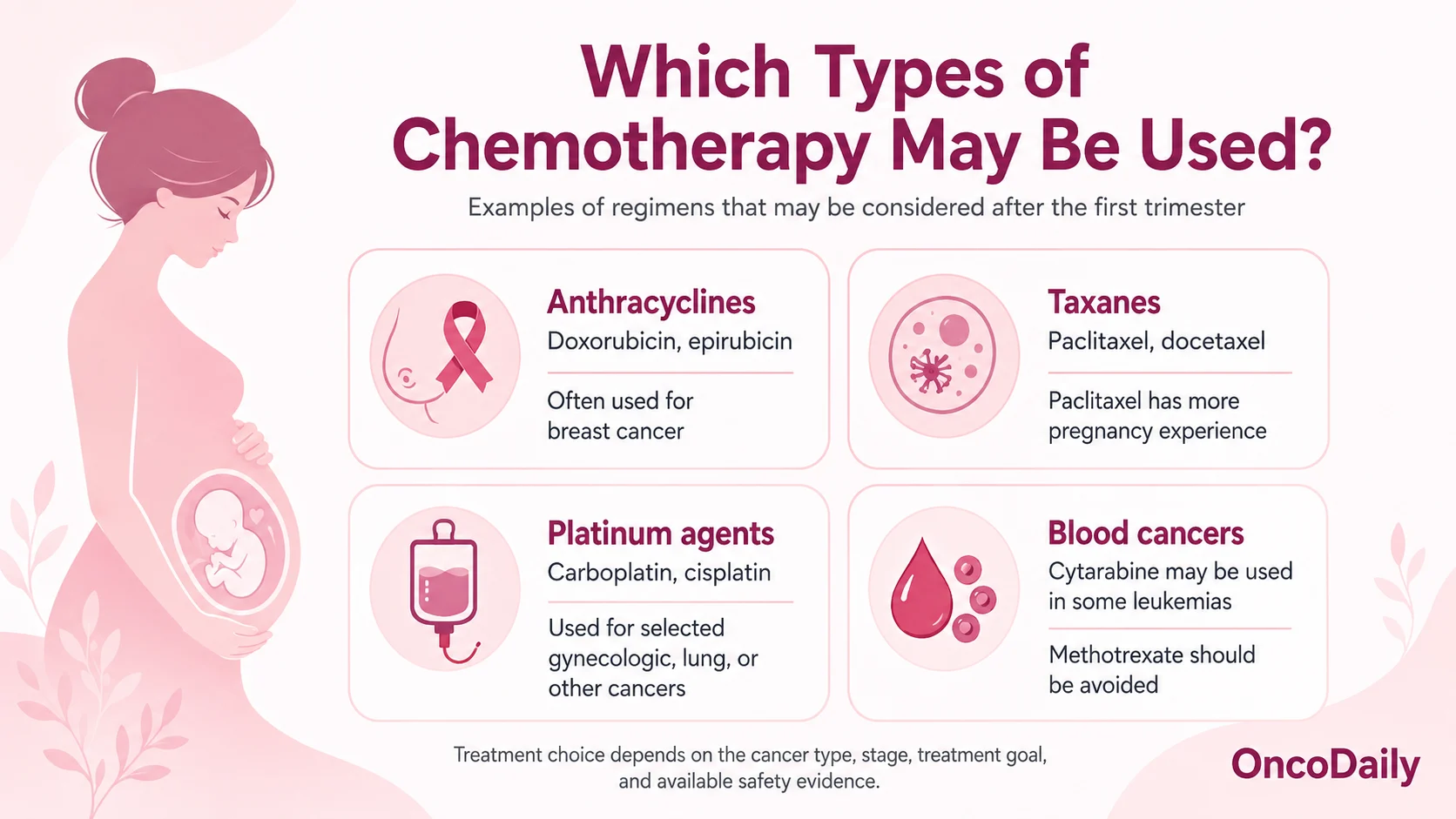
The choice of chemotherapy depends on the cancer type, stage, treatment goal, and available evidence for the individual drugs.
For breast cancer, anthracyclines such as doxorubicin and epirubicin are among the most extensively studied chemotherapy medicines used after the first trimester. They are frequently combined with cyclophosphamide, an alkylating agent (a medicine that damages the DNA of cancer cells). Regimens may also include fluorouracil, depending on the clinical situation. (National Cancer Institute)
Taxanes, including paclitaxel and docetaxel, may also be considered when clinically necessary. Paclitaxel has been used more frequently during pregnancy and currently has more published evidence than docetaxel. A systematic review of 159 pregnant patients found that most taxane treatment began during the second trimester, with paclitaxel being the most commonly administered drug. However, the available evidence is mainly observational, so treatment must still be individualised. (Aranda-Gutierrez, 2024)
Platinum-based medicines, such as carboplatin or cisplatin, may be considered for selected gynaecological cancers during pregnancy, including cervical and ovarian cancers. These medicines may be combined with paclitaxel depending on the cancer type and treatment regimen.
Although platinum compounds can cross the placenta, available evidence suggests that carboplatin can be administered during pregnancy when clinically necessary. Cisplatin has been associated with a risk of dose-dependent ototoxicity in children exposed before birth. Therefore, carboplatin is generally preferred for gynaecological malignancies. An important exception is germ-cell cancer, for which cisplatin-based chemotherapy remains the standard treatment because of its established effectiveness (Amant et al., 2019).
Some blood cancers may require disease-specific chemotherapy during pregnancy. For example, cytarabine, an antimetabolite (a medicine that interferes with the production of DNA), may be used for certain leukaemias during the second or third trimester when delaying treatment would seriously endanger the mother. In contrast, methotrexate should be avoided throughout pregnancy because of its strong association with pregnancy loss and fetal abnormalities.
How Is Chemotherapy Planned and Monitored?
Pregnancy alone does not usually justify reducing the chemotherapy dose. It was established cancer-treatment protocols should generally be followed, with doses calculated according to the patient’s actual weight during pregnancy. Unnecessary dose reductions may decrease the effectiveness of treatment. (Amant et al., 2013)
The mother should be monitored for anaemia, infection, bleeding, and treatment-related organ toxicity. The baby may be followed with regular ultrasound examinations to assess growth, amniotic fluid levels, placental function, and overall well-being.
Treatment planning must also take the expected delivery date into account. It was noted that chemotherapy should be stopped sufficiently before delivery to allow the mother’s and baby’s blood counts to recover. This helps reduce the risk of infection, bleeding, and other complications around the time of birth.
Chemotherapy in the Third Trimester: Balancing Treatment and Delivery
The third trimester begins at approximately 28 weeks of pregnancy. By this stage, the baby’s major organs have already formed, so the risk of chemotherapy-related congenital malformations is considerably lower than during the first trimester.
Certain chemotherapy regimens may therefore be continued or started when delaying treatment could affect the mother’s prognosis. However, chemotherapy in late pregnancy may still increase the risk of fetal growth restriction (slower-than-expected growth), low birth weight, preterm birth, and myelosuppression (reduced production of blood cells) in the mother or baby. Treatment decisions must therefore consider both the urgency of cancer control and the expected timing of delivery.
Which Chemotherapy Treatments May Be Continued?
Many chemotherapy regimens used during the second trimester may also be continued during the early third trimester. Treatment selection depends on the cancer type and stage, the goal of therapy, the expected benefit for the mother, and the available pregnancy-specific safety data.
For breast cancer, established options include anthracycline-based regimens containing doxorubicin or epirubicin, often combined with cyclophosphamide. Paclitaxel may also be considered when clinically necessary. Carboplatin or cisplatin may be used for selected gynaecological, lung, or germ-cell cancers, while certain blood cancers may require medicines such as cytarabine, an antimetabolite (a drug that interferes with DNA production).
Methotrexate, hormonal therapies, many targeted therapies, antibody–drug conjugates, cellular therapies, and most immunotherapies are generally avoided because of potential fetal harm or limited safety evidence. Standard cancer-treatment protocols should be followed whenever possible, while carefully considering the evidence available for each medicine (Loren et al., 2026).
During treatment, the mother’s blood counts, liver and kidney function, and side effects should be monitored regularly. Serial ultrasound scans may be used to assess the baby’s growth, amniotic fluid, and overall well-being.
How Are Chemotherapy and Delivery Coordinated?
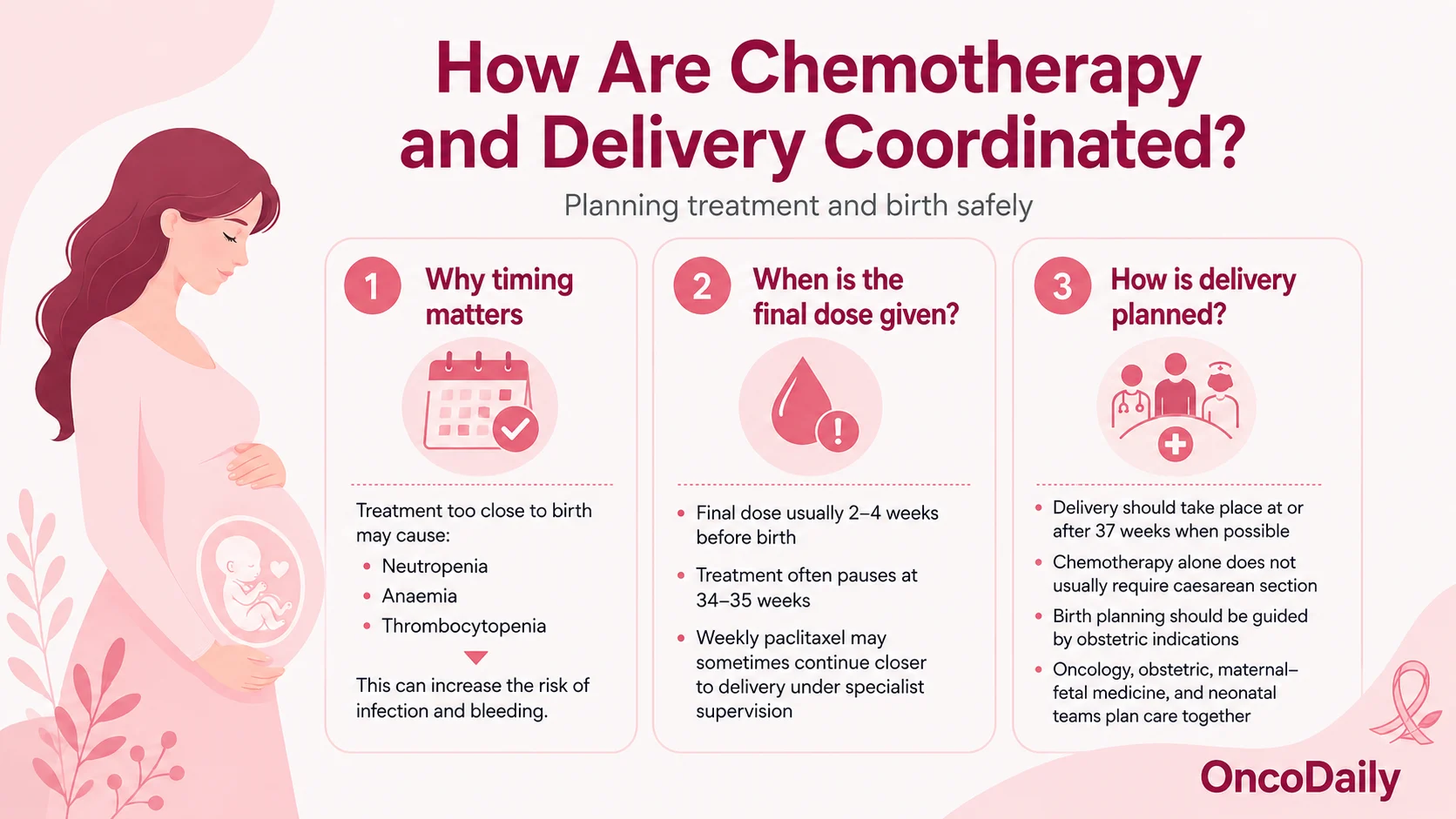
The final chemotherapy cycles must be carefully coordinated with the expected delivery date. Treatment given too close to birth may cause neutropenia (low infection-fighting white blood cells), anaemia, or thrombocytopenia (a low platelet count) in the mother and newborn, increasing the risk of infection and bleeding.
The final dose is generally scheduled two to four weeks before birth, with treatment often paused at around 34–35 weeks to allow blood counts to recover. Some weekly regimens, such as paclitaxel, may occasionally continue closer to delivery under specialist supervision (Loren et al., 2026).
When possible, delivery should take place at or after 37 weeks. Chemotherapy exposure alone does not usually require a caesarean section, and the method of birth should be based on standard obstetric indications. The oncology, obstetric, maternal–fetal medicine, and neonatal teams should plan treatment and delivery together.
Drugs With the Most Pregnancy Experience
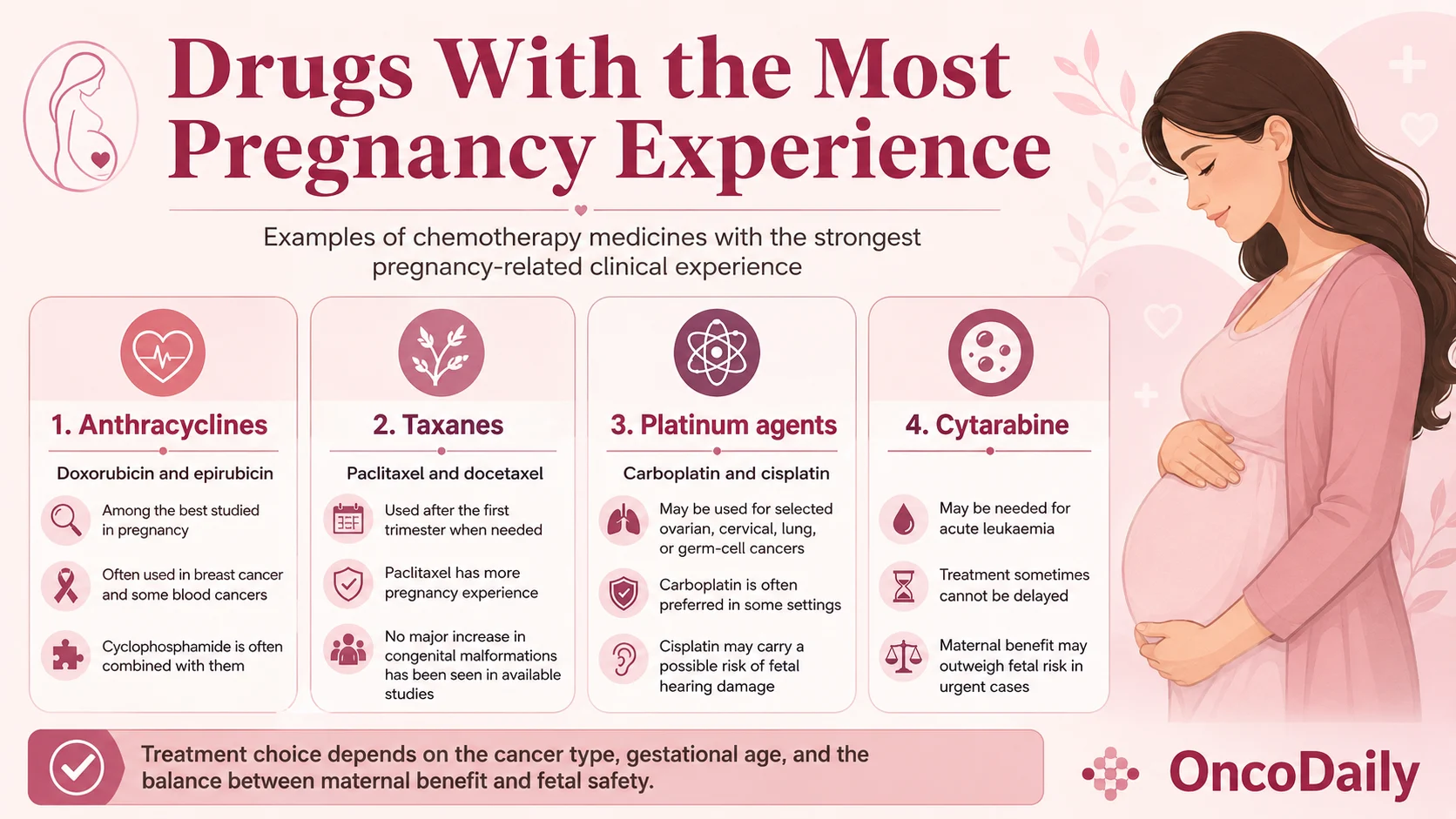
Anthracyclines, particularly doxorubicin and epirubicin, have some of the most extensive clinical experience during pregnancy. They may be used after the first trimester for cancers such as breast cancer and certain haematological malignancies. Cyclophosphamide is often administered alongside an anthracycline as part of a combination regimen.
Taxanes, particularly paclitaxel, may also be considered after the first trimester when clinically indicated. Available observational evidence has not demonstrated a clear major increase in congenital malformations, although pregnancy-specific data remain more limited than for anthracycline-based regimens.
Platinum-based medicines, including carboplatin and cisplatin, may be considered for selected ovarian, cervical, lung, or germ-cell cancers. Carboplatin may be preferred in some clinical situations because cisplatin carries a potential risk of fetal ototoxicity, or damage to the developing hearing system.
Certain haematological cancers require urgent, disease-specific treatment. Cytarabine, often administered as part of an anthracycline-containing regimen, may be required for acute leukaemia when delaying treatment would seriously endanger the mother. In these circumstances, the immediate risk posed by the cancer must be balanced against the potential treatment-related risks to the pregnancy (Loren et al., 2026).
Why the Cancer Type Still Matters
A chemotherapy medicine cannot be evaluated separately from the complete treatment regimen in which it is used. A drug that is appropriate for breast cancer may not be suitable for leukaemia, lymphoma, ovarian cancer, or another malignancy.
Doctors therefore aim to select a regimen that remains effective against the mother’s cancer while avoiding medicines associated with known or potential fetal harm. Methotrexate, for example, is avoided during pregnancy because of its risk of pregnancy loss and severe fetal abnormalities.
The final treatment choice should be based on the cancer diagnosis, tumour stage and biology, treatment goal, gestational age, maternal prognosis, and available evidence for the complete regimen. Whenever possible, cancer care during pregnancy should remain as close as possible to the standard treatment used for a patient who is not pregnant, with appropriate modifications to protect the developing baby (Sorouri et al., 2023).
You can also read Blood Cancers in Women: Fertility After Treatment and Cancer During Pregnancy on OncoDaily.
Which Cancer Treatments Should Be Avoided During Pregnancy
Several cancer treatments are generally avoided during pregnancy because they may interfere with fetal development or because there is not enough evidence to establish their safety. The level of risk depends on the treatment, dose, timing of exposure, and stage of pregnancy.
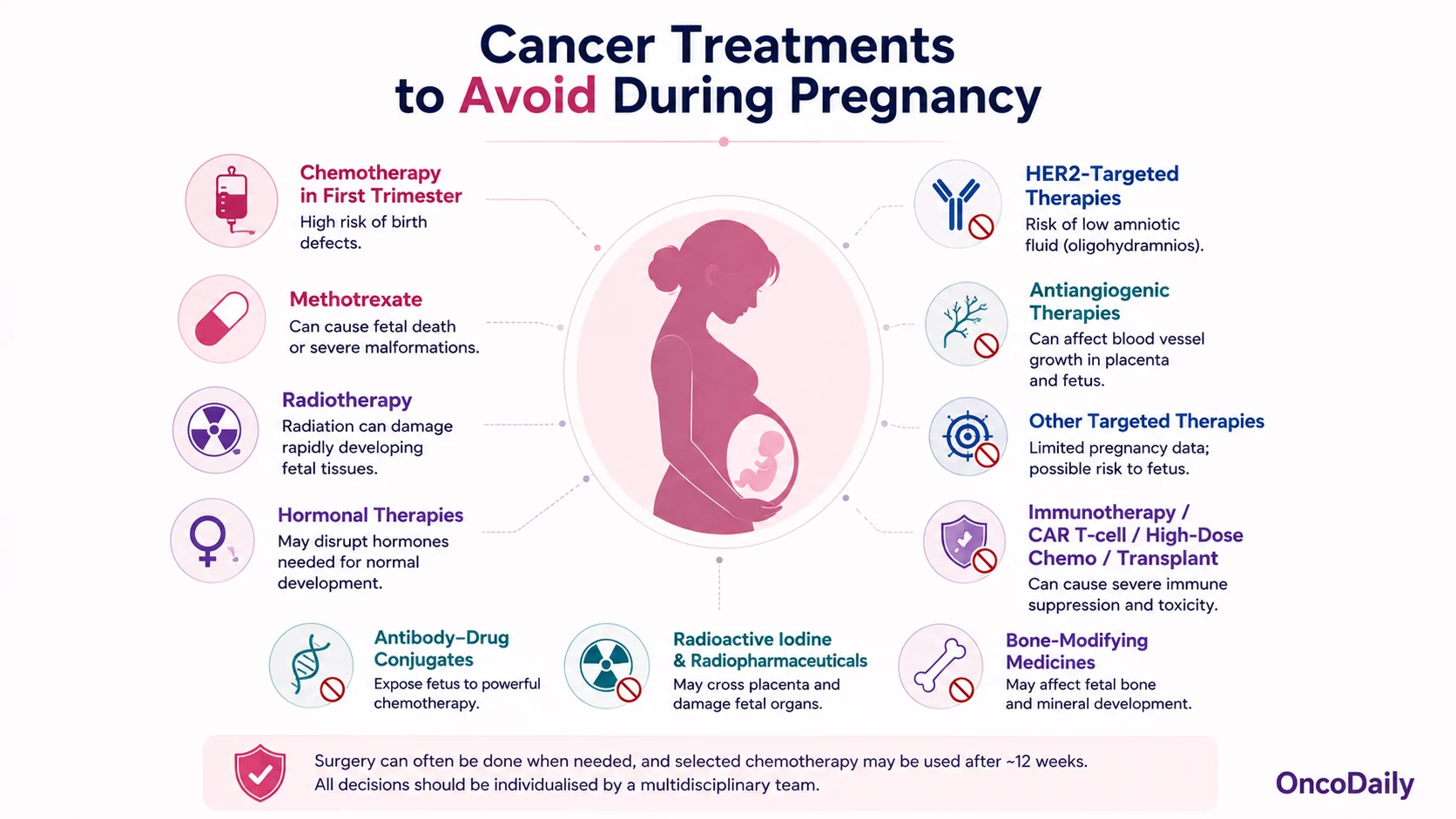
Chemotherapy is usually avoided during the first trimester, when organogenesis is taking place. Methotrexate is particularly concerning because it blocks folate metabolism and can cause fetal death or severe developmental abnormalities.
Other treatments that are generally postponed or avoided include:
- Radiotherapy, particularly when the abdomen or pelvis is within or near the treatment field, because ionising radiation can damage rapidly developing fetal tissues.
- Hormonal therapies, including tamoxifen and aromatase inhibitors, because they may disrupt hormonal signals required for normal fetal development.
- HER2-targeted treatments, especially trastuzumab, because exposure has been associated with oligohydramnios (an abnormally low amount of amniotic fluid).
- Antiangiogenic therapies, which block the formation of new blood vessels, because blood-vessel development is essential for the placenta and growing fetus.
- Many other targeted therapies, including several tyrosine kinase inhibitors and PARP inhibitors, because pregnancy-specific evidence is limited and fetal harm is biologically possible.
- Antibody–drug conjugates, because they deliver a powerful cytotoxic medicine directly to cells and may expose the fetus to both the antibody and its chemotherapy component.
- Immune checkpoint inhibitors, because they interfere with immune pathways that help the mother’s immune system tolerate the pregnancy.
- CAR T-cell therapy, high-dose chemotherapy, and stem-cell transplantation, because these treatments can cause profound immune suppression and serious maternal toxicity.
- Radioactive iodine and other radiopharmaceuticals, because radioactive substances may cross the placenta and damage developing fetal organs.
- Bone-modifying medicines, such as bisphosphonates and denosumab, which are usually avoided because of concerns about fetal bone and mineral development.
For some medicines, the concern is based on documented fetal complications. For others, treatment is avoided because pregnant patients have rarely been included in clinical studies, leaving important uncertainties about short- and long-term effects.
Avoiding these treatments does not mean that all cancer care must stop during pregnancy. Surgery can often be performed when clinically necessary, and selected conventional chemotherapy regimens may be given after approximately 12 weeks of gestation. Every decision should be individualised by a multidisciplinary team, with the goal of providing effective treatment for the mother while limiting avoidable risks to the baby. (Peccatori et al., 2013)
Monitoring the Mother and Baby During and After Treatment
Regular monitoring helps the medical team check that both the mother and baby are doing well during treatment.
Before each chemotherapy cycle, the mother usually has blood tests to check red blood cells, white blood cells, platelets, liver function, and kidney function. These tests help doctors identify anaemia, infection risk, bleeding problems, or treatment-related side effects.
The baby is monitored mainly with ultrasound scans. These scans check growth, movement, amniotic fluid, and overall development. Extra monitoring may be needed later in pregnancy.
Chemotherapy is usually stopped several weeks before delivery so that the mother’s and baby’s blood counts can recover. After birth, the baby may have a physical examination and blood tests, especially if chemotherapy was given close to delivery.
The mother will also continue oncology follow-up after birth. Breastfeeding should be discussed with the medical team because many chemotherapy drugs can pass into breast milk.
Written by Marine Marachlian, MD
FAQ
Can chemotherapy be given during pregnancy?
Yes. Certain chemotherapy regimens may be used after the first trimester when treatment cannot safely be delayed. The decision depends on the cancer type, stage, medicines required, and gestational age.
Why is chemotherapy usually avoided during the first trimester?
During the first trimester, organogenesis (the formation of the baby’s major organs) is taking place. Chemotherapy exposure during this period carries the greatest risk of pregnancy loss and congenital abnormalities.
When can chemotherapy usually begin during pregnancy?
Chemotherapy is generally considered after 12 weeks of pregnancy, provided that delaying treatment until then is not expected to significantly affect the mother’s prognosis.
Which chemotherapy drugs may be used during pregnancy?
Depending on the cancer, doctors may consider anthracyclines such as doxorubicin or epirubicin, cyclophosphamide, taxanes such as paclitaxel, platinum drugs such as carboplatin or cisplatin, and disease-specific medicines such as cytarabine. No drug is completely risk-free, so the full regimen must be assessed individually.
Which chemotherapy drug should be avoided?
Methotrexate is generally avoided throughout pregnancy because it blocks folate metabolism, which is essential for normal fetal development, and may cause pregnancy loss or serious fetal abnormalities.
Does chemotherapy during pregnancy cause birth defects?
The risk is highest when chemotherapy is given during the first trimester. Treatment given later in pregnancy has not shown the same level of congenital-malformation risk, although careful monitoring remains necessary.
How is the baby monitored during treatment?
Regular ultrasound examinations are used to check fetal growth and well-being. Current guidance recommends growth monitoring every three to four weeks, with additional fetal surveillance generally beginning at around 32 weeks when appropriate.
When should chemotherapy stop before delivery?
Most chemotherapy is stopped by approximately 34 weeks or scheduled so that the final dose is given two to four weeks before birth. This allows the mother’s and baby’s blood counts to recover. Weekly paclitaxel may sometimes be continued until 35–36 weeks under specialist supervision.
Is a caesarean section required after chemotherapy?
No. Chemotherapy exposure alone does not usually require a caesarean section. The method of delivery should generally be based on standard obstetric reasons, and delivery at or after 37 weeks is preferred when medically possible.
Can the mother breastfeed while receiving chemotherapy?
Breastfeeding is generally not recommended during active chemotherapy because anticancer medicines may enter breast milk and potentially harm the baby. The oncology team can advise when breastfeeding may be considered after treatment ends.