This week in OncoDaily Immuno-Oncology, advances in cellular immunotherapy continue to reshape the future of cancer treatment. From next-generation CAR-T manufacturing platforms and cytokine-secreting engineered cells to CAR-NK therapies, NK-cell immunotherapy, γδ T-cell engagers, and innovative macrophage-targeting strategies, researchers are expanding the reach of immune cell–based therapies beyond hematologic malignancies and into solid tumors. Highlights also include oncolytic viruses, tumor microenvironment reprogramming, and emerging approaches designed to improve persistence, safety, and precision. Together, these expert perspectives illustrate how cellular immunotherapy is rapidly evolving from a single therapeutic modality into a diverse ecosystem of engineered immune technologies poised to transform oncology.
10 Must-Read Posts in Immuno-Oncology This Week
This Week’s Expert Highlights in Immuno-Oncology
Raphaël Rousseau, (Chief Medical Officer at Pheast Therapeutics, developing macrophage-activating antibody therapies for solid tumors):
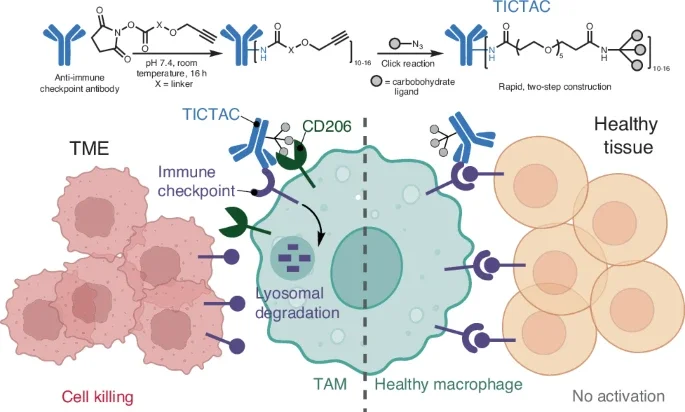
“An elegant new paper in Nature Chemical Biology reframes how we might disarm a macrophage checkpoint: not by blocking it, but by degrading it, and only where it matters. The team builds tumor immune cell targeting chimeras (TICTACs), bifunctional molecules that selectively strip SIRPα off the surface of tumor-associated macrophages while leaving it untouched elsewhere.
The design is clever. A synthetic ligand for CD206, a mannose-receptor marker of TAMs, is conjugated to a non-blocking antibody against SIRPα. CD206 constitutively shuttles between the plasma membrane and early endosomes, so engaging it hijacks that recycling to pull SIRPα into the cell for degradation. The result is robust checkpoint loss on CD206⁺ macrophages and no effect on CD206⁻ cells. Crucially, the antibody never has to block SIRPα to work: selectivity and function are decoupled.
Why this matters for anyone building innate-immune therapeutics: the appeal here is precision. Rather than engaging a checkpoint everywhere it is expressed, TICTACs confine activity to the cells that matter, making cell-type selectivity, not affinity, the source of tumor specificity. That kind of tissue-restricted targeting is an elegant way to concentrate effect where it counts. TAMs can make up as much as 50% of a solid tumor’s mass, so a modality that reprograms them selectively is worth watching.
One question the paper leaves open: SIRPα is precisely the brake whose loss, under a concurrent inflammatory trigger, can drive secondary hemophagocytic lymphohistiocytosis, and CD47/SIRPα-axis blockade has already produced fatal HLH and cytokine release syndrome in a recent clinical combination. Whether TAM-restricted degradation stays clear of that liability in an inflamed patient cannot be answered by the immunodeficient xenograft model used here, and will need dedicated cytokine and hematologic safety readouts.
Key takeaway: ‘degrade, don’t block’ paired with tissue-restricted delivery is a compelling route to precise, cell-type-selective engagement of innate checkpoints, provided the hemophagocytic safety question is addressed head-on.”
Diego A. Díaz-García, (Medical Oncologist /CEO/Founder at CánCare – High Specialty in Oncology):
” Oncolytic Viruses and Cytokine Gene Therapies.
Engineered oncolytic viruses and cytokine-based gene therapies can reprogram the tumor microenvironment, converting immune “cold” tumors into more responsive states.
Early clinical studies support durable immune remodeling and provide rationale for combination strategies with immunotherapy, although consistent long-term clinical benefit remains a challenge. “
Michel Frank Ferrazo, (Purchased Materials Technician at ABL Antibióticos do Brasil Ltda):
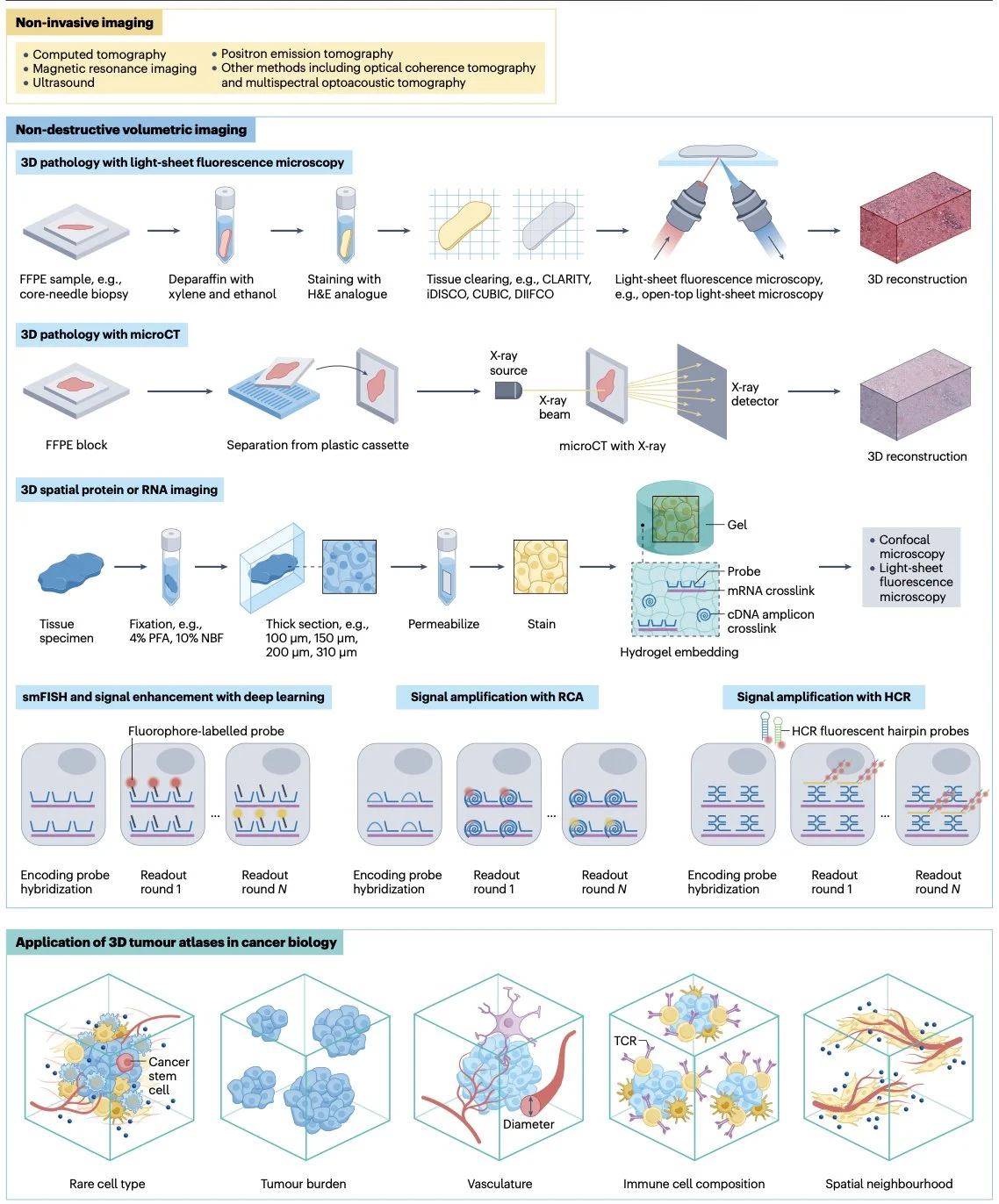
“This platform sits between conventional ex vivo manufacturing and systemic in vivo gene delivery.
Instead of shipping cells to a centralized facility or infusing CAR-encoding vectors into the bloodstream, the investigators created a temporary programming niche under the skin.
Patient-derived PBMCs, lentiviral vector, anti-CD3/CD28 antibodies, and IL-2 were mixed into an injectable methylcellulose microfoam. Within that localized environment, T cells were transduced, activated, expanded, and gradually released into circulation.
The foam increased lentiviral gene transfer by 3.4-fold at an MOI of 1 compared with suspension. For mRNA lipid nanoparticles, the increase approached 20-fold, depending on dose and formulation.
Localization also changed vector exposure. After a 60-minute incubation, 93.8% of detected gene transfer occurred in the embedded T cells rather than the off-target cell compartment. In mice, subcutaneous foam reduced peak systemic lentiviral exposure by approximately 152-fold compared with intravenous vector administration.
The programmed cells did not remain trapped at the injection site. They became detectable systemically, expanded over time, and controlled distal CD19-positive leukemia and GPC3-positive hepatocellular carcinoma xenografts with activity similar to conventionally manufactured CAR-T cells, although tumour responses developed more slowly.
The limitation is equally central. These experiments used immunodeficient NSG mice, standard VSV-G-pseudotyped lentivirus, and preclinical tumour models. Approximately 10% of vector-associated gene transfer remained outside the intended T-cell compartment, and the study cannot establish whether the approach would function safely without lymphodepletion.
The most important contribution is therefore not simply faster manufacturing. It is spatial control: turning a transient biomaterial depot into a local CAR-T production site while limiting systemic vector exposure.
Stephan et al., Molecular Therapy, 2026, journal pre-proof. DOI: 10.1016/j.ymthe.2026.07.037.”
Mustafa Banihashem (Chemicals Professional):
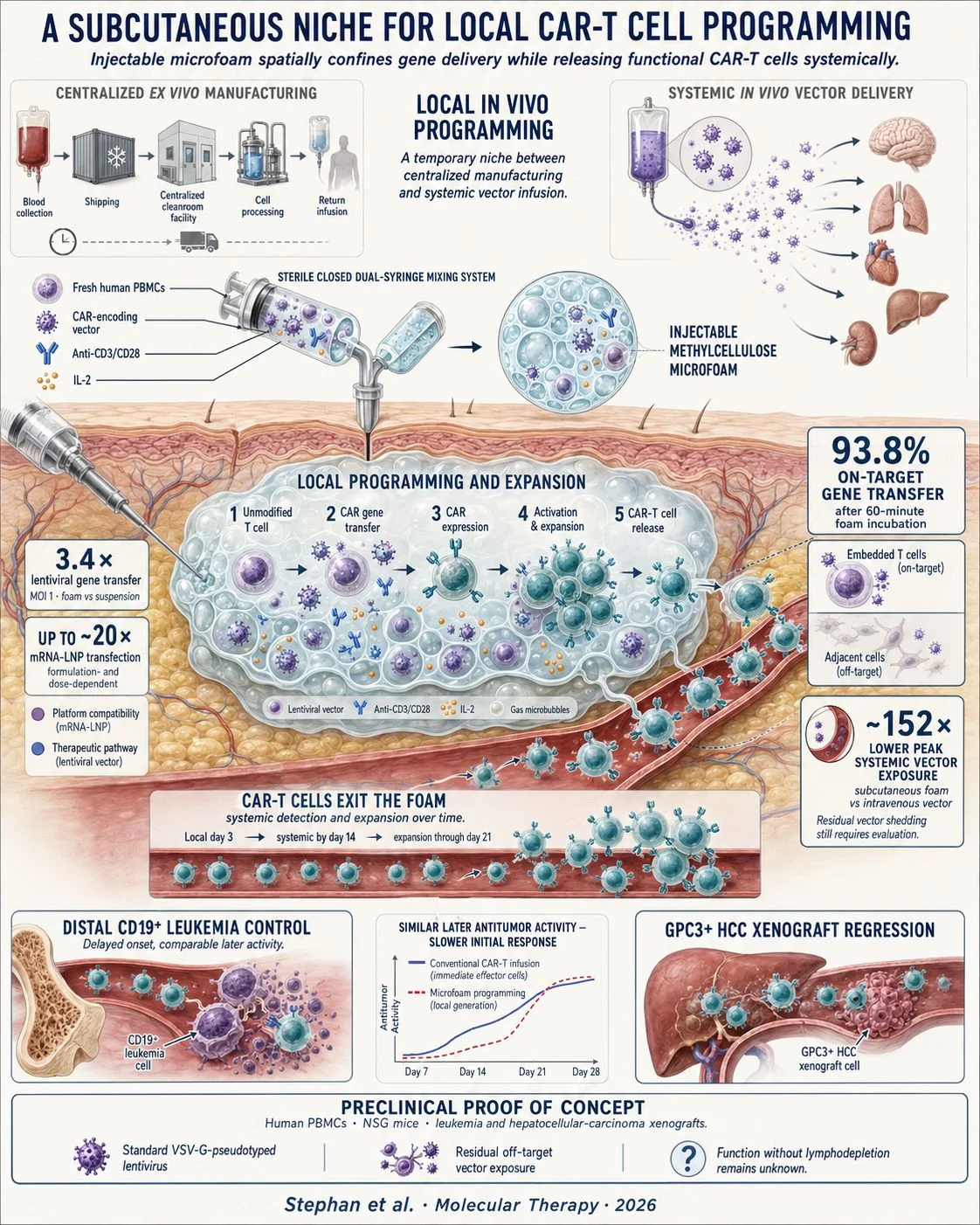
“Solid tumors remain difficult to treat due to antigen heterogeneity, physical barriers that limit immune-cell trafficking, and a profoundly immunosuppressive tumor microenvironment (TME). The review summarizes immune cell-based cancer therapies including macrophage reprogramming/CAR-macrophages, dendritic-cell vaccines, NK/NKT approaches, TIL therapy, TCR-engineered and CAR-T cells, B-cell engineering, and extracellular vesicle (EV)-based strategies; it also discusses key milestones, engineering strategies, and remaining barriers.”
Ronald Chen, (Professor and Chair of the Department of Radiation Oncology at the University of Kansas Medical Center):
“CAR T-cell therapy has shown remarkable potential in fighting cancer. It’s become an option for children and adults whose cancer no longer responds to standard-of-care treatments.
Chimeric antigen receptor (CAR) T-cell therapy is an immunotherapy treatment that uses reengineered versions of a patient’s own cells to find and fight cancer cells.
T cells are the backbone of the immune system and lead the charge in this treatment, killing cancer and other harmful cells.
Here’s how it works:
— T cells are separated from the patient’s blood
— The T cells are sent to a lab, where scientists genetically engineer them to include synthetic receptors that actively search out cancer cells
— While the CAR-T cells multiply, the patient receives preparatory chemotherapy
— The altered CAR-T cells are returned to the patient’s bloodstream to seek and destroy cancer cellsThe University of Kansas Cancer Center is among the world’s first providers of CAR T-cell therapy and one of only a few centers to offer all FDA-approved CAR T-cell treatments and multiple clinical trials.
This therapy offers us a new potential to cure cancer and save lives.”
Giulia Palazzo, (Master’s Graduate in Biotechnology for Industry and Scientific Research):
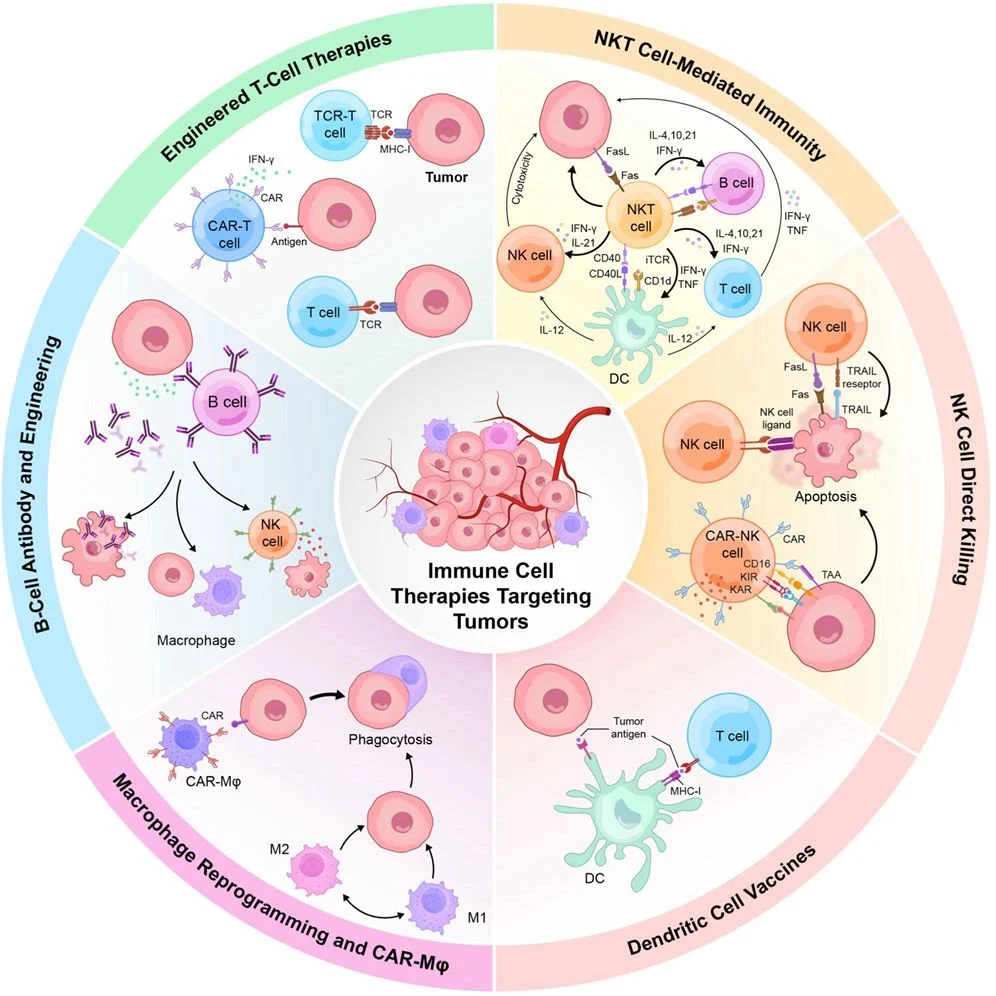
” I am pleased to share that our latest review article “Natural Killer Cell Immunotherapy in Solid Tumors: Microenvironmental Obstacles and Translational 3D Models” has been published in the journal Biology MDPI (MDPI ).
In this publication we examined the main microenvironmental challenges encountered by NK cell immunotherapy in solid tumors and discussed the potential of advanced 3D translational models to address these issues.
I would like to express my sincere gratitude to my supervisor Simona Campora for her invaluable support and guidance.Read the full open-access article here:”
Sandeep Singh, (Immuno-Oncology and Cell Therapy Researcher at The University of Texas MD Anderson Cancer Center, specializing in iPSC and MSC cell therapies):
” Secretory Cell Therapies: The Next Frontier in Cancer Immunotherapy
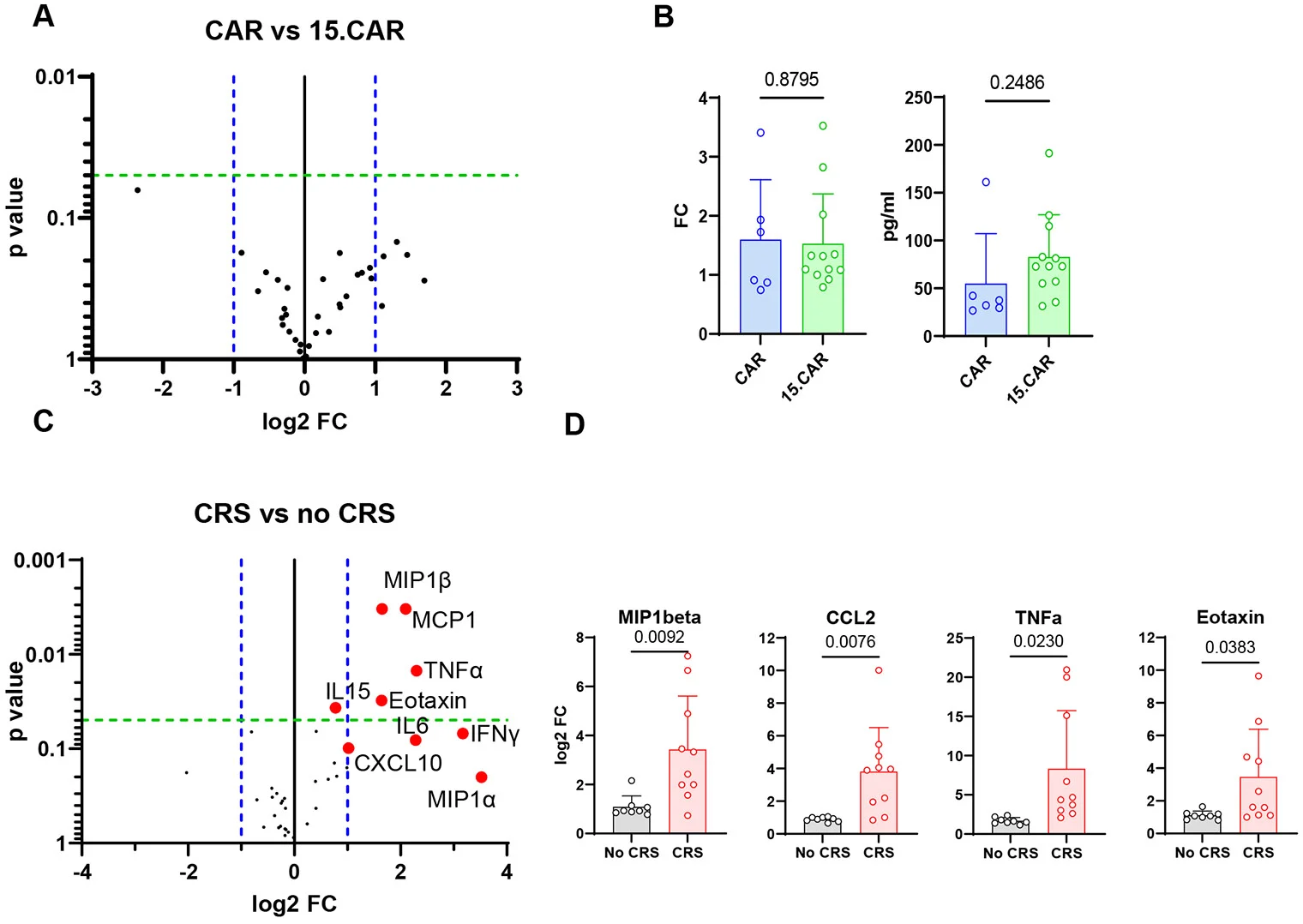
A newer avenue in cell therapy: cells engineered not just to kill tumor cells but to secrete immune-enhancing factors (like IL-15) that complement the effector cell and modulate the broader immune landscape in the TME.
Notable developments from the last year:
huCART19-IL18- CD19 CAR-T secreting IL-18: first clinical evidence for cytokine-secreting CAR-T, in relapsed B-cell malignancies after prior CAR-T failure: 21 pretreated adults, promising efficacy at low doses (Penn Medicine, NEJM, May 2025).
IL-15-armored GPC3 CAR-T for solid tumors: first-in-human pediatric/young adult data, CRS managed via inducible caspase-9 switch.
New payloads entering the toolkit- IL-9 redirects CAR-T toward CD8⁺ memory states (Immunity, 2026); IL-36γ-armored CAR-T reprograms neutrophils for anti-tumor immunity (Nat Rev Immunol. 2026;26:525-537; Immunity 2026;59:195-212).
iPSC-derived CAR-NK with built-in IL-15: MSLN.CAR-IL-15 iNK cells (LiPSC-GR1.1 line) show enhanced solid-tumor infiltration and reduced exhaustion- proof-of-concept for off-the-shelf, armored NK products
FT596- iPSC-derived CD19 CAR-NK with IL-15 receptor fusion + non-cleavable CD16, validated in 2025 including CAR-T-relapsed patients, ~30% CR post-CAR-T
Safety caveats- a Minnesota group’s 2025-26 perspective on IL-15-armored CAR-NK toxicity in immunodeficient mice flags the need for humanized-mouse safety models before translation.
The catch: tumor tropism isn’t guaranteed across any of these. Engineered cells reach the tumor “but also other tissues”, limiting local dose and carrying a lingering risk of systemic toxicity, even where none has been reported yet.
This is why our approach iPSC-derived mesenchymal stromal cells (iMSCs) as the secretory chassis is unique:
(i) Near-guaranteed tumor tropism, minimizing systemic toxicity (ii) Supraphysiological cytokine output, driving robust immune activation while bypassing MSCs’ own immunosuppressive functions (iii) Extended TME persistence, sustaining cytokine release (iv) No evidence yet of persistence in tumor-free tissueIL7/IL15-iMSCs reprogram the immunosuppressive TME- our ASH 2025 abstract (Singh et al.) showed CD73⁺CD90⁺CD105⁺ iMSCs secreting IL-7/IL-15, driving T-cell proliferation, STAT5 signaling, and phagocytic activation in the orthotopic 4T1 model, with a low-dose fractionated IV regimen minimizing pulmonary entrapment (Blood 2025;146(Suppl 1):4137, ASH).
An engineered cell no longer just needs to kill – it needs to talk to the rest of the immune system too. The differentiator ahead: which chassis delivers that message precisely, safely, and long enough to matter.”
Shefali Bhumbra, (PhD Researcher at Imperial College London):
“I am delighted to share that my first journal article stemming from my PhD research has now been published in The Journal of Immunology!
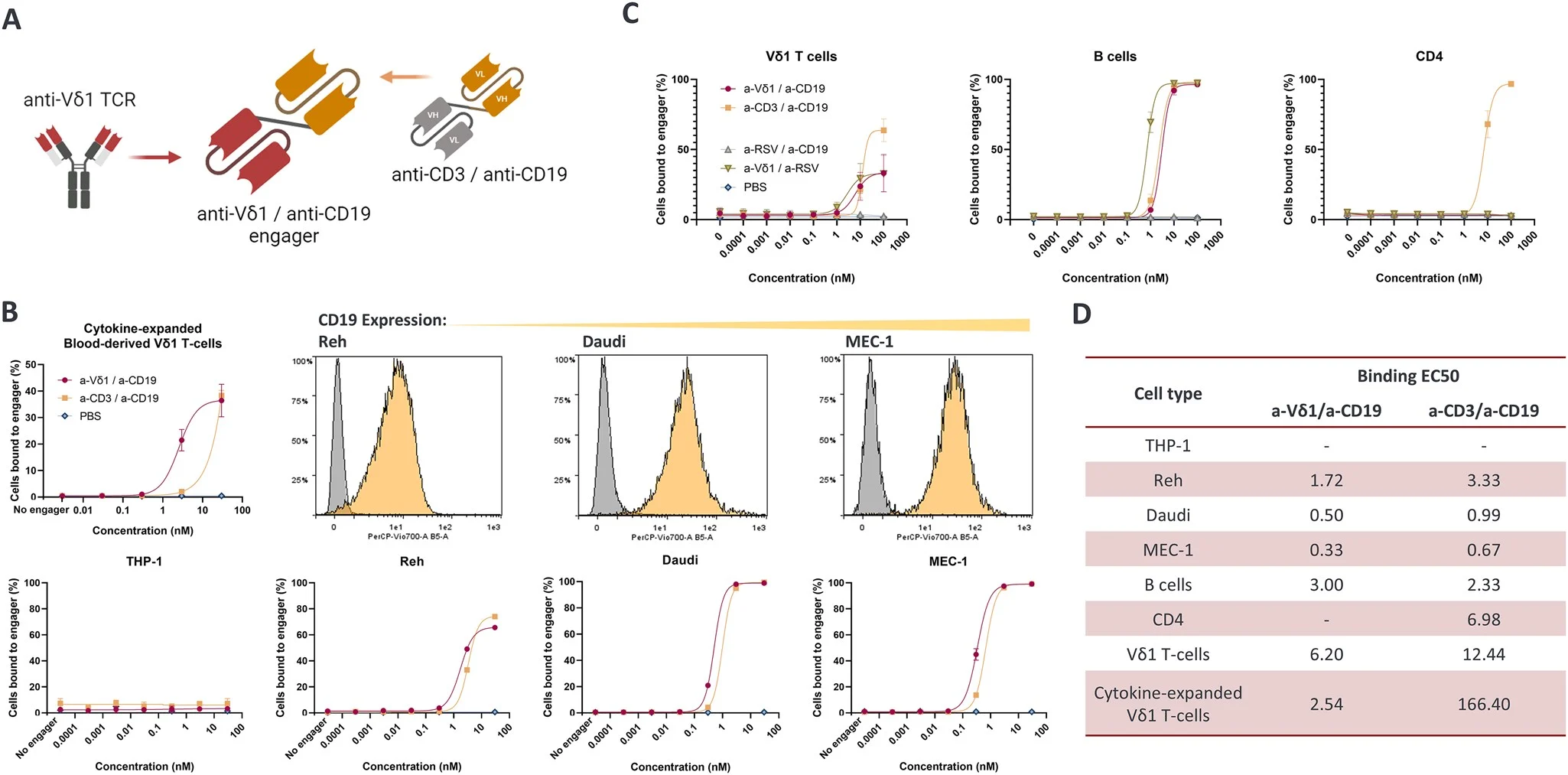
Our study, “A novel Vδ1 engager targeting CD19 enhances human Vδ1 γδ T cell responses against CLL and CD19⁺ hematological malignancies,” explores the mechanism behind a Vδ1 γδ T cell-binding bispecific antibody enhancing immune responses against chronic lymphocytic leukaemia (CLL) and other CD19⁺ haematological malignancies.
I hope these findings contribute to the growing field of cancer immunotherapy and help inform future research into γδ T cell-based therapies.
You can read the paper here
A massive thank you to everyone who contributed to this work, specifically Rob Good, Antara Banerjee, Tyreese H., Kathy Seidl, Jessica Strid and Andrew Hutton. I am incredibly grateful for your guidance, support and collaboration in putting this paper together with me.”
Yan Leyfman, (Medical Oncologist, Co-Founder and Executive Director of MedNews Week):
“Are CAR-NK cells the next evolution of cellular immunotherapy?
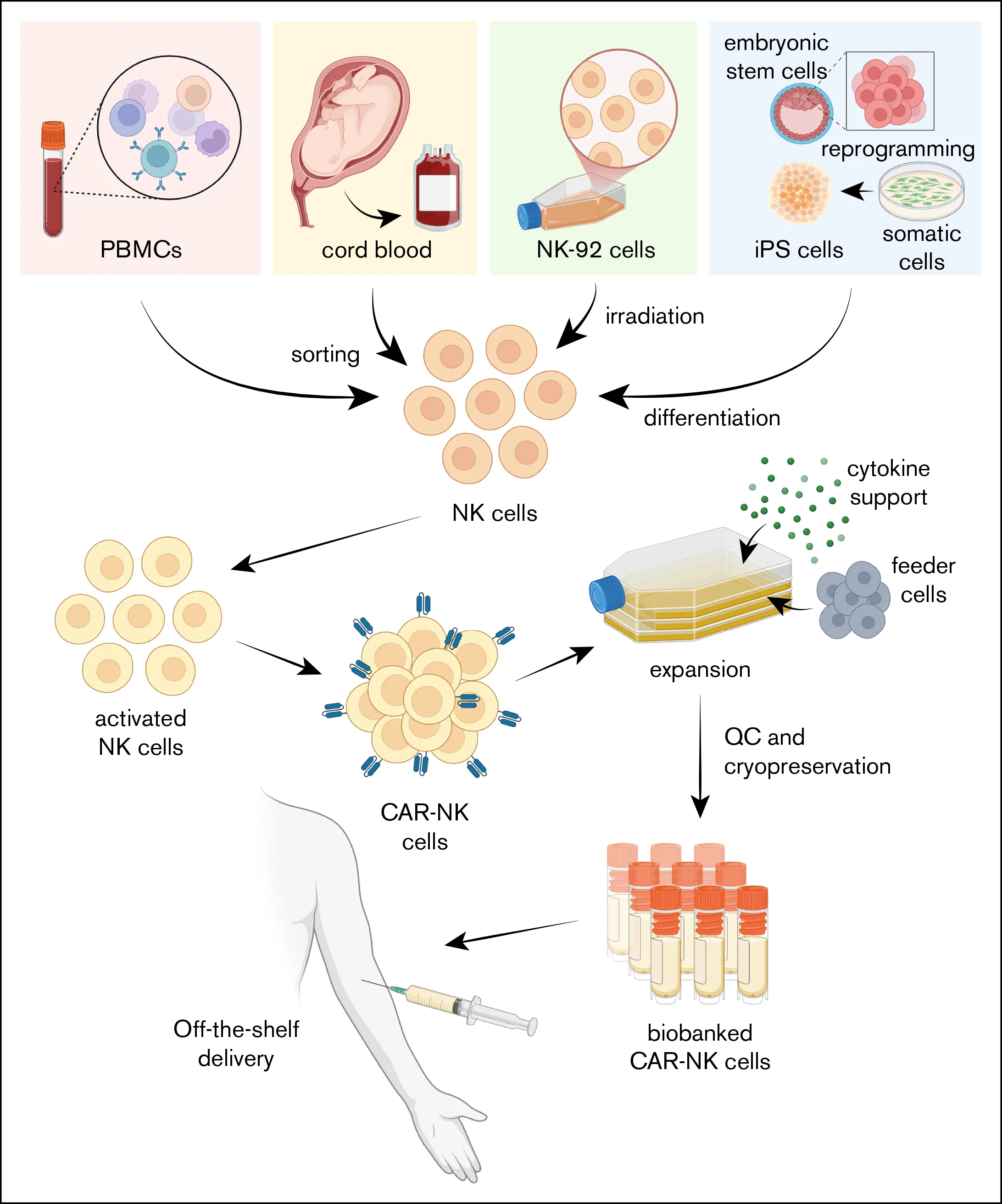
While CAR T-cell therapy has transformed the treatment of hematologic malignancies, CAR-natural killer (CAR-NK) cells are emerging as a promising next-generation platform with several potential advantages.
Unlike CAR T cells, CAR-NK cells offer:
A favorable safety profile with lower rates of severe CRS and neurotoxicity
Off-the-shelf, allogeneic manufacturing that may improve access and scalability
Innate anti-tumor activity without prior antigen sensitization
Early clinical trials have demonstrated encouraging responses in hematologic malignancies with minimal severe toxicities.
Challenges remain, including limited in vivo persistence, metabolic constraints, and tumor-induced NK cell exhaustion. However, advances in genetic engineering, cytokine support, and metabolic reprogramming are driving the development of more durable and potent CAR-NK therapies.
As the field continues to evolve, CAR-NK cells have the potential to complement—or in some settings, even expand upon—the success of CAR T-cell therapy, bringing safer and more accessible cellular immunotherapies to patients with blood cancers.
Thank you to Dr. May Daher and team for a compelling review.”
Wenchang Yue, (MD, PhD, Urologist and Postdoctoral Researcher in New York):
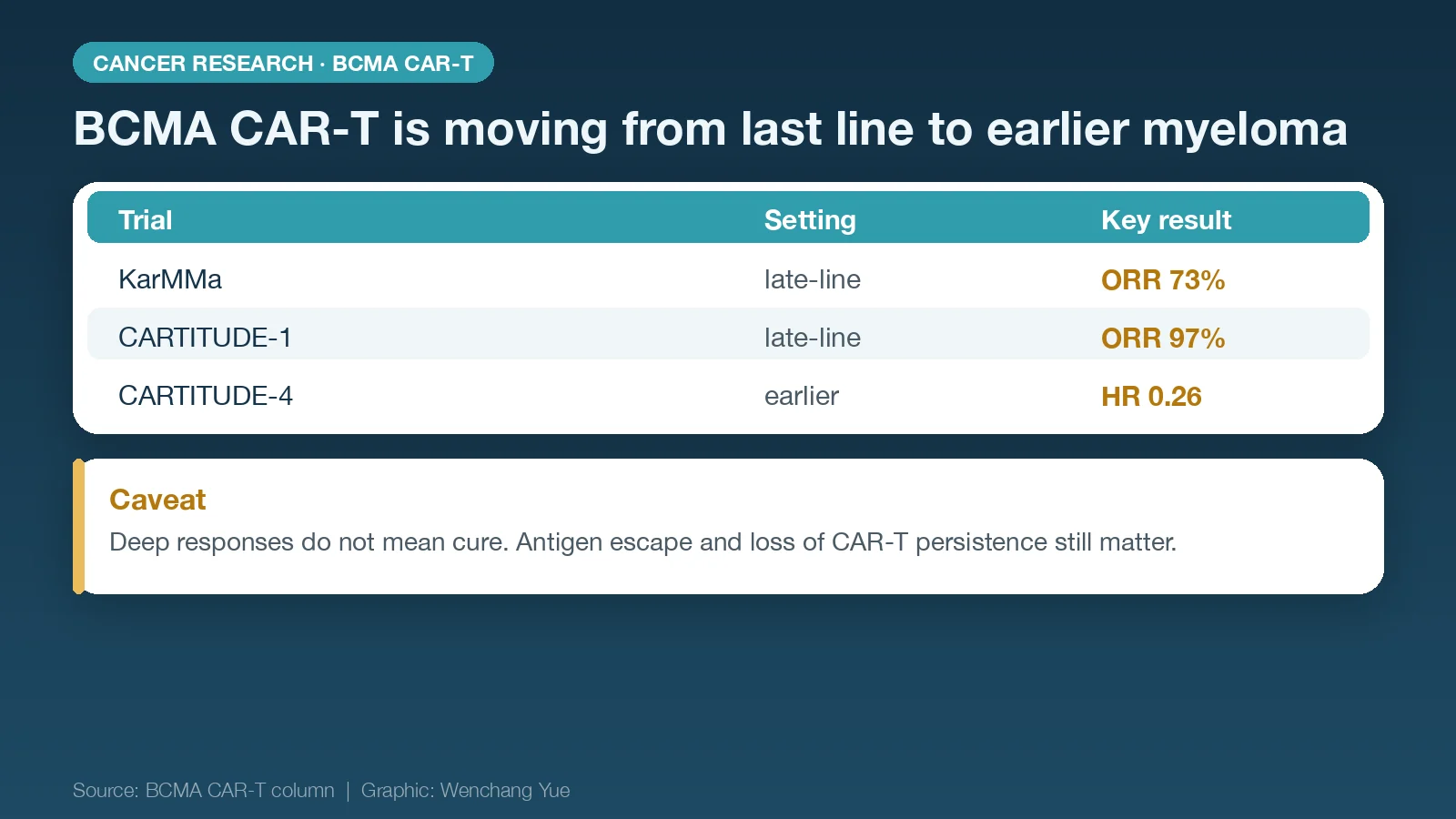
“BCMA CAR-T started in patients with myeloma who had almost no options left. Now it is moving earlier.
The late-line data were already strong for such difficult disease. In KarMMa, ide-cel produced a response in 94 of 128 treated patients: 73%. Forty-two reached complete response or better: 33%. MRD negativity was confirmed in 33 patients, 26% of all treated patients. Median progression-free survival was 8.8 months.
CARTITUDE-1 looked deeper. Ninety-seven patients received cilta-cel after a median of six prior lines. The response rate was 97%, and 67% reached stringent complete response. At 12 months, 77% were still progression-free.
Then came earlier-line randomized trials. CARTITUDE-4, in lenalidomide-refractory disease after 1-3 prior lines, reported HR 0.26 for progression or death versus standard care. KarMMa-3 reported median PFS 13.3 months with ide-cel versus 4.4 months with standard regimens, HR 0.49.
The honest bottom line: BCMA CAR-T can drive deep responses and delay progression. It is not a cure for most patients. Relapse still happens through antigen escape, CAR-T exhaustion, or limited persistence. Cancer research, explained Would you move cell therapy earlier if overall survival is still immature?”