Cancer researchers, clinicians, patient advocates, policymakers and global oncology leaders gathered in Brussels for the World Cancer Research Day International Event 2026, marking the 10th anniversary of an initiative dedicated to highlighting the importance of cancer research and strengthening collaboration across the global cancer community.
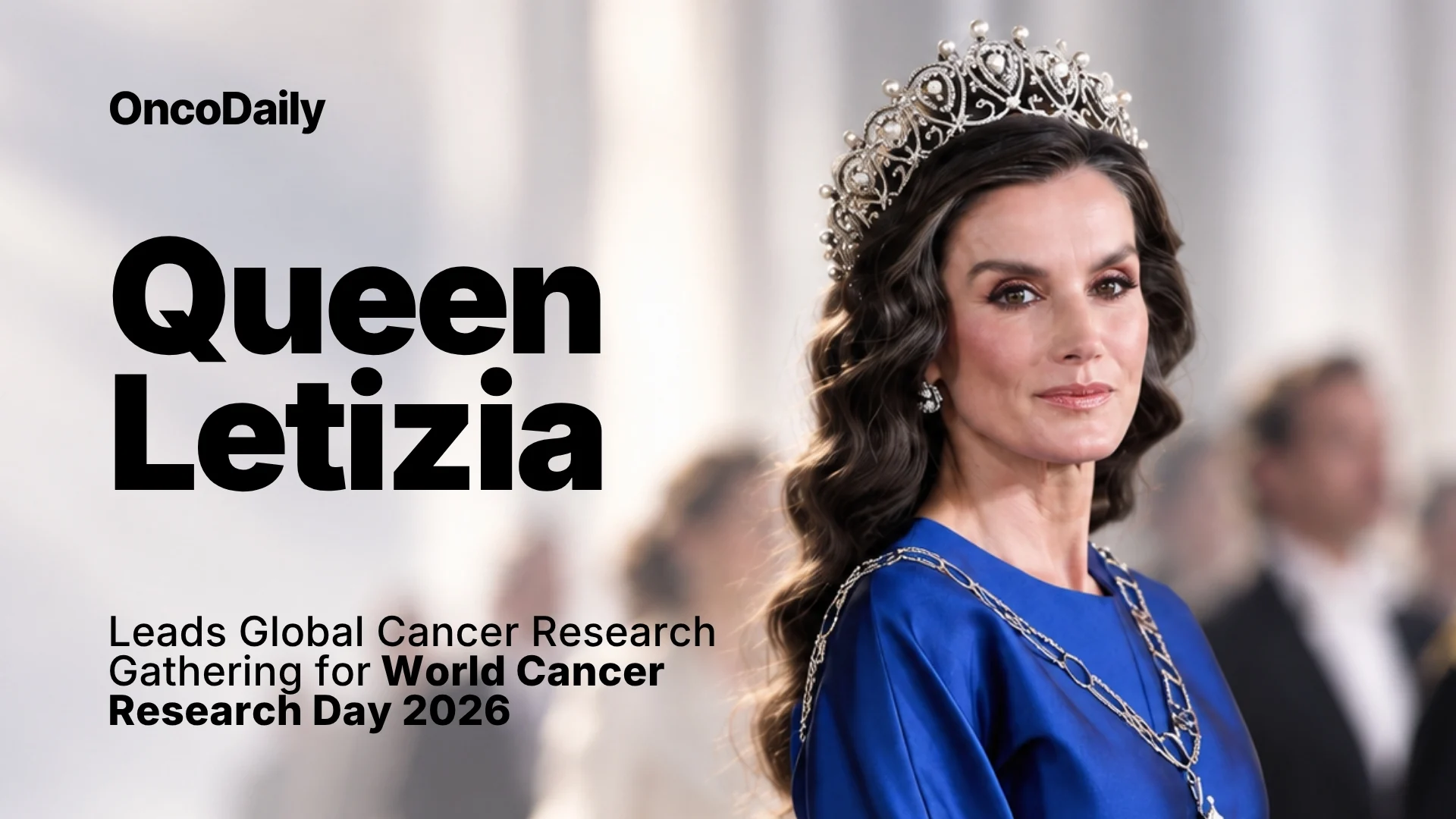
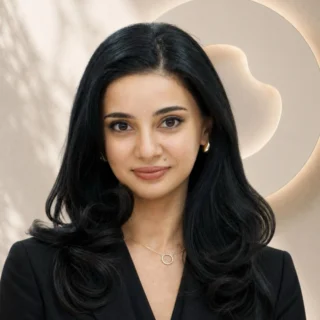
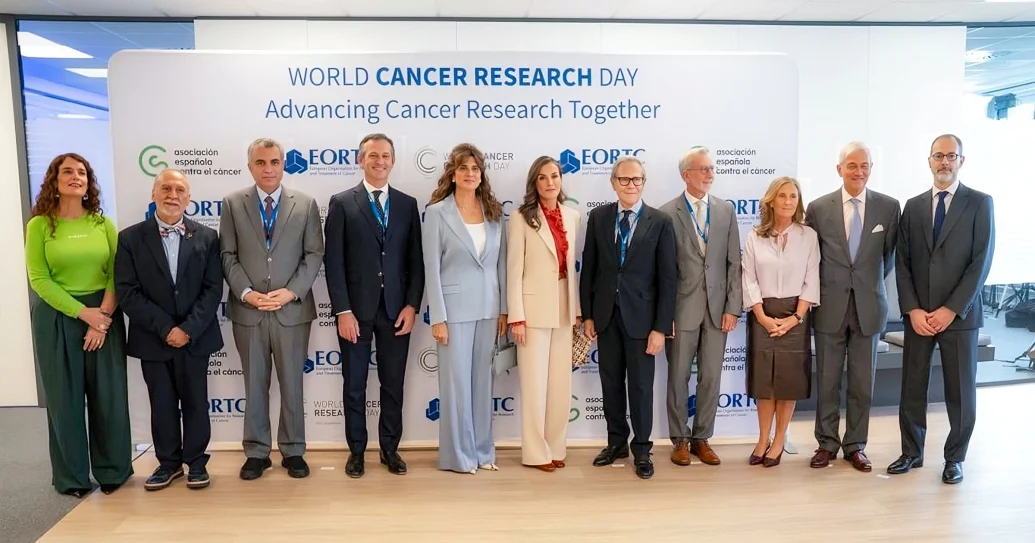
Held at the headquarters of the European Organisation for Research and Treatment of Cancer (EORTC), the anniversary event was organised by EORTC and the Spanish Association Against Cancer (AECC) under the theme “Advancing Cancer Research Together.” The meeting was held under the presidency of Her Majesty Queen Letizia of Spain, Honorary President of AECC and its Scientific Foundation, together with HRH Princess Dina Mired of Jordan, Honorary President of EORTC.
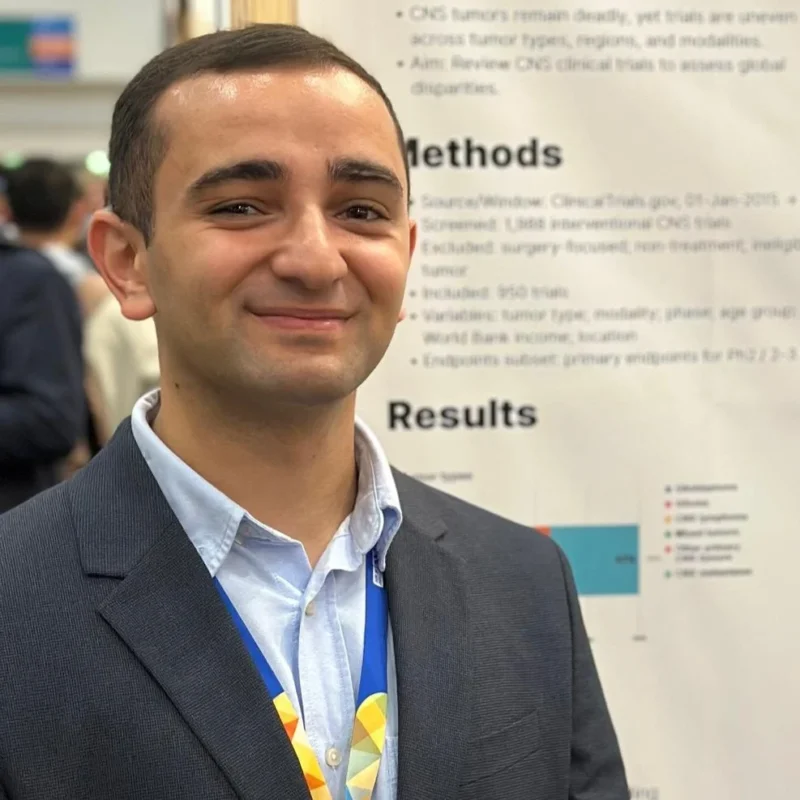
The event brought together leading voices from cancer research organisations, healthcare institutions, patient communities and advocacy groups to discuss how scientific collaboration can accelerate progress in cancer prevention, diagnosis and treatment while ensuring that advances translate into better outcomes for people affected by cancer. Among the participants were Denis Lacombe, CEO of EORTC; Benjamin Besse, President of EORTC; Ramon Reyes, President of AECC; Marta Puyol, Scientific Director of AECC; Erik Briers, patient advocate and Chair of the European Prostate Cancer Coalition; Jens Lehmann from LVR-University Hospital Essen; Jean-Pascal Machiels from Cliniques Universitaires Saint-Luc; Susana Rives Sola from SJD Barcelona Children’s Hospital; and other representatives from across the global cancer community.
EORTC – European Organisation for Research and Treatment of Cancer/LinkedIn
Celebrating 10 Years of World Cancer Research Day
World Cancer Research Day was established in 2016 by a group of international cancer organisations to raise awareness of the importance of cancer research and recognise the contribution of researchers working to advance cancer prevention, treatment and care.
Over the past decade, the initiative has grown into a global movement involving researchers, clinicians, patients, advocates and organisations committed to accelerating progress against cancer.
The 2026 anniversary event reflected on the achievements of the past decade while highlighting remaining challenges, including improving access to innovation, strengthening clinical research and ensuring that scientific discoveries reach patients worldwide.
Bringing Research Closer to Patients
Throughout the programme, speakers highlighted the importance of academic research, clinical trials, evidence generation and patient involvement in shaping the future of oncology.
A central message of the meeting was that progress in cancer care requires not only the development of new therapies, but also research approaches that identify which treatments provide meaningful benefit for individual patients.
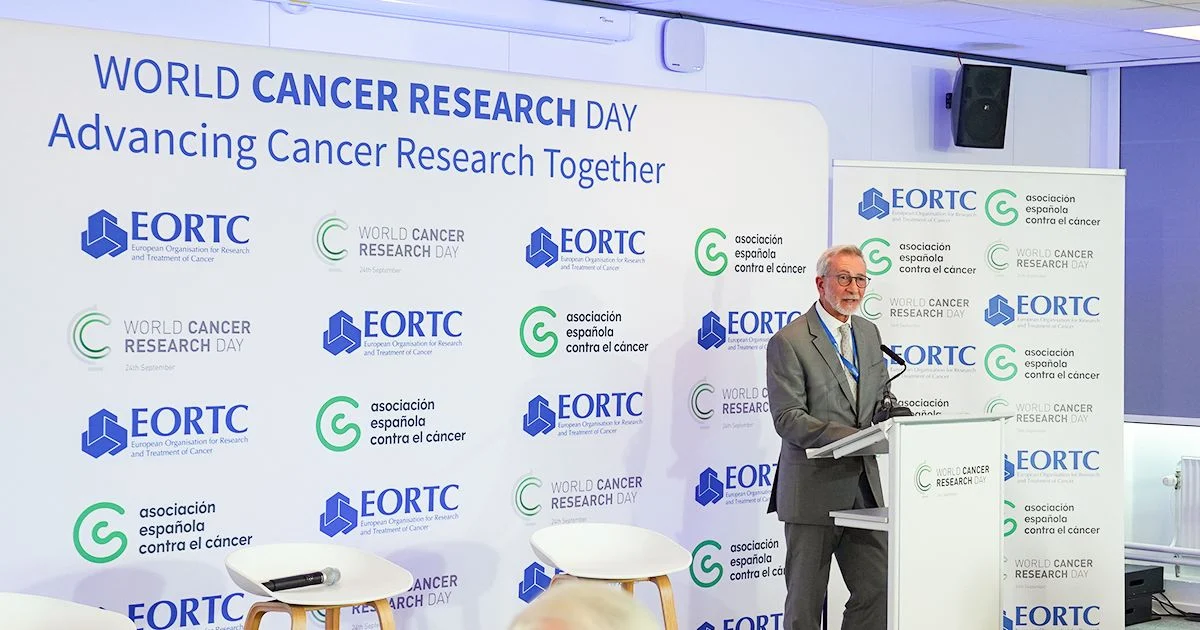
Denis Lacombe, CEO of EORTC, highlighted the essential role of academic cancer research in generating evidence needed to optimise treatments and improve patient care. Reflecting on his remarks from the event, EORTC emphasised that strong research foundations are critical for delivering more personalised and effective cancer care.
“World Cancer Research Day reminds us that better cancer care is not always about more treatment, but about the right treatment for the right patient, supported by strong academic cancer research.”
EORTC – European Organisation for Research and Treatment of Cancer/LinkedIn
The discussions also explored the importance of collaboration across institutions, countries and disciplines, bringing together researchers, clinicians, patients and policymakers around a shared vision for advancing cancer research.
A Decade of Global Collaboration
The anniversary event provided an opportunity to reflect on the growth of World Cancer Research Day and the evolution of cancer research over the past 10 years.
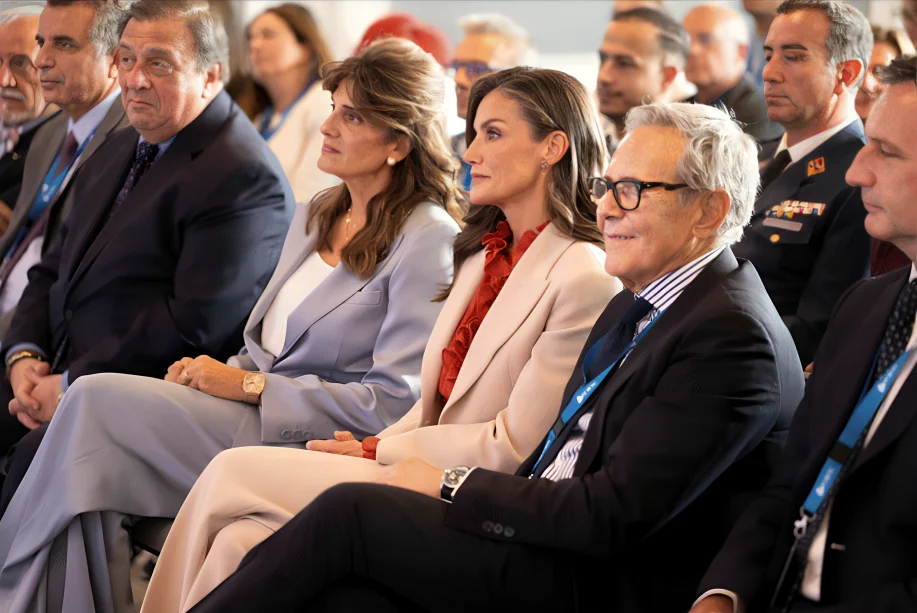
Ramon Reyes, President of the Spanish Association Against Cancer (AECC), reflected on the origins and impact of the initiative in a LinkedIn post following the Brussels celebration. He highlighted that World Cancer Research Day was created to give greater visibility to cancer research and the researchers whose work drives scientific progress.
“10 years ago we held a meeting with 14 other entities to create World Cancer Research Day. An initiative that was born to cover something that was missing in society: to give visibility to research and researchers who worked in the shadows.”
Reyes highlighted the expansion of the initiative over the past decade, noting the growing involvement of organisations and communities worldwide. He also emphasised the importance of maintaining collaboration between scientific communities, healthcare systems, policymakers and society to continue advancing cancer research.
Ramon Reyes/LinkedIn
How Cancer Research Has Evolved
The anniversary also highlighted how oncology research has transformed over the past decade, with new scientific approaches reshaping cancer treatment and patient care.
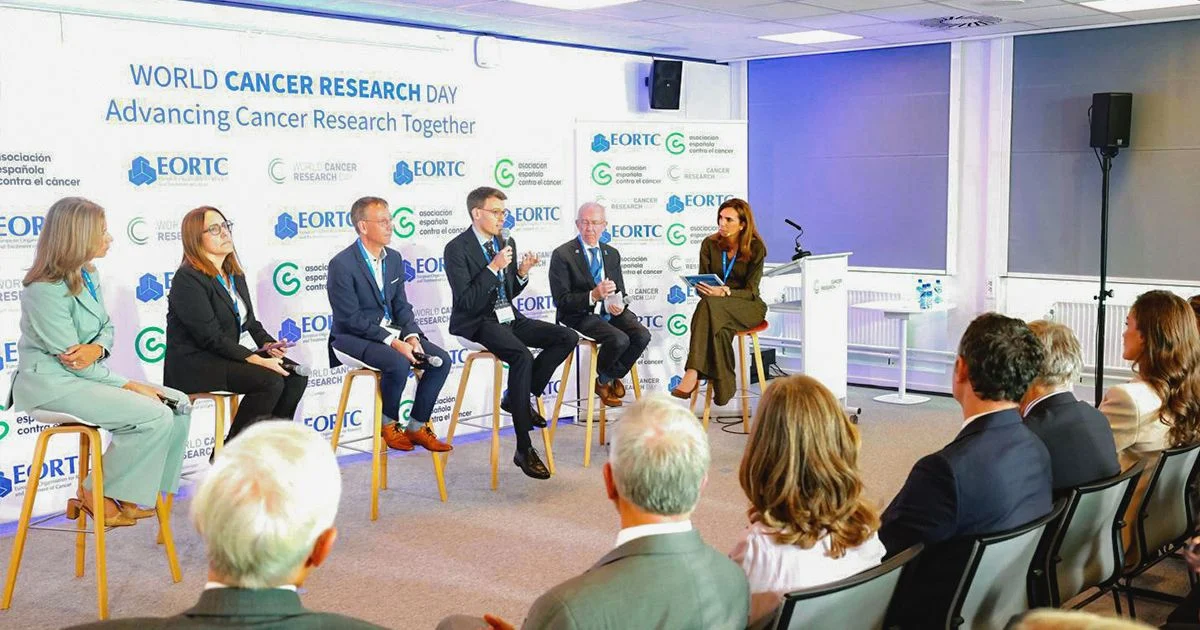
Marta Puyol, Scientific Director of AECC, shared her reflections on LinkedIn, describing how the priorities and language of cancer research have evolved since the creation of World Cancer Research Day.
“Today we talk about advanced therapies, pragmatic clinical trials, precision medicine and quality of life.”
Puyol noted that while major progress has been achieved, important challenges remain, including accelerating the arrival of innovation to patients, improving access to research opportunities and ensuring that no one is left behind.
EORTC – European Organisation for Research and Treatment of Cancer/LinkedIn
Patient Voices at the Centre of Research
Patient involvement was another key focus of the event, with discussions highlighting the importance of including patient perspectives in research priorities and clinical development.
The International Agency for Research on Cancer (IARC) highlighted the role of patients as active partners in cancer research and emphasised the need for collaboration between patients, researchers, healthcare professionals, funders and policymakers.
The meeting reinforced that successful cancer research must go beyond scientific discovery by addressing outcomes that matter most to patients, including quality of life, access to care and equitable delivery of innovation.
A Shared Vision for the Future of Cancer Research
Following the anniversary event, EORTC reflected on the collective efforts that brought together researchers, clinicians, patients, advocates, policymakers and partners from across the cancer community.
The organisation highlighted that the discussions and shared perspectives throughout the day demonstrated a common commitment to advancing cancer research and improving outcomes for people affected by cancer worldwide.
“Progress happens when we work together.”
EORTC also emphasised that collaboration remains essential for transforming research discoveries into meaningful progress for patients.
As World Cancer Research Day enters its second decade, the Brussels gathering reinforced a shared message across the global cancer community: continued collaboration, strong academic research and patient-centred approaches will remain essential to shaping the future of oncology.
Read further on OncoDaily: Queen Letizia of Spain to Lead Global Cancer Research Gathering in Brussels for 10th World Cancer Research Day