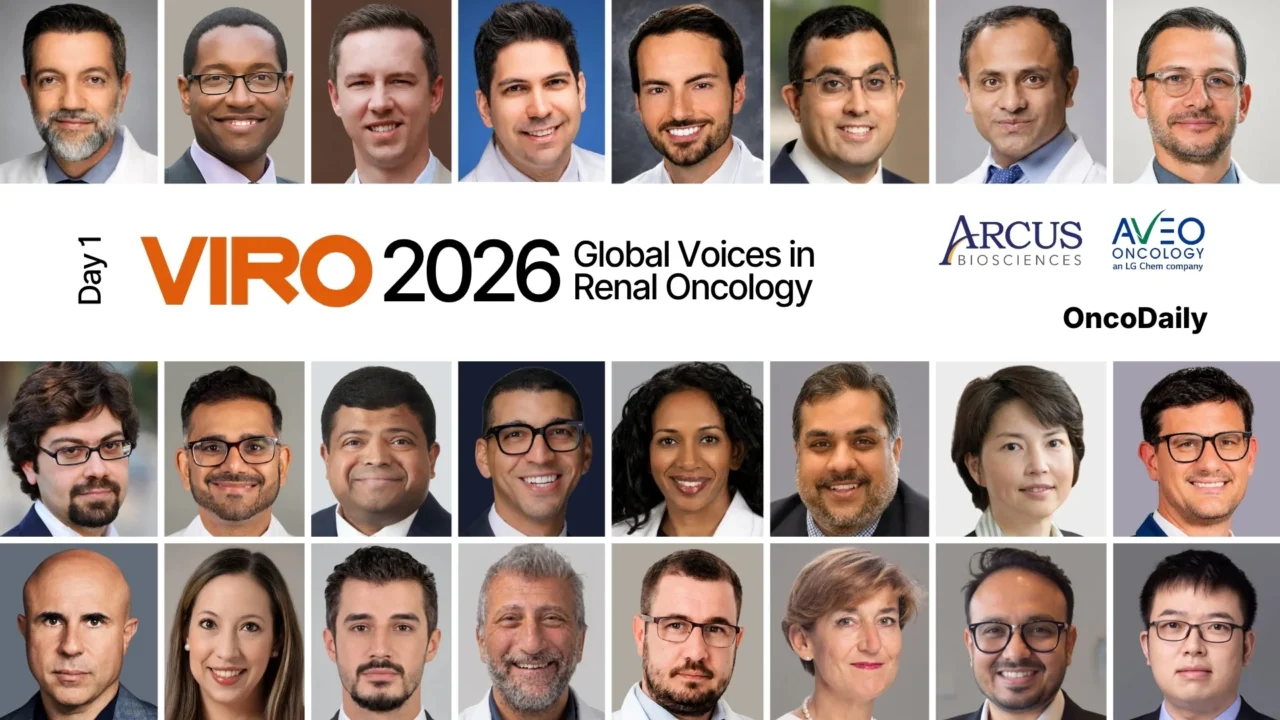
VIRO 2026 – Global Voices in Renal Oncology is a virtual international congress dedicated to advancing discussion around the diagnosis, treatment, and evolving science of kidney cancer. Organized by OncoDaily, the congress brings together experts from different regions and disciplines to share perspectives on renal cell carcinoma, emerging evidence, clinical decision-making and the challenges of delivering high-quality care across diverse healthcare settings.
The congress is supported by Arcus Biosciences and AVEO Oncology, continuing their partnership with VIRO and supporting a global platform for education, scientific exchange and progress in renal oncology.
The first day of VIRO 2026 – Global Voices in Renal Oncology brought together experts from across the world for a wide-ranging discussion on the rapidly evolving landscape of kidney cancer care.
Across the day, the programme moved from renal cell carcinoma biology and precision immunotherapy to first-line treatment selection, global access, diagnostics, imaging, hereditary kidney cancer, treatment sequencing, toxicity management and emerging biomarkers.
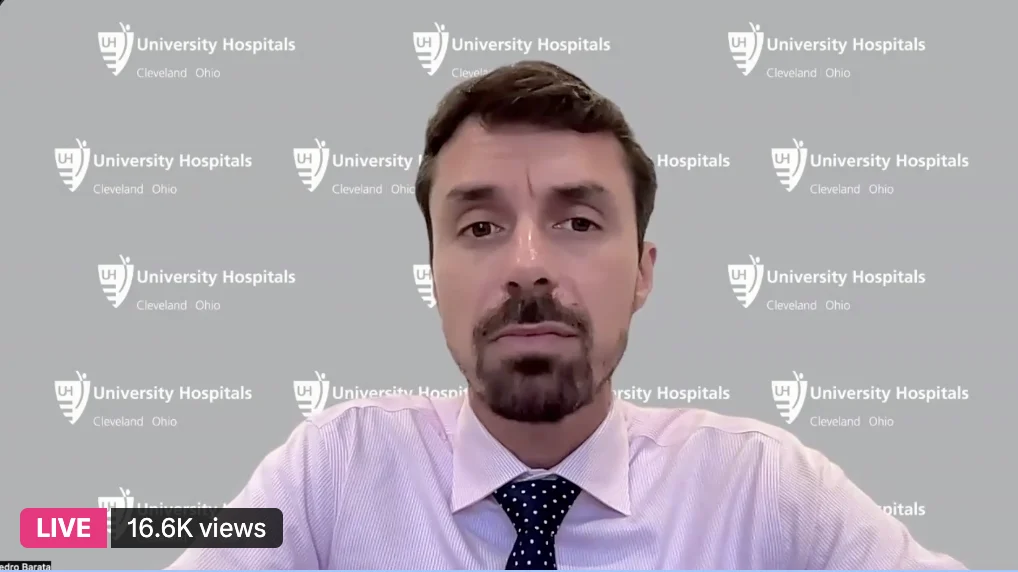
The congress opened with remarks from Pedro Barata, beginning two days of international exchange focused on translating advances in renal oncology into clinical practice.
Rethinking Precision Immunotherapy Through the RCC Microenvironment
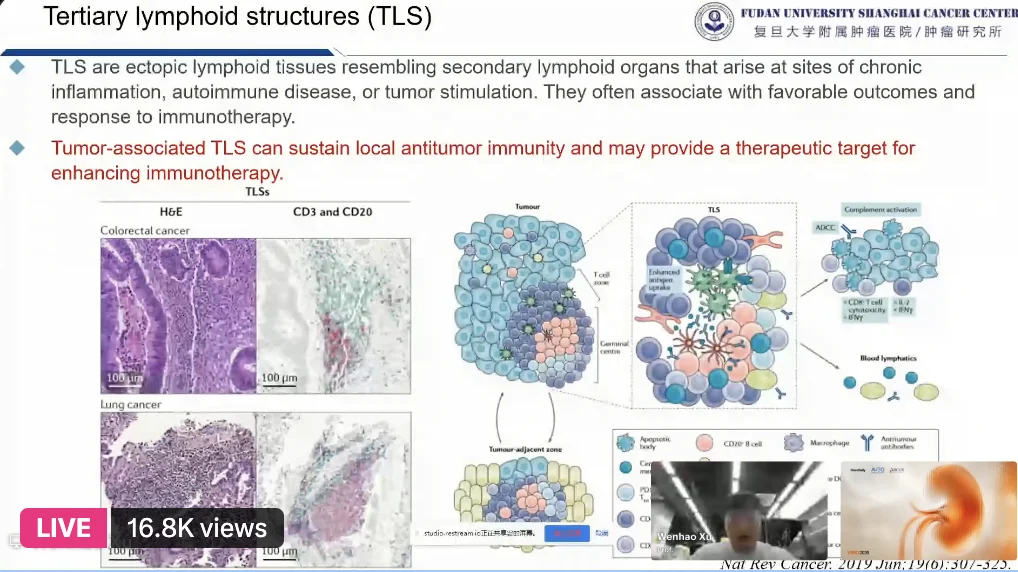
Wenhao Xu opened the scientific programme with a presentation on spatial immune architecture and tertiary lymphoid structures in renal cell carcinoma.
The session explored the organization of the immune microenvironment within RCC and how a deeper understanding of interactions between tumor and immune cells may contribute to increasingly precise approaches to immunotherapy.
The discussion reflected the growing importance of moving beyond traditional tumor characteristics and examining the biological environment in which cancer develops and responds to treatment.
First-Line RCC Treatment Across Different Healthcare Settings
Choosing first-line treatment for advanced clear cell RCC remains one of the major practical decisions in renal oncology.
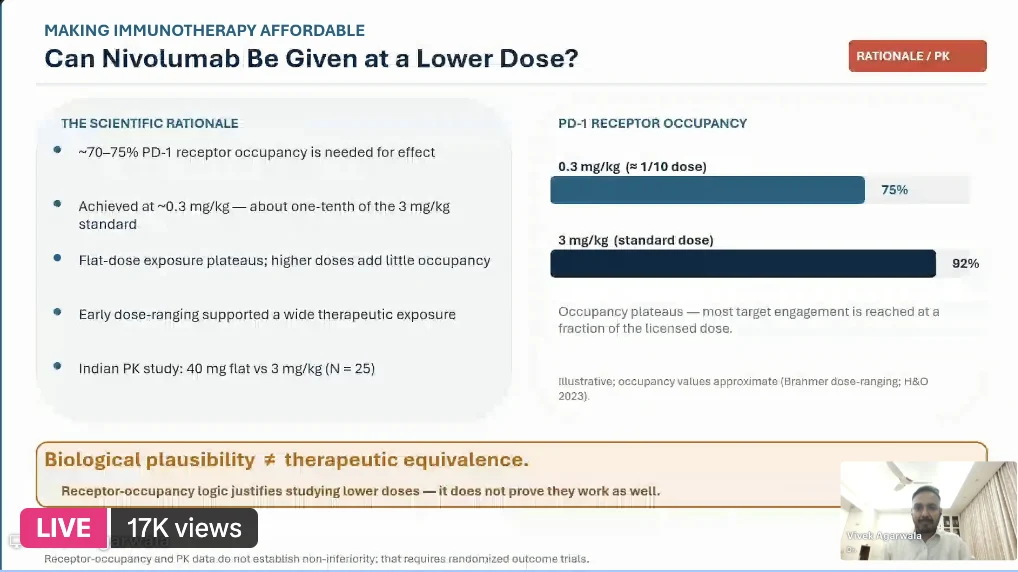
Vivek Agarwala approached this question from the perspective of low- and middle-income countries, where clinical evidence must often be considered alongside differences in drug availability, affordability, and healthcare resources.
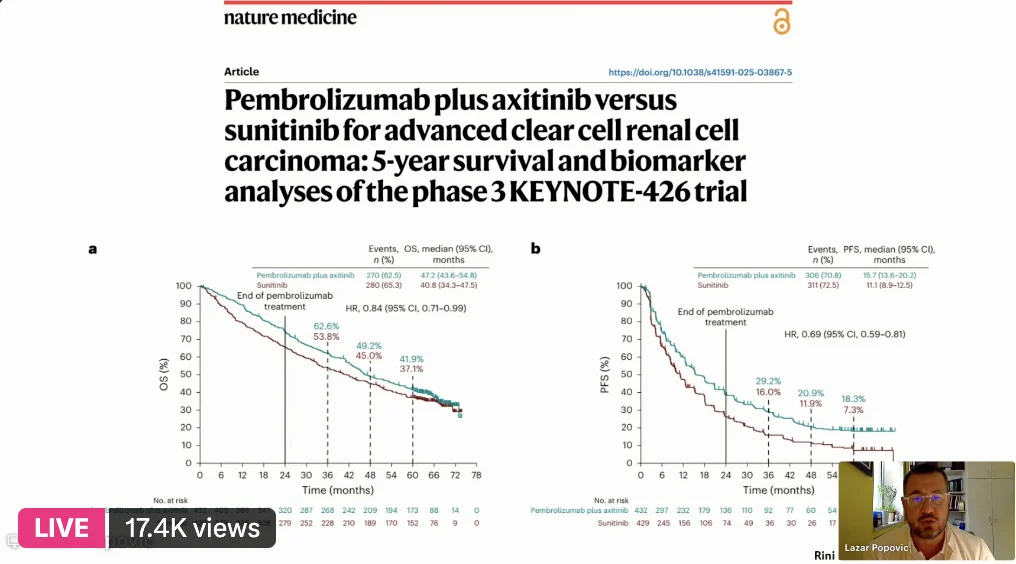
Lazar Popovic also addressed the selection of optimal first-line therapy in metastatic clear cell RCC, focusing on the considerations involved as clinicians choose among an expanding number of effective treatment strategies.
Together, the presentations highlighted that optimal treatment selection depends not only on available evidence, but also on the patient and the healthcare environment in which that evidence is applied.
Understanding RCC Biology and Its Clinical Impact
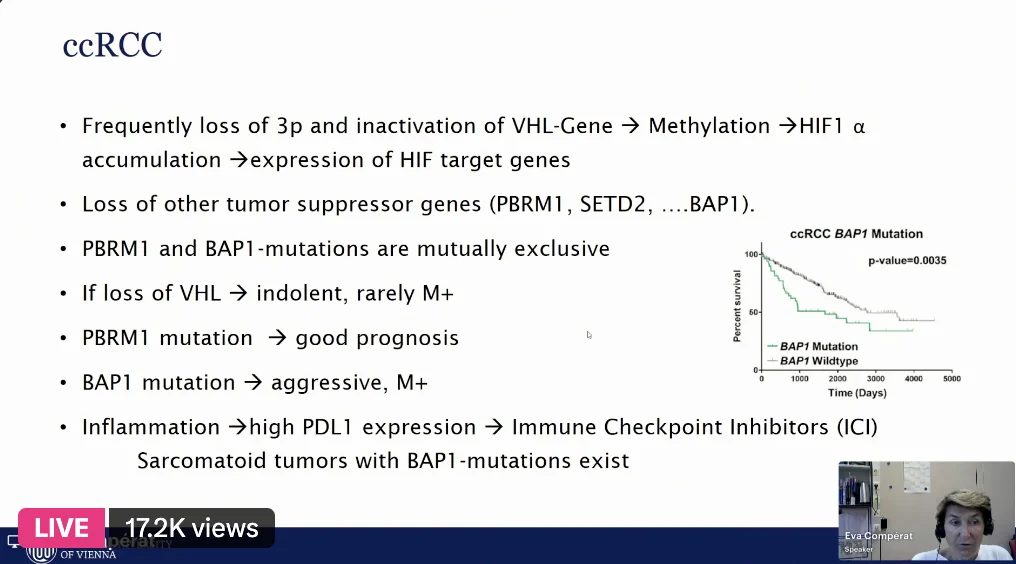
Eva Compérat examined the biology of renal cell carcinoma and its relationship with clinical outcomes.
The presentation highlighted the biological diversity within RCC and the importance of understanding tumor characteristics when considering prognosis, disease behavior, and treatment.
As renal cancer becomes increasingly subdivided according to its pathological and molecular features, understanding the biology underlying individual tumors continues to play an important role in more personalized care.
What Comes After Recurrence or Progression on Adjuvant Pembrolizumab?
As adjuvant immunotherapy becomes part of the treatment landscape for selected patients with RCC, an increasingly relevant question is what to do when disease returns during or after treatment.
Giuseppe Procopio addressed recurrence during adjuvant pembrolizumab, focusing on the clinical decisions that follow when a patient develops recurrent disease despite adjuvant therapy.
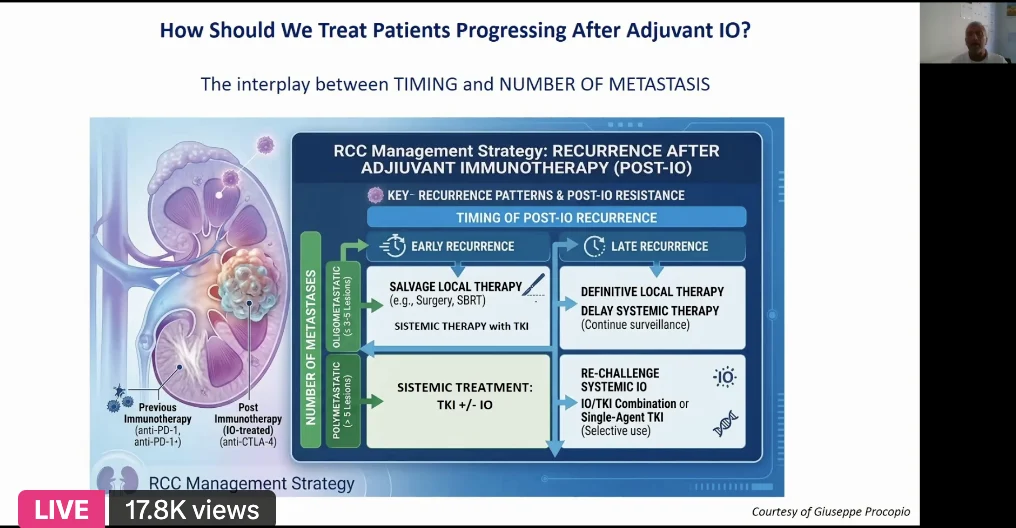
Ahmed Elalfy continued this discussion by examining progression on adjuvant pembrolizumab, placing the emphasis on how clinicians can approach the next therapeutic decision.
Together, the sessions addressed an emerging real-world challenge in RCC: how previous exposure to immunotherapy may influence subsequent treatment planning when disease recurs or progresses.
What Comes After First-Line Combination Therapy Fails?
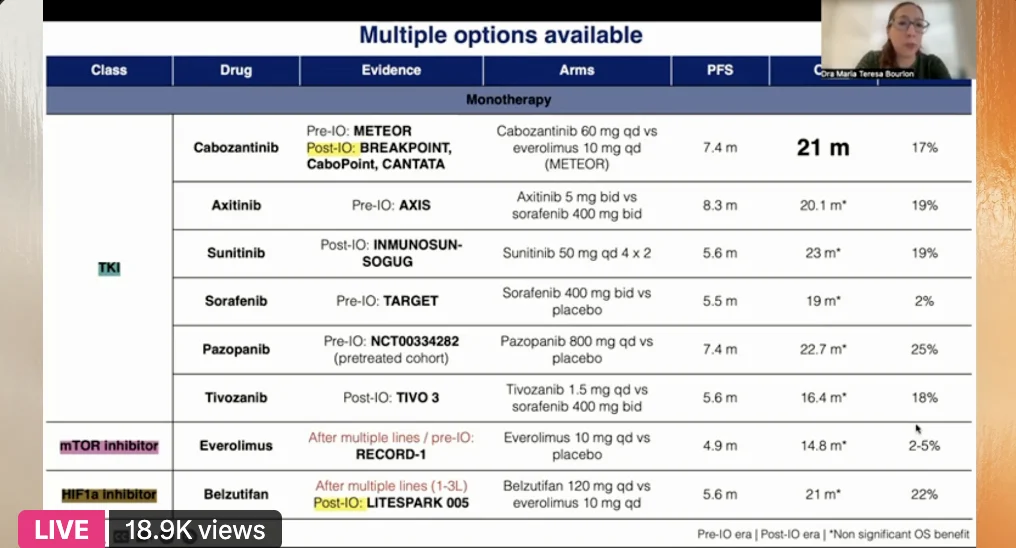
Maria Teresa Bourlon from Mexico City addressed another increasingly relevant challenge in advanced renal cell carcinoma: what to do after failure of first-line combination therapy.
Her presentation focused on the decisions clinicians face once disease progresses following an initial combination regimen, at a time when several subsequent treatment options may be available.
The session highlighted the growing importance of treatment sequencing in advanced RCC, where the choice of later-line therapy increasingly depends on what the patient has already received, how the disease has responded and the individual clinical context.
Kidney Cancer Across Latin America and LMICs
The global dimension of renal cancer care was a central theme throughout Day 1.
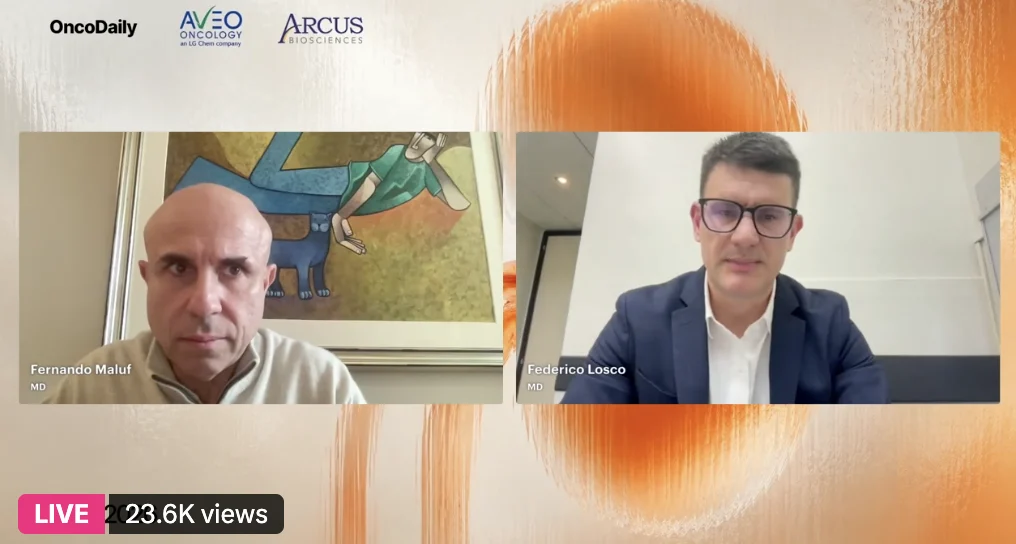
Fernando Cotait Maluf presented a Latin American perspective on RCC diagnosis and treatment, examining renal cancer care within the healthcare environments of the region.
Federico Losco broadened the discussion to the hidden burden of kidney cancer in low- and middle-income countries, focusing on epidemiology, gaps in access, and the challenges patients and healthcare systems face.
Together, these presentations highlighted how advances in kidney cancer cannot be considered independently of access. Differences in diagnostic capacity, treatment availability and healthcare infrastructure continue to influence how patients experience renal cancer around the world.
Getting the Diagnosis Right: From Biopsy to Real-Time Assessment
The programme then turned to the increasingly sophisticated tools used to diagnose and characterize renal tumors.
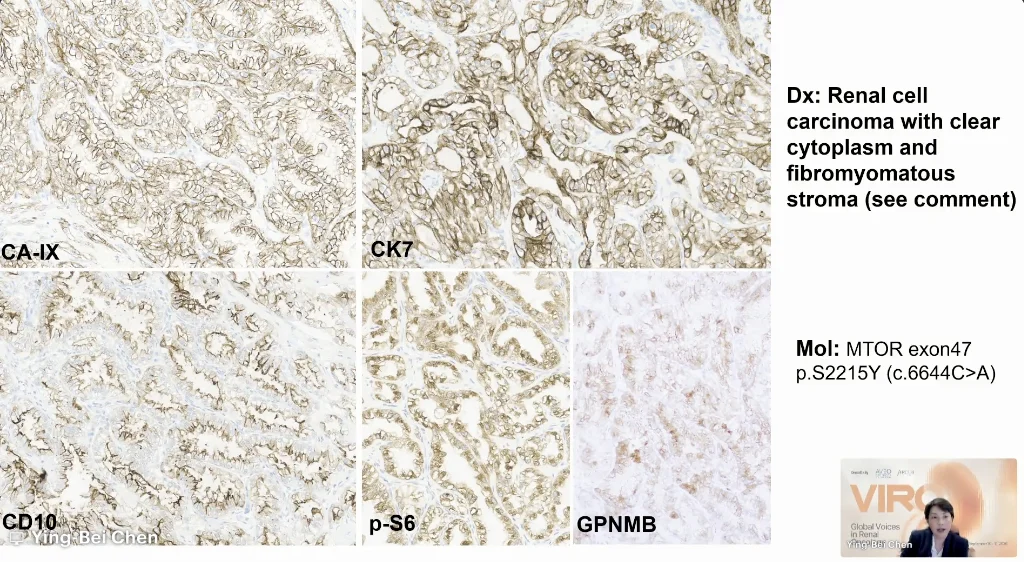
Ying-Bei Chen discussed strategies and challenges in the interpretation of renal tumor biopsies, addressing the importance of obtaining clinically meaningful information from limited tissue samples.
The session showed how advances in pathology and diagnostic technology are creating new opportunities to obtain more information about renal tumors at different stages of patient care.
Next-Generation Imaging in Clear Cell RCC
Imaging is another area undergoing rapid development in renal oncology.
Janaki Sharma examined next-generation imaging in clear cell RCC, exploring how evolving imaging approaches may contribute to more detailed disease assessment.
The presentation highlighted the continuing movement toward techniques capable of providing increasingly precise information about tumor characteristics and disease distribution, with potential implications across diagnosis, treatment planning and follow-up.
What Can Go Wrong in Kidney Cancer Clinical Trials?
Clinical trials drive progress in renal oncology, but their design and interpretation can present important challenges.
Fed Ghali examined common pitfalls in oncology trials within kidney cancer and beyond, drawing attention to factors that can influence how clinical evidence is generated, interpreted and eventually incorporated into practice.
The session served as a reminder that understanding a clinical trial requires more than looking at its headline result. Study design, patient selection, endpoints, and interpretation all shape how evidence should be applied to individual patients.
ctDNA in RCC: Where Does the Evidence Stand?
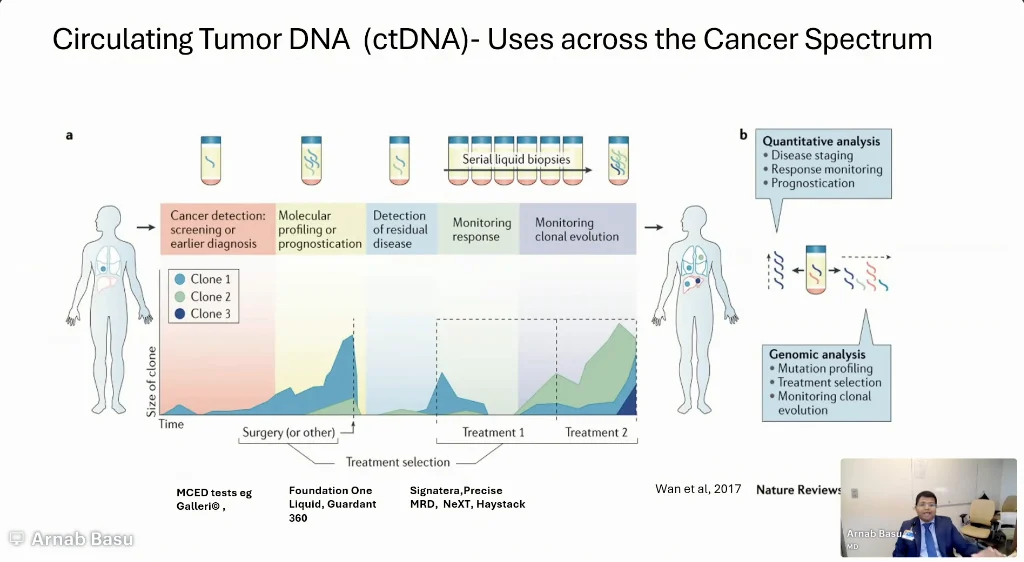
Arnab Basu turned the discussion toward circulating tumor DNA in renal cell carcinoma, reviewing the current evidence and future directions for ctDNA in the disease.
The session explored an area of considerable interest in precision oncology: whether tumor-derived material detected through blood-based approaches can provide clinically useful information about disease.
While the field continues to evolve, ctDNA represents part of the broader effort to develop biomarkers capable of improving risk assessment, disease monitoring and treatment decision-making in RCC.
Hereditary Kidney Cancer: Balancing Two Priorities
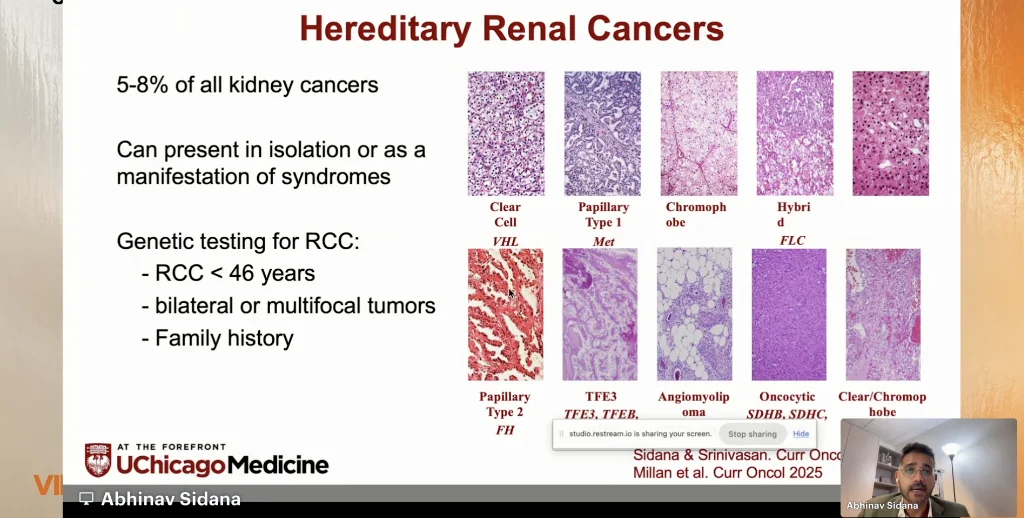
For patients with hereditary kidney cancer, treatment decisions often require balancing oncologic control with preservation of long-term kidney function.
Abhinav Sidana addressed this challenge through a presentation on balancing cancer control and nephron preservation in hereditary kidney cancer.
The session explored the distinct considerations involved in caring for patients who may face a lifelong risk of developing renal tumors and for whom repeated interventions can make preservation of renal function particularly important.
Emerging Evidence and the Frontline RCC Decision
Later in the programme, attention returned to the continuously changing systemic treatment landscape.
Panagiotis Vlachostergios reviewed emerging evidence shaping the treatment of renal cell carcinoma, examining how new data continue to influence clinical thinking and therapeutic strategies.
Daniel Geynisman then focused specifically on frontline therapy in clear cell RCC and the practical question of how clinicians make a treatment decision when multiple options are available.
The sessions reflected one of the defining challenges of modern RCC care: having several effective treatment strategies creates opportunity, but also requires increasingly nuanced treatment selection.
Staying Ahead of Toxicity With IO/TKI Combinations
Effective treatment also requires effective management of treatment-related adverse events.
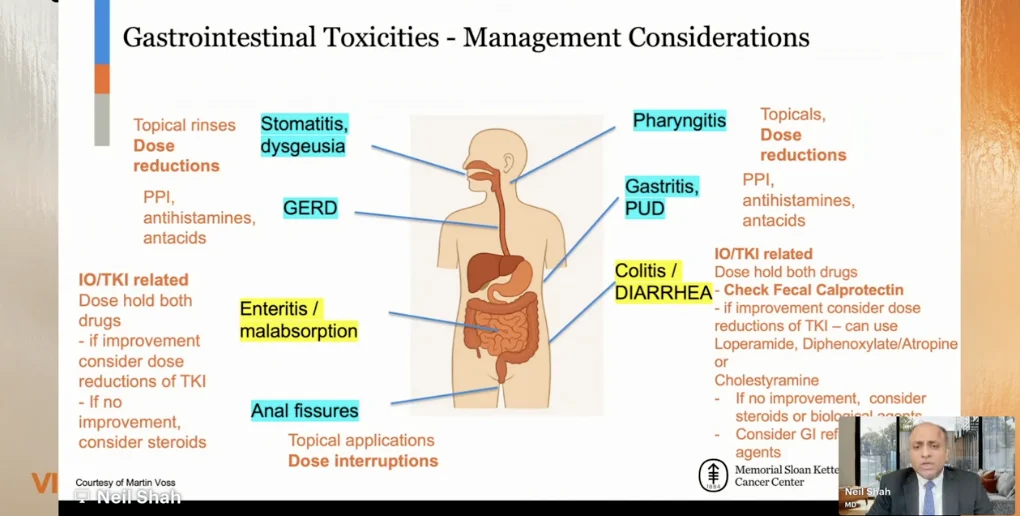
Neil J. Shah focused on toxicity management in the era of immune checkpoint inhibitor and tyrosine kinase inhibitor combinations.
The presentation addressed the importance of identifying and managing adverse events while patients are receiving combination therapy, where toxicities may arise from different treatment components and require careful clinical assessment.
As IO/TKI combinations remain an important part of the RCC treatment landscape, proactive toxicity management is central to helping patients remain safely on therapy.
Complex Clinical Scenarios in Advanced RCC
Several sessions addressed situations in which renal cancer management becomes particularly challenging.
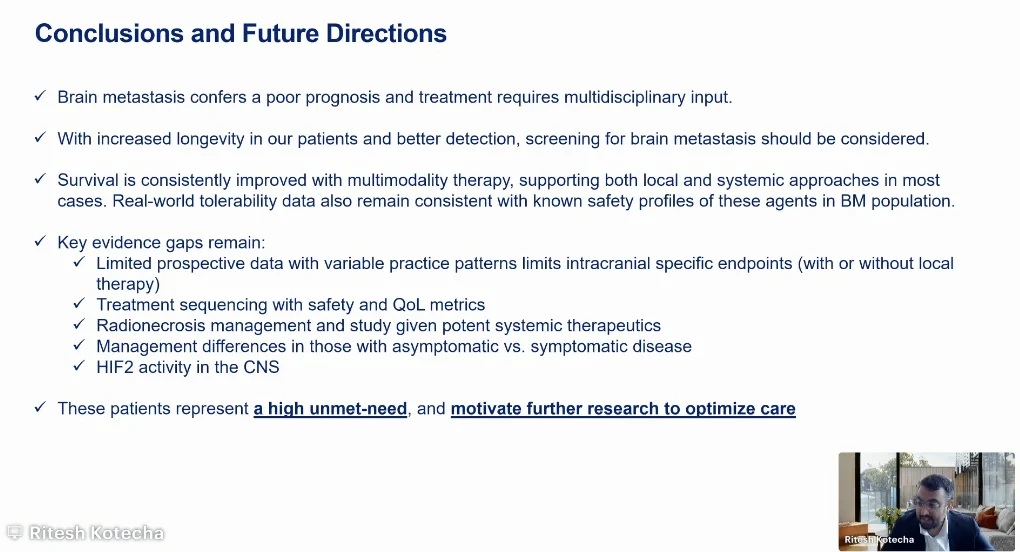
Ritesh Kotecha reviewed the management of RCC with brain metastases, focusing attention on a patient population that requires careful integration of systemic and local treatment considerations.
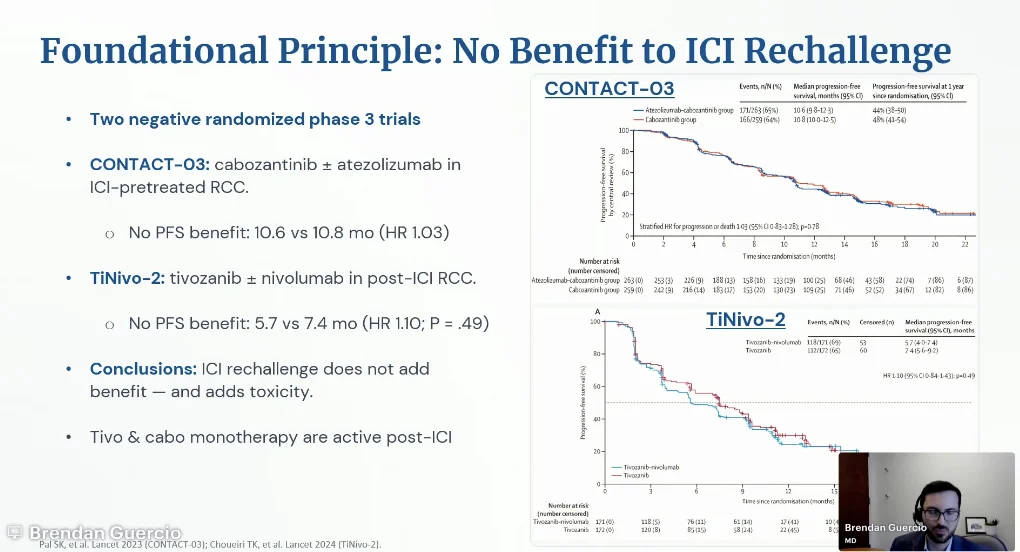
Brendan Guercio examined the role of TKIs after upfront immunotherapy in metastatic RCC, addressing treatment sequencing once patients have already received immunotherapy-based treatment.
Daniel V. Araujo approached another complex clinical scenario: clear cell RCC with vena cava thrombus, where treatment decisions may require close multidisciplinary coordination.
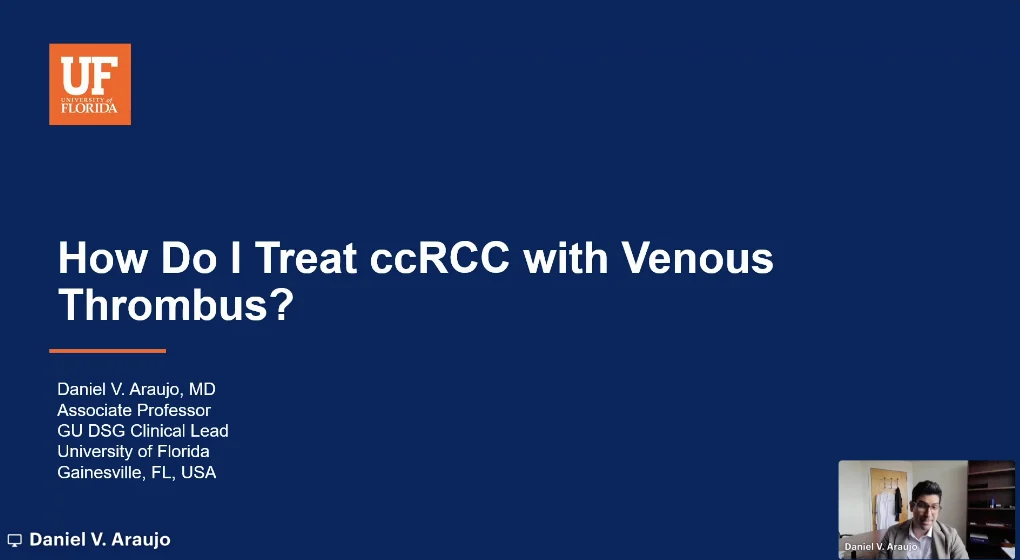
Together, these presentations illustrated the diversity of situations clinicians encounter beyond standard treatment algorithms and the importance of adapting treatment to disease characteristics and individual patient circumstances.
How Do We Choose Frontline RCC Therapy in 2026?
As the day moved toward its final sessions, frontline treatment selection returned to the centre of the discussion.
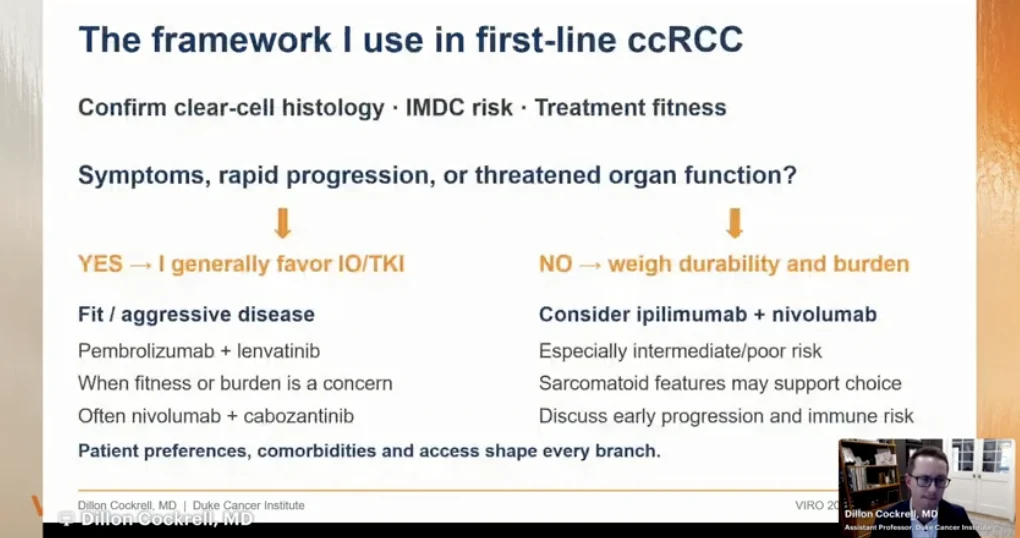
Dillon Cockrell used a case-based approach to examine decisions in high-risk localized RCC and first-line metastatic disease, bringing clinical scenarios into the discussion of treatment selection.
The presentation reflected how quickly the treatment landscape has expanded. The challenge is increasingly not whether an effective therapy exists, but how to select the most appropriate strategy for the individual patient.
The Social Factors Behind Small Renal Mass Management
Samuel L. Washington III examined the social factors that can influence the management of small renal masses, broadening the discussion beyond tumor biology and treatment technology.
The session highlighted that clinical decisions do not occur in isolation. Access to healthcare, patient circumstances and broader social factors can influence how renal masses are evaluated, monitored and treated.
His presentation reinforced an important theme of VIRO 2026: improving kidney cancer outcomes requires understanding not only the disease itself, but also the context in which each patient receives care.
Choosing Frontline RCC Therapy in 2026
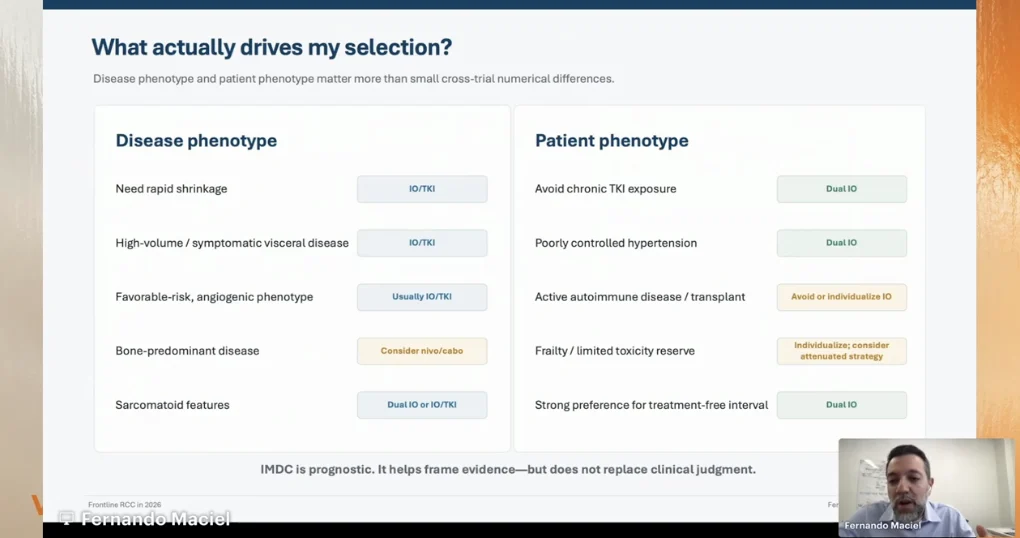
Fernando Maciel Barbosa explored the frontline RCC landscape in 2026, focusing on the choice between IO/TKI combinations, dual immunotherapy and emerging triplet strategies.
The presentation reflected how rapidly the treatment landscape has expanded, giving clinicians multiple effective approaches while also making treatment selection increasingly complex.
The discussion highlighted a central challenge in contemporary RCC care: determining which strategy is most appropriate for each individual patient as the range of frontline options continues to evolve.
A Global View of Renal Oncology
Day 1 of VIRO 2026 moved across the full spectrum of renal cancer care, from tumor biology and precision immunotherapy to pathology, imaging, surgery, systemic treatment and biomarkers.
At the same time, perspectives from China, India, Austria, Serbia, Latin America and the United States emphasized that the future of renal oncology must also address differences in access, resources and healthcare systems.
The discussions reflected a field with more therapeutic and diagnostic possibilities than ever before, but also increasingly complex decisions about how, when and for whom those advances should be used.
VIRO 2026 continues on September 11 with Day 2 of the Global Virtual Congress on Renal Oncology.
Disclaimer: This event is intended for educational purposes and does not promote or make representations regarding specific pharmaceutical products or investigational compounds.