As robotic technologies and minimally invasive techniques continue to reshape cancer surgery, preparing surgical oncologists to integrate these innovations into clinical practice is becoming increasingly important. Beyond technological advancements, specialized training and practical experience are essential to ensuring the safe and effective adoption of new surgical approaches.
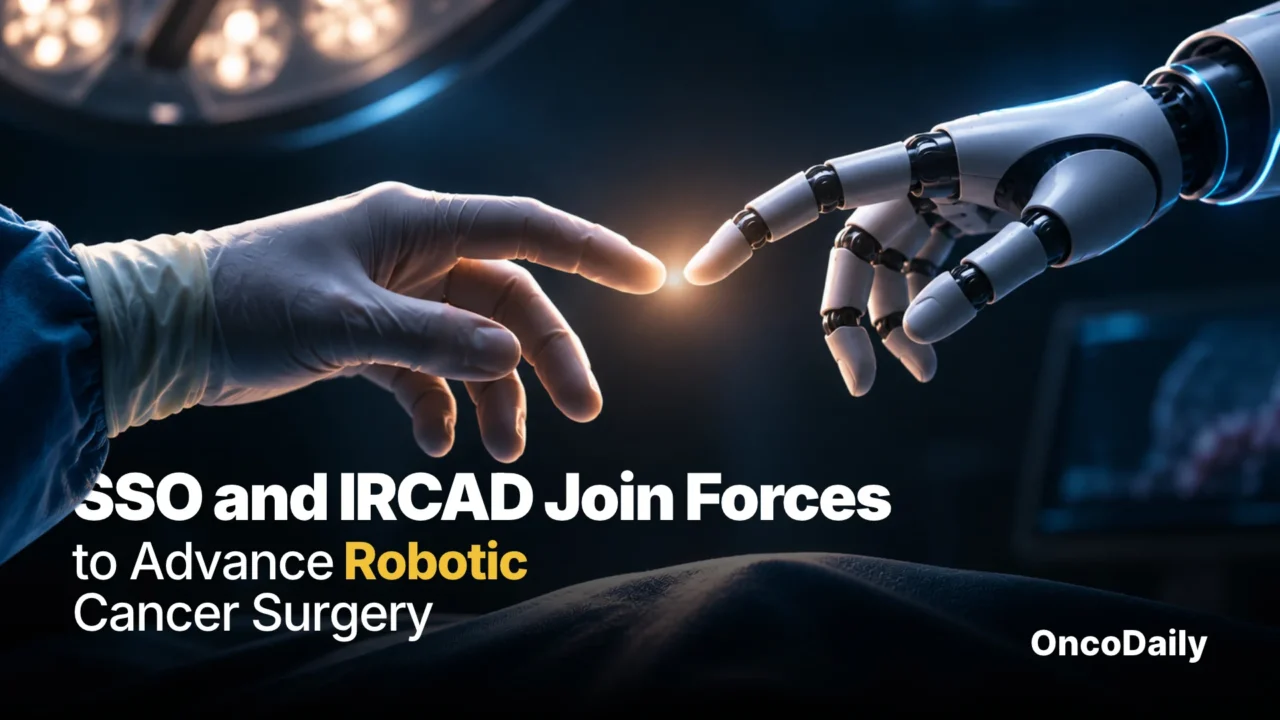
The Society of Surgical Oncology (SSO) and IRCAD North America have announced a strategic partnership to expand hands-on educational opportunities for surgical oncologists and multidisciplinary cancer care professionals, with advanced training programs scheduled to begin in 2027.
Among the first courses under development is a specialized program in robotic nipple-sparing mastectomy, reflecting growing interest in minimally invasive breast cancer surgery.
Expanding Hands-On Education in Surgical Oncology
Under the partnership, IRCAD North America will become SSO’s headquarters for advanced practical surgical education and the research and development of medical devices. The collaboration will provide cancer surgeons with access to advanced training infrastructure at The Pearl innovation district in Charlotte, North Carolina.
The educational programs will be led by surgeons with expertise in specific cancer types, surgical procedures and emerging technologies. By combining clinical expertise with practical training, the initiative aims to help surgical oncologists develop the skills required to incorporate new technologies into cancer care.
Patti Stella, Chief Executive Officer of SSO, highlighted the importance of the collaboration:
“This partnership represents an important step forward in how SSO delivers education to the surgical oncology community.”
Robotic Nipple-Sparing Mastectomy Among the First Training Programs
One of the most notable initiatives planned for 2027 is the Robotic Nipple-Sparing Mastectomy Course, which will provide surgeons with practical experience in an emerging approach to breast cancer surgery.
Nipple-sparing mastectomy involves removing breast tissue while preserving the nipple-areolar complex and most of the breast skin in appropriately selected patients. The procedure can be combined with breast reconstruction, addressing both oncological and aesthetic considerations.
Robotic-assisted approaches may offer enhanced surgical visualization and precision while allowing incisions to be placed in less visible areas. However, appropriate patient selection, surgical expertise and long-term evidence on oncological safety remain essential to their wider adoption.
Dedicated educational programs could help address the technical challenges associated with introducing robotic breast surgery into clinical practice.
Connecting Surgical Education With Research and Innovation
The partnership will also extend beyond surgical training, creating opportunities for cancer surgeons to participate in the development and evaluation of emerging medical technologies.
SSO has appointed Melissa Hogg, a surgical oncologist at Endeavor Health with expertise in robotic and minimally invasive surgery, as SSO IRCAD Program Director. She will oversee the development and expansion of the educational portfolio.
Patricio Polanco has been appointed SSO IRCAD Scientific Director, leading initiatives focused on surgical innovation, emerging technologies and medical device research and development.
Together, these appointments aim to strengthen the connection between surgical education, clinical research and technological innovation.
Preparing Cancer Surgeons for the Future
As cancer surgery becomes increasingly technology-driven, access to specialized education will play an important role in translating surgical innovations into clinical practice. Structured training, evidence-based implementation and multidisciplinary collaboration will remain central to ensuring that technological progress ultimately benefits patients.
The SSO and IRCAD North America partnership is expected to expand educational opportunities across multiple cancer types, with the first advanced courses planned for 2027.
Further information regarding course dates, faculty, eligibility criteria and registration will be announced as the programs are finalized.
Read further on OncoDaily: Robotic Bronchoscopy and G20 Pulsed Electric Field Ablation: Two Breakthroughs Reshaping Lung Cancer Care