The Immuno 2026 Global Virtual Congress on Immuno-Oncology continued with its third day of discussions, bringing together leading researchers, clinicians, innovators, and patient advocates to explore new approaches to cancer vaccines, local immunotherapy, cancer prevention, and patient-centered research.
Organized by OncoDaily in collaboration with the Parker Institute for Cancer Immunotherapy (PICI), Immuno 2026 marks the 10th anniversary of PICI, bringing together experts from across the field to examine the progress of cancer immunotherapy and the questions shaping its next decade.
Day 3 focused on cancer vaccines and how local treatments can activate the immune system against cancer, moving from antigen selection and immune monitoring to in situ vaccination, protein-based nanotechnologies, local immunotherapy, and immunoprevention. The day also brought the patient perspective directly into the discussion, asking how clinical research can better reflect the lives and priorities of the people it is designed to help.
Lisa H. Butterfield: Antigen Selection and Immune Monitoring in Cancer Vaccines
The day opened with Lisa H. Butterfield, a cancer immunologist whose work spans cancer vaccines, immune monitoring, and immunotherapy. A former president of the Society for Immunotherapy of Cancer, Butterfield also chaired the vaccine discussion later in the session.
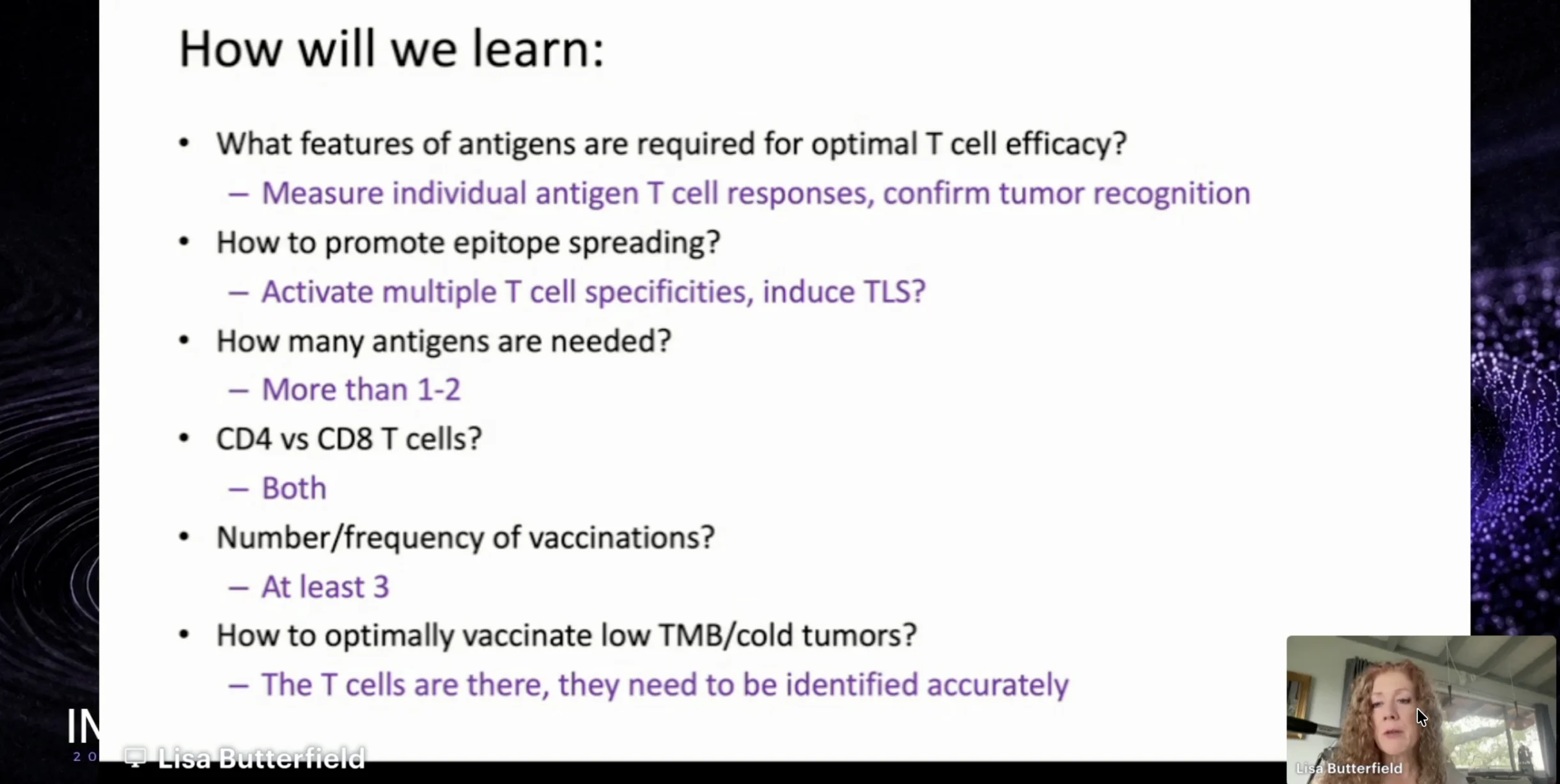
Presenting on “Antigen Selection and Immune Monitoring in Cancer Vaccines,” Butterfield provided an overview of current cancer vaccine approaches and the different platforms being investigated, including peptides, proteins, viral vectors, DNA and RNA approaches, nanoparticles, dendritic cells, and tumor lysates.
She emphasized that a key challenge is determining which predicted tumor antigens actually generate T-cell responses capable of recognizing cancer.
“We’re going to learn by measuring those individual antigens and T-cell responses, and confirming that those T cells can actually recognize the tumors.”
Butterfield also discussed the questions that remain around the number of antigens needed in a vaccine, the relative contributions of CD4 and CD8 T cells, vaccination schedules, and strategies for targeting tumors with lower tumor mutational burden.
She noted that immune monitoring can help researchers determine which computational predictions are accurate and better understand how to generate broader immune responses against tumors.
Joshua Brody: In Situ Vaccination
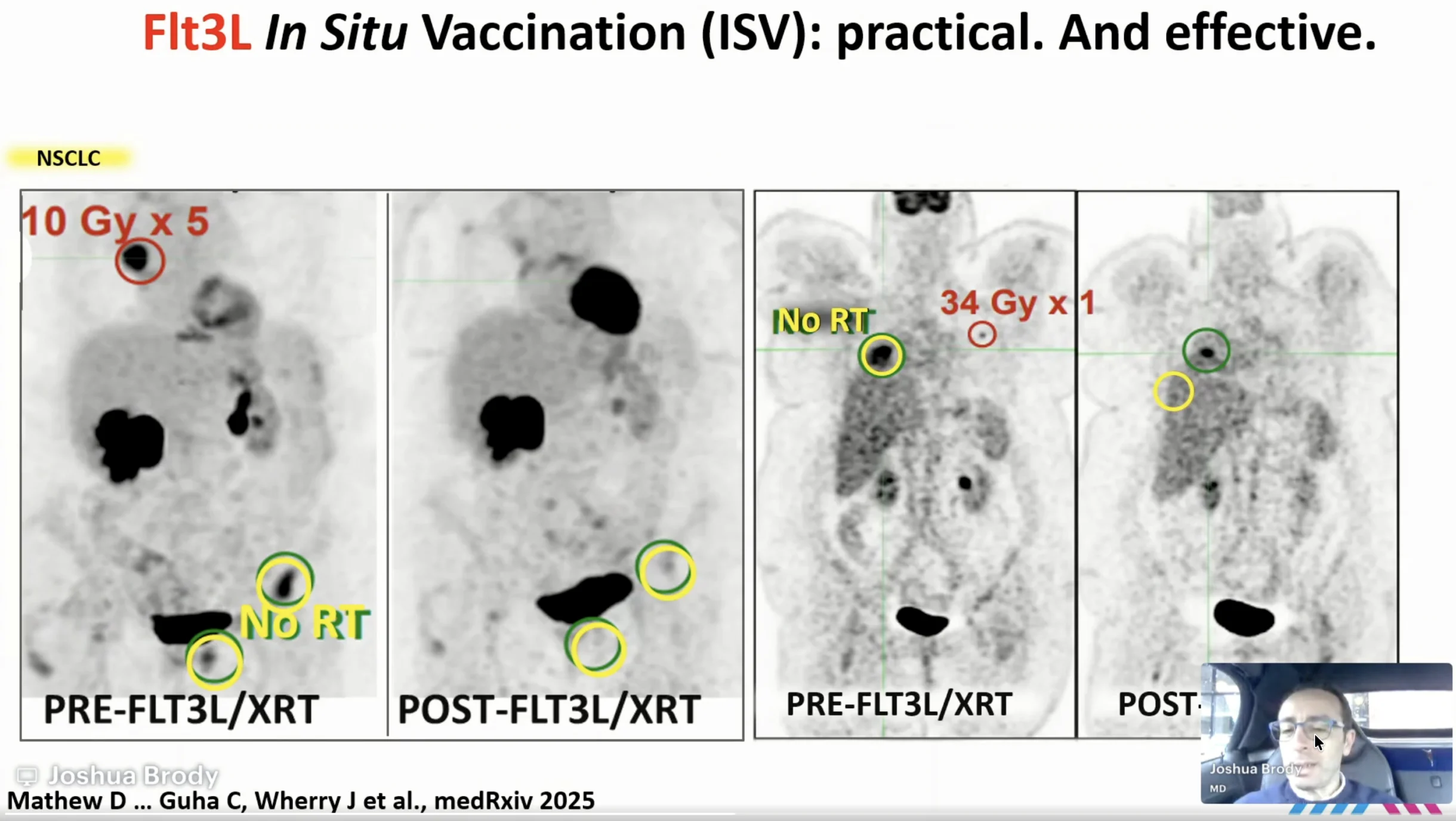
Next, Joshua Brody, Director of the Lymphoma Immunotherapy Program at Mount Sinai’s Tisch Cancer Center and a faculty member at the Icahn Genomics Institute, presented on “In Situ Vaccination.” His research has focused on in situ vaccination and immunotherapy for lymphoma and other tumors.
Brody discussed approaches designed to use the tumor itself as a source of antigens while stimulating the immune system locally. His presentation explored how local treatments can activate antigen-presenting cells and generate systemic antitumor immune responses.
He presented data showing responses not only at treated tumor sites but also at distant, untreated sites, highlighting the potential of local immunotherapy to generate broader immune activity.
Brody also discussed evidence of increased T-cell infiltration following local treatment, supporting the possibility that in situ vaccination can convert a localized intervention into a systemic immune response.
Jing Wen: Protein-Based Nanotechnologies for Cancer Immunotherapy
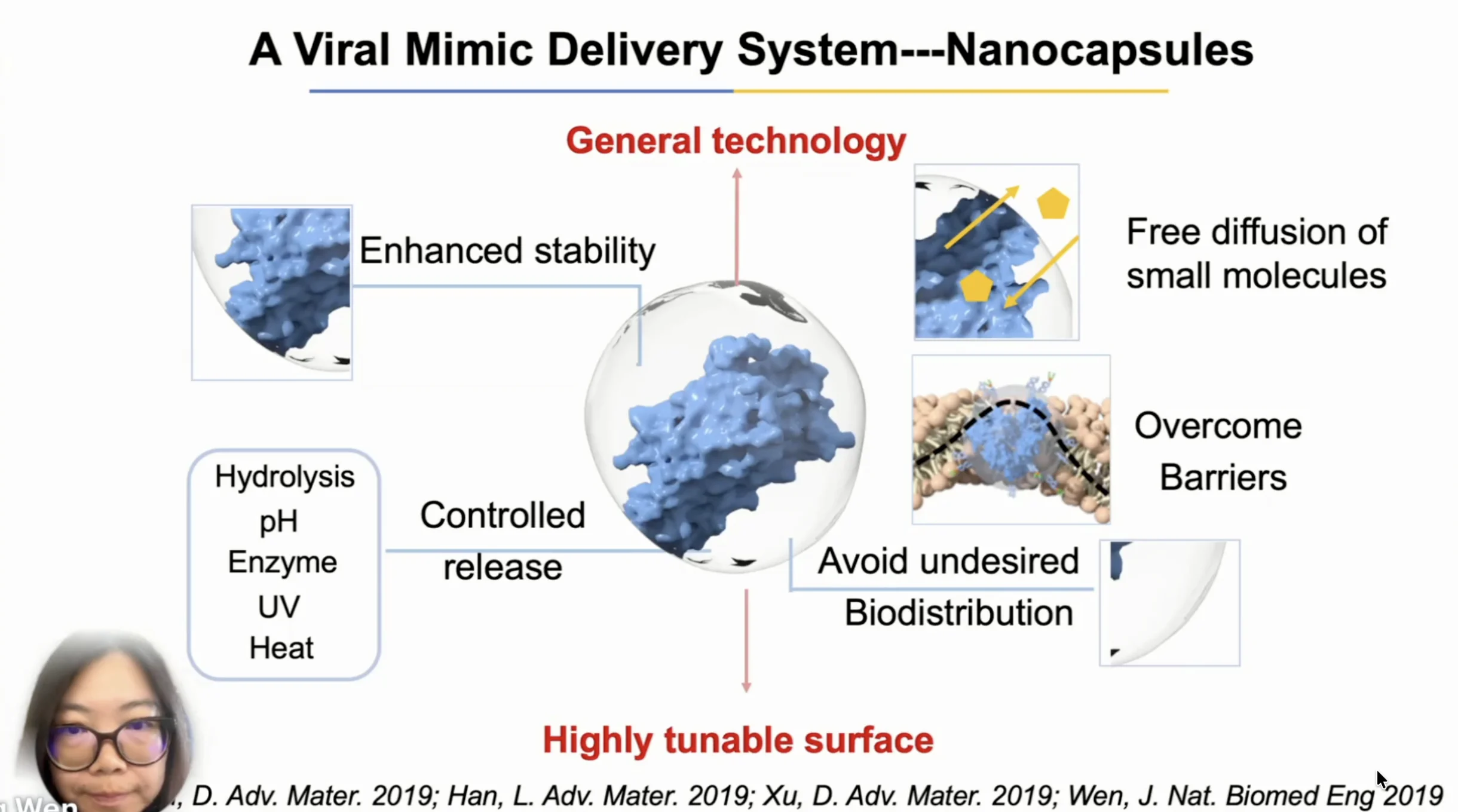
Jing Wen presented “Protein-Based Nanotechnologies for Cancer Immunotherapy,” discussing how engineered protein-based platforms could be used to improve tumor antigen presentation and stimulate antitumor immunity.
Wen described a strategy designed to address tumor heterogeneity by using a broader collection of tumor-associated antigens rather than relying on a single selected target.
“If we don’t have a good candidate for introducing tumor antigens and generating a strong immune response, could we instead use a whole-tumor-cell vaccine?”
Her approach involved modifying whole tumor cells while preserving important tumor proteins and structures, then incorporating immune-stimulating components to promote dendritic-cell activation and antigen presentation.
Wen also presented preclinical data combining the tumor vaccine approach with rituximab. In mouse models, the combination produced greater tumor suppression than either treatment alone, suggesting a potential strategy for combining vaccination with established cancer therapies.
Howard L. Kaufman: Local Immunotherapy and Systemic Immune Responses
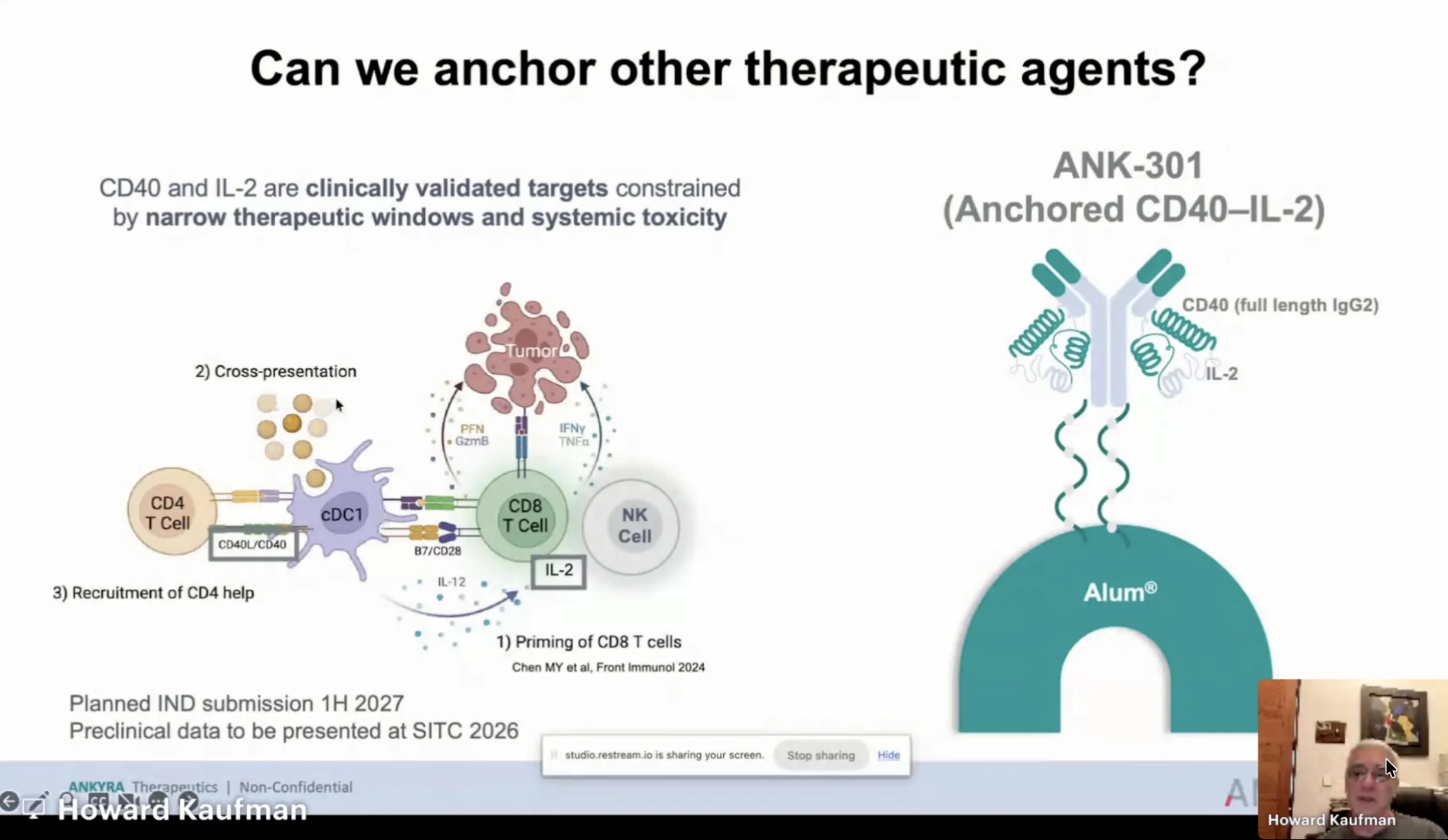
The vaccine session continued with Howard L. Kaufman, President and CEO of Ankyra Therapeutics and a surgical oncologist and cancer immunotherapy physician-scientist. Kaufman presented on “Local Immunotherapy and Systemic Immune Responses.”
Kaufman discussed his longstanding work with local tumor immunotherapy and oncolytic viruses, focusing on a central question: whether treating a tumor locally can generate an immune response throughout the body.
His presentation described early work showing that local approaches could generate tumor-specific immune responses detectable in peripheral blood, while also exploring how local treatment may help overcome immune suppression within the tumor.
“The key question is whether we can induce a systemic immune response.”
Kaufman highlighted the potential of local immunotherapy to stimulate systemic immunity while concentrating treatment within the tumor microenvironment, connecting local treatment strategies with broader antitumor responses.
Vaccine Discussion: From Antigen Selection to Therapeutic Strategies
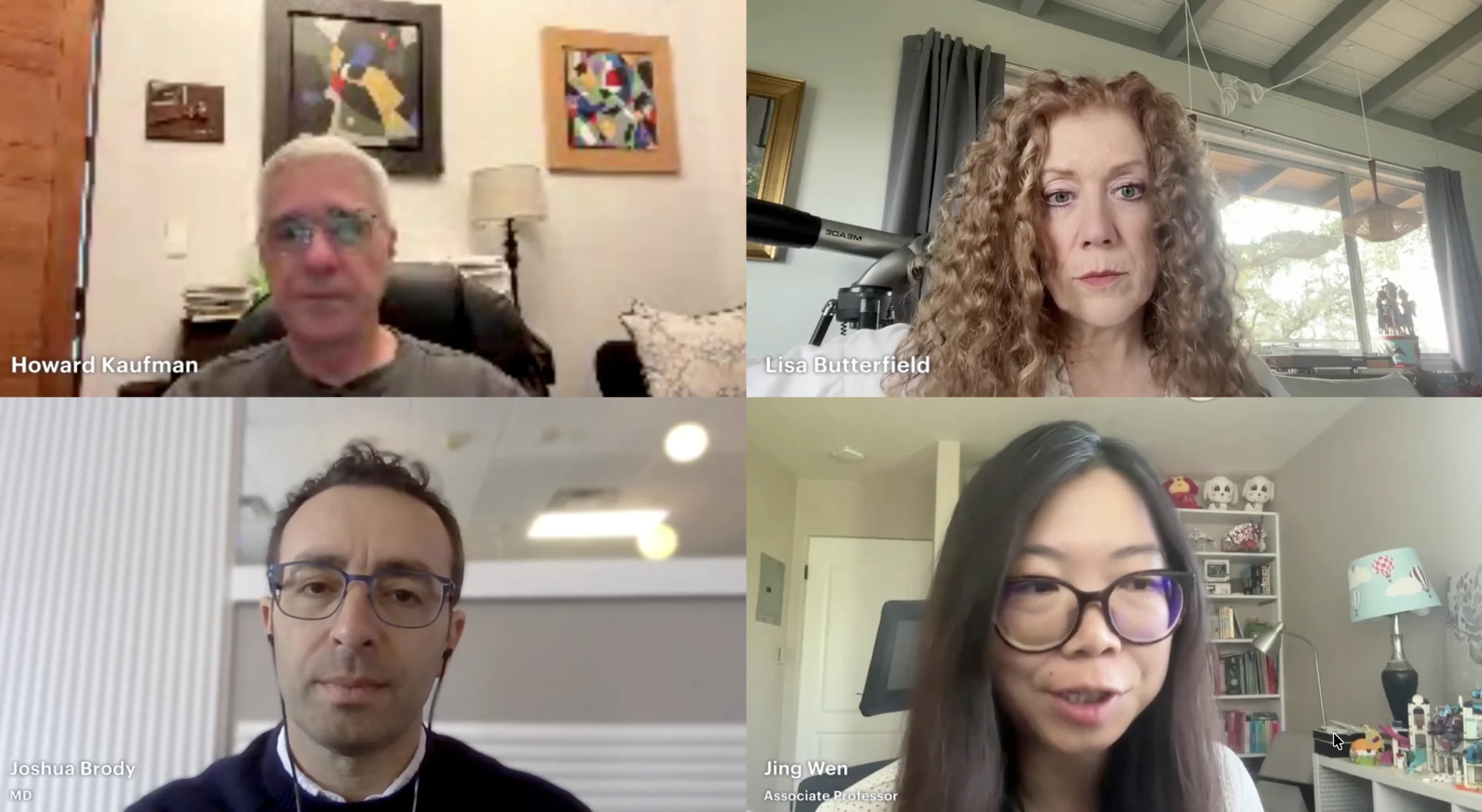
The vaccine session concluded with a discussion chaired by Lisa H. Butterfield, joined by Howard L. Kaufman, Joshua Brody, and Jing Wen.
The discussion brought together different approaches to cancer vaccination, from identifying the right antigens and monitoring T-cell responses to using tumors themselves as sources of antigens and combining vaccination with other immunotherapies.
The speakers explored how different vaccine platforms may complement one another and how local immune activation could help overcome some of the barriers that have limited the effectiveness of cancer vaccines.
Rebeca Meksad: Closing Gaps in Cancer Care
The program then shifted from the development of new immunotherapies to the challenge of ensuring that patients can actually access the care that already exists.
Rebeca Meksad, Chief Medical Officer at Color Health and a medical oncologist, discussed cancer screening, diagnosis, care, and survivorship, focusing on gaps in cancer care delivery.
“At the population level, the biggest near-term gains in oncology won’t come only from new molecules or immunotherapy regimens. They’ll come from delivering what we already know works to more people, faster.”
Meksad examined how fragmented care can prevent patients from receiving multidisciplinary review, appropriate clinical trials, symptom management, and other evidence-based interventions. She also discussed the potential role of virtual multidisciplinary cancer care and employer-based healthcare structures in expanding access to expertise.
She emphasized that improving outcomes will require not only scientific innovation but also better systems for delivering proven care.
Moran Amit: Bringing Immunotherapy Into Cancer Prevention
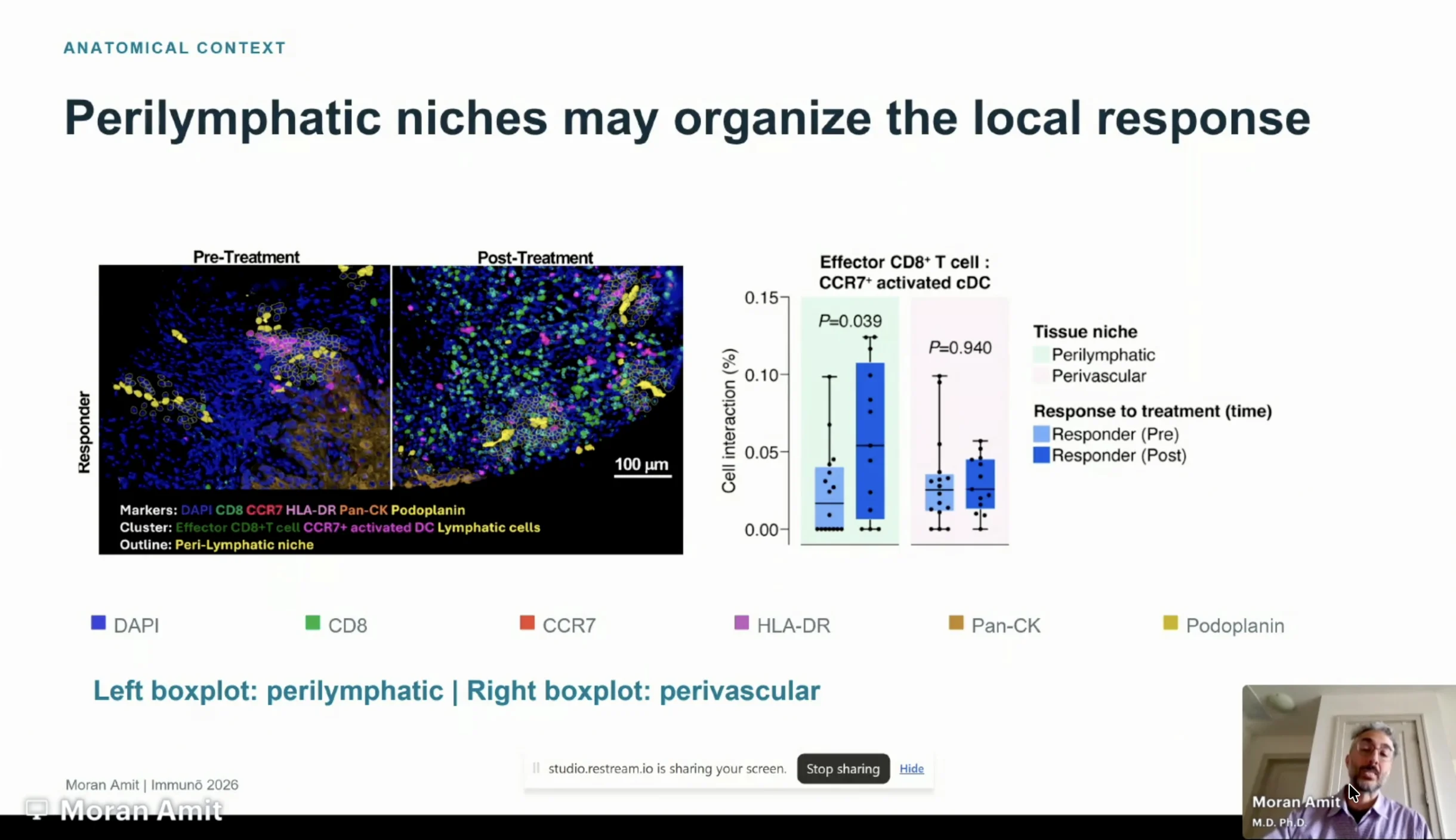
Moran Amit, a head and neck surgeon and Assistant Professor at MD Anderson Cancer Center, explored how immunotherapy could move earlier in the cancer journey in his presentation on “Immunoprevention and Local Immunotherapy in Precancer.”
Rather than treating established cancer, Amit discussed investigational approaches for people who have not developed cancer but are at elevated risk.
“We’re looking at immunotherapy in patients who don’t have cancer but are at risk of developing it.”
His presentation focused on premalignant oral lesions and the possibility of using local immunotherapy to prevent progression to cancer. Amit discussed approaches involving engineered immune cells and emphasized that these strategies remain investigational and are being evaluated in clinical trials.
The goal is to develop local treatments that could prevent cancer progression while potentially reducing repeated surgeries and preserving function.
Kristen Dahlgren and Marybeth Gilliam: Bringing Patient Priorities Into Cancer Vaccine Research
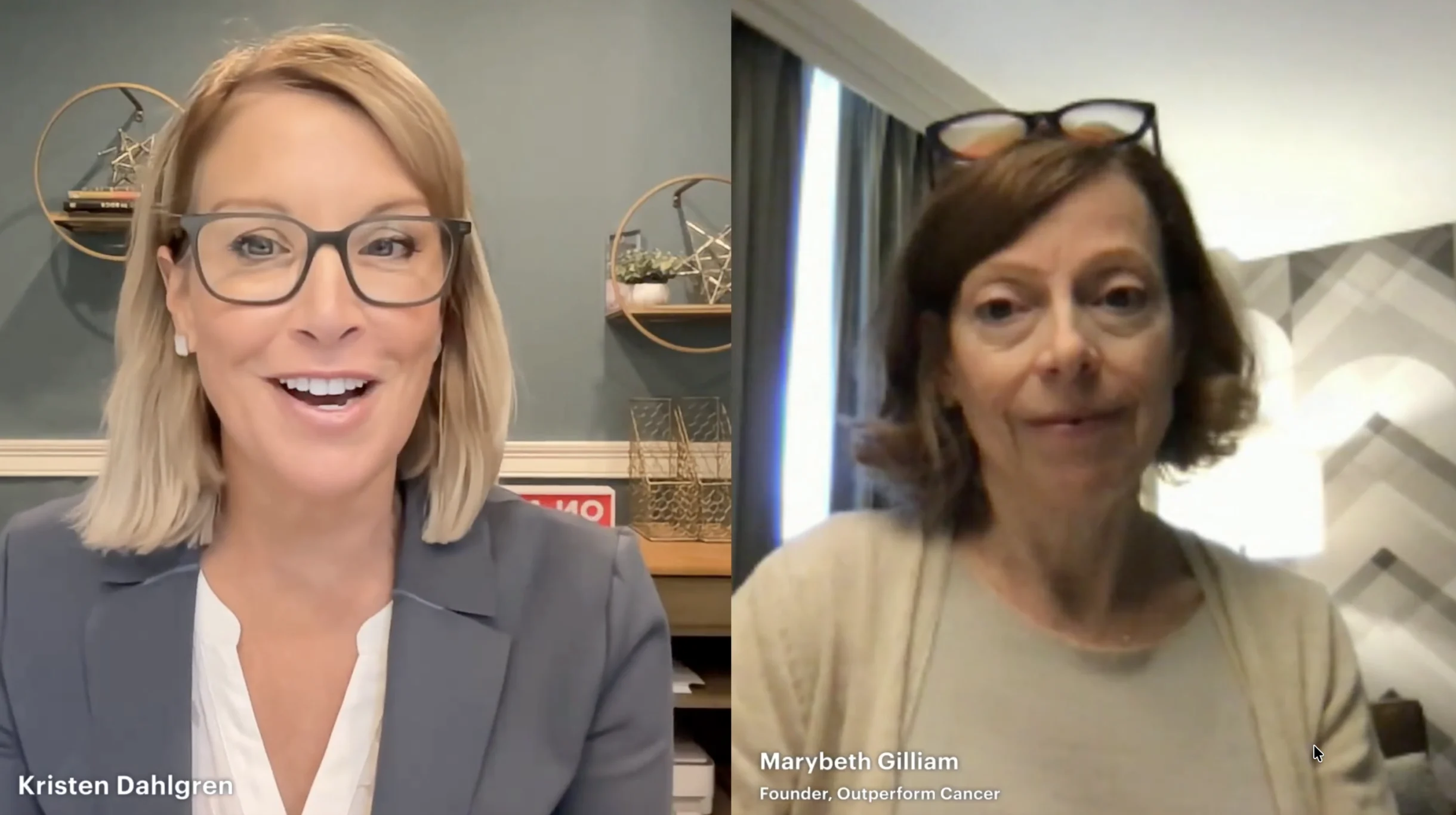
Day 3 concluded with a discussion between Kristen Dahlgren, Chief External Affairs Officer at the Parker Institute for Cancer Immunotherapy and founder of the Cancer Vaccine Coalition, and Marybeth Gilliam, a patient advocate and founder of Outperform Cancer.
Drawing on their experiences with cancer and patient advocacy, the two discussed how researchers can make clinical research more meaningful, accessible, and responsive to patient needs.
Dahlgren emphasized that patients and researchers approach clinical trials from different perspectives.
The discussion focused on five patient priorities, including making every patient’s contribution count, making participation workable, sharing information thoughtfully, reconsidering eligibility criteria, and understanding the whole person.
Gilliam emphasized the importance of looking beyond aggregate trial results to understand why individual patients respond differently. She also called for patients to be involved earlier in the research process rather than being brought into the conversation only after a study has already been designed.
The discussion ultimately connected the scientific themes of Day 3 with the people at the center of cancer research, emphasizing the need to consider individual patients rather than only aggregate outcomes.
What’s Next at Immuno 2026
Day 3 of Immuno 2026 moved across the cancer immunotherapy spectrum, from which antigens to target and how to monitor immune responses, to activating immunity within tumors, preventing cancer before it develops, improving care delivery, and incorporating patient priorities into research.
The discussions underscored that advances in immunotherapy depend not only on developing new scientific strategies, but also on translating those strategies into research and care that patients can access and participate in.
Stay tuned for Day 4 of Immuno 2026 and explore the full program for upcoming sessions and speakers.