The Immuno 2026 Global Virtual Congress on Immuno-Oncology continued with its second day of scientific discussions, bringing together leading researchers, clinicians, and innovators to explore how the tumor microenvironment shapes immune responses and influences the success of cancer immunotherapy.
Organized by OncoDaily in collaboration with the Parker Institute for Cancer Immunotherapy (PICI), Immuno 2026 marks a significant milestone as PICI celebrates its 10th anniversary, reflecting on a decade of advances in cancer immunotherapy while looking toward the next generation of immune-based treatments.
Following the opening day’s discussions on the evolution of immunotherapy, Day 2 focused on “Reading and Rewiring the Tumor Microenvironment”, examining how immune niches influence treatment response, how tumors evade immune detection, and how researchers are developing strategies to therapeutically reshape the immune landscape.
The sessions moved from understanding tumor biology toward applying these insights in the clinic, exploring how the tumor microenvironment can be analyzed, targeted, and transformed to improve responses to immunotherapy.
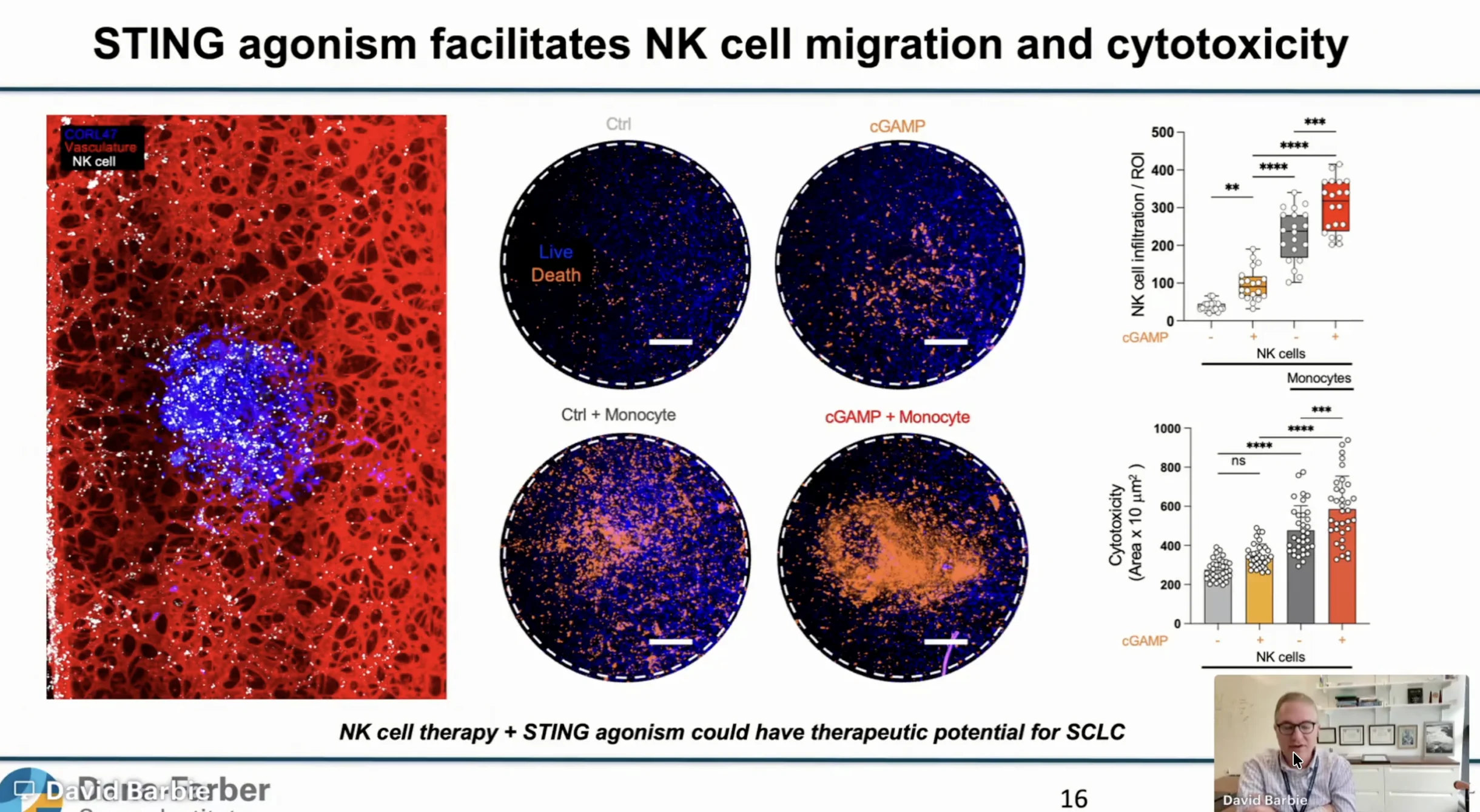
David Barbie: Understanding the Tumor Microenvironment as a Therapeutic Target
The day opened with David Barbie, who presented on “The Tumor Microenvironment” during the session “Reading and Rewiring the Tumor Microenvironment.”
Barbie discussed why immunotherapy has achieved transformative success in some cancers while remaining challenging in many solid tumors. He highlighted the tumor microenvironment as a major barrier, creating immune-suppressive conditions that limit effective anti-tumor responses.
Unlike hematologic malignancies, solid tumors have not yet experienced the same level of breakthrough with immune-based therapies, largely because of the complexity of their tumor microenvironment.
“The major challenge in solid tumors is the highly immunosuppressive tumor microenvironment, which creates barriers that prevent immune therapies from achieving the same success seen in blood cancers.”
His presentation explored how immune checkpoints, metabolic limitations, and other tumor-associated mechanisms contribute to immune dysfunction, while also discussing strategies to engineer immune cells and improve responses in solid cancers.
Judith Agudo: Exploring Immune Evasion in Triple Negative Breast Cancer
Next, Judith Agudo, Principal Investigator at Dana-Farber Cancer Institute and Associate Professor of Immunology at Harvard Medical School, presented “Immune Evasion in Triple Negative Breast Cancer.”
Agudo discussed how cancer cells interact with immune cells and how these interactions shape immune responses throughout cancer progression.
She emphasized that tumor cells are not simply passive targets of immunity but active participants in immune niches, influencing how immune cells are recruited and organized within tumors.
“Cancer cells are often overlooked in discussions of immune niches, but they are important players because they communicate with the immune system and produce signals that attract different immune cell populations.”
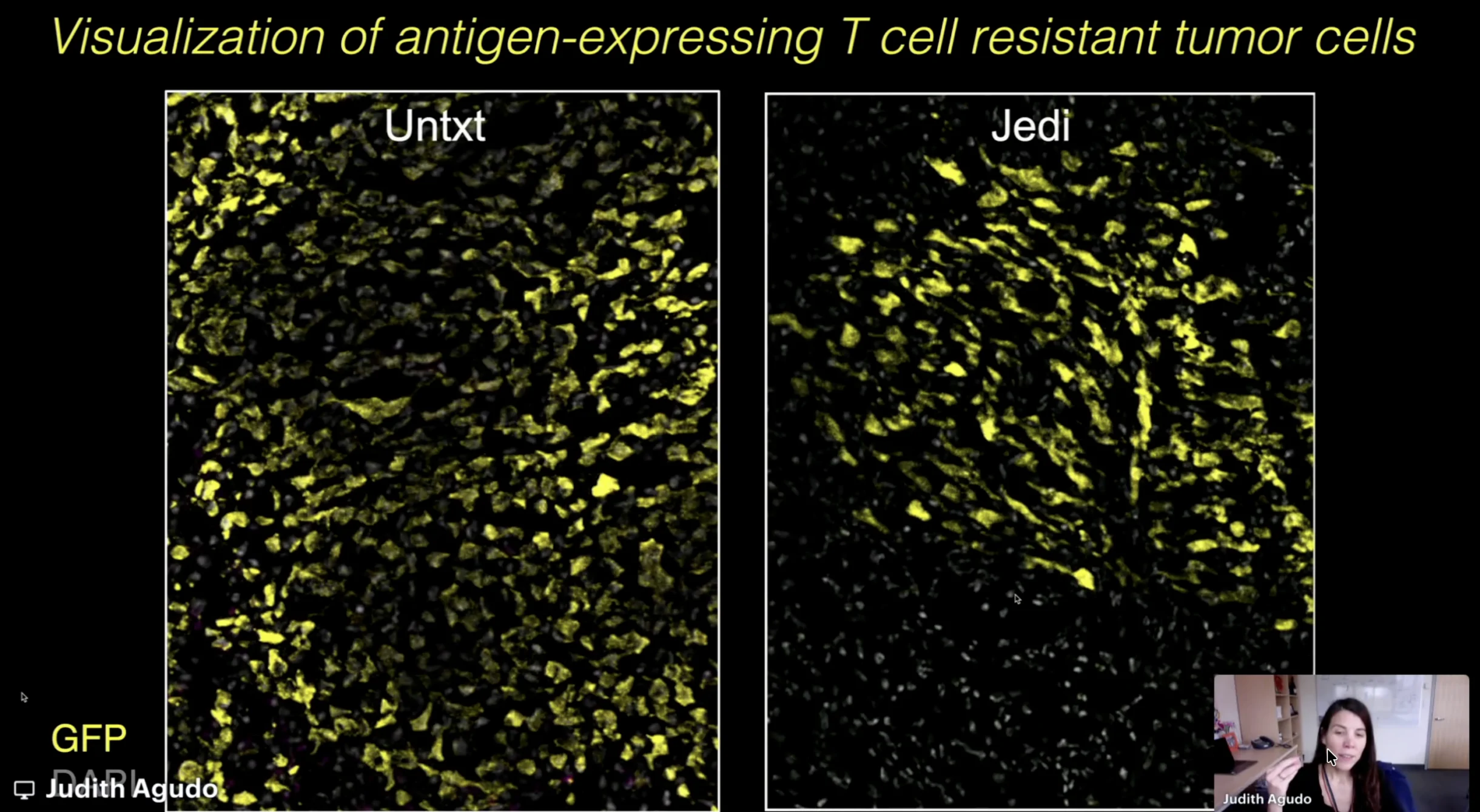
Her presentation also explored differences between immune responses in primary tumors and metastatic disease, highlighting mechanisms that allow disseminated tumor cells to survive.
Agudo noted the potential of immunotherapy in targeting minimal residual disease and dormant cancer cells:
“Immunotherapy may provide an opportunity to eliminate minimal residual disease and dormant tumor cells, helping prevent cancer recurrence.”
Catherine Sautès-Fridman: The Role of Tertiary Lymphoid Structures in Renal Cell Carcinoma
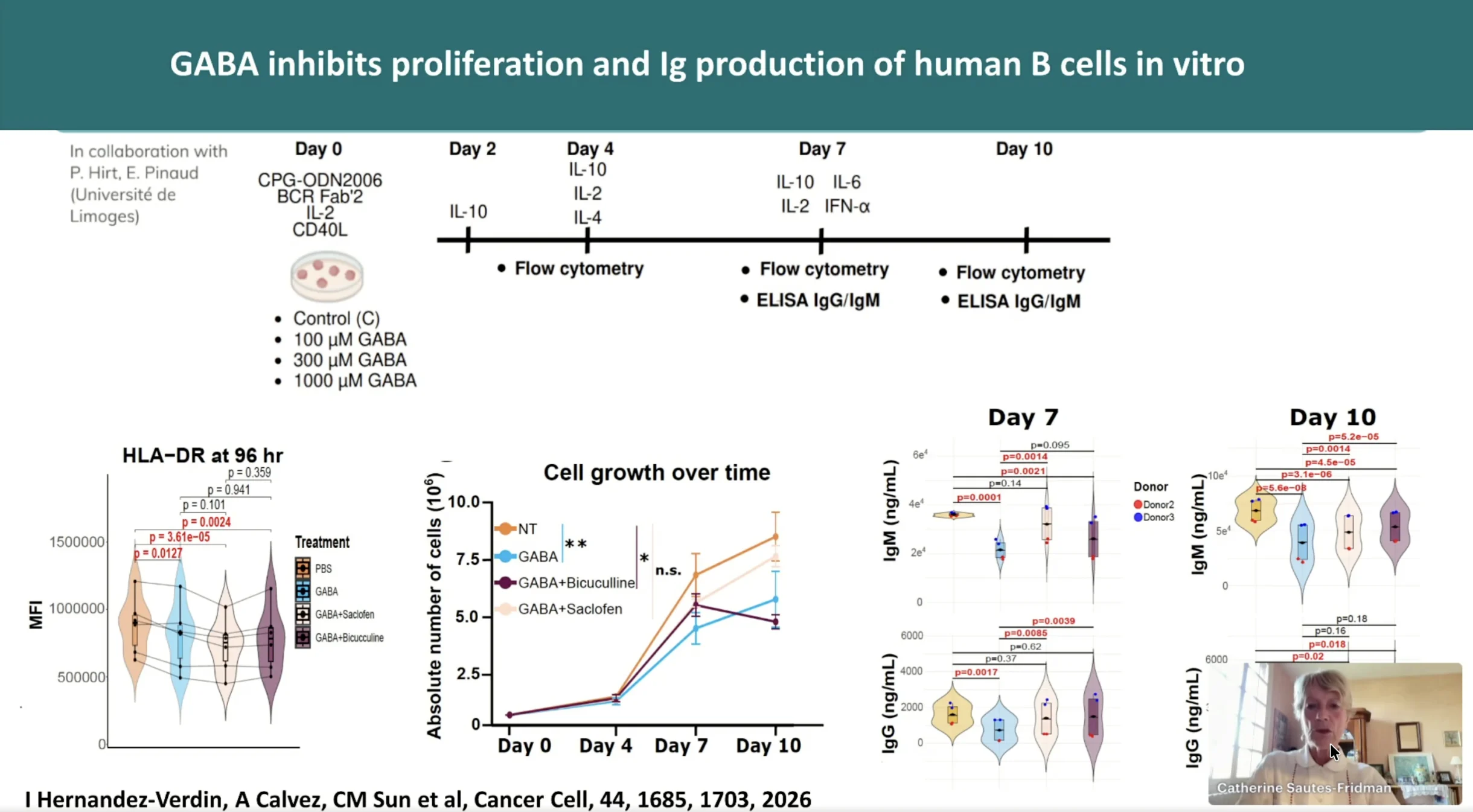
Catherine Sautès-Fridman, Professor Emerita at Paris Cité University and Co-leader of the Immunotherapy and Cancer Group at the Cordeliers Research Center, discussed “Dysfunctional Tertiary Lymphoid Structures in Renal Cell Carcinoma.”
Her presentation focused on tertiary lymphoid structures (TLS), organized immune cell aggregates that develop within tumors and can influence anti-tumor immune responses.
Sautès-Fridman explained that TLS exist across a spectrum, ranging from immature structures associated with immune suppression and tumor progression to mature structures that resemble secondary lymphoid organs and support more developed immune responses.
She highlighted how advances in single-cell analysis and spatial technologies are revealing the complexity of these immune structures and their interactions within the tumor microenvironment.
“Tertiary lymphoid structures are part of a broader network within the tumor microenvironment. These immune structures communicate with each other and are strongly influenced by tumor cells.”
Philip Arlen: Targeting Suppressive Immune Cells
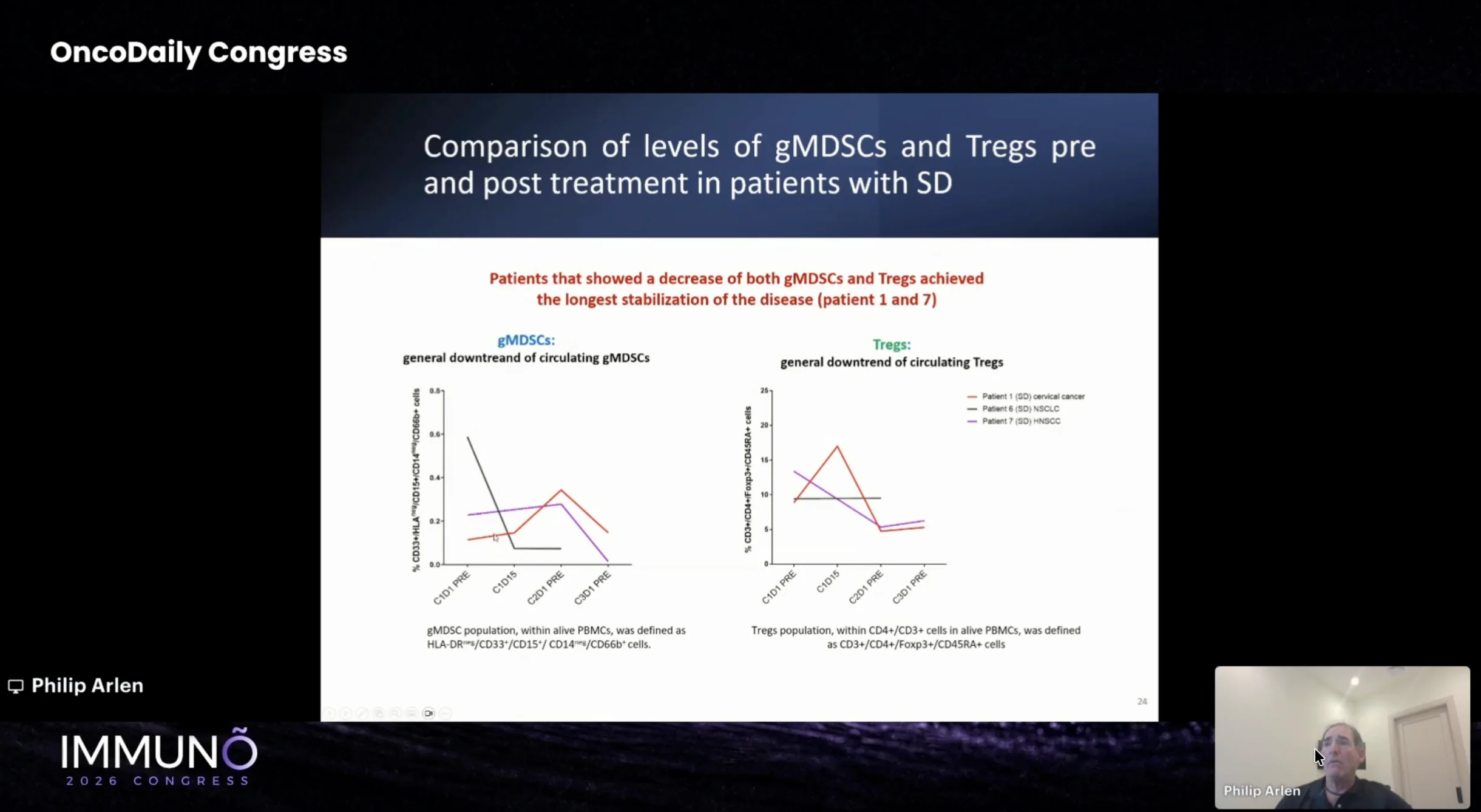
The scientific sessions continued with Philip Arlen, who discussed NEO-201 and approaches targeting suppressive immune cells.
His presentation focused on translating knowledge of immune suppression into therapeutic strategies designed to improve responses to immunotherapy.
Arlen highlighted the importance of understanding immune resistance mechanisms, including suppressive myeloid cells, tumor-associated macrophages, regulatory T cells, and metabolic pathways that shape the tumor microenvironment.
The session also explored tumor-associated neutrophil biology and the role of metabolic pathways, including the glycolysis-lactate-MCT4 axis, as potential targets to overcome resistance to immune checkpoint blockade.
Panel Discussion: From Immune Niches to Therapeutic Targeting
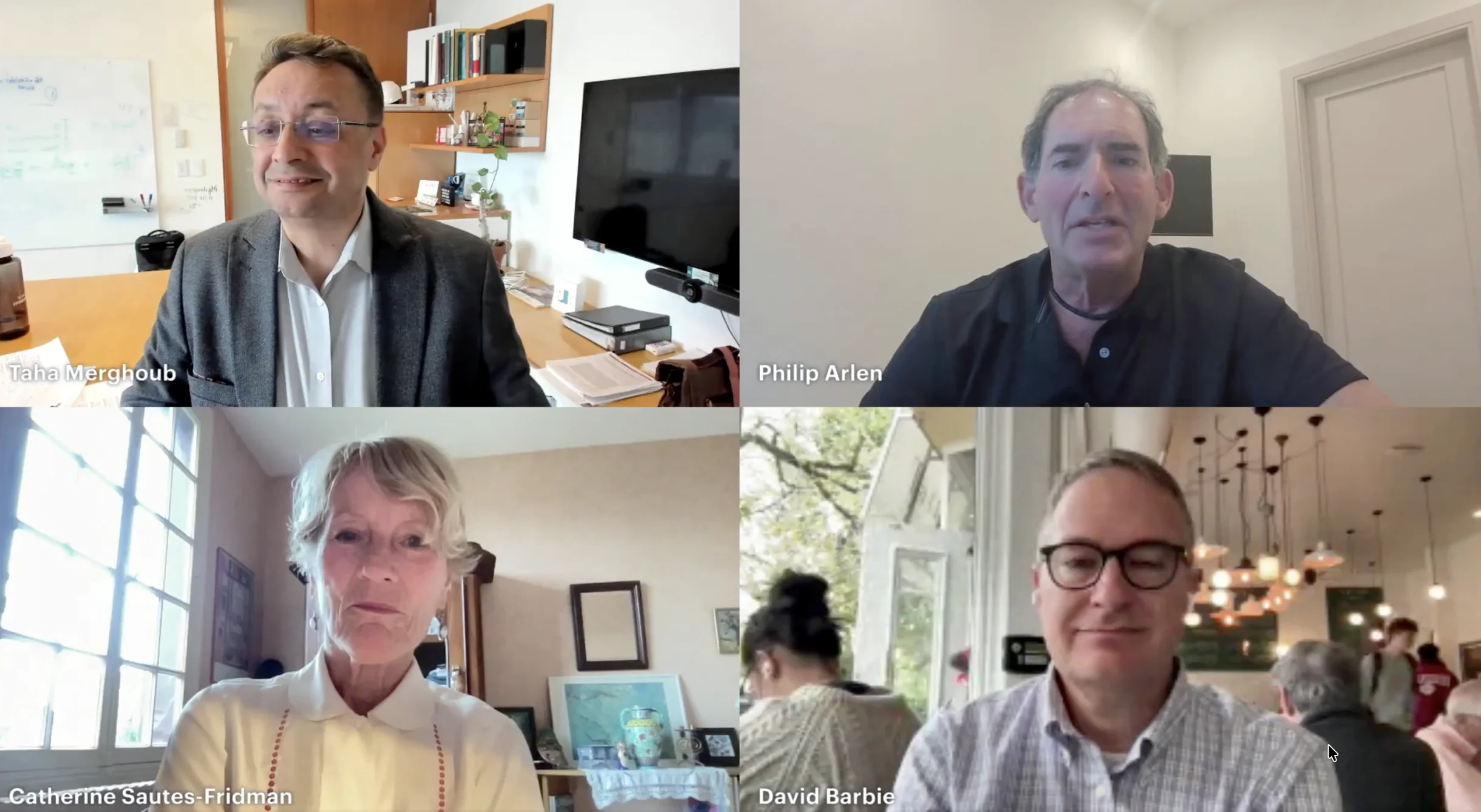
The day continued with the panel discussion “From Immune Niches to Therapeutic Targeting,” featuring David Barbie, Taha Merghoub, Philip Arlen, and Catherine Sautès-Fridman.
The discussion connected the day’s scientific themes, from understanding immune organization and resistance mechanisms to identifying ways to therapeutically modify immune environments.
The speakers emphasized that the tumor microenvironment is becoming an increasingly actionable component of cancer therapy.
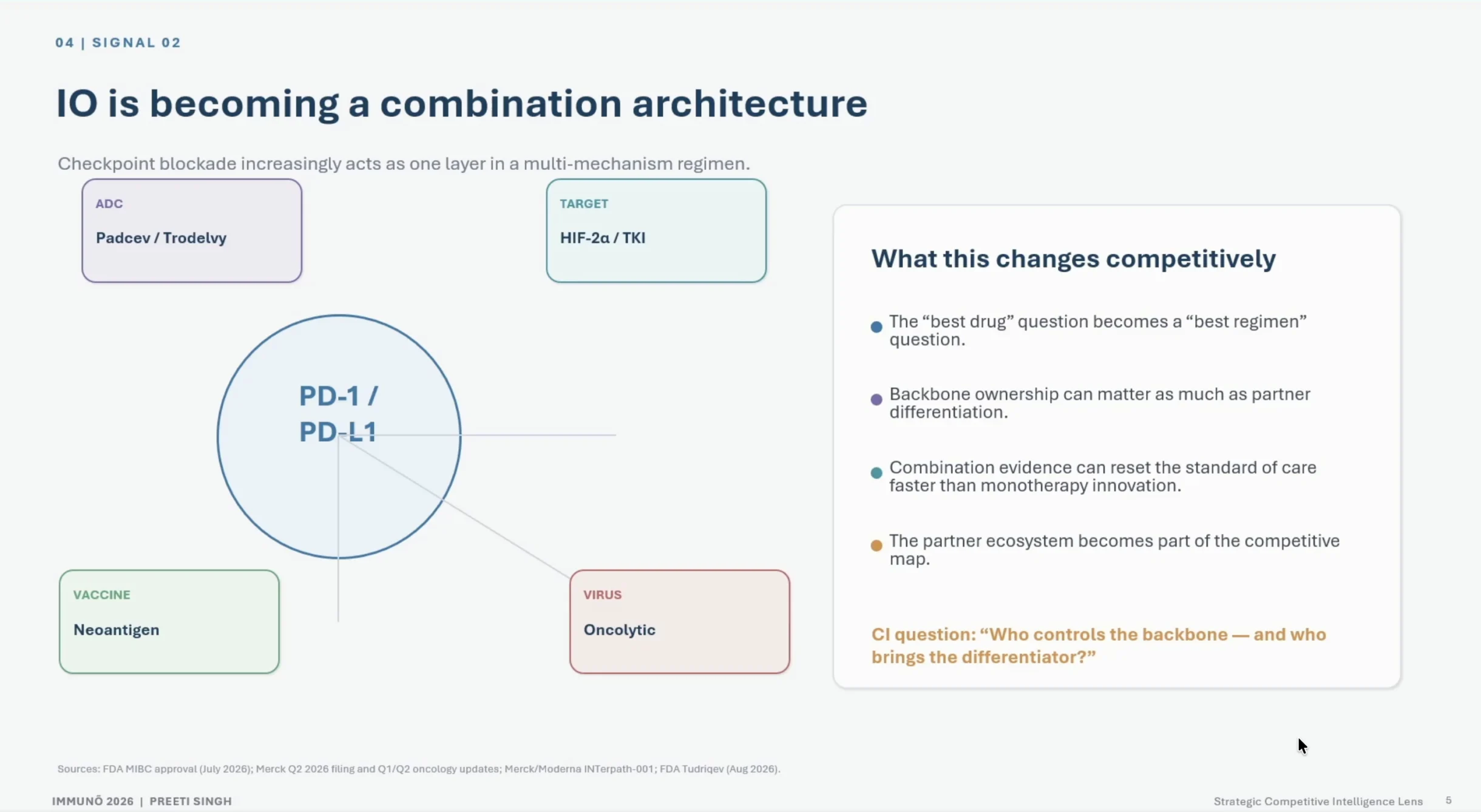
Preeti Singh: Turning Immuno-Oncology Signals into Strategic Insight
Closing Day 2, Preeti Singh, Director of Competitive Intelligence at PStrive Solutions, presented “From Immuno-Oncology News to Competitive Advantage: The Strategic Signals Shaping the Next Wave of Cancer Innovation.”
Singh discussed the importance of looking beyond individual trials and headlines to recognize broader trends shaping the future of immuno-oncology.
She proposed three questions to consider after every major immuno-oncology development:
- What changes for the patient journey?
- What changes in competitive architecture?
- What infrastructure is needed for implementation?
“The goal is not to create more information, but to develop better pattern recognition, connecting developments that may seem unrelated and identifying when multiple signals point toward the same direction.”
Looking Ahead
Day 2 of Immuno 2026 highlighted the growing importance of the tumor microenvironment in shaping the future of cancer immunotherapy, moving from understanding immune resistance mechanisms toward developing strategies that can overcome them.
The congress continues with further discussions on emerging immunotherapy approaches, scientific innovation, and the challenges shaping the next decade of cancer treatment.
Stay tuned for Day 3 of Immuno 2026 and explore the full congress program for upcoming sessions and speakers.