Cancer immunotherapy has changed what is possible in oncology. For some patients with cancers once associated with very limited treatment options, activating or engineering the immune system has produced responses that can last for years.
But the success of immunotherapy has also exposed some of the field’s most difficult questions.
Why do many patients never respond to checkpoint inhibitors? Why do others initially respond and later develop resistance? Can CAR T-cell therapy achieve in solid tumors what it has achieved in some hematologic malignancies? Are personalized cancer vaccines finally approaching a new clinical era? And as increasingly sophisticated treatments emerge, how can they reach patients beyond the relatively small number of centers and countries currently able to deliver them?
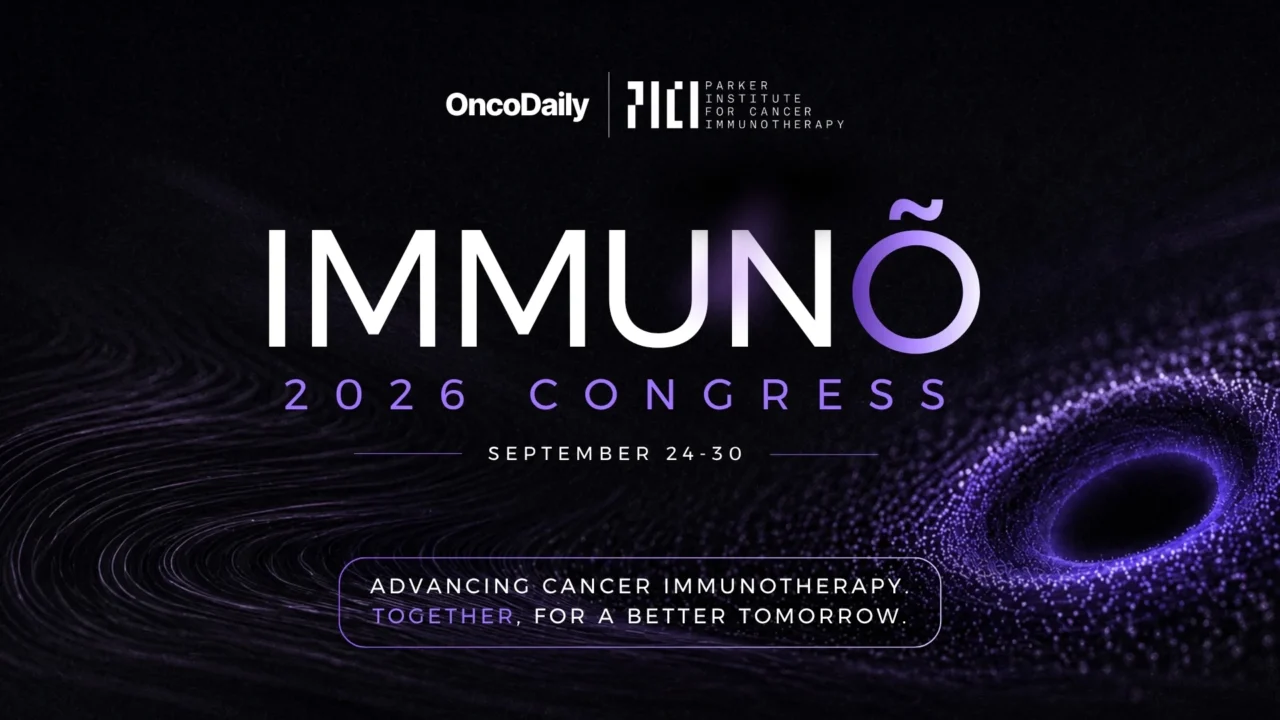
From September 24 to 30, 2026, Immunõ 2026: Global Virtual Congress on Immuno-Oncology will bring these questions together in a seven-day international scientific program presented by OncoDaily in partnership with the Parker Institute for Cancer Immunotherapy (PICI).
The virtual congress will bring together leaders in cancer immunology, medical oncology, translational research, cellular therapy, biotechnology, global oncology and patient advocacy to examine where immunotherapy stands today, and where the science needs to go next.
The congress also coincides with the 10th anniversary of the Parker Institute for Cancer Immunotherapy, providing an opportunity to reflect on a decade of collaborative immunotherapy research while looking toward the next generation of immune-based cancer treatments.
Register for Immunõ 2026: Global Virtual Congress on Immuno-Oncology.
A Decade That Changed Cancer Treatment
The rise of immuno-oncology has been one of the defining developments in modern cancer medicine.
Checkpoint inhibitors demonstrated that durable antitumor responses could be achieved by releasing restraints on the immune system. Cellular therapies showed that a patient’s immune cells could be engineered into powerful anticancer treatments. At the same time, advances in tumor biology, genomics, and immune profiling have created increasingly detailed pictures of how tumors interact with, and escape from, immune surveillance.
Yet the field is far from having solved cancer’s relationship with the immune system.
Primary and acquired resistance remain major obstacles. Many solid tumors remain difficult to treat with existing immunotherapies. Biomarkers are imperfect, immune-related adverse events can be complex, and highly personalized approaches such as cellular therapies and cancer vaccines create new scientific, manufacturing, and access challenges.
Immunõ 2026 is being built around this next phase of the field: not simply asking whether immunotherapy works, but examining why it works for some patients, why it fails for others, and how the next generation of approaches can improve those outcomes.
Celebrating 10 Years of the Parker Institute for Cancer Immunotherapy
Immunõ 2026 comes at a milestone moment for cancer immunotherapy: the 10th anniversary of the Parker Institute for Cancer Immunotherapy (PICI).
Presented by OncoDaily in partnership with PICI, the congress will not only examine where immuno-oncology is heading next, but also recognize a decade of collaborative research aimed at accelerating discoveries from the laboratory toward meaningful treatments for patients.
Since its establishment, PICI has built its model around collaboration, connecting investigators, academic institutions, nonprofit organizations, and industry partners to tackle some of the most difficult questions in cancer immunotherapy. Immunõ 2026 will place that collaborative philosophy at the center of its scientific program.
The anniversary will be particularly prominent on Day 1, September 24, dedicated to “Anniversary Leadership and the Next Decade.” The opening program will move from the Cancer-Immunity Cycle and emerging scientific frontiers to autoimmunity, CAR T-cell therapy, resistant tumors, melanoma after checkpoint blockade and immunotherapy in gastrointestinal cancers.
In this sense, the anniversary is more than a retrospective. It provides the framework for the central question of Immunõ 2026: after a decade that fundamentally changed cancer immunotherapy, what should the next decade deliver?
Leaders Who Helped Shape Modern Cancer Immunotherapy
That question will be explored by an international faculty that includes some of the scientists, physician-scientists and oncology leaders who have helped shape the development of modern immunotherapy.
Among the featured speakers is Carl H. June, Richard W. Vague Professor in Immunotherapy and Director of the Center for Cellular Immunotherapies at the University of Pennsylvania, as well as Director of PICI at Penn. June is one of the central figures in the development of CAR T-cell therapy, a therapeutic approach that has transformed the treatment landscape for several hematologic malignancies and is now being investigated intensively in solid tumors.
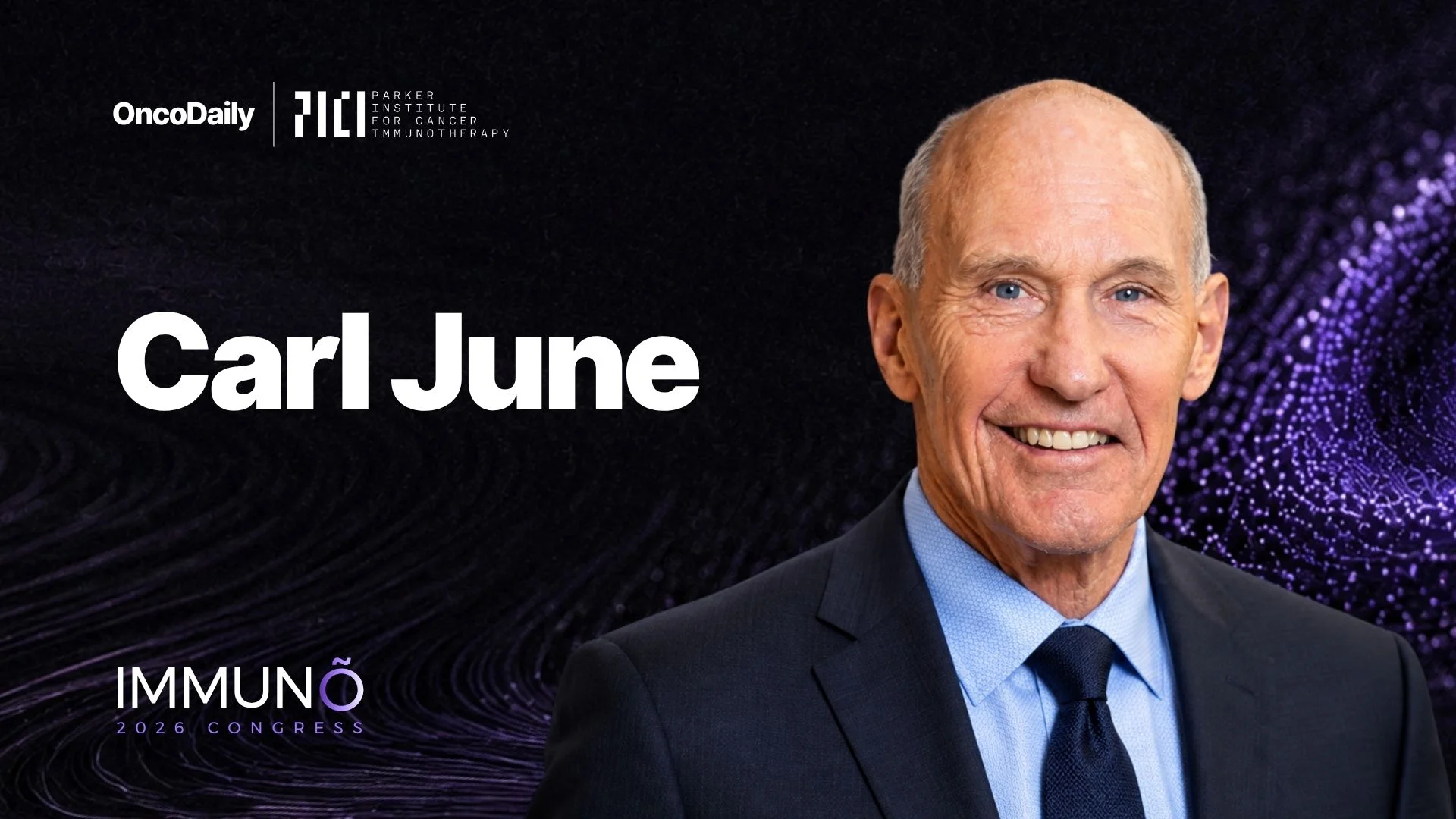
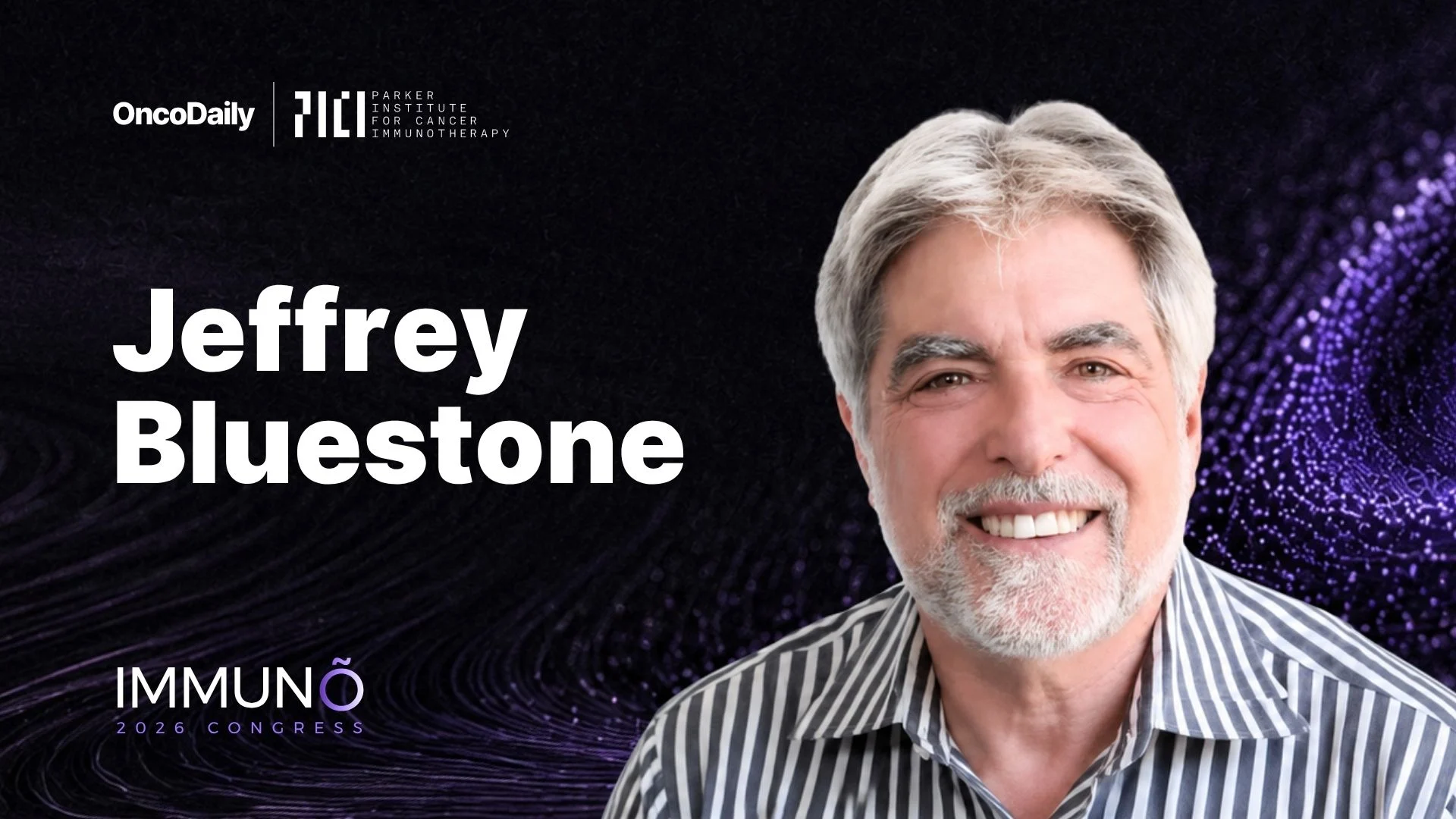
He will be joined by Jeffrey A. Bluestone, a pioneering immunologist whose work on T-cell activation, immune tolerance and immune regulation has helped advance understanding of how the immune system can be manipulated therapeutically.
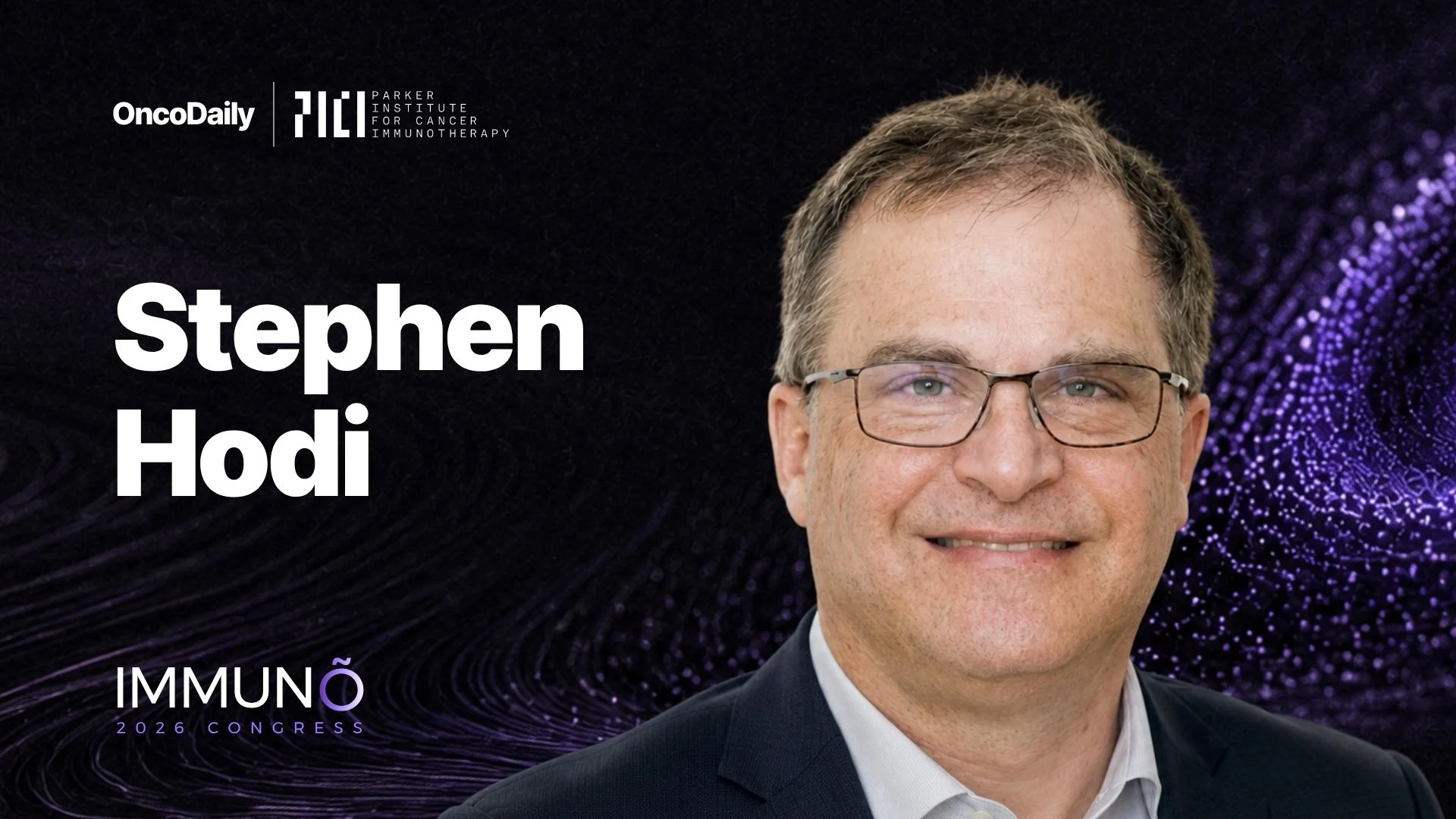
The faculty also includes F. Stephen Hodi, Director of the Melanoma Center and Center for Immuno-Oncology at Dana-Farber Cancer Institute, whose work has contributed to the clinical development of immune checkpoint blockade and the transformation of melanoma treatment.
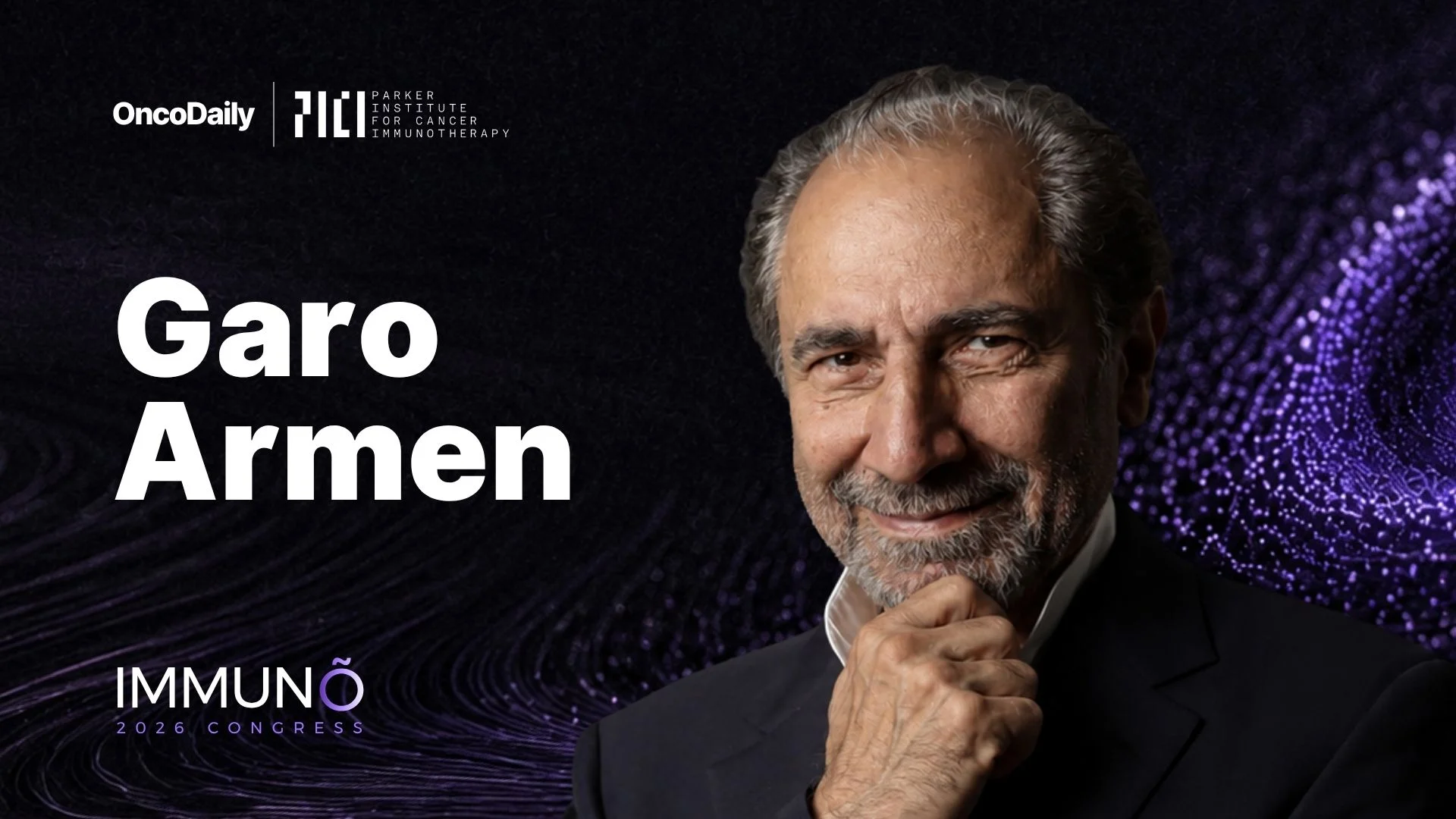
Garo H. Armen, Founder and Executive Chairman of Agenus and Founder and Chairman of the Children of Armenia Fund (COAF), brings decades of experience in biotechnology and immuno-oncology, including the development of novel immune-based approaches to cancer treatment.
Larry Norton, Senior Vice President and Medical Director of the Evelyn H. Lauder Breast Center at Memorial Sloan Kettering Cancer Center, is a leading breast oncologist and researcher whose work has helped shape modern concepts of cancer biology and treatment.
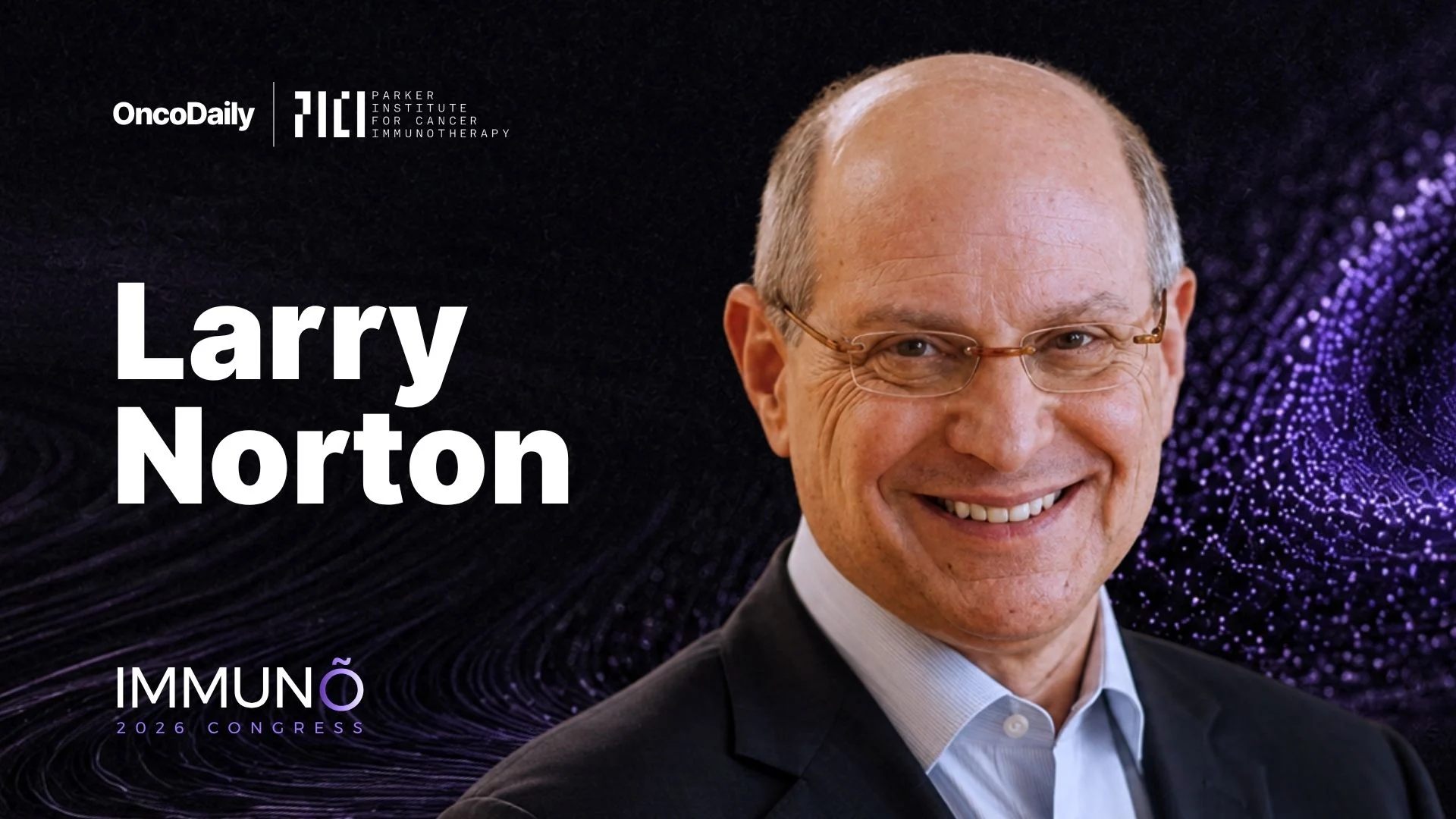
The congress will also feature Karen E. Knudsen, CEO and Board Member of PICI, who will help frame the Institute’s tenth anniversary and the scientific priorities that could define its next chapter.
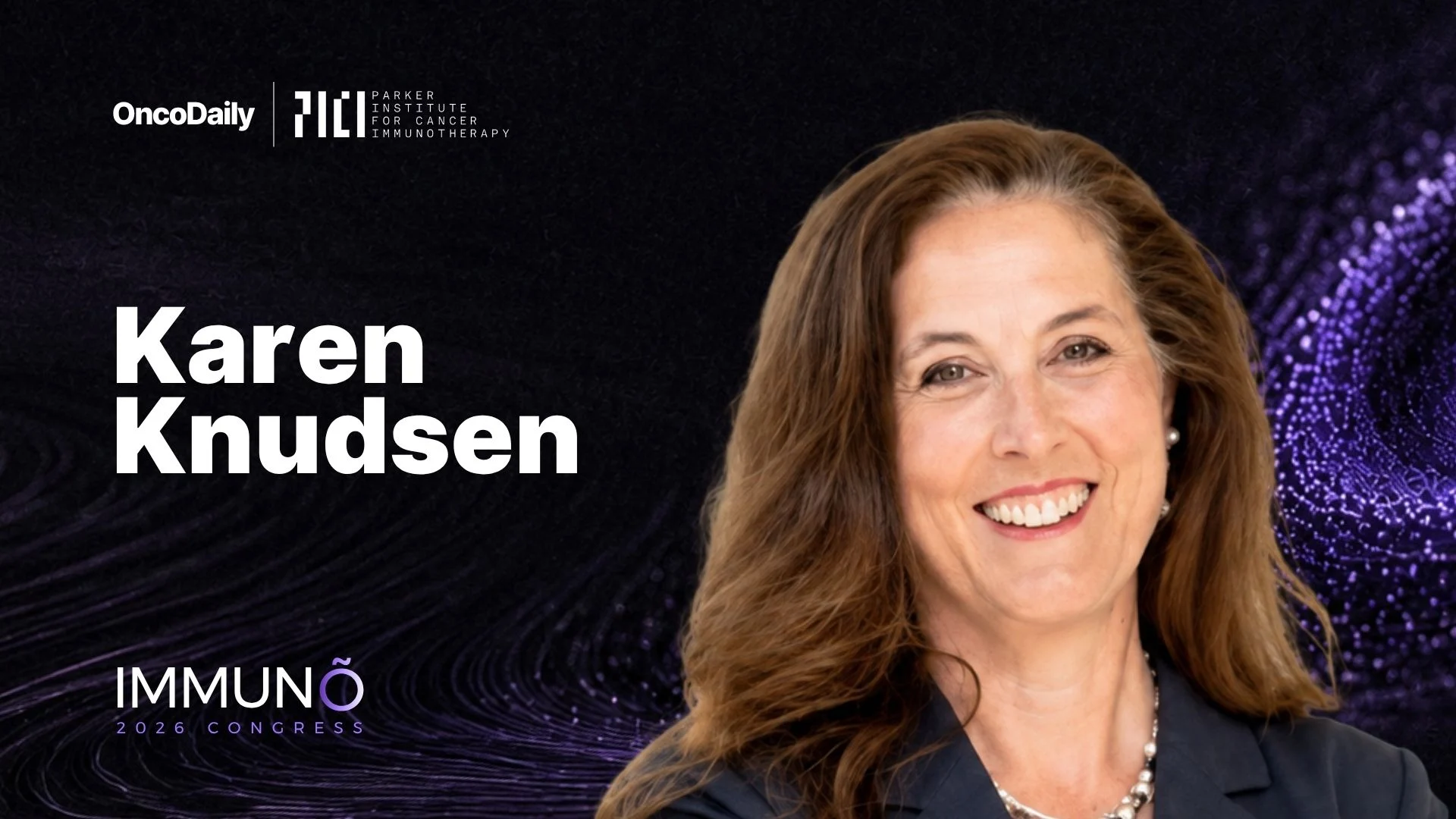
Beyond these leaders, the faculty spans major areas of contemporary oncology. Ghassan K. Abou-Alfa will bring expertise in hepatobiliary and gastrointestinal oncology; Stephen Gottschalk and Paulina Velasquez in pediatric cellular immunotherapy; Prasad S. Adusumilli in thoracic malignancies and cellular therapy; and André Ilbawi of the World Health Organization in global cancer control.
The speaker roster also includes leaders from the Cancer Research Institute, The Mark Foundation for Cancer Research, Melanoma Research Alliance, St. Jude Children’s Research Hospital, Memorial Sloan Kettering Cancer Center, Dana-Farber Cancer Institute, Stanford University, the University of Pennsylvania, Mount Sinai, the National Cancer Institute and other institutions across the global cancer community.
Together, the faculty reflects the scope of Immunõ 2026 itself: from fundamental immunology and the tumor microenvironment to checkpoint blockade, cancer vaccines, CAR T-cell therapy, pediatric immunotherapy, clinical translation and global access.
Have a look at the full list of speakers for Immuno 2026.
Why Do Tumors Escape the Immune System?
One of the central scientific themes of Immunõ 2026 will be the tumor microenvironment.
A tumor is not simply a collection of malignant cells. It exists within a complex ecosystem of immune cells, stromal cells, blood vessels, signaling molecules, and metabolic conditions that can either support or suppress antitumor immunity.
Understanding that ecosystem has become essential to understanding resistance.
Day 2 of the congress, “Rewiring the Tumour Microenvironment,” will explore myeloid cells, immune evasion in hormone receptor-positive breast cancer, tertiary lymphoid structures, suppressive immune-cell populations and therapeutic strategies designed to alter immune niches.
The program will then connect these biological questions with emerging therapeutic approaches, including sessions addressing iNKT-cell therapies and combinations of VEGF-targeted treatment with checkpoint inhibition.
Rather than viewing resistance as a single mechanism, the discussions will examine the different ways tumors build environments capable of avoiding immune destruction — and whether those environments can be therapeutically reprogrammed.
Are Cancer Vaccines Entering a New Era?
Cancer vaccines have been pursued for decades, often with results that fell short of expectations. Advances in sequencing, antigen discovery, immune monitoring, and personalized medicine, however, are creating new possibilities.
Day 3 of Immunõ 2026 will focus specifically on vaccines and local immune activation.
Sessions will examine antigen selection and immune monitoring, in situ vaccination, protein-based nanotechnologies, local immunotherapy and systemic immune responses, as well as immunoprevention and local immunotherapy in precancer.
Importantly, the program will also examine what can be learned when clinical trials do not produce the hoped-for outcome, including a discussion of lessons from the negative Phase 3 DENIM study.
Patient priorities will be part of the conversation as well, reflecting the reality that successful cancer vaccine development will depend not only on demonstrating immune activity but also on developing approaches that ultimately matter to patients.
Translating Immunotherapy Into Clinical Decisions
Scientific innovation only becomes meaningful when it can inform the treatment of individual patients.
Day 4 will therefore move directly into clinical decisions and translational immunotherapy, examining how emerging evidence is changing treatment across different malignancies.
The program includes discussions of TACE plus immunotherapy in liver cancer following EMERALD-3, combination strategies in melanoma, neoadjuvant immunotherapy in liver cancer and dMMR gastrointestinal tumors, immunotherapy in sarcoma, and approaches in breast and gynecological cancers.
A dedicated “How I Treat” discussion will address patients with molecular residual disease but no visible tumor — an increasingly important clinical scenario as highly sensitive molecular technologies begin identifying evidence of disease before it becomes radiographically apparent.
Additional sessions will address response-adaptive immunotherapy in head and neck cancer, natural killer-cell approaches and adoptive T-cell therapy for solid malignancies.
Together, these discussions will explore one of immuno-oncology’s central translational challenges: how rapidly evolving biological knowledge can be converted into better decisions at the bedside.
Can Cell Therapy Break Through in Solid Tumors?
Cellular therapy has produced some of immunotherapy’s most striking successes, particularly in hematologic malignancies. Extending those successes to solid tumors remains one of the field’s largest challenges.
Day 5 will place cell therapy and pediatric immunotherapy at the center of the program.
Topics will include regional intrapleural delivery of mesothelin-targeted CAR T cells with pembrolizumab, engineering cellular therapies, gene engineering and CRISPR screening, cellular immunotherapy in multiple myeloma, CAR T-cell therapy for AML and T-ALL, and emerging approaches to solid and brain tumors.
Pediatric immunotherapy will receive particular attention, including discussions of relapsed or refractory B-cell acute lymphoblastic leukemia in children and young adults, anti-GD2 immunotherapy in neuroblastoma, pediatric immunotherapy cases, and CAR T-cell approaches for pediatric brain tumors.
The day will also create space for early-career research presentations, connecting established leaders in cellular immunotherapy with researchers entering the field.
Better Immunotherapy Does Not Always Mean More Treatment
As new therapies and combinations enter oncology, another question becomes increasingly important: are patients receiving the right amount of treatment?
Day 6 will examine dose optimization and better research decisions.
The program will include discussions of interventional pharmacoeconomics, practical questions around immuno-oncology dose optimization and the rationale for studying lower-dose immunotherapy.
The day will also address neurologic immune-related adverse events, molecular imaging of immune responses and CAR T-cell therapy beyond blood cancers.
These topics broaden the meaning of innovation. Progress is not only about developing another therapy or another combination. It can also mean determining how existing treatments can be delivered more intelligently, safely and sustainably.
A panel asking “Who Sets the Research Agenda?” will further examine how priorities in cancer research are determined and whose questions ultimately receive attention.
From Scientific Breakthrough to Global Access
The final day of Immunõ 2026 will turn toward one of the most consequential questions surrounding modern immunotherapy: who can actually access it?
Many immune-based therapies require sophisticated diagnostics, specialized laboratories, highly trained multidisciplinary teams and substantial healthcare resources. For cellular therapies, the infrastructure required can be even more demanding.
The September 30 program will examine the development of cell therapy programs and CAR T-cell treatment in Mexico and Latin America, the delivery of immunotherapy in resource-constrained settings, regional access, immunotherapy education and evidence appraisal.
These discussions place global access alongside scientific discovery rather than treating it as an issue that begins only after innovation has occurred.
Because a breakthrough that cannot reach patients remains an incomplete breakthrough.
For the full program, session details, and speaker lineup, read the complete Immunõ 2026 agenda.
Connecting Established Leaders With the Next Generation
Immunõ 2026 will also provide space for early-career investigators and emerging researchers.
Rapid research presentations are integrated into the scientific program, while the faculty itself includes investigators at different stages of their careers alongside internationally recognized leaders in immunology and oncology.
This exchange is particularly important in a field moving as quickly as immuno-oncology, where advances in gene editing, single-cell technologies, molecular imaging, computational biology and immune engineering are continuously opening new research directions.
The future of immunotherapy will depend not only on today’s established approaches, but on the scientists and clinicians prepared to challenge them.
Who Should Attend Immunõ 2026?
The congress is designed as a multidisciplinary meeting for professionals and stakeholders across the cancer ecosystem.
Participants include medical oncologists, hematologists and hemato-oncologists, immunologists, translational researchers, laboratory scientists, clinical investigators, pathologists and molecular diagnosticians, surgical and radiation oncologists, oncology nurses, advanced practice providers, pharmacists, biotechnology and pharmaceutical researchers, clinical research professionals, medical students, residents and fellows.
Patients, caregivers and patient advocates are also part of the intended audience, ensuring that discussions about scientific progress remain connected to the people those advances are ultimately intended to serve.
Seven Days, One Central Question
Immuno-oncology has already demonstrated that the immune system can be one of the most powerful tools available against cancer.
The challenge now is learning how to use that tool more precisely.
Across seven days, Immunõ 2026 will move from the fundamental biology of immune escape to cancer vaccines, checkpoint resistance, clinical decision-making, cellular therapies, pediatric immunotherapy, treatment optimization and global access.
These are different areas of research, but they ultimately converge on the same question:
How can the next generation of immunotherapy work for more patients, against more cancers, in more parts of the world?
From September 24–30, 2026, OncoDaily and the Parker Institute for Cancer Immunotherapy will bring the international immuno-oncology community together to explore that question, and the science that may shape its answers.
Register Now
Immunõ 2026: Global Virtual Congress on Immuno-Oncology
Dates: September 24–30, 2026
Format: Virtual
Presented by: OncoDaily in partnership with the Parker Institute for Cancer Immunotherapy
Scientific program: Seven days of sessions across cancer immunology, translational research, clinical immunotherapy, cellular therapy, cancer vaccines, and global oncology.
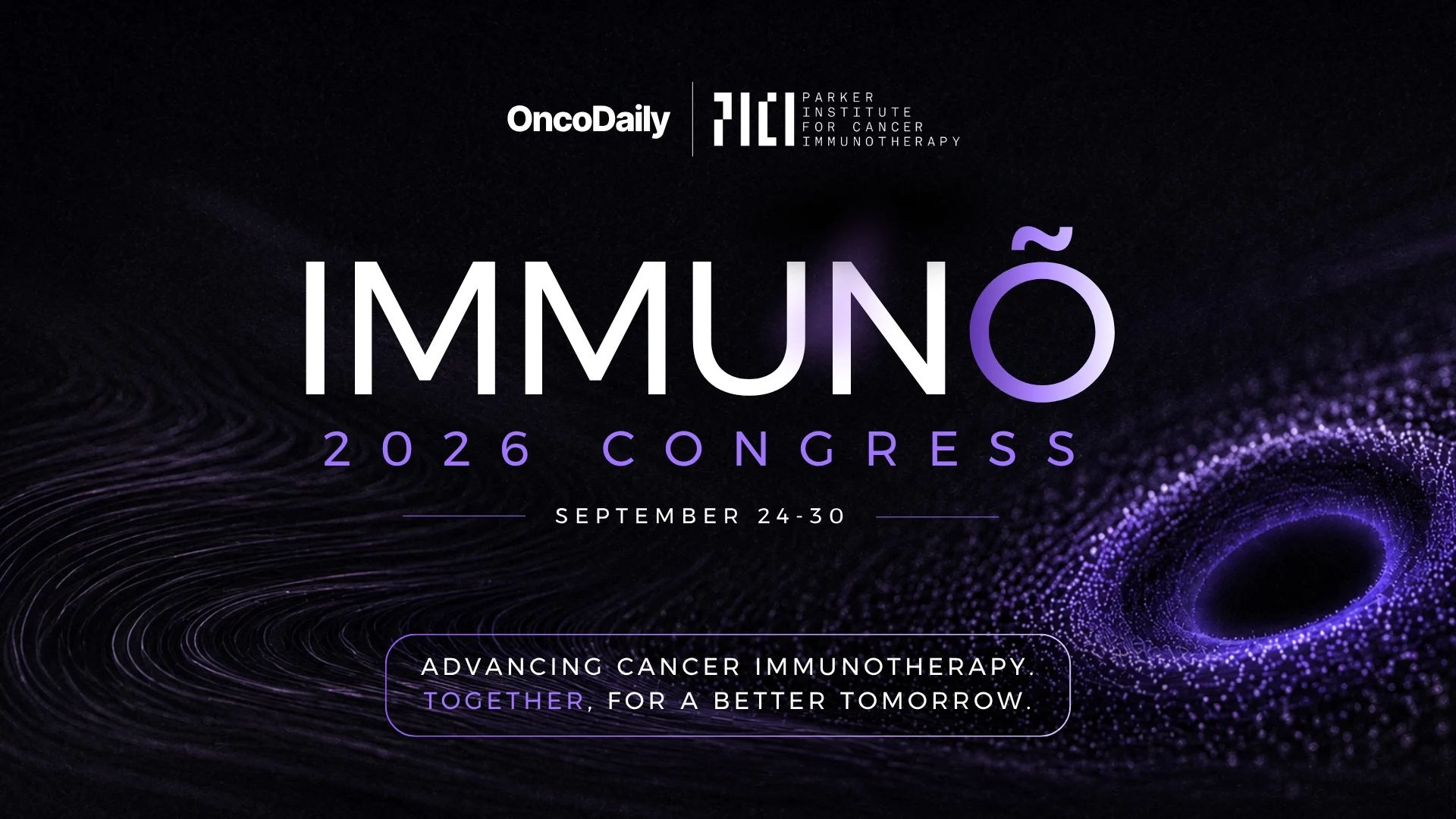
Immuno 2026: Global Virtual Congress on Immuno-Oncology, presented by OncoDaily in partnership with the Parker Institute for Cancer Immunotherapy.