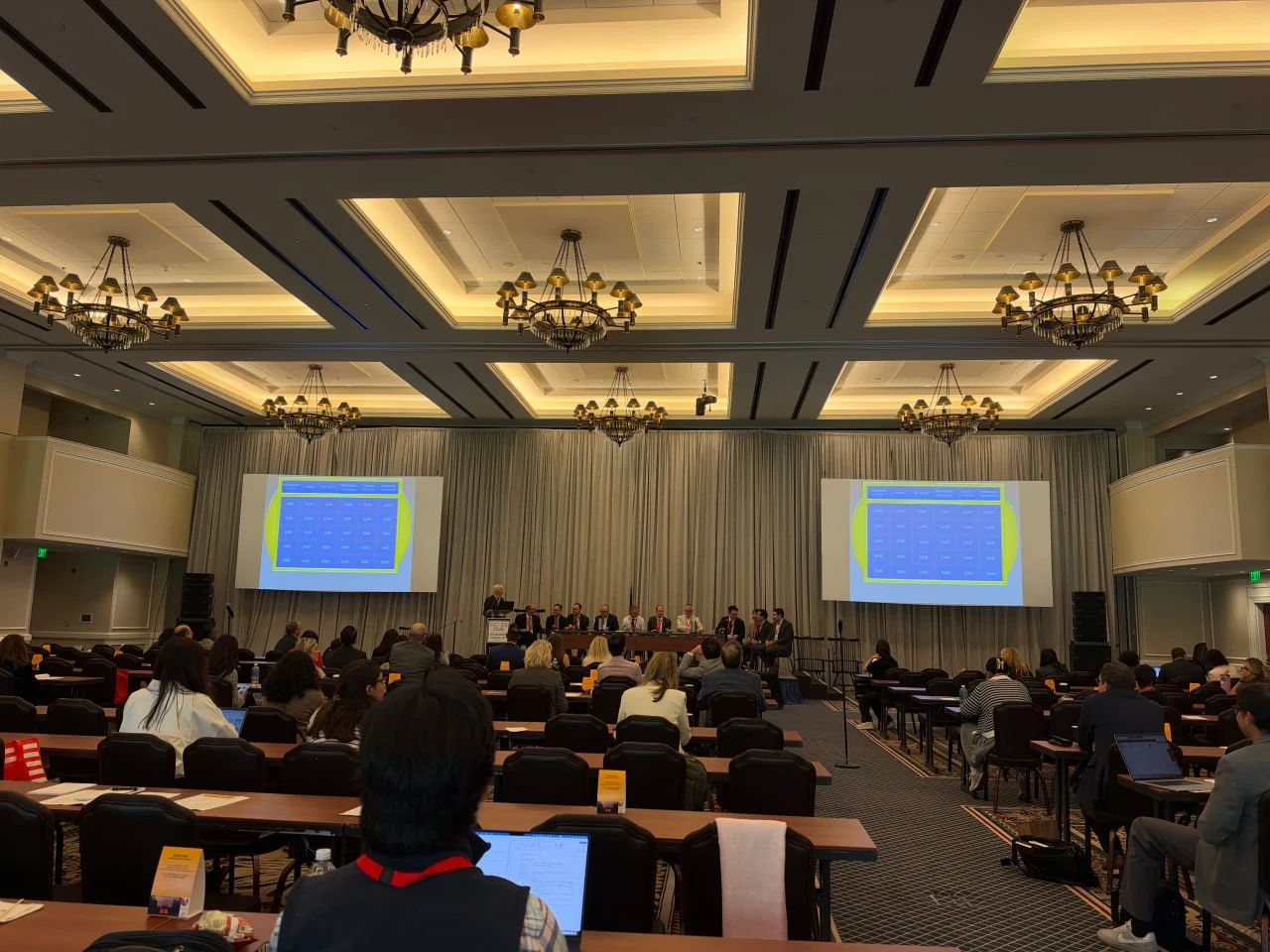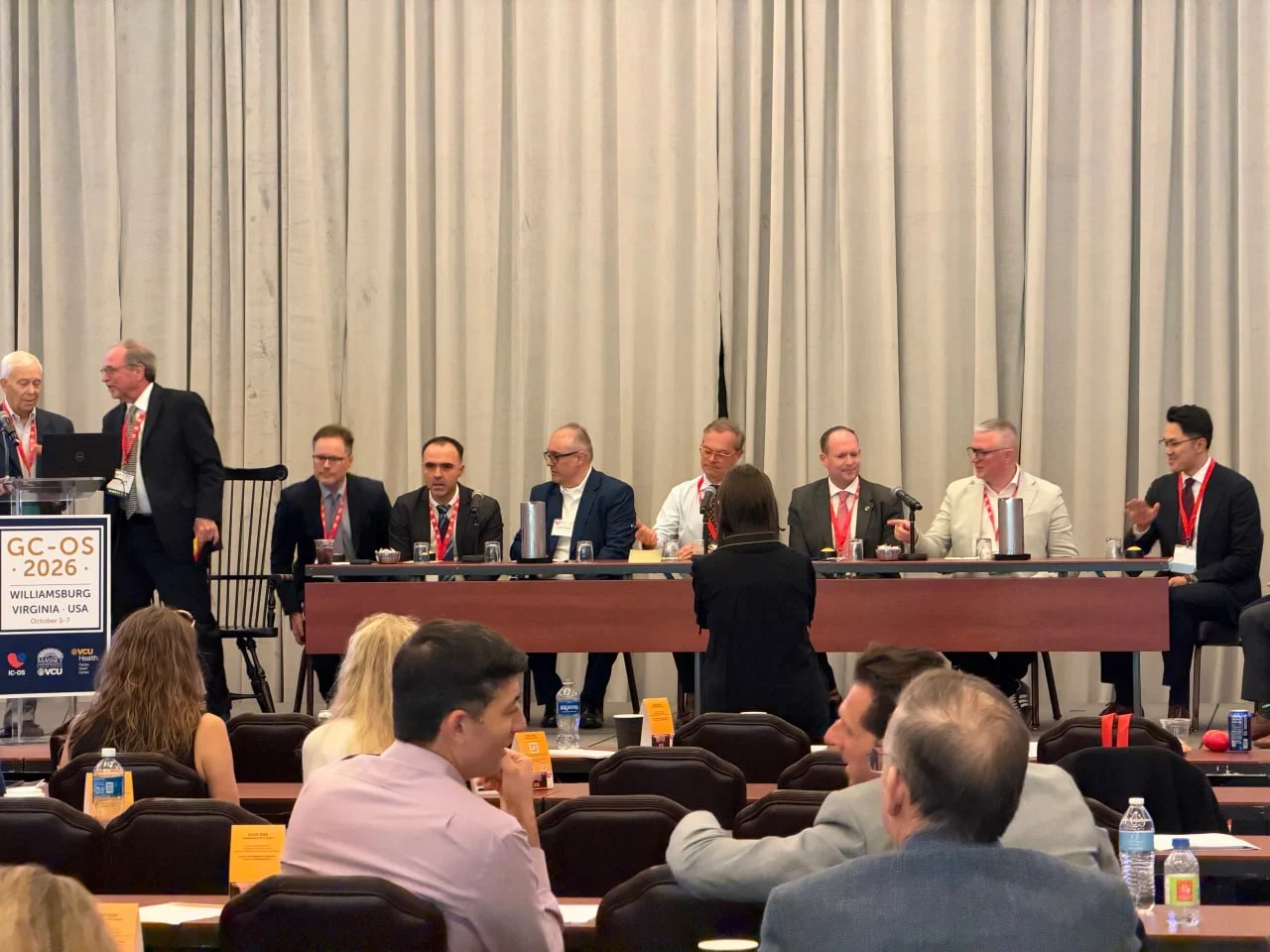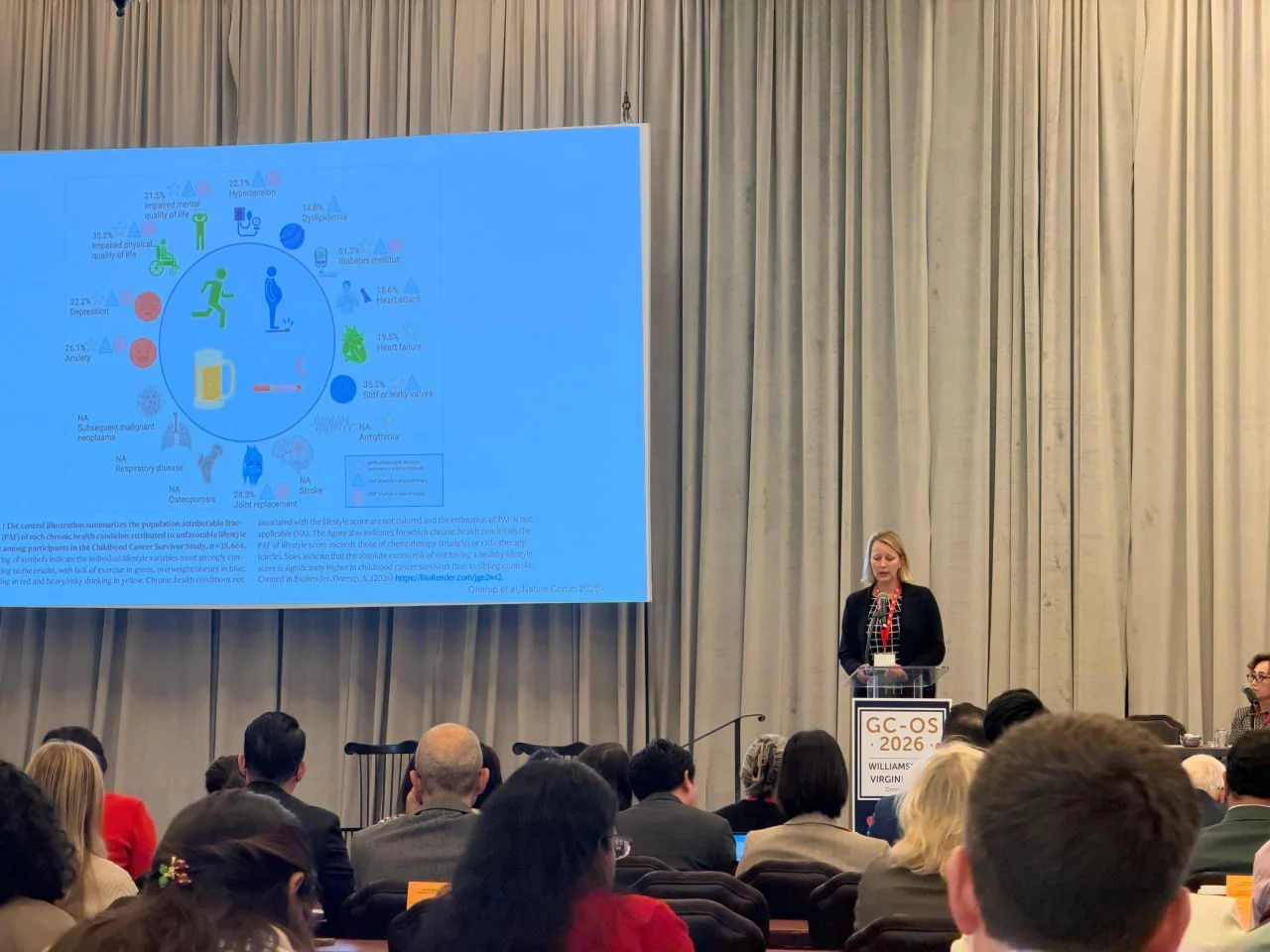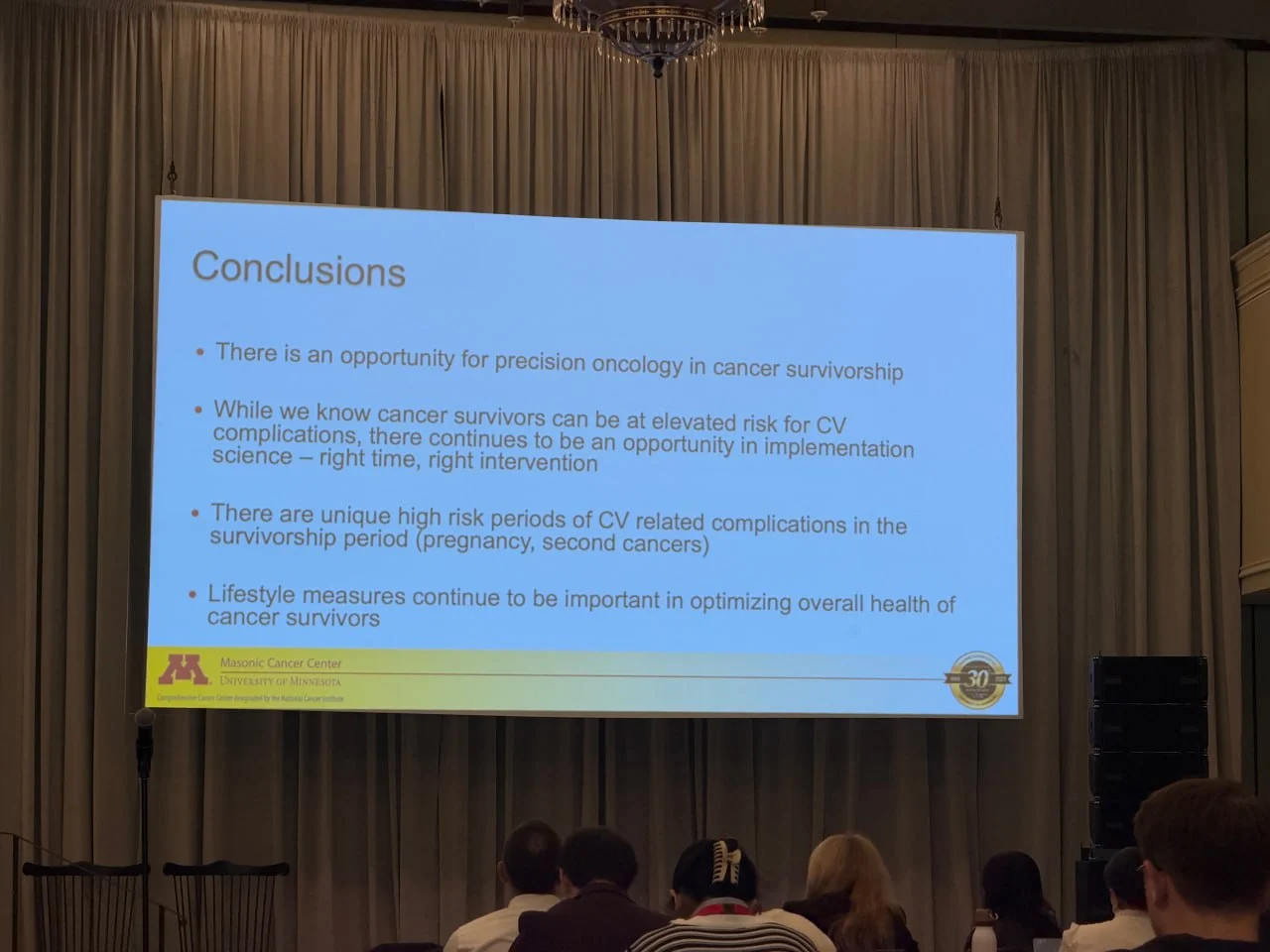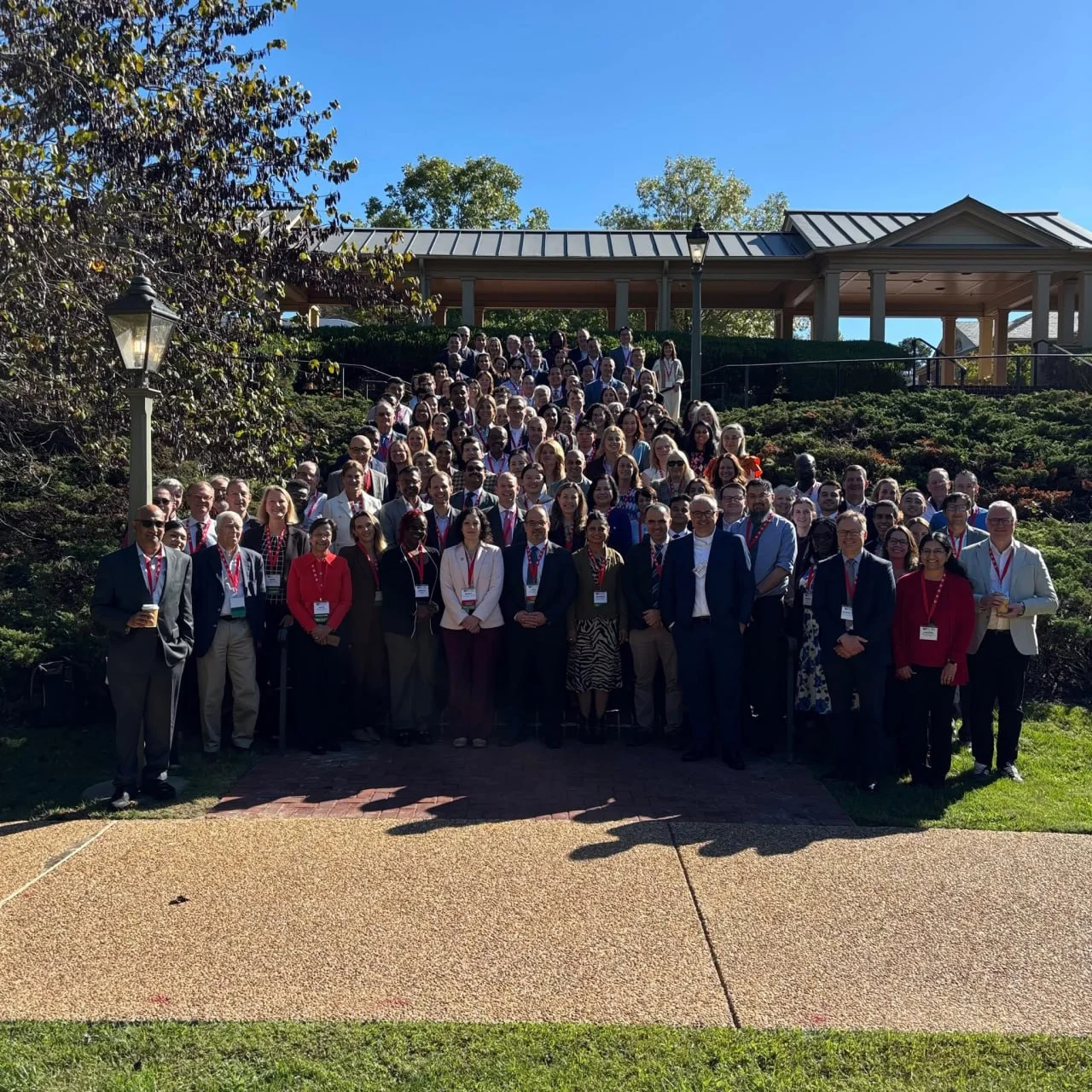
The first half of Day 2 at the Global Cardio-Oncology Summit (GCOS) 2026, held on October 6 at the Williamsburg Lodge in Williamsburg, Virginia, examined how cardiovascular care can be incorporated into the daily management of patients with cancer.
The morning moved from individualized exercise and rehabilitation to international approaches to survivorship, investigational amyloid-depleting therapies, and the cardiovascular toxicities of newer cancer treatments. These discussions continued the meeting’s theme, “Cardio-Oncology Innovation and Implementation for the Future.” Precision Exercise: Prescribing a Program Patients Can Sustain
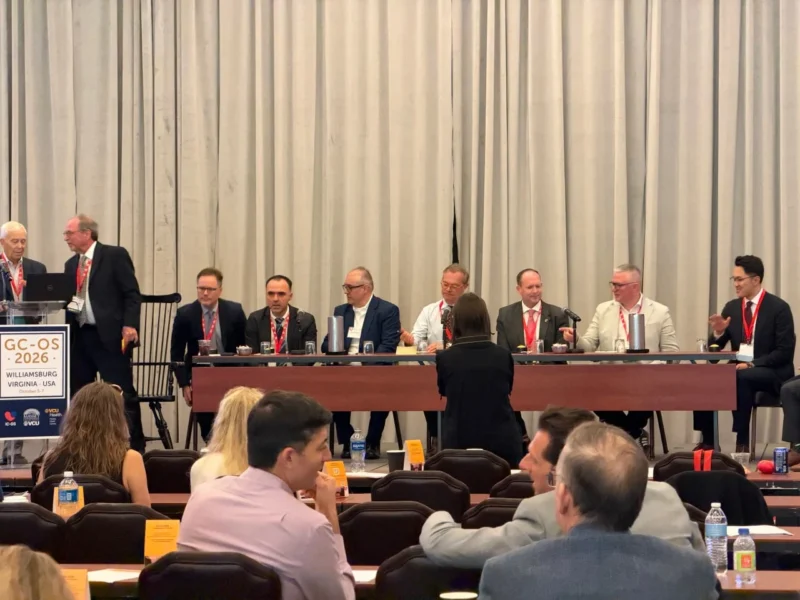
Chaired by Justin Canada, PhD, RCEP, and Michelle Nadler, MD, MSc, the opening scientific session examined the clinical and practical requirements of precision exercise in cardio-oncology.
Alex Lucas, PhD, began with behavioral lifestyle programs, addressing a difficulty familiar to clinicians: an exercise prescription depends on a patient’s ability to follow it.
Cancer diagnosis, treatment, comorbidities, psychological distress, and access to services all influence participation. A program suitable for a younger survivor may require substantial adjustment for someone experiencing frailty, significant cardiovascular disease, or ongoing treatment-related symptoms.
Lucas discussed integrating behavioral assessment with cardiovascular assessment to understand patients’ circumstances, previous experience with exercise, and personal goals. Returning to work, caring for family, or recovering independence may provide stronger motivation than a change in a clinical measurement alone.
Exercise support also needs to evolve. Treatment transitions, new diagnoses, and changes in functional capacity can alter what a patient can safely achieve. Reassessment, practical support, and adjustments to the prescription are therefore essential to maintaining participation over time.
Building Rehabilitation Into Routine Cancer Care
Fernando Rivera-Theurel, MD, addressed the implementation of cardio-oncology rehabilitation, describing a multidisciplinary approach that combines exercise with cardiovascular risk management, nutritional support, psychosocial care, and patient education.
His presentation examined how institutions can identify eligible patients, establish referral pathways, and select appropriate delivery models. Home-based, center-based, and hybrid programs serve different needs, with supervision determined by clinical stability, treatment exposure, and cardiovascular risk.
Patients with recent cardiotoxicity or established cardiovascular disease require assessment and stabilization before entering an appropriately supervised program. Those with lower risk may be suitable for more flexible arrangements that reduce travel and scheduling demands.
Rivera-Theurel also discussed the contribution of cardiopulmonary exercise testing to assessing functional capacity and prescribing exercise intensity. Wearable devices and online educational resources can support monitoring and participation, particularly when some sessions take place at home.
Implementation depends on institutional resources and cooperation between oncology, cardiology, and rehabilitation teams. Clear referral criteria, trained staff, and clinical champions can help services develop. For centers establishing a program, a small pilot involving a defined patient population offers a practical starting point.
Lessons From ALLO-Active: Preserving Cardiovascular Reserve
Erin Howden, PhD, presented lessons from the ALLO-Active trial, which investigated a multicomponent activity program during and after allogeneic stem cell transplantation.
Patients undergoing transplantation may already have reduced cardiorespiratory fitness following previous treatment. Conditioning regimens, hospitalization, inactivity, and subsequent complications can impose further demands on their cardiovascular reserve.
Howden described an intervention incorporating supervised exercise during hospitalization, an outpatient program after discharge, resistance training, and strategies to reduce sedentary time. Exercise intensity was individualized using cardiopulmonary exercise testing.
The trial found that the activity program attenuated the decline in cardiorespiratory fitness and preserved cardiac function during exercise. Resting echocardiographic measurements did not demonstrate the same intervention effects, illustrating the additional information obtained by evaluating the cardiovascular response to exertion.
The presentation also addressed the work required to deliver the intervention. Collaboration with hematologists and ward nurses, patient involvement in program design, and assessment before individual exercise sessions supported participation.
Fluctuating clinical status, competing procedures, and nutritional difficulties remained substantial challenges. Howden discussed the need for larger studies, longer follow-up, and outcomes that reflect patients’ physical function, treatment experience, and survival.
Cancer Fatigue and the Importance of Recovery
Raouf Gharbo, DO, approached exercise intolerance and cancer fatigue through autonomic rehabilitation.
His presentation considered how sleep, physiological stress, breathing patterns, and recovery influence a patient’s capacity to engage in activity. Persistent fatigue and exertional symptoms can require assessment beyond conventional resting cardiac measurements.
Gharbo discussed heart rate variability, diaphragmatic breathing, and biofeedback as components of an approach to understanding and supporting autonomic recovery. He proposed assessing rhythmic breathing at rest and during activity as a practical starting point.
The discussion also considered wearable measurements. Such devices can help patients recognize patterns and monitor their activity, although their readings require interpretation in the context of treatment, symptoms, and clinical stability.
Global Survivorship: Care Depends on Access
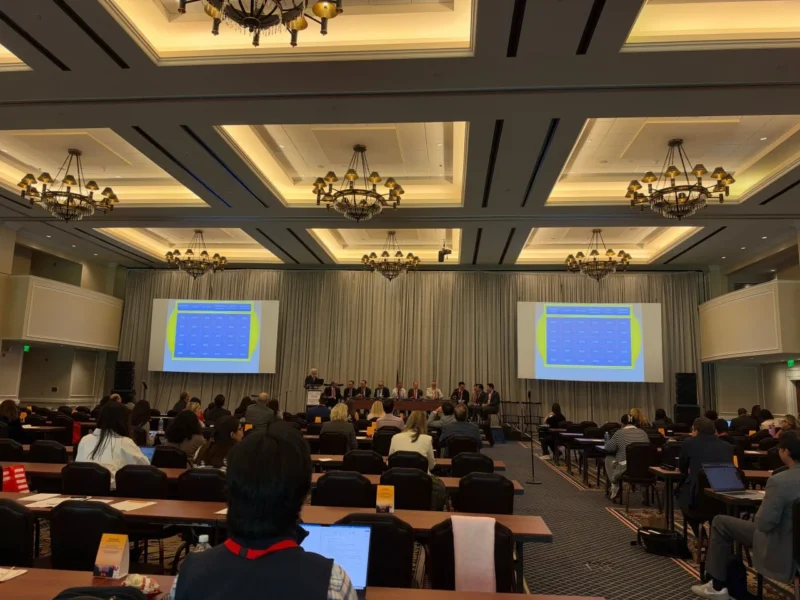
The joint International Cardio-Oncology Society (IC-OS) and Multinational Association of Supportive Care in Cancer (MASCC) session, chaired by Susan Dent, MD, examined cardiovascular health within supportive cancer care.
Hannah Ayettey Anie, MB, ChB, presented a perspective from Ghana, describing the consequences of uneven access to cancer services, cardiovascular investigations, and specialist care.
Her presentation addressed geographical barriers, limited specialist availability, fragmented follow-up, and the financial demands of additional investigations and medications. These difficulties can affect both cardiovascular management and the continuity of cancer treatment.
She also discussed the need for recommendations that reflect regional resources. International collaboration, workforce development, and locally applicable care pathways are necessary to make cardiovascular prevention accessible across different health systems.
As cancer survival improves, the responsibility for long-term cardiovascular care becomes increasingly pressing, including in settings where dedicated cardio-oncology services are still developing.
A Practical Road Map for Oncology Teams
Susan Dent, MD, reviewed the IC-OS–MASCC clinical practice statement on the prevention and management of cardiovascular disease in adults with cancer.
The statement provides cancer care professionals with a practical framework for cardiovascular assessment and management. Its five clinical practice statements address baseline cardiovascular disease and risk factors, assessment before treatment, risk reduction, monitoring during therapy, and care after treatment.
Dent discussed the role of oncology teams in recognizing pre-existing cardiovascular conditions, understanding the risks associated with treatment selection, and arranging appropriate investigations and referrals.
Blood pressure, diabetes, lipid disorders, smoking, and physical inactivity remain relevant throughout cancer care. Cardiovascular prevention also requires consideration when patients live for years with advanced disease and continue receiving systemic therapy.
Michelle Nadler, MD, MSc, then addressed the practical implementation of exercise and rehabilitation in oncology clinics.
She distinguished exercise programs from rehabilitation, which has a broader objective of improving function and reducing disability. Referral decisions should consider what the patient is struggling to do, including daily activities, employment, or participation in family and community life.
Her presentation described the clinician’s role through an assess, advise, and refer approach: ask about activity and functional limitations, explain the relevance of exercise, and connect patients with appropriate services.
The session’s interactive panel discussion, featuring Jose Alvarez-Cardona, MD, provided a further opportunity to consider how these recommendations can be applied in clinical practice.
Amyloidosis: Addressing Existing Cardiac Deposits
Following the morning break, Amyloidosis Session II, chaired by Keyur Shah, MD, examined newer treatment approaches.
Morie Gertz, MD, MACP, focused on amyloid-depleting agents and the persistent challenge of managing deposits already present in affected organs.
TTR stabilizers and gene-silencing therapies address mechanisms responsible for further amyloid formation. In light chain amyloidosis, plasma cell-directed treatment reduces the production of amyloidogenic light chains. Depleting approaches seek to promote the removal of existing deposits.
Gertz discussed investigational antibodies designed to recognize abnormal protein structures and facilitate immune-mediated clearance.
Coramitug: A Biomarker Signal With Clinical Questions Ahead
The presentation reviewed coramitug, an investigational monoclonal antibody targeting misfolded transthyretin.
In the randomized phase 2 trial, the higher-dose group demonstrated a statistically significant reduction in NT-proBNP compared with placebo, alongside improvements in some echocardiographic measures. There was no statistically significant improvement in six-minute walk distance over 52 weeks.
These findings provide a basis for further investigation while leaving important questions about clinical outcomes. The CLEOPATTRA trial is evaluating coramitug’s effects on cardiovascular outcomes in patients with transthyretin amyloid cardiomyopathy.
Cliramitug: Investigating Amyloid Clearance
Gertz also discussed cliramitug, previously known as NI006 or ALXN2220, which targets disease-associated transthyretin amyloid and promotes macrophage-mediated clearance.
Early clinical studies reported reductions in imaging measures of cardiac amyloid burden, with further investigation of cardiac structure, function, biomarkers, and tolerability. The phase 3 DepleTTR-CM trial is evaluating its safety and efficacy in adults with ATTR cardiomyopathy.
The distinction between an encouraging biomarker or imaging result and a demonstrated improvement in major clinical outcomes remained central to the discussion.
Heather Landau, MD, addressed the treatment of light chain amyloidosis, completing the session’s consideration of approaches to controlling the underlying disease and managing its organ consequences.
Beyond Anthracyclines: A Broader Spectrum of Cardiovascular Toxicity
The final morning session, chaired by John McCarty, MD, and Sebastian Szmit, MD, PhD, examined cardiovascular toxicities associated with newer cancer therapies.
Syed Saad Mahmood, MD, MPH, addressed toxicities associated with CAR-T cell therapy, tumor-infiltrating lymphocyte therapy, and bispecific T-cell engagers.
The final program included Wendy Bottinor, MD, MSCI, on cardiovascular toxicities of Bruton tyrosine kinase inhibitors, and Anju Nohria, MD, on toxicities associated with other tyrosine kinase inhibitors.
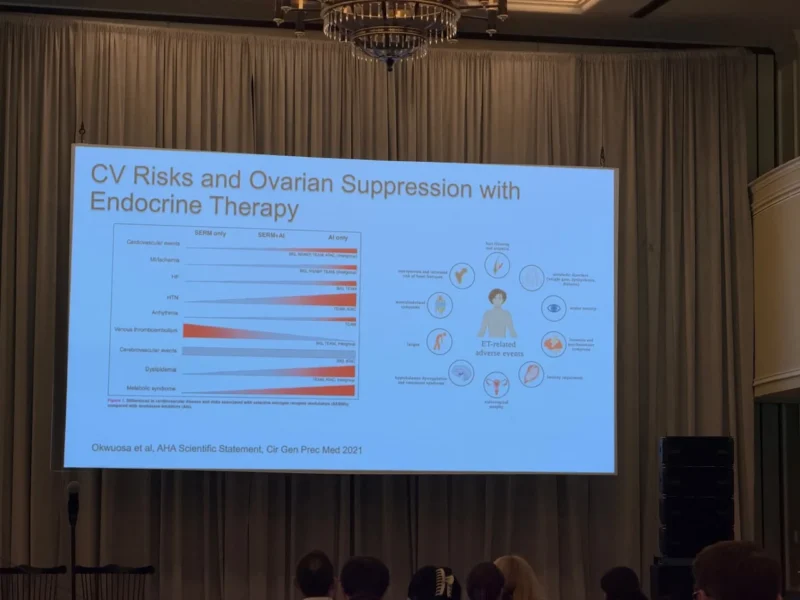
Mary Helen Hackney, MD, addressed the cardiovascular toxicities of novel breast cancer therapies.
The session extended the morning’s discussion of prevention and surveillance to a growing range of therapeutic exposures. The program then moved to the Alnylam-hosted amyloidosis lunch and product theater, before the afternoon sessions on survivorship and cardioprotection.
GCOS 2026 Second Half of the Day 1: From Amyloidosis to the Ten Laws of Cardio-Oncology