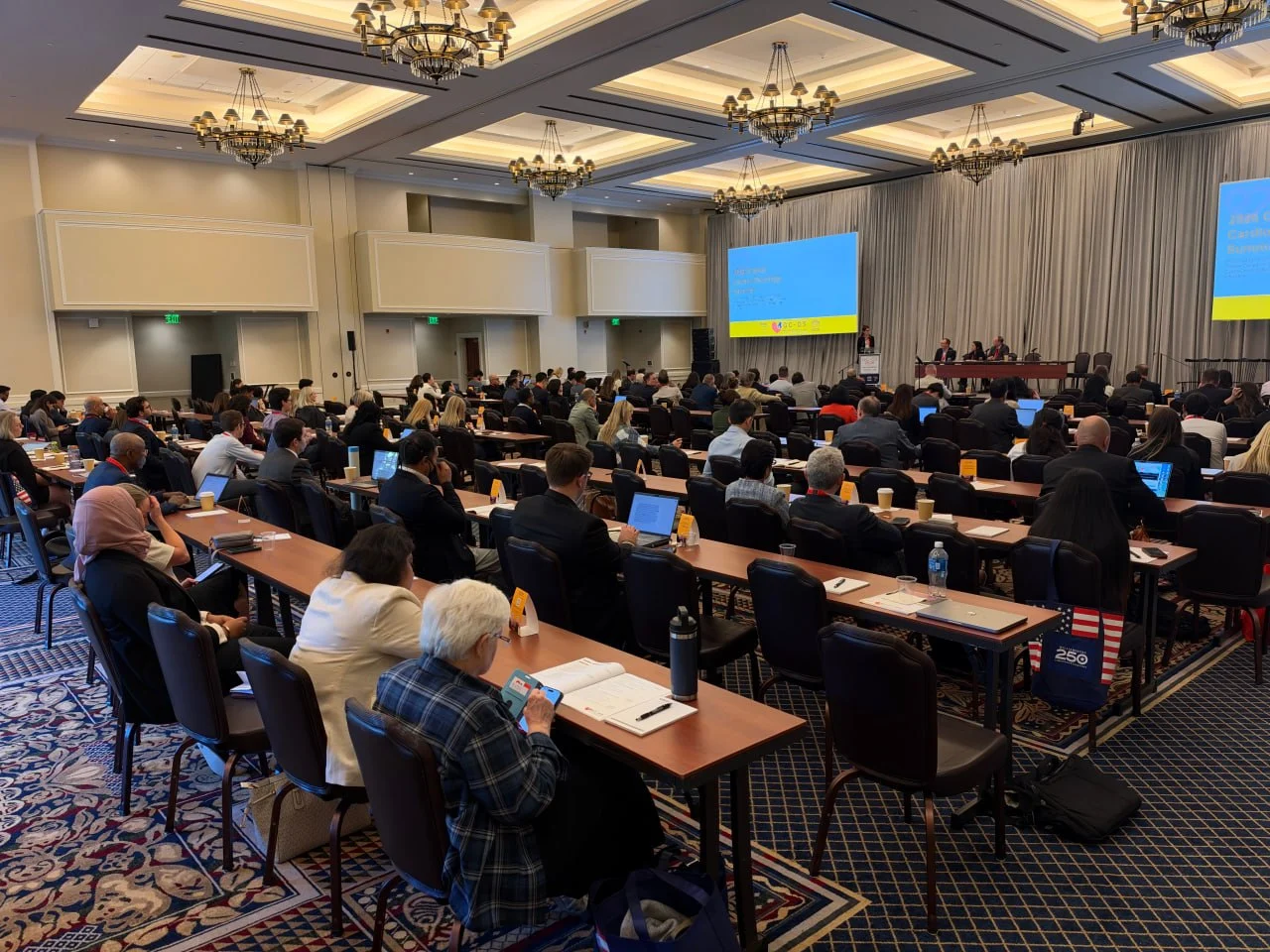
The Second half of Day 1 at the Global Cardio-Oncology Summit (GCOS) 2026 continued the meeting’s focus on translating scientific progress into practical cardiovascular care for patients with cancer.
Following the morning program, the afternoon moved through amyloidosis, one of the Summit’s signature lectures, updates from the International Cardio-Oncology Society, recognition of leadership in the field, and the Young Investigator Award program.
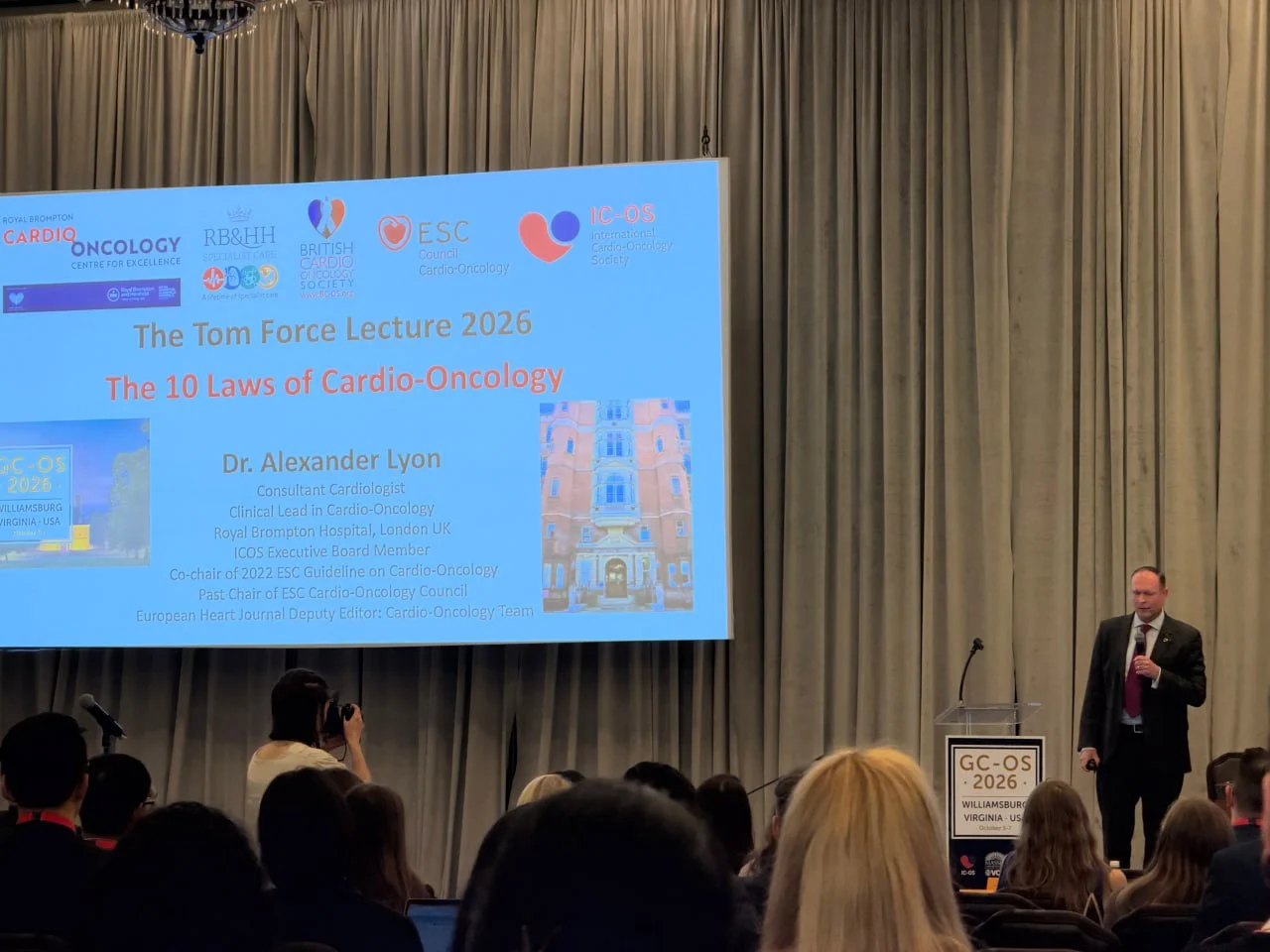
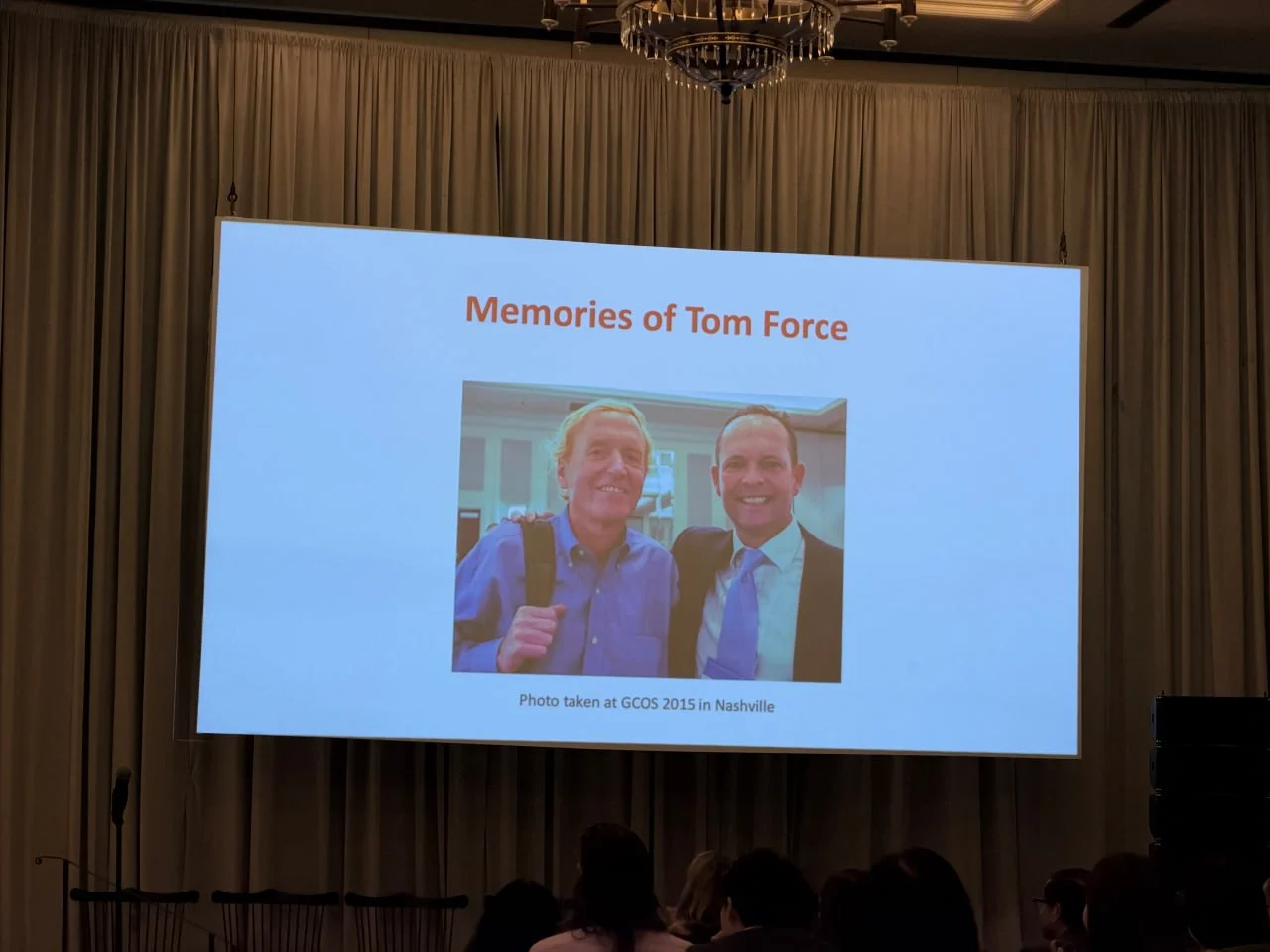
At the center of the afternoon was the Thomas Force Lecture, delivered by Alexander Lyon, MD, who used “Ten Laws of Cardio-Oncology” to reflect on the principles that have shaped the specialty and those that may guide its future.
GCOS 2026 First Half of the Day 1: Global Perspectives, AI and the Research Shaping Cardio-Oncology
From Diagnosis to Treatment: The Changing Landscape of Amyloidosis
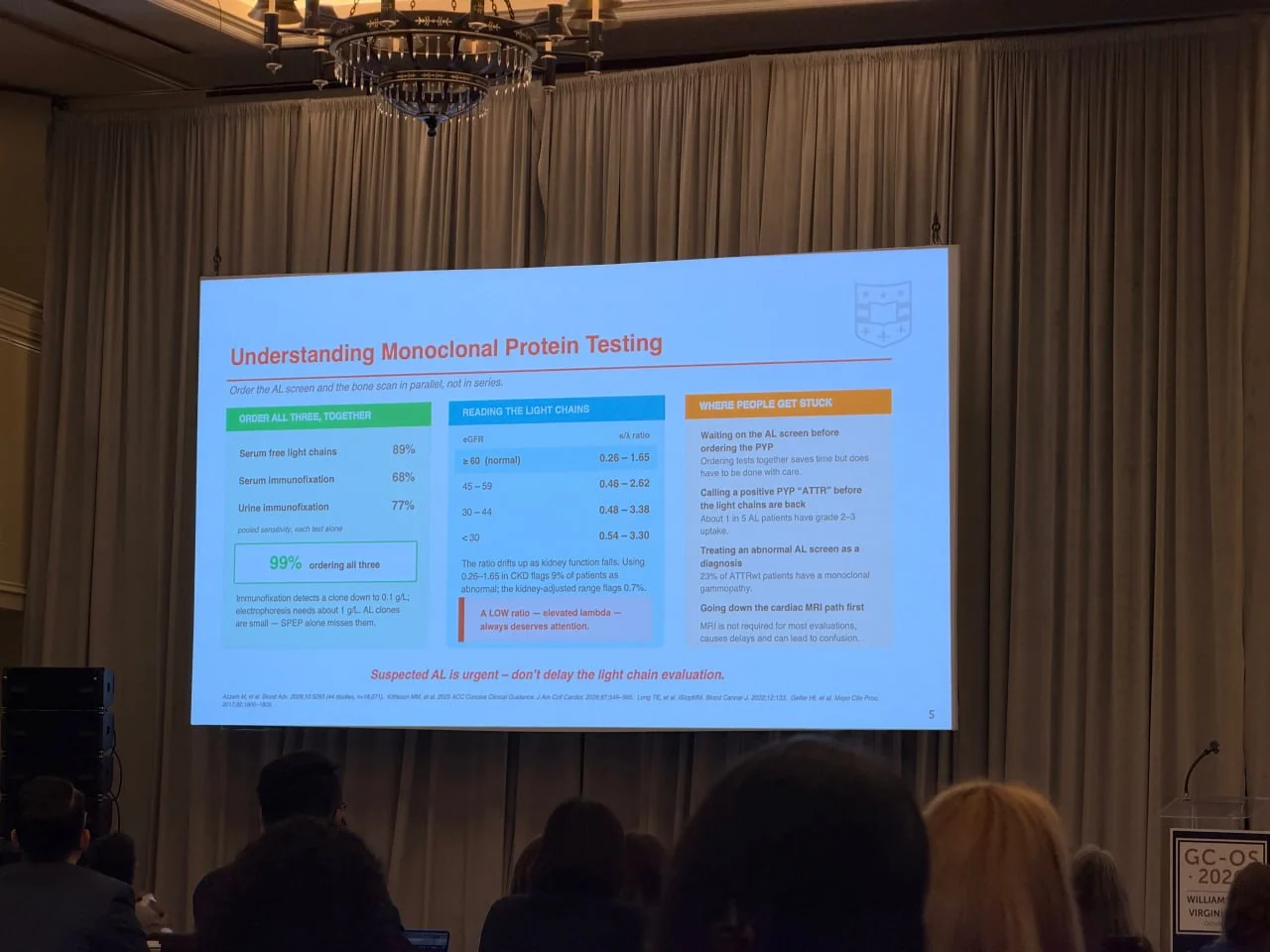
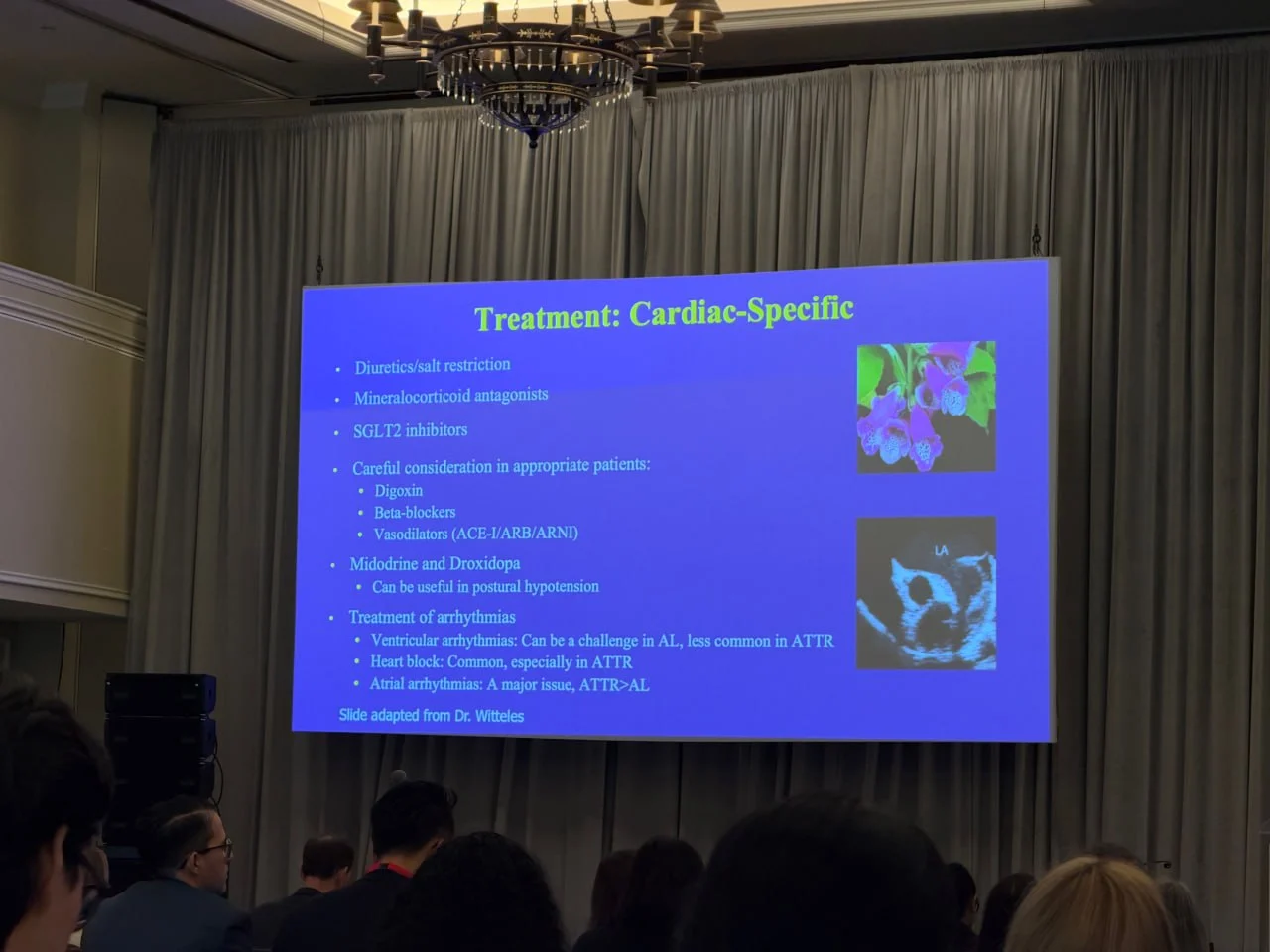
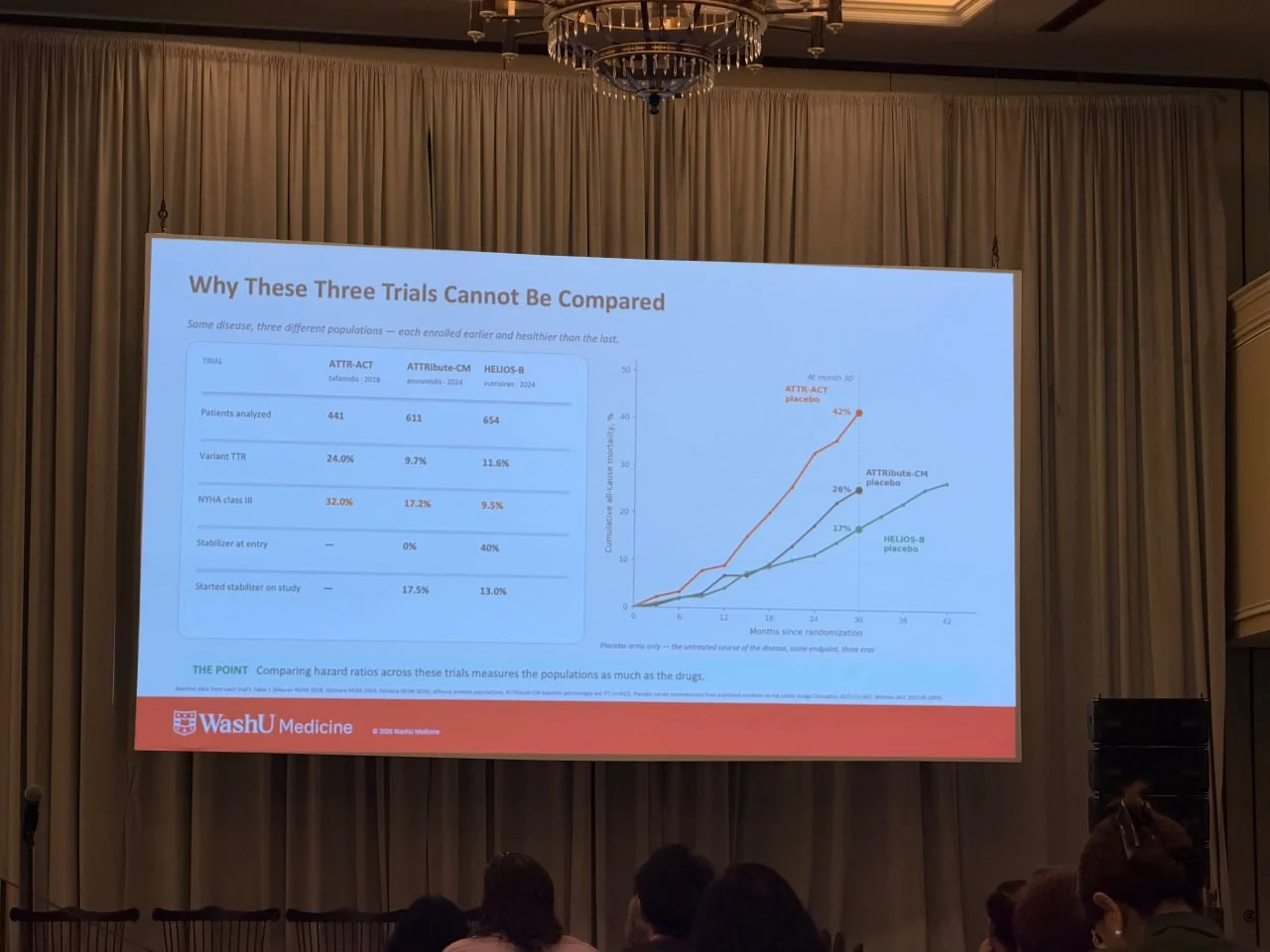
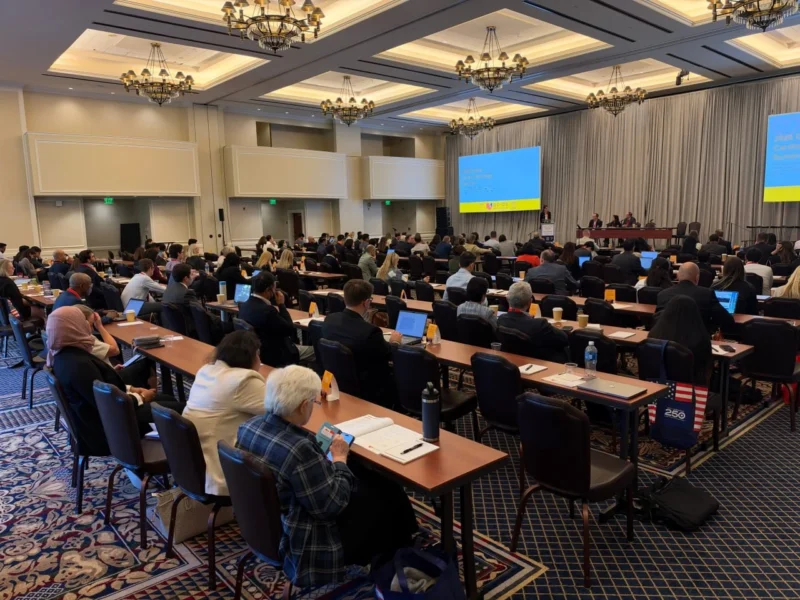
Following the AstraZeneca Hosted Lunch & Product Theater, the scientific program resumed with “Amyloidosis Session I: Transforming Amyloidosis Care: The Next Era of Diagnosis & Treatment.”
Chaired by Jennifer Liu, MD, the session brought together clinical perspectives spanning diagnosis, heart failure and arrhythmia management, disease recognition, and emerging therapeutic strategies.
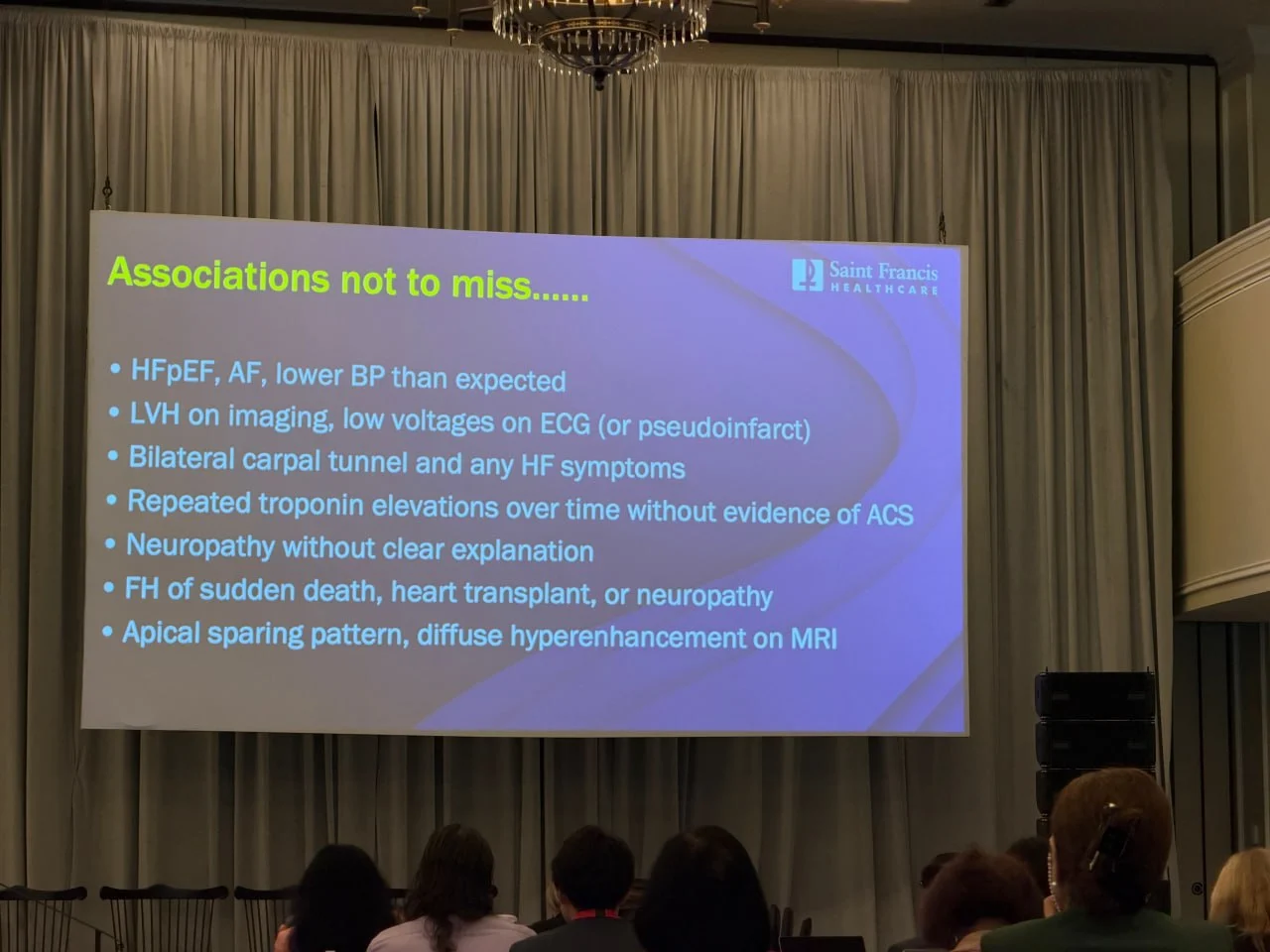
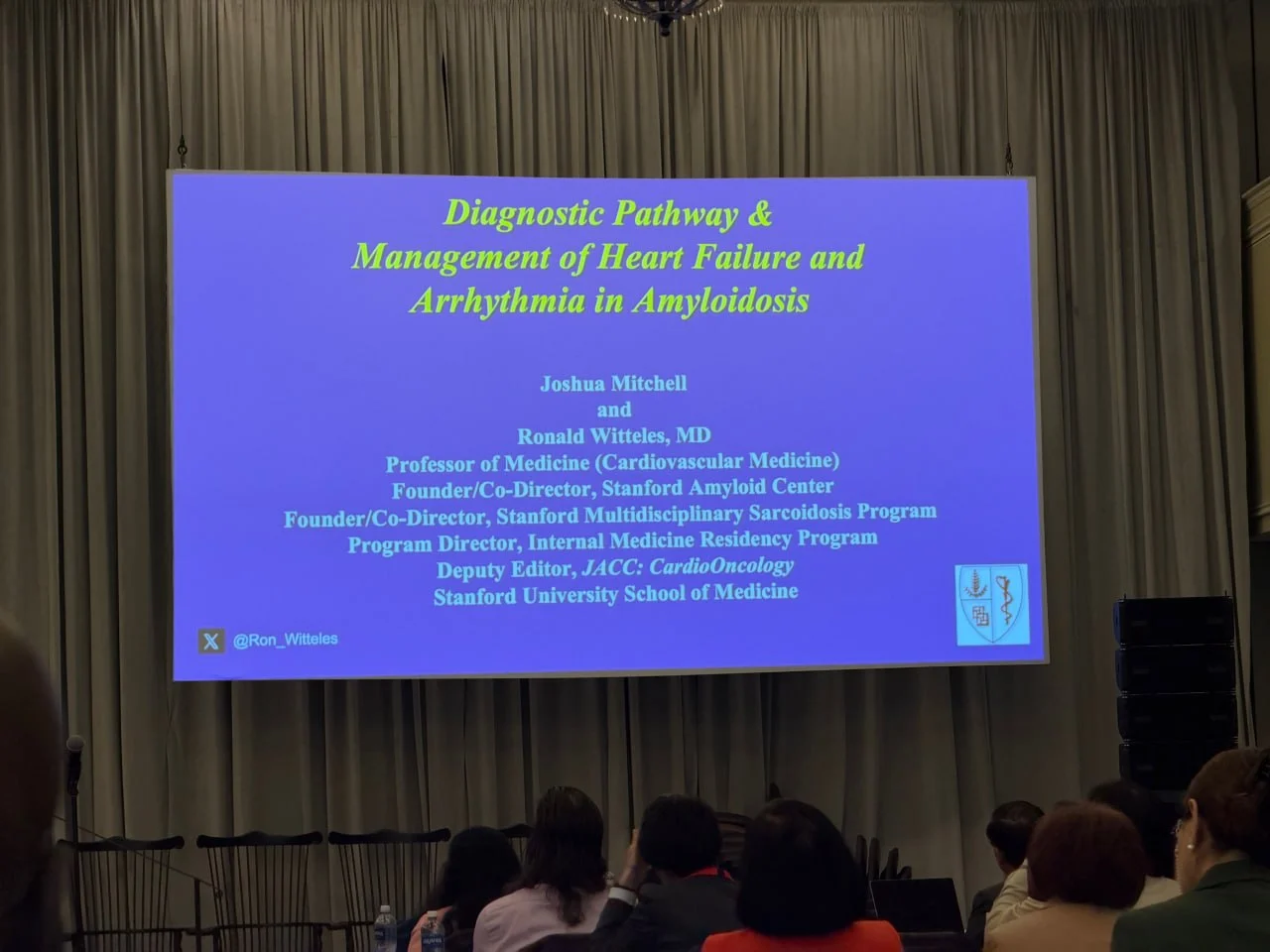
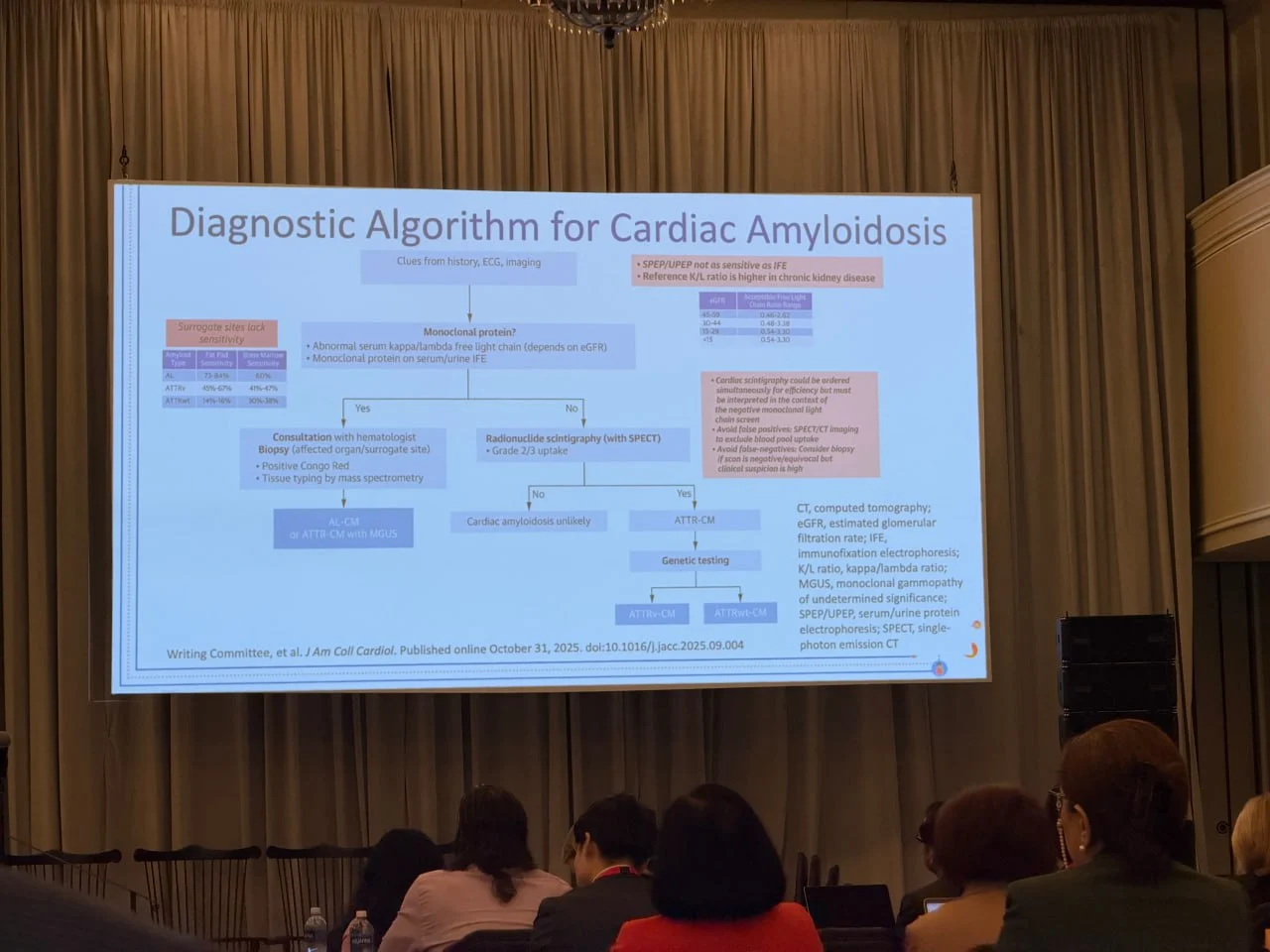
Ronald Witteles, MD, addressed the diagnostic pathway and heart failure/arrhythmia management in amyloidosis, while Dan Lenihan, MD, focused on identifying the clues that can support a proper and prompt diagnosis.
Joshua Mitchell, MD, MSCI, discussed silencers and stabilizers in ATTR amyloidosis, examining how understanding disease biology is being translated into therapeutic opportunities.
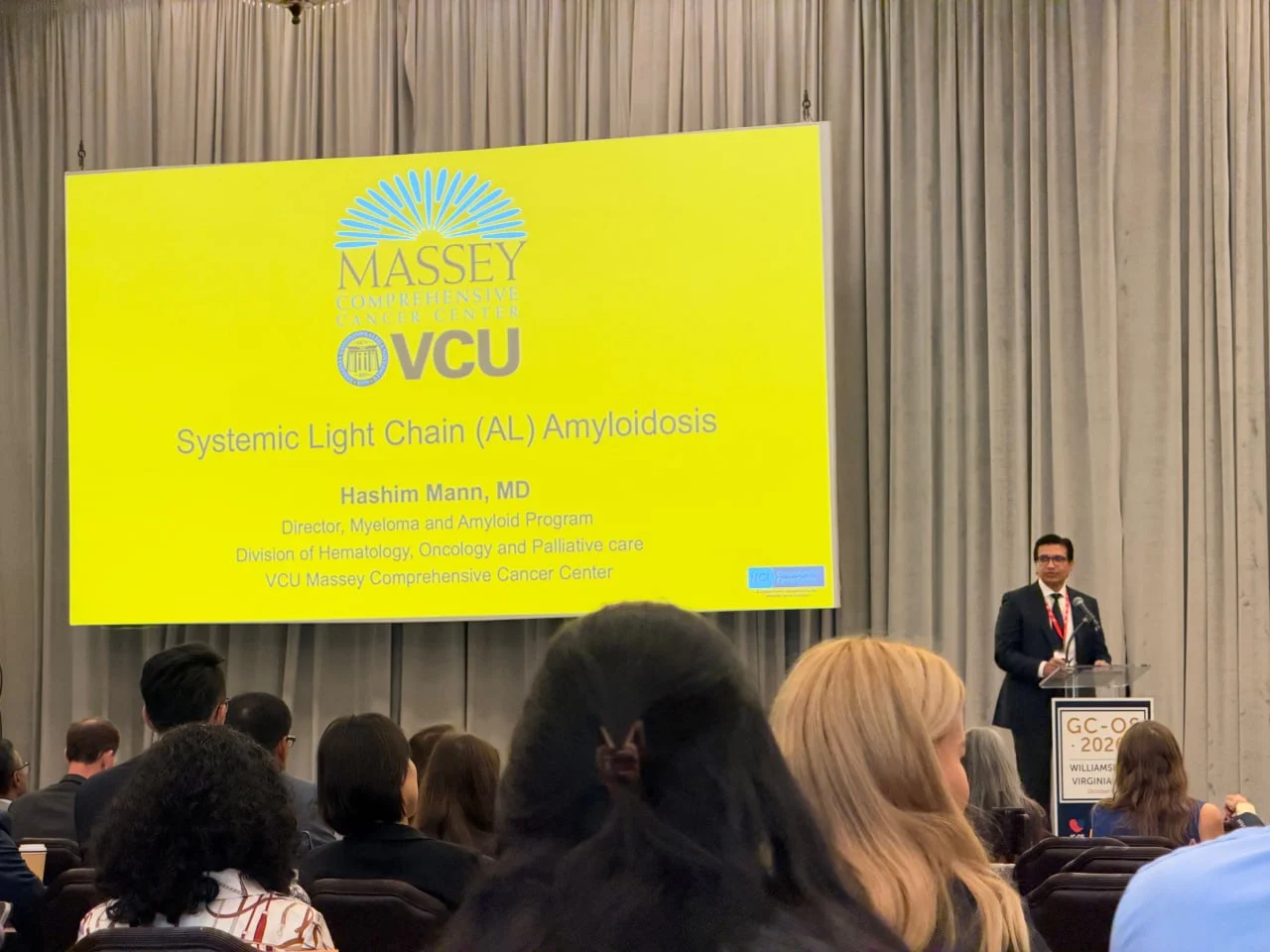
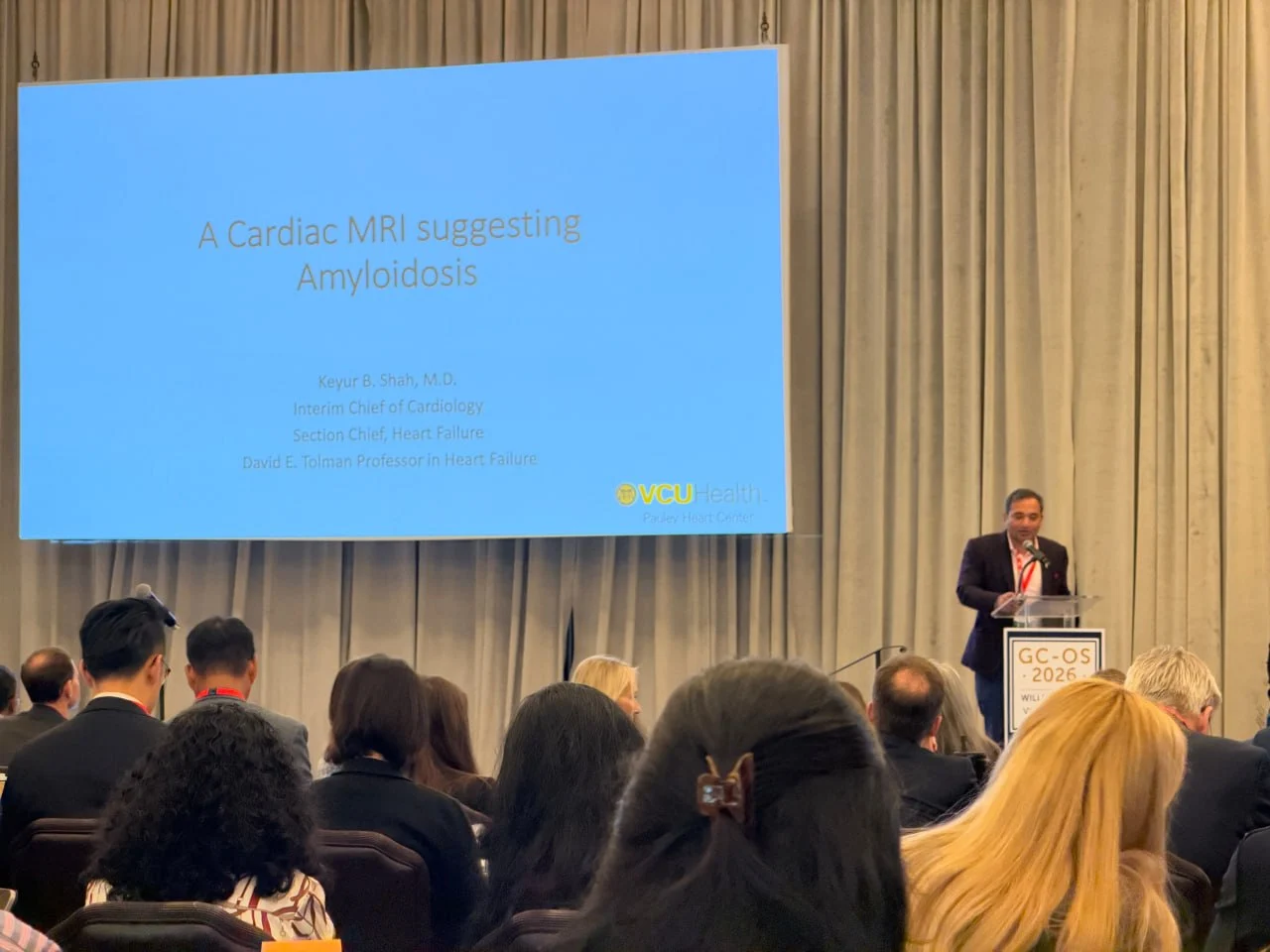
The program then moved into clinical cases under the chairmanship of Dan Lenihan, MD. Hashim Mann, MD, presented a case centered on AL amyloidosis, followed by Keyur Shah, MD, addressing diagnostic challenges.
Together, the session placed early recognition and accurate classification alongside increasingly disease-specific therapeutic approaches—an important combination as amyloidosis care continues to evolve.
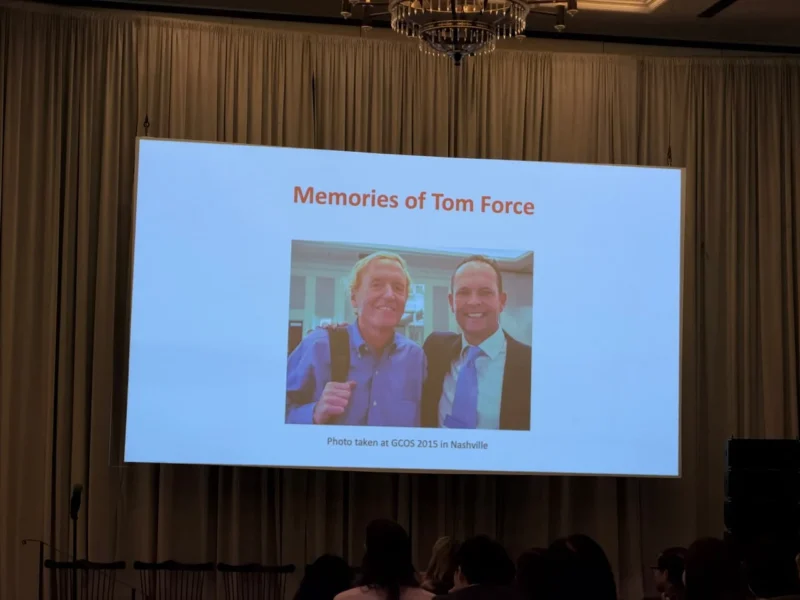
The Thomas Force Lecture: Ten Laws for a Growing Discipline
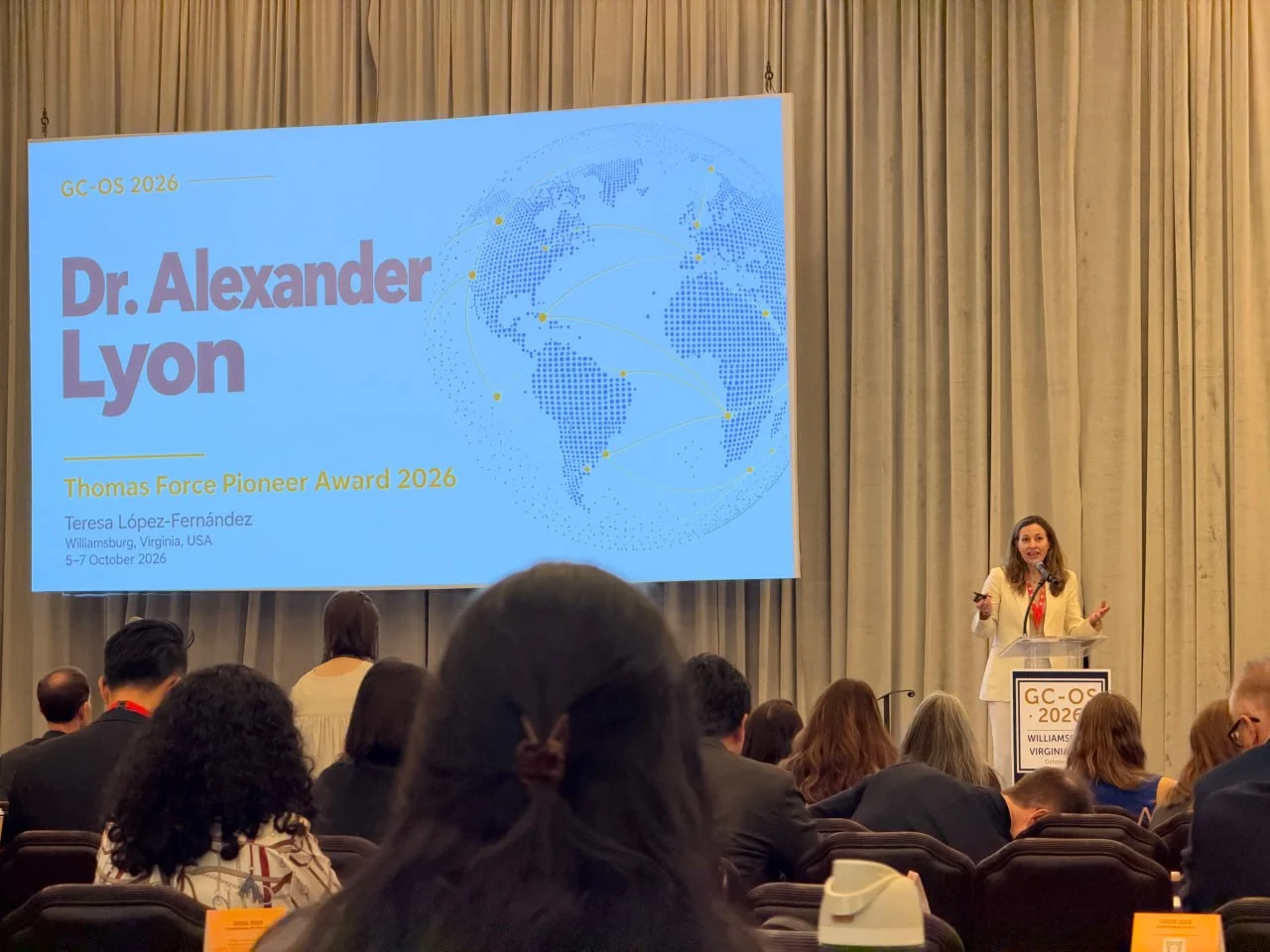
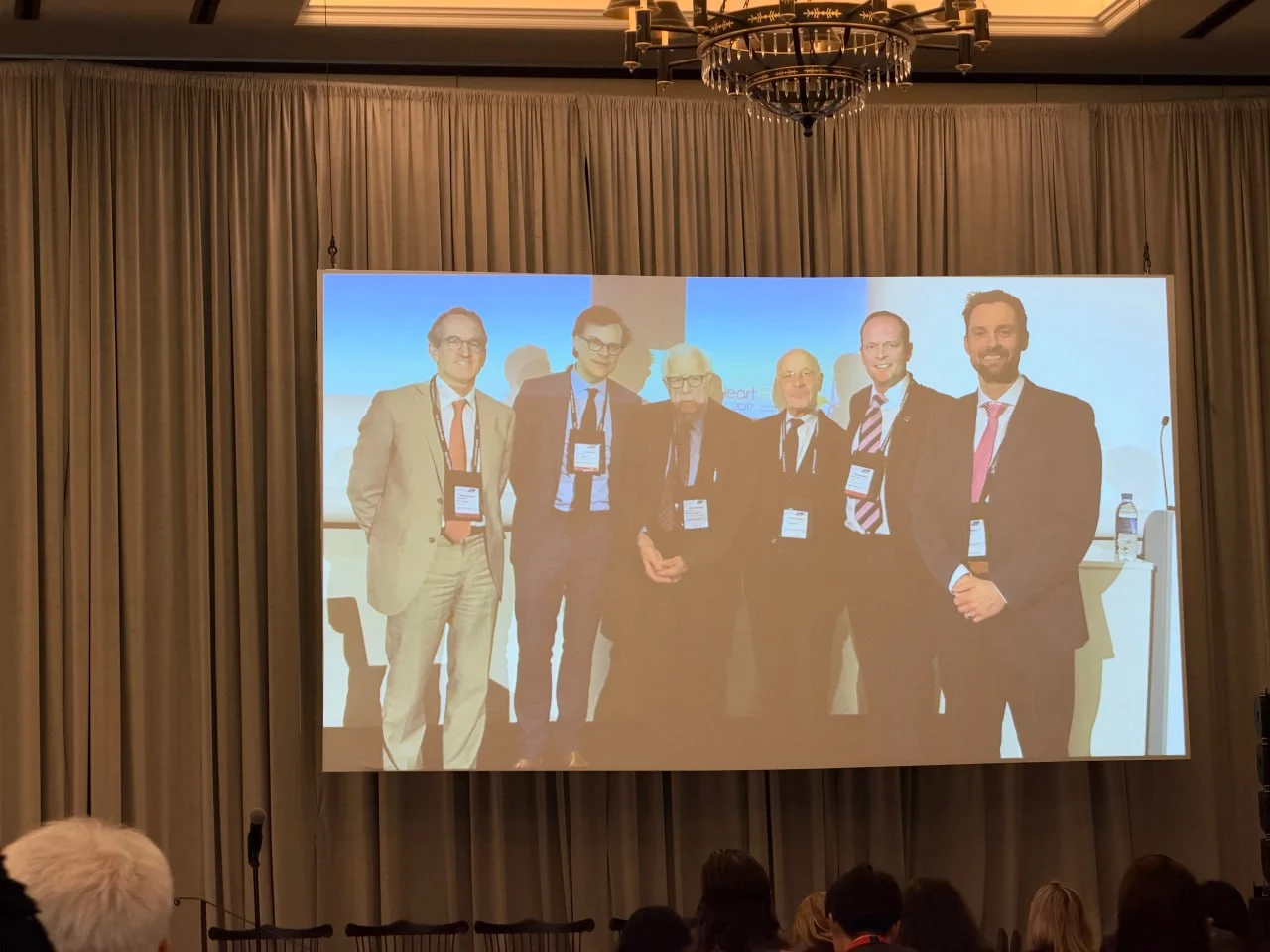
A major highlight of Day 1 was the Thomas Force Lecture, chaired by Teresa Lopez-Fernandez, MD, with Alexander Lyon, MD, presenting “Ten Laws of Cardio-Oncology.”
The lecture combined scientific principles, clinical experience, mentorship, collaboration, and a forward-looking view of the specialty.
Lyon began with a fundamental rule: understand the mechanism of a cancer therapy’s cardiovascular toxicity before attempting to manage it.
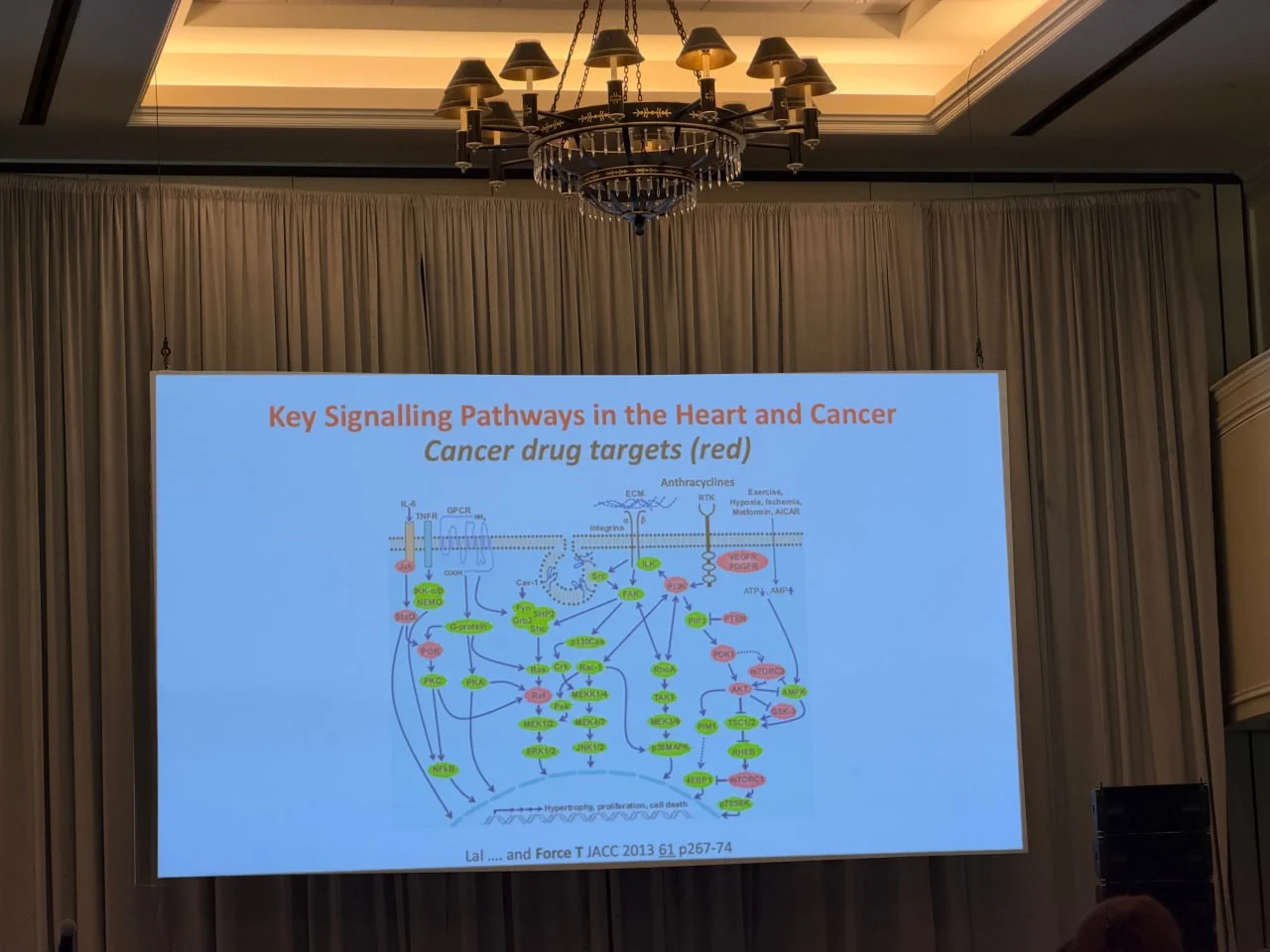
Cancer and cardiovascular biology are deeply connected. Molecular pathways that drive malignant growth may also have essential protective functions in the cardiovascular system. Targeting a pathway in cancer can therefore have consequences for the heart.
HER2-targeted therapy provided one example. Understanding the biological relationship between cancer treatment and myocardial protective pathways can help explain why cardiovascular toxicity develops and, importantly, guide strategies for prevention and management.
One Abbreviation, Two Specialties and the Need for a Shared Language
Another law focused on communication between oncology and cardiology.
The same abbreviation can carry entirely different meanings depending on the specialty. Lyon used CRT as a memorable example: cardiac resynchronization therapy to a cardiologist, but chemoradiotherapy to an oncologist.
Behind the humor was an important clinical point.
Successful cardio-oncology depends on specialists understanding each other’s language. Cardiologists need to understand cancer therapies, treatment intent, and oncology outcomes, while oncologists need familiarity with the cardiovascular terminology influencing treatment decisions.
Cardio-oncology is built at the intersection of these disciplines, and communication is part of its clinical infrastructure.
Personalization Begins Before Cardiovascular Disease Appears
A central theme of the lecture was the opportunity to assess patients before cardiovascular complications develop.
Cancer treatment provides a unique clinical moment: clinicians often know which therapy a patient is about to receive and can therefore evaluate cardiovascular risk before exposure.
This concept helped drive the development of baseline cardiovascular risk assessments and later became an important component of cardio-oncology guidance.
Risk assessment also creates the basis for personalized surveillance. Higher-risk patients may require more intensive cardiovascular monitoring, while lower-risk patients can potentially avoid unnecessary testing.
The objective is not surveillance for its own sake, but using resources where they are most likely to make a difference.
Two Ways Cancer Therapy Can Affect the Heart
Lyon described two broad patterns through which cancer therapies may contribute to cardiovascular disease.
The first is the development of a new cardiovascular disease process, with anthracycline-associated cardiac injury representing a classic example. Understanding the molecular pathways involved—from mitochondrial dysfunction and oxidative stress to altered cellular signaling—remains important for developing preventive and therapeutic strategies.
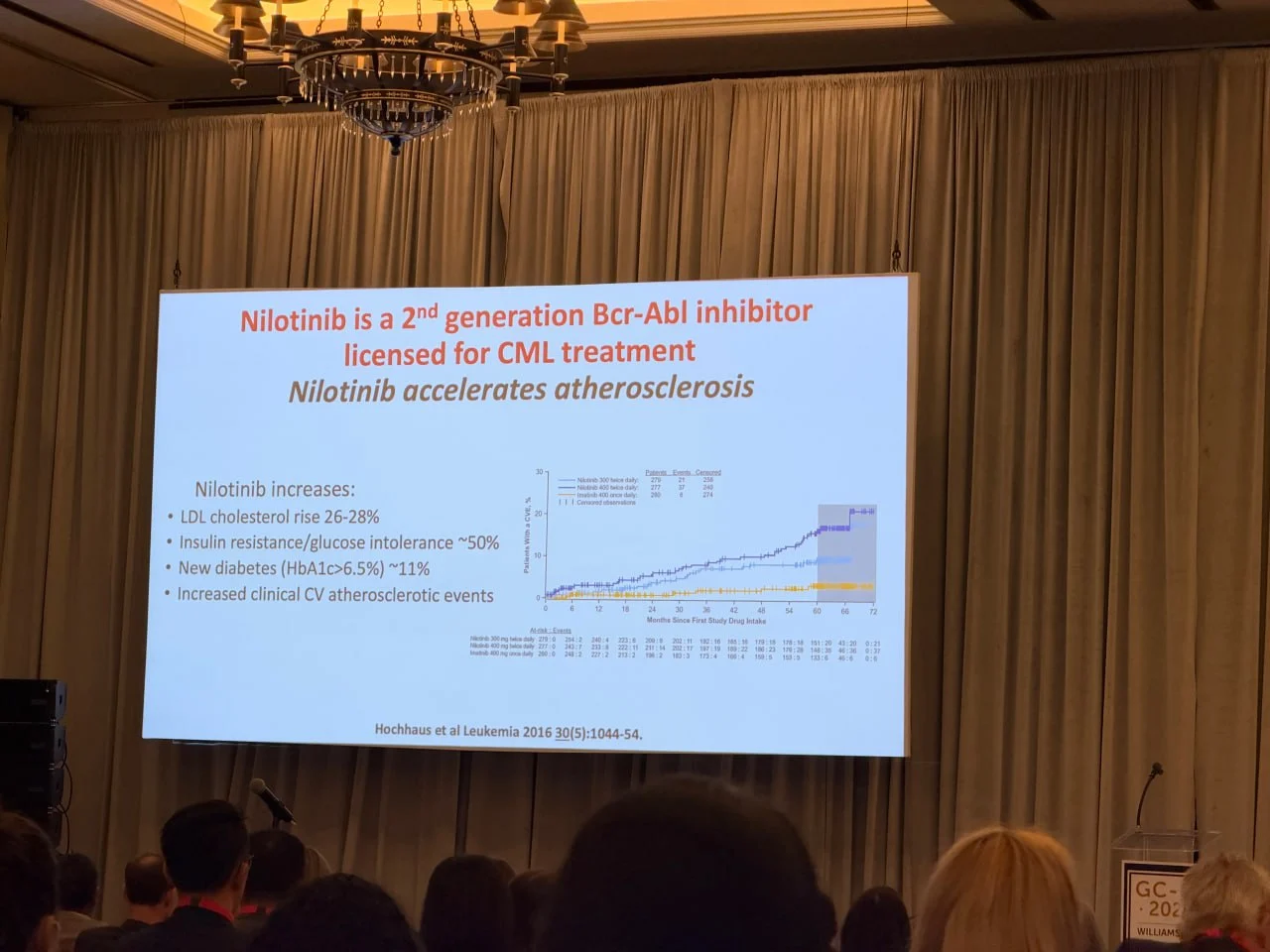
The second was described as a “petrol on the fire” effect: cancer therapy can accelerate cardiovascular disease that is already present.
Radiotherapy in a patient with underlying coronary disease illustrates this concept. Similarly, therapies that adversely affect cholesterol, glucose metabolism, blood pressure, or other cardiovascular risk factors may accelerate an existing predisposition.
This distinction has direct implications for baseline assessment. Identifying pre-existing cardiovascular disease and controlling modifiable risk factors may alter a patient’s trajectory before treatment-related stress is added.
When the Clinical Picture Does Not Fit, Look for the Second Hit
Another principle centered on patients whose cardiovascular toxicity appears disproportionate to their expected risk.
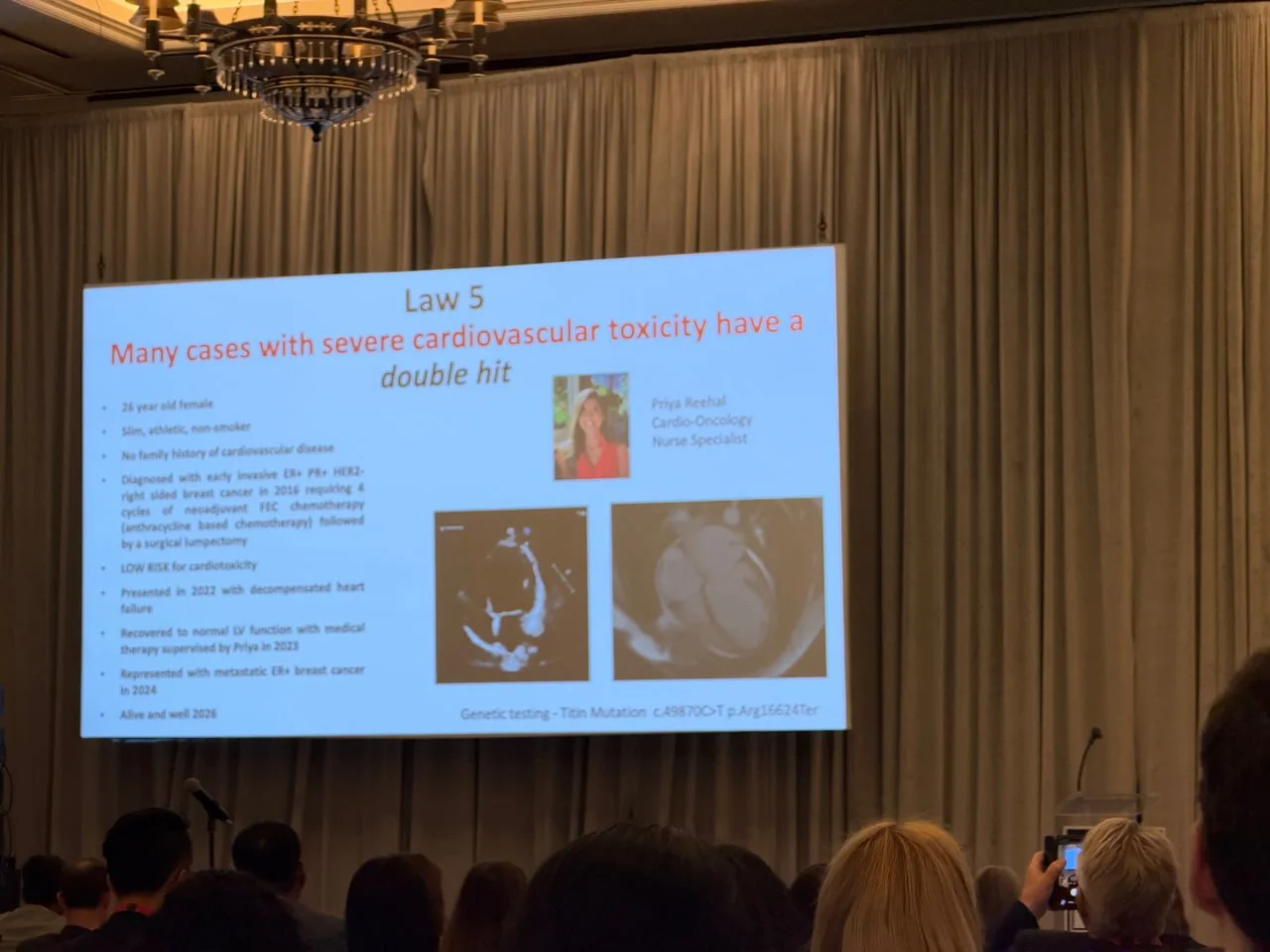
Lyon presented the example of a young woman who developed severe heart failure years after anthracycline treatment despite otherwise appearing to be at low cardiovascular risk. Genetic testing identified a titin mutation, raising the possibility of an underlying susceptibility that became clinically apparent following cancer therapy.
The case illustrated the concept of a “double hit”: treatment exposure may interact with genetic predisposition or another subsequent stressor.
The same principle can apply to patients who tolerate a therapy for years before later developing cardiovascular dysfunction. Aging, infection, arrhythmia, changes in treatment, or other biological stressors may alter risk over time.
For long-term survivors, therefore, low risk at the beginning of treatment does not necessarily mean low risk forever.
Cardio-Oncology Must Understand the Benefit of Cancer Treatment
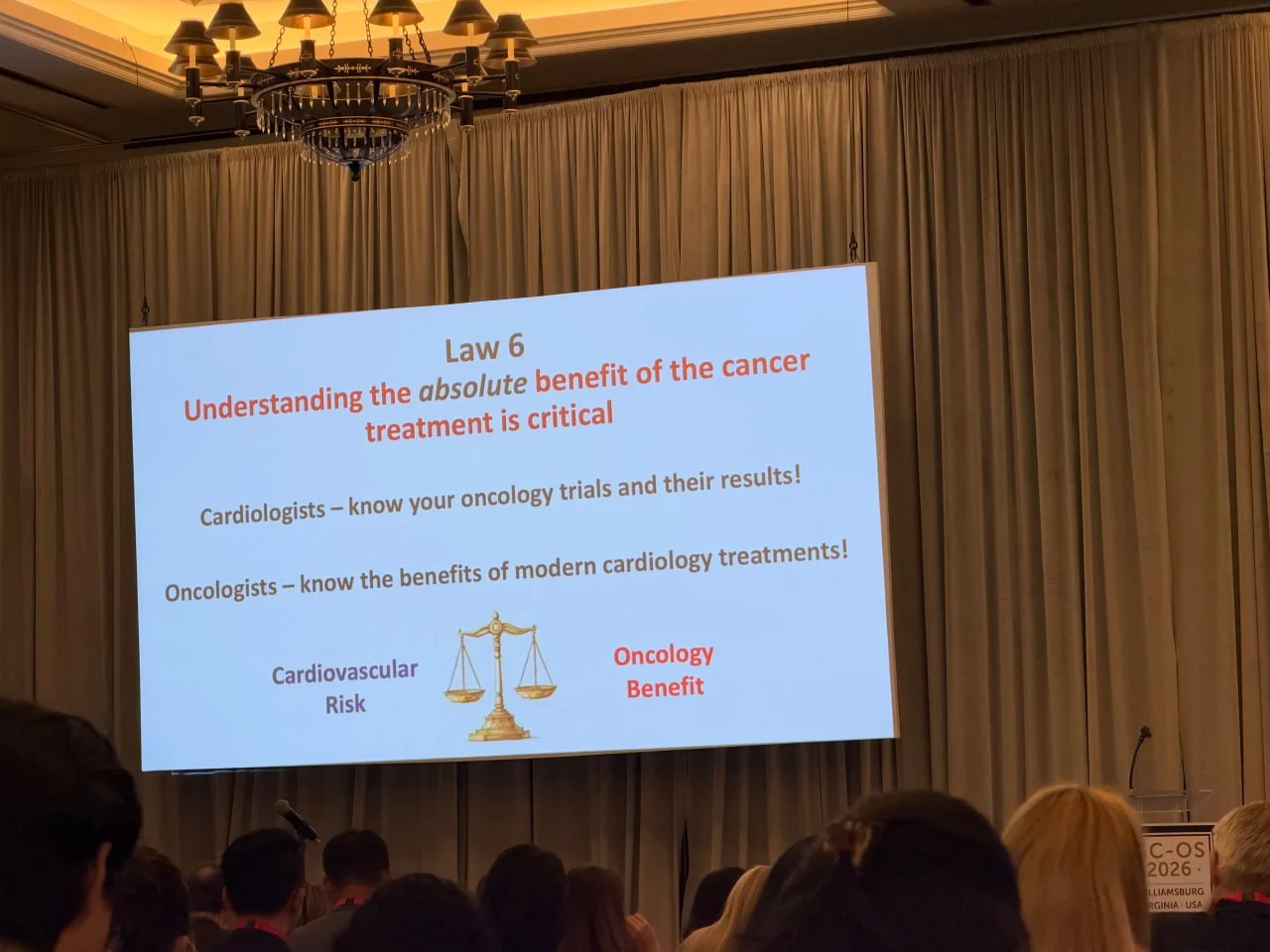
Perhaps one of the most clinically important messages of the lecture was the need to understand the absolute benefit of cancer therapy.
The same severe cardiovascular complication may require different decisions depending on the cancer being treated, its prognosis, and the expected benefit of anticancer therapy.
This is where cardio-oncology moves beyond isolated measurements of ejection fraction or biomarkers.
Cardiologists working in the field need to understand oncology trials and treatment outcomes. Likewise, oncology teams need to understand what contemporary cardiovascular treatment can achieve.
The aim of cardio-oncology, Lyon emphasized, is fundamentally to support effective cancer treatment whenever safely possible, rather than stopping therapy at the first sign of cardiovascular abnormality.
Permissive Cardiotoxicity: Balancing Two Competing Risks
This risk-benefit approach leads to the concept of permissive cardiotoxicity.
In selected circumstances, a degree of cardiovascular abnormality may be accepted when the oncologic benefit of continuing treatment outweighs the cardiovascular risk—provided that patients receive appropriate cardiovascular therapy and close surveillance.
HER2-targeted treatment was highlighted as an example in which selected patients with asymptomatic moderate cancer therapy-related cardiac dysfunction may be able to continue oncologic therapy under careful cardiovascular management.
The principle captures one of the defining responsibilities of cardio-oncology: protecting the heart without unnecessarily compromising cancer control.
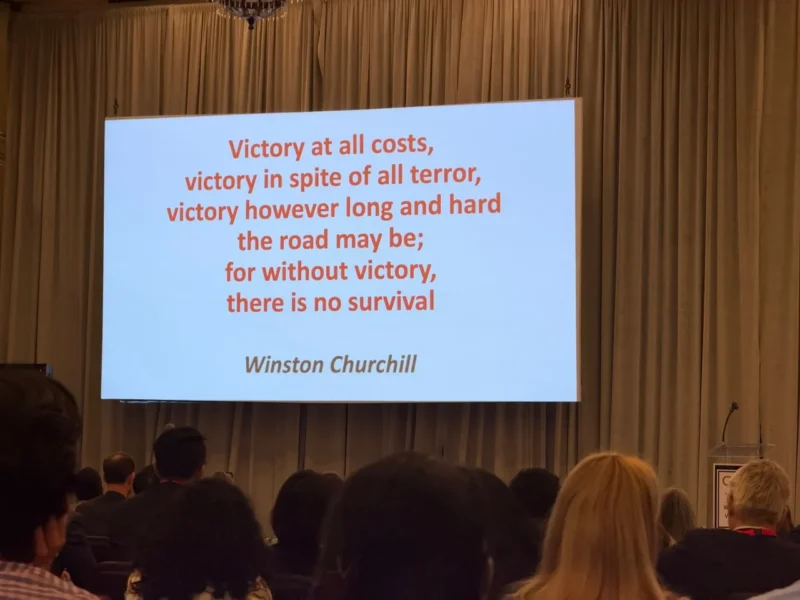
Survivors Are More Than Their Previous Treatment
The lecture then turned toward survivorship.
After completing cancer therapy, many people want to stop identifying themselves primarily as patients and return to ordinary life. Long-term cardiovascular surveillance therefore needs to acknowledge not only medical risk, but also the psychological and personal realities of survivorship.
Lyon shared the story of a survivor who, during a difficult period of treatment, began writing down the things he wanted to do once he recovered and later documented himself accomplishing them.
The story offered a reminder that survivorship care ultimately exists to preserve more than clinical measurements. The purpose of preventing cardiovascular disease is to allow people to live the lives they worked to regain.
Reverse Cardio-Oncology and a Bidirectional Relationship
The relationship between cancer and cardiovascular disease does not necessarily end when cancer treatment is completed.
Lyon discussed reverse cardio-oncology, referring to evidence that cardiovascular disease itself may influence cancer development or progression.
Experimental research has suggested that heart failure may create biological conditions capable of accelerating cancer growth. Clinical observations have similarly raised questions about relationships between cardiovascular events and subsequent cancer outcomes.
This leads to an increasingly important concept: bidirectional cardio-oncology.
A patient may develop cardiovascular disease following cancer treatment, and that cardiovascular disease may subsequently influence cancer risk or outcomes. Understanding and interrupting this cycle represents another frontier for the specialty.
Cardio-Oncology Is a Team Sport
No successful cardio-oncology program is built by one person.
Drawing on the development of the cardio-oncology program at the Royal Brompton and Royal Marsden hospitals in London, Lyon emphasized two foundations of an effective service: partnership and teamwork.
Cardiologists, oncologists, hematologists, imaging specialists, nurses, researchers, primary care clinicians, and other healthcare professionals each contribute different expertise.
Strong programs also take time to develop. Training fellows, building clinical pathways, establishing collaborations, and creating a positive working culture are long-term investments.
The message extended beyond institutional structures: mentorship and collaboration have been central to the growth of cardio-oncology itself.
Innovation and the Next Frontiers of Cardiovascular Cancer Care
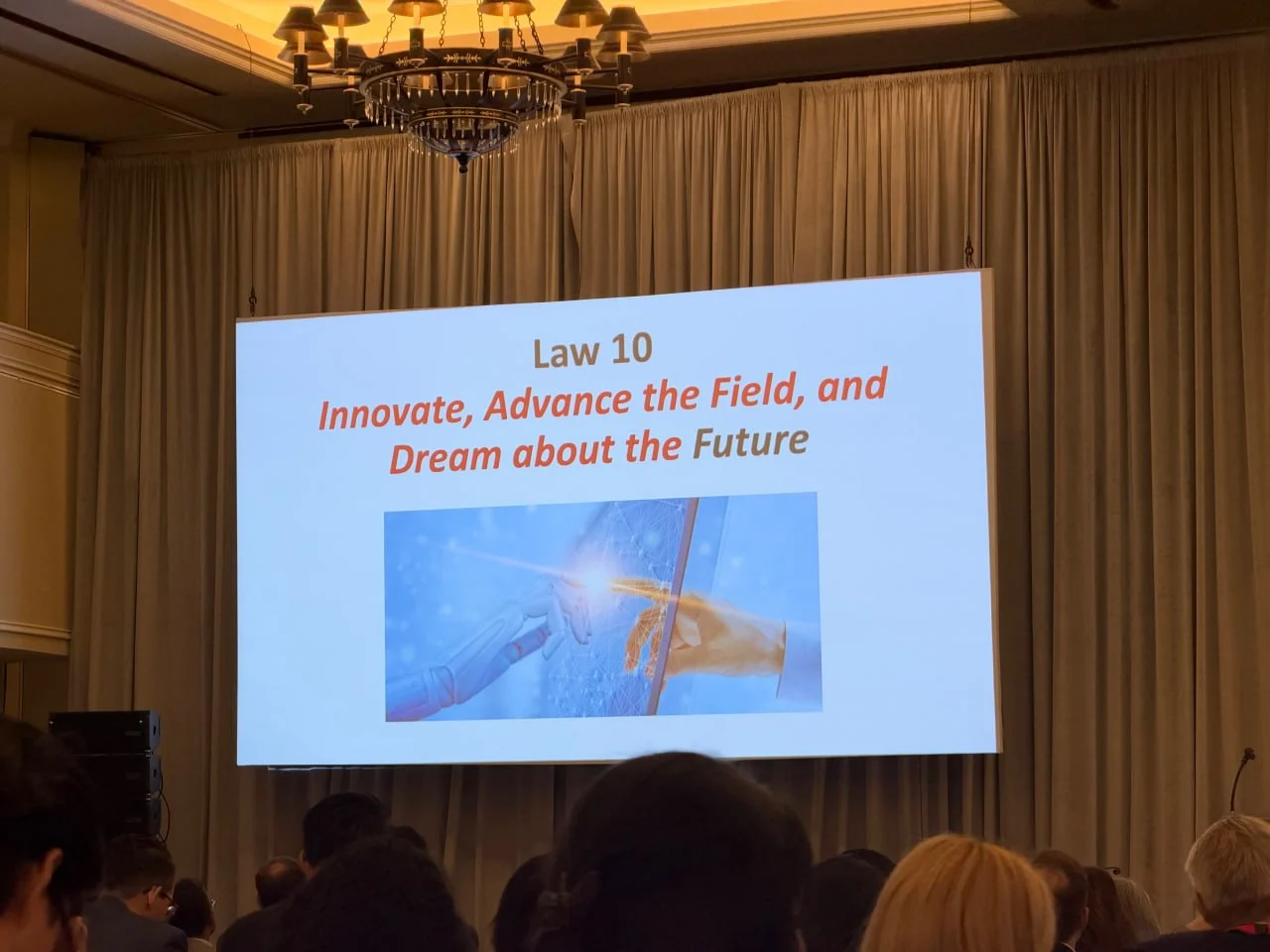
The final law looked forward.
Lyon highlighted several technologies that may reshape cardiovascular surveillance, including photon-counting CT, abbreviated cardiac MRI protocols, cuffless blood pressure monitoring, point-of-care biomarkers, wearable monitoring, and integrated data systems.
The challenge is increasingly one of integration. Modern cancer care generates enormous quantities of cardiovascular and oncologic data that cannot always be synthesized efficiently during a conventional clinical encounter.
Large collaborative projects are now exploring how these data can be combined into clinical decision-support systems.
One patient-centered concept discussed was an “OncoCard” containing relevant information on cancer therapies and cardiovascular toxicities, allowing patients to carry essential treatment history across healthcare settings.
Innovation, in this context, is not simply about developing new technology. It is about making increasingly complex care more coordinated, preventive, and usable.
Prevention as the Ultimate Goal
Lyon closed the Thomas Force Lecture by returning to prevention.
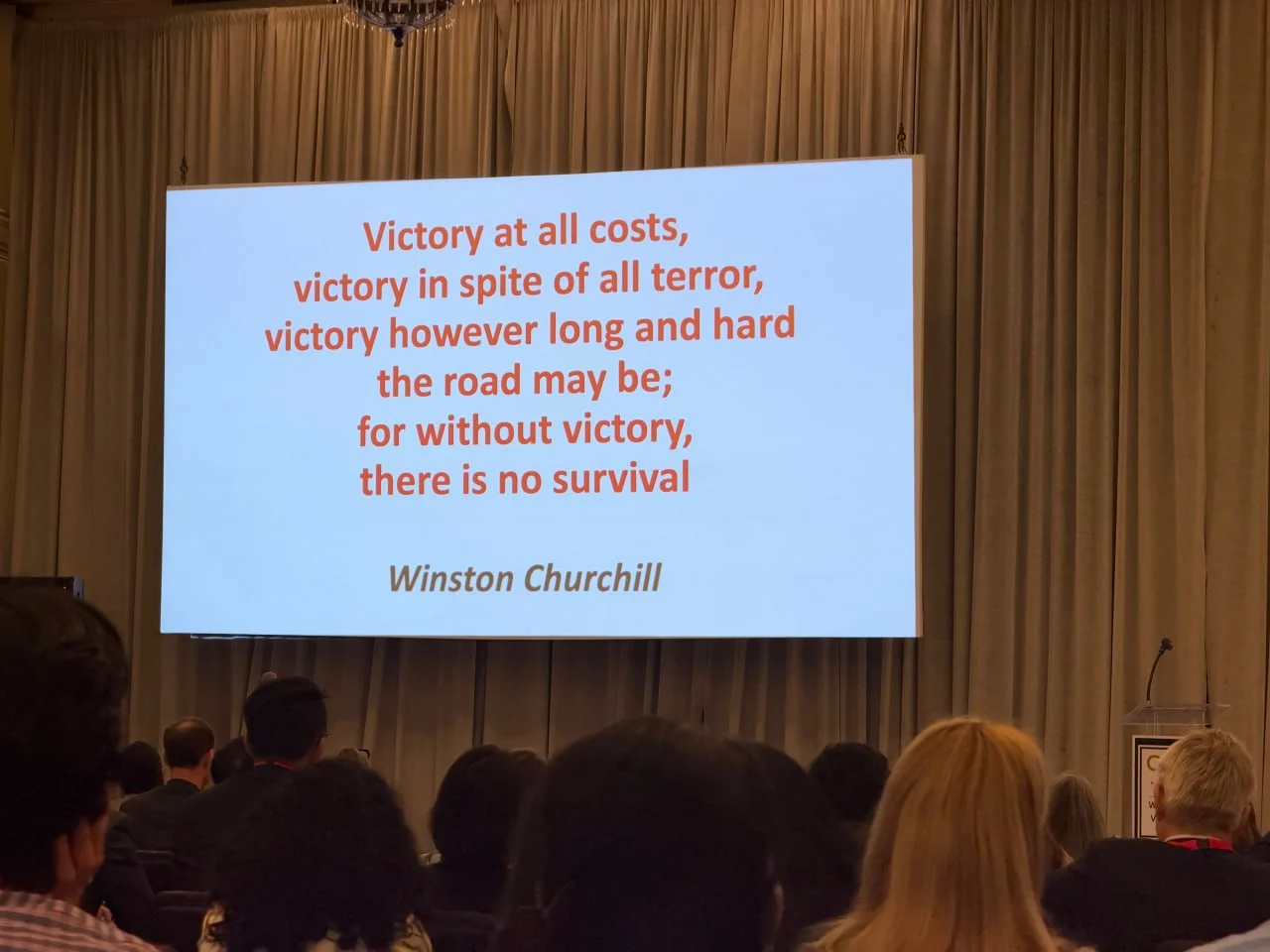
Across the ten principles—from mechanism and risk stratification to permissive cardiotoxicity, survivorship, teamwork, and innovation—the objective remained the same: enable patients to receive the most effective cancer therapy possible while minimizing the cardiovascular consequences of treatment.
The lecture also reflected how far cardio-oncology has moved from its earliest focus on recognizing treatment-related heart failure. Today, the field encompasses molecular biology, imaging, genetics, survivorship, cardiovascular prevention, implementation science, and increasingly complex questions about long-term health after cancer.
Growing the Global Cardio-Oncology Network
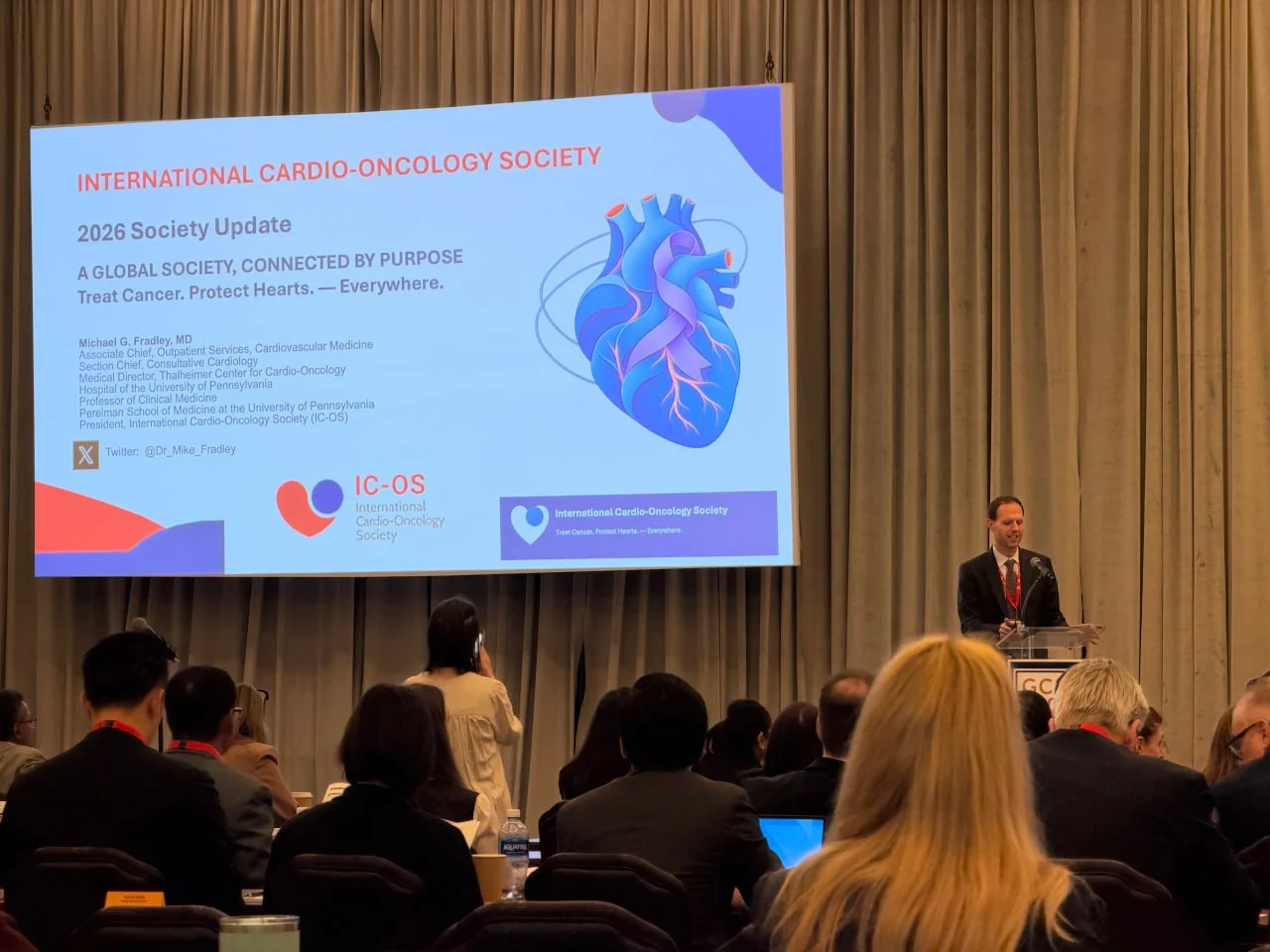
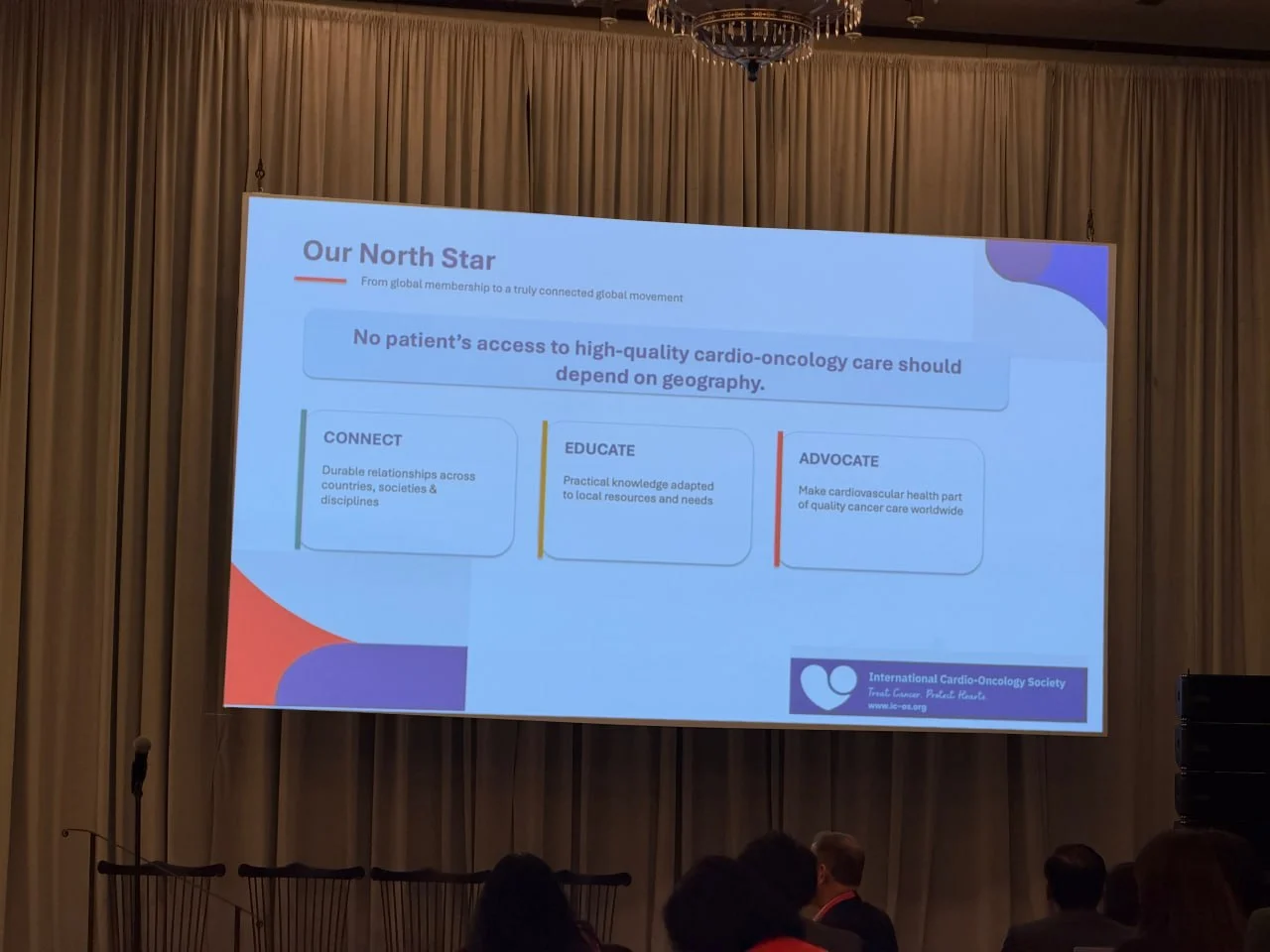
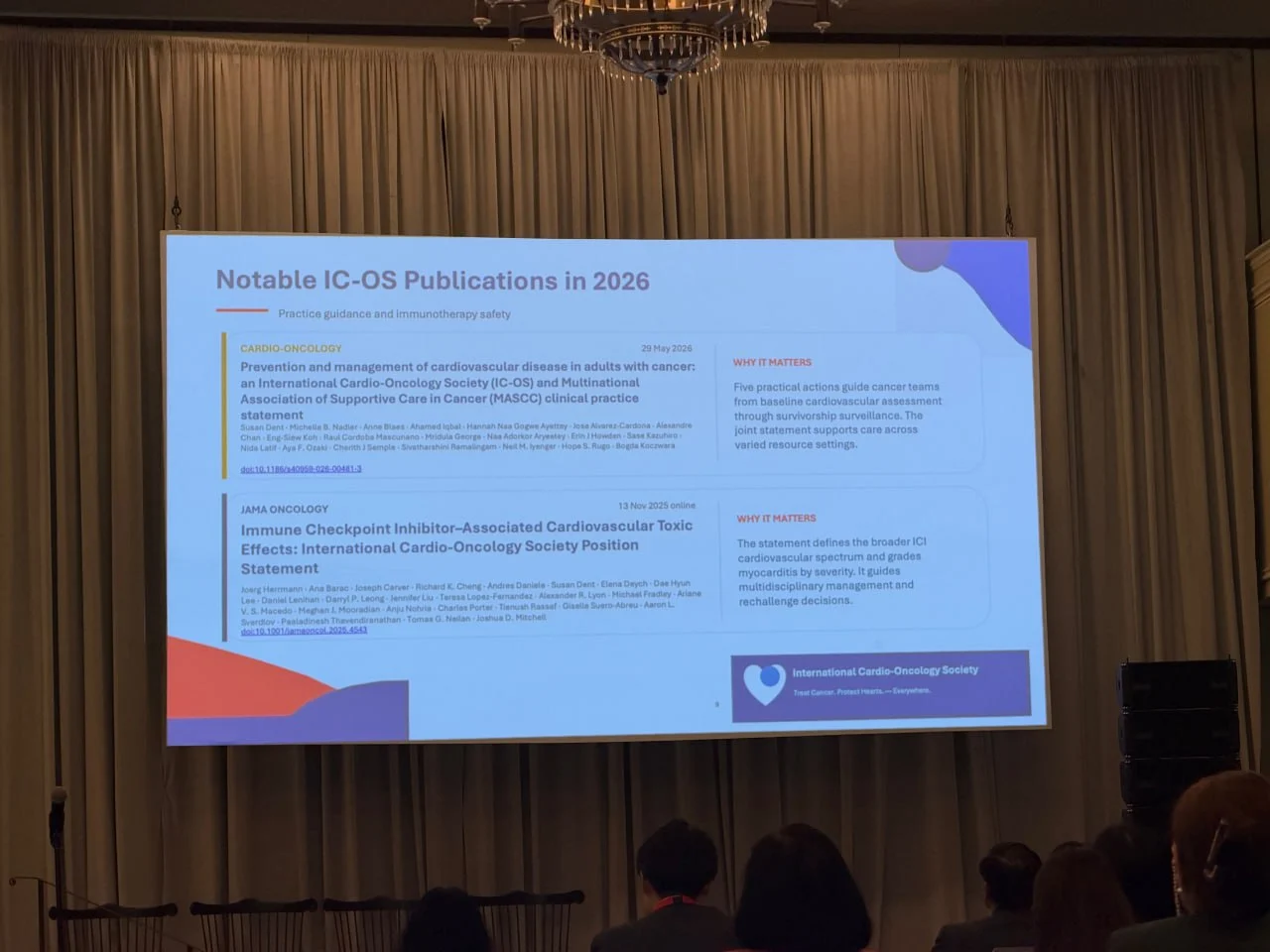
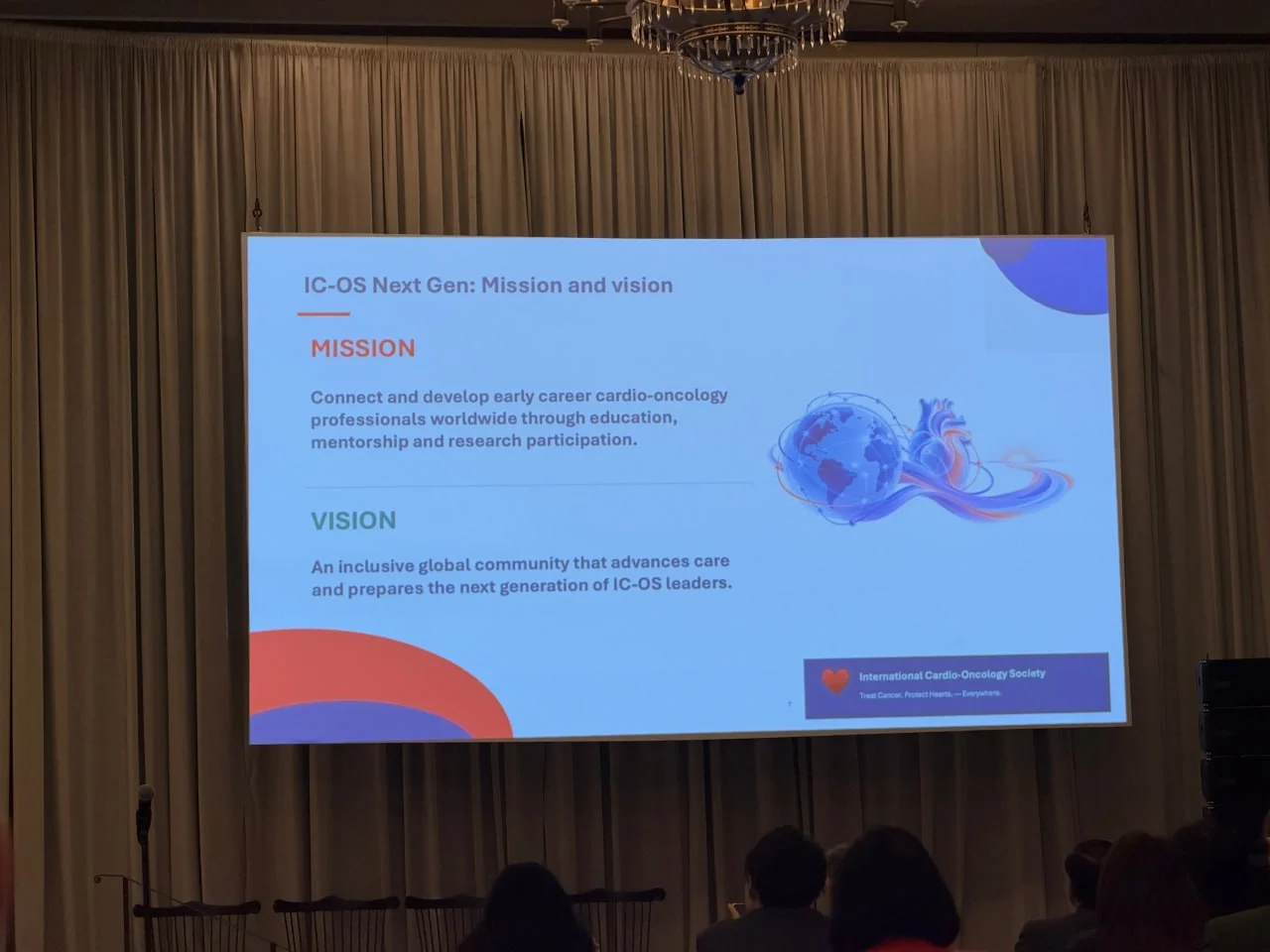
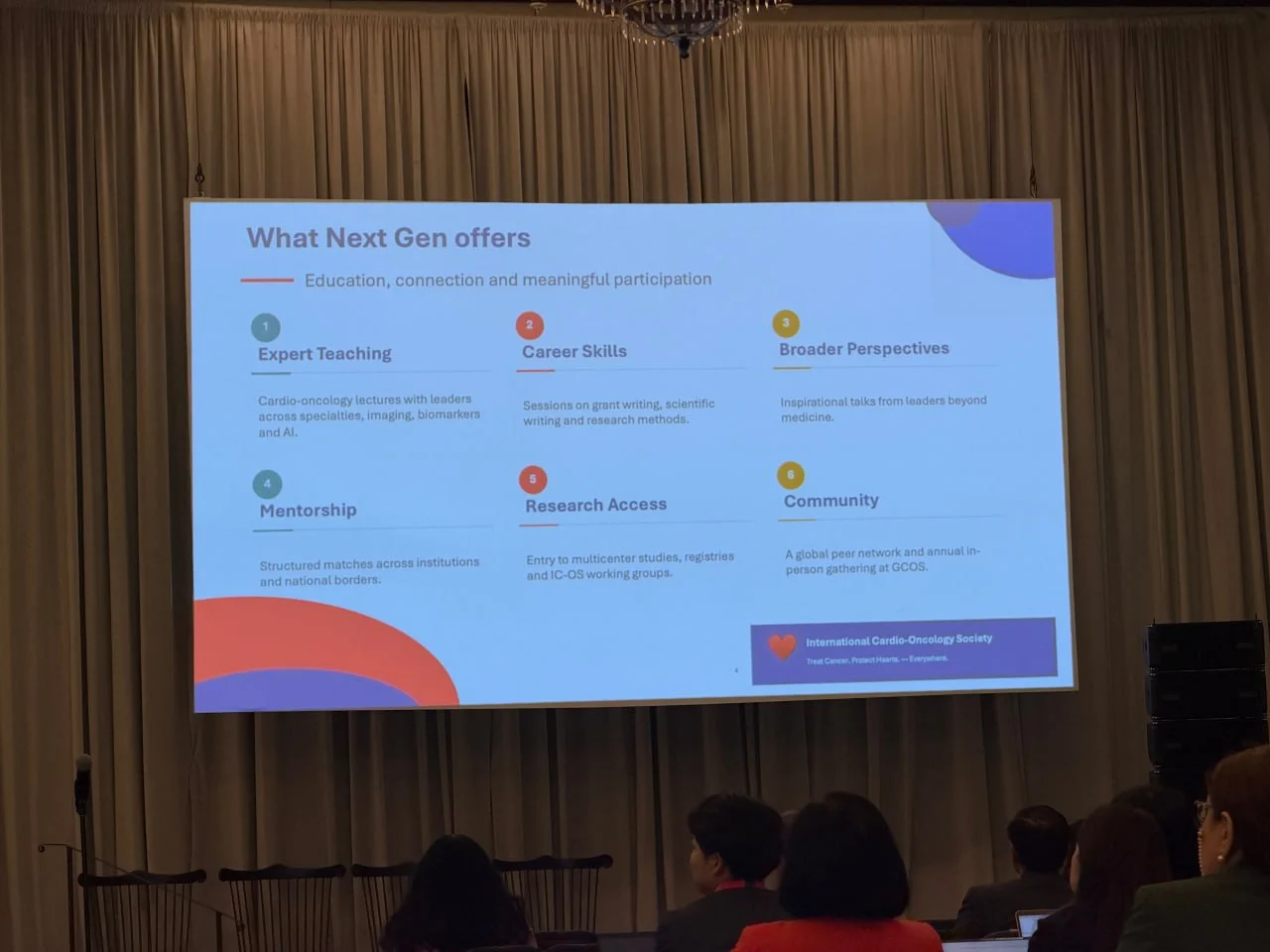
The afternoon program continued with “ICOS Updates — Growing the Global Network: IC-OS Initiatives, Achievements, and Future Directions,” presented by Stephen Casselli, PhD, and Michael Fradley, MD.
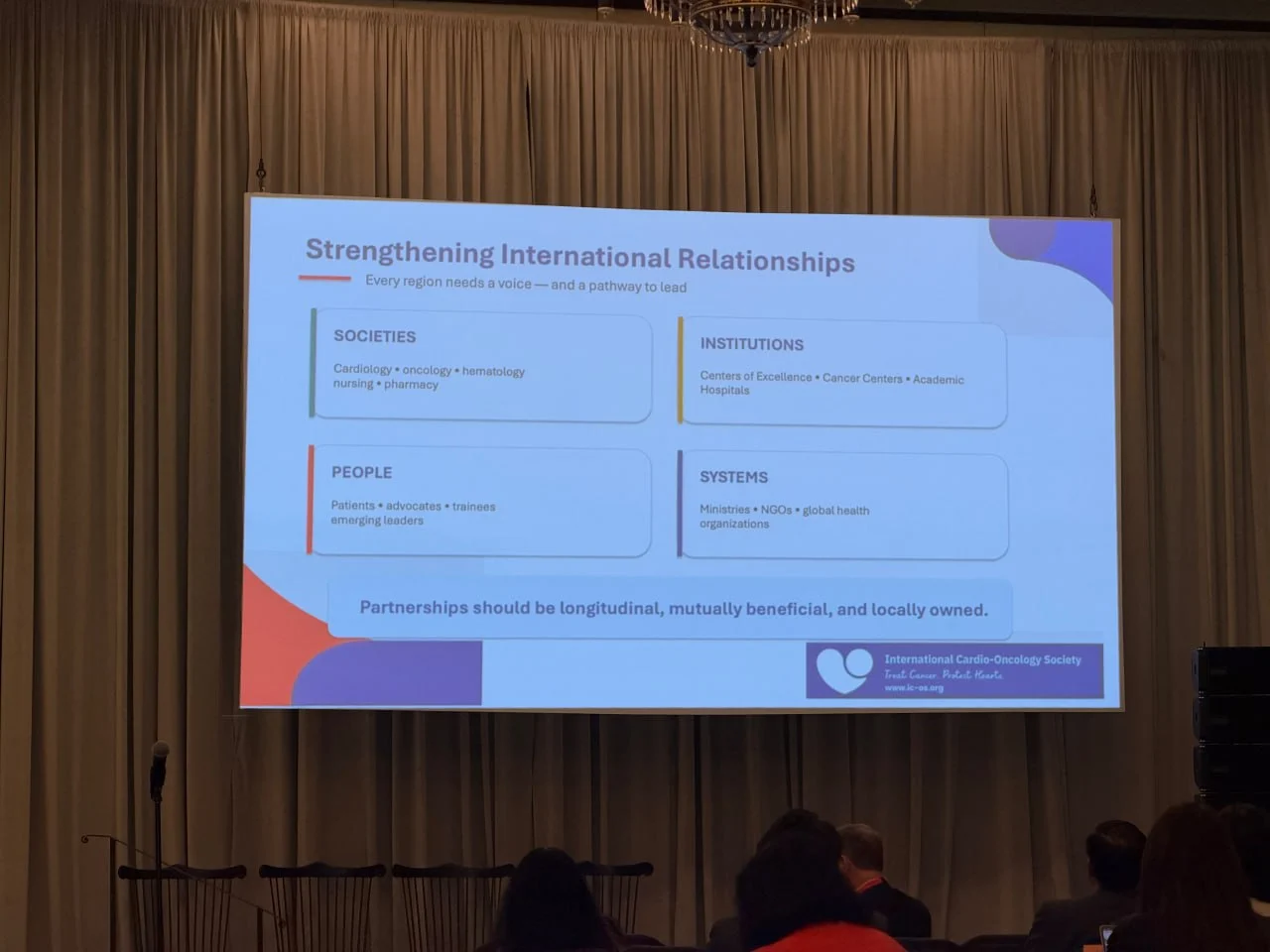
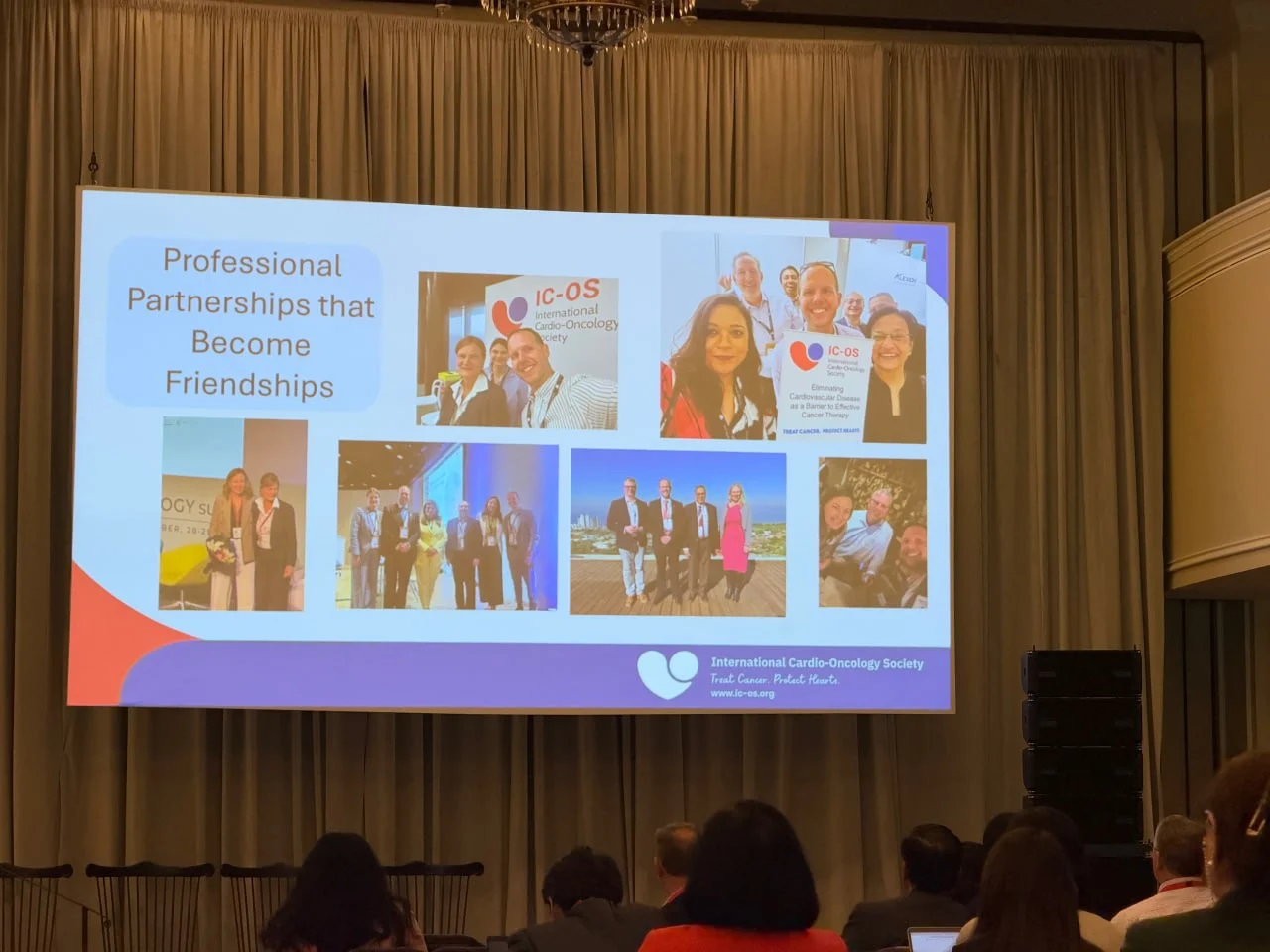
The session focused attention on the continued development of the international cardio-oncology community and the role of IC-OS in connecting professionals, initiatives, and expertise across regions.
As the earlier global session had demonstrated, cardio-oncology is developing within healthcare systems that differ considerably in resources and infrastructure. International collaboration therefore remains central to expanding education, sharing experience, and strengthening the field across diverse settings.
Honoring a Legacy of Leadership and Service
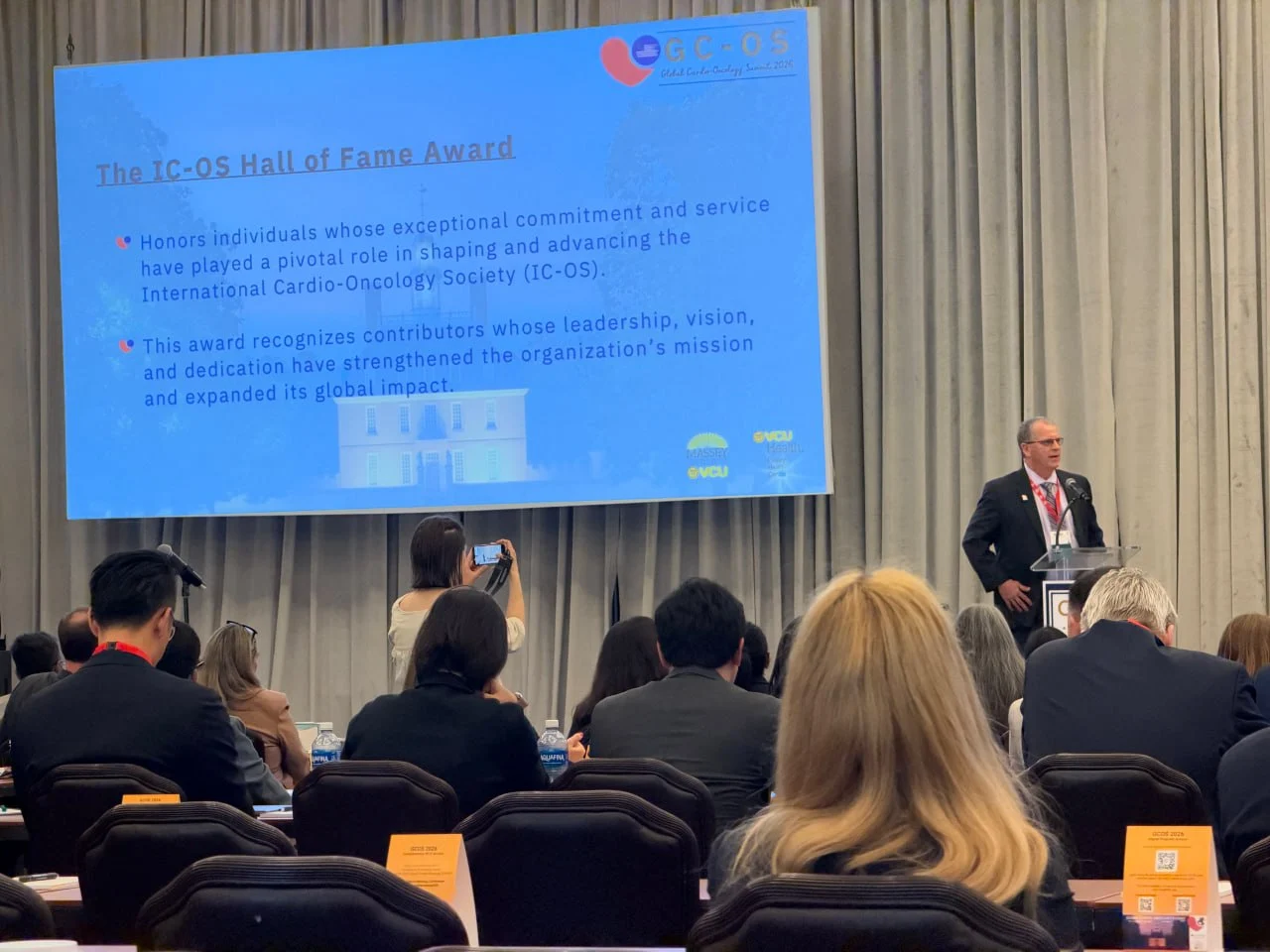
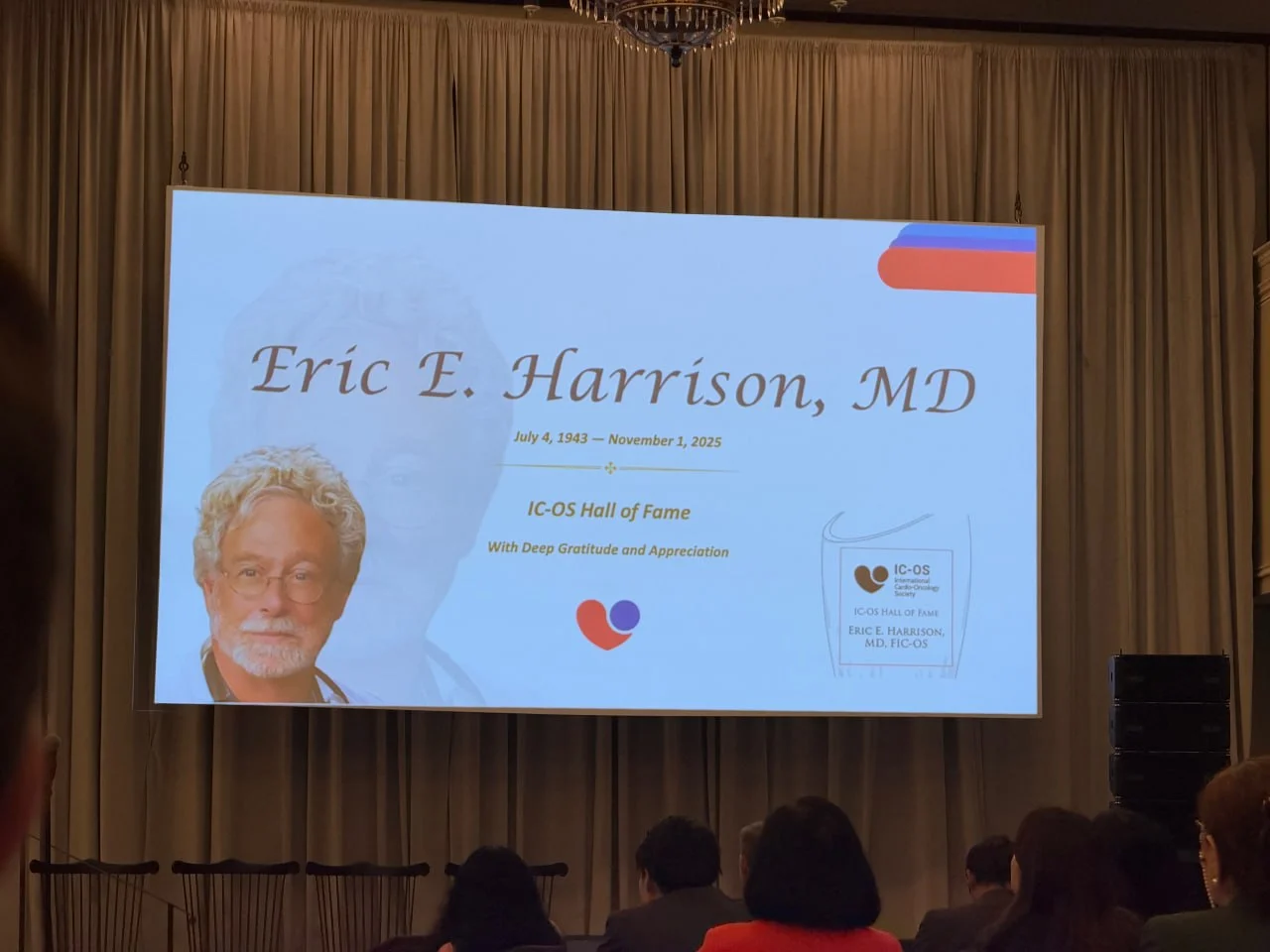
Day 1 also included the ICOS Hall of Fame Induction, led by Stephen Casselli, PhD, and Dan Lenihan, MD.
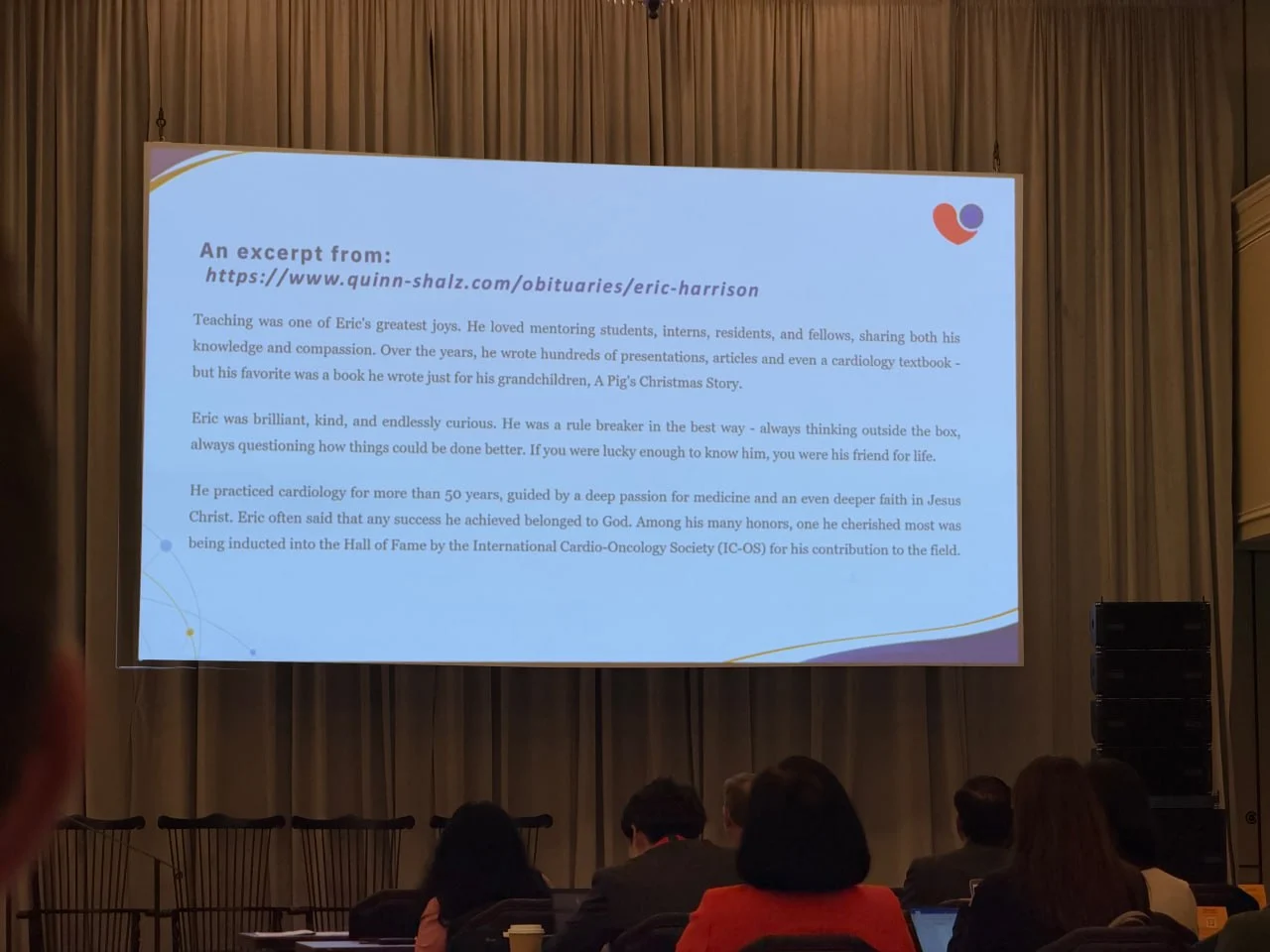
Eric Harrison, MD, was inducted in recognition of “A Legacy of Leadership and Service,” marking his contributions to the cardio-oncology community and the continued development of the field.
Recognition of leadership and mentorship carried particular significance on a day that repeatedly returned to the importance of building teams, training future specialists, and creating the structures needed for cardio-oncology to continue advancing.
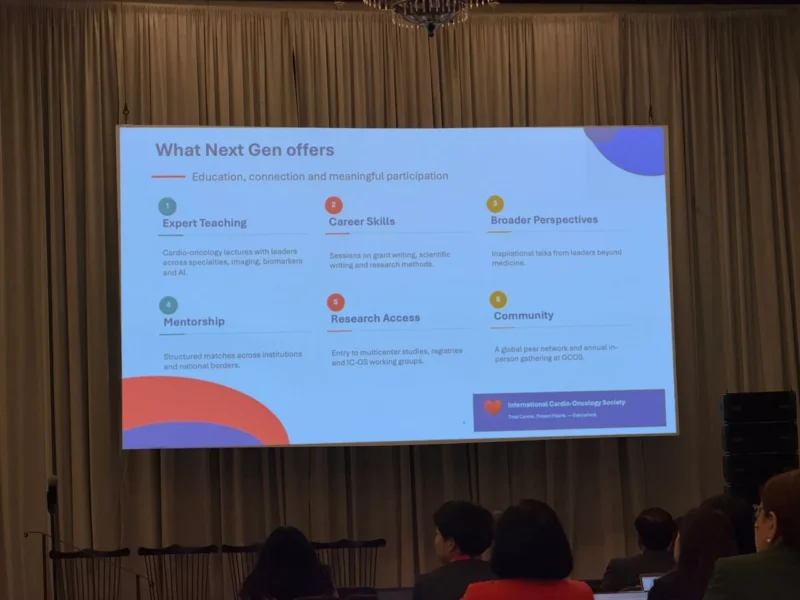
Supporting the Next Generation
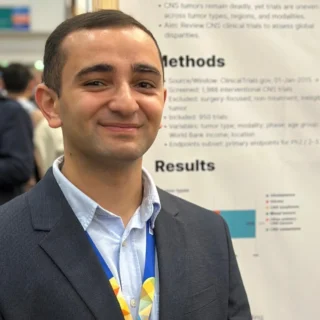
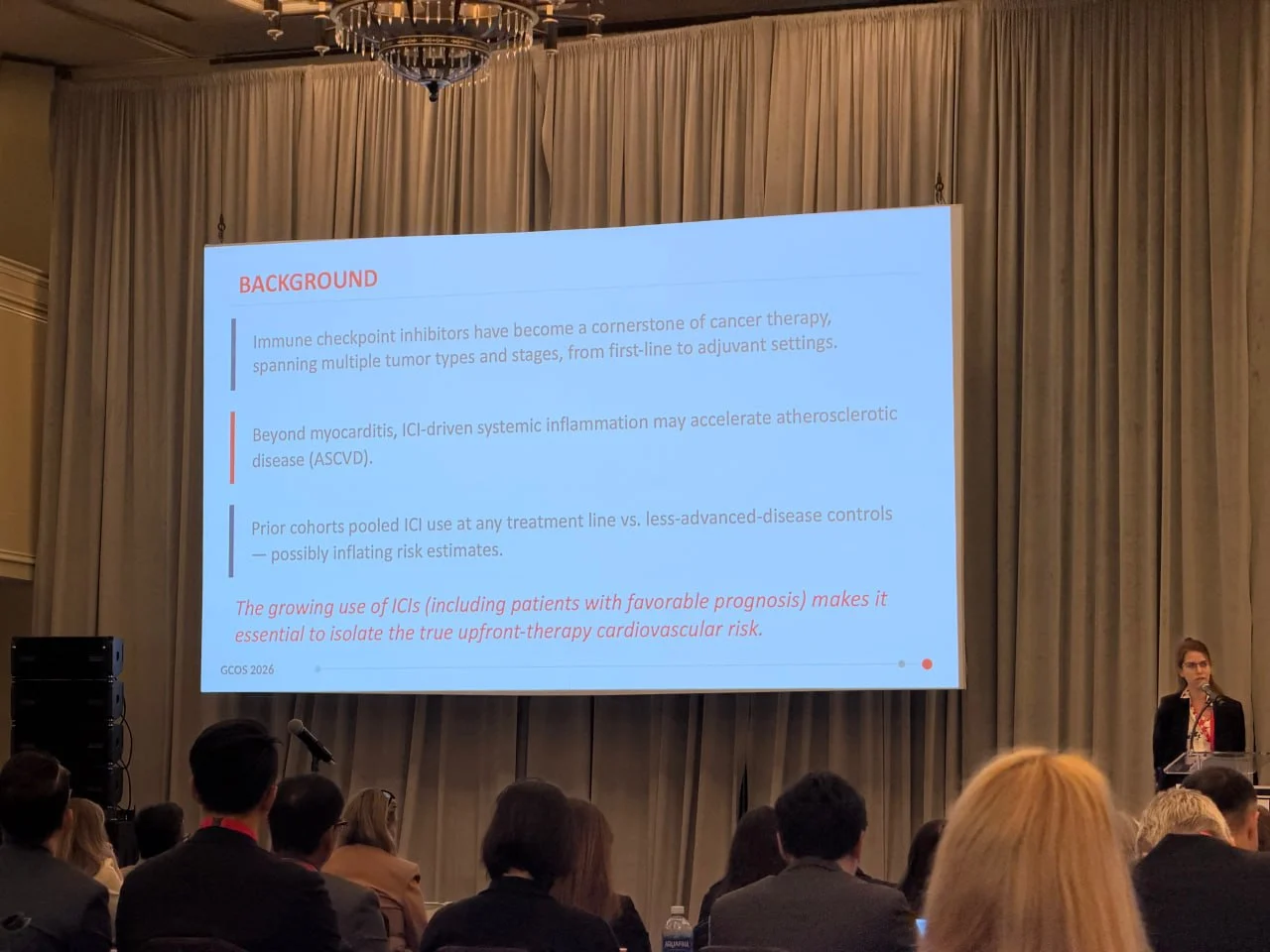
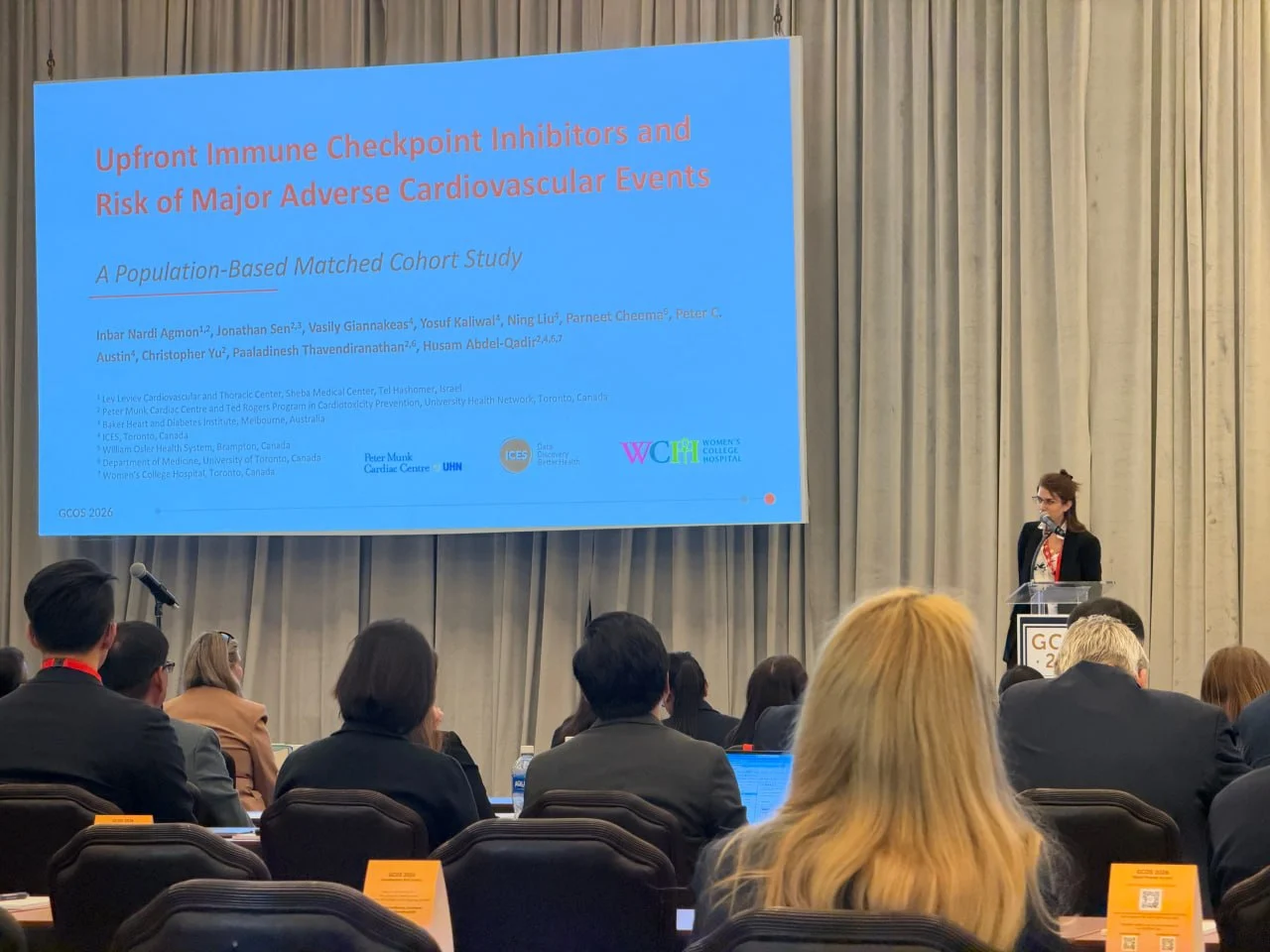
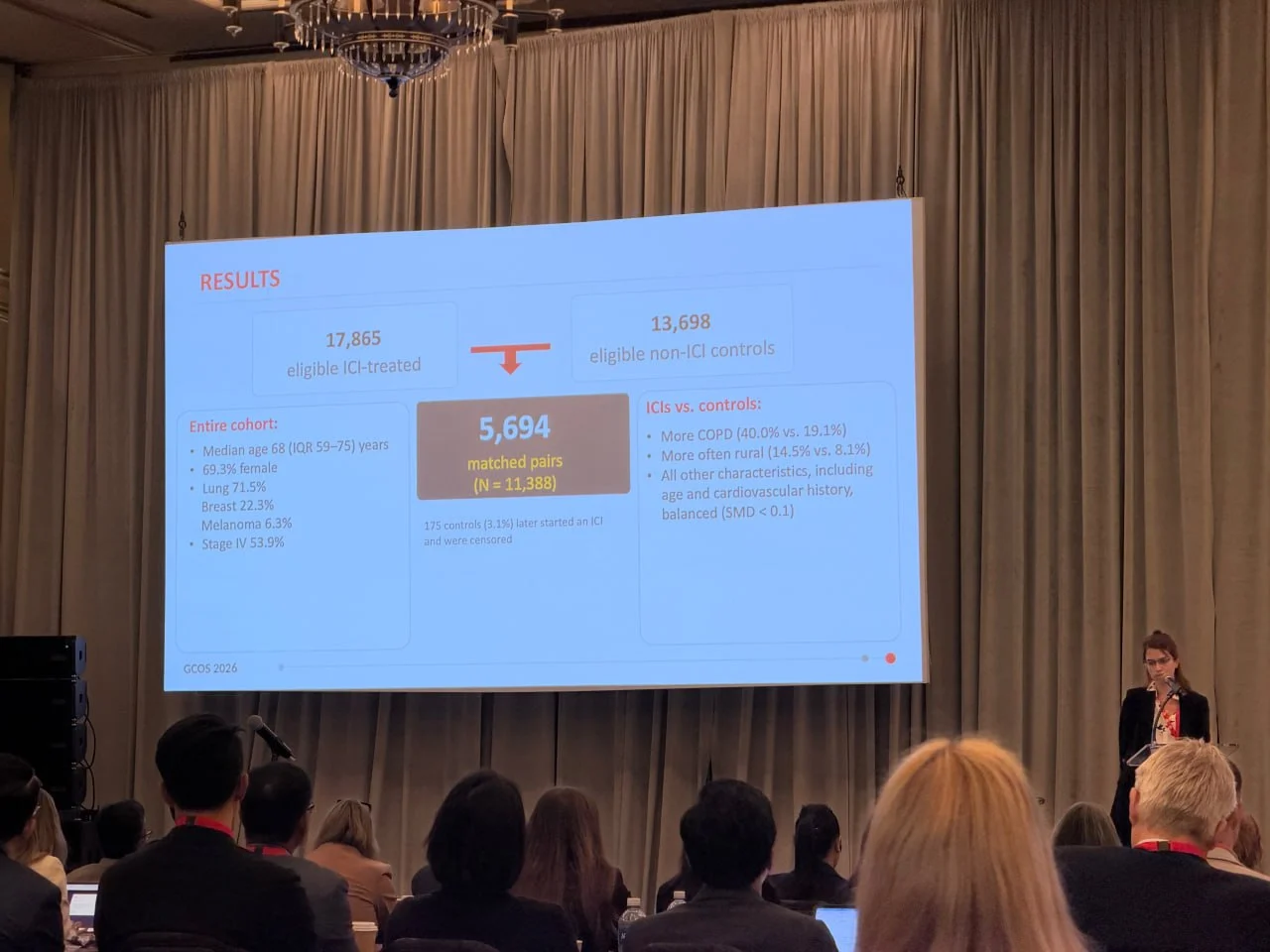
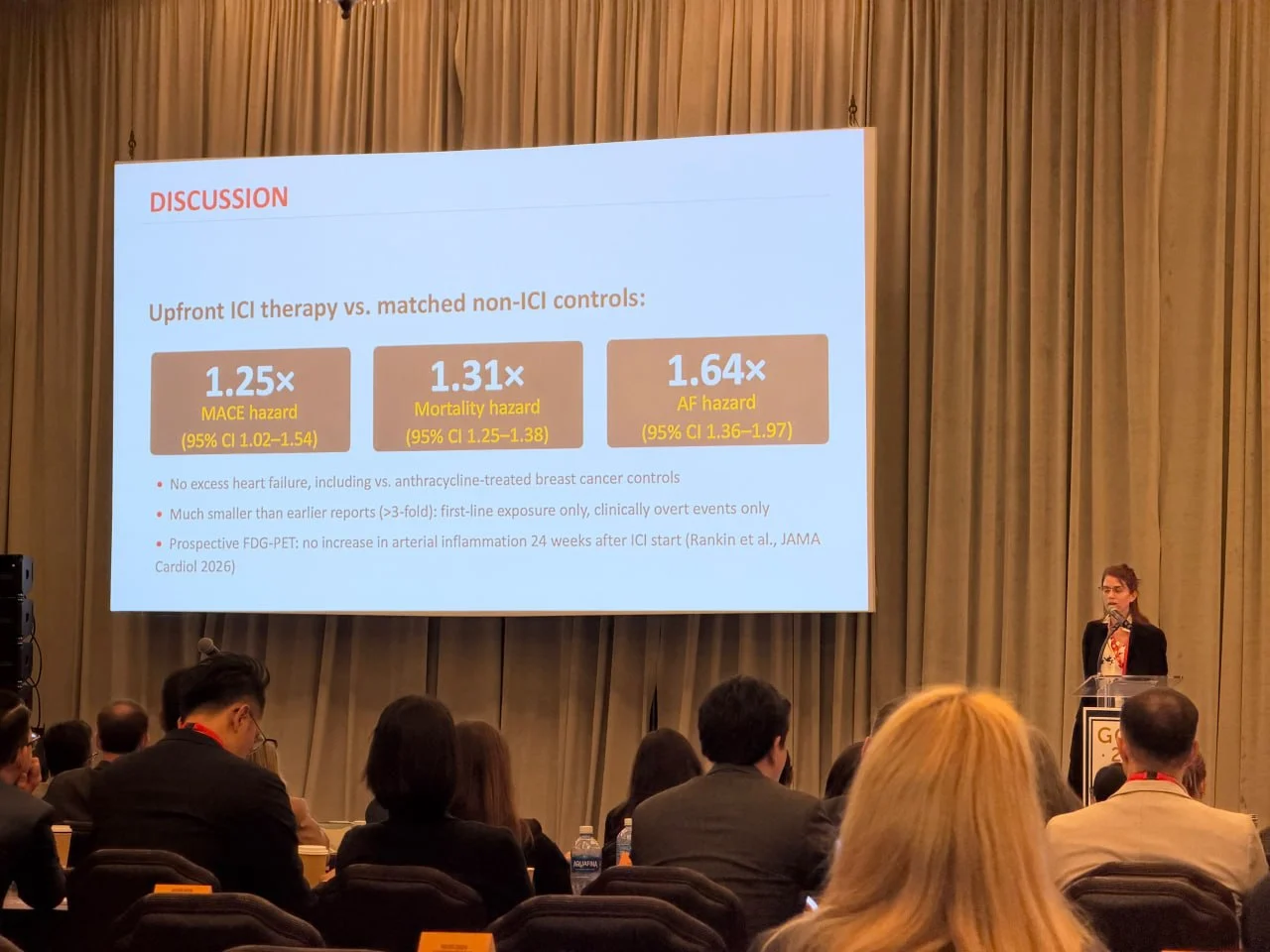
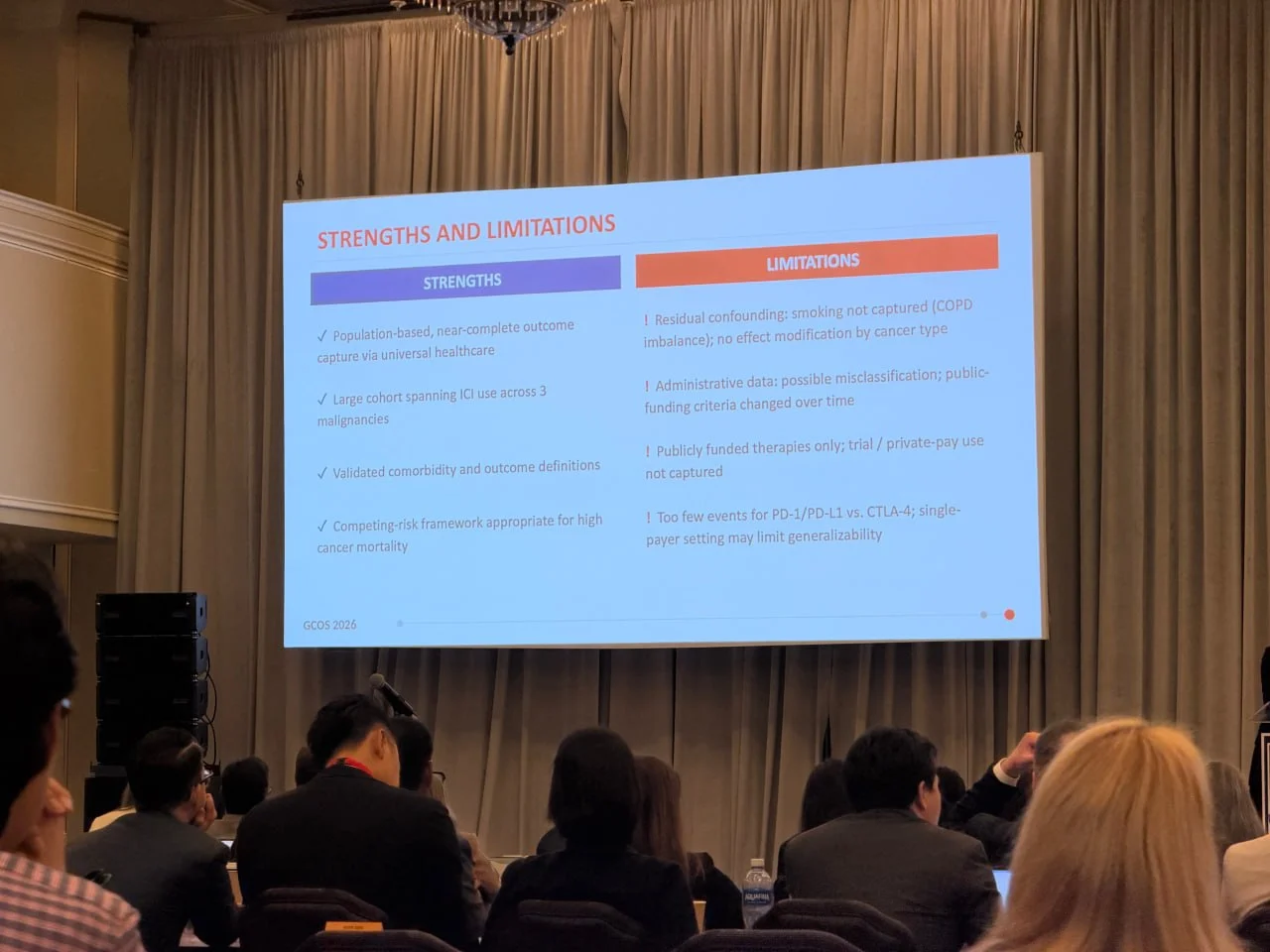
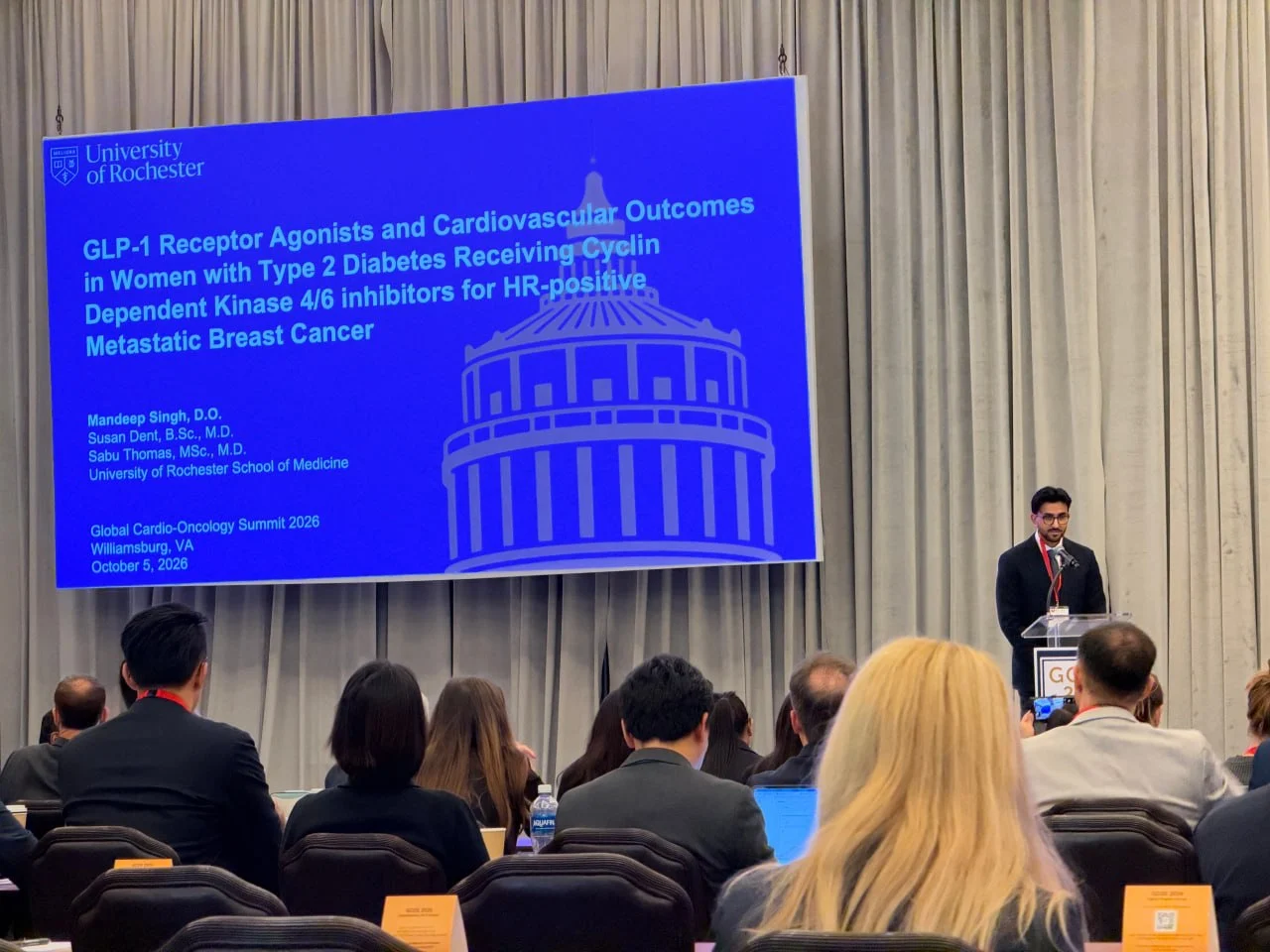
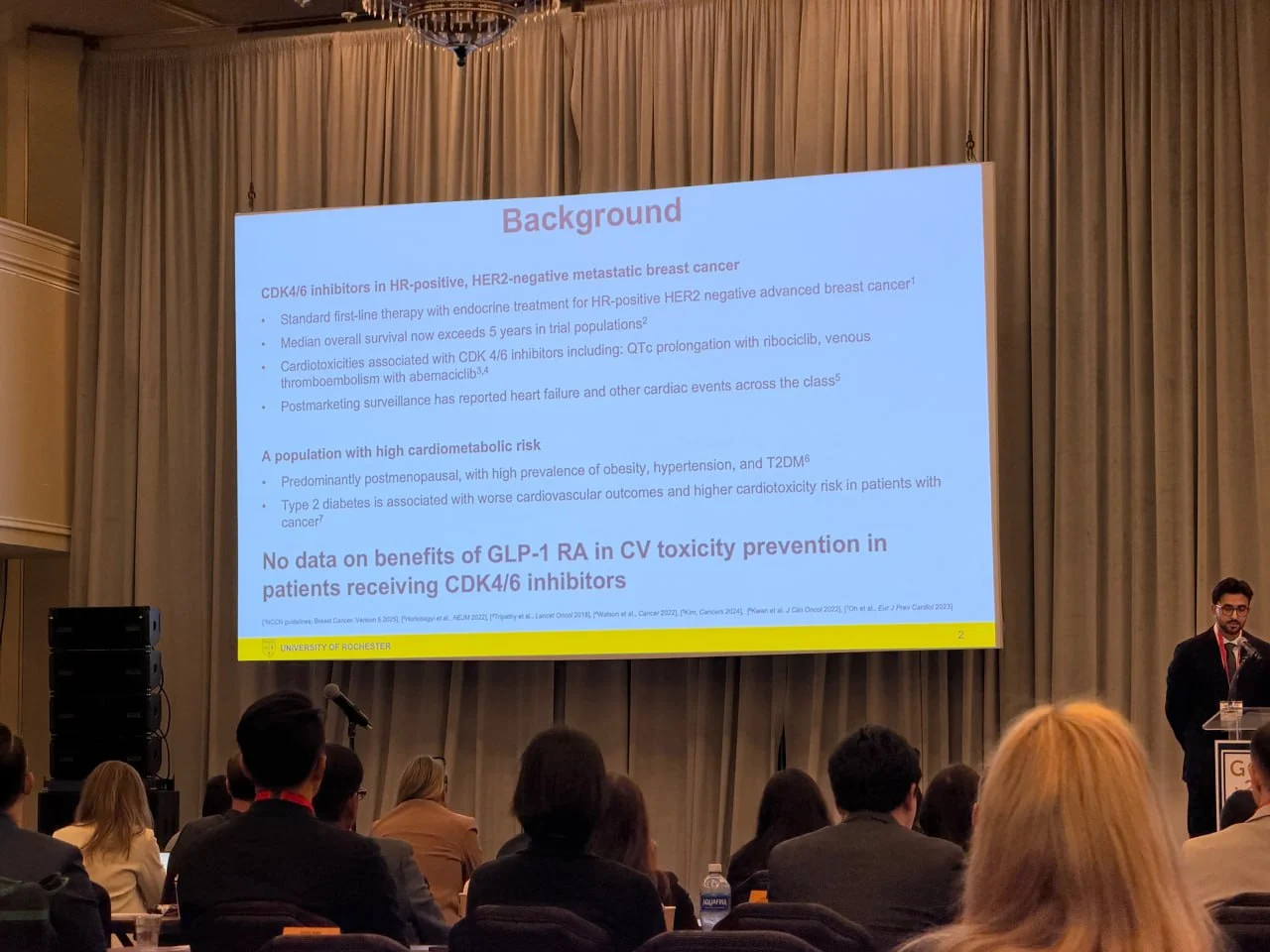
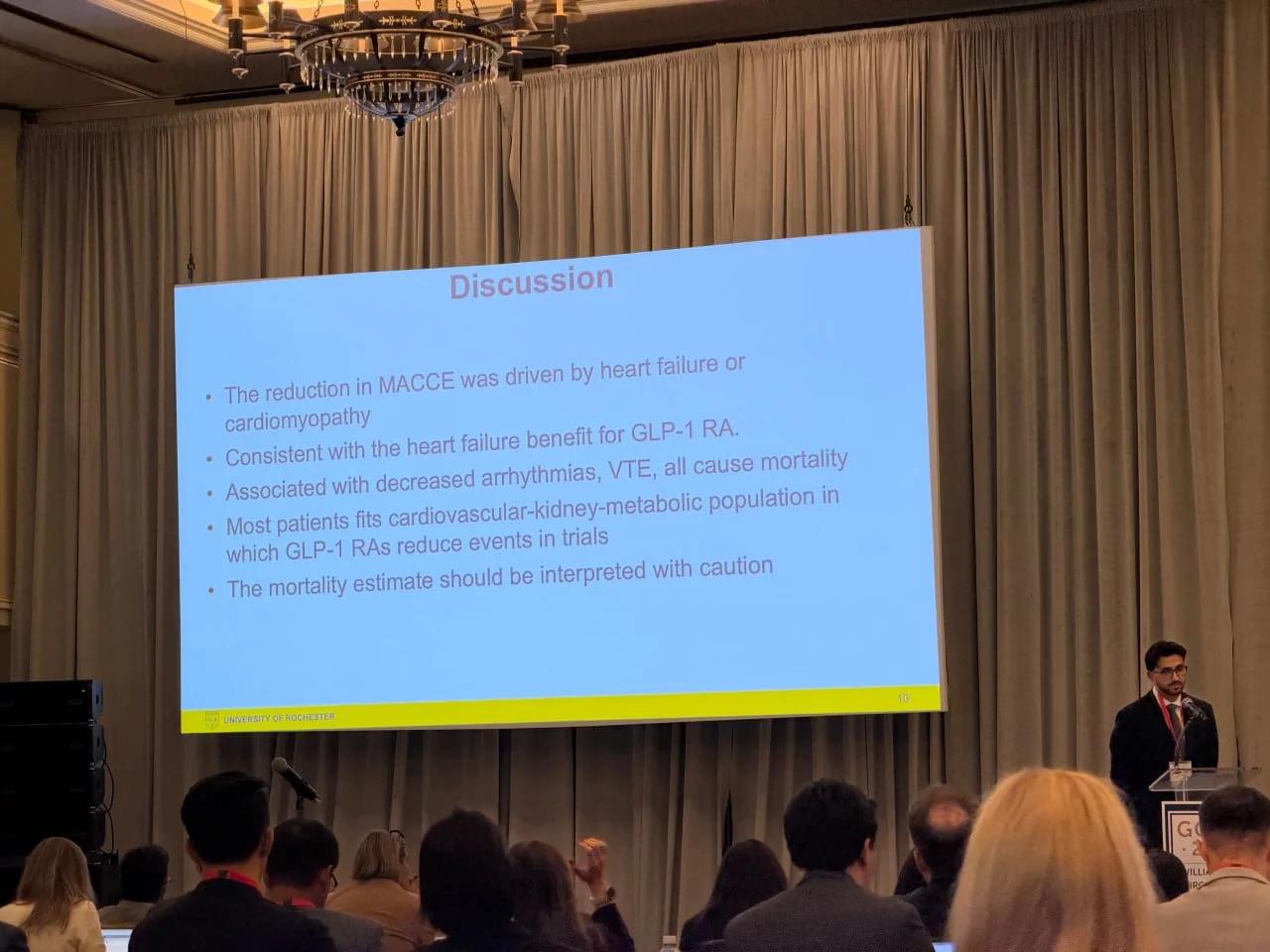
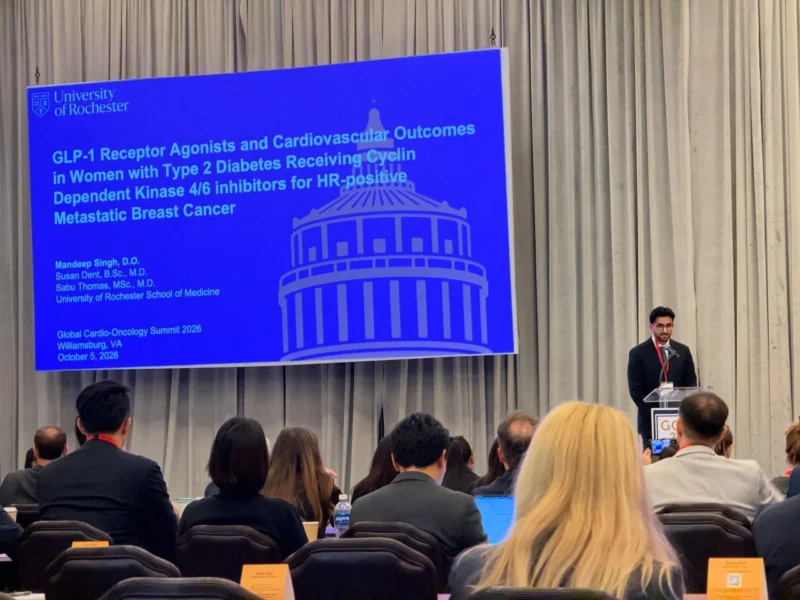
The final scientific portion of the afternoon featured the Young Investigator Award (YIA) session.
Placed alongside the day’s discussions of established leadership, international collaboration, and mentorship, the session highlighted another essential component of the specialty’s future: supporting emerging investigators who will shape the next generation of cardio-oncology research and clinical practice.
Day 1 Closes With a Field Looking Forward
Wendy Bottinor, MD, MSCI, and Fadi N. Salloum, PhD, delivered the closing comments before attendees moved to the hosted poster session and evening Summit Dinner.
From patient perspectives and global implementation to predictive technologies, amyloidosis, cardiovascular prevention, survivorship, mentorship, and innovation, the first day of GCOS 2026 showed the breadth that now defines cardio-oncology.
Perhaps the clearest message came through the Thomas Force Lecture: cardio-oncology is not simply about identifying cardiovascular toxicity. It is about understanding why toxicity occurs, identifying who is vulnerable, preventing complications where possible, supporting effective cancer treatment, and building multidisciplinary systems capable of caring for patients throughout and beyond their cancer journey.
And as the field continues to grow, its future will depend as much on collaboration, mentorship, and implementation as on the scientific advances themselves.