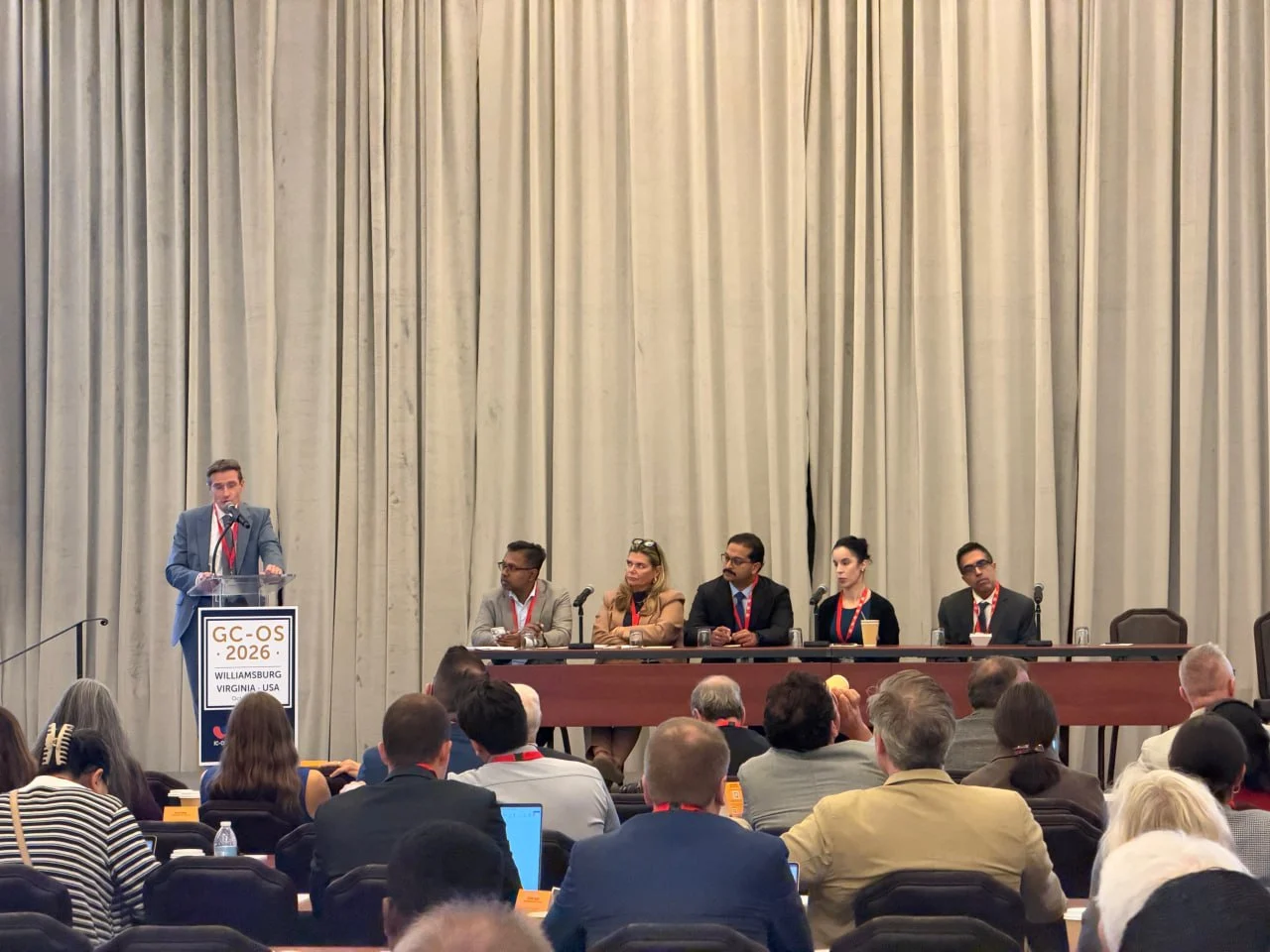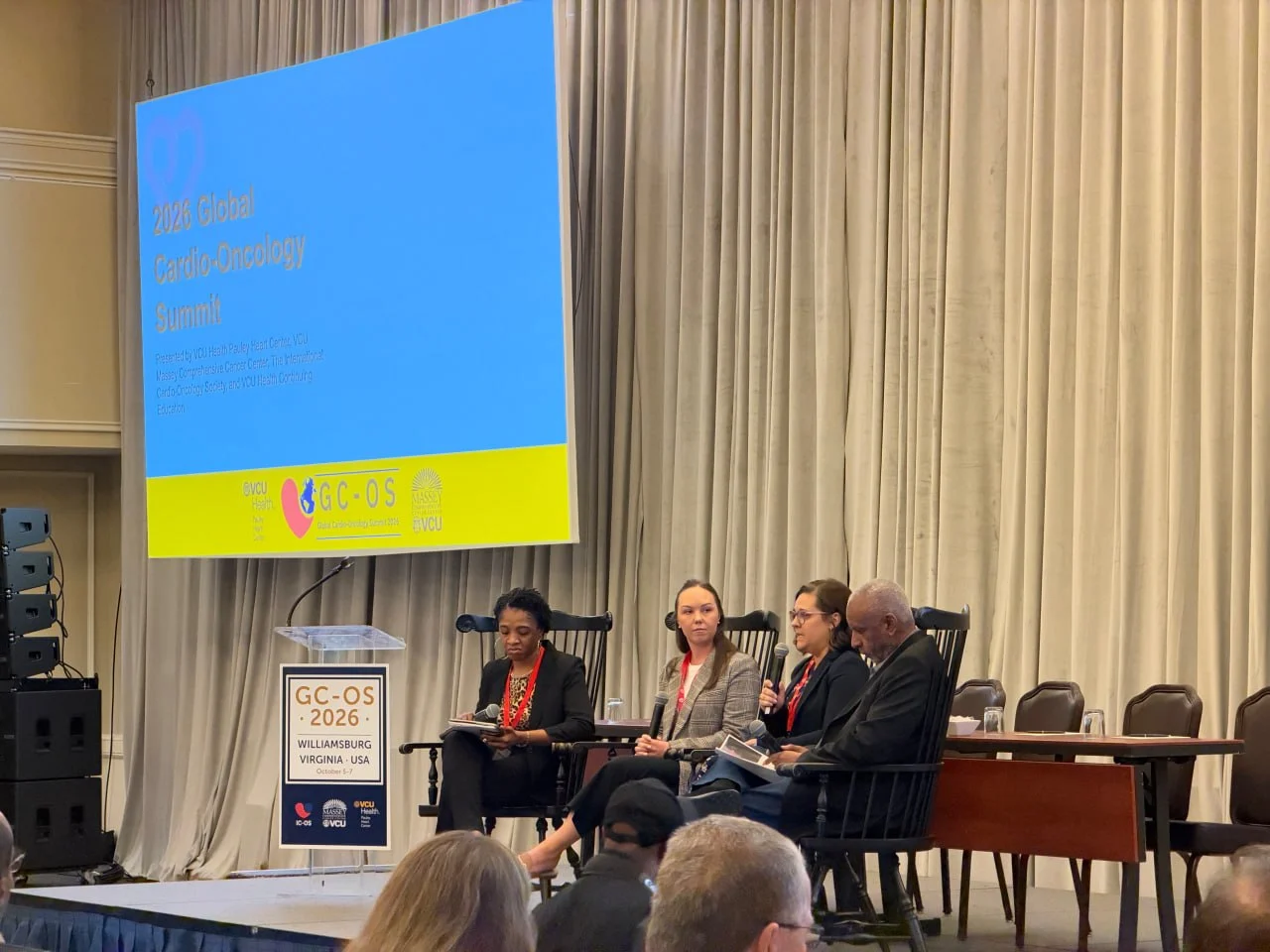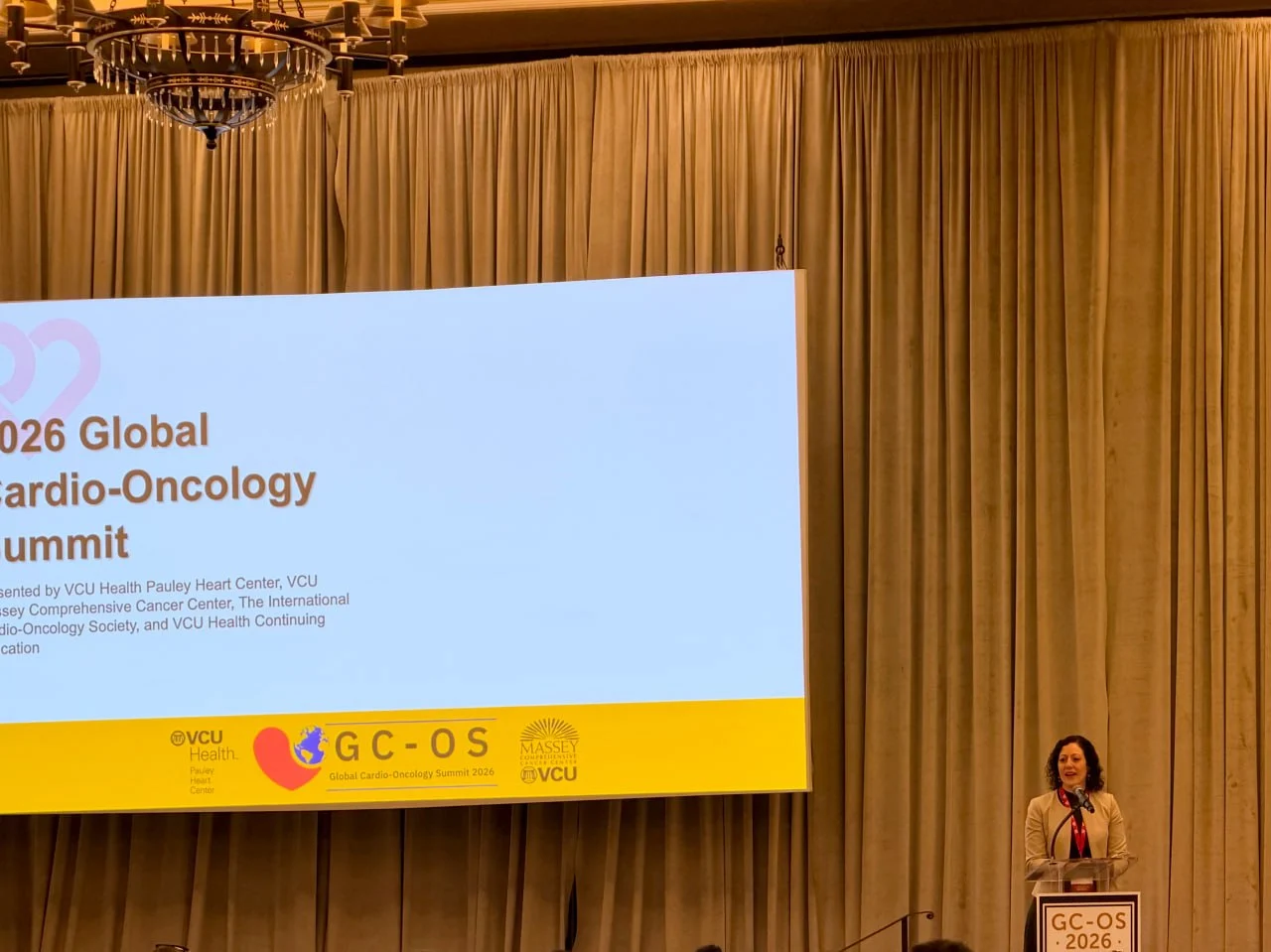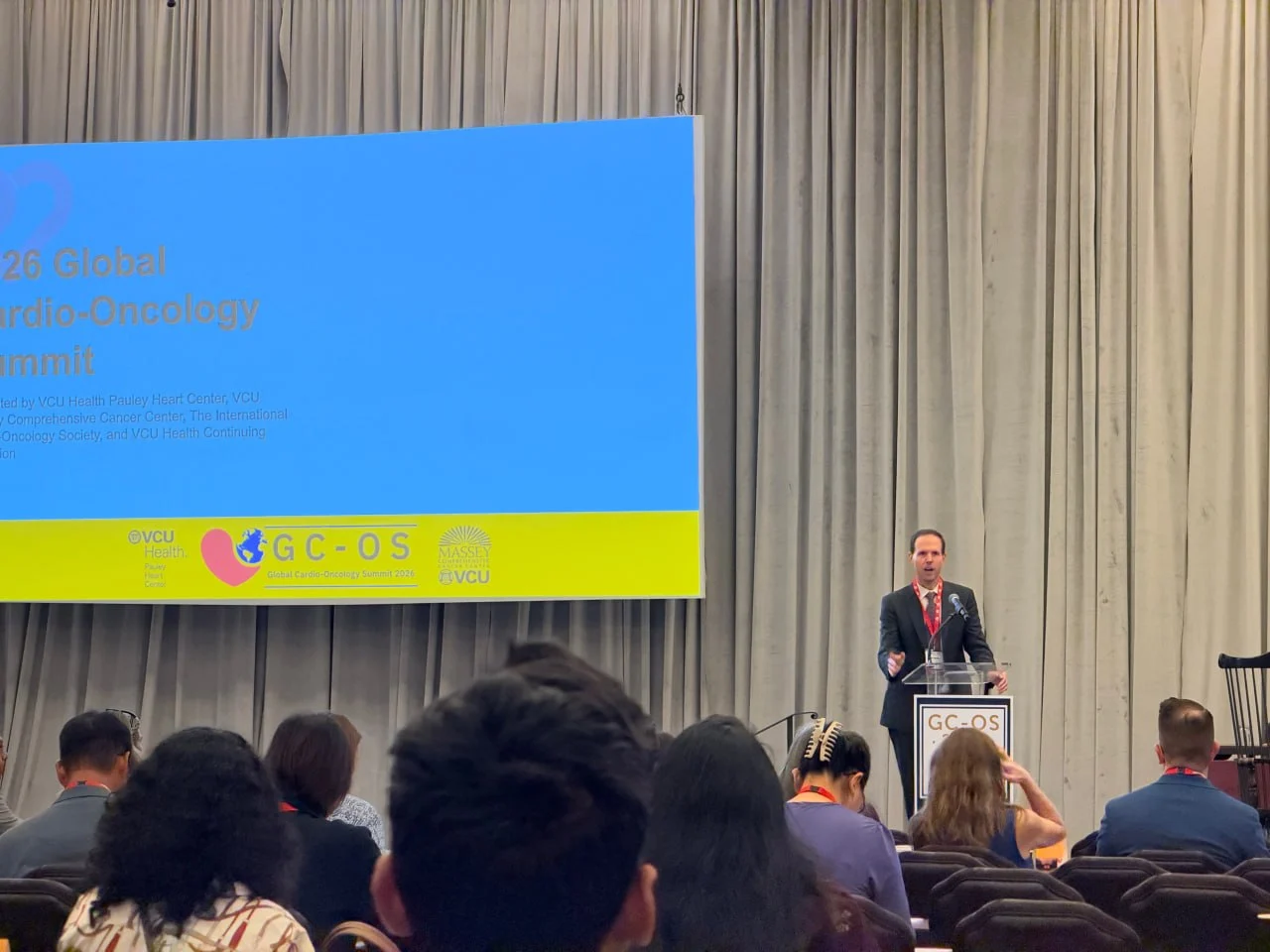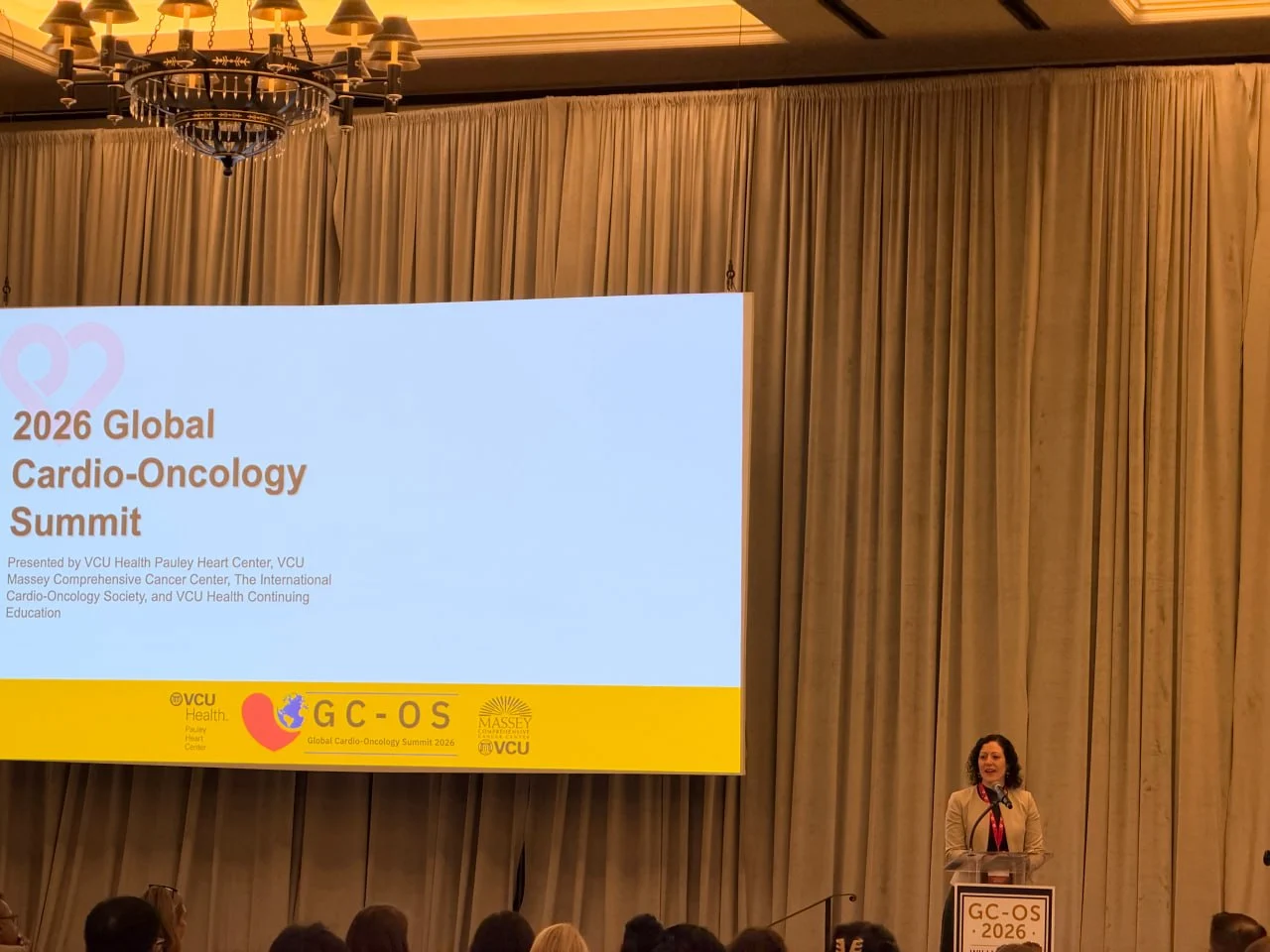
The Global Cardio-Oncology Summit (GCOS) 2026 opened on October 5 at the Williamsburg Lodge in Williamsburg, Virginia, bringing together an international, multidisciplinary community focused on one of the most rapidly evolving areas of cancer care.
Jointly hosted by the VCU Health Pauley Heart Center, VCU Massey Comprehensive Cancer Center, and the International Cardio-Oncology Society (IC-OS), this year’s Summit is being held under the theme “Cardio-Oncology Innovation and Implementation for the Future.”
The opening half of Day 1 moved from patient experience and global perspectives to one of the field’s most closely watched areas: the growing role of artificial intelligence in cardiovascular care for patients with cancer. The morning concluded with a review of research helping define the next chapter of cardio-oncology.
Setting the Direction for GCOS 2026
The Summit began with opening remarks from Wendy Bottinor, MD, MSCI; Michael Fradley, MD; and Fadi N. Salloum, PhD, followed by a VCU welcome from Monica Baskin, PhD, and Greg Hundley, MD.
Together, the opening sessions established the central direction of GCOS 2026: innovation in cardio-oncology must ultimately translate into better implementation, stronger collaboration, and improved care for patients across different clinical settings.
The Patient Journey at the Center of Cardio-Oncology
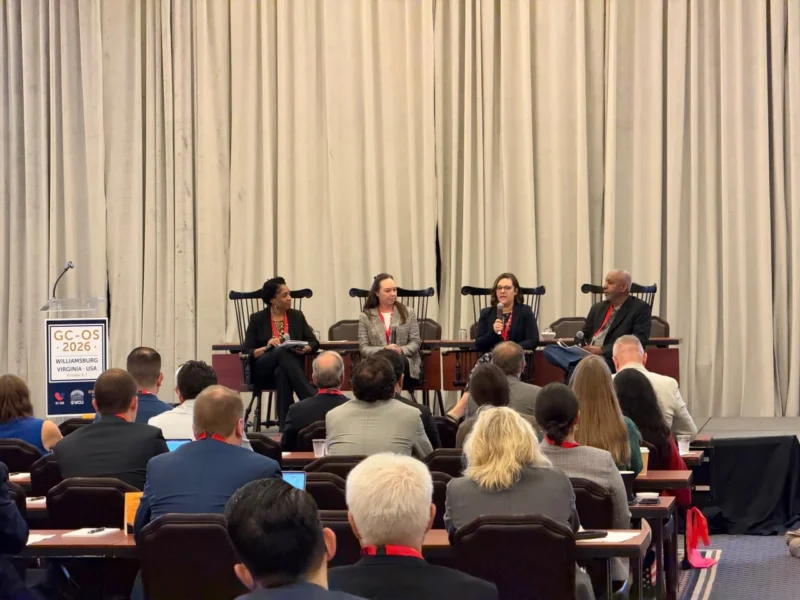
Before turning to technologies, prediction models, and new research, the program placed patients at the center of the conversation.
Arnethea Sutton, PhD, and Alex Marshall, MS, led the session “Patient Perspectives on the Cardio-Oncology Journey,” bringing attention to the experience of navigating cancer and cardiovascular care simultaneously.
The session reinforced an essential principle for the field: advances in surveillance, prevention, diagnosis, and treatment must be considered not only through clinical outcomes, but also through the experience of the people moving between oncology and cardiovascular services.
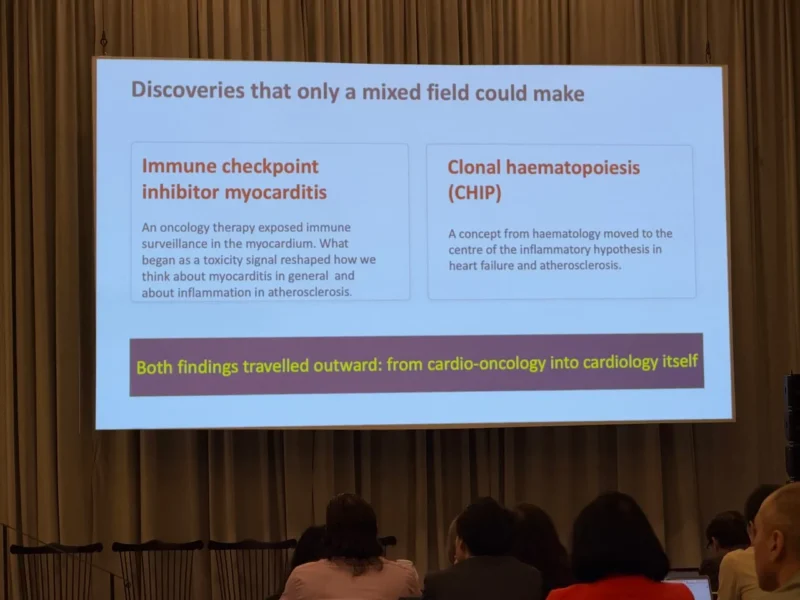
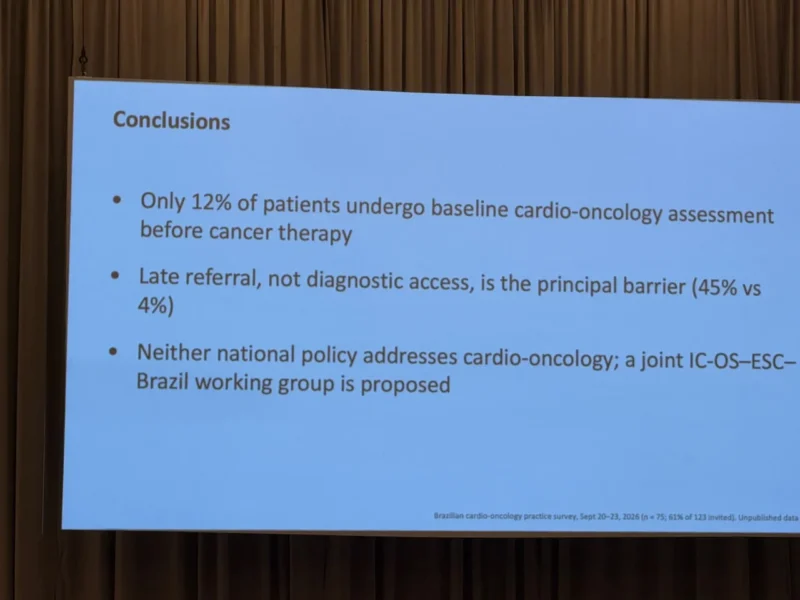
Cardio-Oncology Across Borders: Lessons From Around the World
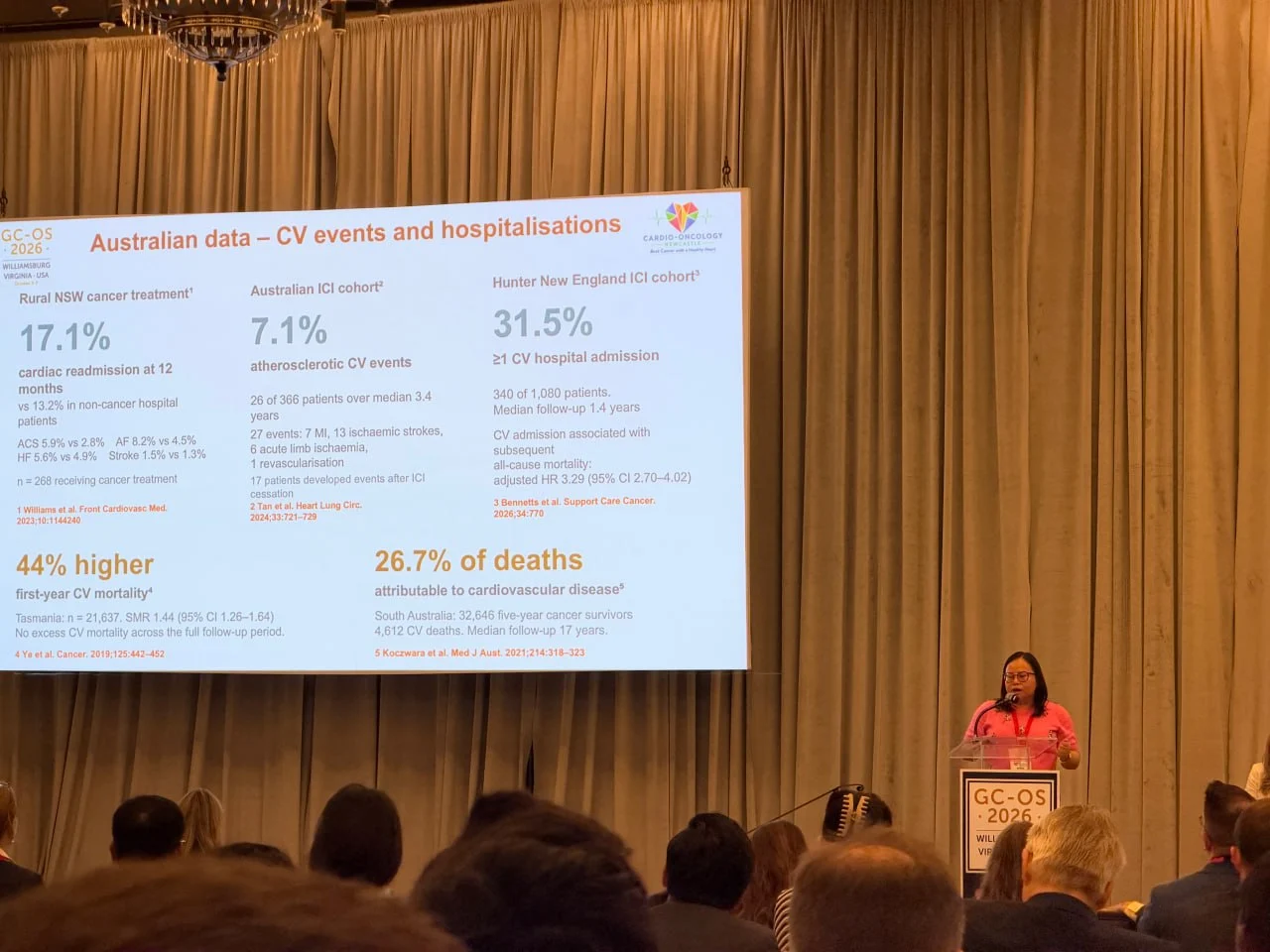
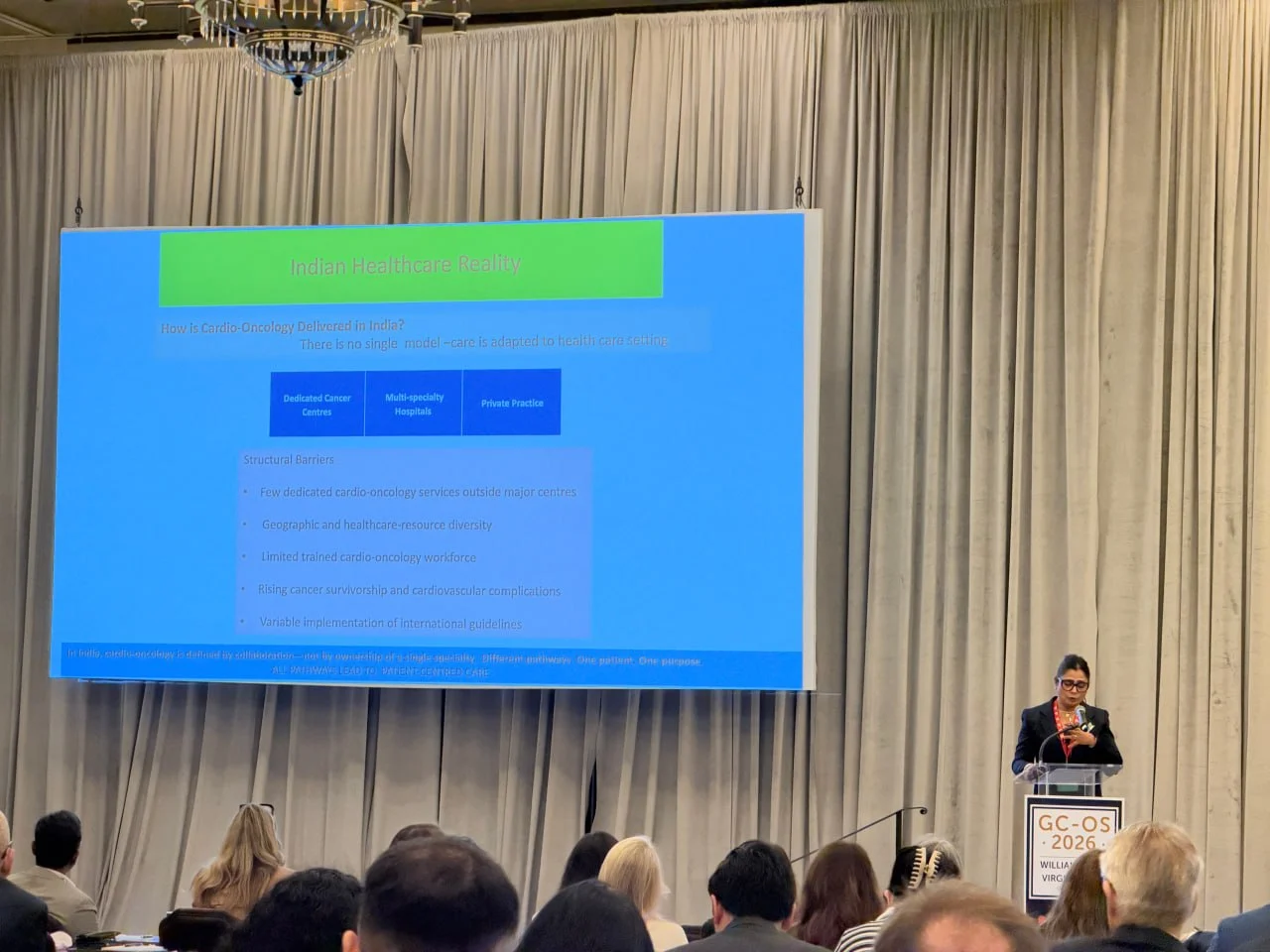
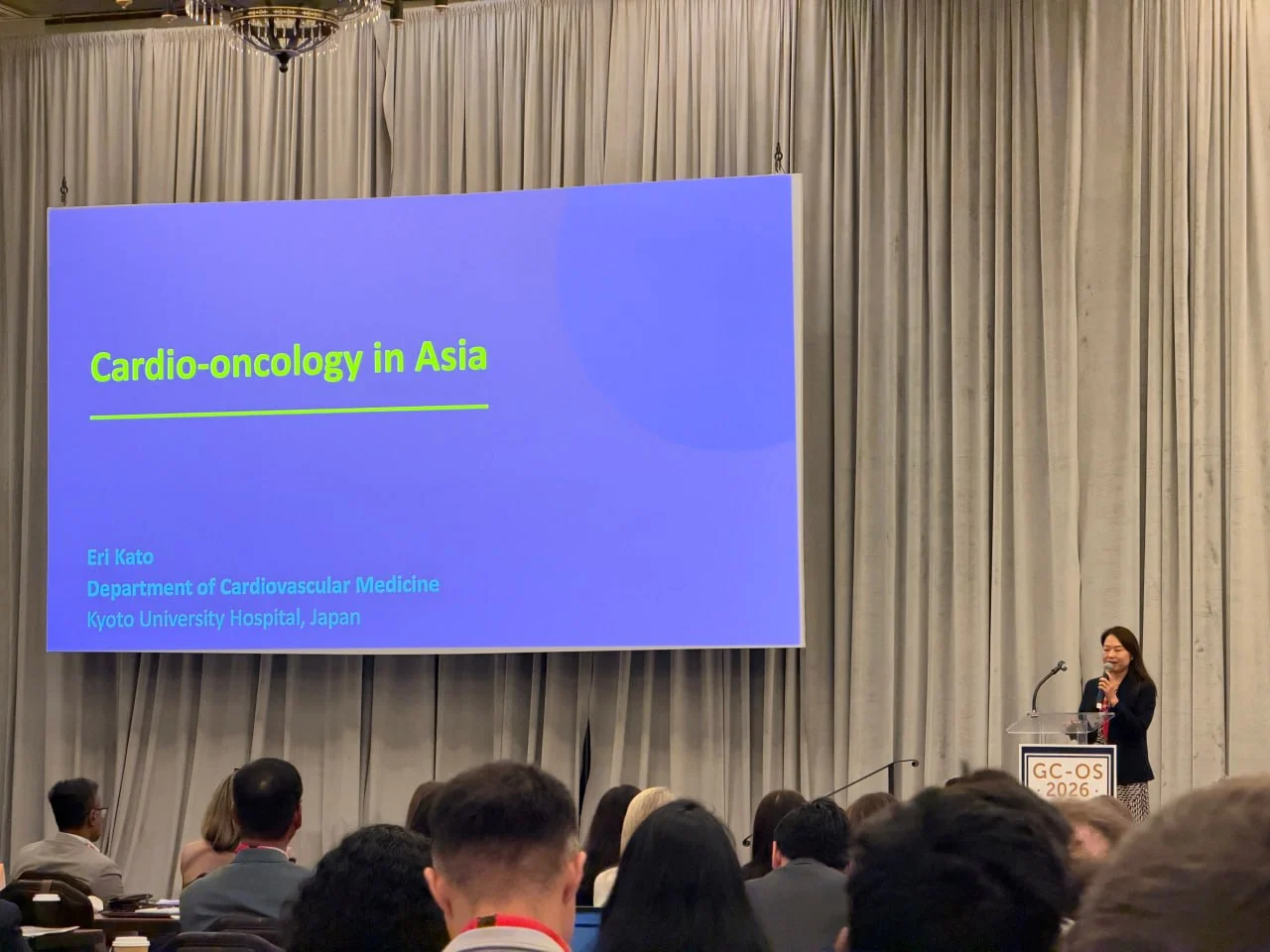
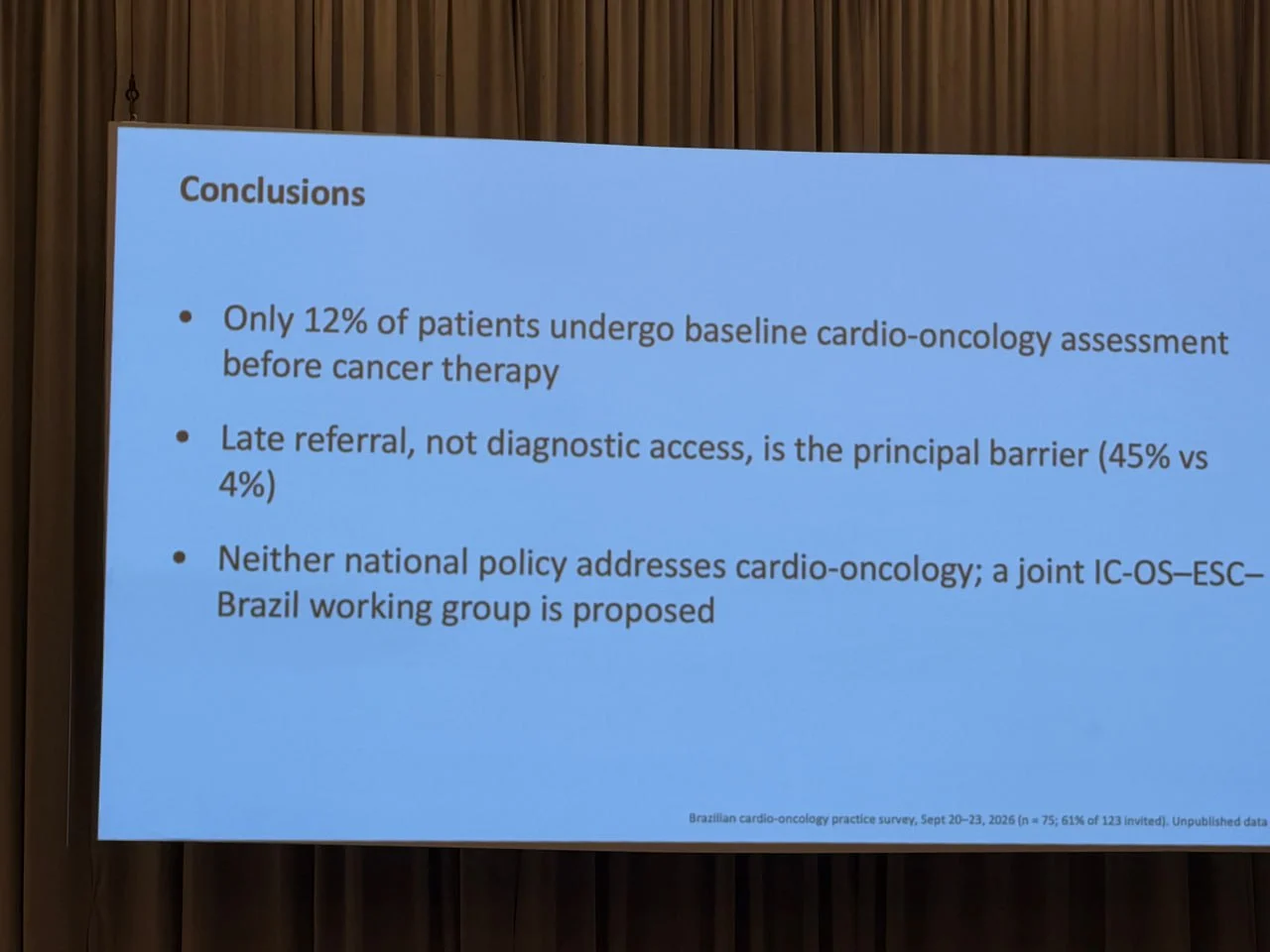
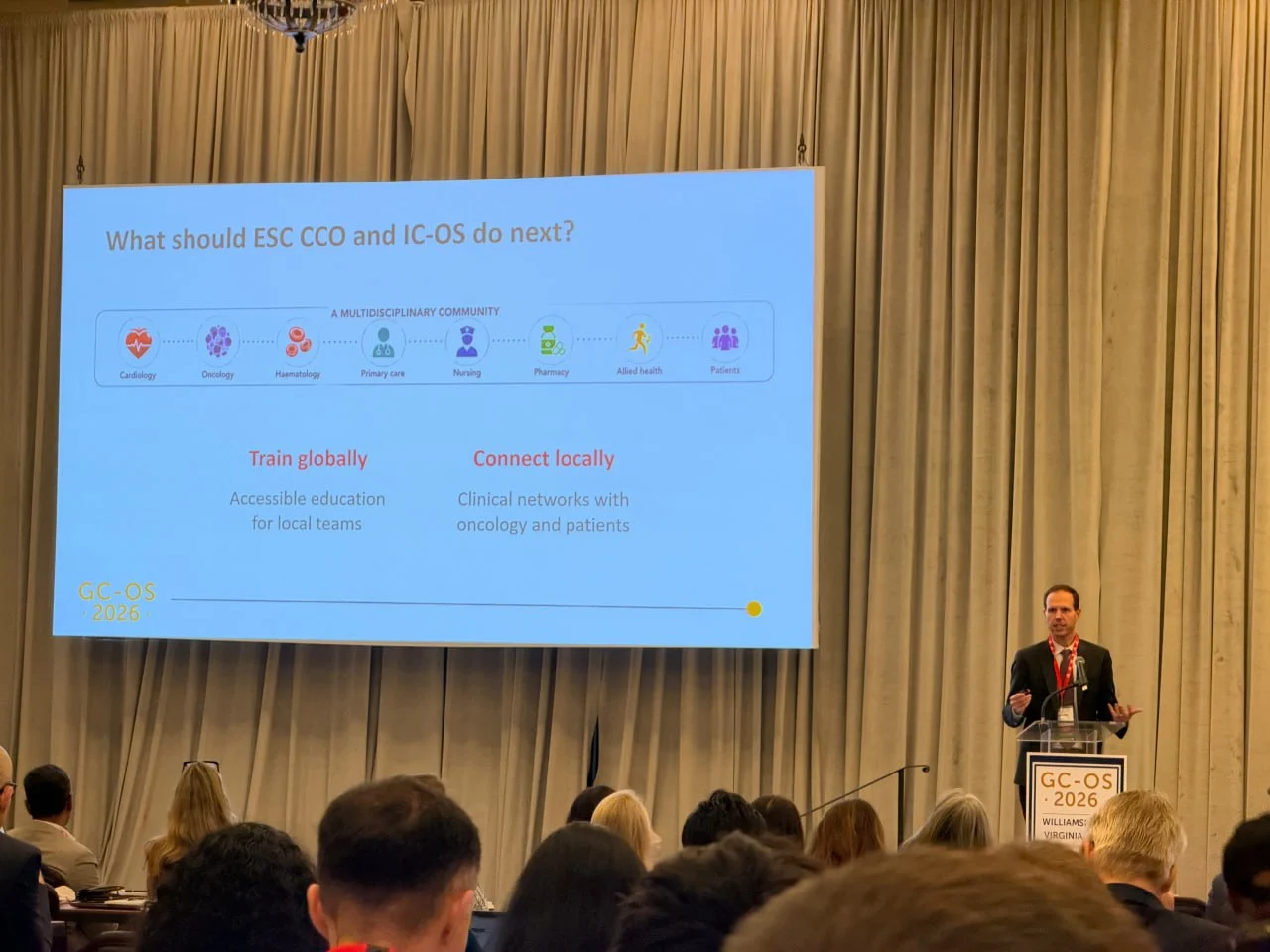
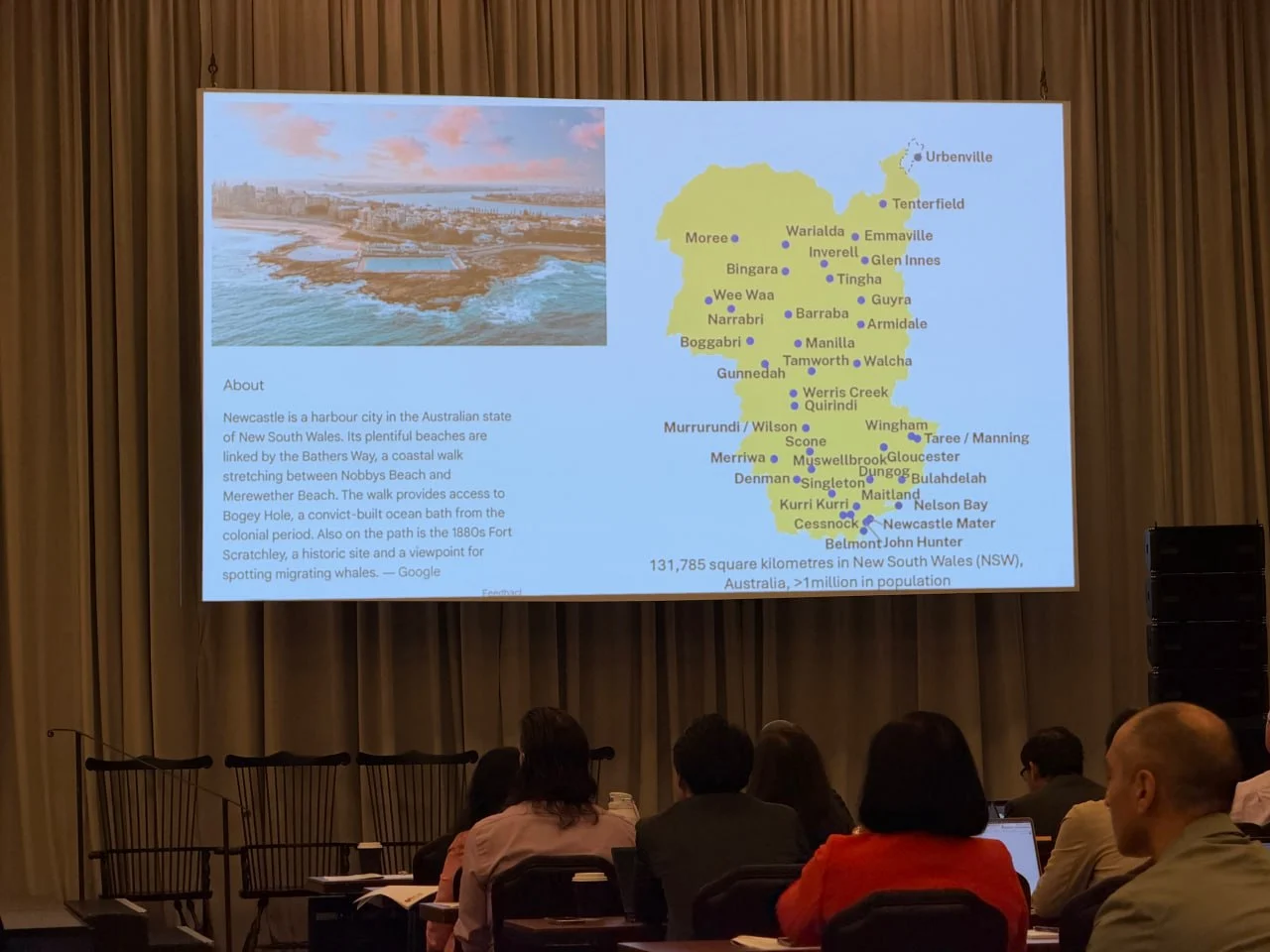
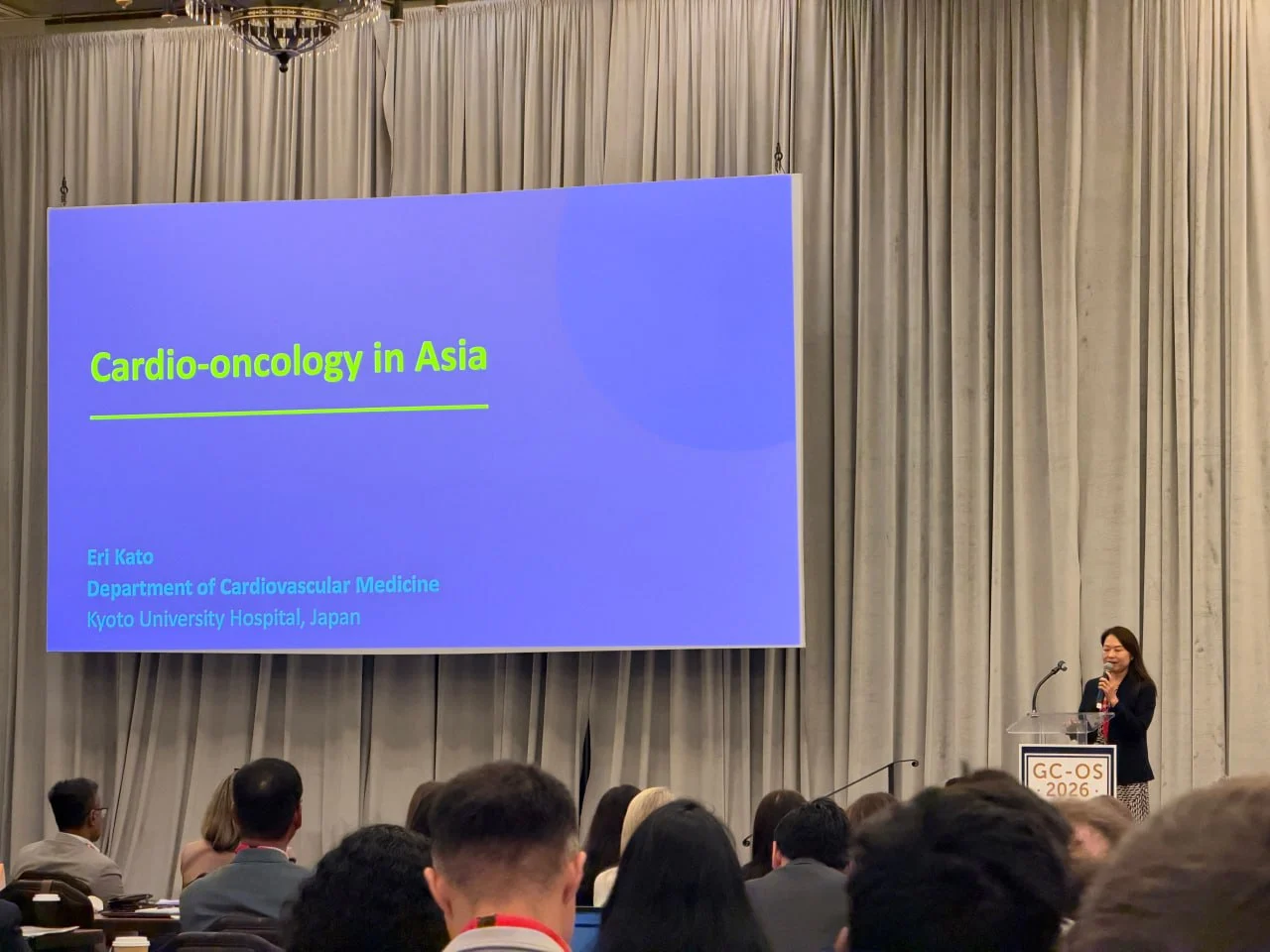
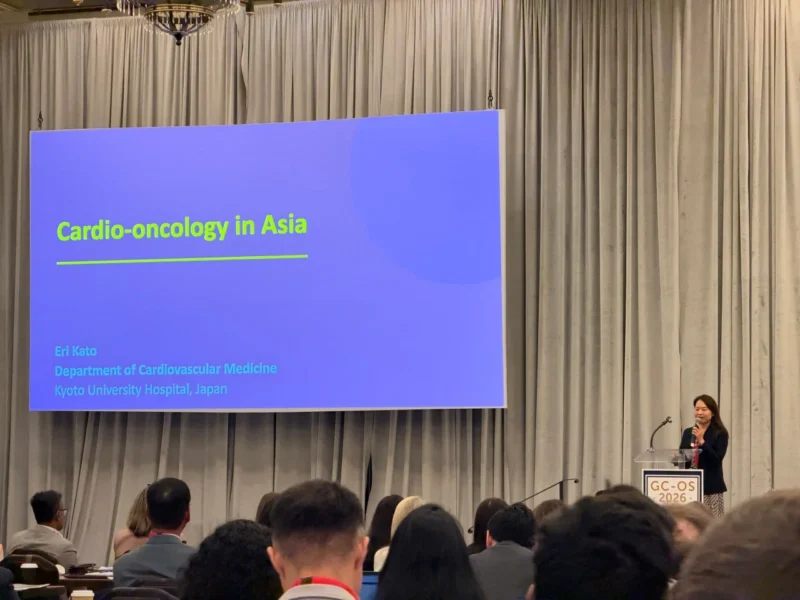
The ESC-ICOS Joint Session, “Global Cardio-Oncology – Experiences Shared from Around the World,” broadened the discussion from individual experience to the international landscape of cardio-oncology.
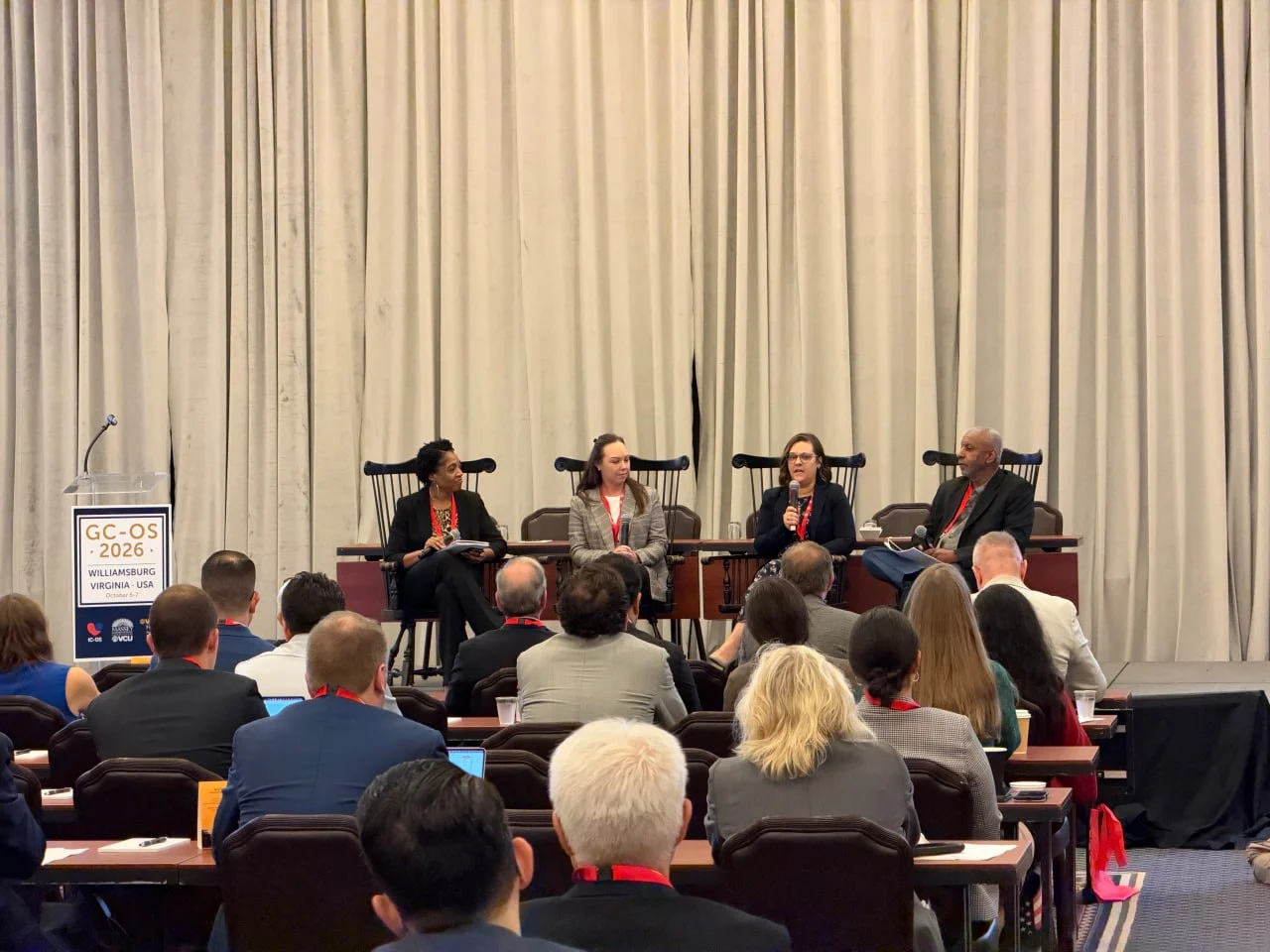
Chaired by Teresa Lopez-Fernandez, MD, and Michael Fradley, MD, the session brought together Anuprita D Daddi, MD; Eri Kato, MD, MPH, PhD; Khalid Matin, MD; and Ariane VS Macedo, MD, PhD.
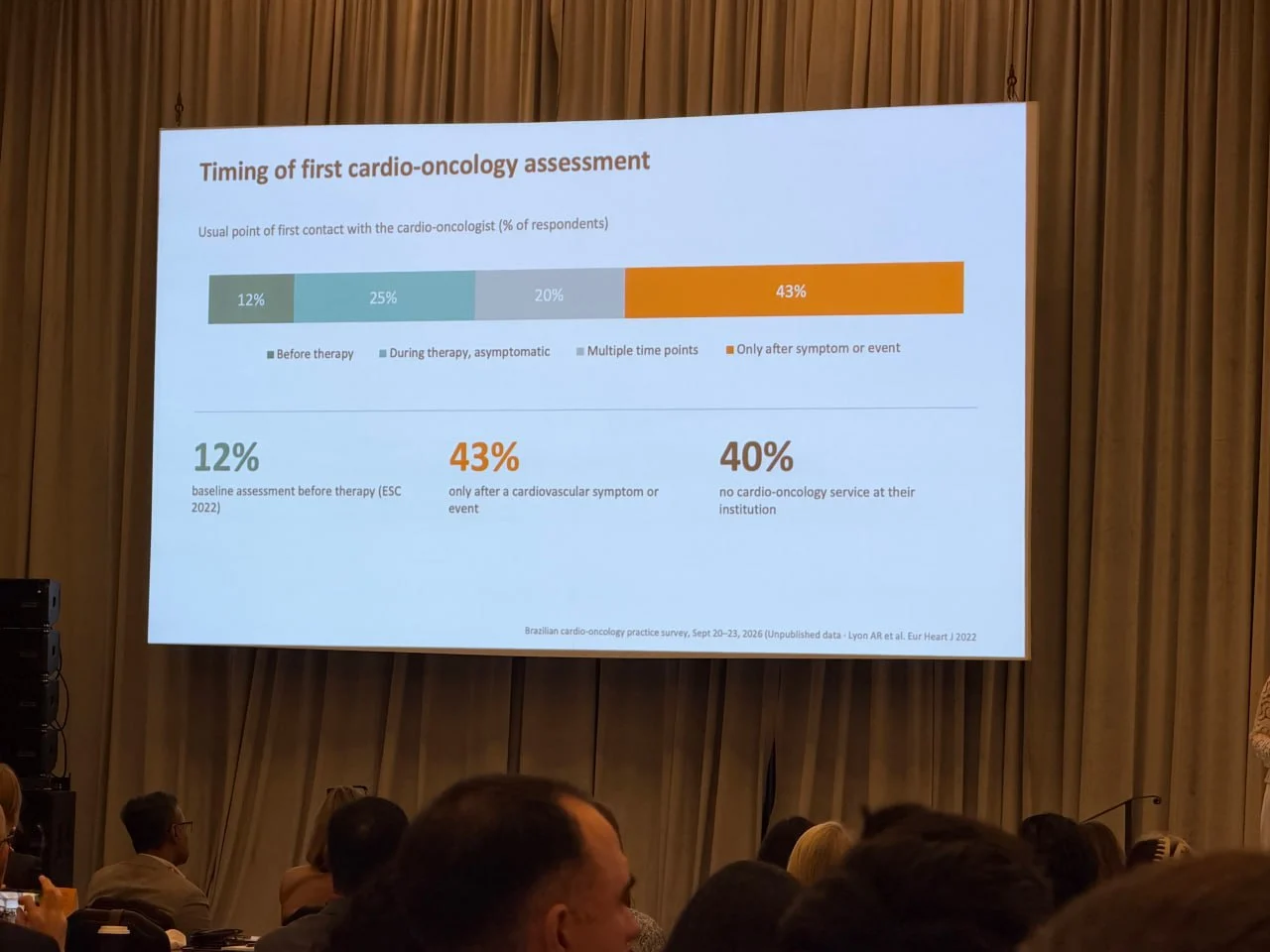
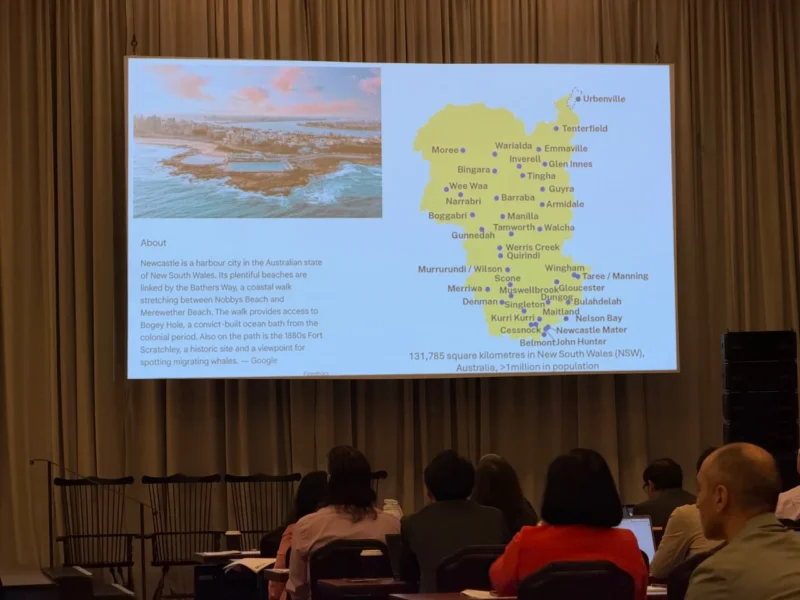
The discussion highlighted the importance of sharing experiences across healthcare systems as cardio-oncology continues to develop globally. Differences in resources, infrastructure, access, referral pathways, and local clinical practice remain important considerations when translating recommendations into real-world care.
The session also reflected a broader theme that would continue throughout the morning: progress in cardio-oncology cannot depend on innovation alone. Successful implementation must account for the healthcare environment in which that innovation will ultimately be used.
From Prediction to Prevention: Where AI Could Change Cardio-Oncology
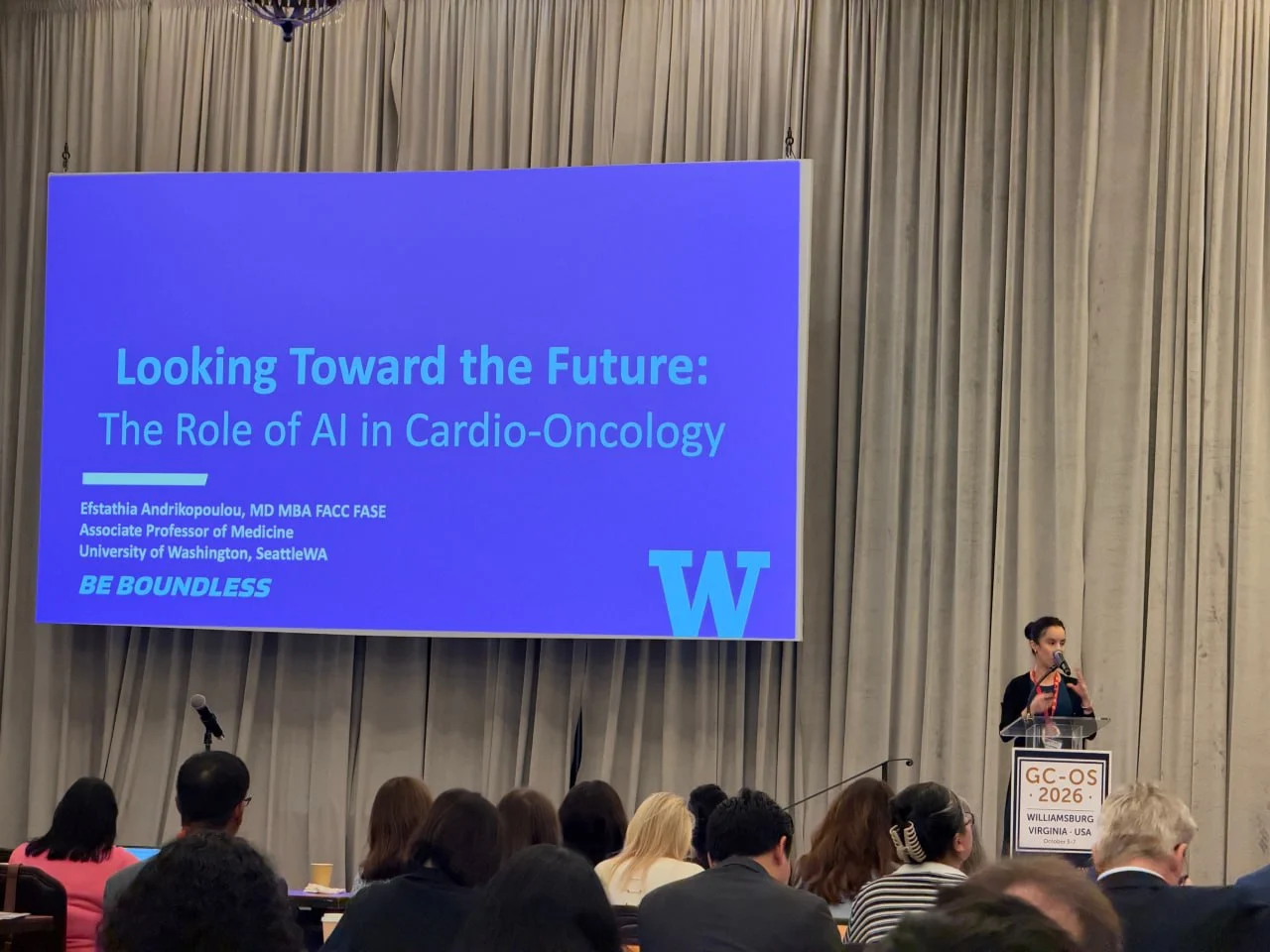
One of the central sessions of the morning, “Looking Toward the Future: The Role of AI in Cardio-Oncology,” was chaired by Christine Brezden-Masley, MD, PhD, and Dinesh Thavendiranathan, MD.
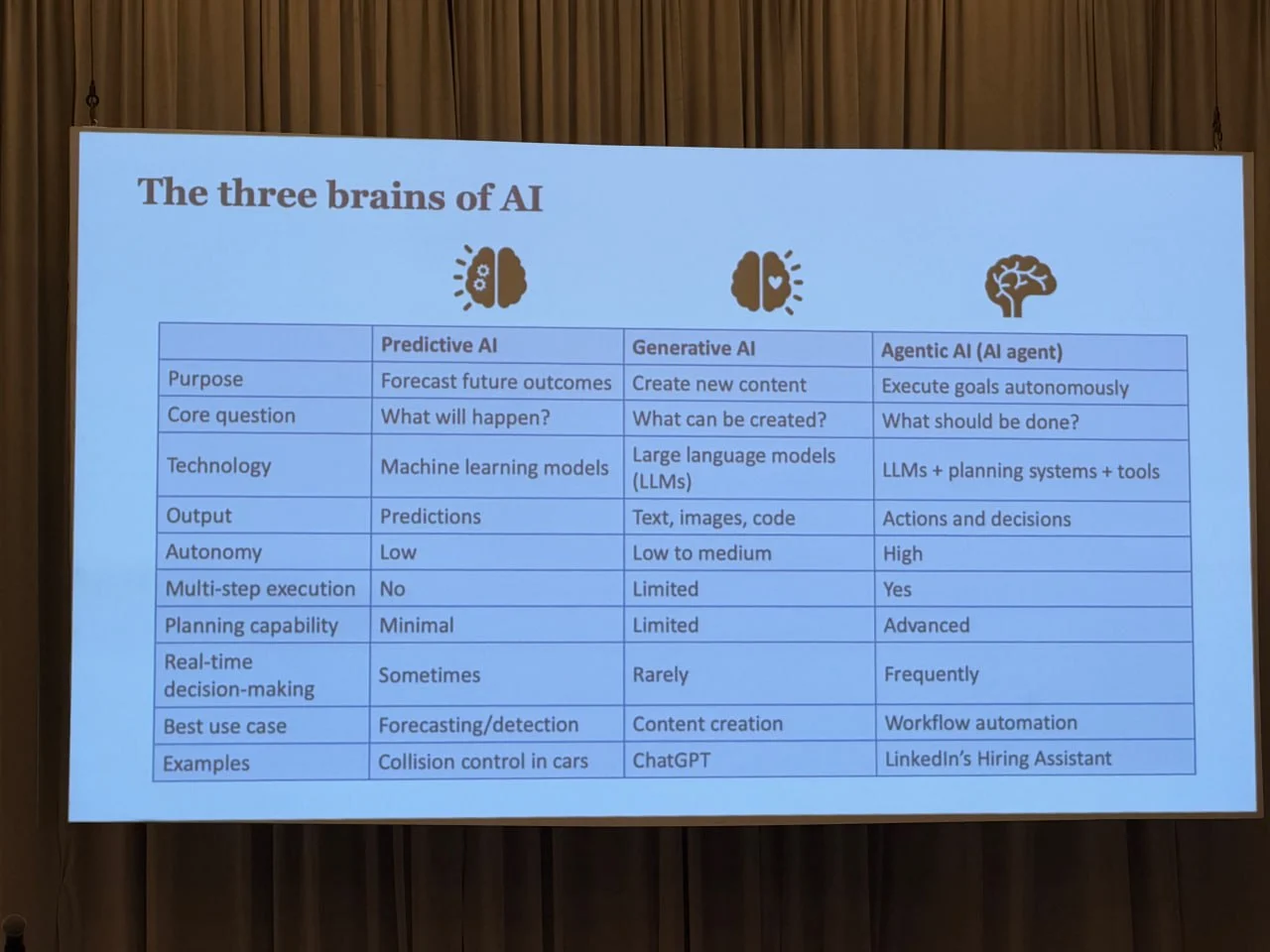
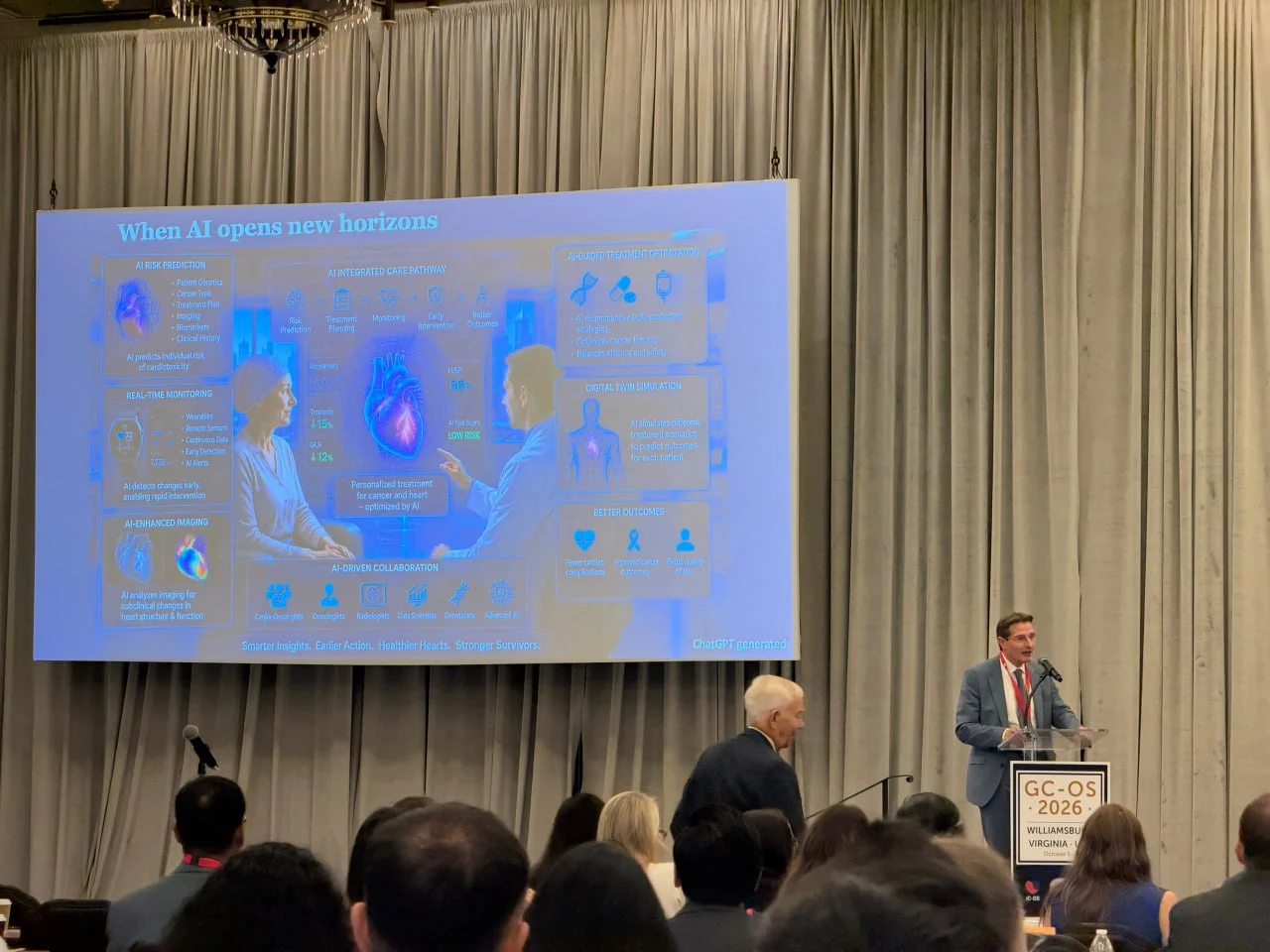
Across four presentations, the session examined AI from different perspectives from risk prediction and screening to clinical workflow and large language model-based systems.
The discussion repeatedly returned to one question: can these technologies move cardio-oncology from detecting cardiovascular toxicity after it develops toward anticipating risk early enough to change care?
Joerg Herrmann: Finding the Right Patient, Test and Time
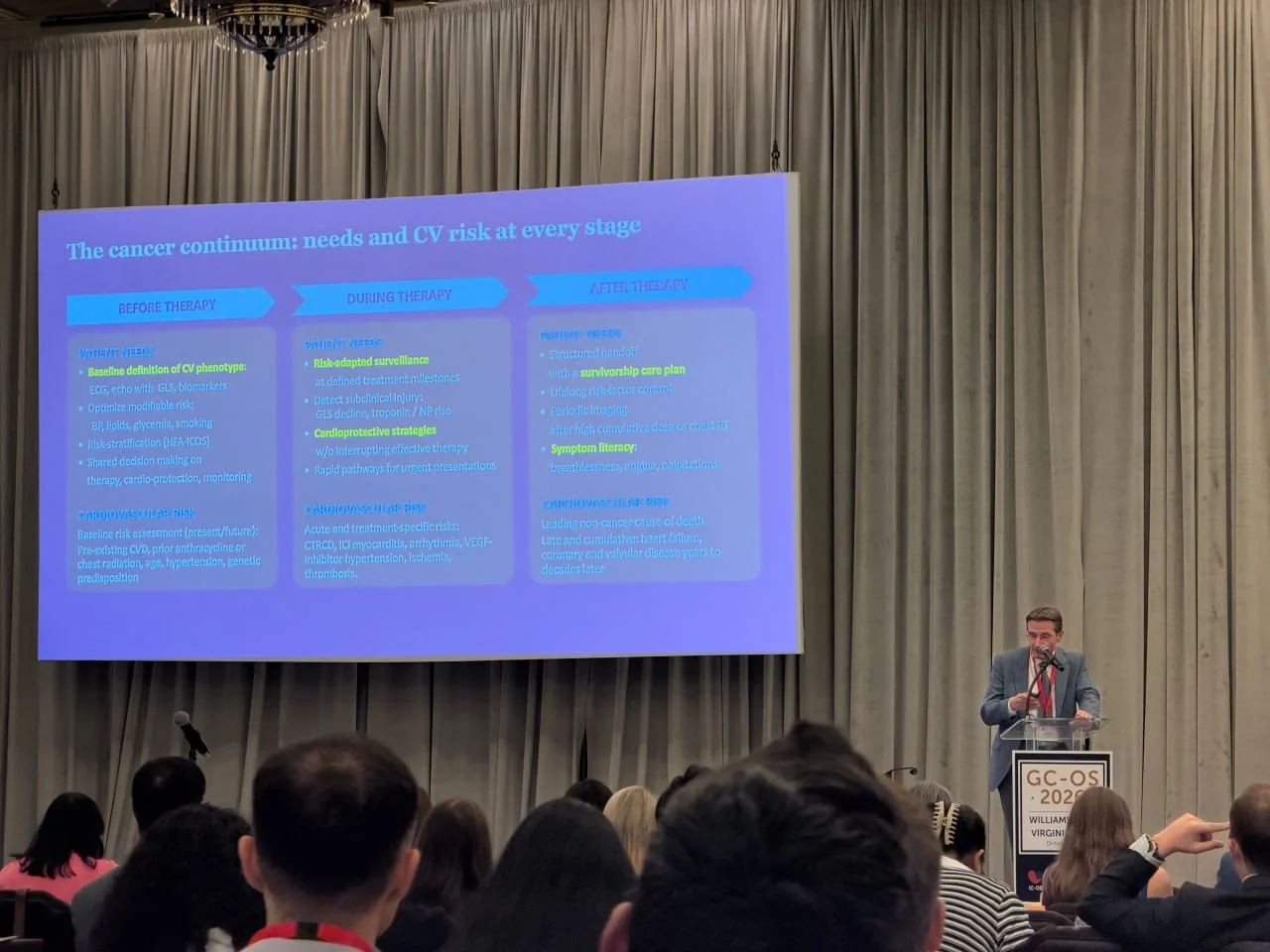
In “AI in Cardiovascular Care for the Cancer Patient,” Joerg Herrmann, MD, outlined the potential role of AI across the cancer continuum.
Before therapy, AI-based approaches may support baseline risk prediction. During treatment, they could contribute to surveillance and earlier detection of cardiovascular injury. After treatment, they may help personalize long-term survivorship strategies.
A major focus was the limitations of current risk prediction. Existing clinical scores provide an important foundation, but their discrimination remains imperfect. AI offers the possibility of processing far larger numbers of variables and continuously updating individual risk as new clinical information becomes available.
The presentation also emphasized the potential value of multimodal models combining clinical information with ECG, imaging, wearable-derived data, and other sources.
AI-enabled ECG was discussed as one particularly promising tool, including its potential to identify cardiovascular risk that may not be apparent through conventional interpretation alone. Wearables and remote monitoring could further extend surveillance beyond the clinic.
Yet technological performance was only one part of the discussion. Herrmann stressed that models must be validated, calibrated, representative, integrated into clinical workflows, and supported by clear governance. Without implementation pathways defining who receives an alert, who acts on it, and how the clinical loop is closed, even a strong model risks remaining an academic exercise.
The practical message was clear: clinical risk scores can set the stage, but new tools may raise the ceiling. The challenge now is ensuring that they do so reliably, equitably, and in a way that improves care.
Building Models That Can Survive the Real World
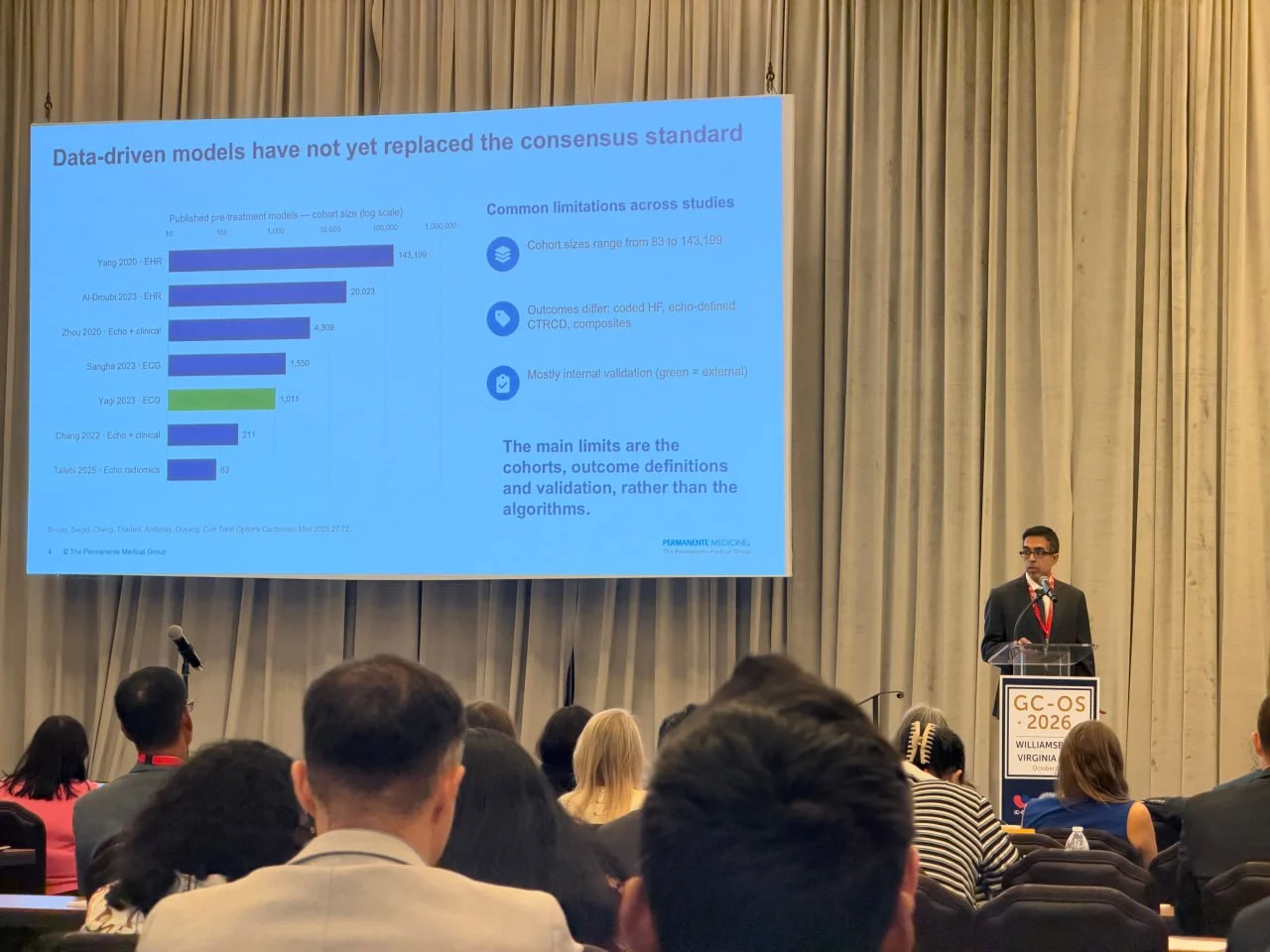
The next presentation moved deeper into the challenge of developing and deploying predictive models.
Drawing on large real-world cohorts, the discussion examined why apparently promising models may struggle when moved beyond the populations in which they were developed.
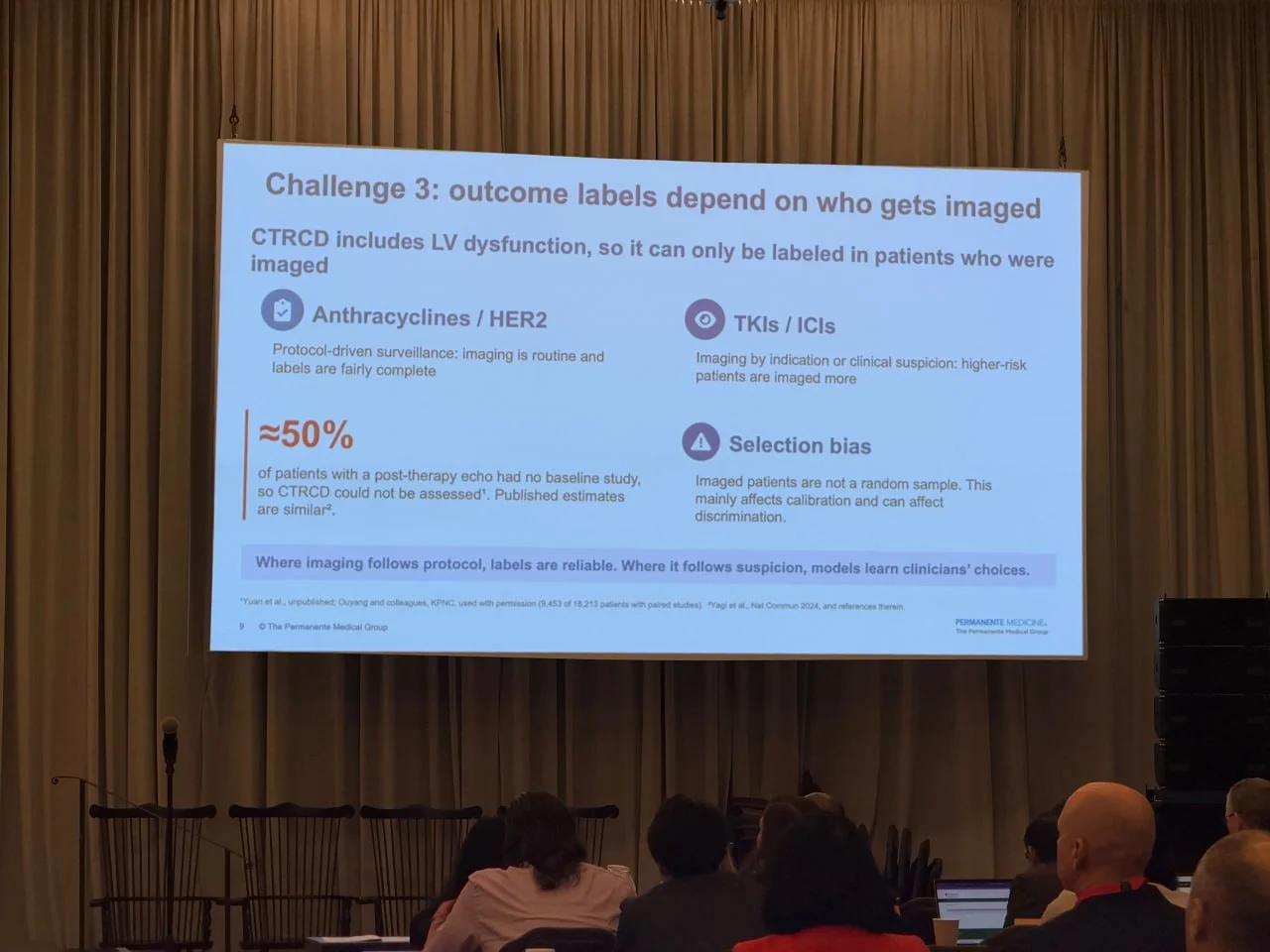
Among the central issues were discrimination versus calibration, competing risk of death, outcome labeling, variability in cardiovascular imaging, incomplete surveillance, and differences between treatment populations.
A model may successfully rank patients from lower to higher risk while still estimating the wrong absolute probability of an event. That distinction becomes particularly important when the predicted probability is used to determine surveillance intensity or referral.
The presentation also addressed a fundamental challenge in cardio-oncology datasets: cardiovascular toxicity cannot always be identified equally across patients because imaging itself may be performed selectively. Protocol-driven surveillance can provide more complete labels in some treatment groups, while imaging in others may depend largely on clinical suspicion.
Automated measurements, including AI-assisted assessment of ejection fraction and strain, could help reduce variability and standardize detection.
The next step, however, extends beyond retrospective model development. Prospective validation and implementation will be essential to determine whether these approaches can meaningfully guide surveillance and clinical decisions.
Can AI Move Care From Reactive to Proactive?
The following presentation asked the morning’s central question from another angle: can cardio-oncology shift from reacting to toxicity toward predicting and eventually preventing—it?
The discussion focused on the enormous amount of heterogeneous information generated by patients with cancer, including ECGs, cardiovascular imaging, laboratory measurements, electronic health records, and increasingly, patient-generated data from wearable devices.
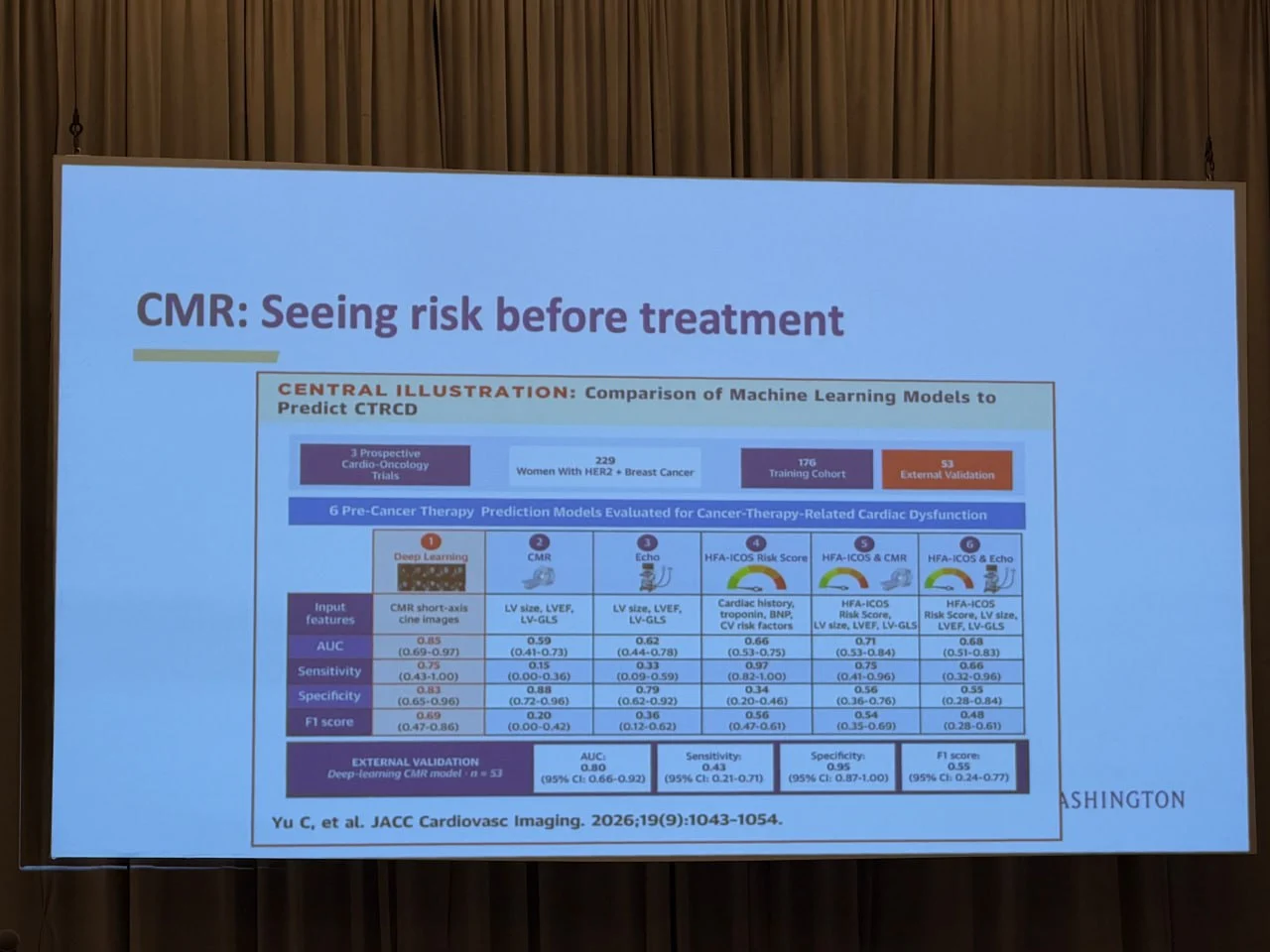
Several recent examples illustrated how AI-assisted cardiac MRI, ECG analysis, and multimodal data integration could identify cardiovascular phenotypes or risk patterns before clinically apparent toxicity develops.
One study involving patients with HER2-positive breast cancer showed that pretreatment cardiac MRI-based modeling could identify patients at risk of subsequent cardiovascular toxicity. AI-enabled ECG analysis was presented as a potentially more accessible approach, particularly where echocardiography or cardiac MRI resources are limited.
Multimodal integration was presented as an important next step, combining different data streams rather than relying on a single cardiovascular measurement.
But strong model performance does not automatically mean clinical usefulness.
For these tools to become part of routine practice, they must represent the populations clinicians actually treat, undergo internal and external validation, generate actionable information, fit naturally into existing workflows, and remain under continuous monitoring as patient populations, cancer therapies, and clinical guidelines change.
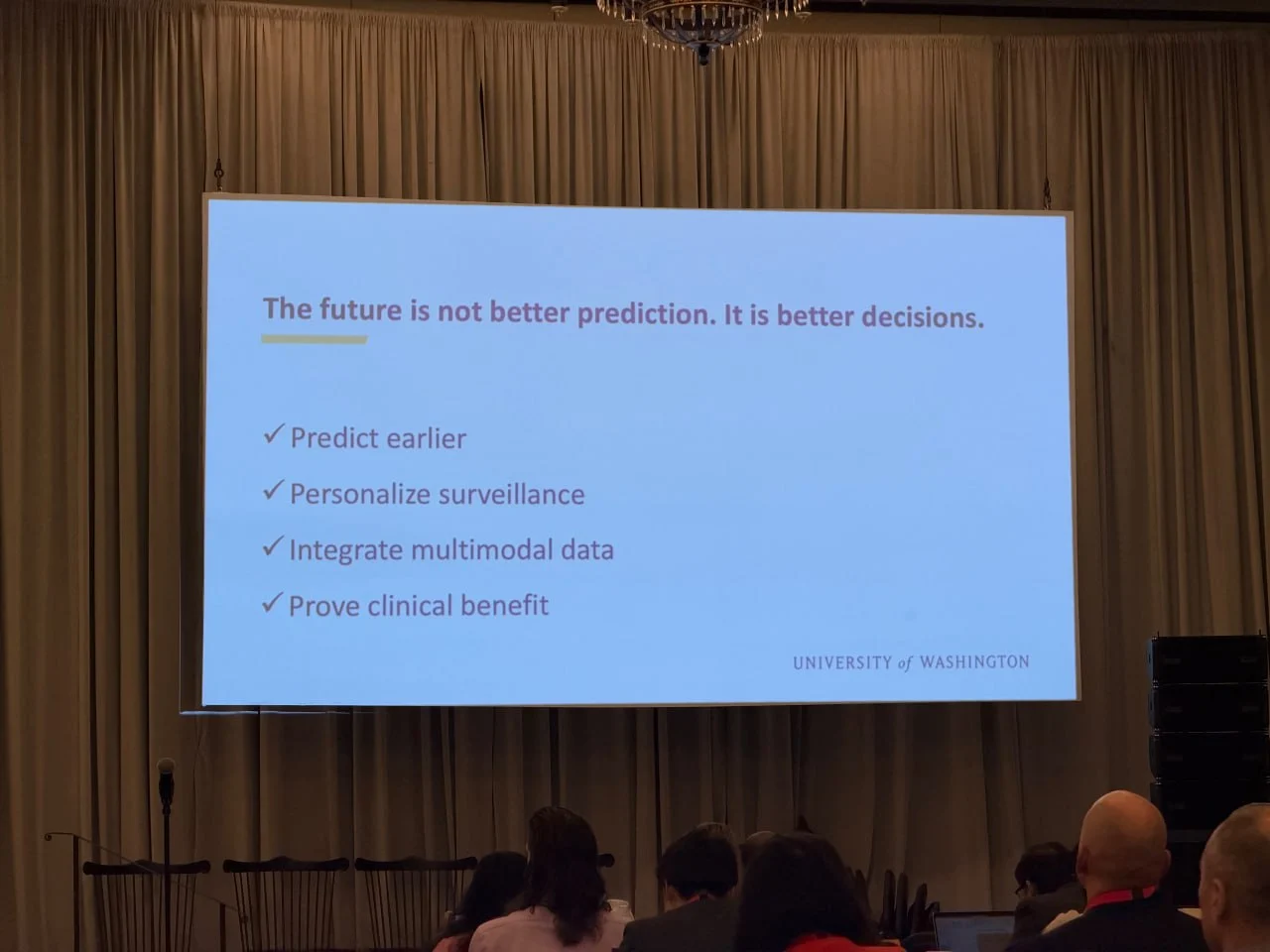
The ultimate goal is not simply better prediction. It is better clinical decision-making—knowing who needs surveillance today, who can safely wait, and who may benefit from preventive intervention.
Large Language Models and the Challenge of Fragmented Care
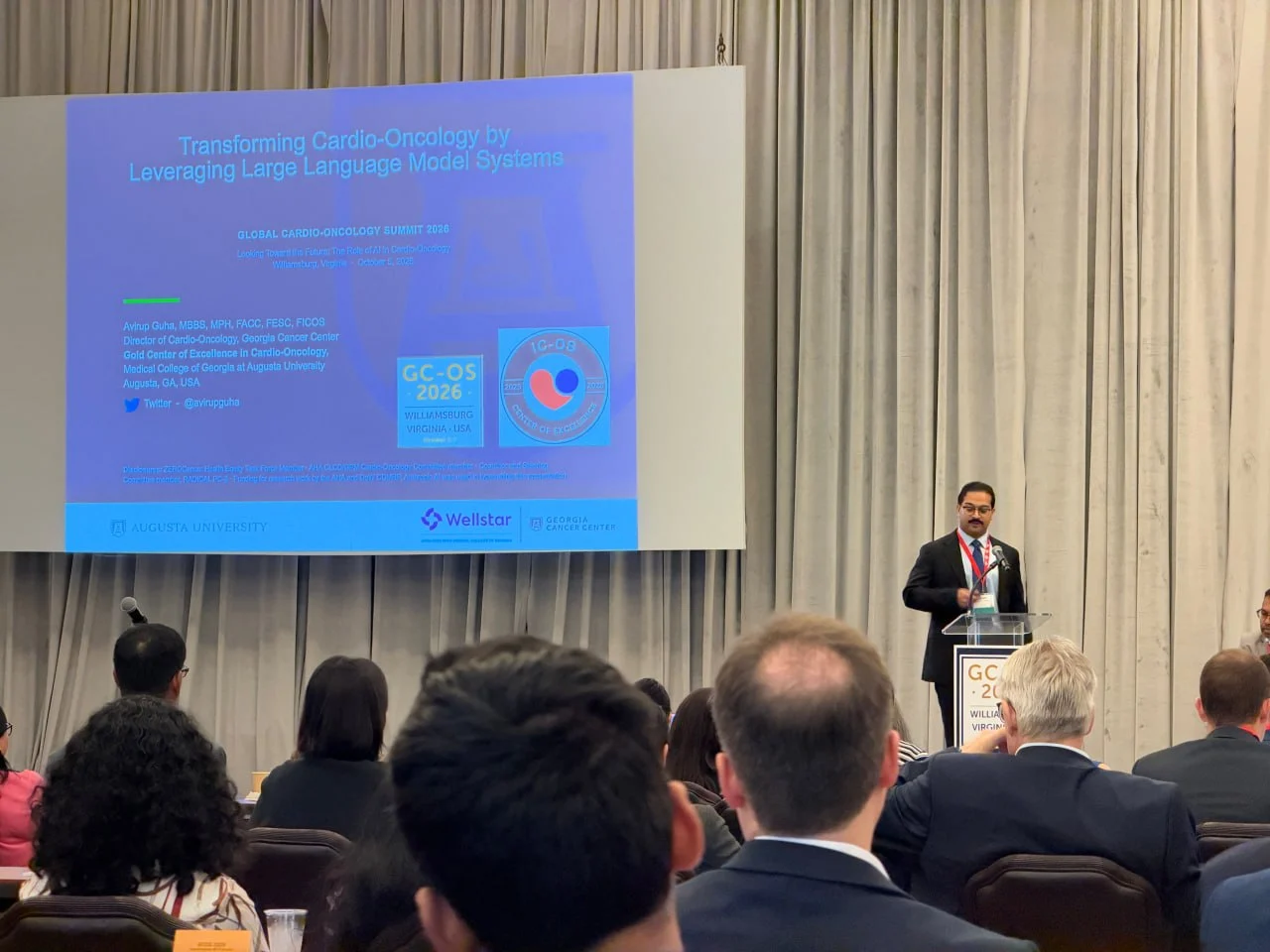
Avirup Guha, MBBS, MPH, then explored “Transforming Cardio-Oncology by Leveraging LLM Systems,” using prostate cancer as an example of the fragmented information clinicians encounter in everyday practice.
A single patient’s cardiovascular profile may be distributed across oncology notes, cardiology documentation, primary care records, laboratory results, medications, imaging, and information on cancer therapy.
The proposed framework aimed to bring those elements together while maintaining traceability to their sources.
A particularly important principle was uncertainty: when documentation is insufficient, the system should be able to state that a reliable estimate cannot be made rather than producing an unsupported answer.
The presentation also explored a retrieval-based approach in which an individual patient could be compared with similar patients from the local healthcare system, allowing clinicians to see observed outcomes in a relevant cohort rather than relying exclusively on coefficients derived from another population.
Such a system could potentially provide chart-level evidence, local cohort data, risk estimates, and an identifiable clinical owner responsible for acting on the information.
The broader message was that the value of these systems may lie less in functioning as independent diagnostic tools and more in finding relevant facts, organizing fragmented information, estimating risk from real outcomes, and helping make the next clinical action clearer.
The Question Beyond Model Performance: When Is Evidence Enough?
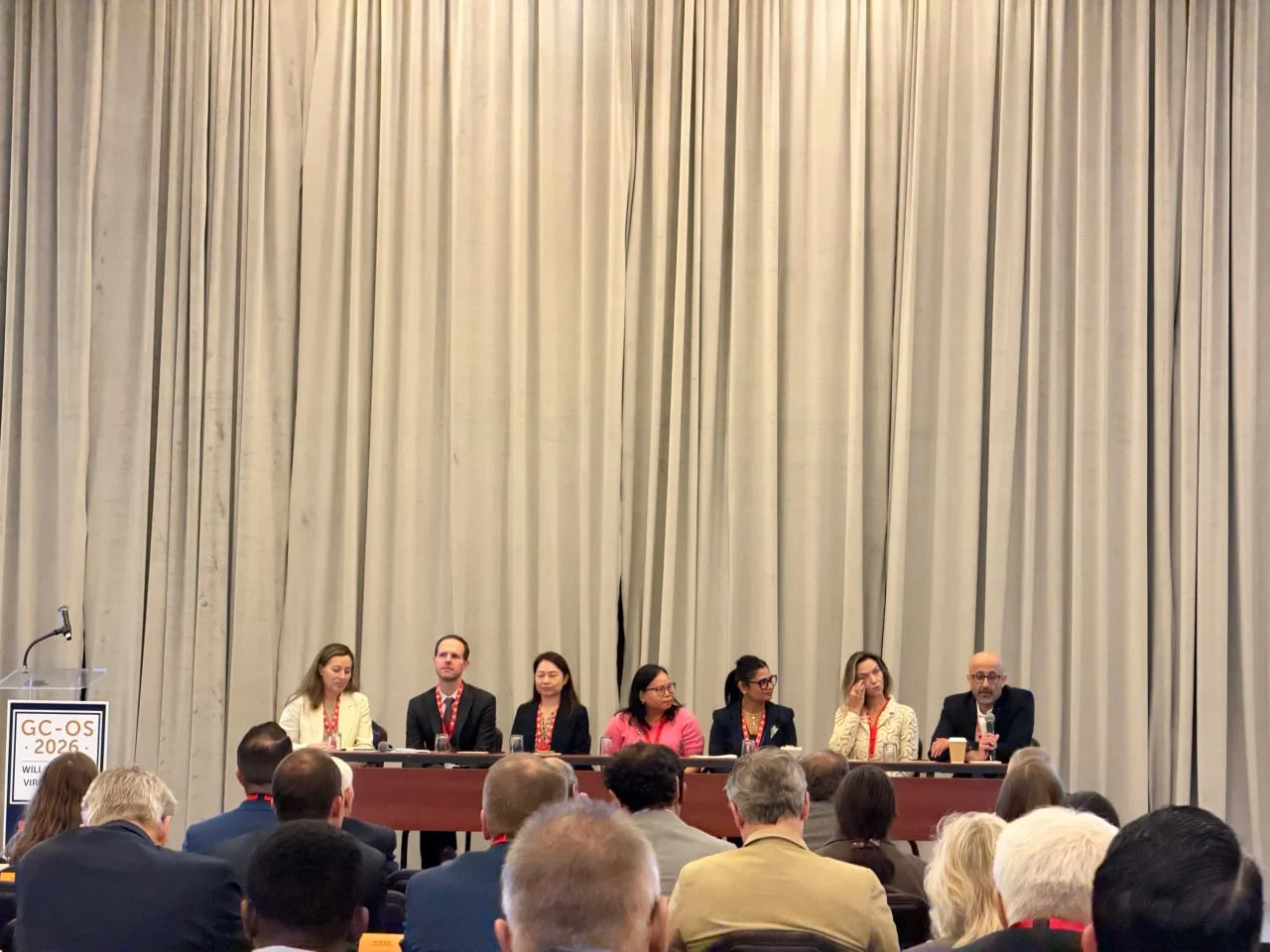
The discussion following the session focused on a difficult implementation question: what level of evidence should be required before AI-based models enter routine cardio-oncology practice?
The panel emphasized the importance of local calibration, prospective assessment, and ultimately determining whether model-guided interventions improve patient outcomes rather than simply improve prediction metrics.
Access was another major concern. Not every institution has large teams of data scientists or extensive technical infrastructure. Open and shareable models, practical integration into electronic health records, and support from health-system information technology teams may therefore determine whether these approaches can extend beyond major academic centers.
The discussion also returned to a point that remained relevant despite the morning’s focus on advanced technology: basic cardiovascular prevention still matters. Blood pressure, lipids, established cardiovascular disease, and conventional risk-factor management remain central to the care of patients with cancer.
The Research Defining Cardio-Oncology in 2026
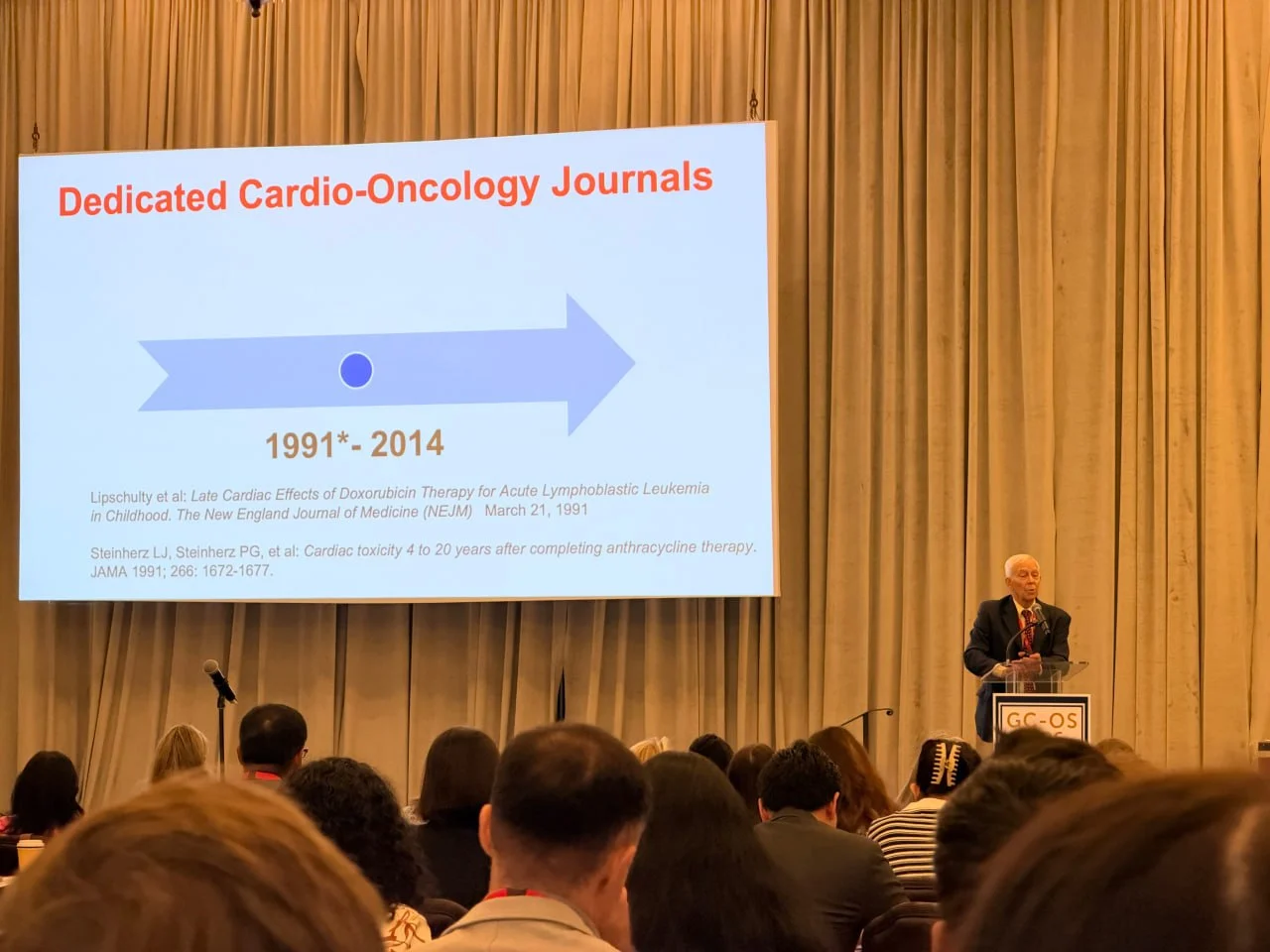
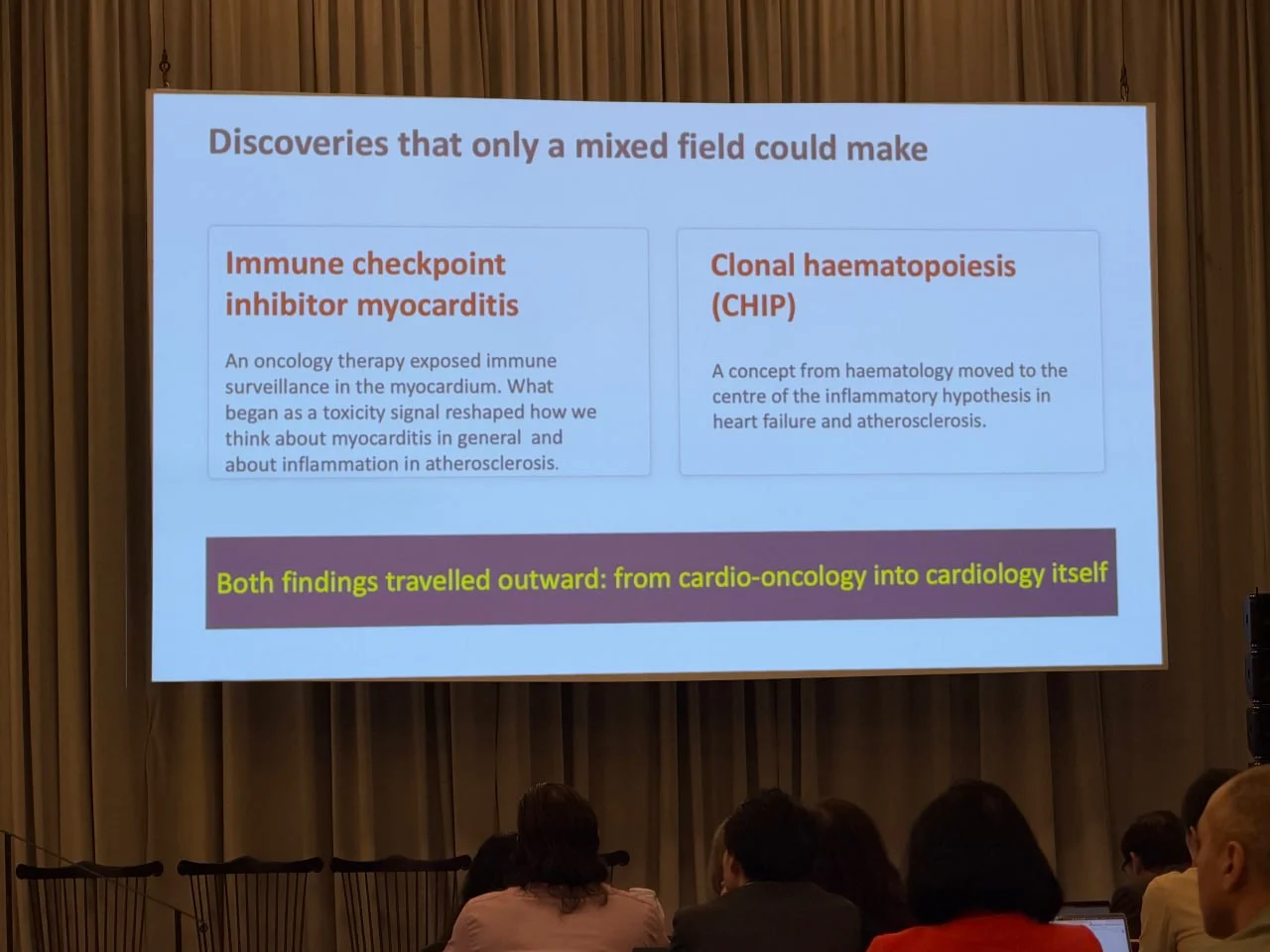
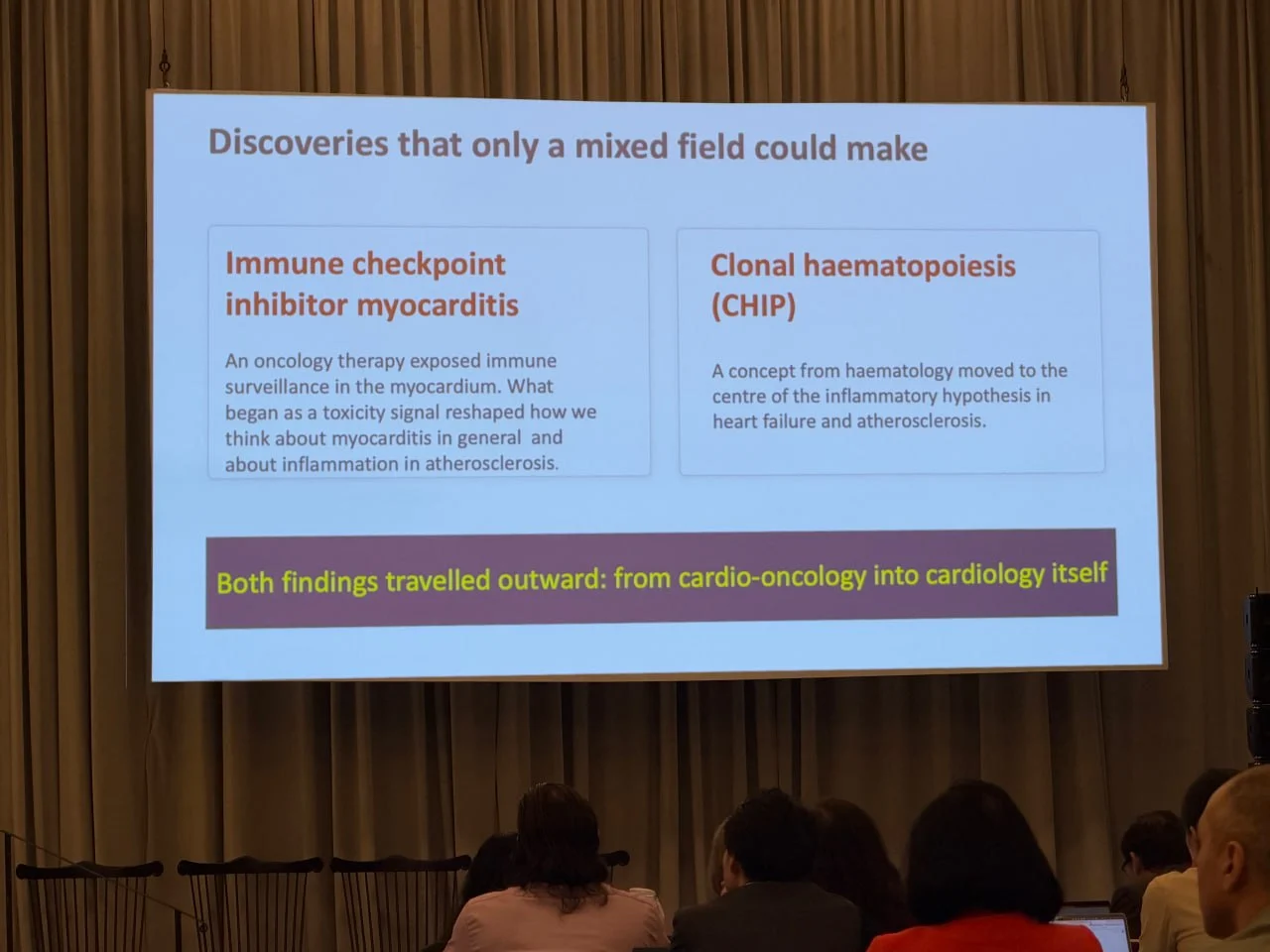
The morning scientific program concluded with Joseph Carver, MD, presenting “Cardio-Oncology Journal Review: The Best Research of 2026.”
The review placed the year’s research in the context of the remarkable growth of cardio-oncology as a scientific discipline. What was once represented by relatively few publications has developed into an international research field with dedicated journals and a rapidly expanding evidence base.
Among the studies discussed were investigations addressing cardiovascular safety across several areas of contemporary cancer therapy.
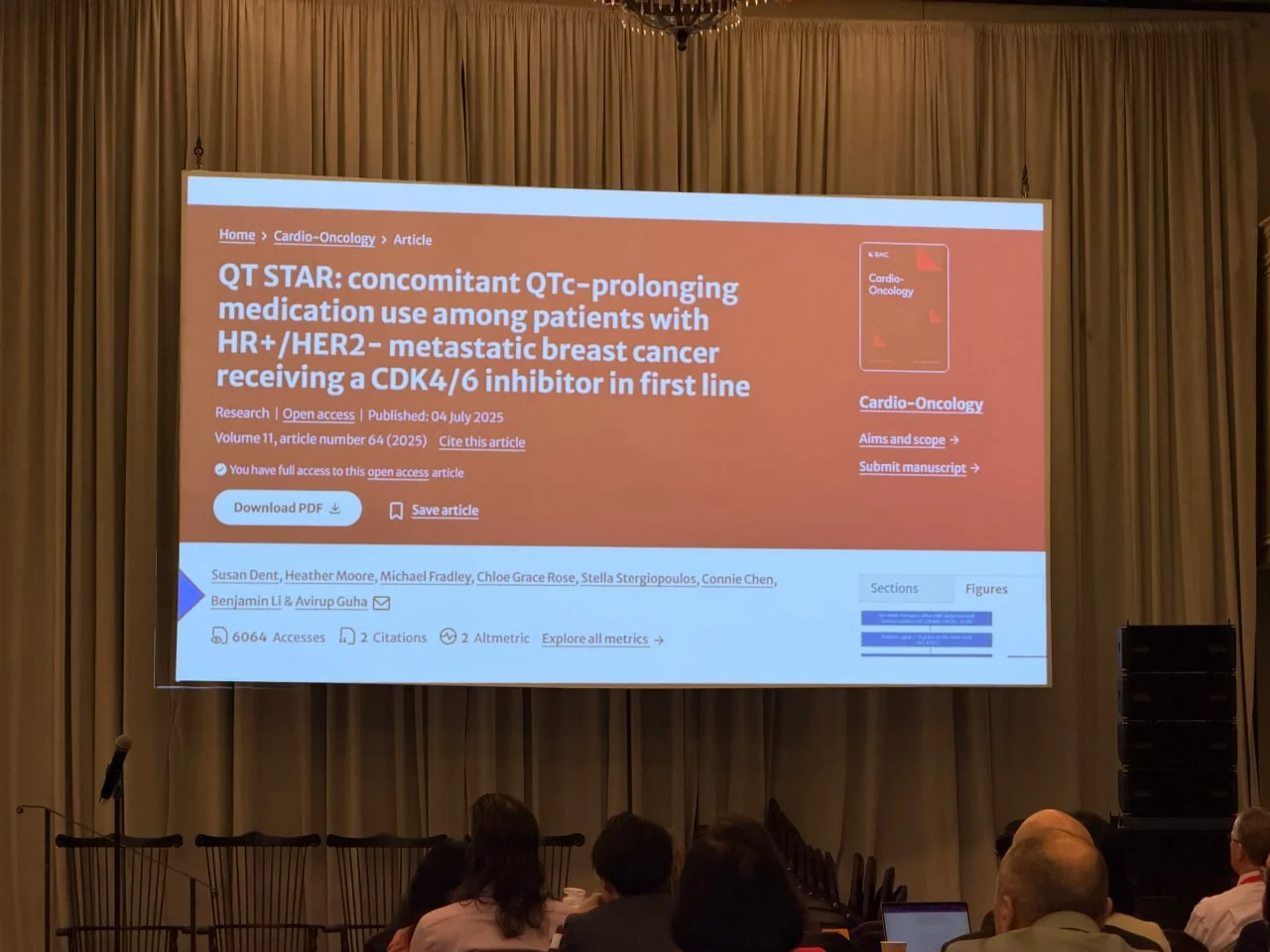
Research involving CDK4/6 inhibitors in breast cancer examined QT-related safety considerations, while other work continued to explore cardiovascular risk associated with cumulative anthracycline exposure.
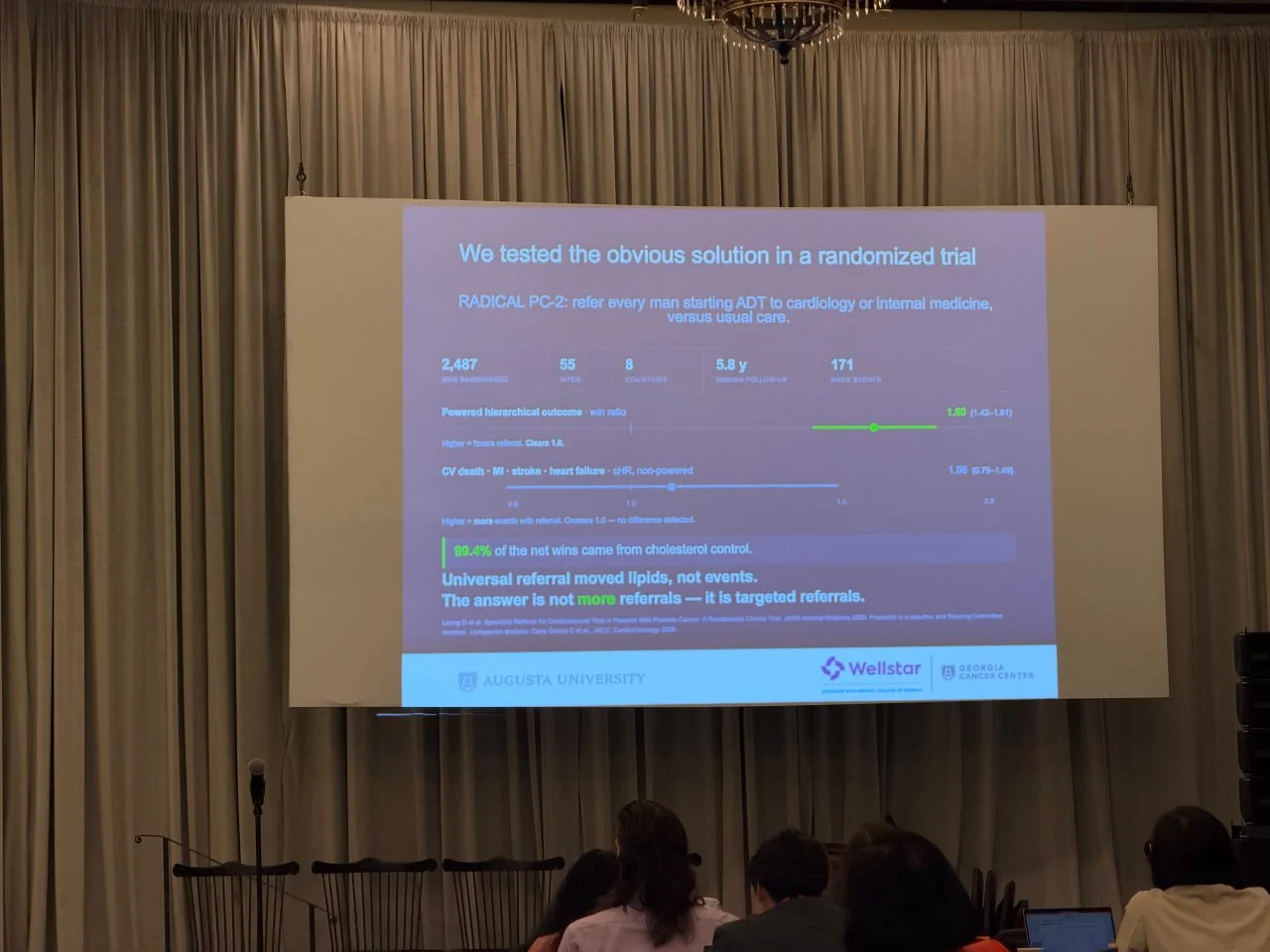
The review also addressed the cardiovascular consequences of androgen deprivation therapy in prostate cancer, including data comparing different therapeutic approaches and their effects on cardiovascular outcomes.
Additional research examined cardiovascular complications associated with modern therapies for hematologic malignancies and studies comparing strategies for identifying and reducing cardiovascular risk among patients receiving anticancer treatment.
Taken together, the selected studies reflected how cardio-oncology research has expanded beyond simply describing cardiotoxicity. The field is increasingly asking how cardiovascular risk can be predicted, how therapies can be compared, which patients require closer surveillance, and how cardiovascular care can be incorporated without compromising effective cancer treatment.
A Morning Focused on What Comes Next
The first half of Day 1 at GCOS 2026 captured a field in transition.
Patient experience and global implementation framed the morning before the scientific program moved into prediction models, multimodal data, AI-enabled ECG and imaging, large language models, and the latest clinical research.
Across these discussions, one message remained consistent: the future of cardio-oncology will depend not only on developing more sophisticated tools, but on proving that they can guide meaningful decisions, fit into clinical practice, and ultimately improve outcomes for people living with and beyond cancer.
More articles like this are available on OncoDaily.