Cancer treatment is becoming more effective, more personalized, and increasingly complex for the heart.
As patients live longer and new therapies reshape oncology, clinicians are facing a growing set of cardiovascular questions: How should cardiotoxicity be predicted? Which patients need closer surveillance? Can cardiovascular complications be prevented before they appear? And how should care continue years after cancer treatment ends?
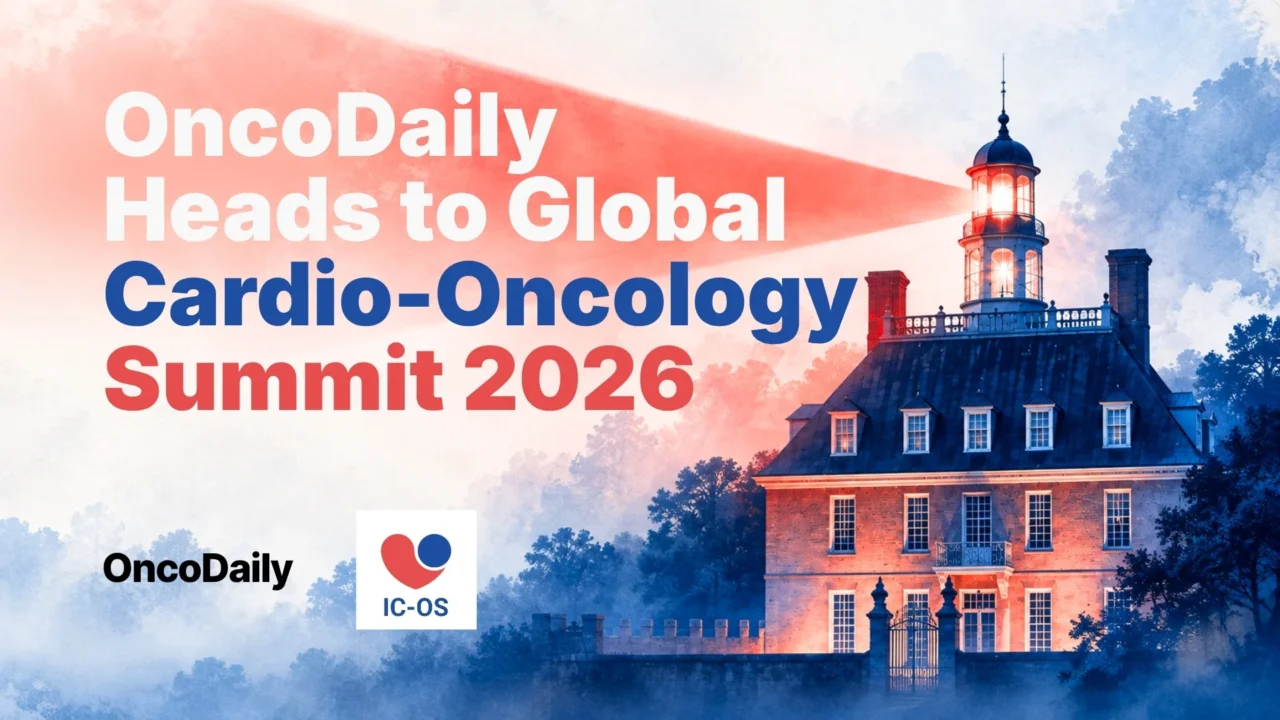
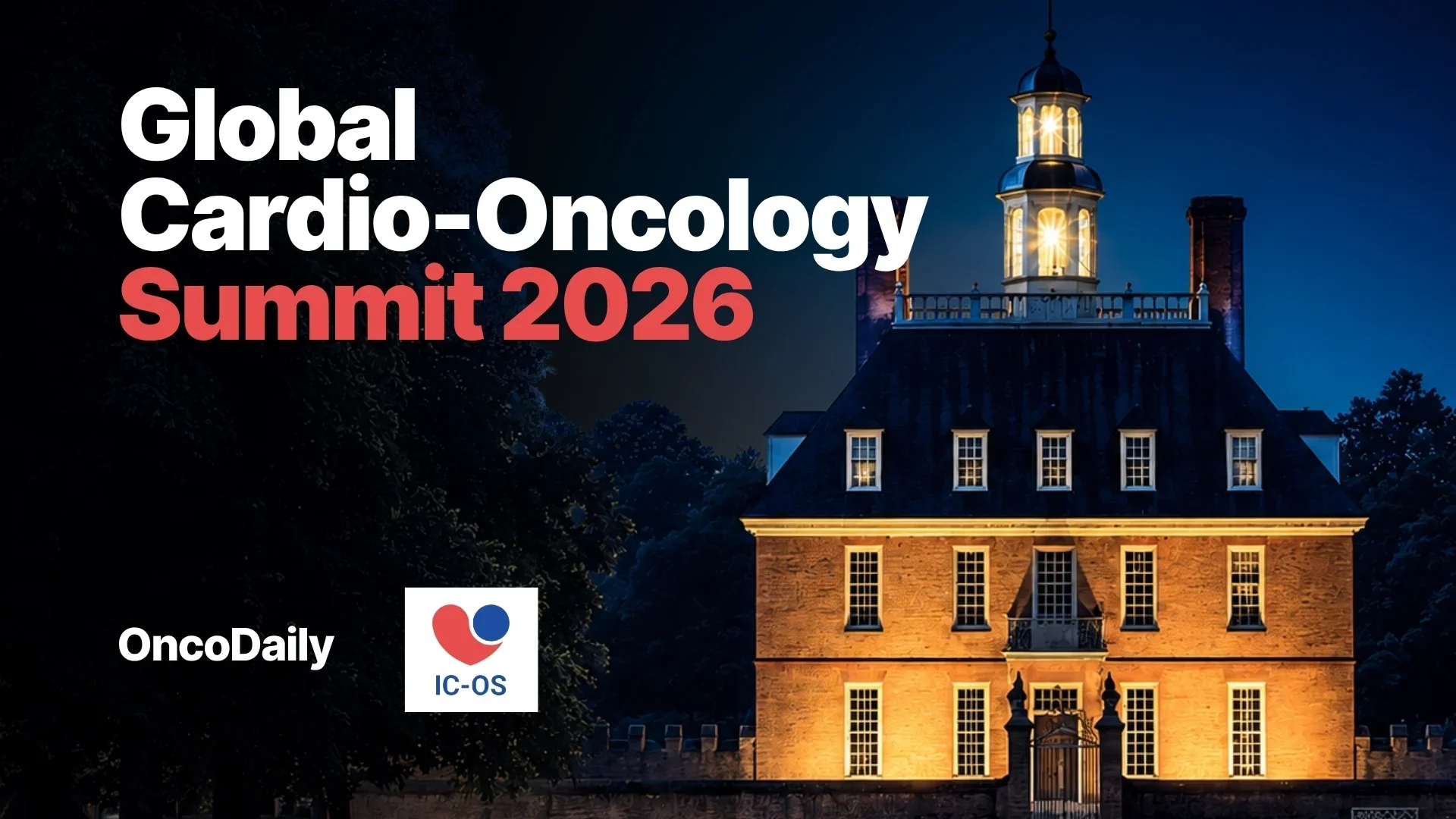
These questions will take center stage at the Global Cardio-Oncology Summit (GC-OS) 2026, taking place October 5–7 in Williamsburg, Virginia.
Organized by the International Cardio-Oncology Society (IC-OS), the summit will bring together experts from oncology, cardiology, hematology, survivorship, nursing and translational research under the theme “Cardio-Oncology Innovation and Implementation for the Future.”
Rather than focusing only on treatment-related cardiac toxicity, GC-OS 2026 looks at the broader future of the field — from AI and new cancer therapies to exercise, survivorship, amyloidosis, cardioprotection and the biological links between cancer and cardiovascular disease.
GC-OS 2026 will be co-chaired by Wendy Bottinor, MD, MSCI, Medical Director of Cardio-Oncology at the VCU Pauley Heart Center, and Fadi N. Salloum, PhD, Senior Associate Dean for Research at the VCU School of Medicine.
The summit is also connected with the Massey Comprehensive Cancer Center and VCU Health Pauley Heart Center.
OncoDaily will be covering GC-OS 2026, bringing readers highlights, expert perspectives, and key discussions from Williamsburg.
Registration is open for GC-OS 2026
Starting With the Patient
One of the most notable features of this year’s program is how the meeting begins.
Before discussions on artificial intelligence, biomarkers, or emerging treatments, GC-OS opens with Patient Perspectives on the Cardio-Oncology Journey, placing lived experience at the center of the scientific program.
The opening day will also feature an ESC–IC-OS Joint Session on Global Cardio-Oncology, examining how the specialty is developing across different regions and healthcare systems.
This global perspective is especially relevant as access to cardio-oncology services, cardiac imaging, surveillance and multidisciplinary care remains uneven worldwide.
AI Enters the Cardio-Oncology Conversation
Artificial intelligence will be one of the forward-looking themes of GC-OS 2026.
Experts will explore how AI could be used for cardiovascular screening, early detection and redesigning clinical care, as well as the possible role of large language models in cardio-oncology.
The session reflects a broader shift in both oncology and cardiology: the challenge is no longer simply generating more patient data, but learning how to use increasingly complex data to support better clinical decisions.
The first day will also feature sessions on cardiac amyloidosis, including evolving approaches to diagnosis and treatment, as well as the Thomas Force Lecture, Young Investigator Award presentations and poster discussions.
At GCOS 2025, the Thomas Force Pioneer Award was given to Dr. Teresa López-Fernández. 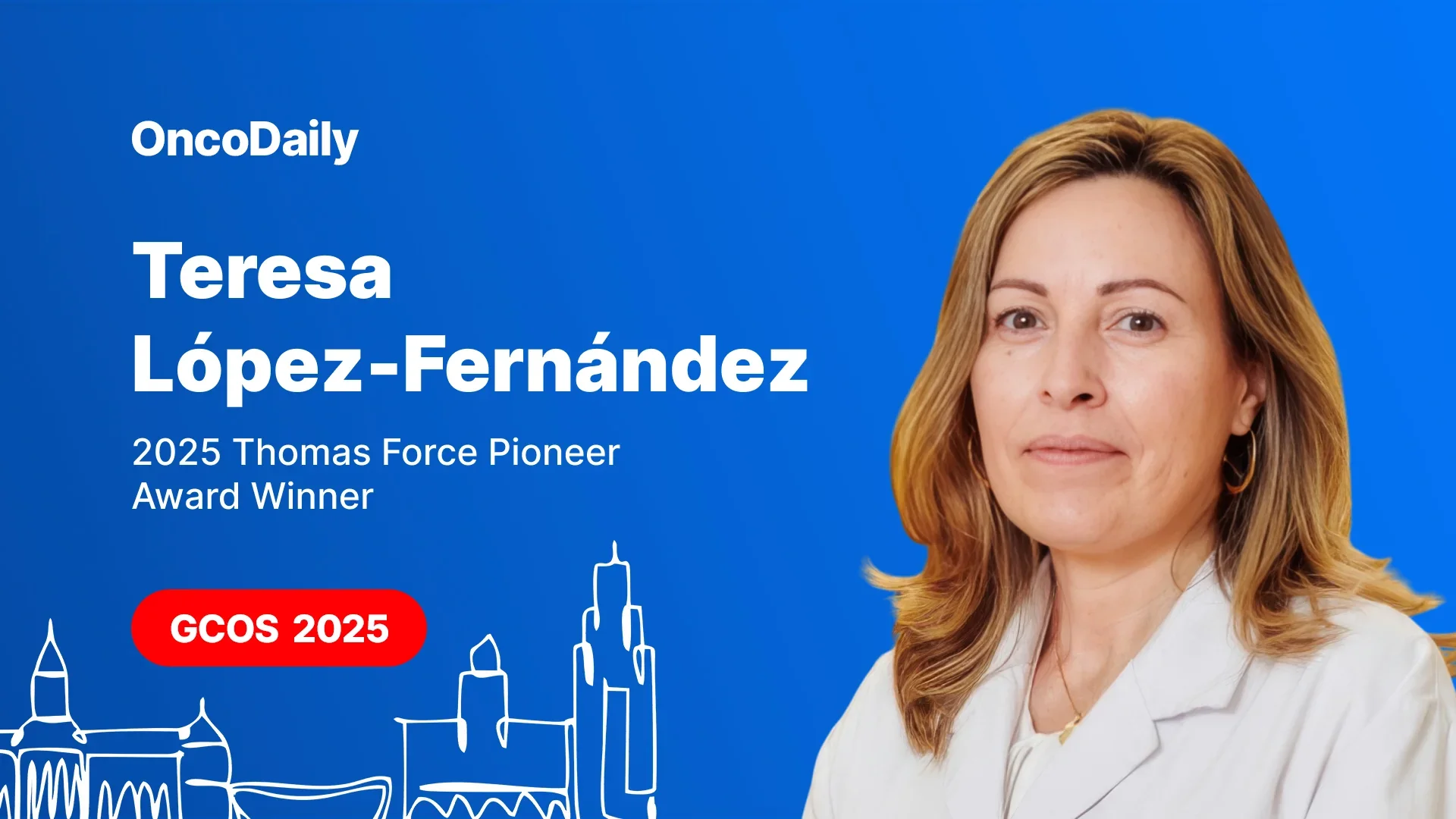
Beyond the Traditional Cardiotoxicity Conversation
A major focus on the second day will be the cardiovascular effects of newer cancer treatments.
The session “Beyond Anthracyclines: Cardiovascular Toxicities with New Generation Cancer Therapies” will examine complications associated with therapies including CAR-T cells, tumor-infiltrating lymphocyte therapy, bispecific T-cell engagers, BTK inhibitors, tyrosine kinase inhibitors and newer breast cancer treatments.
This is particularly relevant for oncology practice.
Cardio-oncology was once closely associated with anthracycline-related cardiac dysfunction. Today, the specialty has expanded alongside cancer treatment itself, requiring clinicians to recognize a much broader spectrum of cardiovascular toxicities.
Exercise, Prevention and Cardioprotection
GC-OS will also look beyond the management of established toxicity.
Sessions on precision exercise and cardio-oncology rehabilitation will examine how physical activity, lifestyle interventions and rehabilitation could help patients maintain cardiovascular health during and after cancer treatment.
Another major discussion will focus on the future of cardioprotection, including emerging and established strategies for identifying cardiovascular risk earlier and preventing complications before they become clinically significant.
Together, these sessions reflect an increasingly preventive approach to cardio-oncology.
What Happens After Cancer Treatment?
Survivorship will be another central theme.
The session “What Happens After You Ring the Bell: Unique Challenges Facing Cancer Survivors” will explore cardiovascular issues that may continue long after active cancer treatment has ended.
Topics include reproductive health and menopause, long-term cardiovascular screening, cardiotoxicity risk prediction and radiation-associated cardiovascular disease.
As cancer survival improves, this question is becoming increasingly important: what does cardiovascular care look like five, ten or twenty years after treatment?
Looking at the Biology Behind the Field
The final day of GC-OS will turn toward basic and translational science.
A dedicated Basic Science Symposium will explore cardiac immunology, immune checkpoint inhibitor-associated myocarditis and the growing evidence that cancer and cardiovascular disease may share important biological pathways.
Sessions will examine inflammation, atherosclerosis, clonal hematopoiesis, heart failure and cancer, as well as sarcopenia, cachexia and mechanisms of anthracycline cardiotoxicity.
This shifts the conversation beyond the idea that cancer therapy simply “damages the heart” and toward a more complex understanding of how the two disease areas may interact.
A Multidisciplinary Meeting
Running alongside the main scientific program will be a dedicated APP Symposium, highlighting the contribution of nurses and advanced practice professionals to cardio-oncology programs, patient navigation, multidisciplinary care and workforce development.
GC-OS will also feature poster presentations, early-career research and networking opportunities, bringing together clinicians and researchers at different stages of their careers.
Follow GC-OS 2026 With OncoDaily
As cancer treatments become increasingly sophisticated and more people live longer after cancer, cardiovascular health is becoming an essential part of modern oncology care.
Over three days, GC-OS 2026 will explore where cardio-oncology is heading next, from AI and new therapies to survivorship, prevention, exercise, and the biology linking cancer with cardiovascular disease.
OncoDaily will be covering the Global Cardio-Oncology Summit 2026. Stay tuned for key highlights, expert insights and important discussions from Williamsburg.
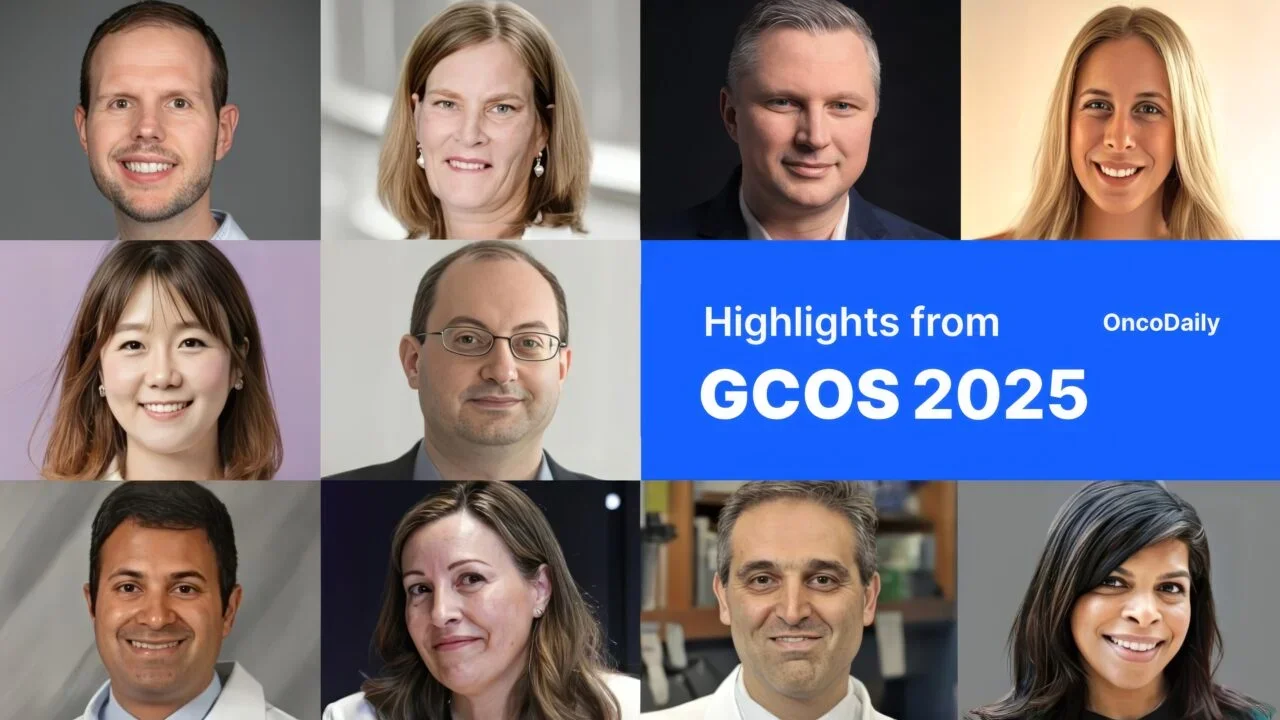
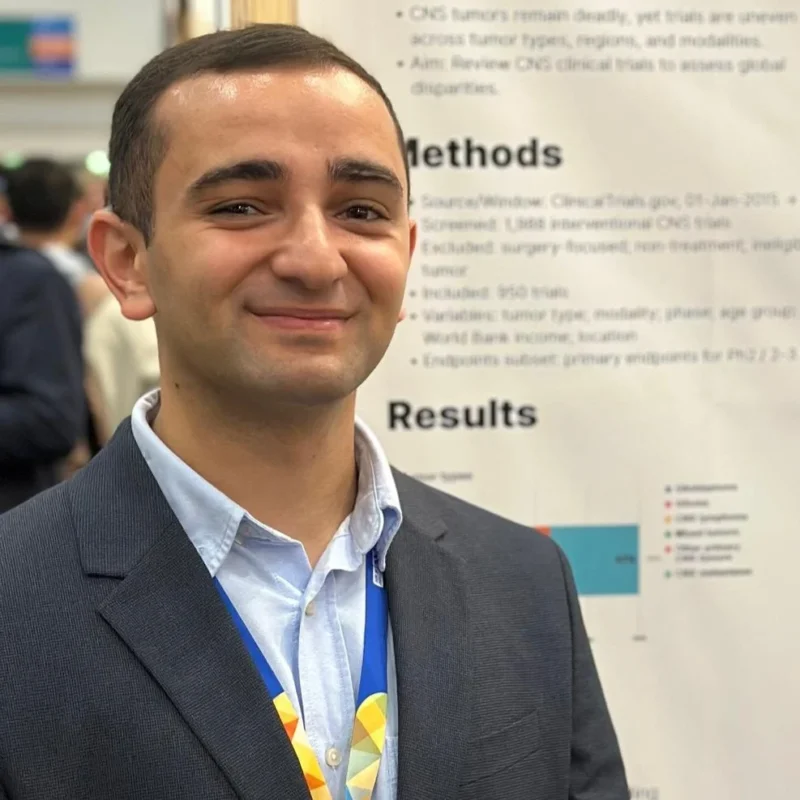
In the meantime, take a look back at the highlights from GC-OS 2025.