The ESMO Congress 2026, held from October 23–27 in Madrid, Spain, brings together the global oncology community for five days of groundbreaking research, clinical updates, and discussions shaping the future of cancer care.
From late-breaking clinical trial results and new treatment strategies to expert perspectives and memorable moments shared across social media, the congress is once again at the center of the oncology conversation.
OncoDaily has gathered 25 posts not to miss from Day 3 of ESMO Congress 2026, highlighting the key scientific updates, expert insights, and conversations that caught the attention of the oncology community.
Here are 25 posts not to miss from ESMO Congress 2026, capturing the latest scientific developments, expert perspectives, and memorable moments shared by the global oncology community
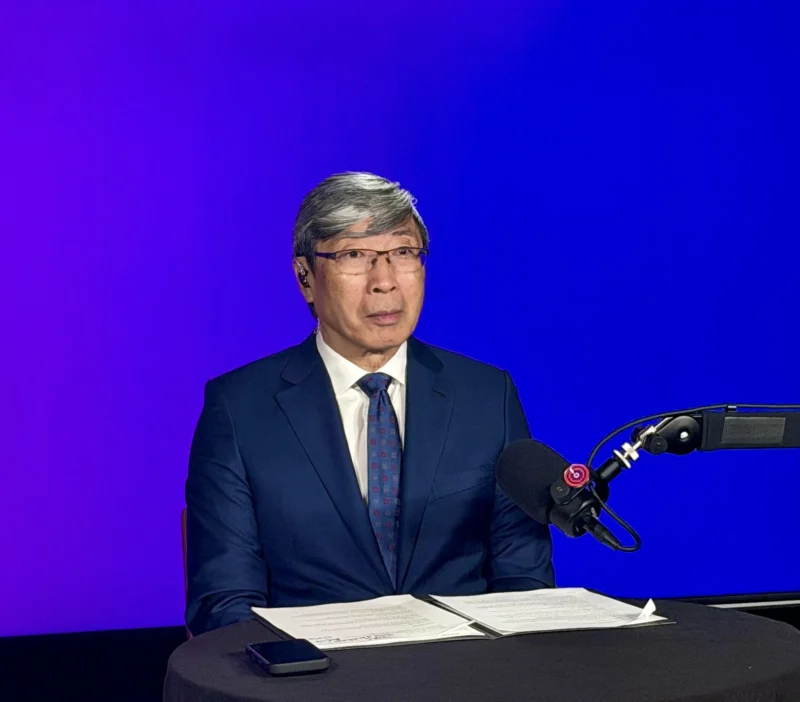
“And we’re off!
Today marks the official launch of the Journal of Breakthroughs in Medicine and Science in Madrid at ESMO.
Incredible editorial board and an exciting day ahead!”
“Big science. Bold discoveries. Better cancer care!
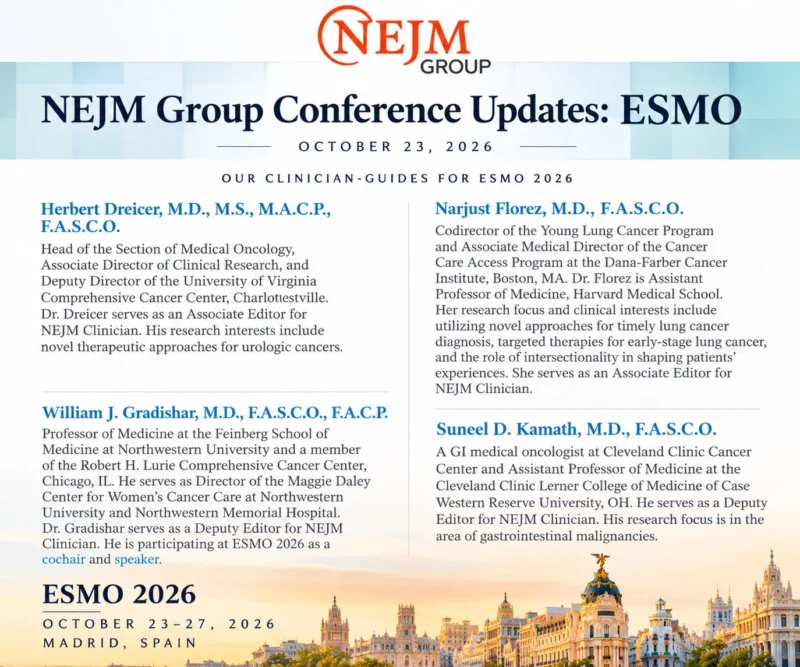
Honored to be one of the NEJM Group Clinician-Guides for ESMO 26!
Excited to join outstanding oncology colleagues to highlight the latest advances in cancer research and translate science into better patient care.”
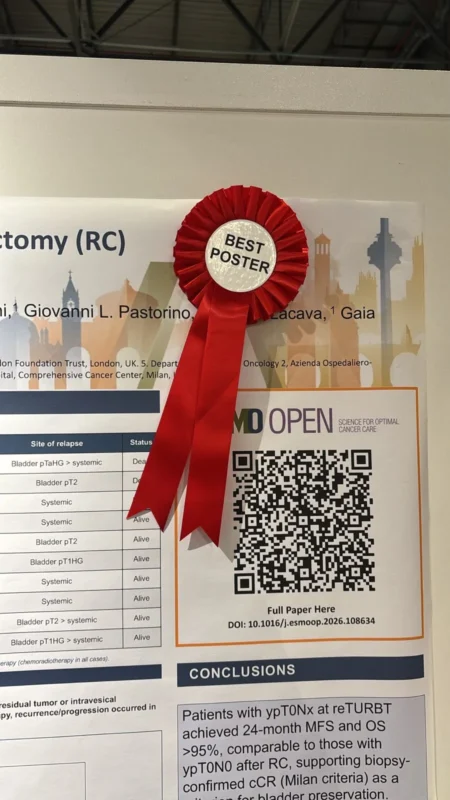
“This further ESMO26 simultaneous publication in ESMO Open is very important for me.
San Raffaele Hospital, Vita-Salute San Raffaele University.
Outcomes of patients with MIBC who decline radical cystectomy (RC) in the perioperative setting.
Take-home message:
1\. cCR (Milan criteria) is a reliable biomarker and indicator of outcomes with systemic therapy and reTURBT.
2\. Patients who do not achieve cCR could have a very poor prognosis under bladder-saving approaches. Intensification with radical cystectomy or chemoradiotherapy is very much needed.
Looking forward to ongoing trials (e.g., EV209, EV309).
Congratulations to the entire team, also receiving the Best Poster award!
Piacentini, Nasso, Serafin et al.
Outcomes of patients with muscle-invasive bladder cancer who declined radical cystectomy in perioperative therapy trials conducted at San Raffaele Comprehensive Cancer Center.”
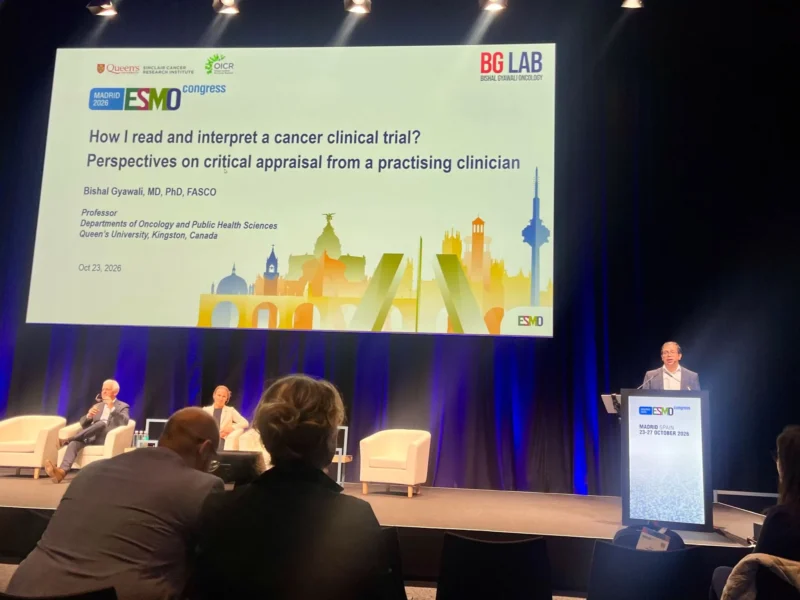
“Thank you ESMO – European Society for Medical Oncology for the kind invitation to talk about how to read and interpret cancer clinical trials.
I believe this is probably the most important skill for any oncologist – or any physician for that matter.
Was very happy to see such an amazing turnout for one of the first sessions of the Congress!”
“Here’s my shortlist – sessions that I’ll attend at this year’s ESMO26 in Madrid.
What are the sessions you’re most looking forward to and would recommend me not to miss?
My Top 3 Picks
1. Liquid biopsies in early drug development
Time: Fri 23 Oct., 16:15–17:00
Location: Malaga, Hall 3
2. Overcoming barriers of access to clinical trials
Time: Sat 24 Oct., 08:30–10:00
Location: Seville, NCC
3. Is HRD the next tumour-agnostic target?
Time: Sat 24 Oct., 14:45–15:30
Location: Pamplona, Hall 5
Friday 23 October
(ESMO 2026, Dat 1 Of 3)
11:30–13:00 | ESMO Presidential address
Location: Alicante, Hall 6
13:30–15:00 | Clinical benefit in a changing trial landscape
Location: Oviedo, Hall 5
16:15–17:00 | Liquid biopsies in early drug development
Location: Malaga, Hall 3
16:15–17:45 | Raising the bar for tumour-agnostic studies
Location: Cordoba, Hall 4
Saturday 24 October
(ESMO 2026, Day 2 Of 3)
08:30–10:00 | AI and real-world data: ESMO frameworks
Location: Oviedo, Hall 5
08:30–10:00 | Overcoming barriers of access to clinical trials
Location: Seville, NCC
10:15–11:45 | Beyond guidelines: Grey zones of oncology practice
Location: Murcia, Hall 3
13:00–14:30 | Access, equity, and reducing inequalities
Location: Seville, NCC
14:45–15:30 | Is HRD the next tumour-agnostic target?
Location: Pamplona, Hall 5
14:45–15:45 | Drugging the undruggables
Location: Santander, Hall 10
Sunday 25 October
(ESMO 2026, Day 3 Of 3)
08:30–10:00 | ctDNA in colorectal cancer: Clinical applications
Location: Burgos, Hall 3
14:45–16:15 | Accessible cancer care for everyone, everywhere
Location: Seville, NCC
16:30–18:15 | Presidential Symposium II
Location: Alicante, Hall 6 ”
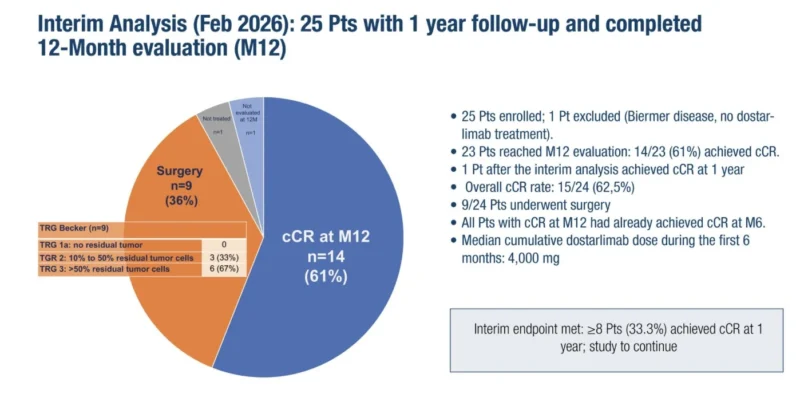
“Phase 2 GERCOR-GONO DEWI study: Organ preservation in dMMR localized GEA.
While not yet practice-changing, this approach shows interesting results and could be an alternative for older patients, those with poor ECOG performance status, or patients with multiple comorbidities at high surgical risk.”
“ESMO 2026 – First Presidential Session: A Historic Moment for ES-SCLC
The audience erupted in applause today following the presentation of the highly impressive Phase 3 DeLLphi-306 trial.
The data demonstrated a remarkable \~2-year difference in Overall Survival (OS) favoring tarlatamab plus durvalumab versus durvalumab alone as maintenance therapy in Extensive-Stage Small Cell Lung Cancer (ES-SCLC).
This massive survival benefit was observed after an induction phase of 4 cycles of durvalumab plus platinum-etoposide therapy.
Why this is a game-changer:
For decades, ES-SCLC has been a devastating disease with very limited long-term survival options. Seeing such a substantial OS benefit in the maintenance setting with a novel therapeutic combination (tarlatamab, a DLL3-targeting BiTE, combined with an IO) is truly practice-changing.
It is no wonder the room gave a standing ovation!
For my thoracic oncology colleagues: How soon do you think this maintenance strategy will be integrated into our standard protocols? Are we ready for the toxicity management of BiTE therapies in the maintenance setting?
Let’s discuss in the comments!”
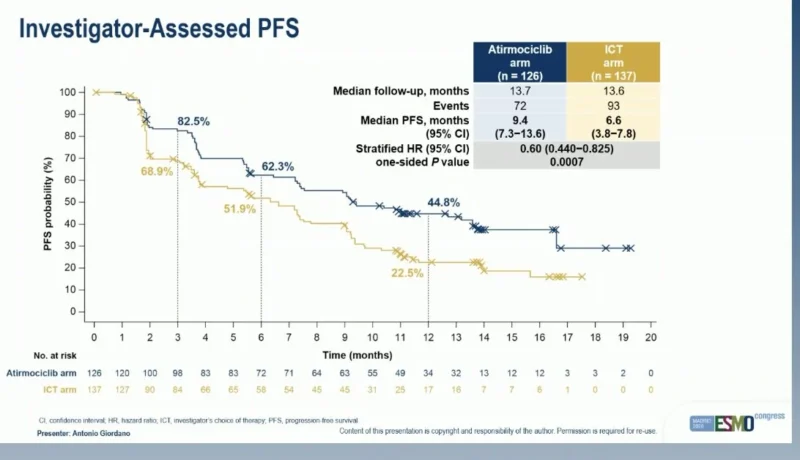
“FOURLIGHT-1 beautifully presented by Antonio Giordano.
Fulvestrant + atirmociclib (CDK4i) vs fulvestrant or exemestane + everolimus.
All patients had prior CDK4/6i.
PFS: 9.9 vs 6.6 months (HR 0.60; p=0.0007).”
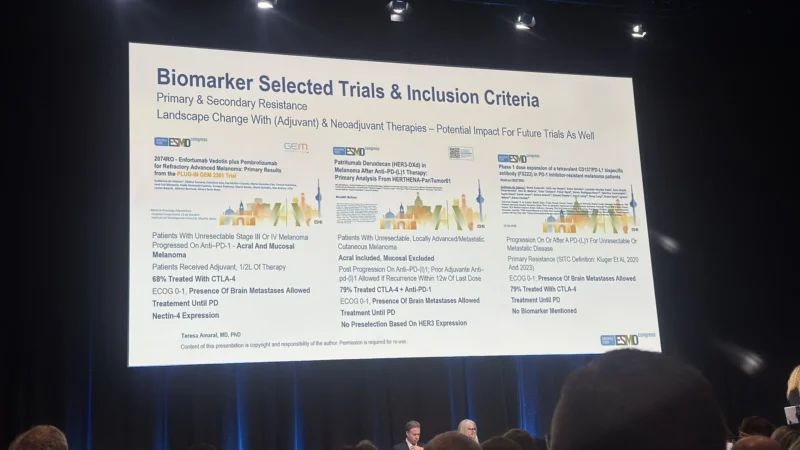
“Brilliant discussion by Teresa Amaral (the BEST!!!!!!) at ESMO26 on the evolving post–PD-1 melanoma landscape.
Three very different strategies, remarkably similar signals:
EV + pembrolizumab: ORR 32%
HER3-DXd: ORR 21%
FS222: ORR 36%
But the real message: ORR 30% is no longer enough!
We need smarter trial populations, earlier referral, meaningful biomarkers, and better representation of acral/mucosal melanoma.”
“When I began working in oncology in 2005, I quickly realized that I did not want to focus solely on clinical practice.
I also wanted to engage in science and clinical research. The following year, in 2006, I published my first paper in the local journal ‘Medicina danas’ (‘Medicine Today’).
Since then, numerous publications have followed in various – often highly regarded – journals.
However, my goal and dream was to participate in research that would change clinical practice, lead to higher cure rates, and be published in The New England Journal of Medicine.
The VOLGA trial – a study whose results will lead to more patients being cured of bladder cancer – was presented yesterday during the ESMO Presidential Symposium and published in The New England Journal of Medicine.
In this way, I have fulfilled one of my major goals and dreams. Thank you Enrique Grande, Thomas Powles and AstraZeneca for great work and wonderful opportunity.”
“ESMO 2026: ACTICCA-1
Can adjuvant GemCis improve outcomes after curative-intent resection of BTC?
Key results:
2-year DFS: 52% vs 44% (HR 0.82; p=0.058)
DFS: 23.3 vs 20.6 months
OS: 58.1 vs 48.2 months (HR 0.82; p=0.103)
Neither DFS nor OS reached statistical significance.”
“ESMO 2026: It’s an ADC world and we are just living in it.
The next challenge for ADCs should be head-to-head trials.
The latest data in HER2-low metastatic breast cancer are impressive. But they also raise a fundamental question: are we demonstrating the superiority of new ADC designs, or simply confirming the efficacy of the ADC class?
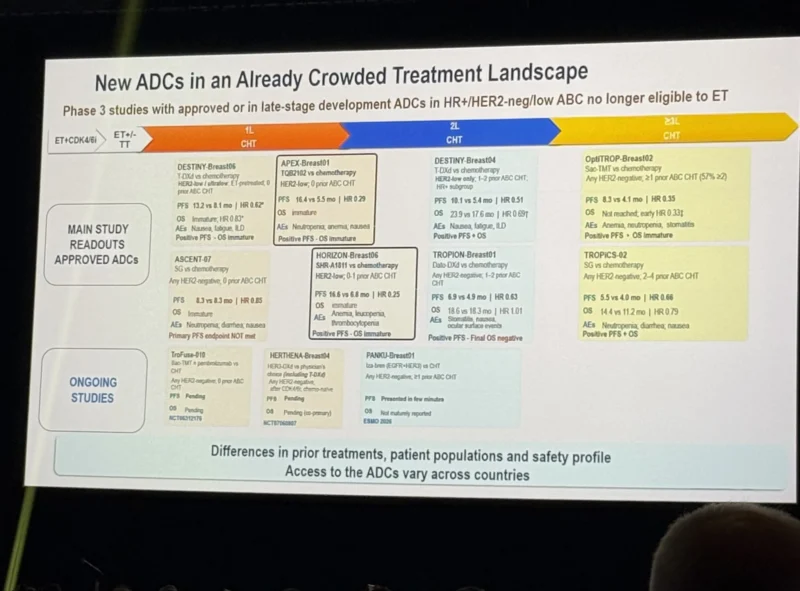
APEX-Breast01: TQB2102 versus chemotherapy
TQB2102 is an investigational biparatopic HER2-targeting ADC that binds ECD2 and ECD4 and delivers a topoisomerase I inhibitor payload (DAR ~6).
In HR+/HER2-low metastatic breast cancer, among patients with no prior chemotherapy for metastatic disease (a DB06-like patient population), the results were encouraging:
Median PFS: 16.4 vs 5.5 months (BIRC; HR 0.29)
ORR: 66.7% vs 31.3%
Overall survival: HR 0.44 in the reported analysis
Yet, there was no trastuzumab deruxtecan (T-DXd) arm. The biparatopic design is the scientific claim. Yet this trial cannot establish whether targeting two HER2 epitopes offers an advantage over an established HER2-directed ADC.
HORIZON-Breast06: Trastuzumab rezetecan versus chemotherapy
HORIZON-Breast06 adds to the growing evidence of ADC activity in HER2-low disease. In the chemotherapy-naïve subgroup, median PFS was 16.6 vs 6.8 months (HR 0.25), with benefit reported across HR-positive and HR-negative subgroups. Neutropenia was an important adverse event.
Again, these results demonstrate activity against chemotherapy, but they do not establish superiority over other ADCs. Cross-trial comparisons cannot reliably determine which ADC is better.
So, what have we actually learned?
HER2-low breast cancer can respond to a HER2-directed antibody carrying a topoisomerase I inhibitor payload, even at levels of HER2 expression below the traditional threshold for HER2-positive disease. That is important biology and a meaningful therapeutic advance.
But it is not proof that biparatopic targeting is clinically superior, nor does it tell us which ADC should be preferred.
As the ADC landscape becomes increasingly crowded, how do we determine the optimal sequencing of treatments when access, availability and approved indications vary considerably across countries?
It is time to challenge the field to conduct randomized, head-to-head trials comparing emerging ADCs with established ADCs in appropriate patient populations.
We need trials that assess not only efficacy, but also superiority, safety, quality of life and treatment burden.
Patients deserve to be randomized against a clinically relevant, recognized standard of care. And when an established ADC is the relevant standard, we should ask whether a new ADC offers a genuine improvement, not simply whether it outperforms chemotherapy.
The next phase of ADC development should be about more than demonstrating activity. It should be about demonstrating comparative value.”
Mark Wildgust:
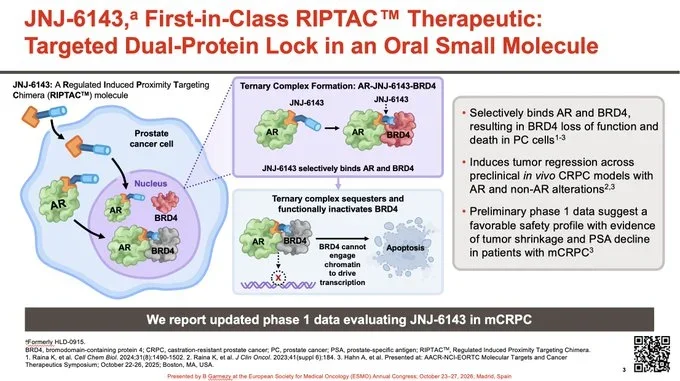
“A targeted dual-protein lock. A completely new way of thinking about cancer therapy.
JNJ6143 is a first-in-class RIPTAC™ oral small molecule designed to selectively bring together two proteins – AR and BRD4 – inside prostate cancer cells, creating a ternary complex that disrupts cancer-driving biology and triggers tumor cell death.
Benjamin Garmezy showcased this at ESMO2026 today and it has been the talk of the meeting!”
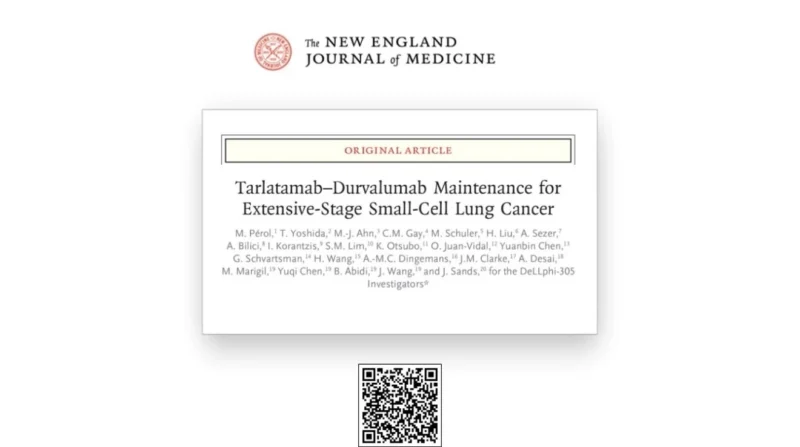
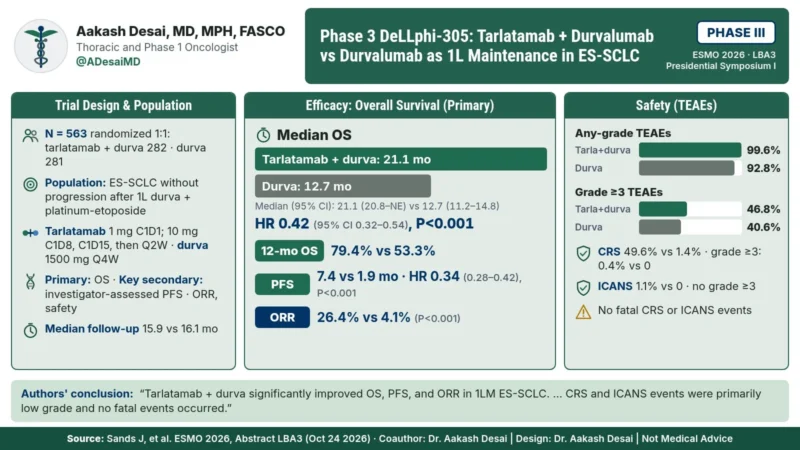
“Proud to share that the primary analysis of the phase 3 DeLLphi-305 trial was presented today at ESMO2026 in Madrid by Dr. Jacob Sands and simultaneously published in The New England Journal of Medicine.
DeLLphi-305 evaluated tarlatamab plus durvalumab versus durvalumab alone as first-line maintenance therapy in extensive-stage small cell lung cancer, a disease where our patients urgently need better options.
It is a true honor and a great joy to be part of the author group of this study, alongside such an outstanding international team of investigators. Above all, my gratitude goes to the patients and families who took part.
I would also like to thank the Greek thoracic oncology community, which keeps making remarkable strides on the global stage, with a stronger presence at international congresses every single year.
A heartfelt thank you to the clinical trials team of the 4th Oncology Department at the Interbalkan European Medical Center for their dedication and hard work behind every enrolled patient.
And most of all, to my wife and co-PI, Dr. Eleni Zairi. Without her hard work, none of this would have been possible.”
Aakash Desai, MD, MBA, MPH, FASCO:
“DeLLphi-305 primary analysis, ESMO 2026 Presidential Symposium I (Abstract LBA3).
Tarlatamab plus durvalumab vs durvalumab alone as first-line maintenance for extensive-stage small cell lung cancer, after first-line durvalumab + platinum-etoposide without progression. 563 patients, randomized 1:1.
What the abstract reports (median follow-up 15.9 vs 16.1 months):
Overall survival (primary): median 21.1 vs 12.7 months; HR 0.42 (95% CI 0.32–0.54); P<0.001
12-month OS: 79.4% vs 53.3%
PFS (investigator-assessed): median 7.4 vs 1.9 months; HR 0.34 (95% CI 0.28–0.42); P<0.001
ORR: 26.4% vs 4.1%
Grade ≥3 treatment-emergent AEs: 46.8% vs 40.6%
CRS 49.6% (grade ≥3: 0.4%) and ICANS 1.1% (no grade ≥3) with tarlatamab + durvalumab; no fatal CRS or ICANS events.
The authors conclude these results ‘establish tarlatamab + durva as a new standard of care 1LM therapy for ES-SCLC.’ Jacob Sands presents Saturday, Oct 24, 17:18 CEST.
Open question for my colleagues: which of your patients (if not all!) would you start on tarlatamab maintenance, and what do you need in place locally (monitoring after the first doses, CRS management) to make it happen?
It has been amazing to be part of this practice-changing study and to contribute as a member of the global steering committee with the Amgen team!
Grateful to the patients, families and investigators who made it possible.
Source: Sands J, et al. ESMO 2026, Abstract LBA3.
Amgen, AstraZeneca, ESMO, Jacob Sands.”
“I didn’t get a chance to ask for your permission, Georgina Long, but I thought that those who couldn’t attend your presentation on INTerpath-001 at ESMO might like to see how you started your talk.
Thanks to all teams across the 157 participating centers!”
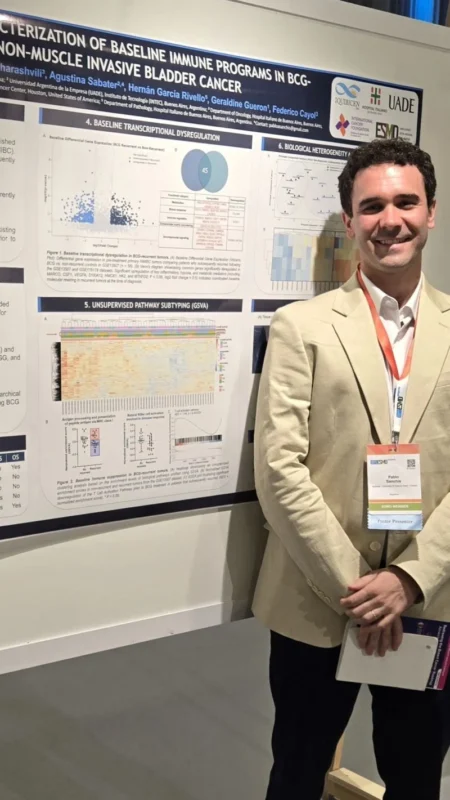
“Honored to share my work on baseline immune programs and BCG resistance in non-muscle-invasive bladder cancer (NMIBC) at ESMO2026 in Madrid!
As a non-physician researcher, attending ESMO – European Society for Medical Oncology for the first time is a valuable opportunity to exchange perspectives with healthcare professionals and industry representatives, and to explore how translational research can better address clinical needs.
Many thanks to the entire team behind this work and to the International Cancer Foundation (ICF) for supporting this presentation!”
“What should we watch in Melanoma at ESMO26?
As the congress opens in Madrid, my watchlist focuses on individualized vaccination, neoadjuvant treatment, first-line combinations and ADCs after PD-1 therapy.
LBA1 | INTerpath-001
Saturday 24 October, 16:30–16:42
Phase III evidence for individualized vaccination in resected melanoma. Among 1,137 patients, intismeran autogene + pembrolizumab improved 24-month RFS to 82.2% vs 70.0% (HR 0.58) and DMFS to 88.5% vs 80.2% (HR 0.62).
12.2-percentage-point absolute RFS difference. Median follow-up is 24.6 months; OS is not reported. Longer follow-up and delivery of individualized manufacturing will help define its clinical impact.
2071O | STARBOARD
Friday 23 October, 16:15–16:25
Encorafenib + binimetinib + pembrolizumab in first-line BRAF V600-mutant melanoma: ORR 70.0% vs 32.7% and median PFS 33.0 vs 3.4 months compared with pembrolizumab alone.
A substantial efficacy signal, with grade 3/4 TEAEs in 70% vs 39%. Control-arm performance, relevance to dual-checkpoint therapy and treatment sequencing (not compared in the study) need discussion.
2076RO | NADINA 3-Year Follow-Up
Sunday 25 October, 11:14–11:19
Three-year EFS of 72.9% vs 50.0% and DMFS of 75.3% vs 57.4%, favoring neoadjuvant ipilimumab/nivolumab with response-adapted care over surgery followed by adjuvant nivolumab.
Sustained separation at three years, clinically important.
LBA54 | HBI-8000-303
Friday 23 October, 16:25–16:35
In 404 patients with unresectable or metastatic, PD-(L)1-naïve melanoma, adding HBI-8000 to nivolumab improved median PFS from 7.4 to 11.7 months: HR 0.73 (96% CI 0.56–0.95).
Benefit comes with additional toxicity: treatment-related adverse events led to discontinuation in 14% vs 5%. OS remains immature.
ADCs After PD-1 Therapy
Sunday 25 October
10:15–10:20 | 2073RO: HER3-DXd
Confirmed responses in 9/42 patients (21%), investigator median DOR 8.0 months and grade ≥3 TRAEs 57%.
10:20–10:25 | 2074RO: Enfortumab vedotin + pembrolizumab
60 patients enrolled, 53 evaluable; confirmed ORR 17%. Grade 3/4 toxicities occurred in 23.3%.
Interesting clinical signals in a setting with substantial unmet need.
TIL and TCR-T in my separate cell-therapy watchlist shortly.
As an ESMO26 Social Media Ambassador, I look forward to the presentations and discussion.”