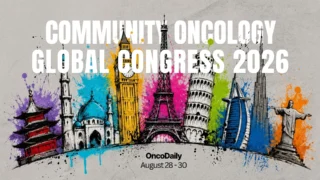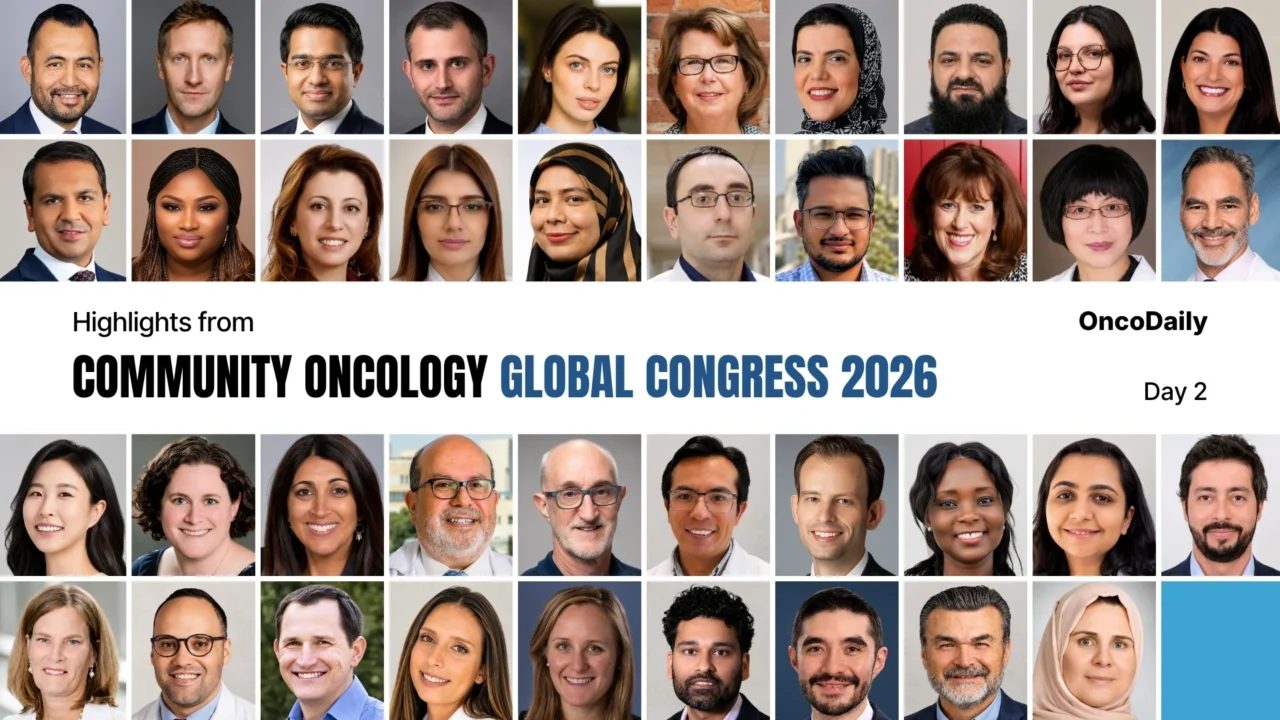
Day 2 of the programme, held on Saturday, August 29, 2026, brought together specialists from across the world to examine how modern cancer care can be delivered effectively in community settings.
The sessions addressed disease-specific treatment, multidisciplinary collaboration, digital care, clinical research, care for older adults, emerging technologies, and the practical implementation of clinical guidelines.
Modern Systemic Therapy Across Genitourinary Malignancies
The day opened with “Genitourinary Cancers in Community Practice: Modern Systemic Therapy Across GU Malignancies,” chaired by Hasan Dogo.
Jose W. Avitia presented “Modern Prostate Cancer Care in Community Practice,” addressing the application of contemporary prostate cancer management outside large academic centres.
The programme continued with Ilya Tsimafeyeu, who delivered “Bladder Cancer: Integrating ADCs, Immunotherapy and Targeted Therapy.” His presentation focused on the expanding range of systemic treatment options in bladder cancer and their integration into community oncology practice.
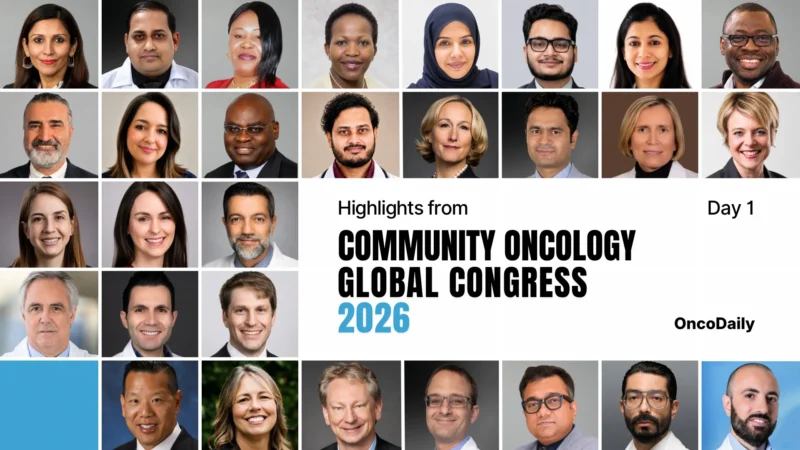
Highlights From Community Oncology Global Congress 2026, Day 1
Building Multidisciplinary Teams That Work
The following session, “Multidisciplinary Decision-Making in Community Oncology: Building Effective Teams,” was chaired by Abena Yeboah Aduse-Poku.
In addition to moderating the discussion, Abena Yeboah Aduse-Poku presented “Building Effective Multidisciplinary Teams in Community Oncology,” examining the structures required for coordinated and collaborative cancer care.
Debanjan Kundu discussed “Digital Innovation and Regional Networks for Multidisciplinary Care,” focusing on how digital systems and regional partnerships can strengthen communication between professionals and improve access to specialist expertise.
Jesse Lopes Da Silva addressed the importance of diverse teams in both clinical research and oncology care delivery. The presentation examined diversity as a strategy for increasing the representation of minoritized populations in cancer research while improving the quality, equity, and cultural responsiveness of cancer care.
Kseniia Bolharina presented “The oncoHUB Ecosystem: Building a Multidisciplinary Oncology Community and Empowering Young Leaders in Ukraine,” introducing an approach centred on professional collaboration, community development, and the involvement of the next generation of oncology leaders.
Janet Abrahm joined the session as an additional panellist, contributing to the multidisciplinary discussion.
Precision and Collaboration in Hepatobiliary, Pancreatic and Neuroendocrine Cancers
Chaired by Martina Carullo, the session on hepatobiliary, pancreatic and neuroendocrine cancers in community oncology examined both modern systemic treatment and the organisation of specialised care.
Noha Rashad presented “Precision Oncology in Hepatobiliary and Pancreatic Cancers,” addressing the role of increasingly individualised treatment strategies in these complex malignancies.
Josué Jonathan Bravo Espinoza discussed “Modern Systemic Therapy Across Hepatobiliary, Pancreatic and Neuroendocrine Cancers,” reviewing the evolving therapeutic approaches across this diverse group of diseases.
The programme also addressed the development of multidisciplinary care and referral networks around minimal-access pancreatic surgery, recognising the importance of coordination between community services and specialised surgical centres.
Biomarkers and Modern Treatment in Gastrointestinal Oncology
The session “Colorectal and Upper GI Cancers in Community Oncology: Biomarker-Guided Treatment and Modern Systemic Therapy” was chaired by Josué Jonathan Bravo Espinoza.
Jeanine Frances Ewing presented “Essential Biomarker Testing in Colorectal and Upper GI Cancers,” focusing on the molecular information needed to guide treatment selection in contemporary gastrointestinal oncology.
Martina Carullo followed with “Modern Systemic Therapy for Colorectal and Upper GI Cancers,” addressing current therapeutic approaches across different stages and clinical settings.
Darshil Shah presented “Building Multidisciplinary Care for Upper and Lower GI Cancers,” highlighting the importance of cooperation among medical oncologists, surgeons, radiation oncologists, pathologists, radiologists, and other members of the care team.
Noha Rashad contributed a gastrointestinal oncology and low- and middle-income country clinical perspective, bringing attention to the practical realities of delivering biomarker-guided and multidisciplinary care in settings with different levels of resources.
Sequencing and Access in Breast Cancer Care
Breast cancer was the focus of the next session, “Breast Cancer in Community Oncology: Optimising Endocrine Therapy, CDK4/6 Inhibitors and ADCs,” chaired by Wajeeha Aiman.
Houda Belfkih discussed “Biomarker-Guided Breast Cancer Care in Community Practice,” addressing the use of tumour characteristics and molecular findings to support treatment decisions.
Sana Al-Sukhun presented on “Breast Cancer Priorities in Limited-Resource Settings,” drawing attention to the clinical decisions and health system priorities that shape care when resources are constrained.
Karez Sarbast Namiq and Jeanine Frances Ewing joined the session as additional panellists.
Biomarker Testing at the Centre of Community Lung Cancer Care
The lung cancer session, “Lung Cancer in Community Oncology: Optimising Biomarker Testing, Targeted Therapy and Immunotherapy,” concentrated on one of the most important requirements of modern thoracic oncology: timely and comprehensive molecular testing.
Pranshu Bansal presented “Optimising Biomarker Testing in Community Lung Cancer Care.” Drawing on expertise in molecular testing and targeted therapy, the presentation addressed the practical integration of biomarker assessment into community-based lung cancer management.
Cardio-Oncology as an Essential Part of Cancer Care
A dedicated International Cardio-Oncology Society (ICOS) session brought cardio-oncology into the Day 2 programme. The session reflected the growing importance of cardiovascular assessment, prevention, and management throughout the cancer treatment pathway.
By including cardio-oncology within a community-focused programme, the discussion recognised the need for close collaboration between oncology and cardiovascular teams as cancer treatments become more complex and survivorship continues to improve.
Extending Care Beyond the Clinic
Digital care delivery took centre stage in the standalone lecture “Remote Monitoring, ePROs and Telehealth: What Has Truly Changed Community Oncology?”
Ruiling Yuan presented “Remote Monitoring and ePROs: Improving Patient Outcomes Beyond the Clinic.” The lecture considered how remote monitoring and electronic patient-reported outcomes can support symptom assessment, treatment follow-up, and communication with patients between in-person visits.
Opening Community Oncology to Clinical Research
The session “Clinical Research in Community Oncology: Expanding Access to Innovation” was chaired by Adedayo Joseph and examined how research opportunities can be brought closer to patients receiving care outside major academic institutions.
Gustavo Fonseca presented “Building a Clinical Research Programme in Community Oncology,” addressing the practical foundations required to establish and sustain research activity in community settings.
Adedayo Joseph also delivered “The Research Team: Building Capacity Beyond the Investigator,” focusing on the wider group of professionals needed to conduct high-quality clinical research.
Jose W. Avitia contributed perspectives on rural and community trial access, as well as disease-specialised research. His contribution highlighted the importance of designing research pathways that are accessible to patients regardless of geography.
Jack O. Hensold joined the discussion as an additional panellist.
Personalising Treatment for Older Adults
The care of older patients was examined during “Older Adults in Community Oncology: Personalising Cancer Care Beyond Chronological Age,” chaired by Houda Belfkih.
Esther G. Chong presented “Comprehensive Geriatric Assessment in Community Oncology,” addressing the evaluation of functional status, comorbidities, cognition, nutrition, social circumstances, and other factors that may influence treatment decisions.
Viviane Primo Basílio de Souza discussed “Personalising Systemic Therapy for Older Adults,” focusing on the need to adapt cancer treatment to the individual rather than relying on chronological age alone.
Janet Abrahm presented “The Role of Supportive Oncology in Multidisciplinary Care for Older Adults with Cancer,” highlighting the value of symptom management and supportive care within the broader oncology pathway.
Clinical Decision Support, Data Governance and Workflow Transformation
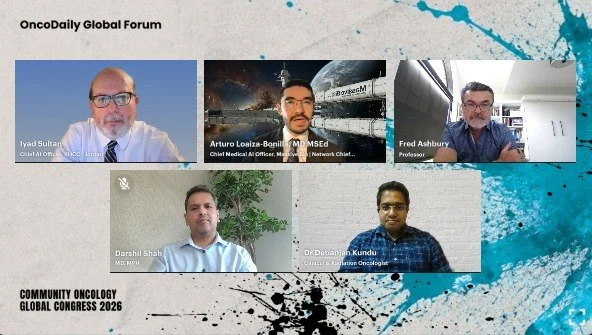
The session “AI in Community Oncology: From Clinical Decision Support to Workflow Transformation” was chaired by Arturo Loaiza-Bonilla and examined how new technologies can be introduced into clinical practice responsibly.
Fredrick Dale Ashbury presented “AI as a Clinical Decision Support Tool in Community Oncology,” considering how technology may support clinicians during complex decision-making.
Vinona Bhatia delivered “AI in Community Oncology: A Diligence Framework for Clinical Decision Support and Workflow Tools,” focusing on the evaluation of digital systems before their adoption in clinical environments.
Iyad Sultan presented “Building Trust in AI: Medical Data, Validation and Clinical Governance,” addressing the safeguards required to establish confidence in technology-supported care.
Debanjan Kundu contributed a perspective on AI and radiomics in high-volume public-sector oncology, while Darshil Shah addressed patient-controlled data and the patient perspective.
Bringing Advanced Haematology Therapies Into Community Practice
The evening programme continued with “Haematologic Malignancies in Community Practice: Referral, Co-Management and Modern Therapies,” chaired by Marc Braunstein.
Marc Braunstein presented “Modern Systemic Therapy for Haematologic Malignancies in Community Practice,” examining the delivery of contemporary treatment within community-based services.
Wajeeha Aiman discussed “Building Effective Referral and Shared-Care Models for Advanced Haematology Therapies,” focusing on collaboration between community practices and specialist centres.
Astha Thakkar presented on starting bispecific antibody therapy in the community setting, addressing the practical introduction of an increasingly important treatment approach.
Turning Clinical Guidelines Into Everyday Practice
The final scientific session, “Clinical Guidelines in Community Oncology: Bridging Evidence and Real-World Practice,” examined how recommendations can be translated into care across different clinical environments.
Otávio De Carvalho Modaffar Al-alam presented “From Evidence to Practice: Implementing Clinical Guidelines in Community Oncology,” focusing on the process of converting evidence-based recommendations into practical clinical decisions.
Jack O. Hensold delivered “Tele-Oncology, Decentralized Trials, and Team-Based Care: Making Breast Cancer Guidelines Work in Rural Settings.” The presentation addressed how remote care, decentralised research, and coordinated teams can support guideline-based treatment in geographically isolated communities.
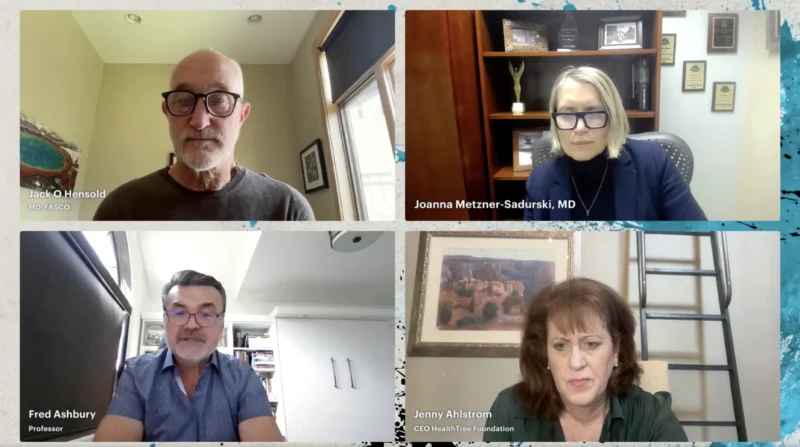
Fredrick Dale Ashbury participated as an additional panellist.
Closing a Day Centred on Practical Cancer Care
The programme concluded with a summary of Day 2’s practical takeaways and a reflection on the role of community oncology in delivering evidence-based, patient-centred cancer care across diverse settings. Congress co-chair Felipe Roitberg was listed as the proposed speaker for the closing remarks.
Across disease-specific discussions and broader questions of research, technology, teamwork, and access, Day 2 placed community oncology at the centre of modern cancer care.
The programme demonstrated that progress depends not only on new treatments, but also on the systems, professionals, and partnerships required to bring those treatments to every patient who may benefit.
More articles like this are available on OncoDaily