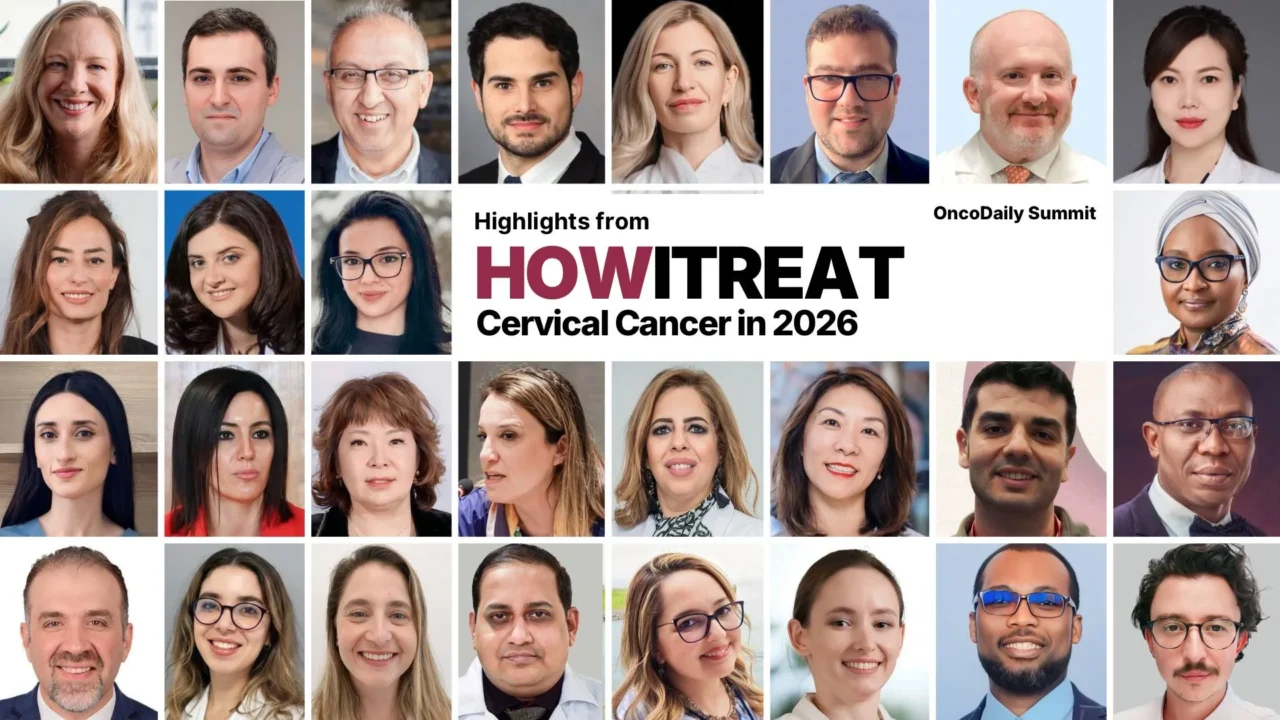
For 9 hours, the OncoDaily Cervical Cancer Summit 2026 became a truly global meeting point for expertise, experience, and vision. Under the theme “How I Treat Cervical Cancer in 2026,” 26 speakers from 5 continents shared how cervical cancer care is evolving across diverse health systems, where science meets policy, and innovation meets access.
Held on January 24 during Cervical Cancer Awareness Month, the summit offered a comprehensive, practice-oriented journey across prevention, diagnosis, treatment, and elimination strategies, firmly aligned with the global 90–70–90 targets.
Opening Addresses: Setting the Global Agenda
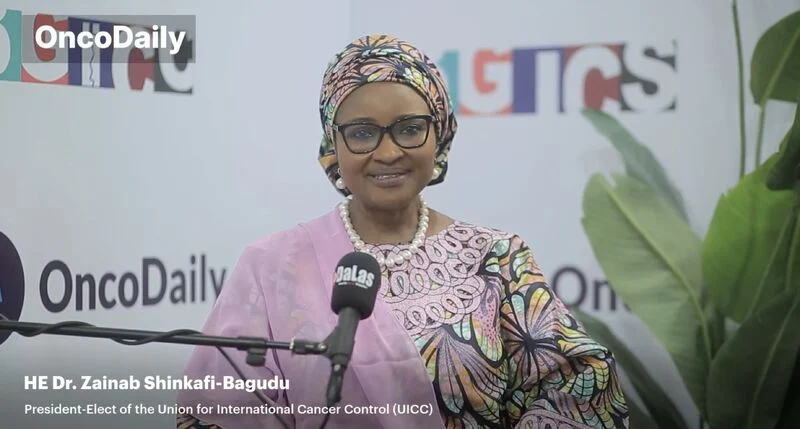
Zainab Shinkafi-Bagudu opened the summit with a powerful address grounded in cancer equity and global responsibility. As President-Elect of the Union for International Cancer Control, HE highlighted the urgent need to strengthen health systems, expand access to care, and align national strategies with global cervical cancer elimination efforts.
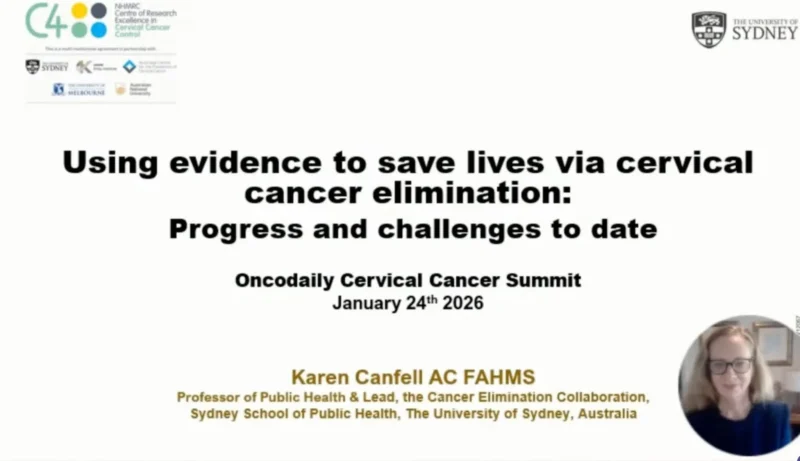
Delivering the keynote lecture, Karen Canfell presented compelling evidence on cervical cancer elimination progress worldwide. Drawing from population-based data and policy experience, she explored how evidence-driven screening and vaccination programs translate directly into lives saved while addressing the challenges that still hinder universal implementation.
Prevention and Screening: What Works in Practice
Nermeen Mostafa shared practical insights into HPV vaccination and cervical cancer prevention, reflecting her leadership role within Egypt’s Presidential Initiative for Early Cancer Detection. Her session emphasized translating national strategies into measurable population impact.
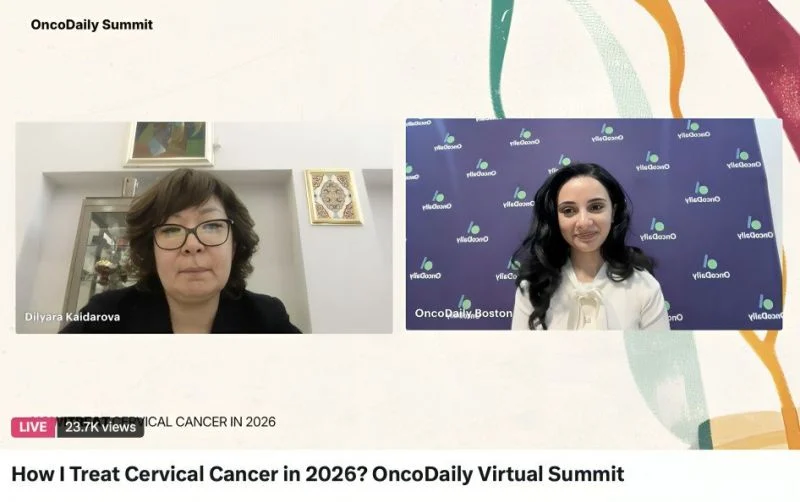
From Central Asia, Dilyara Kaidarova discussed the role of organized screening programs in Kazakhstan, offering a regional perspective on prevention, early detection, and the evolving cancer control landscape.
Diagnostics and Imaging: Precision at the Foundation
Hovhannes Vardevanyan explored the critical role of imaging in cervical cancer care. His session highlighted current diagnostic practices and future directions, emphasizing how high-quality imaging informs staging, treatment planning, and multidisciplinary decision-making.
Speaking on HPV and cervical cancer prevention in South East Europe, Amil Družić, from the Oncology Clinic at the Clinical Center of Sarajevo University and Vice-Chair of the European Cancer Organisation’s HPV & Hep B Action Network, examined regional progress, persistent gaps, and priorities looking toward 2026.
His presentation highlighted uneven HPV vaccination uptake, variability in organized screening programs, and differences in policy implementation across South East European countries. Emphasizing the importance of coordinated regional strategies, he addressed how political commitment, public trust, and cross-sector collaboration are essential to strengthening prevention efforts and aligning national programs with European and global elimination targets.
Representing China, Yan Li presented the latest national guidelines for cervical cancer diagnosis and treatment, offering insight into standardized care pathways at a national level.
Local Treatment Strategies: Surgery and Radiotherapy
Olena Postupalenko addressed the evolving role of surgery in early-stage cervical cancer, focusing on contemporary surgical decision-making and minimally invasive approaches within modern treatment paradigms.
Advances in radiation oncology were presented by Marija Živković Radojević, who discussed modern radiotherapy techniques and their role in optimizing tumor control while minimizing treatment-related toxicity.
Systemic Therapy and Immunotherapy
Giuseppe Caruso examined the role of systemic therapy in early-stage cervical cancer, addressing timing, patient selection, and integration with local treatments.
The expanding role of immunotherapy was explored by Mansoor Raza Mirza, who discussed immune-based strategies in localized cervical cancer and how emerging data may reshape treatment algorithms.
Innovation in treatment was addressed by Brian Slomovitz, Director of Gynecologic Oncology at Mount Sinai Medical Center and a leading figure in gynecologic cancer research. In his session on novel therapeutic approaches in cervical cancer, he reviewed emerging treatment options that are expanding the therapeutic armamentarium, including new systemic strategies and evolving combinations with local therapies.
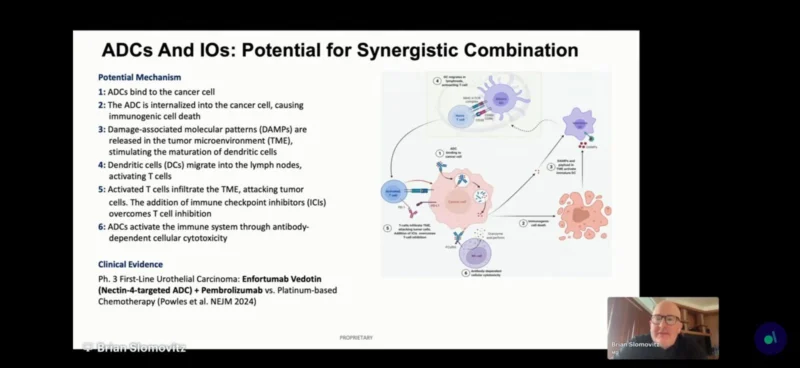
His discussion focused on how innovation is reshaping clinical decision-making, while also stressing the need to integrate new agents thoughtfully into existing care pathways to ensure safety, effectiveness, and equitable access.
Global Voices: Country-by-Country Perspectives
A defining feature of the summit was the Global Voices segment designed to move beyond guidelines and trials and into the realities of day-to-day care. Across sessions, speakers described how cervical cancer prevention, diagnosis, and treatment are shaped by factors such as screening infrastructure, pathology capacity, access to radiotherapy and systemic therapies, workforce availability, referral pathways, and the practical impact of national policies.
Rather than presenting a single “best model,” the discussions highlighted how countries are adapting evidence-based standards to local systems, and how progress often depends on implementation details: how patients enter care, how quickly they can be staged and treated, and whether services are accessible geographically and financially.
From Georgia, Maka Abuladze outlined the current landscape of cervical cancer care, emphasizing where progress is visible and where bottlenecks remain across the continuum, from prevention and early detection to timely treatment. Her perspective underscored how system organization, referral efficiency, and service availability can directly influence outcomes, even when clinical knowledge is widely shared.
Representing Brazil, Helena Kremer described both advances and ongoing challenges within a large, diverse healthcare setting. Her overview reflected the complexity of delivering consistent cervical cancer services across regions, where screening uptake, diagnostic turnaround times, and access to specialized treatment can vary substantially. The discussion highlighted that national improvements often depend on strengthening coordination between primary care, diagnostics, and oncology centers.
How I Treat Cervical cancer in 2026: OncoDaily Summit
From Algeria, Imene Hadji shared a country-level perspective focused on real-world constraints and opportunities addressing how patients move through the system, which services are most available, and which steps in the pathway remain vulnerable to delays. Her remarks reinforced a theme repeated throughout Global Voices: progress is possible, but it requires sustained alignment between capacity, policy, and public health strategy.
From Kosovo, Brunilda Profka Haxhiu described cervical cancer care through the lens of a smaller health system, where access and resource distribution can shape national practice patterns. Her overview highlighted the importance of standardization, workforce support, and sustainable service development especially in areas such as radiotherapy access, multidisciplinary coordination, and continuity of care.
Representing Ukraine, Oksana Mashevska provided insights into delivering cervical cancer services under difficult circumstances, emphasizing the resilience of clinical teams and the need for reliable pathways despite disruption. Her contribution drew attention to the importance of maintaining essential oncology services, safeguarding access to diagnostics and treatment, and strengthening coordination in order to protect patients from avoidable delays.
From Nigeria, Ishak Lawal addressed cervical cancer realities in a setting where late presentation and access gaps can significantly influence outcomes. His perspective highlighted how public awareness, screening availability, diagnostic capacity, and affordability intersect and why scalable, system-level solutions are needed to reduce preventable mortality. The discussion reinforced that elimination goals require not only clinical advancements, but also broad access to basic prevention and timely treatment.
Speaking from Turkey, Enes Erul discussed the national landscape, focusing on how organized approaches and health system planning shape cervical cancer control. His overview reflected how structured screening strategies, service distribution, and national implementation frameworks can influence consistency of care and help translate policy into measurable population outcomes.
Concluding the regional updates, Mariam Mailyan presented the Armenian perspective, outlining current practice realities and priorities across the care pathway. Her contribution emphasized how local capacity, access to specialized services, and system coordination define what is feasible in routine care and how targeted improvements can strengthen the overall national response.
Closing Dialogue: Synthesizing Evidence and Regional Realities
The summit’s closing panel brought together Amol Akhade, Emad Shash, Abeid Athman Omar, and Martin Harutyunyan in a multidisciplinary discussion that connected clinical evidence with on-the-ground realities described throughout the day.
The panel reflected on how care pathways can be strengthened through earlier detection, better referral coordination, multidisciplinary decision-making, and workforce and infrastructure investment. Their dialogue also returned to the elimination agenda emphasizing that progress depends not only on innovation, but on implementation: making prevention and treatment scalable, sustainable, and equitable across settings.
Written by Nare Hovhannisyan, MD