A new collaboration will focus on oncology workforce training, clinical trial access, and stronger standards for quality and accountability in cancer care.
The American Society of Clinical Oncology (ASCO) and the World Health Organization (WHO) have signed a project collaboration agreement to address barriers to quality cancer care internationally.
The agreement brings together WHO’s work with governments and ASCO’s clinical, educational, and quality improvement expertise. Its goal is to make quality a greater priority in the global cancer agenda and help countries improve access and survival.
Why Quality Cancer Care Needs Greater Attention
The collaboration comes amid a growing cancer burden and persistent differences in access to services. According to WHO’s Global Status Report on Cancer 2026, an estimated 20.6 million people were diagnosed with cancer in 2024. Annual cases are projected to reach nearly 35 million by 2050.
The report also documents substantial inequalities in outcomes. Five-year breast cancer survival is approximately 87% in high-income countries, compared with about 42% in low-income countries. Fewer than one in three countries include cancer care in their universal health coverage packages.
These gaps show why expanding access must go hand in hand with strengthening the services patients receive. A functioning cancer care system depends on trained professionals, appropriate research, and facilities capable of consistently delivering safe and effective care.
WHO Global Status Report on Cancer 2026: The Future We Choose Together
Strengthening the Oncology Workforce
The first priority is building core cancer care competencies among health professionals.
WHO and ASCO will use virtual and in-person training, drawing on ASCO’s existing Global Courses. Activities will be developed in consultation with WHO Member States and adapted to individual countries’ needs and circumstances.
This country-specific approach recognizes that educational programmes must be relevant to the settings in which professionals work. Training can have greater practical value when it reflects local service capacity, available resources, and the challenges clinicians encounter in everyday care.
Improving Access to Cancer Clinical Trials
The second priority is clinical trial access and research capacity.
Working with Member States, the organizations aim to align research priorities with national cancer burdens. Proposed activities include stakeholder forums, research training, and support for regional collaboration.
The emphasis on national priorities matters. Research can better inform local cancer care when it addresses the diseases, patient populations, and delivery challenges that countries face. Building research capacity also creates opportunities for health professionals to contribute evidence from settings that are often underrepresented.
Bringing Quality Improvement Into Cancer Facilities
The third priority is improving the quality, accessibility, and accountability of cancer care at the facility level. The collaboration will combine WHO’s support for national cancer programmes with ASCO’s quality care certification and training programmes, bringing these efforts to countries where they could have the greatest impact.
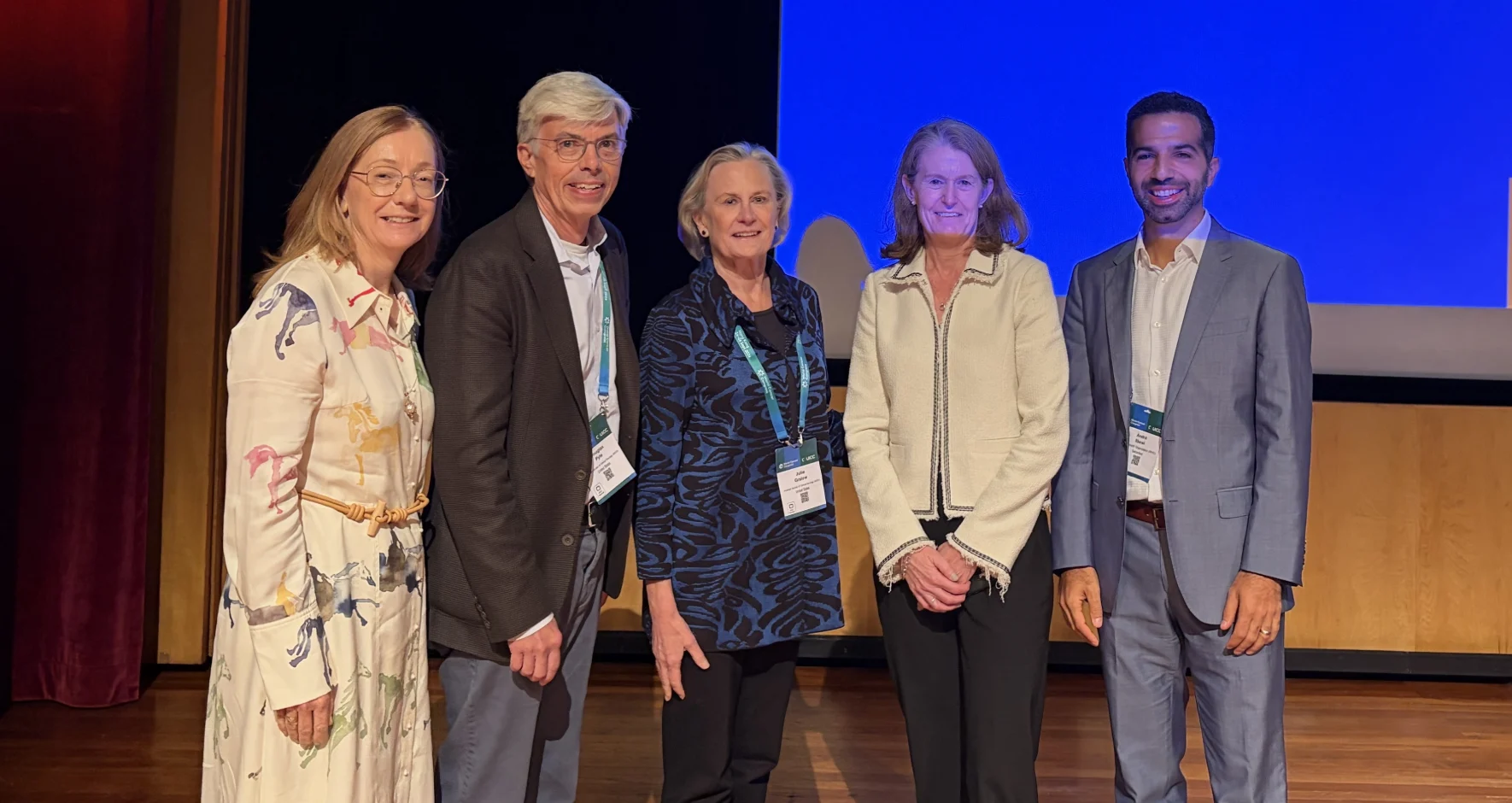
André Ilbawi, MD, WHO Team Lead for Cancer, said:
“No one should have to wonder whether the cancer care they receive is safe and effective.”
Ilbawi emphasized that access alone is insufficient: services must also meet appropriate quality standards to prevent avoidable harm. He described the agreement as an expansion of the existing WHO–ASCO partnership, with governments and health professionals working together to strengthen policies and services for people affected by cancer.
Julie R. Gralow, MD, FACP, FASCO, ASCO Chief Medical Officer and Executive Vice President, described the agreement as an important step toward improving cancer care globally. She highlighted how WHO’s global health leadership and ASCO’s clinical and educational expertise can support a collaborative approach with Member States.
“This agreement is a pivotal step in our collective effort to improve access to quality cancer care globally.”
Gralow emphasized three connected goals: strengthening the oncology workforce, supporting research, and helping deliver high-quality, evidence-based care to patients across different resource settings.
Connecting Global Priorities With Local Care
The agreement reflects the broader direction of WHO’s 2026 cancer report, which calls for stronger health system capabilities, greater protection for people affected by cancer, and research and innovation aligned with public health needs.
Its three priorities address connected parts of cancer care: the professionals delivering treatment, the evidence informing decisions, and the facilities responsible for putting those decisions into practice.
For patients, the intended benefit is care that becomes more accessible, reliable, and responsive to their needs. Achieving that goal will depend on translating the collaboration into programmes that countries and cancer facilities can implement and sustain.
Read further on OncoDaily: WHO Unveils 2026–2030 Strategy to Close the Childhood Cancer Medicines Gap